
Restaurant menus are living documents. What dazzles diners one year can quietly fade into irrelevance the next, and chefs across the country are watching it happen in real time. According to a Menu Matters survey of consumers, the overriding need for 2025 was simply "just give me something new." That restlessness is reshaping what lands on tables and what quietly disappears from menus. From overworked ingredients to tired presentation gimmicks, here are six once-popular dishes that chefs say are losing their grip on the modern diner.
1. The Plant-Based Burger
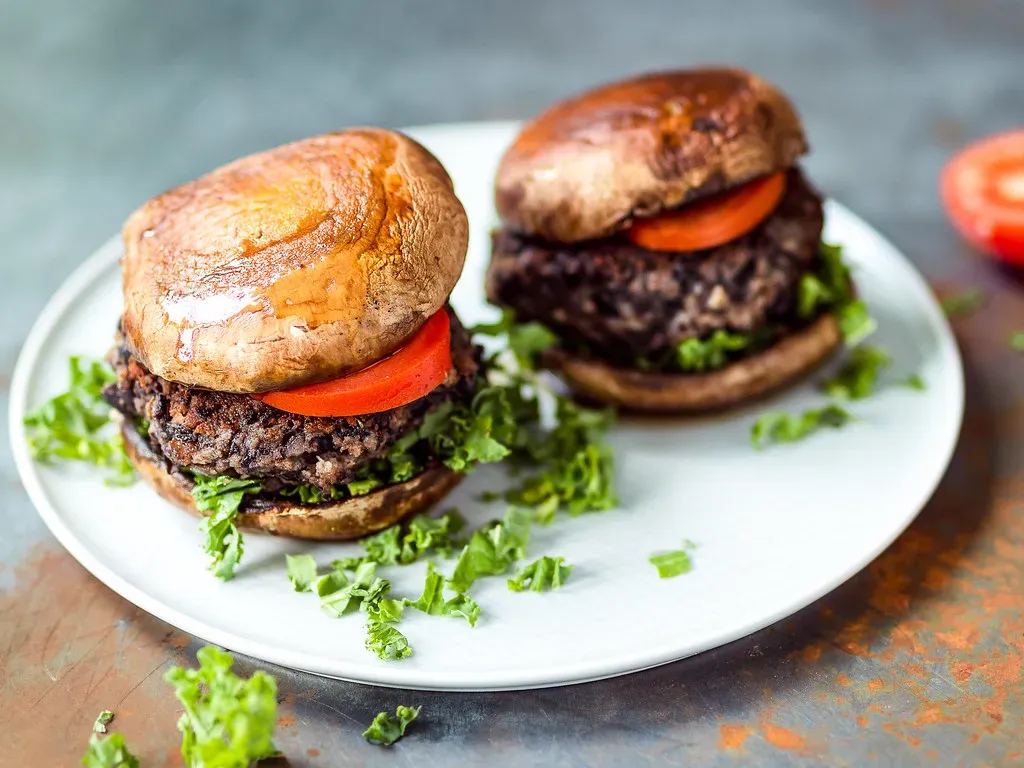
Few dishes captured the restaurant world's imagination quite like the plant-based burger. For a few years, it felt unstoppable. According to SPINS data analyzed by the Good Food Institute, US retail sales of most plant-based categories were down in 2024 against a backdrop of rising sales for conventional meat. Sales of plant-based meat and seafood specifically dropped 7% to $1.2 billion in 2024, with unit sales falling an even steeper 11%. The decline wasn't a blip. It was a trend with legs.
Sales of refrigerated plant-based burgers, which were driving significant growth in the category a few years ago, continued their precipitous decline, dropping 26% year over year. Chefs who once championed these dishes are now rethinking their menu space. As Strong Roots CEO Sam Dennigan put it: "Everyone wants the planet to thrive but not at the cost of taste." Taste remains both the most frequently mentioned reason for repeat consumption of plant-based foods and the top barrier to trial. The plant-based burger isn't dead, but its dominance as a restaurant centerpiece clearly is.
2. Truffle-Everything Dishes
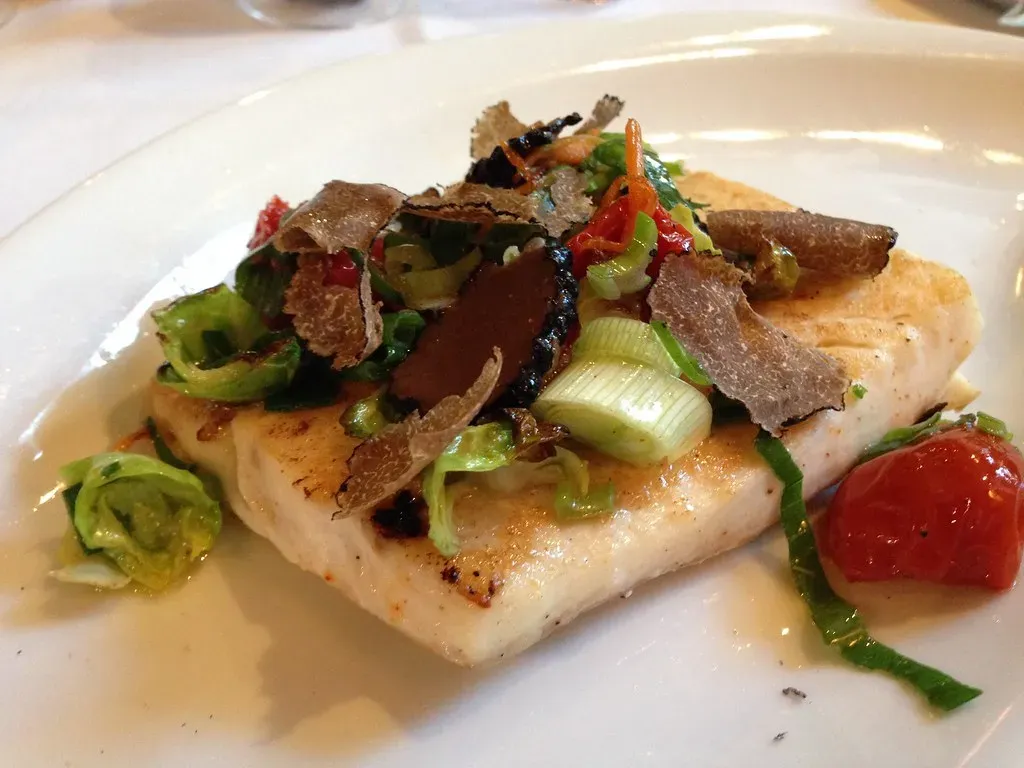
Truffle oil on fries. Truffle shavings on pasta. Truffle butter on bread. For a solid decade, restaurants leaned on the word "truffle" the way marketers lean on the word "premium." It worked, for a while. Multiple chefs have now pushed back, with executive chef David Garcia of Eddie and Vinny's stating: "Uni, truffles, caviar - these ingredients used to be special. Now they're often tossed onto dishes just to make them seem more luxurious for Instagram. Presentation is sometimes prioritized over purpose, and the integrity of a dish can get lost in the hype."
Chef Chuck Valla, owner of Valla Table, noted that he doesn't think truffles taste any better than dried shiitake mushrooms, while chef Sarabjit Singh Assi of Sanjh Restaurant and Bar warned that "the obsession with truffle mushrooms, especially when synthetic truffle oil is being used, overpowers dishes, lacks nuance and often masks what could have been great ingredients." When chefs themselves are calling a signature menu move overrated, diners tend to agree and stop ordering it.
3. Avocado Toast
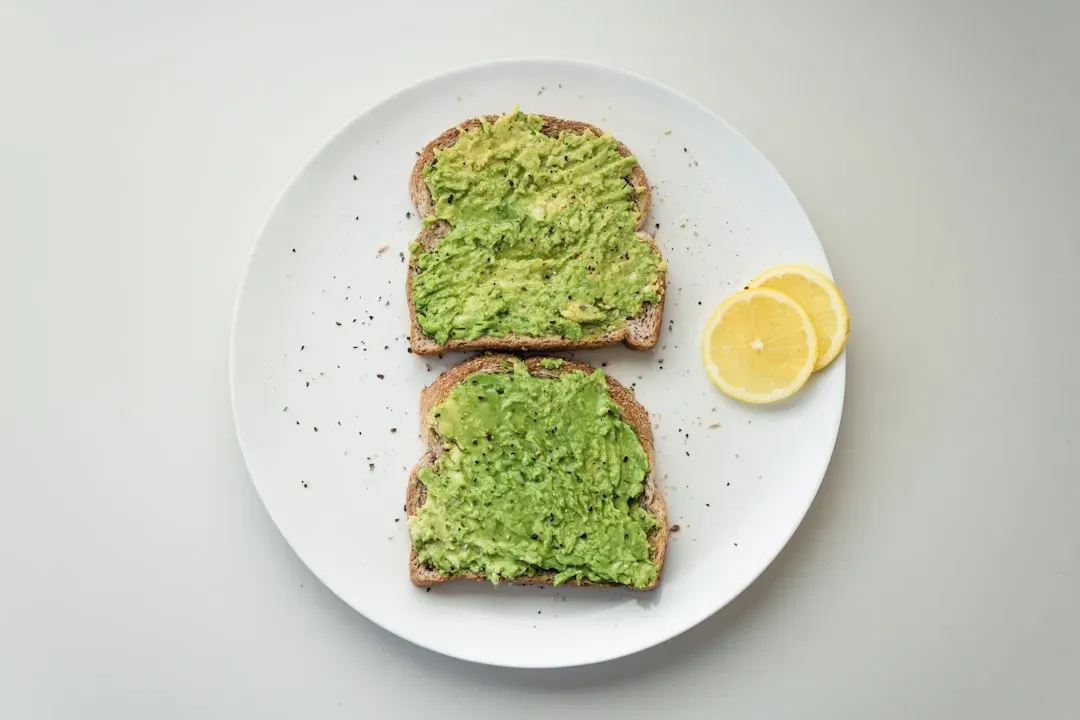
Avocado toast had one of the most remarkable runs in modern food culture. It went from health-café curiosity to restaurant staple to cultural punchline in under a decade. Now, even chefs are questioning its staying power. Sean Thompson, executive chef at Porter House, summed it up bluntly: "Avocado toast. Look, I have no problem with it, but the fact that it's been considered a trend for years still baffles me." Diners have grown equally weary.
Its popularity is also part of a wider trend being challenged, as restaurants and diners seek out alternative toast toppings to the environmentally problematic avocado, with chefs showing that other ingredients needn't be boring. Diner frustration is growing, with some openly complaining about paying high prices for what amounts to assembling the dish themselves, with no indication on the menu that it was "deconstructed." The concept still lingers, but it's no longer the statement dish it once was.
4. The Long Tasting Menu
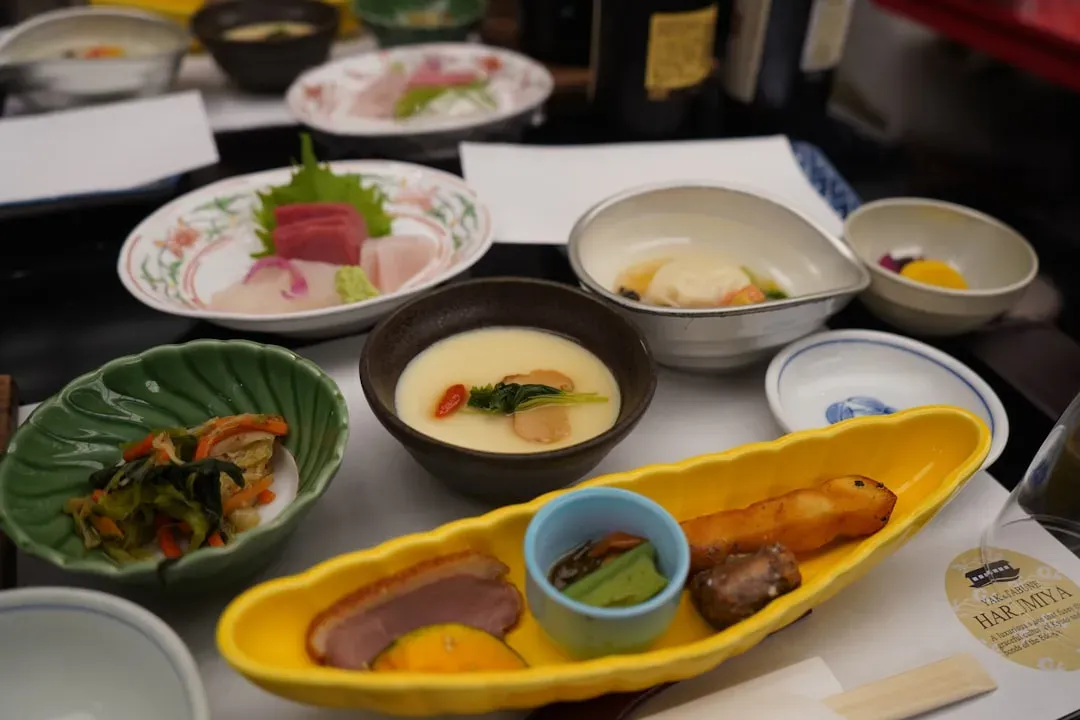
The multi-course, three-hour tasting menu was once the ultimate expression of fine dining ambition. Chefs designed them as culinary journeys, and certain diners happily cleared an entire evening for the experience. That appetite has cooled considerably. Tasting menus traditionally require three-hour commitments, but modern diners want chef-driven experiences in one-hour windows, with abbreviated formats catering to customers with time-conscious schedules or a simple preference for efficient dining.
According to the US Consumer Price Index, "food away from home" rose about 6 percent from January 2024 to September 2025, driven by rising labor, rent, and ingredient costs. That kind of inflation puts the lengthy, expensive tasting menu under particular pressure. Inflation has reshaped consumer dining habits broadly, with guests still wanting to eat out but in more rational, budget-conscious ways, and after sharp price hikes in 2025, more affordable concepts are now attracting wider audiences. A sixteen-course dinner costing several hundred dollars per person is a harder sell when grocery bills feel punishing.
5. The Kale Salad
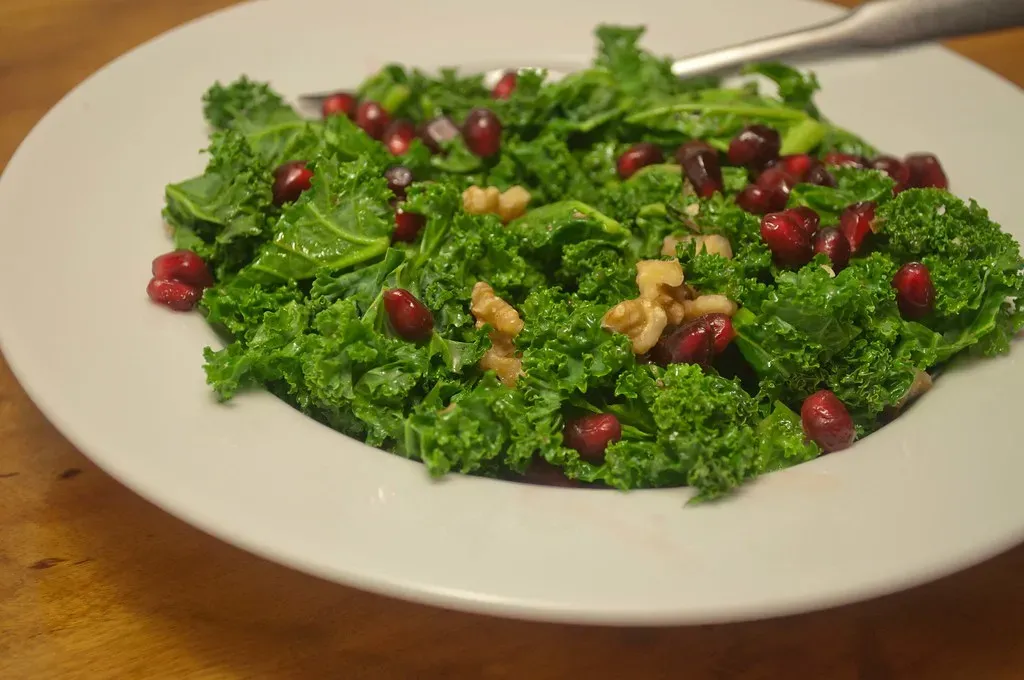
For years, kale was the poster vegetable of the health-conscious restaurant movement. It showed up in salads, smoothies, sides, and grain bowls with relentless enthusiasm. Now it signals menu fatigue more than culinary creativity. Industry consulting firm Menu Matters' vice president Mike Kostyo specifically called out kale salads as an example of dishes that have become too ubiquitous, advising operators to "get away from the single ingredient or dish that's everywhere" and to "have it in your toolbox but don't throw it on everything."
According to insight gathered by booking platform Resy, today's diners have "discerning palates" and look for "quality, transparency and uniqueness" in their meals. A predictable kale salad dressed in lemon vinaigrette checks none of those boxes anymore. Consumers have started seeking different and unique dining experiences, whether that means a fine dining night out where the menu highlights seasonal ingredients, or something that genuinely surprises them. The kale salad, stripped of its novelty, simply no longer delivers that surprise.
6. Luxury Ingredient-Stacked Dishes (Caviar, Wagyu, Uni)
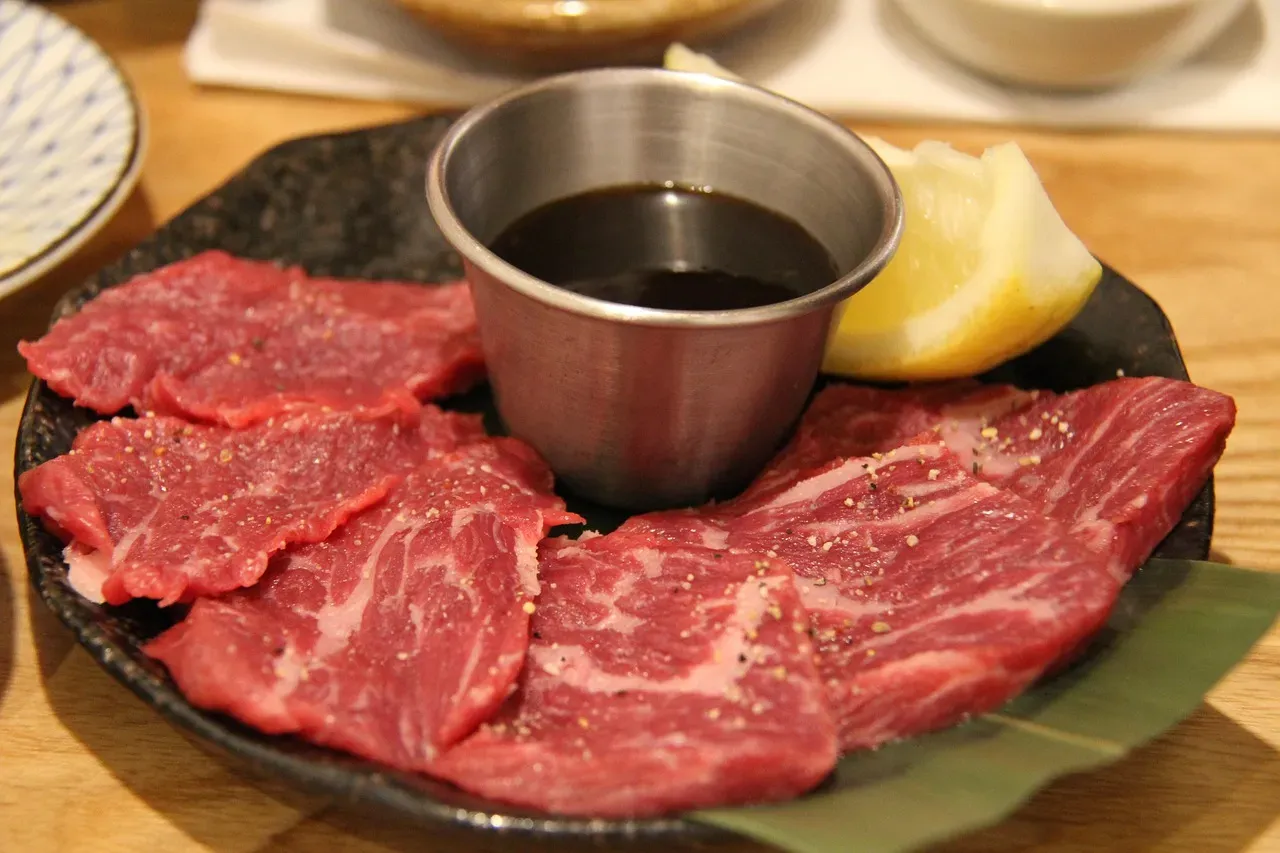
Stacking multiple luxury ingredients onto a single dish became a kind of arms race in restaurant dining. Wagyu beef topped with uni, finished with caviar and truffle shavings. The more expensive the components, the more impressive the dish seemed. Chefs are now flagging this approach as style without substance. Chef Sam Hart, owner of Irreverently Refined Hospitality, called out "all the places that layer Wagyu, uni and caviar on top of sushi," saying that "the idea of taking 10 luxury items and piling them on top of each other loses the point of each of the ingredients."
Executive chef David Garcia also noted that caviar can now be found on pretty much anything, "from a lobster roll to a fried chicken sandwich," which has made it "more of a mainstream, household staple rather than this luxury, special item." The economics are shifting too. Spending growth in both full-service and limited-service restaurants has declined at roughly twice the rate of transaction growth in recent years, indicating that diners are still showing up to restaurants but trading down when they do. Shelling out sixty dollars for a dish stacked with luxury garnishes feels harder to justify when budgets are tighter and expectations for genuine flavor have never been higher.




Leave a Reply