
There's something almost nostalgic about walking into a chain restaurant. Familiar logos, laminated menus the size of a small novel, the faint smell of something fried in the air. For decades, these places have been pillars of American dining culture. Reliable, yes. But worth your money and time in 2026? That's a very different question.
Chefs and food insiders have long had a private "don't bother" list, and honestly, it's getting longer. Rising food costs, corporate mismanagement, bankruptcy filings, frozen bread, and shrinking portions have quietly hollowed out experiences that once felt dependable. The gap between what chains promise and what they actually deliver has never been wider.
So before you pull into that parking lot out of habit, read on. You might be surprised by what's really happening behind those familiar neon signs. Let's dive in.
1. TGI Fridays: The Party Ended Years Ago
It was among the original sit-down chains that defined casual dining. Who doesn't have fond memories of its big booths, loud energy, loaded appetizers, and upbeat happy hour? The version of the brand heading into 2026, however, is very different from what you may remember. That's not just nostalgia talking. That's the financial reality.
The chain filed for Chapter 11 bankruptcy in late 2024 and continues to operate under that protection in 2026. While bankruptcy doesn't automatically mean a shutdown, it does mean the company is in survival mode, straining to stay alive by reorganizing its finances, closing locations, and cutting costs. TGI Fridays has already closed dozens of restaurants in the U.S. and internationally. To be fair, the brand has tried to adapt, but years of declining traffic and shifting dining habits have definitely taken a toll.
By the end of April 2025, TGI Fridays had just 85 locations around the country, with subsequent months seeing it lose even more. Thinking of visiting one of those remaining 85? Here's the thing: a brand that's fighting to stay alive is rarely one that's focused on making your meal exceptional.
2. Red Lobster: The Endless Shrimp Problem Nobody Talks About Enough
Red Lobster's mismanagement under major shareholder Thai Union turned the chain into a shell of its former self. Thai Union's aggressive focus on cost-cutting took Red Lobster's reputation from hero to zero. In early 2024, Thai Union agreed to walk away from Red Lobster in exchange for a $530 million write-off. That's not a stumble. That's a collapse.
It was not a good year for the seafood segment. Even if you factor out Red Lobster, which filed for Chapter 11 bankruptcy protection in May of 2024 and saw sales decline by more than a fifth, the other 21 seafood chains within the Top 500 brought in less than they did in 2023. That compares unfavorably to growth for the industry as a whole.
Red Lobster is now under new management, having been bought out of bankruptcy by its creditors, who hired former P.F. Chang's chief executive Damola Adamolekun as its new CEO. A new CEO is promising. Still, rebuilding trust in a kitchen that served compromised quality for years isn't something that happens overnight. Chefs I know say seafood chains live and die on freshness, and frozen shortcuts are not easily forgiven.
3. Denny's: A Brand Running Out of Time
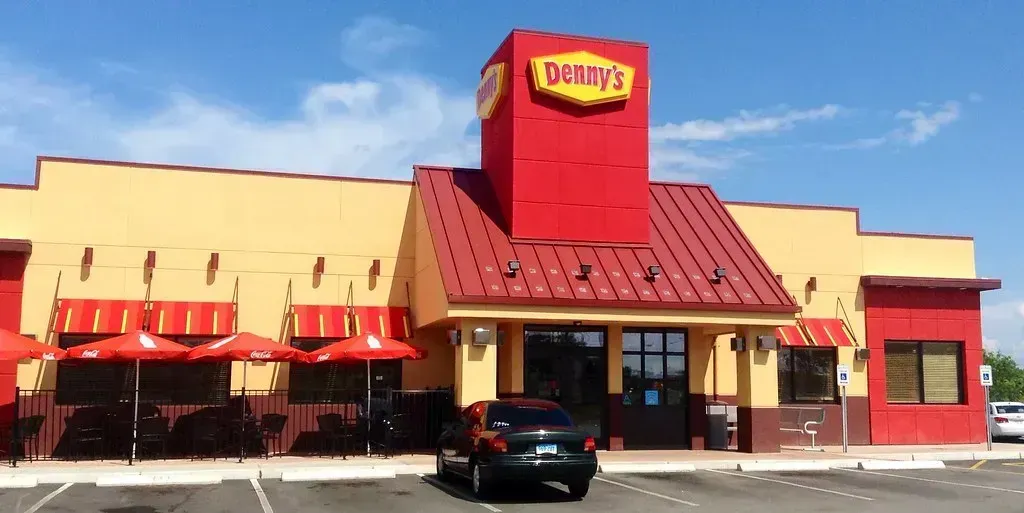
Denny's experienced a terrible 2024 and has been struggling to stay in business, announcing it was closing 50 of its restaurants in just a few months, citing underperformance as the main reason. This shuttering operation followed a difficult period for the brand, which saw a large number of its restaurants stop operating round-the-clock, in a bid to save money.
In total, 180 restaurants were due to close in just 24 months, a huge proportion of its remaining locations. This, paired with a sluggish renovation program that had only affected a few dozen of its restaurants, has made the chain feel like it's falling behind. A late-night diner that no longer stays open all night is a bit like a swimming pool with no water.
By the end of 2025, Denny's had closed about 150 underperforming restaurants. The bigger shift came when the company agreed to a roughly $620 million sale to a private equity ownership group, with the deal expected to close in early 2026. Customers can expect things like menu changes, staffing adjustments, reduced hours, or even slower service as new owners sort things out. Even if favorite locations remain open, the atmosphere may feel different as operational screws are tightened.
4. Panera Bread: Fresh No More
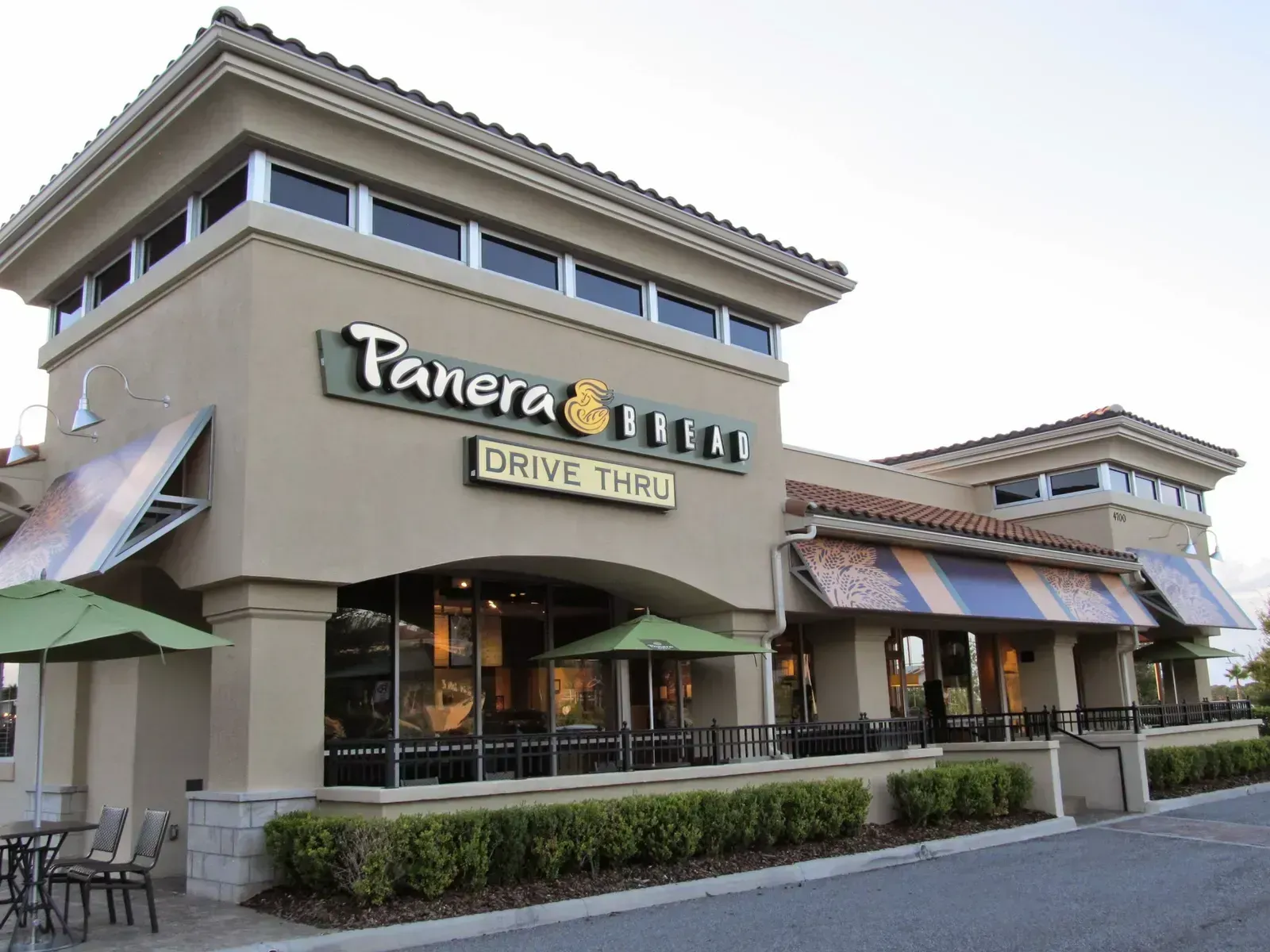
This transition comes on the heels of a slow decline in the quality of Panera's products and its reputation. Customers have been suspect of problems since Panera's 2017 sale to JAB Holding Company. The CEO of the chain unexpectedly stepped down six months later, and the brand was involved in several safety issues. The cracks were always there. It just took a few years to see them clearly.
JAB's Panera Bread will no longer bake its own bread as of 2025, with the company planning to use "par-baked" breads and close all dough facilities. All pastries have been changed to heat-and-eat frozen pastries, with bakers' hours shortened. For a brand that literally built its identity on fresh-baked bread, that's a stunning betrayal of its own promise.
Panera's CEO admitted that once the chain's traffic started to struggle, the company cut labor from its restaurants and decreased the quality of its food. That ultimately hurt Panera's reputation, and on social media, some users now compare it to "hospital food." The chain saw a 5% drop in sales from 2023 to 2024 and was also the center of an unfortunate lawsuit for its caffeinated lemonades that caused heart issues for several customers.
5. Wendy's: Closing Fast, Struggling Faster
Wendy's has long positioned itself as the "premium" fast-food burger chain, with fresh beef and nostalgic staples like Frostys and baked potatoes. Yet 2026 is shaping up to be one of the most unstable years in the company's history. Starting in late 2025, Wendy's began a large wave of closings affecting hundreds of locations, and customers have already started to feel the shockwaves.
The chain announced plans to close up to 350 U.S. locations after already shuttering about 140 stores in 2024. Sales at existing restaurants are slipping, and overall profits have taken a noticeable hit. That's not just a strategic pivot. That's a brand trying to cut losses before they spiral further.
Stores that remain open may feel more rushed or understaffed as operators try to cut costs. Long waits, stressed employees, and inconsistencies in food quality are common side effects when chains are under pressure. In an effort to bring people back, Wendy's has leaned hard into low-priced meal bundles. While these deals can be attractive, they're also a sign that the company is fighting to hold onto its price-sensitive diners in a saturated market.
6. KFC: Fried in Its Own Problems
For decades, KFC was the undisputed king of fried chicken, but in the last few years, that reputation has been tested like never before. It's facing a serious dip in sales, with more people turning away from the brand. Competitors like Chick-fil-A and Bojangles have had a stellar few years, while KFC has been plagued by quality issues, with customers having increasingly poor experiences at its stores.
KFC had a difficult time in 2025, with sales declining by a massive 5% in the second quarter of the year. This decline continues a downward trend for the brand, with the end of 2024 having seen a similar 5% decrease in sales, and figures throughout 2024 also being down. Two consecutive years of steep declines aren't a blip. That's a pattern.
According to Circana's Definitive U.S. Restaurant Ranking 2025 report, chicken chains including Raising Cane's, Wingstop, Chick-fil-A, Zaxby's, Bojangles, and Popeyes all saw consumer spending increase in 2024, while KFC saw consumer spending fall by 4% to $4.34 billion, ranking lower than Raising Cane's and Wingstop. The chicken game has moved on. KFC is still playing by old rules.
7. Applebee's: Convenience, Not Quality
Applebee's domestic same-store sales have decreased for three consecutive quarters, according to Restaurant Dive. These dropped by 0.5% in the fourth quarter, with this decrease tied to declining traffic. Honestly, declining traffic at Applebee's isn't shocking when you look at the dining landscape. Fresher, more interesting options have stolen its lunch, quite literally.
Customers note understaffed dining rooms, long waits for food, and servers stretched thin across too many tables. While this is not unique to Applebee's, it contributes to an experience that feels less polished than it once did. Although the chain still draws crowds for seasonal promotions and drink specials, those deals can't fully mask the growing dissatisfaction with its core menu. Applebee's is becoming increasingly associated with convenience rather than quality.
Fed up with years of inflation, customers became more choosy with where they spent their dining-out dollars. That gave restaurants little margin for error: if a brand's operations, prices, or menu weren't quite hitting the mark with customers, chances are it paid the price. Applebee's is paying that price right now, one empty booth at a time.
8. Benihana: The Show Has Lost Its Spark
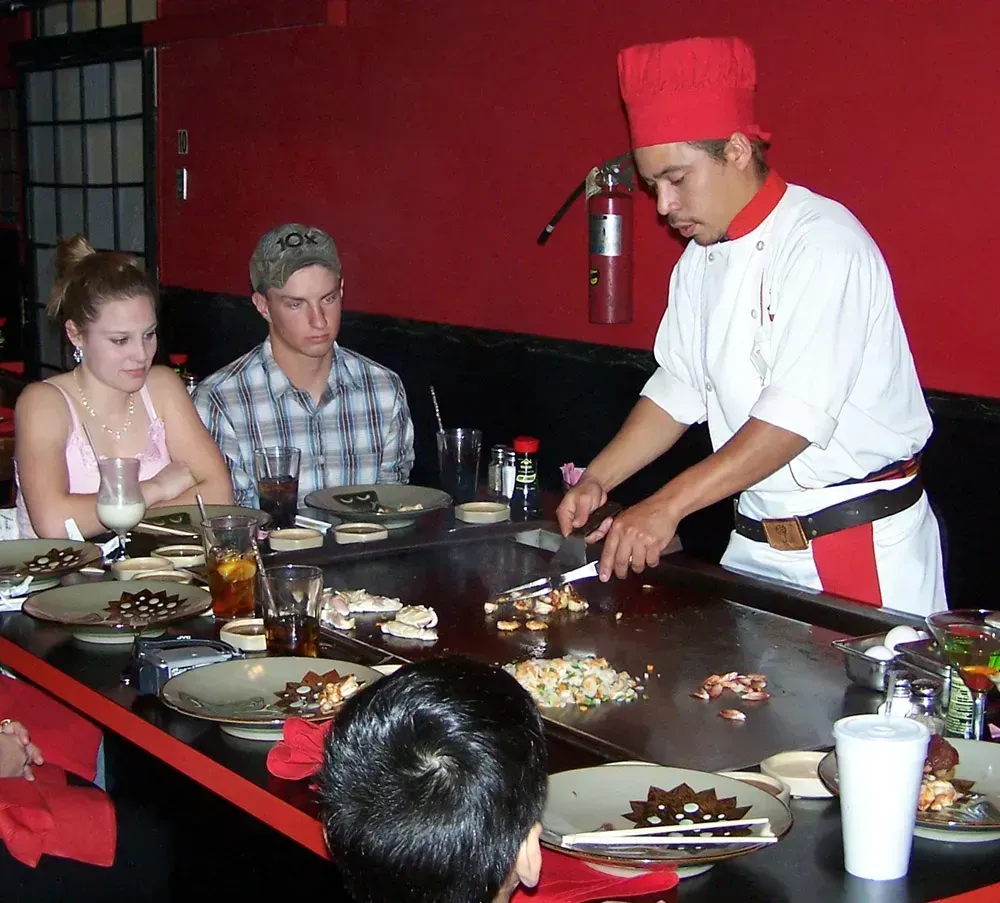
Benihana has spent decades cultivating an image as the go-to teppanyaki destination, where the grill show is part of the meal's value. Ever since it was acquired by One Group in 2024, the chain has seen an escalating wave of criticism from both diners and its own staff. The most troubling complaints are recent, widespread, and consistent.
Customers report that the chain's experience no longer feels like it used to, with horrible service including not taking food allergies seriously. Others describe uneven cooking, long waits despite reservations, and dining rooms that feel less cared for than they once were. When the theatrics stop being fun, there's not much else to justify those prices.
Employees have also publicly voiced dissatisfaction, citing concerns about management changes, staffing shortages, and increased pressure to hit service quotas. When staff morale drops, the impacts eventually show up on the plate, and for a chain built on the promise of a premium, entertaining experience, that problem is hard to hide. A demoralized chef flipping your shrimp is not the Benihana experience anyone signed up for.
9. Long John Silver's: A Relic That Has Overstayed Its Welcome
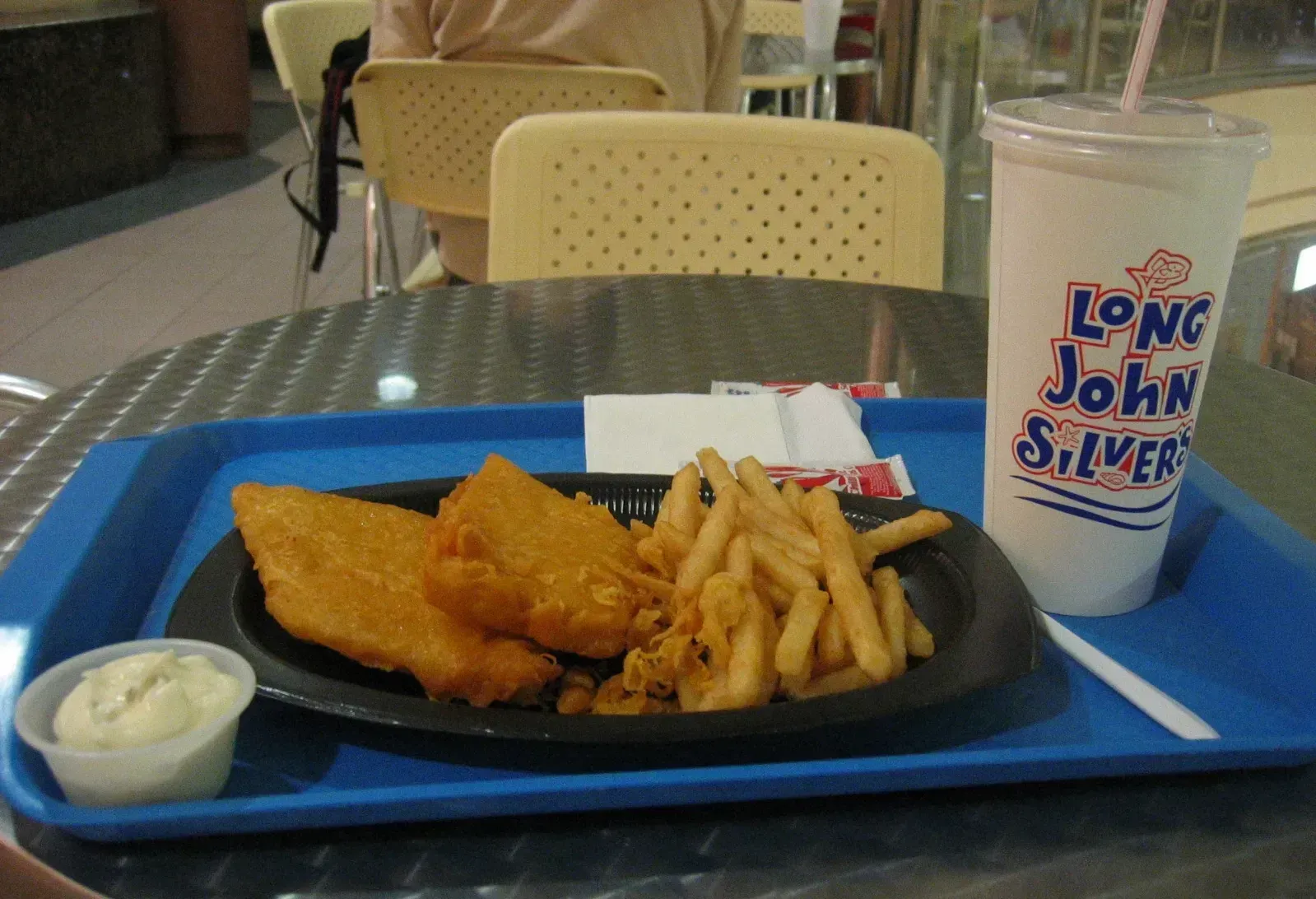
Long John Silver's has always served a very specific niche of deep-fried seafood at fast-food prices. The chain's identity has not aged well, and recent customer sentiment suggests that its issues run deeper than nostalgia. Reviews from the past two years frequently call it one of the worst chain restaurants in operation, with many diners citing serious quality concerns.
Complaints about "freezer-burned" flavors appear in YouTube reviews, especially regarding limited-time seafood offerings like lobster bites or certain fish varieties. Customers also report that the food is overly greasy. When seafood is involved, freshness and quality are everything, and many feel the chain simply is not delivering.
Let's be real: fast-food seafood is always a gamble. Think about it like buying fish from a gas station. The risk-to-reward ratio is just not there. Fast-food seafood is always a gamble, but when customers consistently say a chain's items taste freezer-burned or overly oily, that is a red flag. Unless Long John Silver's reinvents itself for the modern era, 2026 may be the year that more diners decide it simply isn't worth it.
10. Subway: The Giant That's Quietly Shrinking
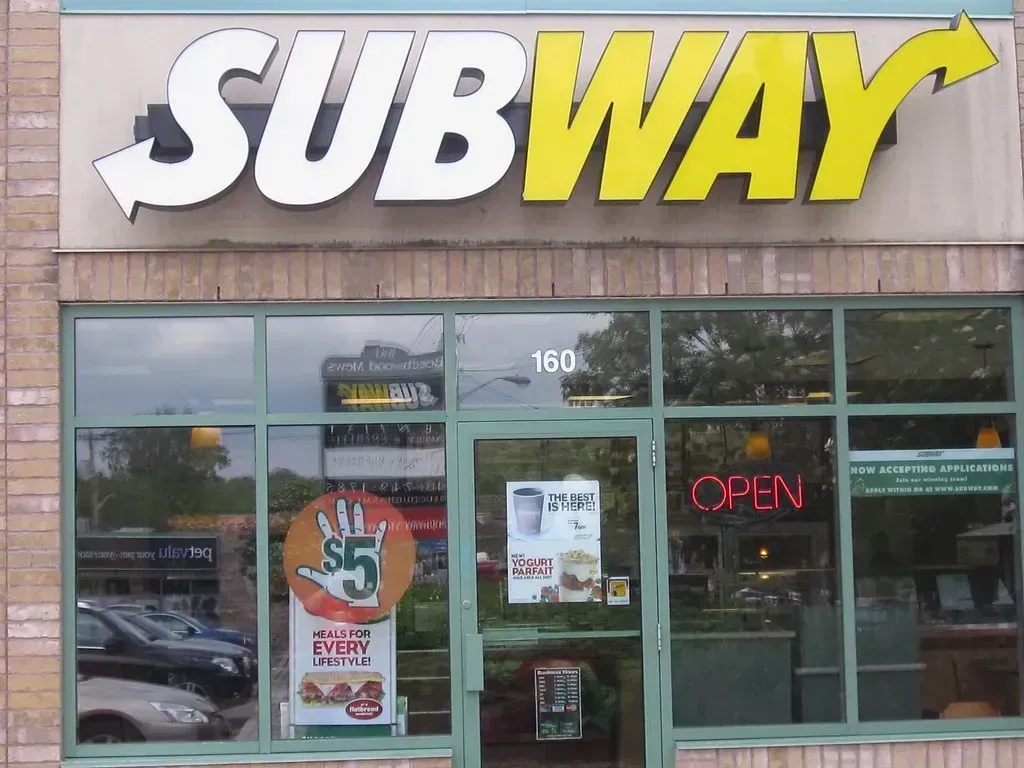
Subway is one of those restaurants that may not feel like it's struggling due to its sheer size. The most famous sandwich shop has around 20,000 locations across the United States, and you can find one in virtually every mall across the land. However, it once had far more units than that. At its peak in 2015, it had approximately 27,000 restaurants, and that number has been gradually sinking ever since.
In 2024, Subway had to close a massive 631 restaurants in the U.S., and it spent much of 2025 without a permanent CEO, leaving the company adrift at a time of crisis. Leadership vacuums at a chain that large tend to trickle down fast. When nobody's minding the ship, it shows in the sandwich you're handed.
I think Subway's core problem is harder to fix than a leadership gap or a shrinking footprint. The value proposition, once unbeatable, has quietly evaporated. Some chains are quietly shrinking down while others are rolling out sweeping ownership changes, untested business strategies, and cost-cutting measures that directly affect the dining experience. When customer complaints start sounding the same across dozens of cities, revolving around quality declines, understaffed locations, or corporate overhauls, it becomes harder to ignore the warning signs.
11. Panera's Neighbor in Trouble: The Cheesecake Factory's Value Problem
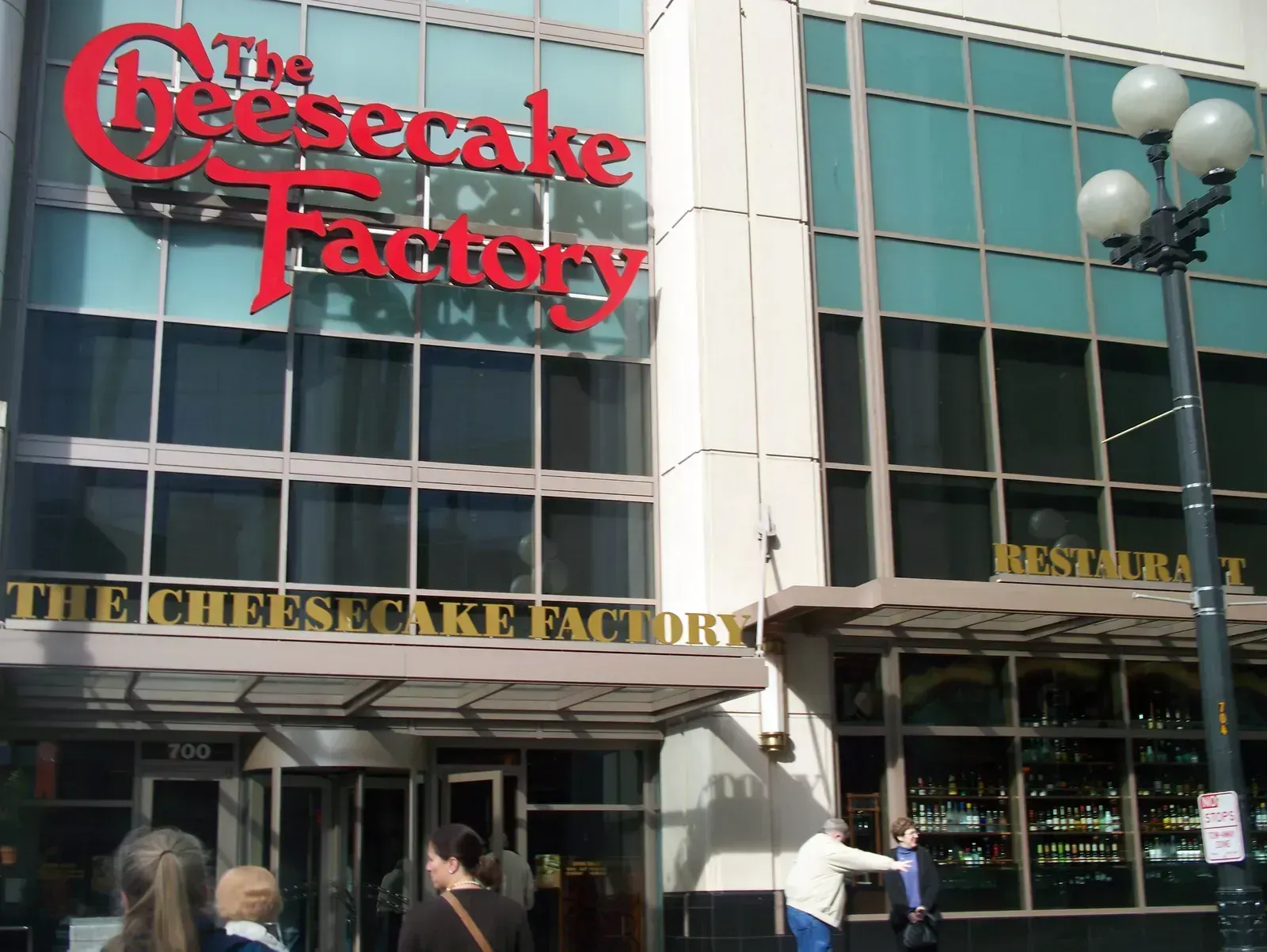
Chain restaurants like The Cheesecake Factory may find success with their menu but struggle with experience and value. Chatmeter recently analyzed over 1 million customer reviews across 10 of the largest dining chains to find out what customers are looking for in 2025. The Cheesecake Factory ranked near the bottom for value and experience, even among casual dining chains.
The Cheesecake Factory menu contains over 250 entrees. That sounds impressive until you're a professional chef looking at how impossible it is to maintain consistent quality across that volume. It's not a kitchen, it's a logistics operation wearing an apron. The portion sizes are enormous, but enormity and quality are not the same thing.
Value mentions dropped by 18% in customer reviews in 2025, indicating that other aspects of casual dining are being prioritized. Deals and promos have positive value perception among customers, but price increases have contributed to negative sentiment for certain chains. Portion sizes play a large role in customers' perception of value, as many comment on portions being too large or too small. At Cheesecake Factory prices, inconsistency hits differently. People expect a lot and feel it hard when they don't get it.
So What Should You Actually Do With This Information?
Look, this isn't about never eating at a chain restaurant again - that's not realistic for most people. What chefs are really telling us is to stop giving these places a pass just because they're familiar and convenient. Familiarity is not the same as quality, and comfort food doesn't have to mean compromised food. The surprising truth is that many mid-size regional chains, local diners, and even fast-casual spots that don't make national headlines are absolutely crushing it on quality and value right now. Places that have a shorter menu, a smaller footprint, and an actual chef running the kitchen tend to deliver something these giants simply can't - consistency that comes from caring, not from a corporate manual. Next time you're tempted to default to one of the chains on this list, try Googling the best local version of whatever you're craving instead. You might be shocked by what you've been missing just a few blocks away. Your wallet and your taste buds will both thank you for it.




Leave a Reply