
There's something almost maddening about it. You buy decent beef, season it, slap it on the grill, and end up with something perfectly fine. Then you walk into a burger joint, order off a laminated menu, and what arrives at your table is somehow transcendent. It's juicy. It's layered with flavor. The bun is buttery and slightly crispy. You wonder, for a moment, if they're doing something almost unfair back there in that kitchen.
Honestly, they are. Chefs know things about burgers that most home cooks never think to ask about, and the gap between a great restaurant burger and an average homemade one comes down to a surprisingly specific set of choices. Some are about equipment. Some are about timing. Some are so simple they'll make you groan out loud. Let's get into it.
1. The Fat Ratio Is Not a Suggestion, It's the Whole Game
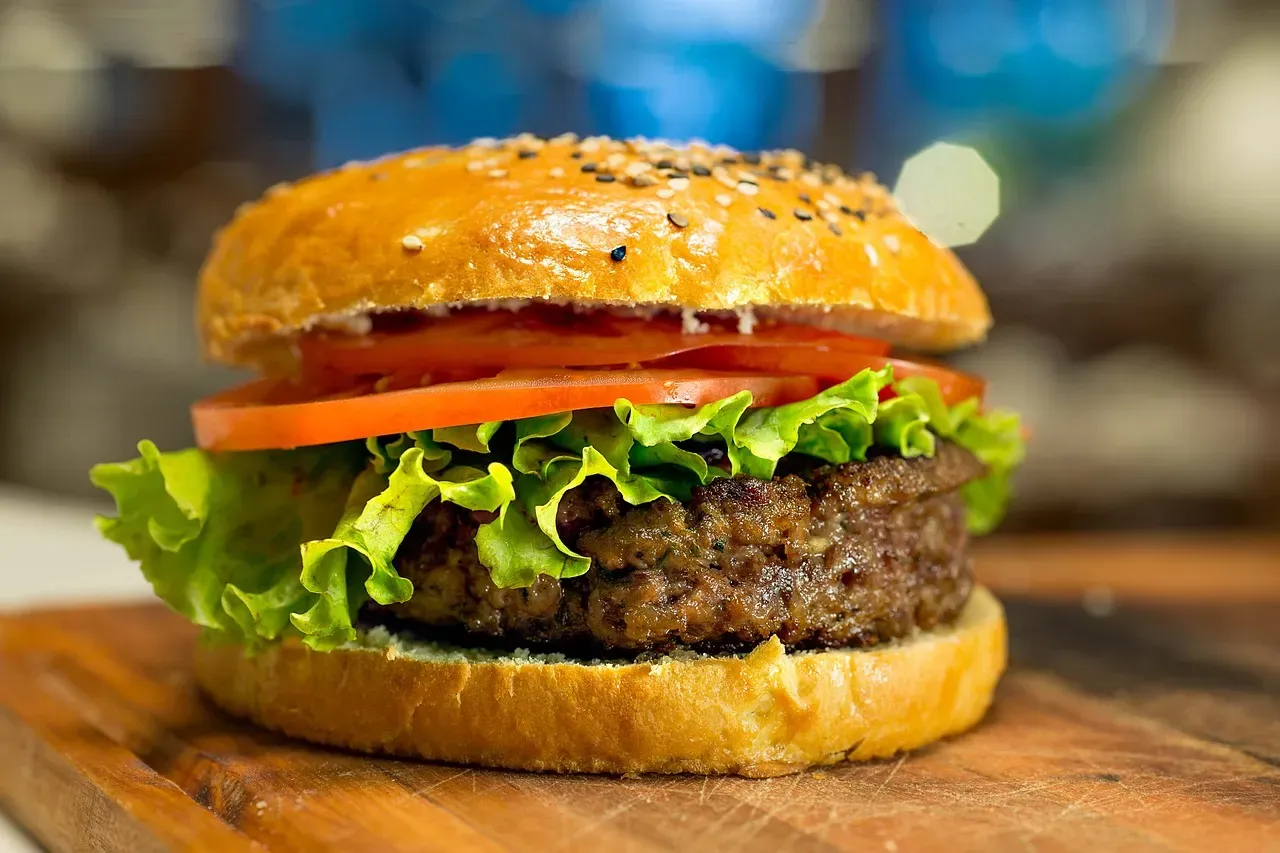
If there is one thing every chef agrees on without a moment of hesitation, it's this: fat is flavor, and most home cooks simply don't use enough of it. Restaurants often use a specific blend of beef with a precise fat content, usually around 20%, which greatly contributes to the juiciness and flavor of their burgers. This is not a coincidence or a casual preference. It is a deliberate, non-negotiable formula.
Shawn Matijevich, lead chef of online culinary arts at the Institute of Culinary Education, recommends getting ground beef that is 80% lean and 20% fat. "It may sound like a lot of fat, but that is where the flavor and juicy mouthfeel comes from in a burger," says Matijevich. Think of it this way: fat in a burger acts like a built-in basting system. While you cook it, the fat melts inward, keeping the meat moist from the inside out.
When a burger patty hits the hot griddle, that 20% fat begins to melt. This process creates a juicy, tender burger and helps form that incredible, savory crust through the Maillard reaction. Lean beef simply cannot do that. You end up with a dry, dense puck that no amount of ketchup can save.
2. The Proprietary Beef Blend Is a Secret Weapon
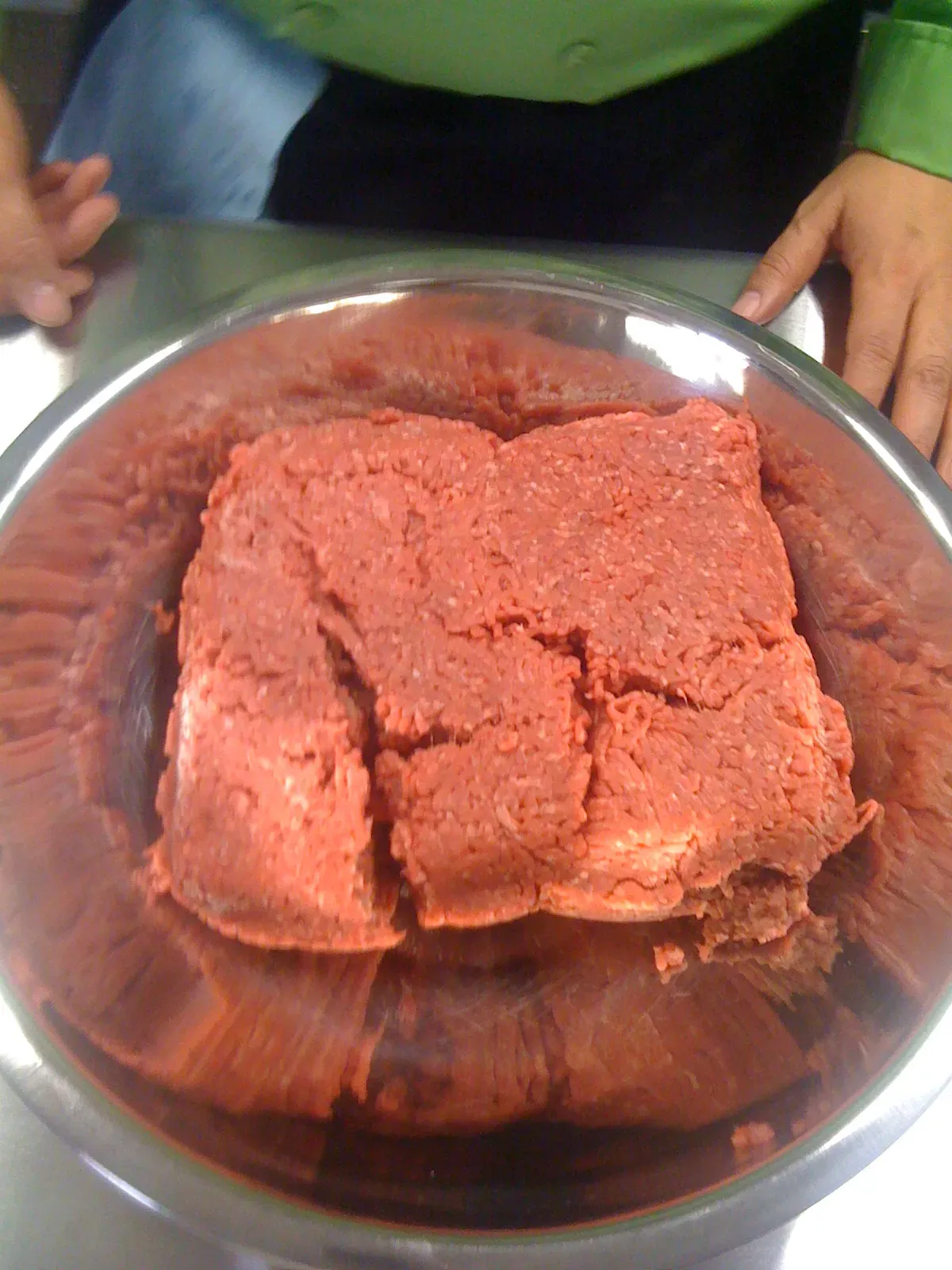
Here's where it gets genuinely fascinating. Most serious burger restaurants are not just using regular ground beef. Another secret that makes restaurant burgers taste better is their use of custom beef blends. Chefs select different cuts of beef and combine them to create a perfect mix. This blend ensures the burger has just the right amount of fat for flavor and juiciness. Restaurants often use premium cuts that are not typically used at home, such as brisket or short rib, adding depth to the taste.
Gordon Ramsay uses a combination of brisket, chuck, and short rib for "the most amazing burger." The chuck is the majority protein, accounting for about half of the mix, followed by 25% each of the brisket and the short rib. Each of these cuts brings something completely different to the party. Chuck is the workhorse, providing a classic beefy flavor and great fat content. Sirloin offers a more robust, steak-like taste but is leaner. Brisket, famous in barbecue, brings a rich, buttery flavor that can elevate a burger from good to unforgettable.
The burger patties at Shake Shack come from a proprietary beef blend that took years to perfect. The exact recipe is shrouded in mystery. If you find that you just can't quite precisely duplicate the flavors of your favorite burger restaurant, it's highly possible that the restaurant uses a custom beef blend that's pretty much impossible to know or have direct access to from grocery stores.
3. Seasoning on the Outside Only, and Right Before Cooking
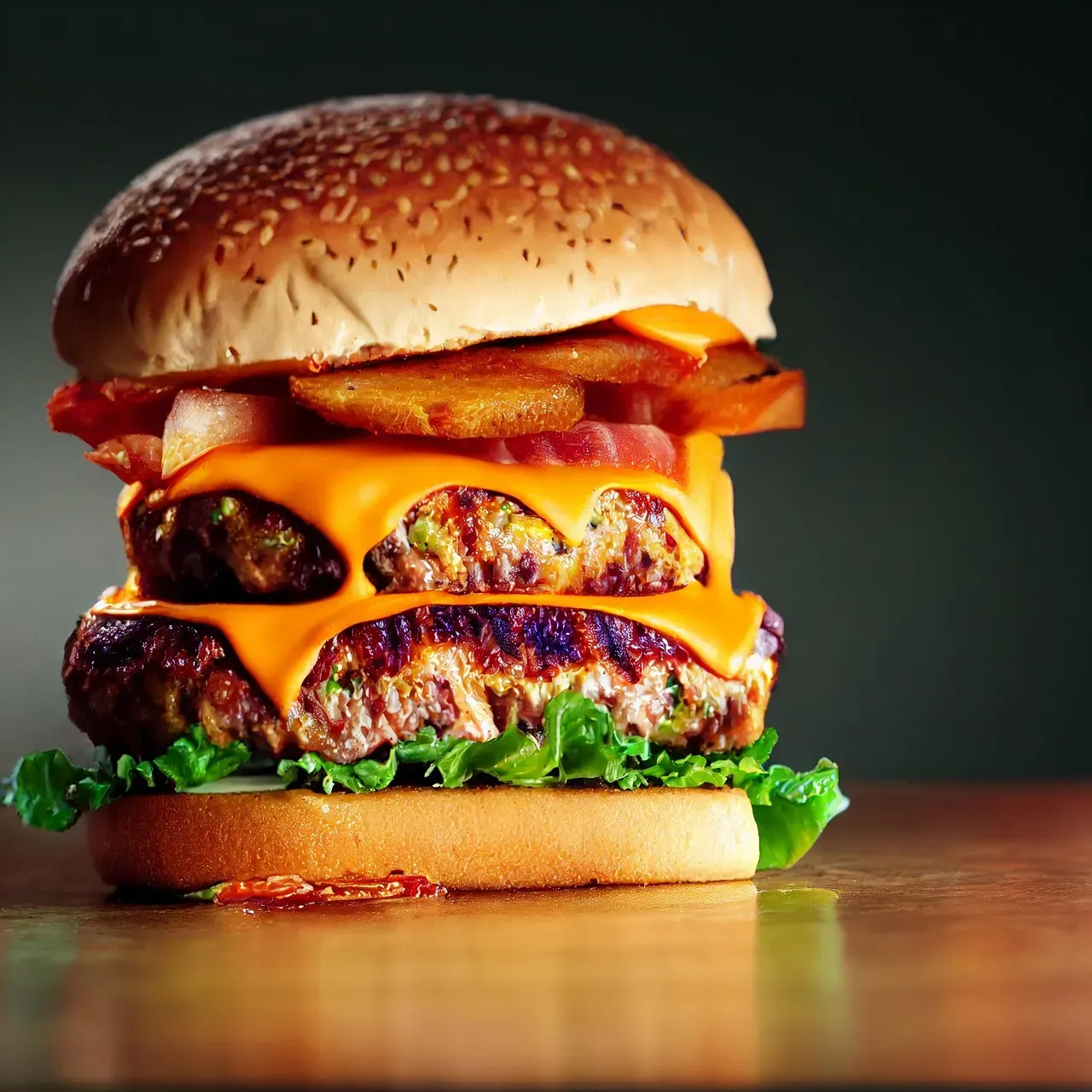
This one trips up home cooks constantly. Most people mix salt and spices directly into the raw meat before forming their patties, convinced they're building more flavor that way. In reality, they are doing the exact opposite. While many home cooks might mix seasonings into the meat, professionals prefer seasoning only on the outside. This technique ensures that the salt does not break down the meat's proteins too early, which can lead to a tougher burger.
According to executive chef Sam Shafer, "Restaurants typically want the natural flavor of their burgers to shine, most often with the basic salt and fresh cracked black pepper on the top and bottom of their patties." Besides being superfluous, mixing seasonings into ground meat can compromise the texture of your burgers. As Shafer explains, "Seasoning, mixing and then forming patties can lead to tougher, chewier burgers because the salt can break down the protein from the inside out."
Season your meat only after you form the patties. You'll want to season the meat shortly before cooking, as salt and any seasonings that contain salt will dry out the patties. When seasoning the formed patties, make sure to get the seasoning on all sides and not just the top and bottom. Simple advice, dramatic results.
4. The Gentle Patty Formation That Most People Get Completely Wrong
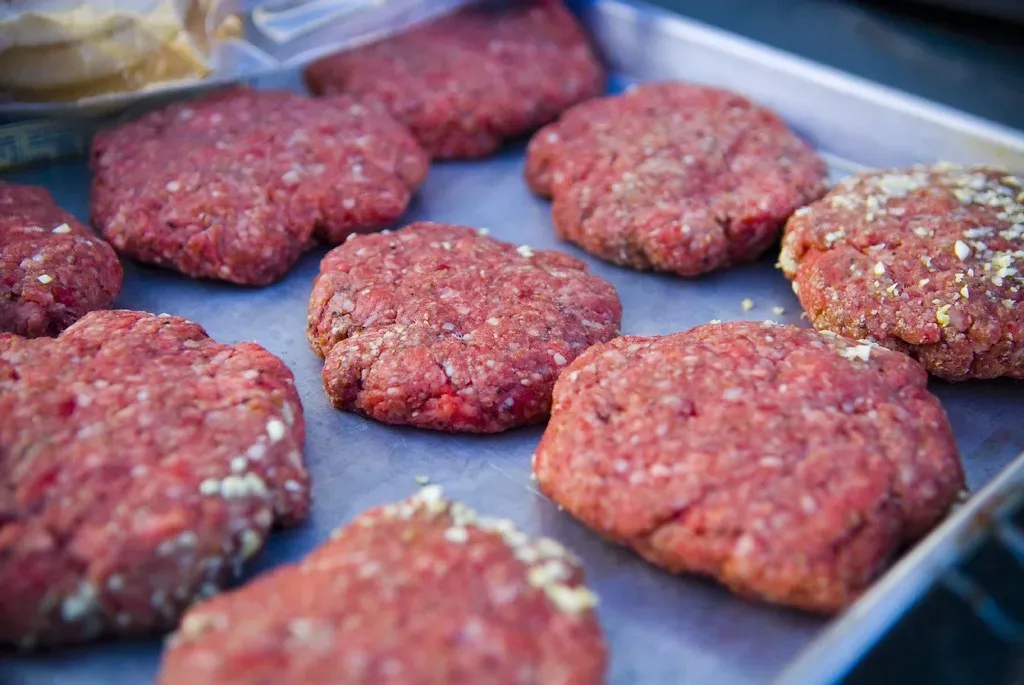
Here's the thing: forming a burger patty is not the same as making a meatball or a meatloaf. The instinct to press and compact the meat is almost universal among home cooks, and it is almost universally wrong. The formation of the burger patties is one of the most important steps of the entire process, yet often overlooked and mistakenly considered trivial by amateur home cooks. When raw ground beef is overworked and packed into tightly dense patties, the end result is a tougher burger.
A restaurant that makes a good burger will only apply just enough pressure to keep the burger patty intact. By doing so, the beef is a little looser, which ends up giving the burger a much more tender mixture that's extra juicy and flavorful. Think of it like handling pastry dough: the less you work it, the better the result. Your goal is a patty that holds together, not one that has been compressed into a compact disc.
Since protein shrinks when it's cooked, make sure that your burger patties are thin and wide, probably about 20% bigger than your bun. The patty's thickness should also be the same throughout. An 8-ounce or two very thin 4-ounce patties are standard. Consistent thickness means consistent cooking. There is no guesswork involved when professionals do this.
5. The Flat Top Griddle Changes Everything
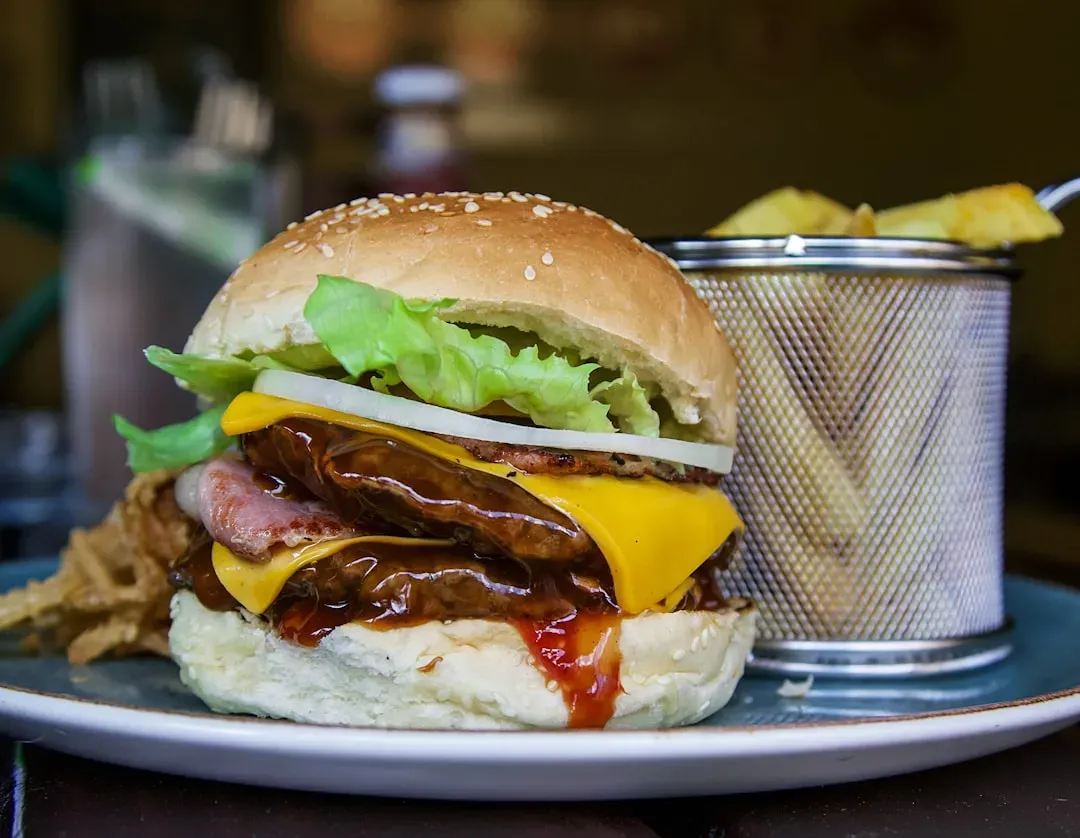
Let's be real about the home grill for a moment. It produces great char marks and a lovely smoky aroma, but it is not always the best tool for a burger. Restaurants often use flat top griddles to cook their burgers, which adds a unique flavor. These griddles achieve an even cooking surface that traditional pans can't match, allowing for the perfect sear. This sear locks in the juices and creates a crispy outer layer without burning the meat. The consistent heat across the griddle ensures each part of the burger cooks at the same rate, providing that signature restaurant-quality taste.
As chef David Figueroa explains, "High-BTU griddles, perfectly seasoned cast iron, and a serious commitment to fat and salt give them the upper hand. They also aren't afraid to use a blend of beef cuts - chuck, brisket, and short rib make for a better burger than plain ground beef." That consistent, scorching heat is something a home grill grate simply cannot replicate in the same way, because the patty sits over open gaps rather than flat on a solid surface.
Cooking technique also counts when it comes to bettering your burger-making. Sam Shafer insists that you need to preheat your frying pan or grill before adding the patties, noting, "A hot cooking surface is essential for achieving a good sear and preventing the burger from sticking." A cold or lukewarm surface is one of the fastest ways to destroy a good burger before it even has a chance.
6. The Maillard Reaction Is the Science Behind That Irresistible Crust
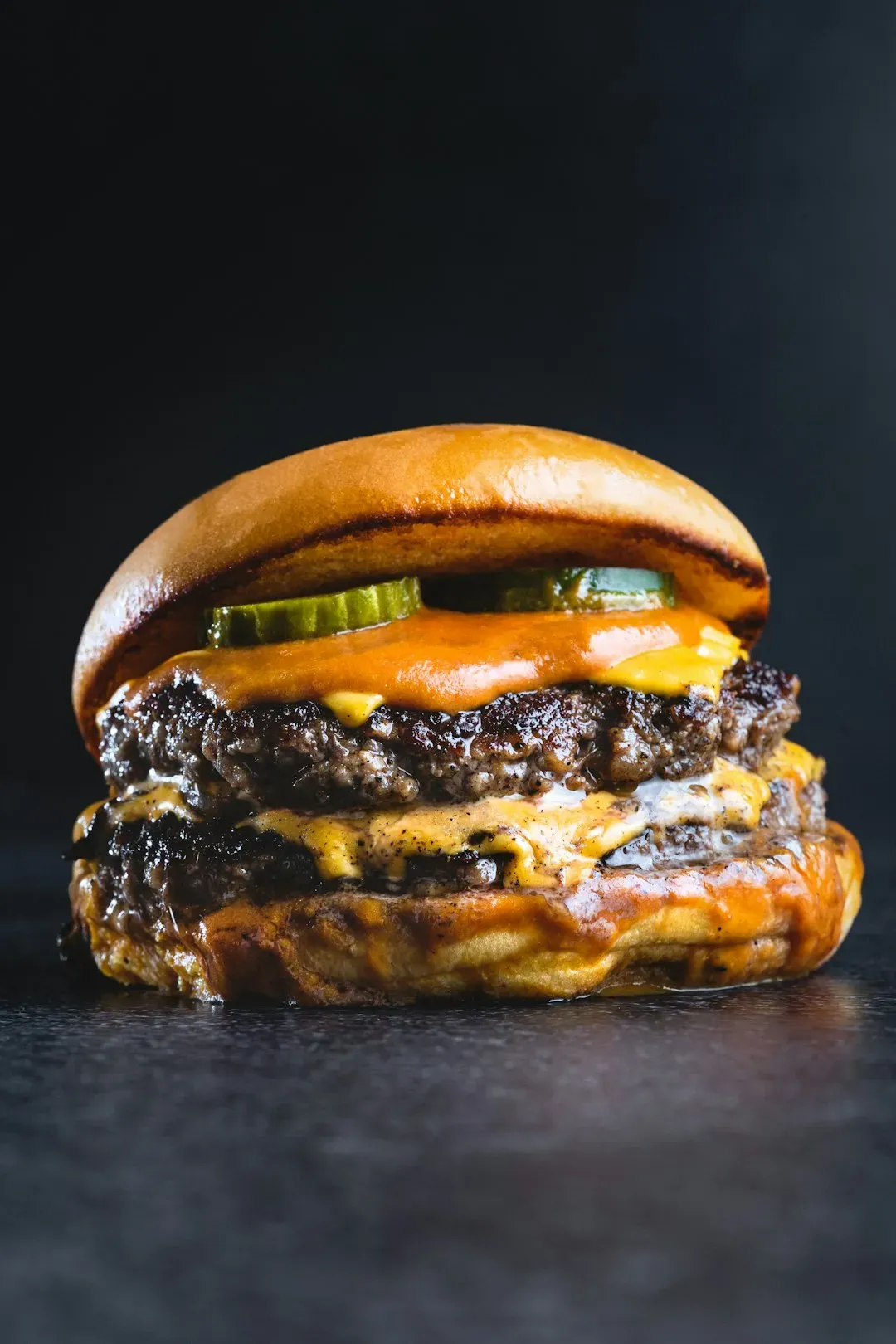
There is actual chemistry happening on that hot griddle, and chefs understand it intimately. The Maillard reaction is the browning process that occurs when proteins and sugars in food react under high heat. It's what gives seared meats, toast, and roasted coffee their distinct depth of flavor. Because smash burgers create more surface contact with the heat source, they foster more browning - and more flavor - than standard patties.
As Darren Simpson, founder of burger joint Nanny Bill's, explains: "Smash them onto a super-hot cast iron skillet set over grill grates for four minutes. That will trigger the Maillard chemical reaction, which gives burgers that deep, savoury crust and umami flavour, all without drying out the meat." This is why smash burgers have taken off so aggressively in the restaurant world. The number of smash burgers appearing on restaurant menus increased by nearly 22% between the third quarters of 2023 and 2024.
The Maillard reaction is a complex chemical reaction between amino acids and reducing sugars that occurs when meat is exposed to high heat. When you smash the beef onto a griddle that's at least 400 to 450°F, you're creating a massive surface area for this reaction to happen almost instantly. This process generates hundreds of new aroma and flavor compounds that we perceive as "roasty," "meaty," and deeply savory. No home oven or typical grill achieves this with the same efficiency.
7. Keeping Patties Cold Until the Very Last Moment
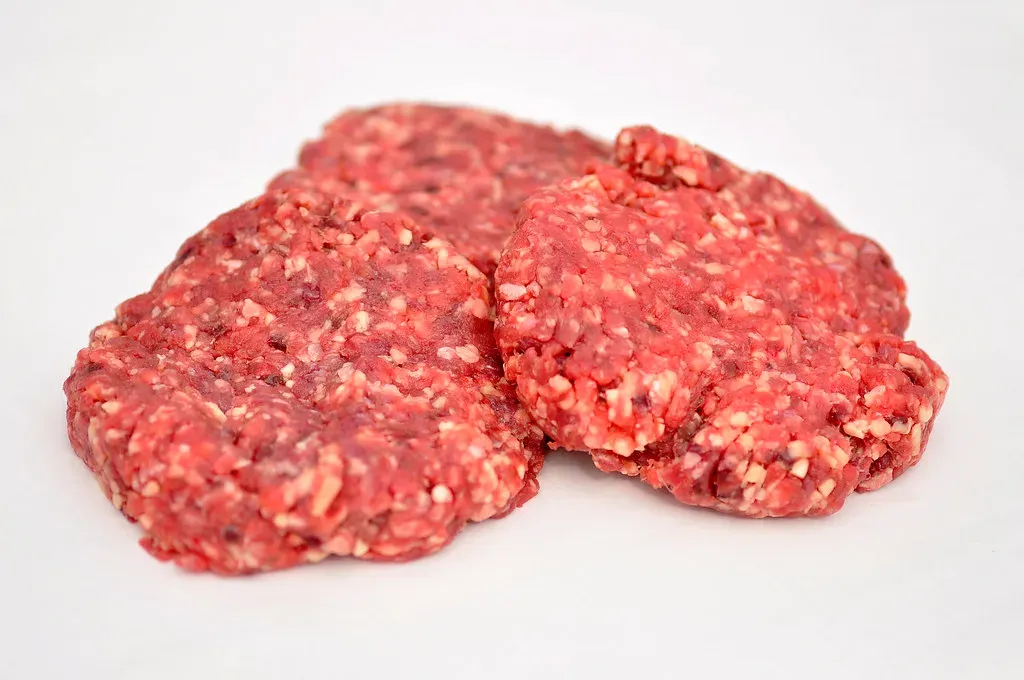
This one surprises people. Many home cooks have been told to let their steak come to room temperature before cooking, and they apply the same logic to burgers. That is a mistake. If you've ever let your burger patties reach room temperature before placing them on the grill, you may want to write this tip down. Dustin Green, head grill master at Weber Grill Academy, explains that patties should be kept cold until cooked. "After you shape your hamburger patties, place them in the refrigerator until it's grill time," he says.
Cold patties hold their shape better on the hot surface. They resist falling apart. They give you more control over the cook. Warm, soft patties spread unevenly, lose structural integrity faster, and are far more likely to stick to the cooking surface and fall apart when you try to flip them. It's a small detail with a noticeable payoff.
Experts agree that you should only flip patties once when cooking burgers. "You'll know it's time when the burger doesn't stick to the grate," says Green. "The approximate total grilling time will be eight to 10 minutes on direct medium-high heat." Flip once, flip with confidence, and then leave it alone.
8. The Bun Is Not an Afterthought - It Is Half the Burger
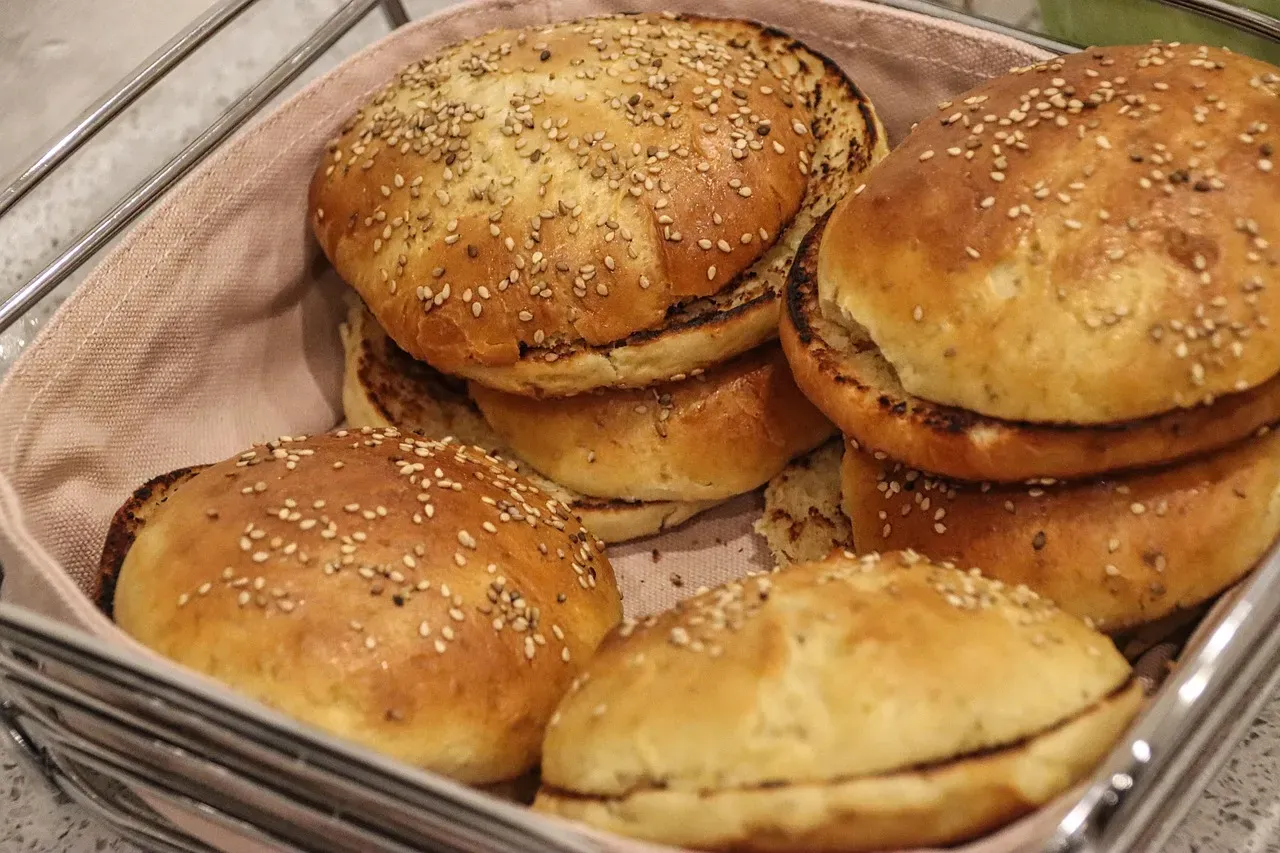
I think this might be the most criminally underrated secret on this entire list. Home cooks spend time and money on great beef, then reach for a standard supermarket bun that disintegrates on contact with any moisture. Restaurants do not make that mistake. Restaurants often choose high-quality buns like brioche or potato buns, which contribute a unique flavor and texture. Additionally, the buns are usually in the same skillet as the burger, absorbing some of the meat's flavor and fats, creating a cohesive taste experience. The toasting process not only adds to the flavor, but also makes sure the bun is sturdy enough to hold up to the juicy burger and toppings without getting soggy.
The texture of the bun is important too, as it needs to hold up to the experience of the burger without falling apart. As Michelin Guide chefs note, using brioche and letting it sit for a day means they toast better and soak up all the juices. Day-old brioche. That's a detail most people would never think of, and yet it makes a real difference in how the finished bun behaves under heat.
Not only are toasted buns tastier and crispier than untoasted ones, but they also keep the burger bun from getting soggy quickly. A little butter helps the burger buns turn golden brown. It takes about thirty seconds on a hot surface. It adds a layer of flavor and structural integrity that no untoasted bun can match.
9. The Secret Sauce Is Actually a System, Not a Recipe
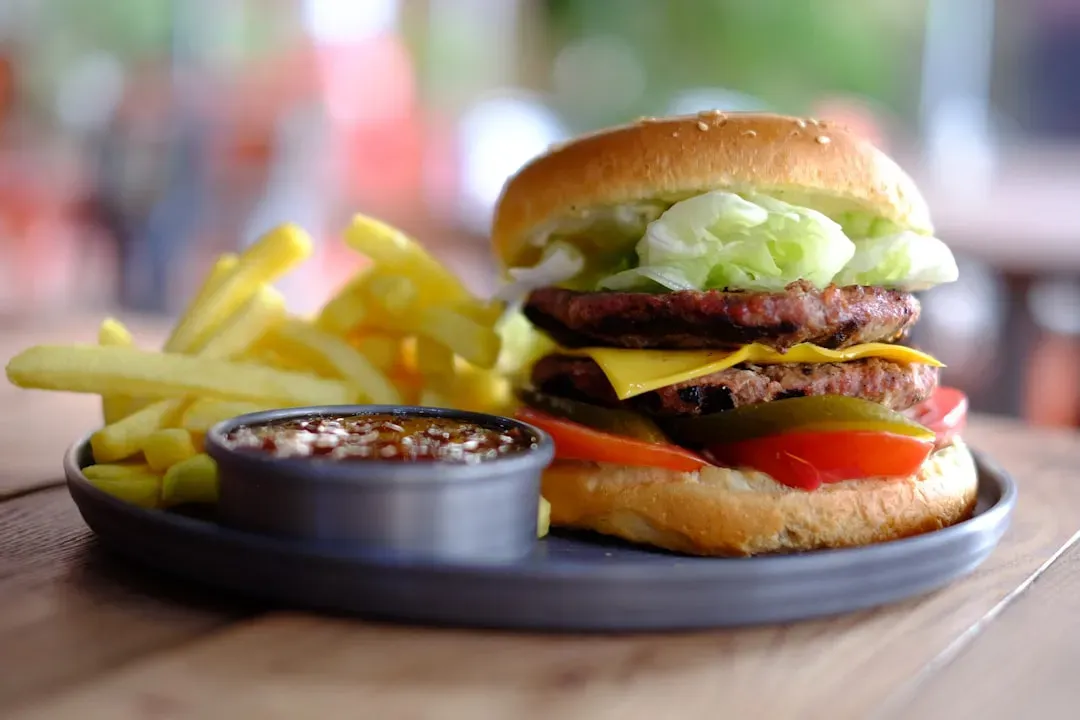
Almost every memorable restaurant burger has a signature sauce. It might be a house aioli, a smoky chipotle mayo, a tangy thousand-island variation, or something more complex. Many restaurants have their secret sauce recipes that elevate the flavor profile of their burgers. These unique condiments are closely guarded secrets and add that extra oomph to the taste that's hard to replicate at home.
The deeper truth here is not just the flavor of the sauce itself but the layering philosophy behind it. As Chef Brandon Sumblin, a five-time Food Network winner and executive chef, puts it: "Season everything! When I'm making a great burger, I make sure I'm not only seasoning the burger, but also my buns, lettuce, and tomato." Every single component gets attention. Nothing gets tossed on raw and plain. It is a total system, not one lucky ingredient.
One Michelin-starred approach combines fried sweet potato strings, miso onions, hoisin aioli, pickles, and pickled jalapeños with burger patties and American cheese for what the chef describes as a great combination of textures. It goes from soft and pillowy, to crispy and juicy, while the umami of the beef, aioli, and miso is offset by the acidity of the pickles, and the heat of the jalapeños. That is intentional, architectural flavor-building, not accidental deliciousness.
10. The Presentation and Sensory Experience Is Engineered From the Start
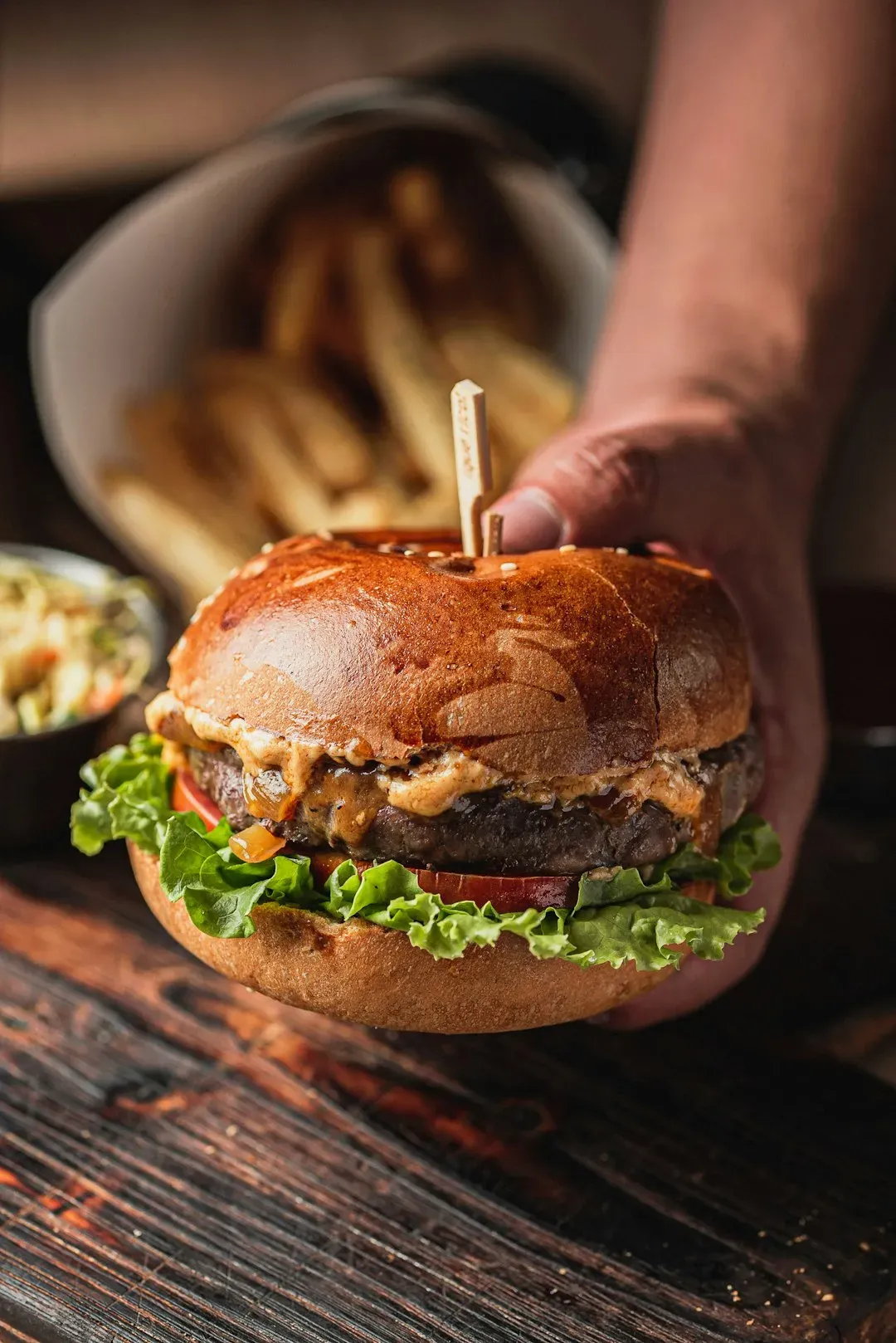
You eat with your eyes first. It's a cliché because it is completely true, and restaurant chefs take it with total seriousness. Restaurants understand this well. The way a burger is presented on your plate is a feast for the eyes. The careful arrangement of toppings, the artistic drizzle of sauces, and the use of garnishes make restaurant burgers visually appealing. The food arrives looking like a promise, and that psychological setup changes how you experience the first bite.
The curb appeal of a well-presented burger has to ooze with promise and confidence: just-melted cheese, a well-toasted bun, and a glistening patty that is perfectly cooked. It also needs a good bun-to-burger ratio. There should be just enough room for that perfect first bite when you pick it up from the back and hold it in your hands. Restaurants think about the mechanics of eating the thing. That level of consideration almost never happens at home.
As 2025 American River Burger Battle winner Sam Shafer explains, "A restaurant burger's superior quality comes from a combination of expertly selected ingredients, careful preparation, and attention to detail at every stop." That phrase, "at every stop," is the key. It is not one big secret. It is ten small ones, executed consistently, every single time. And now that you know them, there really is no excuse for a mediocre homemade burger ever again.
So, the next time you find yourself reaching for the wrong beef, overpacking the patty, or skipping the bun toast because it "doesn't really matter" - stop. Remember what you just learned. What's the one mistake you've been making all along?



Leave a Reply