
We have a complicated relationship with fast food. It's quick, it's cheap, and honestly, sometimes nothing else hits quite the same at 11 PM after a long day. But what happens when the items you've been reaching for since childhood turn out to carry some serious nutritional baggage? That's the question nutritionists, public health researchers, and even the U.S. government have been asking with growing urgency. The science has gotten louder. The data has gotten harder to ignore.
Fast food is typically high in sugar, salt, and saturated or trans fats - and the Dietary Guidelines for Americans 2025 to 2030 now explicitly warns that overconsumption of these food components in ultra-processed foods is contributing to a health emergency. That's not a fringe opinion anymore. That's official policy.
So let's take a good honest look at nine of the most beloved fast food items and what the latest nutrition research actually says about them. Some of what you find might genuinely surprise you.
1. The Classic Double Cheeseburger
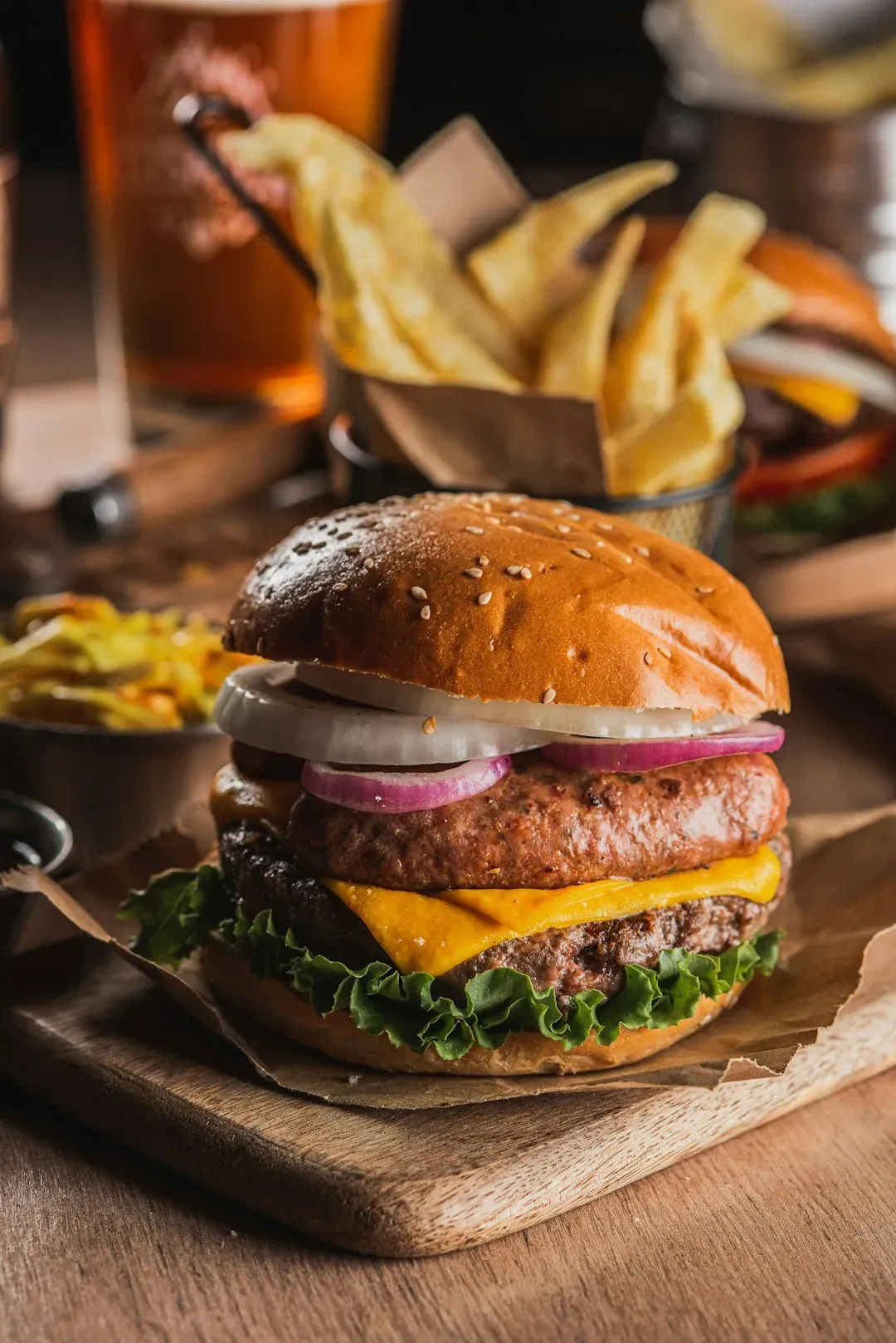
The double cheeseburger is practically a symbol of American fast food culture. For decades, it felt like a rite of passage, a staple so familiar it barely raised an eyebrow. But the nutrition profile behind all that sizzle and melted cheese tells a different story.
A typical double cheeseburger and large fries provides about 1,200 calories and up to 1,700 milligrams of sodium. That is already dangerously close to the full daily intake most adults should have. Food that's fried in oil is high in fat, including saturated fat, and eating too much saturated fat can drive up LDL or "bad" cholesterol, putting you at serious risk for heart disease.
Health experts recommend sticking to a single hamburger patty rather than going double or triple, since burgers with two or three beef patties add a lot of calories and unhealthy fat - up to 800 calories and 40 grams of fat, much of it saturated. Think of a double cheeseburger as two meals stacked into one wrapper. Convenient, yes. But nutritionally, it's a lot to absorb in one sitting.
2. The McDonald's Big Mac
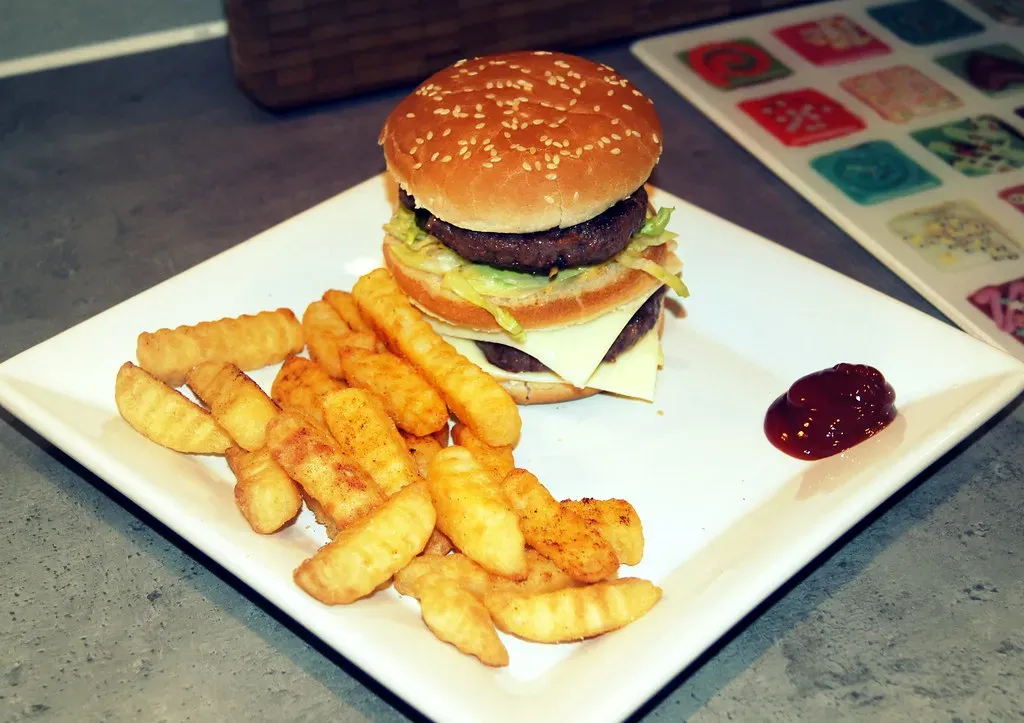
The Big Mac is arguably the most iconic fast food item on the planet. First introduced in 1967, it has become a benchmark for the entire industry. But its nutritional profile in 2026 draws more scrutiny than ever before.
The Big Mac is high in saturated fat at 10 grams and sodium at 1,010 milligrams, which can contribute to heart disease and high blood pressure if consumed frequently. It is also low in fiber and high in calories, making it a less balanced option for regular consumption. Honestly, that sodium figure alone is striking - nearly half of what the FDA considers a safe daily upper limit, in a single sandwich.
A standard Big Mac contains 550 calories, 30 grams of fat, 11 grams of saturated fat, 45 grams of carbs, and 1,010 mg sodium. Nutrition experts note that the saturated fat content represents roughly 53% of the recommended daily value based on a 2,000 calorie diet, and the sodium clocks in at about 44% of the daily recommended value. Those numbers sit very differently in your mind once you see them laid out plainly like that.
3. Large French Fries

Few things in life are as universally satisfying as hot, salty fries fresh out of the fryer. No arguments there. But from a nutritional standpoint, the large-size serving has become one of the most frequently flagged items by health researchers and registered dietitians alike.
French fries have high salt and fat levels, which can tip an already unhealthy fast food main course right into the danger zone. Adding fries from Five Guys, for example, adds 953 calories to your meal, while KFC's Secret Recipe Fries add around 1,100 mg of sodium. That's before you've even touched the rest of your order.
Food fried in fast food restaurant oil may create carcinogenic and mutagenic aldehydes, and one serving of French fries cooked in a fast food restaurant can have 100 times the level of aldehydes designated as safe by the World Health Organization. It's hard to say for sure how this translates to everyday risk, but that is the kind of detail that makes you want to think twice before ordering the large size on auto-pilot.
4. Fried Chicken Nuggets

Chicken nuggets have been a fast food staple since the 1980s, and they remain wildly popular with both children and adults. They feel like a safer choice than a burger, especially when marketed as "white meat chicken." The reality is more nuanced, and honestly, a bit unsettling.
Many fast food chicken nuggets contain almost no meat. According to a study published by the American Journal of Medicine, striated muscle or actual chicken meat was not the predominant ingredient in chicken nuggets. The nuggets contained every other part of a chicken in larger amounts instead, including fat, bone, nerve, and connective tissue. Let that sink in for a moment.
The average sodium level among the ten unhealthiest chicken burgers and nugget products across major chains is 1,642 milligrams, which is higher than the American Heart Association's ideal daily limit of 1,500 mg. Popeyes Nuggets and Arby's Premium Nuggets rank as the least healthy, and all nuggets except McDonald's have sodium scores in the double figures, with Popeyes standing out due to saturated fat levels that are around double or more than any other brand.
5. Fast Food Milkshakes

A milkshake feels like a treat, a reward, something sweet and indulgent that you don't have every day. The problem is that when you look at what's actually inside one of these thick, cold concoctions, the nutritional damage is staggering.
Shakes are often even higher in calories than sodas, with up to 800 calories and a full day's worth of saturated fat lurking in a single cup. A large vanilla milkshake can pack more than 80 grams of sugar - that's nearly 20 teaspoons in one drink. Compare that to the American Heart Association's recommended daily limit and you'll realize the numbers are almost absurd.
A large soda from a fast food restaurant contains about 86 grams of sugar - already more than double the American Heart Association's daily limit of 38 grams for men and 25 grams for women. A milkshake can easily surpass even that already alarming figure. Fatburger's Vanilla Shake holds the title of unhealthiest shake in its class according to a 2024 nutritional study, scoring eight points more than Sonic's second-placed vanilla shake in an overall unhealthiness assessment.
6. Fountain Sodas

Let's be real: the soda that comes with a fast food combo has always seemed like the "free" part of the deal. You don't really think about it. You just accept it as part of the package. But the science on sugary beverages has never been more damning.
Fast food breaks down quickly, causing a rapid spike in blood sugar because of refined carbohydrates and added sugar. This causes a large insulin surge, resulting in a drop in blood sugar that may cause people to feel tired - and then insulin promotes further hunger within a short time after the meal. It's essentially a blood sugar rollercoaster with every sip.
Soda can be a huge source of hidden calories. The average large soda packs around 300 calories, mainly from added sugar, which can quickly consume a significant chunk of your daily calorie intake. According to a 2024 study, high consumption of ultra-processed foods and beverages is associated with a higher incidence of high blood pressure compared with eating fewer or unprocessed foods. Skipping the soda really is one of the single most impactful changes a person can make at the drive-through.
7. Fried Chicken Sandwiches and Breaded Chicken Burgers
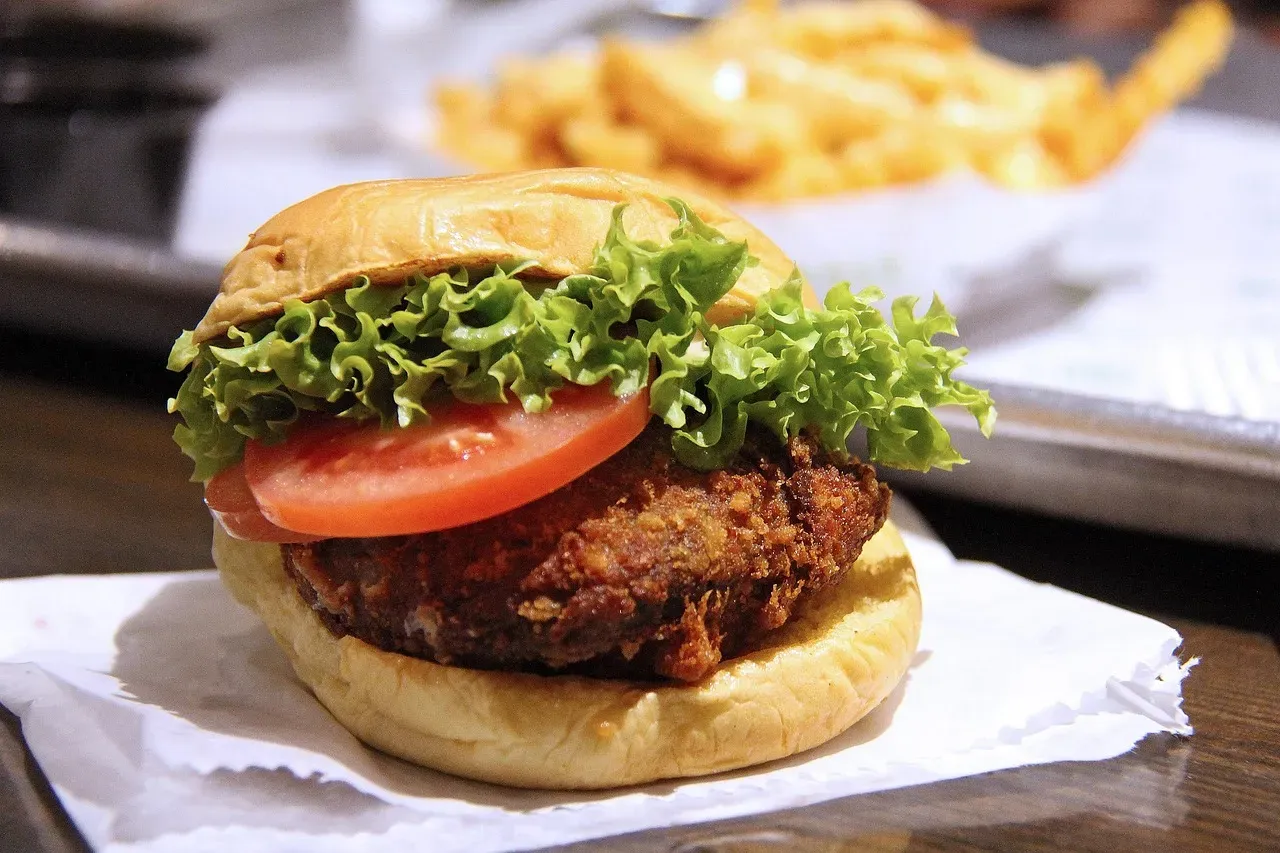
Crispy fried chicken sandwiches had an enormous cultural moment in recent years. Every major fast food chain launched a competitor, and the "chicken sandwich wars" became actual news. The popularity is real. The health concerns, unfortunately, are just as real.
Just one fried chicken breast from a major fast food chain packs 500 or more calories, 34 grams of fat, and more than 1,200 milligrams of sodium. Add a bun, sauce, and pickles, and the numbers climb even higher. The highest-sodium fast food items are often found at chains perceived as "healthier," with Chick-fil-A's Spicy Deluxe Sandwich reaching roughly 1,750 mg of sodium, and there's more sodium than that in a single Fatburger Crispy Chicken Sandwich.
Items like fried chicken sandwiches, French fries, and chicken nuggets are loaded with unhealthy fats. Nutritionists consistently recommend opting for grilled versions when available. At many chains, you'll see a "crispy" option on the menu - that is simply another word for fried. The language around these items is designed to sound appealing, not honest.
8. Subway Footlong Sandwiches
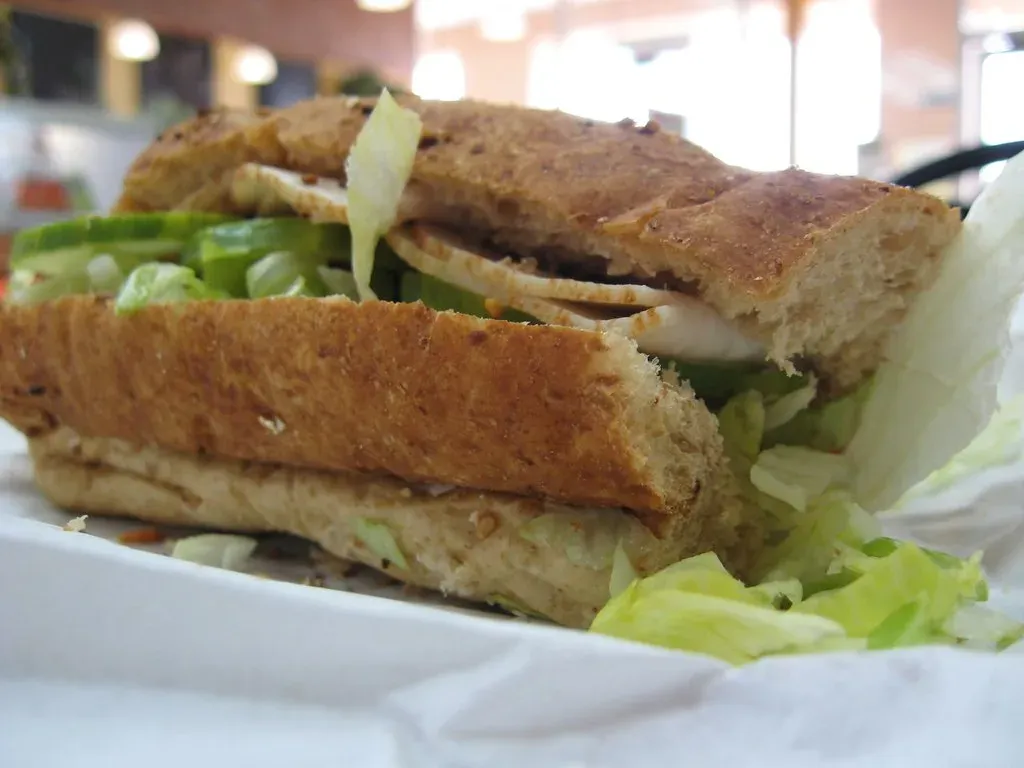
Here's the thing about Subway: for years, it benefited from a powerful "health halo" that most fast food chains could only dream of. The "Eat Fresh" brand message convinced a generation of consumers that a footlong was the responsible choice. The nutrition data tells a more complicated story.
Despite the "Eat Fresh" marketing, Subway meals often mirror burger-chain calories when you factor in the bread, cheese, sauces, and toppings. Subway footlong Italian BMT sandwiches can reach over 3,000 mg of sodium - which is more than an entire day's recommended limit in a single sandwich. That is genuinely shocking for something sold under a health-focused banner.
Even seemingly healthier options, like an Italian-style sub sandwich, can contribute more than 1,000 milligrams of sodium to your daily intake, and that's before you've added extra cheese or condiments. Lunch meats used in subs tend to be loaded with sodium, saturated fat, and carcinogenic agents called nitrates and nitrites, which are known to increase the risk of certain cancers. Three ounces of processed deli meat can pack up to 1,300 milligrams of sodium even before you add cheese, condiments, bread, and chips.
9. Fast Food Breakfast Sandwiches and Biscuits

Breakfast is supposed to be the most important meal of the day, right? In theory, yes. In practice, when that breakfast arrives in a greasy bag from a drive-through window, it often carries a nutritional profile that sets the rest of the day off on a rocky foundation.
McDonald's Big Breakfast with Hotcakes contains about 2,070 mg of sodium - nearly the full FDA daily upper limit of 2,300 mg, all before most people have even left the house in the morning. A typical hot dog or breakfast sausage link alone contains more than half of your daily recommended saturated fat intake and around a third of your sodium intake. If you eat two, it brings you close to your day's entire allotment of both saturated fat and sodium.
High-glycemic white flour products flood the bloodstream with glucose without fiber, nutrients, or phytochemicals. The resulting spike in glucose leads to abnormally high amounts of insulin, which promotes fat cell growth and increases cellular replication. A biscuit-based breakfast sandwich is essentially this process put on fast forward. There is growing evidence that diet plays a crucial role in mental health, and poor nutrition is linked to increased rates of depression and anxiety. The refined sugars and unhealthy fats prevalent in fast food can lead to mood swings, fatigue, and cognitive decline. Starting your morning with that kind of nutritional burden matters more than most people realize.




Leave a Reply