
There is something quietly dramatic happening inside restaurant kitchens right now. Ingredients that once commanded applause, that chefs proudly centered entire menus around, are quietly losing their grip on the modern diner. No grand announcement. No formal farewell. They just slowly stop being ordered, stop getting shared on social media, stop generating any real excitement at the table.
What dazzles diners one year can quietly fade into irrelevance the next, and chefs across the country are watching it happen in real time. According to a Menu Matters survey of consumers, the overriding need for 2025 was simply "just give me something new," and that restlessness is reshaping what lands on tables and what quietly disappears from menus. The list of fallen favorites might surprise you. Let's dive in.
1. Plant-Based Meat: The Revolution That Ran Out of Steam
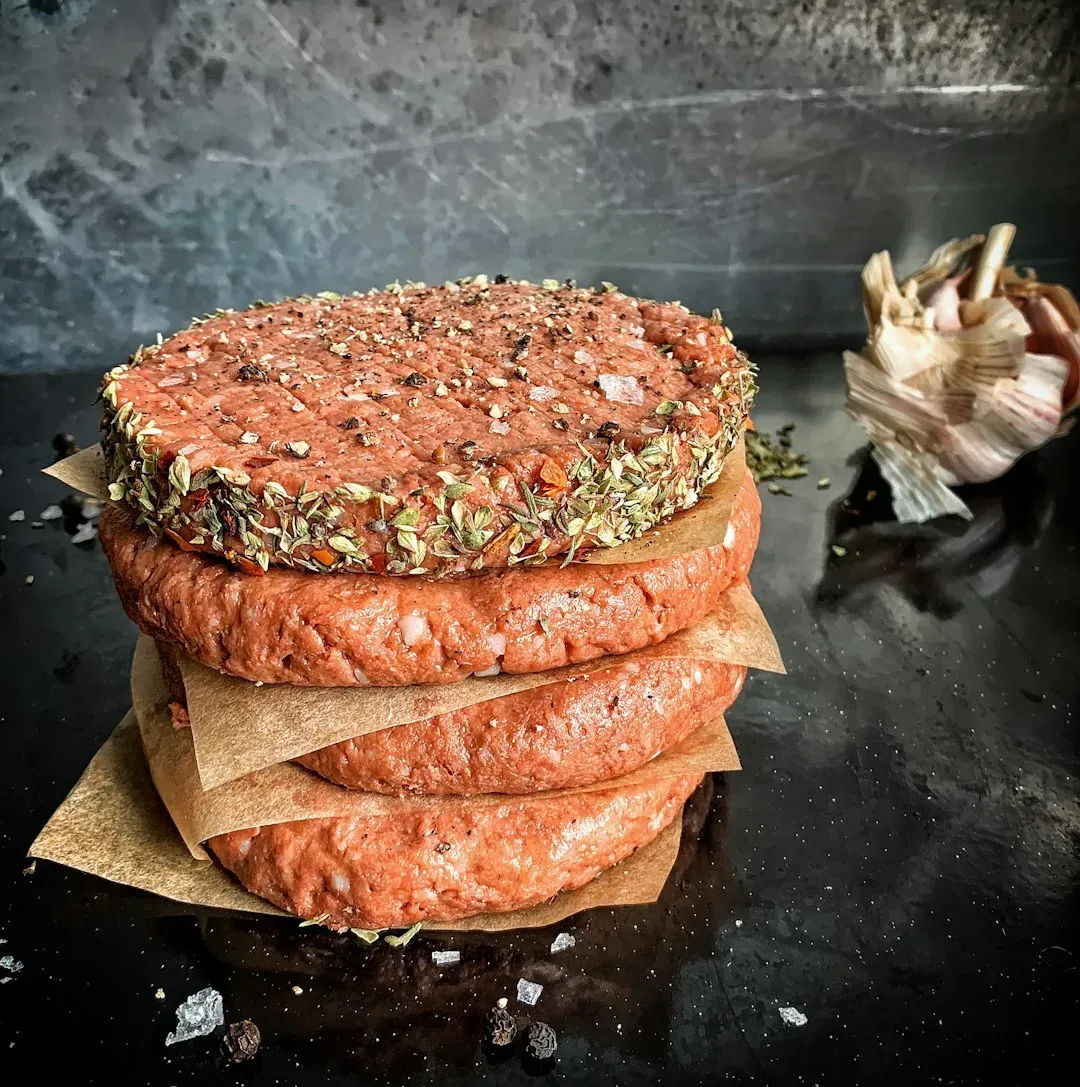
Not long ago, the plant-based burger felt like the future of food. Chefs were excited. Investors were ecstatic. Diners were curious. For a brief, electric moment, it seemed like lab-crafted meat alternatives were going to reshape the entire restaurant industry. That moment has clearly passed.
In 2024, plant-based meat and seafood dollar sales decreased seven percent, while unit sales decreased eleven percent. The rate of sales decline was slower than in 2023, though conventional meat and seafood saw modest increases in both dollar and unit sales during the same period. Honestly, the numbers tell a stark story.
A December 2024 survey conducted by Morning Consult on behalf of the Good Food Institute found that among consumers who had tried plant-based meat but not eaten it in the past year, twenty-nine percent indicated that price was a top reason, second only to simply preferring animal meat. Beyond price, taste not meeting expectations remains among the top drivers of consumers leaving the category. It's hard to fake the real thing, and diners have figured that out.
Retailers have been gradually reducing their assortments in the refrigerated alt meat category, with an average of 9.7 items per store in April 2025, down more than thirty percent since early 2021. The shelf space says it all.
2. Kale: The Poster Vegetable That Overstayed Its Welcome
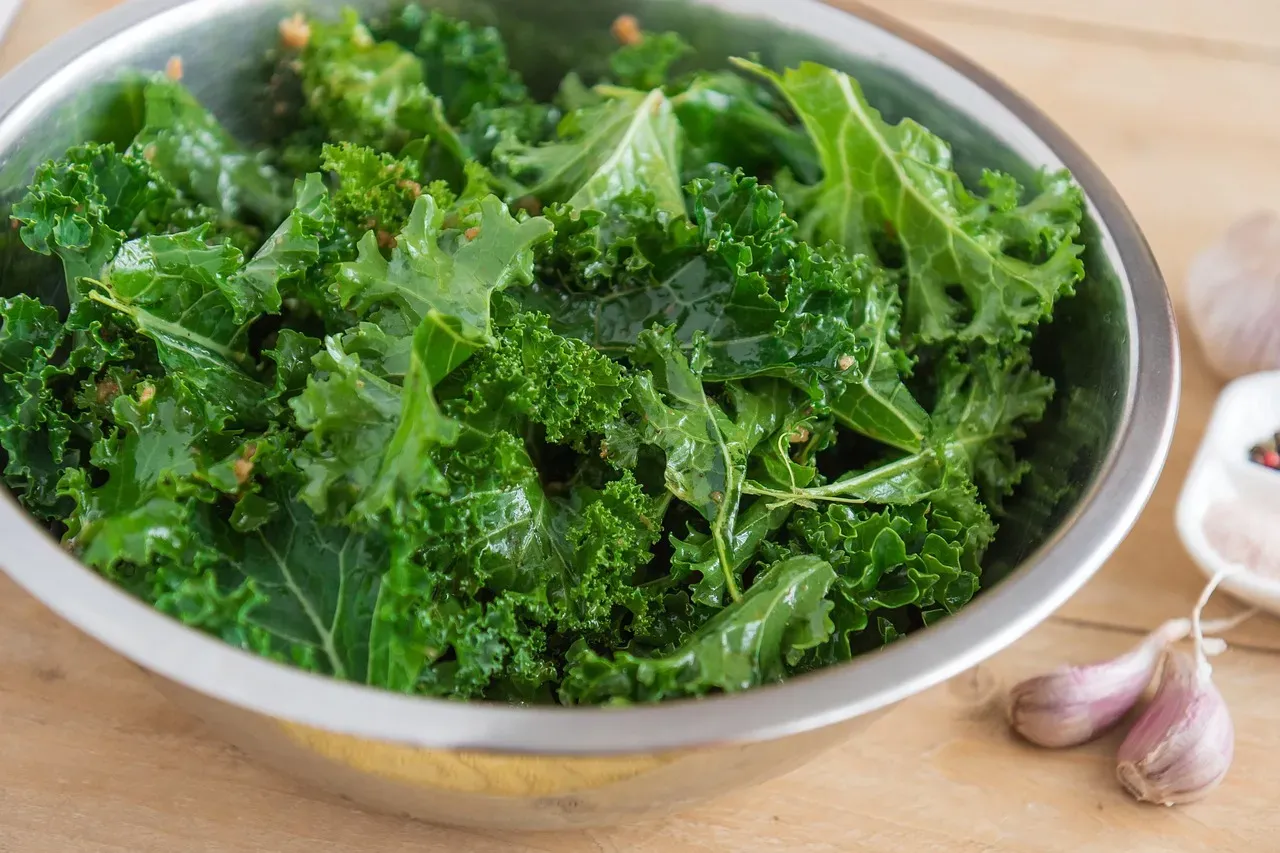
Few ingredients have had a more spectacular rise and more unceremonious slide than kale. For nearly a decade, it was everywhere. Kale chips, kale salads, kale smoothies, kale in your grain bowl whether you asked for it or not. Chefs put it on menus not because diners demanded it but because it had become a kind of shorthand for "we are health-conscious here."
For years, kale was the poster vegetable of the health-conscious restaurant movement. It showed up in salads, smoothies, sides, and grain bowls with relentless enthusiasm. Now it signals menu fatigue more than culinary creativity. That is quite the fall from grace for a leafy green.
In a Menu Matters survey of consumers, roughly two-fifths of respondents said they were looking for more newness on menus, moving away from the nostalgia and comfort ingredients of 2024. Industry consultants have pointed to kale salads as a prime example of the single ingredients chefs should move away from, with the advice being to "get away from the single ingredient or dish that's everywhere." When a vegetable becomes a punchline, you know the cycle is over.
3. Truffle Oil: The Luxury Shortcut Diners Have Stopped Believing In
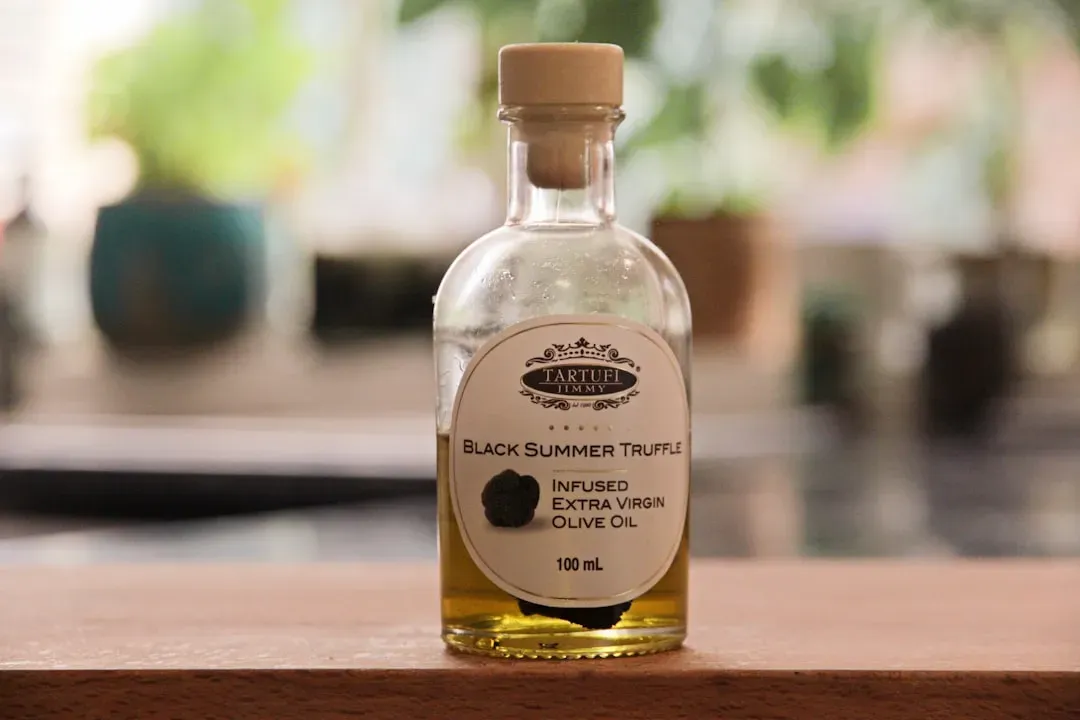
Here's the thing about truffle oil. It smells incredible. It makes a plate look expensive. For years, drizzling it over fries, pasta, and pizza was a reliable way to charge five extra dollars and have diners nod appreciatively. The problem is that most truffle oil never actually touched a truffle in its life.
The vast majority of commercial truffle oil is made with a synthetic aromatic compound called 2,4-dithiapentane rather than real fungi. Chefs at fine dining establishments have known this for years, and increasingly, so have diners. Food literacy has grown enormously through social media, cooking shows, and culinary content, and the truffle oil illusion has been called out loudly and publicly across all of them.
Some of the strongest shifts in what diners accept on menus are driven by rising concerns around health and sustainability, as well as growing culinary knowledge among the dining public. Truffle oil sits squarely in that crossfire. Diners today want authenticity, and a synthetic shortcut dressed up as luxury is exactly the kind of thing that erodes trust fast. Chefs who still rely on it heavily are increasingly finding that it reads as lazy rather than elevated.
4. Avocado Toast: The Brunch Icon That Became a Cliché
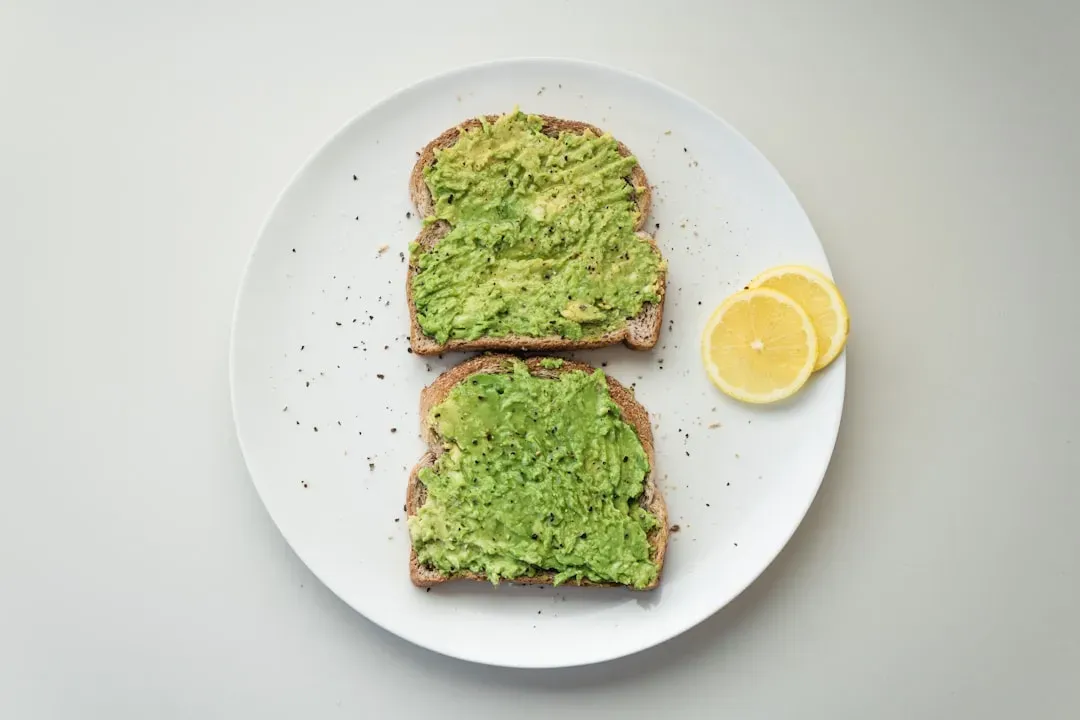
Avocado toast had an extraordinary run. It was genuinely delicious, endlessly photographable, and for a while it felt like a genuine expression of a generation's food values. Then it got put on every single menu in America, topped with increasingly bizarre ingredients, and charged at prices that started conversations about millennials and home ownership. You know a dish has peaked when it becomes cultural shorthand for excess.
Chefs and diners alike are turning away from elaborate avocado toast creations topped with everything from edible flowers to gold leaf, recognizing them as overpriced gimmicks rather than genuine culinary experiences. I think that is a fair assessment. When a dish stops being food and starts being a statement, the backlash is inevitable.
According to the US Consumer Price Index, "food away from home" rose about six percent from January 2024 to September 2025, driven by rising labor, rent, and ingredient costs. That kind of inflation puts expensive comfort dishes under particular pressure. Inflation has reshaped consumer dining habits broadly, with guests still wanting to eat out but in more rational, budget-conscious ways. Paying twenty dollars for smashed avocado on bread starts to feel like a very bad deal in that environment.
5. Edible Flowers: Pretty to Look At, Pointless to Eat
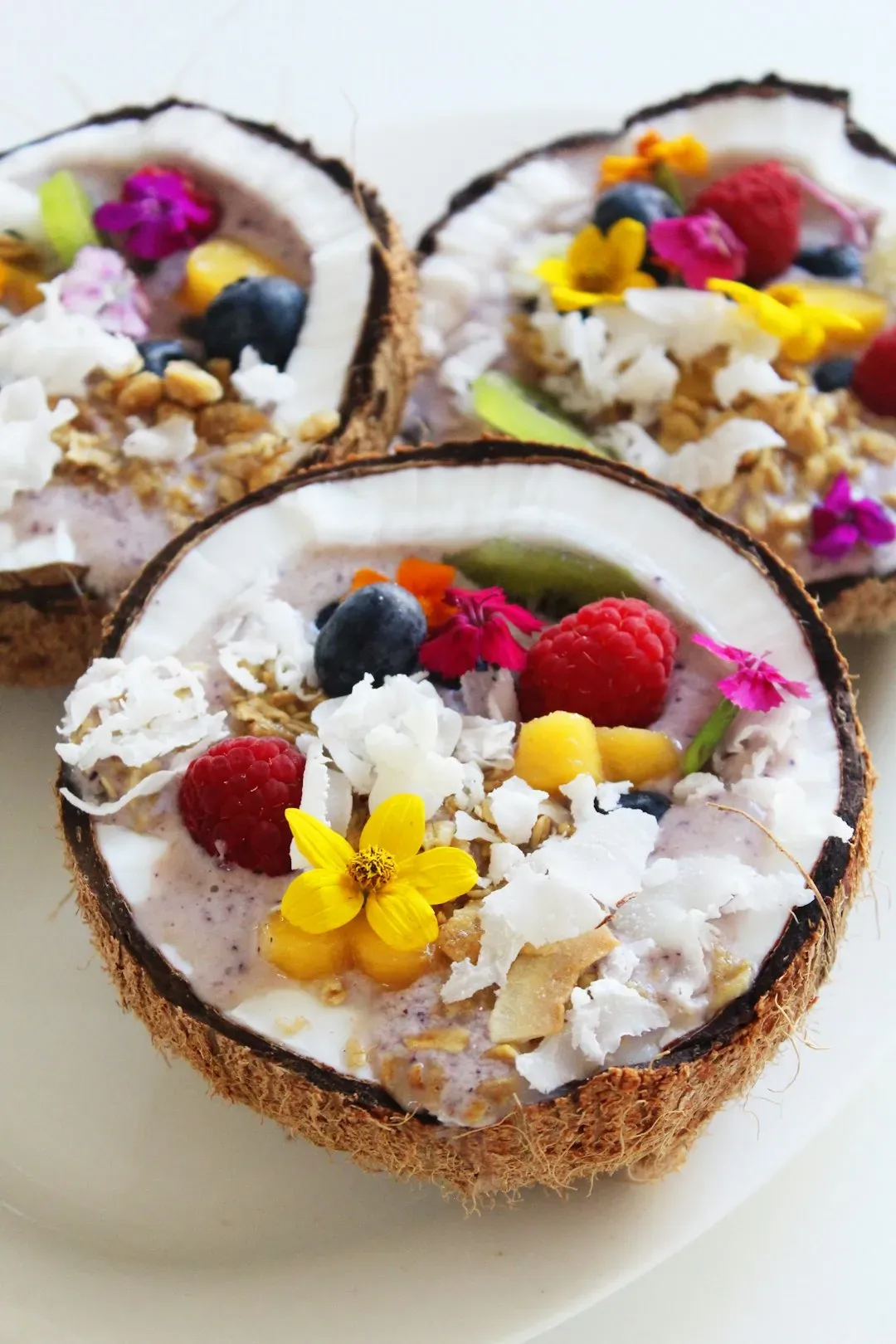
There was a moment when a scattering of edible flowers on a plate felt genuinely magical. Delicate petals on a salad or dessert suggested care, precision, and a chef who understood beauty. Then every mid-range restaurant in the world got the same idea at the same time, and suddenly edible flowers were garnishing everything from avocado toast to scrambled eggs at hotel breakfasts.
The problem with edible flowers was never the idea. It was the execution and the sheer ubiquity. Most diners quickly realized the flowers added almost nothing to the flavor of a dish. They were purely decorative. And when every diner at every table in every neighborhood restaurant was photographing the same violet on their salad, the novelty collapsed under its own weight.
Restaurant menus in 2025 increasingly focus on fewer, high-quality ingredients that highlight their natural flavors, particularly those sourced locally and seasonally, reflecting rising consumer interest in sustainability and transparency. A pansy from a catering supplier does not exactly scream authenticity. Chefs are now moving toward garnishes that actually contribute flavor, texture, or genuine provenance, and the Instagram-first flower trend is being quietly retired from serious kitchens.
6. Activated Charcoal: The Black Food Trend That Faded Fast
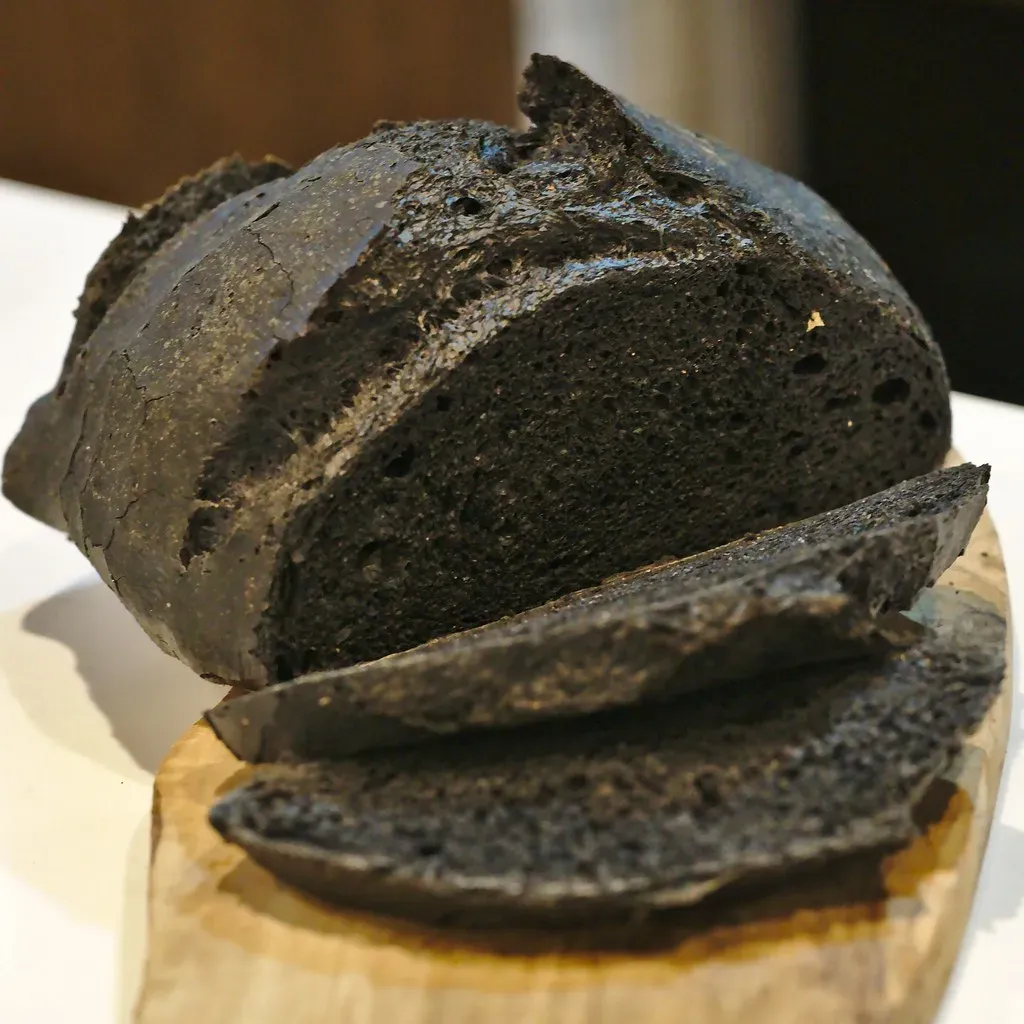
Activated charcoal was one of those trends that looked absolutely stunning on social media and made almost no culinary sense whatsoever. Black ice cream, black buns, black lattes. It was visually striking, undeniably arresting, and completely divorced from flavor. Chefs who embraced it early got incredible engagement online. Then the novelty dried up almost overnight.
Beyond aesthetics, serious questions emerged about activated charcoal's interaction with medications and its potential to interfere with nutrient absorption. Health-conscious diners who had initially embraced it as somehow detoxifying quickly learned that the claims were largely unfounded. The scientific community raised concerns, food writers wrote extensively about its drawbacks, and the enthusiasm cooled considerably.
Research from the National Restaurant Association's What's Hot Culinary Forecast indicates that a shift toward individual wellness and planet health is taking place, with customers looking to combine sustainable choices with exciting flavor profiles as well as real value. Black buns with no added flavor profile do not fit that description. It's hard to say for sure whether activated charcoal will ever fully disappear, but its golden era as a must-have restaurant ingredient is clearly over.
7. Overloaded Charcuterie Boards: When More Became Too Much
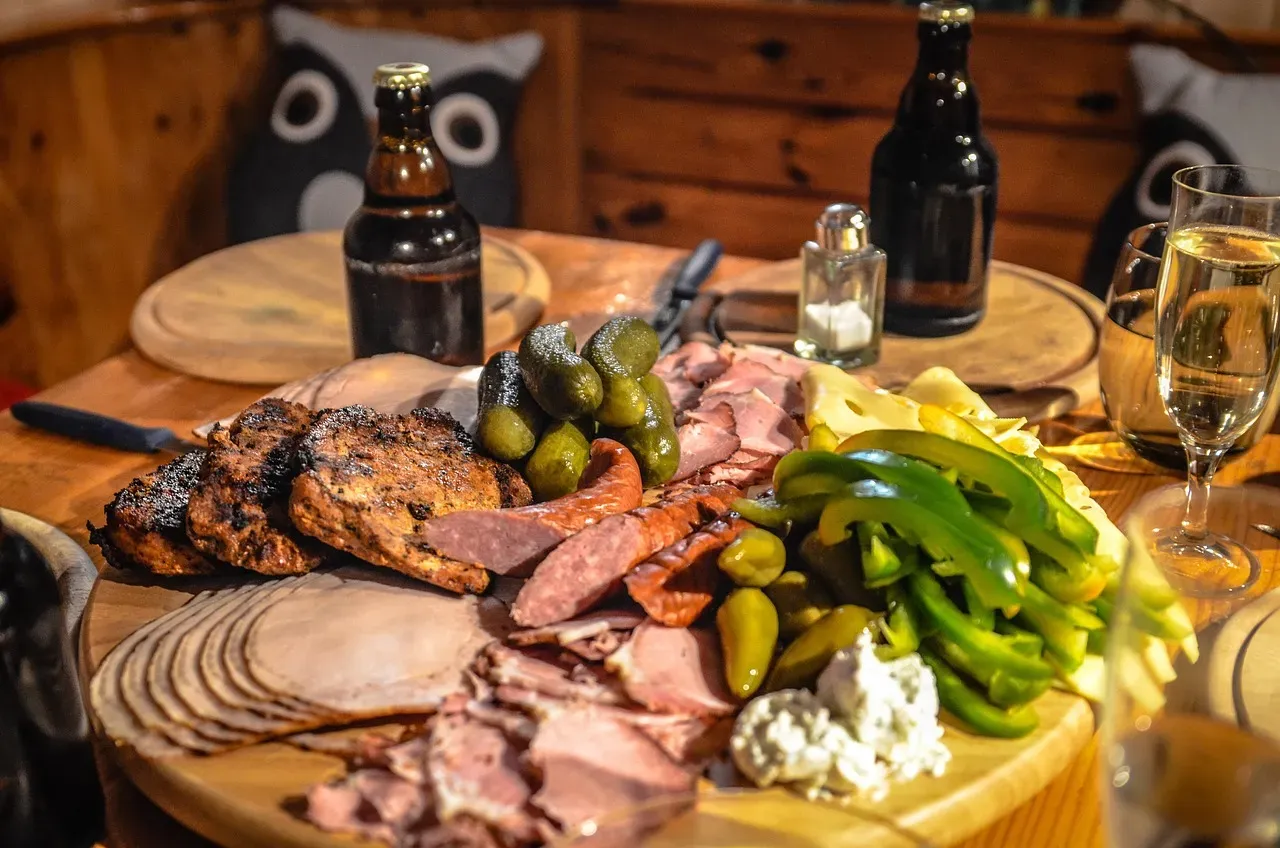
The charcuterie board was originally a beautiful, European-inspired idea. Cured meats, good cheese, some olives, a little mustard. Simple. Satisfying. Then social media got hold of it and the boards evolved into enormous, impractical, often absurd tablescapes that had more in common with a museum installation than a snack.
Charcuterie boards have become increasingly elaborate, with the average board now containing significantly more items than five years ago, leading to overwhelming variety and decision fatigue for diners. The time spent arranging a typical Instagram-worthy charcuterie board increased dramatically between 2020 and 2024, contributing to food waste as unused items don't fit the aesthetic arrangement. That is a genuinely ridiculous amount of effort for what amounts to a snack plate.
Chefs are increasingly seeing smaller, more focused menus built around what's fresh, local, and feels right for the season as the direction diners are gravitating toward. The overloaded charcuterie board goes against all of that instinct. Diners want curation, not accumulation. They want a chef who has made decisions, not one who has thrown every expensive ingredient on a wooden plank and called it creativity.
8. Microgreens as Garnish on Everything: Tiny Greens, Massive Overuse
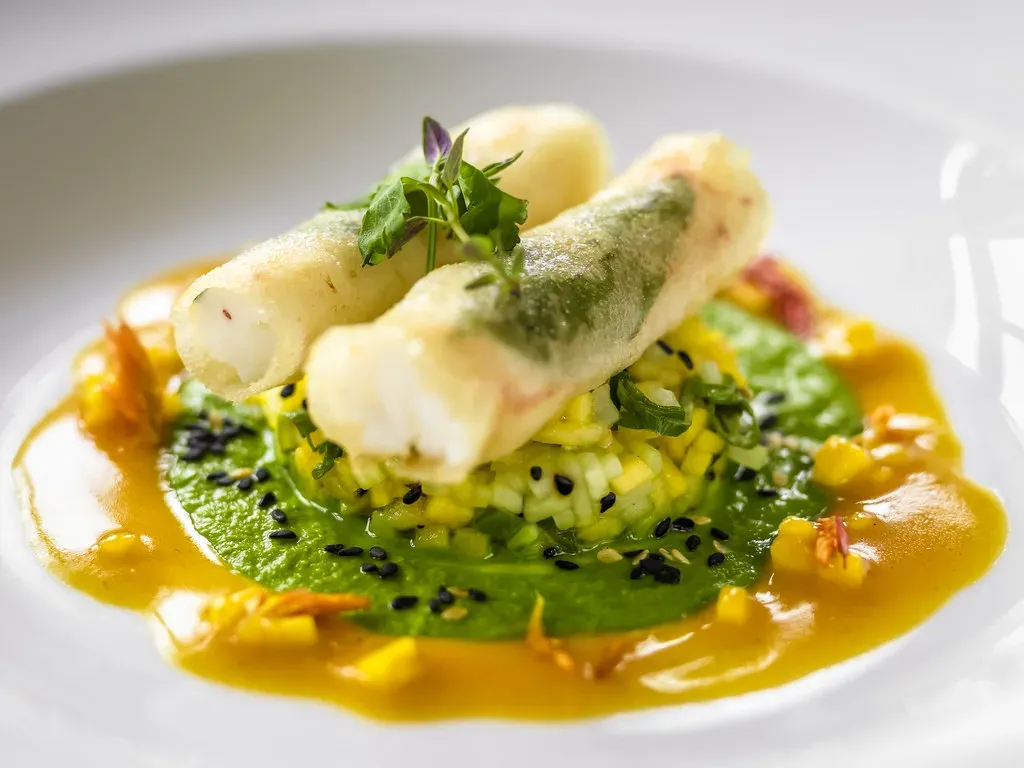
Microgreens are genuinely wonderful. They are nutritious, flavorful in small amounts, and visually vibrant. Nobody is arguing against them entirely. The issue is that somewhere along the way, a small pile of microgreens became the default garnish for literally every single dish in a certain tier of restaurant, from scrambled eggs to braised short rib, whether it made sense or not.
Experts recommend using microgreens and flowers in moderation to enhance the dish without overwhelming it - yet the restaurant industry treated them as a universal solution to the question of how to make a plate look finished and sophisticated. Walk into dozens of mid-range restaurants today and you will still find microgreens piled on dishes where they contribute absolutely nothing to the flavor or the logic of what is being served.
Diners are looking for menu items that are hard to make at home, as well as higher quality proteins and global ingredients they can't purchase in a grocery store. A scattering of microgreens that any home cook can buy at the local farmers market does not meet that bar. Chefs who understand where dining is heading are now using them sparingly and purposefully, rather than as a reflexive finishing move on every plate that exits the kitchen.




Leave a Reply