
Most of us think that cooking at home is automatically the healthier choice. Compared to fast food drive-throughs and restaurant meals loaded with mystery ingredients, that assumption makes total sense. Honestly, it is mostly true. But here is the uncomfortable reality: plenty of home cooks are quietly sabotaging their own meals, not with bad intentions, but simply out of habit or lack of updated information.
The ingredients we reach for instinctively, sometimes the ones sitting on the counter next to the stove, are not always what they appear to be. Some have been studied extensively, and the findings are not exactly comforting. So before you season, sweeten, or preserve your next home-cooked dish, read this first. You might be surprised by what is lurking in your own pantry.
1. Excessive Table Salt Added During Cooking

Let's be real, nearly everyone adds a pinch of salt while cooking. It is so automatic that most people do not even think twice about it. The WHO estimates that roughly 1.89 million deaths each year globally are linked to excessive intake of sodium. That is a staggering number, and it starts right at the stovetop.
Compared to those who never or rarely added salt, those who always added salt to their food had a roughly one in four increased risk of dying prematurely, according to a large study of more than 500,000 people published in the European Heart Journal. At the age of 50, about one and a half years and more than two years were knocked off the life expectancy of women and men, respectively, who always added salt to their food compared to those who never, or rarely, did.
Prolonged high sodium intake can cause water retention and alter the functions of the kidney, heart, blood vessels and central nervous systems, leading to high blood pressure and cardiovascular disease such as heart attack and stroke. The fix does not need to be drastic. Replacing salt with fresh herbs, lemon juice, or dried spices can add complexity to a dish without the cardiovascular burden.
According to the proposals of the World Health Organization and the American Heart Association for normal, healthy adults, daily sodium intake should not exceed 2.0 grams per day or 2.3 grams per day, respectively. Most people exceed these limits before they have even finished making dinner.
2. Refined White Sugar Stirred Into Sauces, Marinades, and Drinks
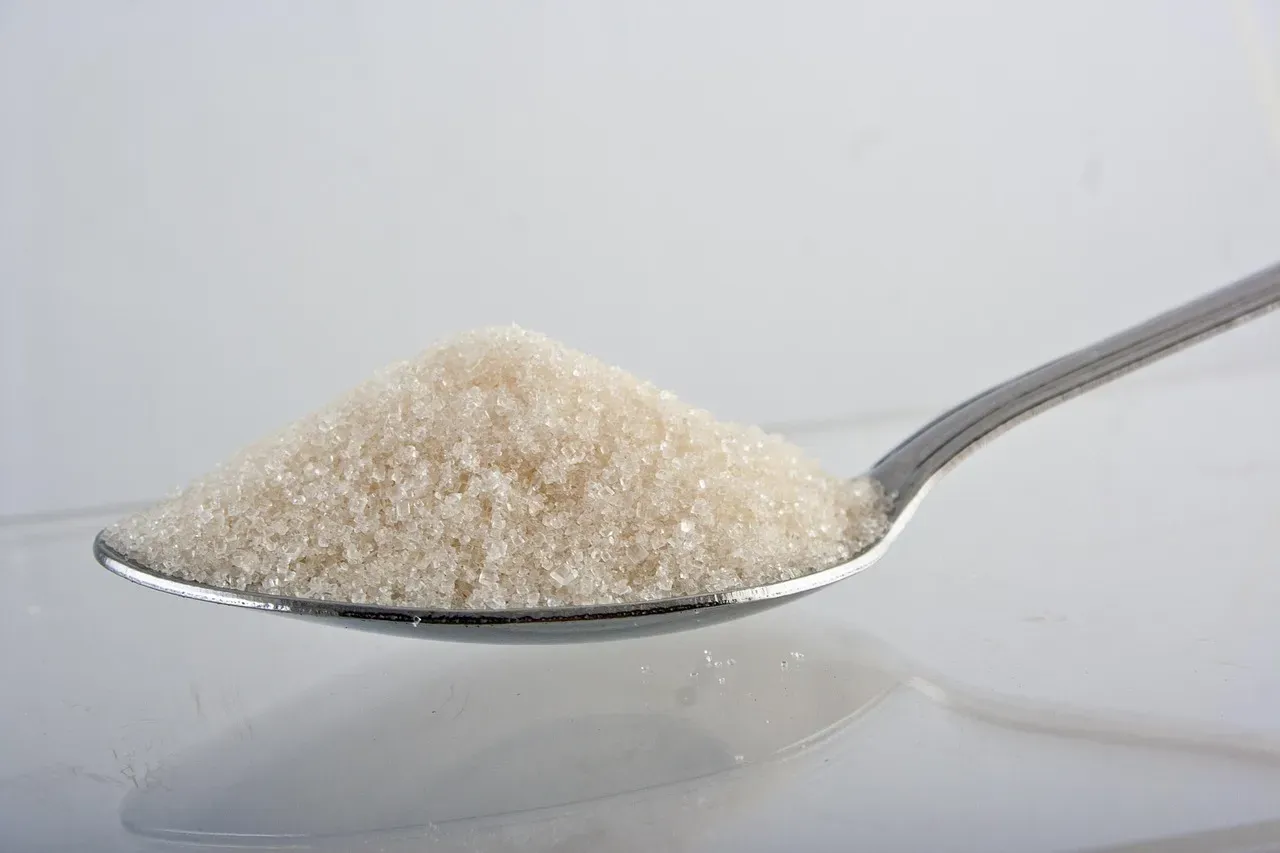
Home cooks add sugar to everything. Tomato sauce to cut acidity. Marinades for caramelization. Tea for sweetness. It seems harmless in small amounts, but the cumulative picture is far more troubling. Chronic ingestion of high-dose sugar has been linked to obesity, metabolic syndrome, type 2 diabetes, cardiovascular disease, some cancers, Alzheimer's disease, and cellular aging.
The current evidence strongly indicates a major role for refined sugars in cognitive dysfunction and dementia. That is the kind of finding that makes you put the sugar bowl back in the cabinet. The incidence of nonalcoholic fatty liver disease and nonalcoholic steatohepatitis has doubled since 1980, with the rise in consumption of refined sugar.
Refined sugar provides a quick, simple source of energy, but it does not contain other nutrients such as vitamins and minerals. Think of it like adding empty fuel to a car that also needs oil and coolant. The engine runs, briefly, but it takes a long-term toll. People consume too much added sugar, which food manufacturers add to products to increase flavor and extend shelf life, and this can have a serious impact on heart health.
Consuming a diet high in refined carbs and sugar leads to the production of AGEs, which may cause skin to age prematurely. AGEs damage collagen and elastin, which are proteins that help the skin stretch and keep its youthful appearance. The effects of too much sugar are not just internal. They show up in ways most people never expect.
3. High-Fructose Corn Syrup Hidden in Store-Bought Sauces and Condiments
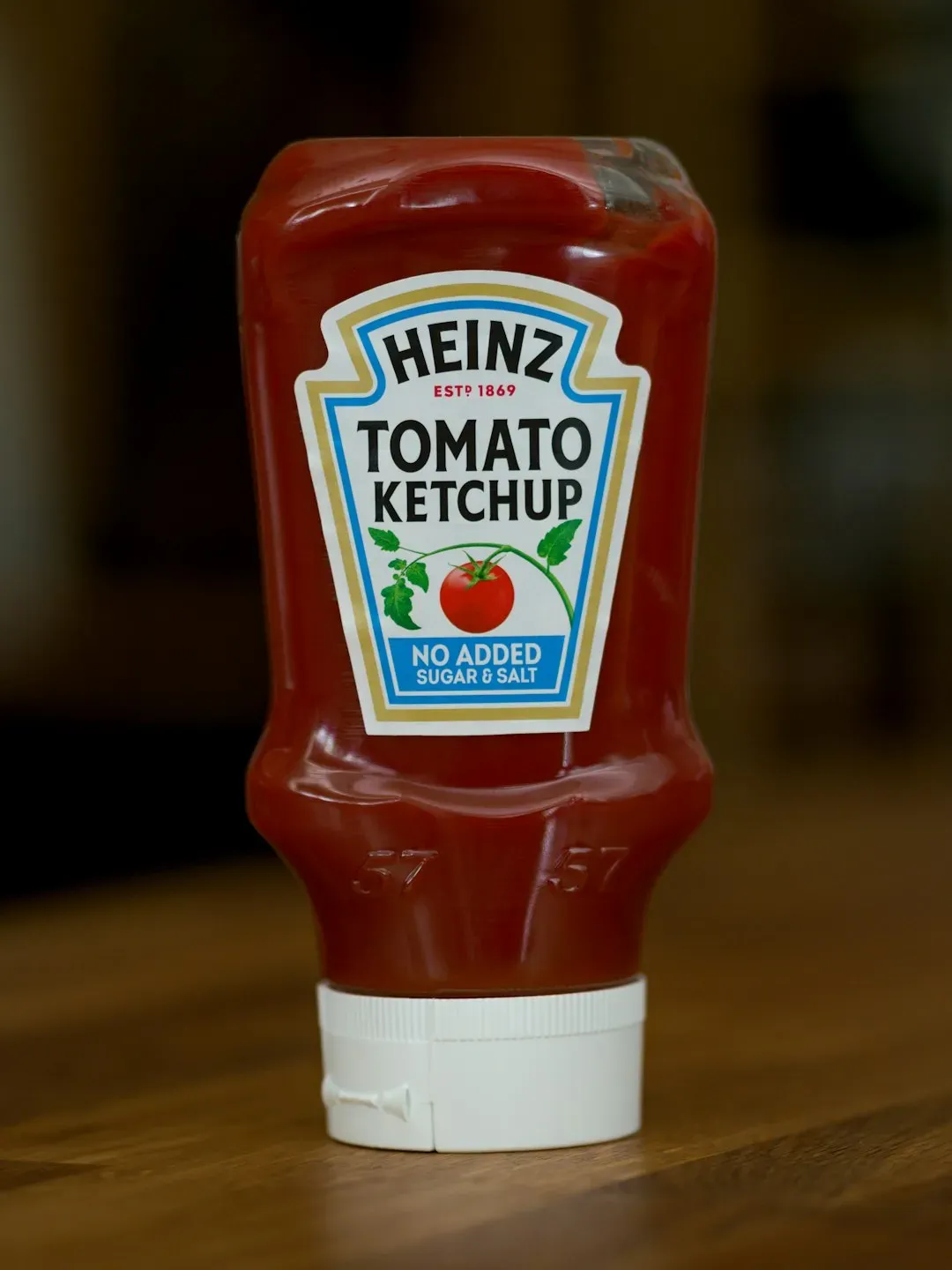
This one is sneaky. You might not pour high-fructose corn syrup directly into your meals, but if you are adding ketchup, barbecue sauce, store-bought salad dressings, or flavored condiments from a bottle, there is a very real chance it is already in your food before you even start cooking. High-fructose corn syrup is commonly added to snacks, cereals, and candy to enhance sweetness.
High-fructose corn syrup is a sweetener that can lead to weight gain, heart complications and obesity. It metabolizes differently than regular sugar, placing a much heavier burden on the liver in particular. Chemically refined and highly purified sugar in all of its myriad forms, including high-fructose corn syrup, is not something that occurs in the natural world except in rare cases. In other words, our bodies were never designed to process it in the quantities modern diets deliver.
A 2024 umbrella review of 45 meta-analyses including almost 10 million people found that diets high in ultra-processed foods, which are major vehicles for ingredients like high-fructose corn syrup, are linked to 32 health conditions, including obesity, type 2 diabetes, cardiometabolic diseases, and many cancers. Swapping commercial condiments for homemade versions made with whole ingredients is one of the simplest and most powerful steps a home cook can take.
4. Artificial Sweeteners Added to "Healthier" Versions of Recipes

Here is the thing: when home cooks try to cut sugar, many reach straight for artificial sweeteners like aspartame, sucralose, or acesulfame potassium. It feels like the responsible swap. The science, however, tells a more complicated story. The prolonged and habitual ingestion of sweeteners might culminate in blood glucose level aberrations, heightened fat accumulation and steatosis, alongside an amplified risk of diabetes.
Artificial sweeteners may negatively impact glucose homeostasis through mechanisms such as gut microbiota modulation, increased expression of glucose transporters, and disruption of gut hormone signaling. Alterations in gut microbiota induced by artificial sweeteners have been linked to impaired glucose tolerance and insulin resistance. That is the opposite of what most people using these sweeteners are hoping to achieve.
Aspartame, saccharin and sucralose are widely used artificial sweeteners and can exert a bigger load on your metabolic system than plain old sugar. It is hard to say for sure exactly where the threshold lies for each person, but the message from multiple lines of research is consistent: moderation and whole-food alternatives are safer bets. In an extended perspective, the prolonged intake of sweeteners might lead to blood glucose level aberrations, while aspartame has been purported to harbor carcinogenic attributes according to recent inquiry.
5. Trans Fats From Shortening, Margarine, and Partially Hydrogenated Oils

You might think this one is already solved. After all, the FDA banned partially hydrogenated oils as a food ingredient effective 2018. But the reality is more nuanced. Even though trans fat reads as zero grams on a label, the ingredient statement may still show that a product contains partially hydrogenated oil. Due to current labeling laws, if there is less than 0.5 gram of trans fat per serving, it can be labeled as zero.
Experts say that trans fat is the worst type of fat to eat. That is because it raises bad cholesterol and lowers good cholesterol. A diet high in trans fat raises the risk of heart attack and stroke. Home cooks who still use shortening, certain margarines, or some store-bought baking products may be adding these fats to their meals without realizing it.
In the United States, artificial trans fat in food was estimated in 2006 to cause one in five heart attacks, up to 250,000 per year, and 50,000 deaths a year. Those numbers helped push the FDA toward its eventual ban, but the problem has not disappeared entirely. Whether the trans fat is artificial or natural, it is best to limit intake of this substance. Replacing shortening with real butter or cold-pressed oils when baking at home is a meaningful upgrade.
6. Sodium Nitrate From Processed Meat Added to Home-Cooked Dishes

Many home cooks use processed meats like deli ham, packaged sausages, bacon, or hot dogs as quick cooking shortcuts and flavor boosters. What they may not consider is that these products are packed with sodium nitrate, a preservative with a well-documented dark side. Sodium nitrate is added to processed meats to stop bacterial growth and has been linked to cancer in humans.
Ultra-processed meats have been classified by the WHO as a Group 1 carcinogen, a categorization shared by tobacco and asbestos, for their link to colorectal cancer. That is a classification that should give anyone pause before tossing packaged sausage into a pasta dish or soup. Processed meats frequently contain sodium nitrate and monosodium glutamate to enhance salty and savory flavors.
The convenient shortcut of grabbing a package of cured meat from the fridge comes with a genuine long-term cost. Think of it as using cheap fuel in a high-performance engine. It works in the short run, but the internal damage adds up quietly. Opting instead for fresh, unprocessed cuts of meat and seasoning them yourself at home is a straightforward way to reduce this exposure significantly.
7. Artificial Food Colorings Stirred Into Baked Goods, Frostings, and Drinks
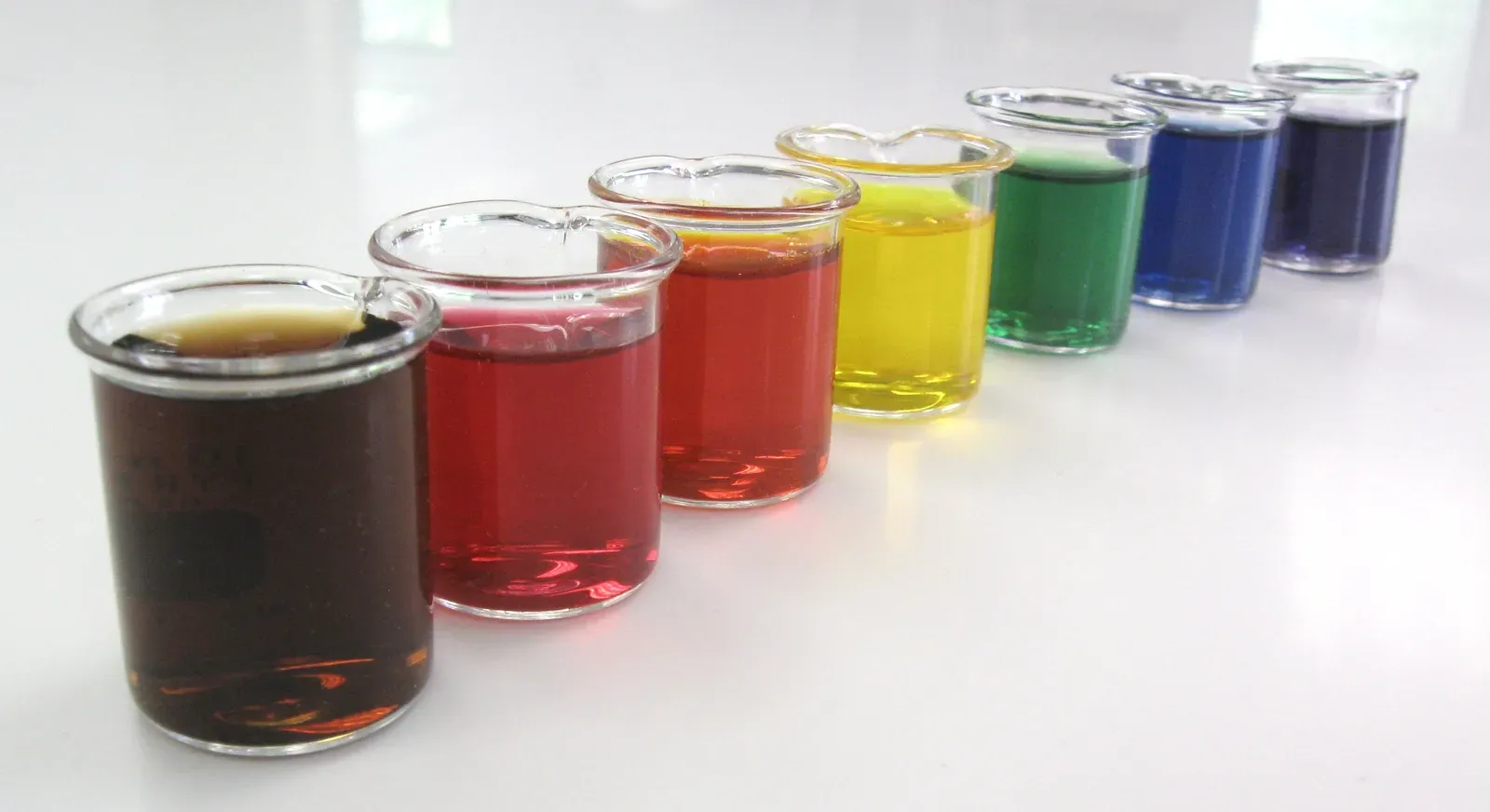
Synthetic food dyes are showing up in home kitchens more than ever, particularly in decorating kits, flavored drink powders, boxed cake mixes, and candy melts used for baking projects. In 2025, federal agencies announced measures to phase out the use of petroleum-based colors in food, marking a significant regulatory turning point.
In 2025 alone, nine major food and beverage manufacturers announced plans to completely end the use of synthetic colors and some additives in their products. The fact that major manufacturers are racing to remove these dyes is telling in itself. Ultra-processed foods tend to include many additives and ingredients that are not typically used in home cooking, such as preservatives, emulsifiers, sweeteners, and artificial colors and flavors.
Home cooks who replicate those same synthetic dyes in their kitchens are essentially choosing to add what major brands are now scrambling to remove. Natural alternatives like beet juice, turmeric, paprika, and butterfly pea flower powder deliver vibrant, beautiful colors without the petroleum-based additives. Naturally derived colors from beet juice, turmeric, and paprika carry no hyperactivity or cancer risk, unlike their artificial counterparts. The swap is often easier, and the colors can be genuinely more beautiful.




Leave a Reply