
There was something almost ceremonial about opening a lunchbox in the 1980s. The slow unzip of a vinyl Transformers bag, the click of a metal clasp, and then - the reveal. What your parents packed told a story. It said something about your household, your neighborhood, maybe even your social standing at the cafeteria table.
The '80s were known for snacks geared toward kids and teens, with a heavy focus on brand tie-ins, bold flavors, and easy-to-grab options that were lunchroom or after-school friendly. Convenience was king. Bold was better. And some of those snacks became so woven into the fabric of childhood that even today, just seeing the wrapper in a grocery store can stop a grown adult dead in their tracks. Here's a look at the ten snacks that almost certainly lived inside your lunchbox. Let's dive in.
1. Fruit Roll-Ups - The One You Wore Before You Ate
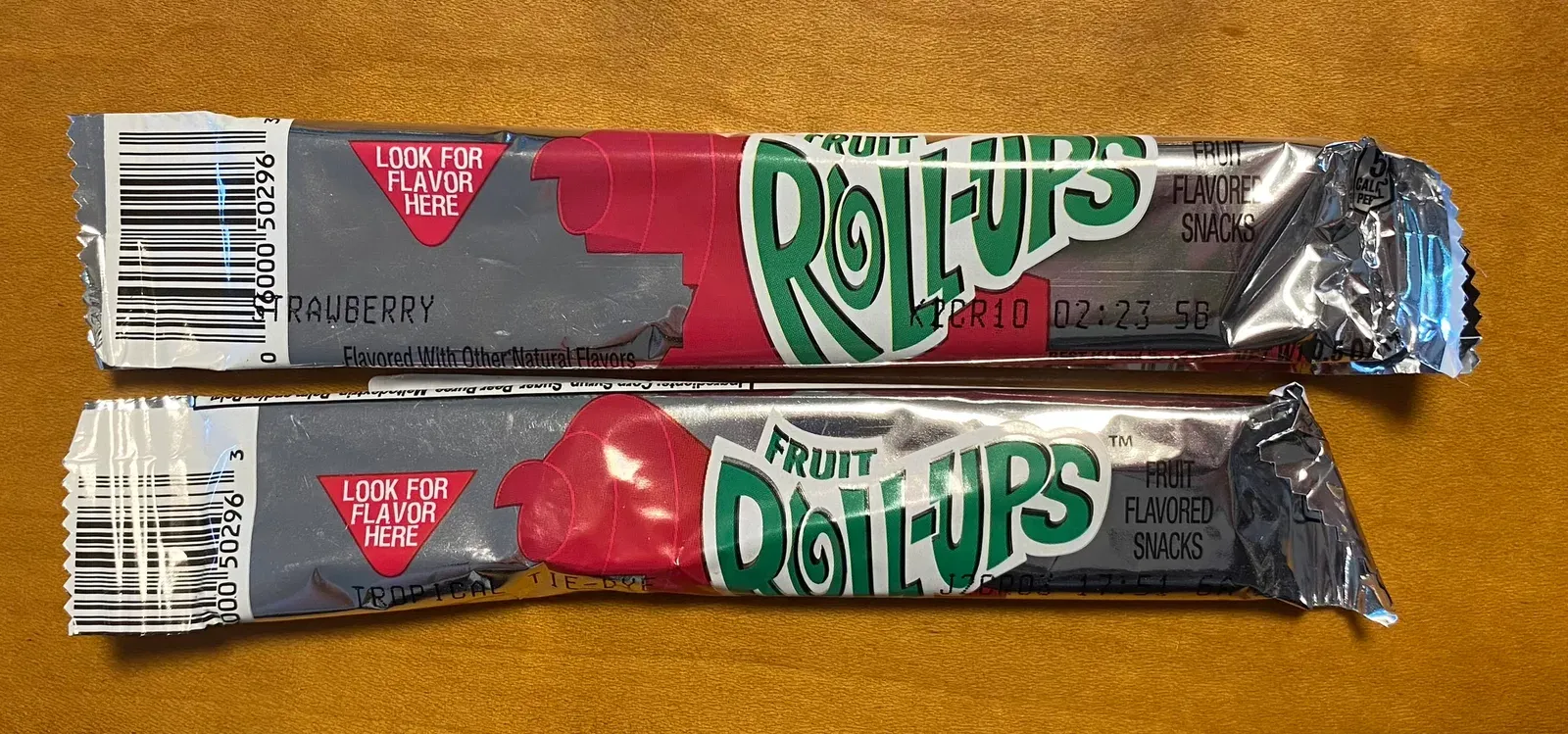
Introduced by General Mills' Betty Crocker brand in 1983, Fruit Roll-Ups were a sweet snack based on traditional fruit leather. Yet this mass-produced version contained almost no fruit at all. That detail would have scandalized every parent who smugly thought they were sneaking something healthy into their kid's lunch.
Despite the slogan "real fruit and fun, rolled up in one," there was little fruit. Except for a small amount of pear juice concentrate, the snacks were comprised of corn syrup and artificial color. Honestly? Nobody cared. The kids certainly didn't.
A lunchbox staple and must-have, kids folded, twisted, and tucked the sticky, chewy fruit roll-ups into the right size to stick to the roof of their mouth for hours after lunch ended. It really did make fruit fun. The art was in how you ate it, not what it was made of.
The Center for Science in the Public Interest called them out in 2011 with a lawsuit, and Betty Crocker has since toned down the "made with real fruit" rhetoric. Still, Fruit Roll-Ups remain on shelves to this day, proof that nostalgia is a pretty powerful marketing tool.
2. Capri Sun - The Silver Pouch That Changed Everything
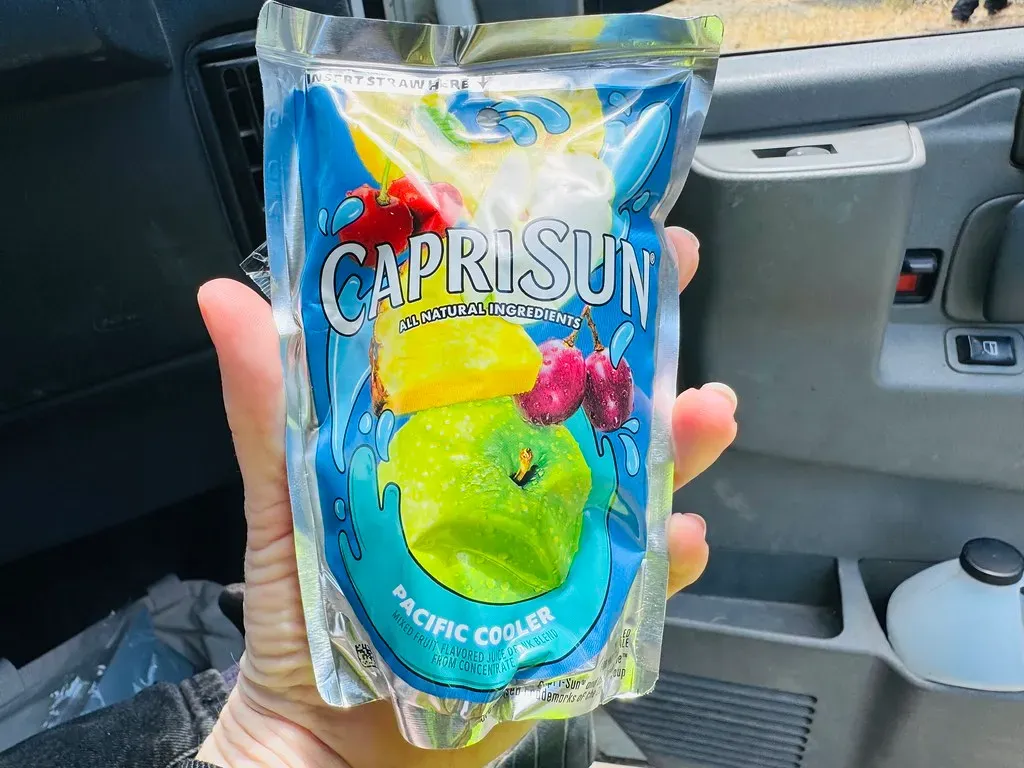
Desperate parents rejoiced in the early '80s with the debut of Capri Sun, a juice beverage sold within a handy metal pouch. Before this, packing a drink for school was genuinely awkward. Juice came in giant cans. Soda wasn't exactly parent-approved. And milk went warm by noon.
In 1981, Kraft Foods began marketing this product in the US under the name Capri Sun. Sold in kid-sized portions, Capri Sun pouches have a hole in the center that is easily pierced by the provided plastic straw. They easily fit into any lunchbox or paper bag and refrigeration is not required, making them a preferred choice for parents.
In 1982, Capri-Sun was recognized as the best new product launch in the United States and received a medal for packaging excellence, underscoring its early appeal to consumers, particularly children. That's a fast rise to the top for something that was essentially just juice in a bag.
I think what kids really loved wasn't even the taste. It was the ritual. The struggle to stab the straw in without punching through the other side. As of 2023, roughly 6 billion pouches are sold per year globally. Some things just don't need to change.
3. Little Debbie Oatmeal Creme Pies - The Lunchbox Currency
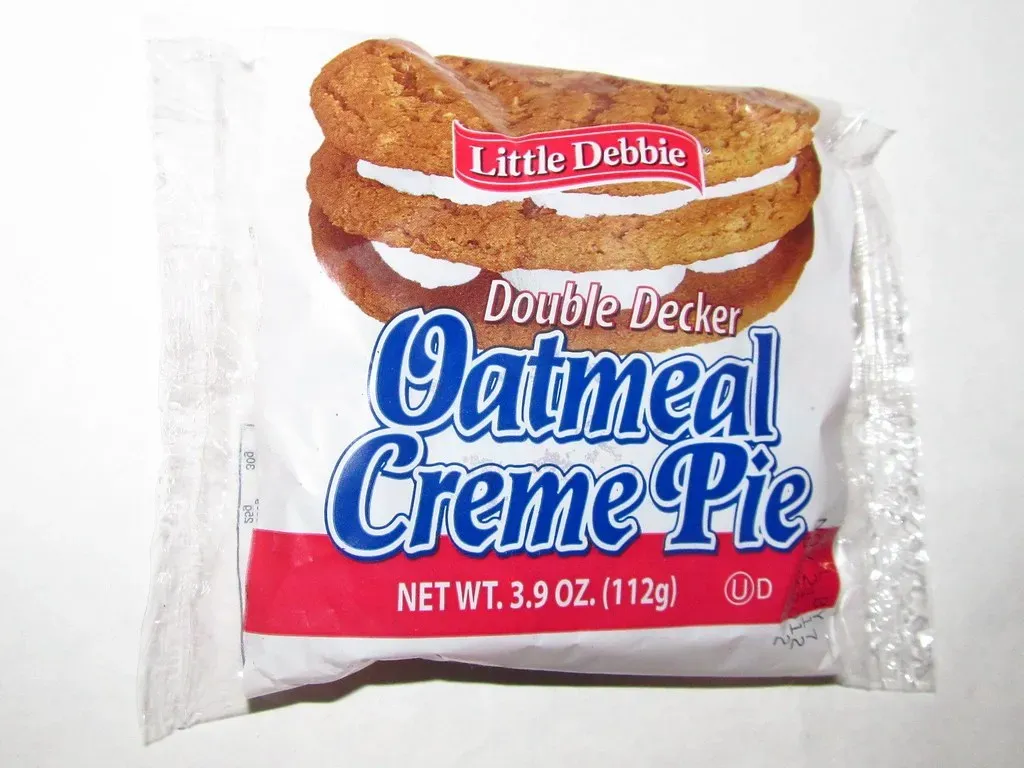
The Oatmeal Creme Pie immediately increased the bakery's profits and went on to become a huge success, driving the growth of the family business and becoming the first and most enduring snack cake under the Little Debbie brand, named after O.D. and Ruth's granddaughter. And today this molasses-y cookie pie remains one of the most beloved lunchbox snacks among schoolchildren and big kids alike.
In 1960, McKee founded the Little Debbie brand and began commercially selling oatmeal creme pies in family-pack cartons for 49 cents. Over 14 million oatmeal creme pies were sold in the first 10 months of the snack cake's release. That number says everything you need to know about how hungry America was for something sweet and cheap.
With a retail price about half the cost of its competitors, Little Debbie owns approximately one-third of all snack cake sales. In 2016, McKee Foods recorded over $800 million in sales, nearly $150 million dollars more than Hostess, its closest competitor. The lunchbox underdog became the lunchbox empire.
Oatmeal Creme Pies, Zebra Cakes, and Nutty Buddies were major players in the dessert game in the '80s, and were terrific bartering material if you saw something in somebody's lunch you wanted more. Let's be real, half the lunch period was just a negotiation.
4. Doritos - The Bag That Stained Everything Orange
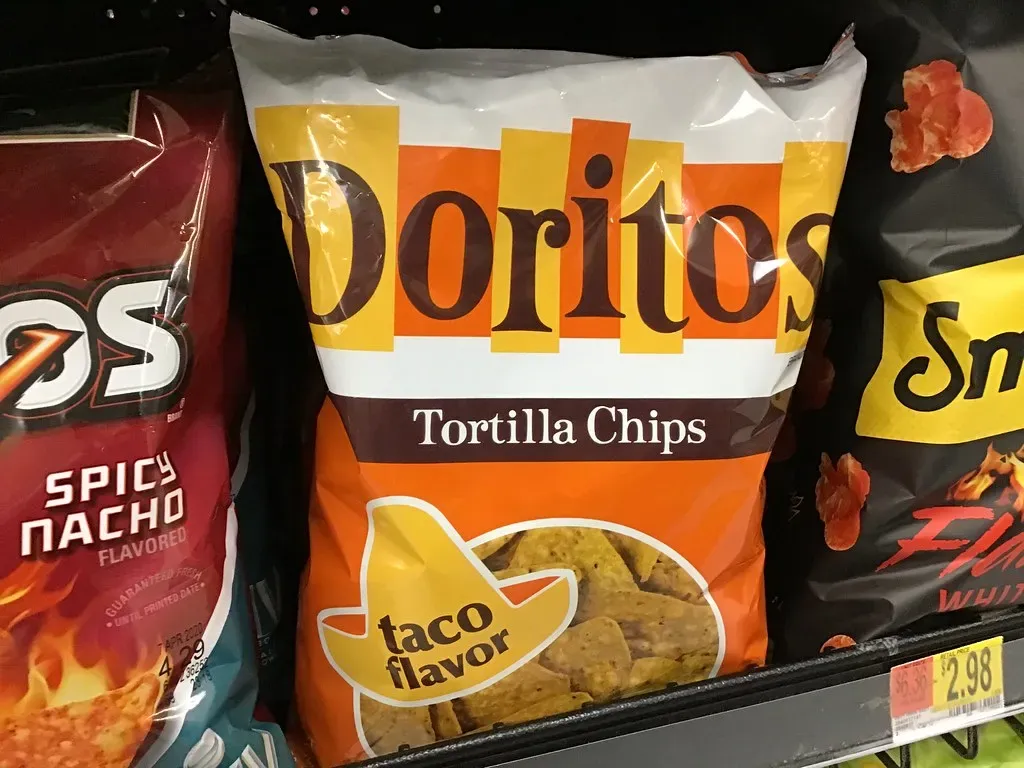
First launched in 1966, Doritos didn't go full legend status until Nacho Cheese hit shelves in 1972. By the '80s, they were everywhere. Every lunchbox, every backpack, every bottom of a car seat - Doritos dust was basically part of the decade's aesthetic.
The name "Doritos" is derived from the Spanish word doradito, meaning "little golden things." They turned your fingers neon orange, made your breath questionable, and were still totally worth it. That's an accurate summary of the entire Doritos experience, honestly.
In 1986, the brand released Cool Ranch, and life hasn't been the same since. Suddenly there were two factions of Doritos kids. Nacho Cheese loyalists. Cool Ranch converts. It was a whole thing.
Doritos are still a staple, but there was something about having a bag of Doritos in your bag growing up that just hit different. Nobody had the language for it back then, but it was pure, uncomplicated joy - one chip at a time.
5. Hostess Twinkies - The Golden Snack Cake of Legend
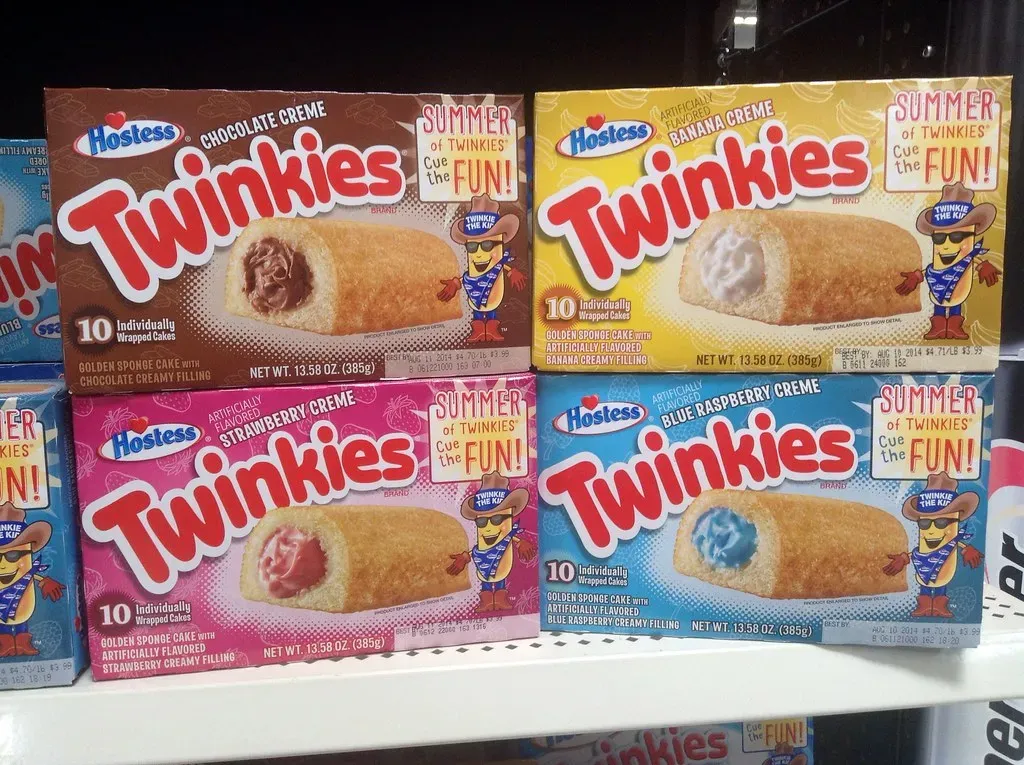
The golden exterior is instantly recognizable, and they were filled with a tasty vanilla cream, though the original version in the 1930s was actually banana. By the time they had their heyday in the '80s and '90s, vanilla was very much the dominant filling. That switch to vanilla turned out to be one of the more consequential food decisions in American snack history.
Whether your technique was to nibble around the edges and leave the cream in the center till last, or simply take a big bite that combined all of the flavors at once, the Twinkie was a treat that everyone enjoyed. If you opened your lunch box and saw a Twinkie in its cellophane wrapper looking back at you, you knew your afternoon was off to a great start.
As kids of the '80s compared what was in their Smurfs and ALF lunchboxes, the gold standard in snack cakes were usually Hostess-brand cakes such as Twinkies, Ho-Ho's, and Sno-Balls. High class and, of course, high cost. Having a Twinkie was basically a flex, no different from wearing the right sneakers.
The company would go on to acquire Wonder Bread, which still remains an iconic American brand today, and began to produce Twinkies. Both of those brands are still sold today, though there was a time when Twinkies were discontinued, while other nostalgic Hostess treats weren't so lucky. The brief death of the Twinkie in 2012 genuinely felt like a national crisis.
6. Planters Cheez Balls - The Canister That Never Ran Out (Until It Did)
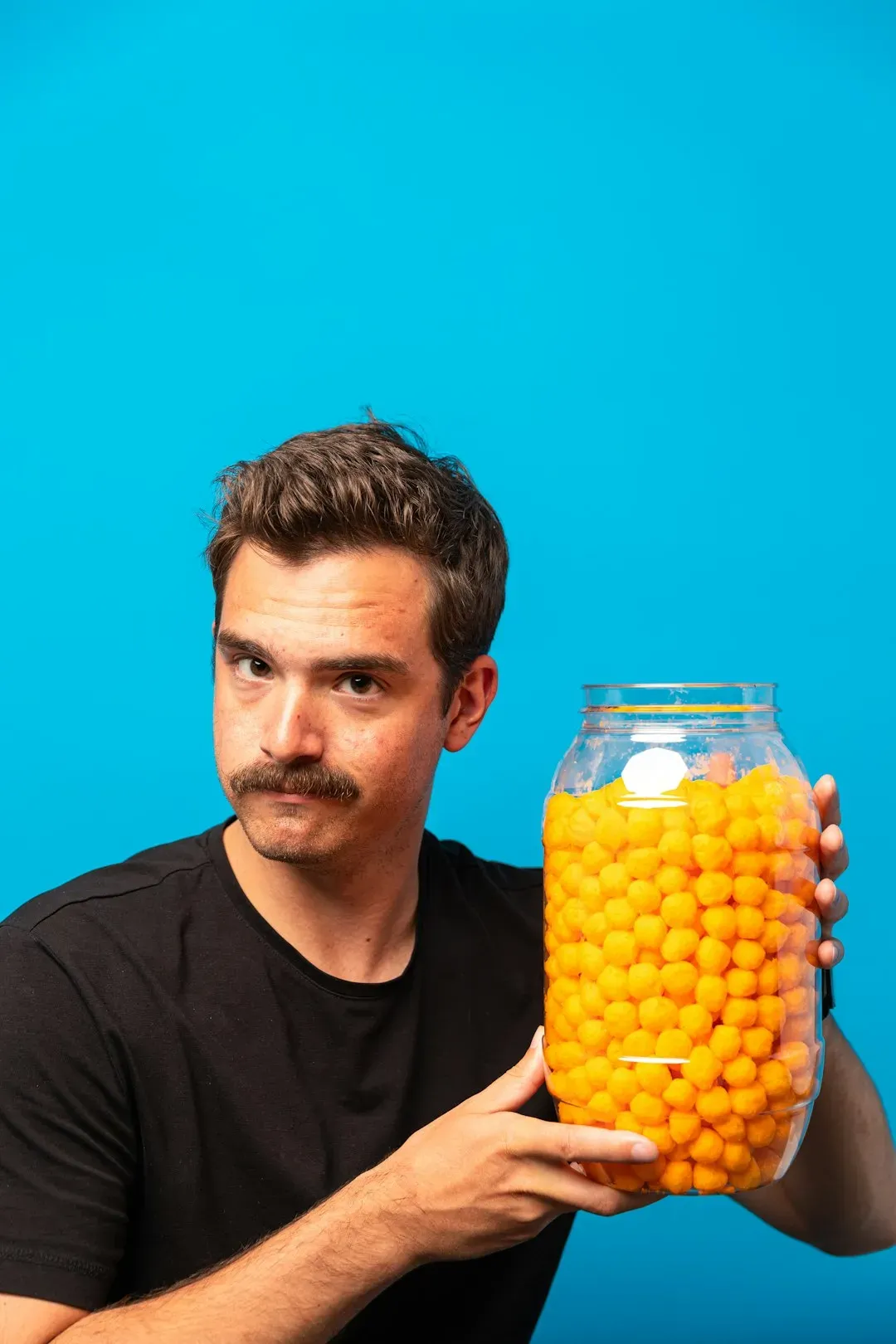
So what if they turned your fingers bright orange and left a cheesy residue all over your hands - Planters Cheez Balls were an easy, airy snack, and they came in giant canisters which meant no fighting with your siblings over who got to eat the most. That canister was basically the gift that kept giving.
Planters launched these in the '80s, packaged in an iconic blue canister. After being discontinued, fans demanded a comeback - and Planters delivered, briefly. Planters underestimated exactly how deep '80s kids' loyalty runs when it comes to their childhood snacks.
Here's the thing about Cheez Balls: they occupied a very specific niche. They were lighter than chips, less messy than Doritos, and somehow impossibly addictive. They were the snack equivalent of bubble wrap. You couldn't eat just one. Or ten.
The brief comeback proved one thing loud and clear. Adults who grew up in the '80s have not forgotten a single snack from their childhood lunchbox, and they will absolutely clear a grocery shelf at the first sight of a classic blue canister. That kind of loyalty is rare.
7. Jell-O Pudding Pops - Okay, This One Was More Freezer Than Lunchbox
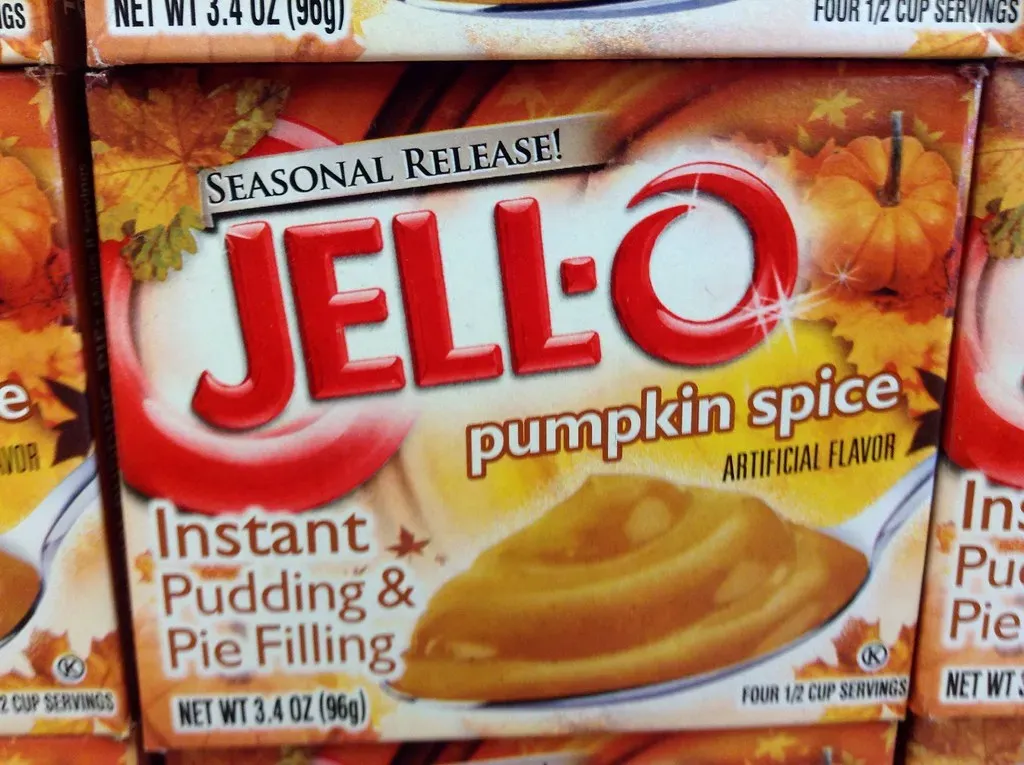
General Foods' Jell-O Pudding Pops, the tasty summer treat of the '80s, were a staple in many families' freezers. Despite bringing in around $300 million in sales per year, the sweet snack disappeared by the '90s. Think about that number for a second. Three hundred million dollars in annual sales, and still gone. That's a wild story.
The freezer pop's discontinuation came down to money. Since the company was not in the frozen food business, it cost more money than could be reasonably returned. Even with all those sales, the company found it hard to make any money on them. Popularity doesn't always mean profit, apparently.
As if pudding wasn't awesome enough already, the marketing gurus over at Jell-O made it into a popsicle in the '80s. Rich, creamy, and touted as healthy, these were a go-to favorite any time of year. Kids with access to a freezer at school were basically legends. The rest of us just heard the stories.
In 2004, Jell-O tried to bring back the Pudding Pop, marketing it under the Popsicle name. The mold, however, was different from the original, making them not as recognizable. It's hard to say for sure, but I suspect the flavor was slightly different too. Nostalgia is an unforgiving critic.
8. Pop Rocks - The Candy That Came With a Warning
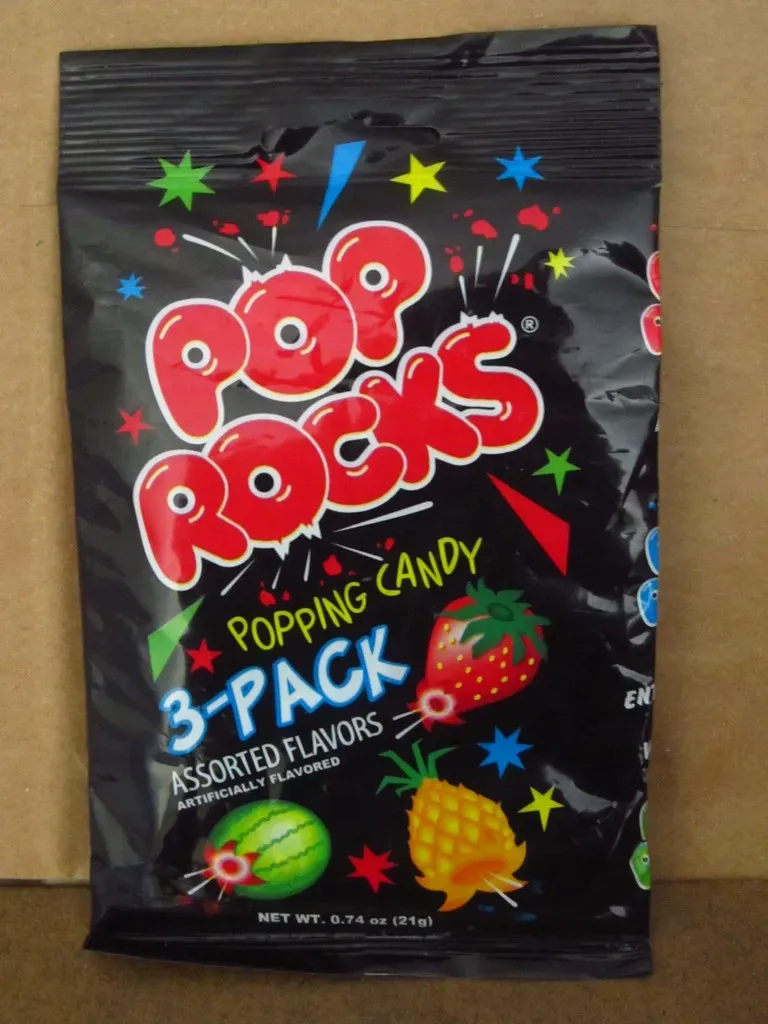
Though invented in the '70s, Pop Rocks were a staple of school lunches by the '80s. What made them so extraordinary was that they came with an urban legend already baked in. Every kid had heard the story. The one about the kid who ate them with soda and, well, you know. Nobody really believed it. But everyone still held their breath a little, just in case.
You may still have one of these teeny-tiny pebble-like candies stuck in one of your molars today. You got to pour them straight in your mouth - and if you were really crazy, you slid open both sides of the box to get a mix of each flavor at once. That dual-flavor move was considered genuinely daring in third grade.
Pop Rocks turned eating into a sensory event. The crackling, the fizzing, the slight burn on your tongue. No other candy in the '80s offered that kind of full-body experience from something the size of a sugar crystal. It was a snack and a science experiment rolled into one.
What's fascinating is that they're still around, still sold in essentially the same packaging, still triggering the same wide eyes in today's kids. Some snacks transcend their era. Pop Rocks are basically immortal at this point.
9. Nerds - Two Flavors, One Very Divided Box
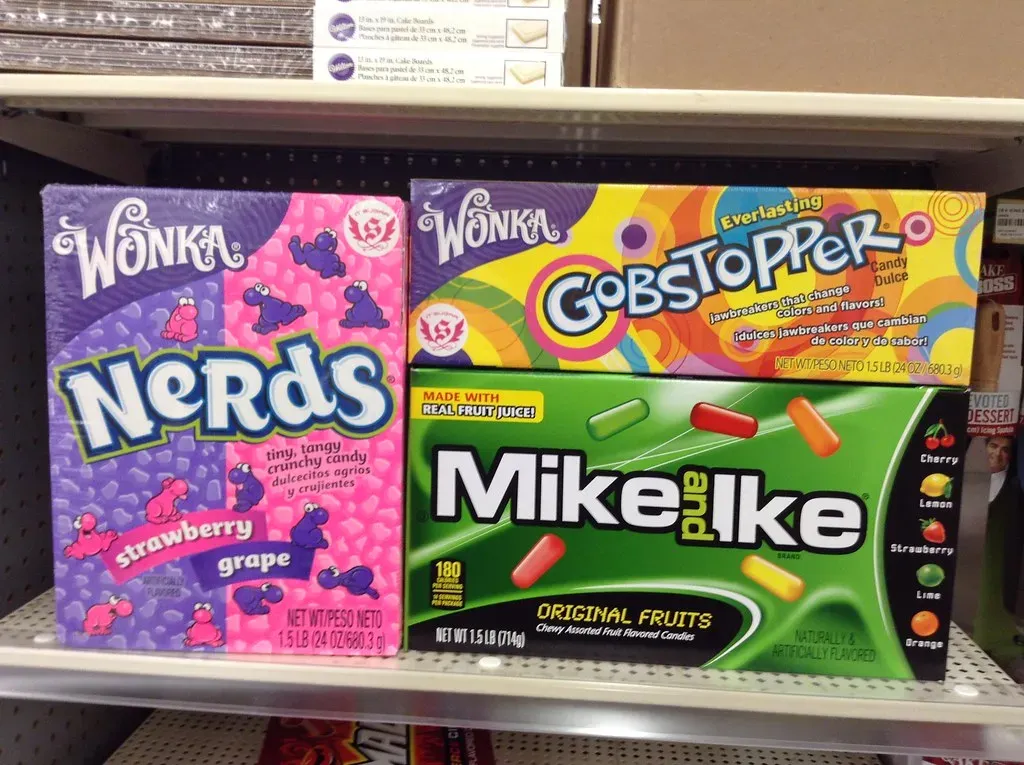
Wonka Nerds were first sold in 1983 and were named "Candy of the Year" in 1985 by the National Candy Wholesalers Association. That's a real award, and honestly, it was well deserved. Nothing else in the '80s candy aisle felt quite so clever or came in such a satisfying little box.
Nerds are represented by the odd, peculiar, colorful mascots on the candy packaging. Each piece of candy consists of layer upon layer of sugar. Each box contains two flavors, each with its own compartment and opening. That split box was a masterpiece of candy engineering. It rewarded kids who could make decisions and punished the indecisive.
The thing about Nerds in a lunchbox is that they technically weren't a food. They were more of a punctuation mark. The end-of-lunch reward. The tiny, rattling box that you shook right into your mouth and tried not to inhale. Pure sugar architecture.
Some of the best candies of all time debuted in the '80s. Top contenders include Skittles, Reese's Pieces, AirHeads, Nerds, Runts, Big League Chew, Ring Pops, Push Pops, Skor Bar, and Peanut Butter M&Ms. It was, by any objective measure, the golden age of American candy. Nerds sat comfortably at the center of that universe.
10. Reese's Pieces - The E.T. Effect Was Real
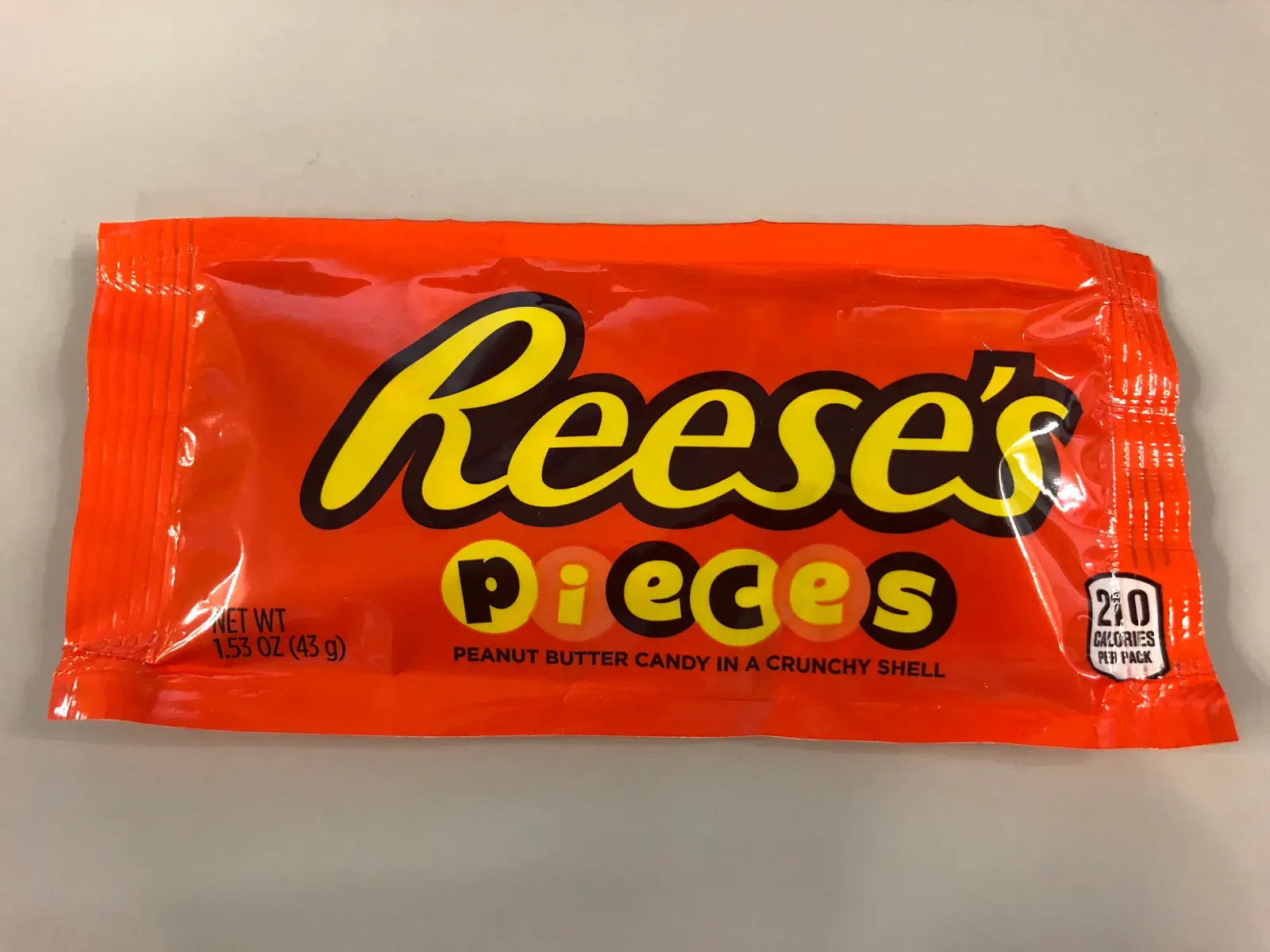
Although this peanut butter candy first became available in 1978, it was Steven Spielberg's 1982 movie E.T. that put the product on the map, with sales shooting up by 65% in the weeks after its release. That is one of the most extraordinary product placement success stories in food history. A single movie scene changed the entire trajectory of a candy brand.
It's said that Mars was offered the opportunity for M&M's to feature in the film first but declined. The rest is, of course, history, and Reese's Pieces are still enjoyed the world over today. Mars turned down E.T. That's a business school case study that still stings decades later.
By the mid-'80s, Reese's Pieces were everywhere. They had the peanut butter-chocolate combination that Americans had always loved, just in a smaller, more portable, lunchbox-friendly format. They also carried the glow of the best film of the decade, which didn't hurt.
Just make sure you pack some Reese's Pieces in there - that's the advice attached to the vintage E.T. lunchbox that's still being bought and sold online today. Even the memorabilia knows what the definitive '80s lunchbox candy was. Some snacks don't just make history. They become it.




Leave a Reply