
There is nothing quite as frustrating as spending good money on a quality cut of meat, putting real time and effort into cooking it, and then sitting down to something that feels like you're chewing through a leather boot. It happens to home cooks constantly, and honestly, it happens even to people who consider themselves reasonably skilled in the kitchen. The wild part? Most of the reasons meat turns out tough have nothing to do with the meat itself.
The mistakes are almost always about technique. Temperature, timing, the order of steps, how you cut, how long you wait. These details sound small, but they have an enormous impact on what ends up on the plate. Let's dive into the ten most common errors that are secretly ruining your meat, and what to do instead.
1. Cooking Meat Straight From the Refrigerator
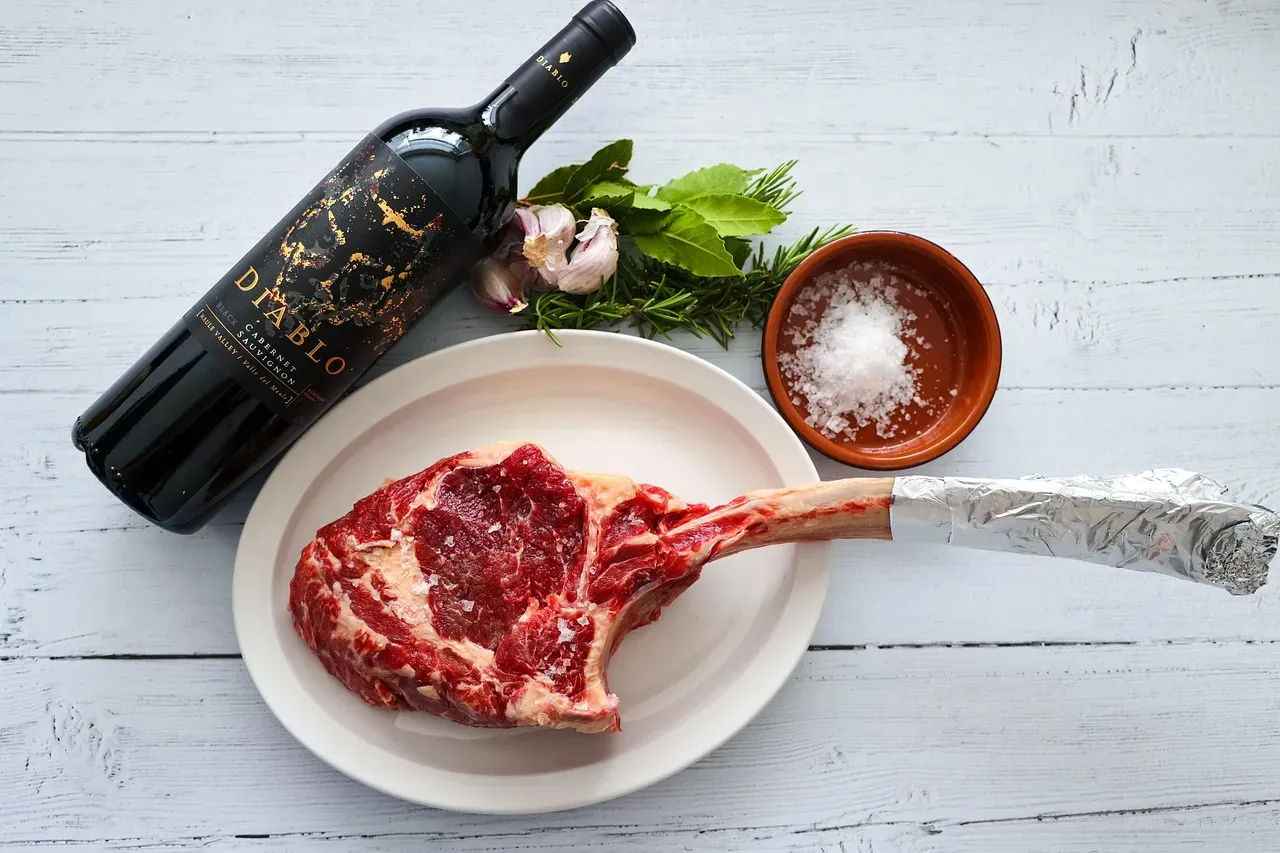
This one is shockingly common, and it might be the single fastest way to wreck an otherwise great piece of meat. One of the most common mistakes when making grilled steak is taking it out the fridge and putting it on the grill straight away - cold steak won't cook evenly, and you'll notice a gray band in the middle when you cut into it instead of a beautiful, gradual color change. The science behind this is simple and worth understanding.
Cooking fridge-cold steak also won't give you a tender end product. The sudden temperature change will cause the meat fibers to tense up, resulting in a tough texture. Think of it like putting a cold rubber band in boiling water - the outside reacts immediately, but the center takes forever to follow.
Depending on the cut, allow a half-hour to two hours for the meat to sit on the counter before cooking. This simple, zero-effort step costs you nothing except a little patience, and it pays dividends in every single bite.
2. Overcooking and Pushing Past the Right Temperature
Here's the thing about meat and heat - there is a sweet spot, and once you pass it, you are working against chemistry itself. Meat is mostly made up of proteins, fat, and water. When heated, the proteins unravel and change shape - scientists call this "denaturing." As the proteins change, they contract and squeeze out moisture. That is, essentially, the scientific explanation for why overcooked meat is dry and tough.
When heated for too high and too long, the proteins shrink even further until nearly all the moisture within them is gone, giving you the dry, rubbery texture. The Maillard reaction, which has so far been helpful, goes into overdrive, creating bitter compounds that ruin the flavor of the meat. It's a double punishment: bad texture and bad taste at the same time.
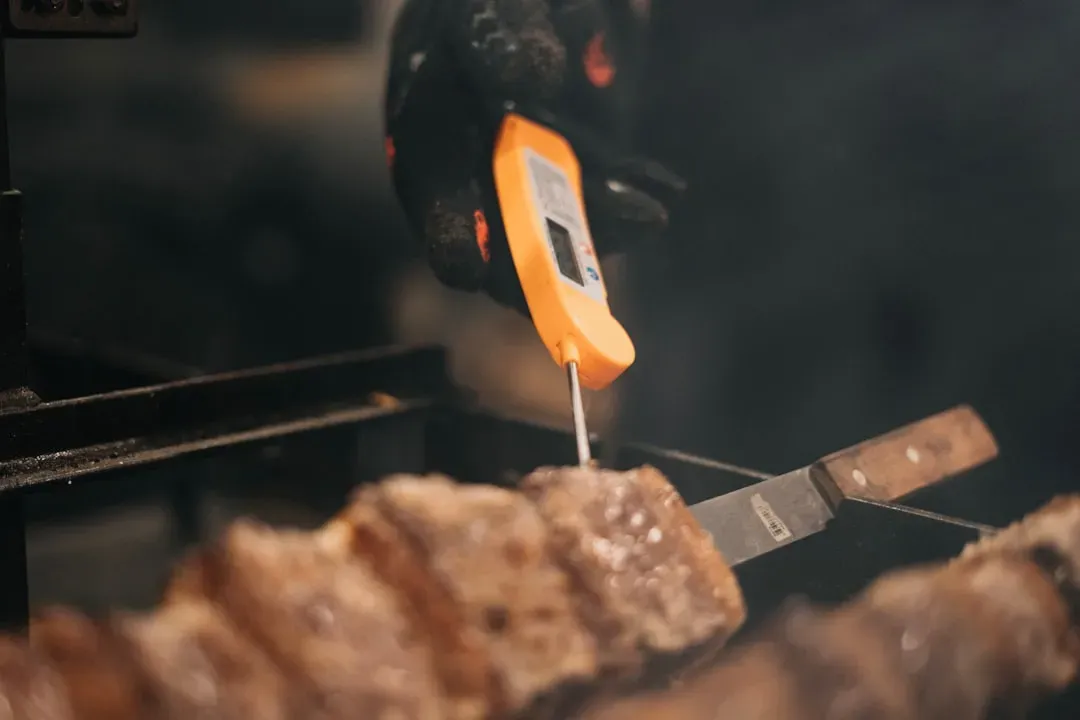
Many rely only on color or estimated time, but that often fails. The solution is to use a cooking thermometer to measure the internal temperature: rare sits at 122°F to 125°F, medium rare at 131°F to 134°F, medium at 140°F to 145°F, and well done at 149°F or more. Investing in a basic meat thermometer is probably the single most impactful kitchen tool upgrade you can make.
3. Skipping the Resting Period After Cooking
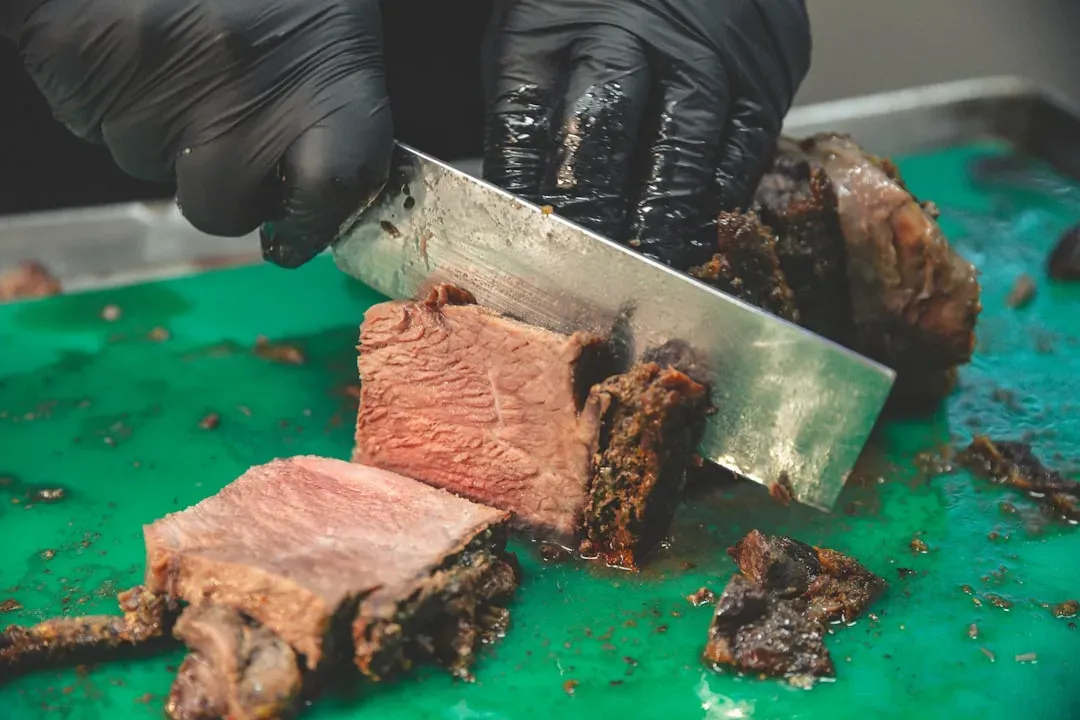
Cutting into meat the moment it comes off the heat is a reflex most of us have. It smells incredible, everyone is hungry, and waiting feels unnecessary. But this impatience is one of the most reliable ways to lose all the juiciness you just worked to build. During cooking, meat's muscle fibers tighten and push tasty juices toward the center. If you cut right away, all that juice just escapes, leaving you with a dry, less flavorful result. But if you give it a few minutes, the fibers relax, and juices spread evenly through each bite, helping to keep the meat moist and flavorful.
Roasts that were allowed to rest for 10 minutes before carving shed an average of just four tablespoons of liquid - that's a 60 percent decrease in moisture loss by waiting just 10 minutes to slice. That is a remarkable difference for something that costs you absolutely nothing except a little willpower.
Steaks and chicken should rest for five to ten minutes, which is often just enough time to warm your sides and gather guests. For larger cuts like brisket or a whole roast, even longer resting times deliver noticeably better results. Honestly, just set a timer and walk away.
4. Overcrowding the Pan
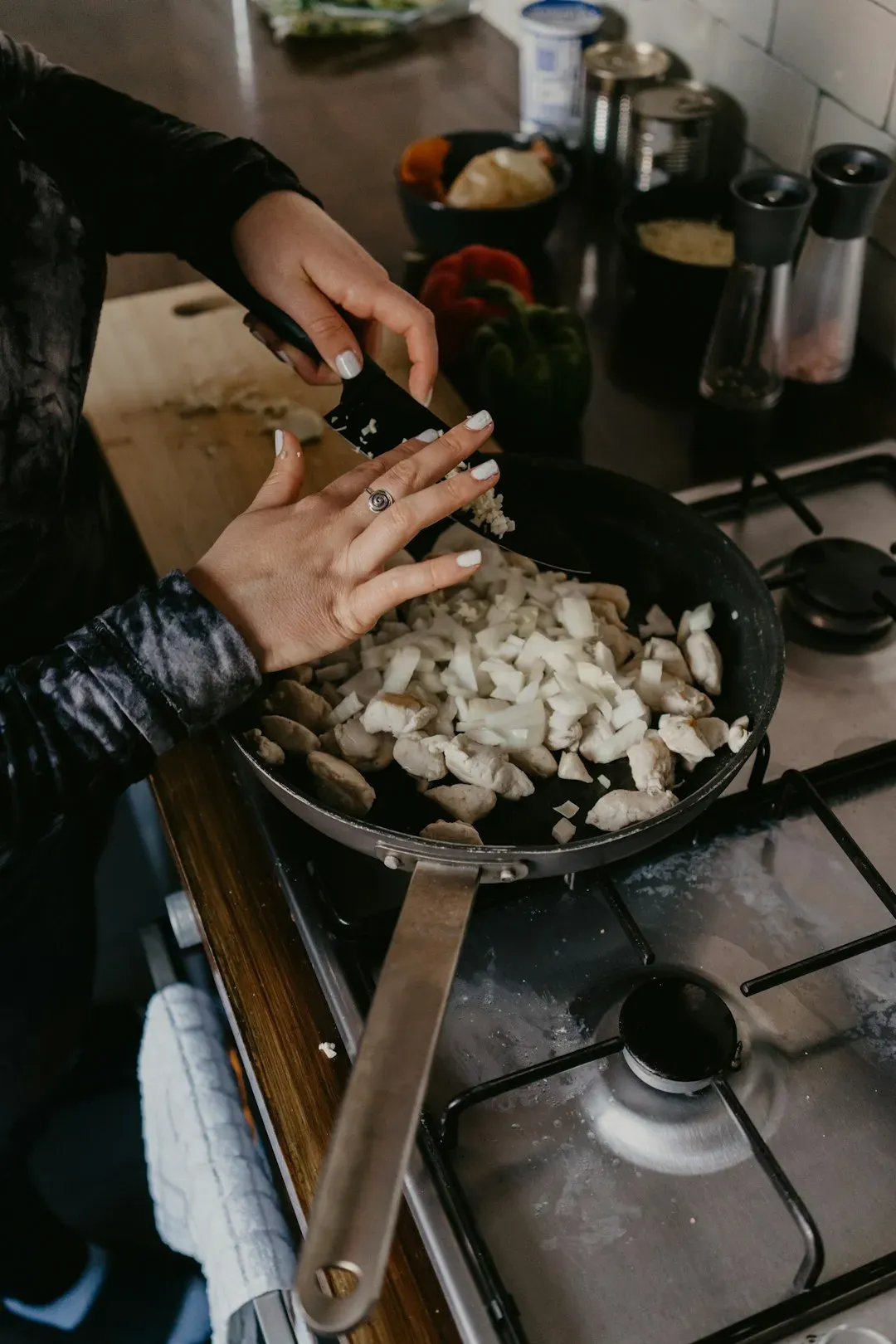
This is a trap that every home cook falls into, especially when cooking for a crowd. You pile everything into the pan to save time, and the result is the opposite of what you intended. When you overcrowd the pan, especially when cooking things like meat or vegetables, the food releases moisture, causing it to steam rather than sear. This results in soggy, unevenly cooked food instead of that golden-brown crust you're aiming for. Steaming, rather than searing, is a texture disaster for most cuts of meat.
Adding too much diced beef at once stops it from browning properly. Instead of sealing in flavor, the meat steams and toughens. The Maillard reaction - the chemical process that creates that gorgeous brown crust and rich flavor - simply cannot occur when the pan is flooded with moisture and the temperature drops.
The fix is almost comically simple: cook in batches. Give each piece of meat actual breathing room. A slightly larger pan, or two pans running simultaneously, will consistently deliver better results than cramming everything into one. Patience, again, wins.
5. Choosing the Wrong Cut for Your Cooking Method
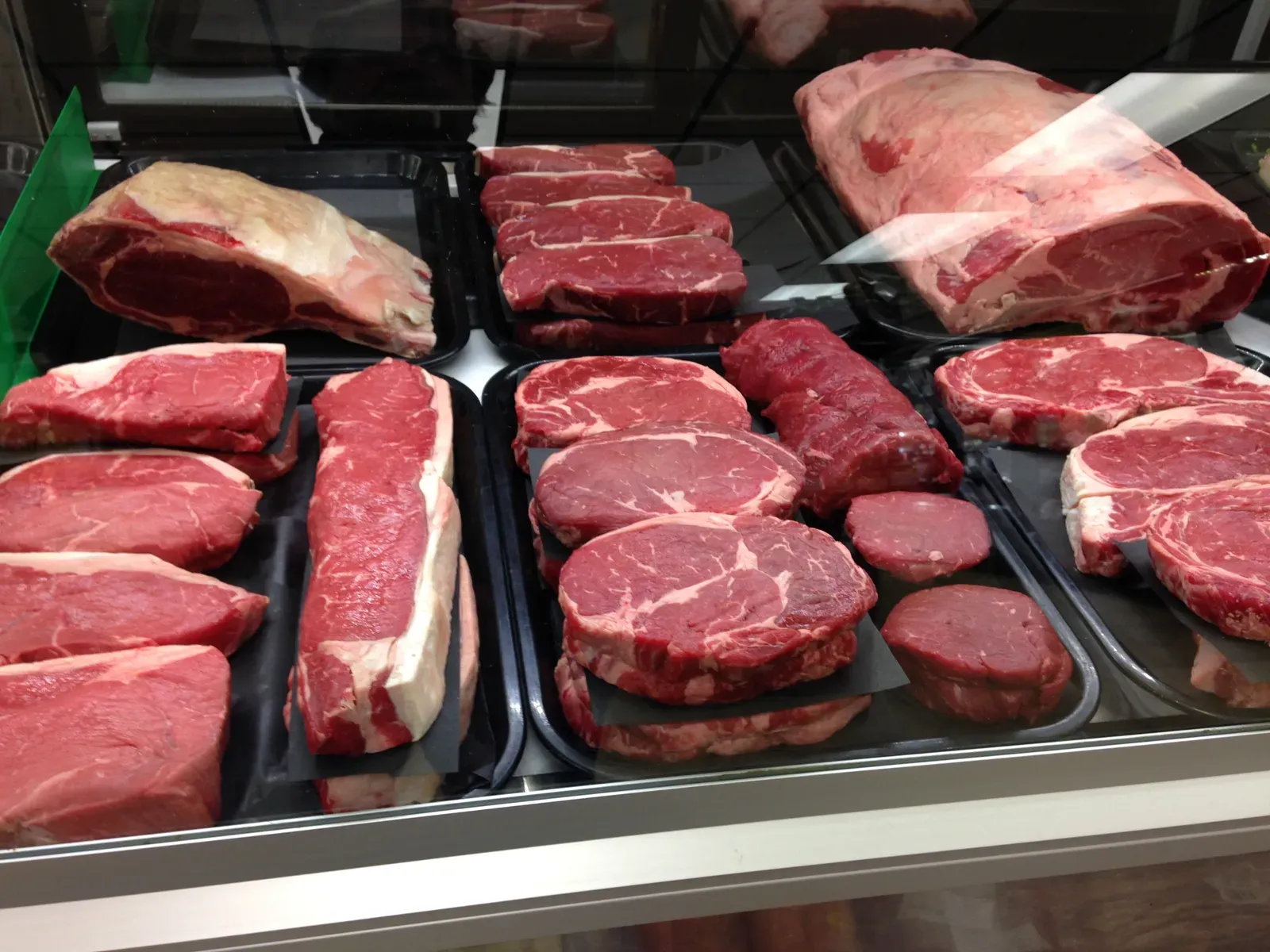
Not all meat is interchangeable, and treating every cut the same is a recipe for frustration. Not all cuts of meat are created equal - choosing the right cut for your cooking method is the key to unlocking the full flavor and texture of your meat. This is where a lot of home cooks go wrong, and I think it's because most people pick a recipe first and then grab whatever is on sale at the store.
Slow cooking works best for tougher cuts with more connective tissue, like chuck roast, brisket, pork shoulder, and lamb shanks, which break down and become deliciously tender when cooked slowly over time. On the other hand, taking those same cuts and throwing them on a high-heat grill for ten minutes will leave you with something resembling a hockey puck.
One of the biggest reasons diced beef turns tough is cooking it too quickly. High heat causes the muscle fibres to tighten before they've had time to break down. Lean, tender cuts need fast, high heat. Tough, connective tissue-rich cuts need low, slow, moist heat. Mix those two up and the meat will punish you for it every time.
6. Cutting With the Grain Instead of Against It
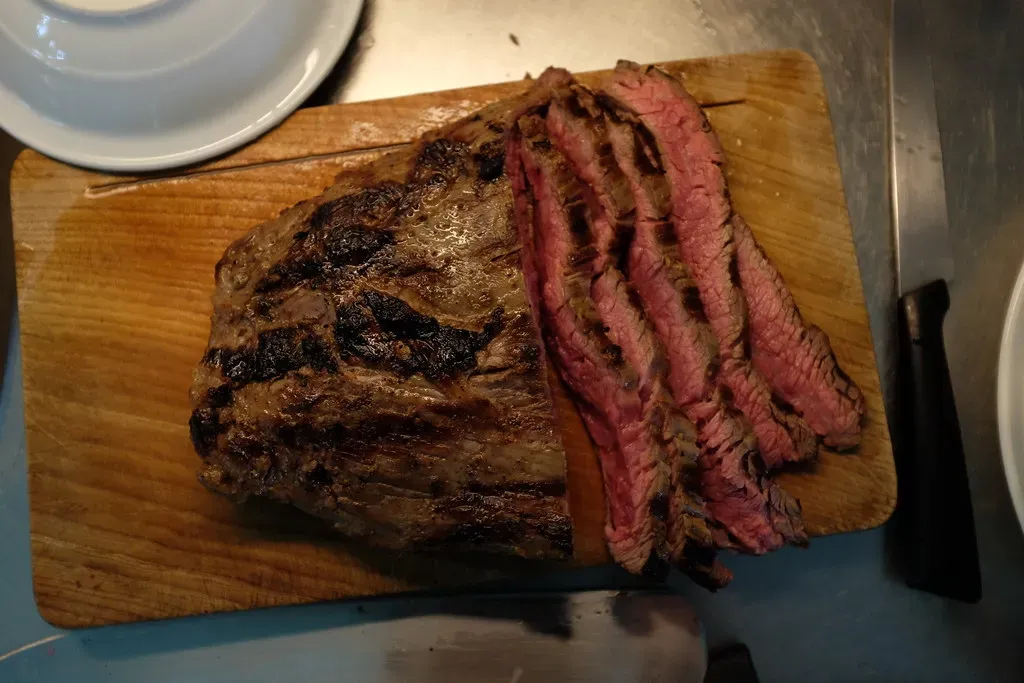
This is a finishing mistake that destroys even perfectly cooked meat at the very last second. Muscle fibers in meat run in one direction - that is the "grain." How you slice relative to that grain determines whether each bite feels tender or like a bundle of elastic bands. The way you cut meat can affect its tenderness. Slicing with the grain can make it tougher and chewier. Always cut meat against the grain to break up muscle fibres, ensuring each bite is tender and easy to chew.
This is especially important for tougher cuts like flank steak or brisket. A sharp knife also helps with clean cuts, which retain the meat's juiciness and enhance your overall dining experience. With cuts like skirt steak or flank, slicing against the grain is genuinely transformative - the same piece of meat can go from chewy to silky just based on knife direction.
Before you slice, take a moment and actually look at the meat. The fibers are usually visible. Then cut perpendicular to them, not parallel. This takes two seconds to learn and pays off forever. It's one of those small habits that separates home cooks from confident ones.
7. Marinating for Too Long
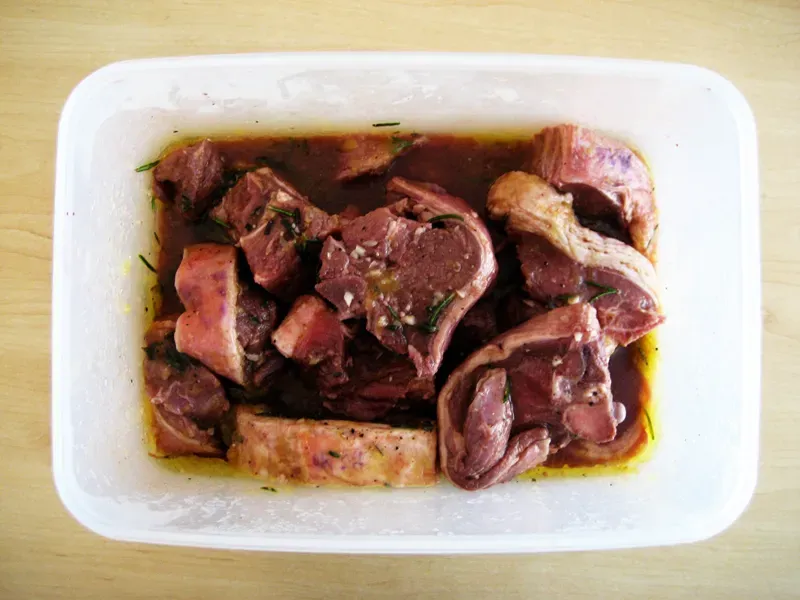
Most people think more marinating time always equals more tenderness. It's an intuitive assumption. It's also wrong. The amount of time used to marinate different cuts of meat can make or break your marinating experience. Too long in an acidic marinade can affect the protein structure of your meat, leading to an undesirably tough texture. The acids in marinades, things like lemon juice, vinegar, and wine, initially break down surface proteins, which is helpful. Past a certain point, however, they break them down too aggressively.
If meat is left in a marinade for too long, particularly one with acid or alcohol, it can cause the muscle fibers to break down excessively, with the consequence being "a mushy, unpleasant texture rather than the intended tenderness." This is why the USDA recommends marinating meat for up to 24 hours, but no longer than two days.
Timing varies significantly depending on the protein: fish only needs 15 to 30 minutes, chicken can take 2 to 4 hours, and tougher cuts of beef might be marinated for 12 to 24 hours. Going beyond those windows doesn't improve anything - it just degrades the texture you were trying to improve in the first place.
8. Using a Pan That Isn't Hot Enough
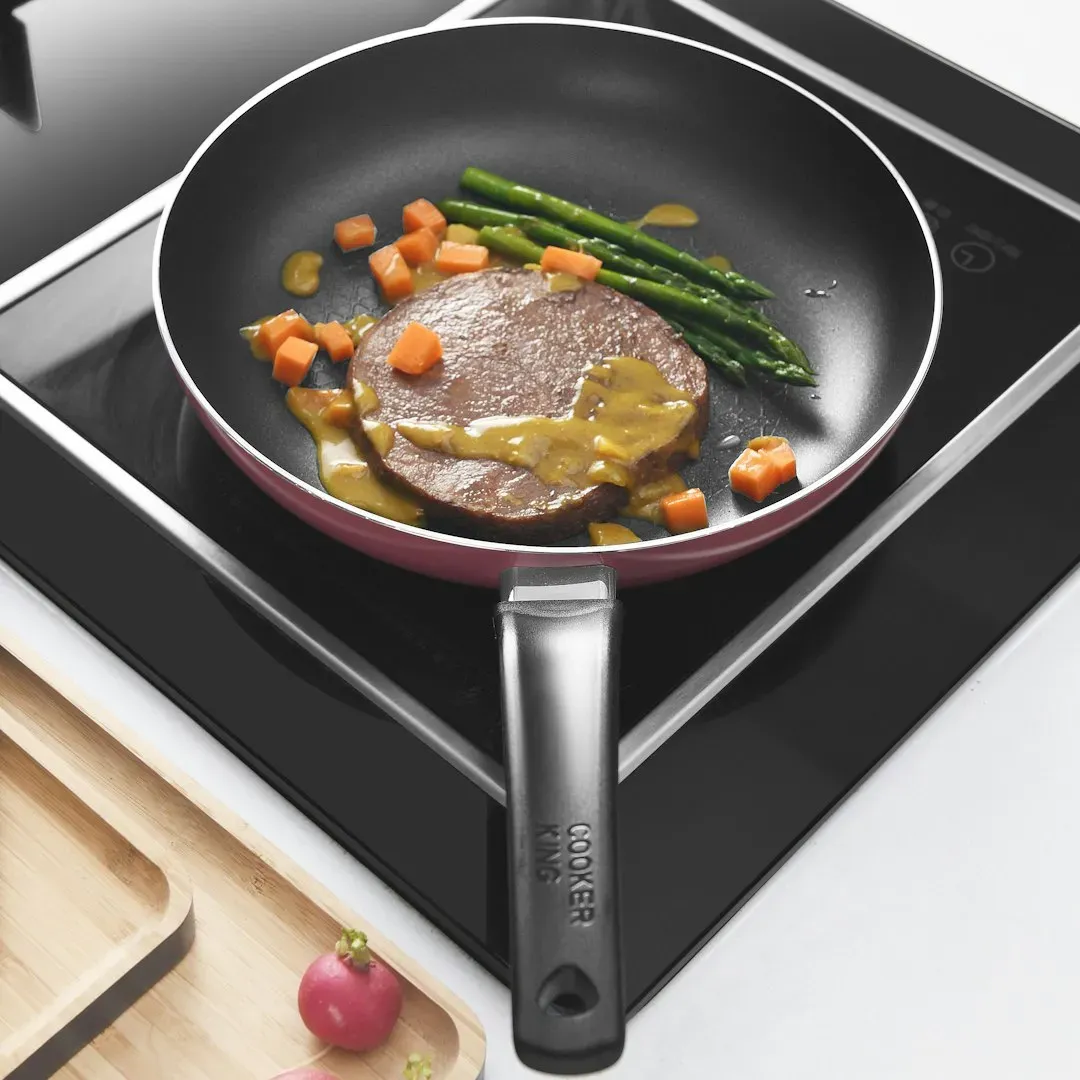
Starting with an underheated pan is one of those quiet mistakes that produces disappointing results without any obvious drama. The meat goes in, it doesn't sizzle aggressively, and then it slowly grays out instead of developing that golden crust. Starting with a cold pan causes food to cook unevenly, and it can also lead to sticking, especially with proteins like chicken or fish. A proper, confident sear requires serious heat.
What helps give cooked meat its signature savory, caramelized flavor is a series of chemical reactions known as the Maillard reaction, which occurs when amino acids interact with sugars at temperatures above about 285°F (141°C). The Maillard reaction gives rise to hundreds of new flavor and aroma compounds. Without proper heat, that reaction simply does not happen, and you lose both flavor and texture.
The fix is to preheat your pan properly before anything touches it. Let it get genuinely hot - a drop of water should evaporate almost instantly. Then add your oil, let that heat up too, and then add the meat. That initial contact should produce a loud, assertive sizzle. If it doesn't, the pan wasn't ready, and you've already lost the sear.
9. Handling Ground Meat Too Much
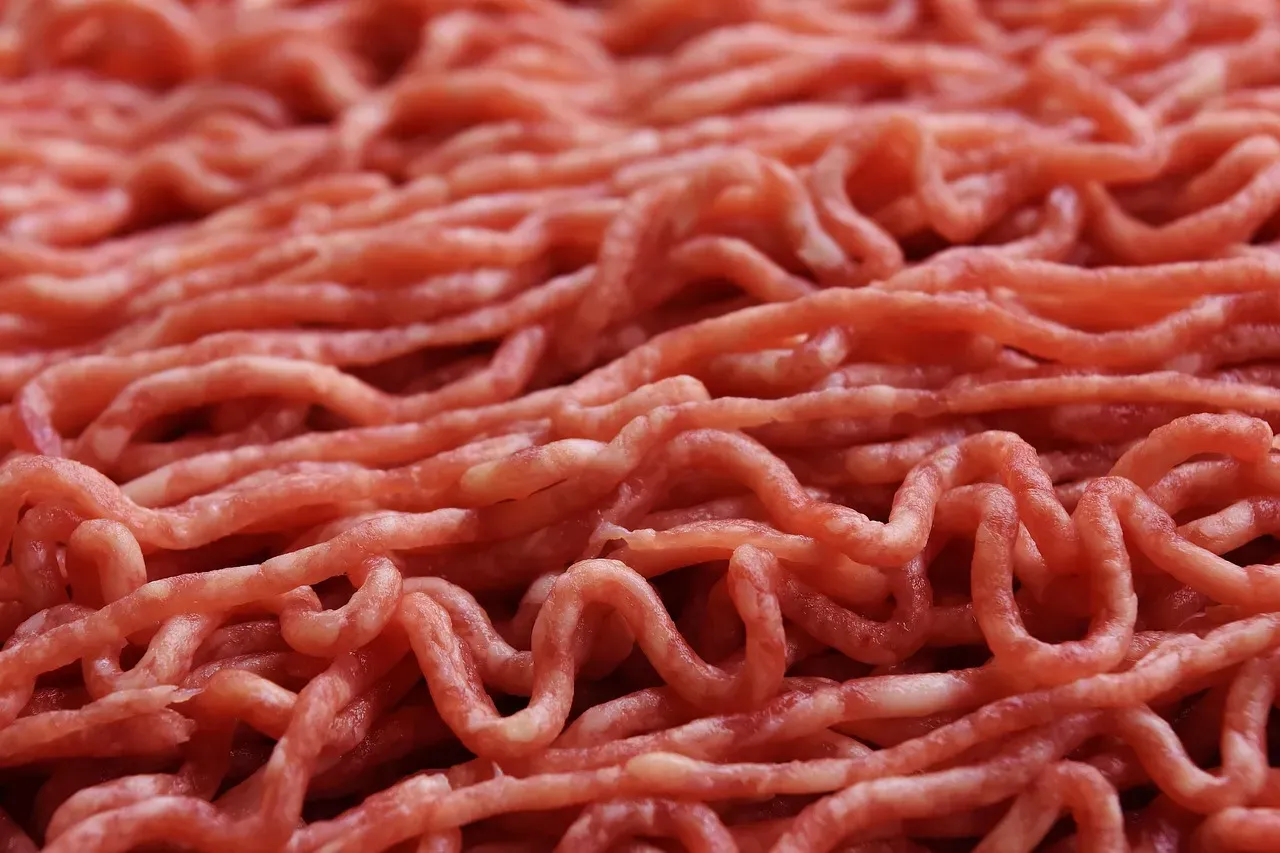
Ground meat is perhaps the most handled type of meat in most home kitchens, and that handling is often its downfall. Whether you're making burgers, meatballs, or patties, the instinct to squeeze, mix, and work the meat thoroughly is almost universal. One of the biggest mistakes you can make is handling the meat too much. If you're combining the meat with seasonings and binders, mixing is of course an essential part of the process, but overworking the mixture can make it unpleasantly tough. As you squash the ground beef mixture between your palms, you effectively cause proteins within the meat to stick together, and this creates a denser texture, similar to that of meatloaf.
The same principle applies once patties are on the grill. Pressing down on a burger with a spatula - a move that feels satisfying and looks dramatic - actually squeezes out the very moisture that keeps it juicy. This causes any existing natural juices and moisture to spill out. You are essentially helping the meat dry itself out in real time.
Try to handle the beef with as much care as possible, mixing just enough to combine the ingredients, and being gentle as you shape everything into individual patties. Treat ground meat like something fragile, not something to be aggressively kneaded, and the results will be noticeably better.
10. Cooking Tough Cuts Too Fast Instead of Low and Slow
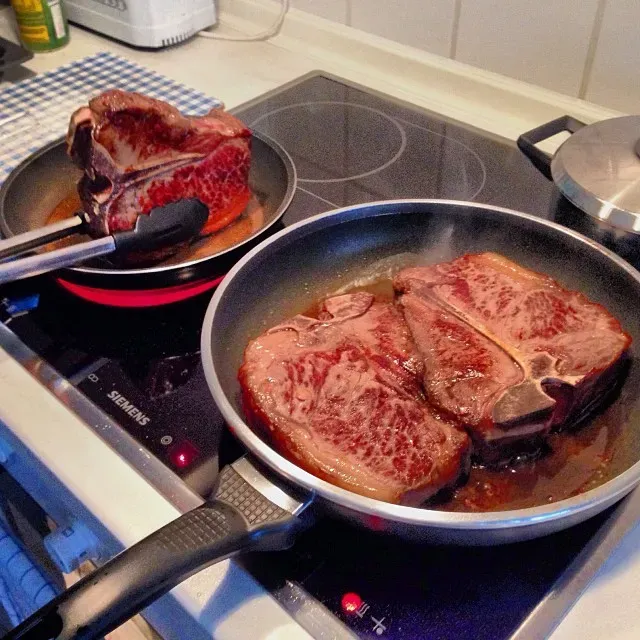
It's hard to say for sure why so many people try to rush a braise or a stew, but it might be the single most common mistake in slow-cooking. One of the biggest reasons diced beef turns tough is cooking it too quickly. High heat causes the muscle fibres to tighten before they've had time to break down. Tough cuts contain collagen, which is a connective tissue that needs time and moist heat to convert into gelatin. Rush it, and you just get dry, contracted muscle fibers.
Collagen, a connective tissue, helps hold the muscle fibers in meat together. When cooked in the presence of moisture, collagen dissolves into gelatin, which allows the meat fibers to separate more easily. This is the essence of tenderizing tough cuts of meat. That gelatin is what gives braised dishes their silky, luxurious mouthfeel - it takes time to develop.
Most diced beef needs at least 1.5 to 2 hours on a gentle simmer to become soft. Rushing this stage is one of the main reasons people struggle with toughness. Bubbling too hard will undo all your careful work. A low, steady, gentle simmer is the goal. Think of it less like cooking and more like a long, slow conversation between heat and collagen - one that cannot be rushed without consequences.



Leave a Reply