
Most of us like to think we run a pretty clean, safe kitchen. We cook, we wipe things down, we store leftovers. Job done, right? Well, here's the uncomfortable truth: some of the most common kitchen habits we repeat every single day are quietly creating real health risks, and science has the receipts to prove it.
From the way you handle raw chicken to that trusty sponge you've had for three weeks, the home kitchen is full of hidden hazards that are surprisingly easy to fix. But you have to know about them first. Be prepared to take a hard look at your own routines, because what you'll find might genuinely surprise you. Let's dive in.
1. Washing Raw Chicken Before Cooking It
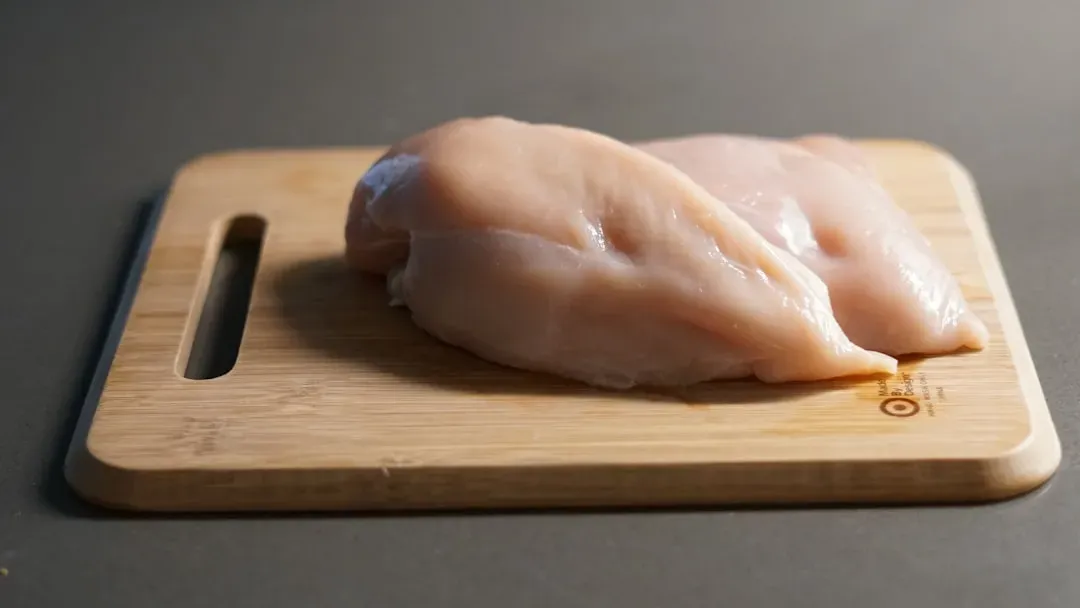
This one feels almost cultural. Generations of home cooks have rinsed raw chicken under the tap before cooking it, convinced they were being thorough and hygienic. But raw chicken is ready to cook and doesn't need to be washed first. The habit doesn't clean anything. It just spreads danger.
A landmark USDA study found that roughly three in five participants contaminated their sink after washing raw chicken, and about one in four later contaminated their ready-to-eat salad with bacteria from that same chicken. Let that sink in. Your lunch salad got contaminated because you tried to "clean" dinner. Pathogens such as Campylobacter and Salmonella can survive on surfaces like countertops for up to 32 hours, according to the USDA Food Safety and Inspection Service.
A 2022 online survey found that among nearly 1,822 consumers in the US, nearly three quarters of respondents said they washed their raw poultry, yet only about a third of that group were even aware that the practice is inadvisable. The fix is simple. Skip the rinse and cook the chicken to an internal temperature of 165°F, which is the only thing that actually kills the bacteria.
2. Using the Same Cutting Board for Meat and Vegetables
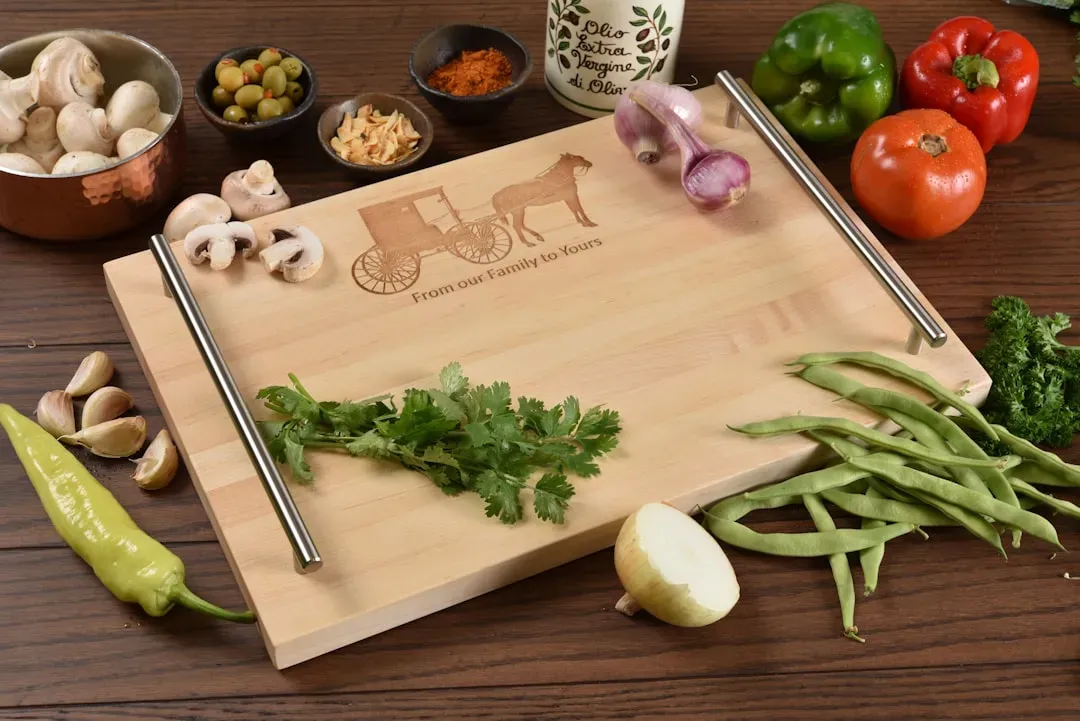
Here's the thing: one cutting board doing all the work in your kitchen seems efficient. But that single board used for raw meat and then immediately for slicing tomatoes is basically a bacteria highway. Food safety experts recommend using one cutting board for raw meat and poultry and a different one for fruit, vegetables, and cooked foods.
It is specifically recommended to use separate cutting boards and knives for raw meats, seafood, and poultry to reduce the risk of bacteria spreading from these raw products to other foods. Think of it like wearing shoes in the house - one pair for outside, one for inside. The separation matters enormously. Whether you use a wood or plastic cutting board, it can come into contact with raw meat and quickly become a source of cross-contamination, and using a sponge to clean it can worsen the problem by spreading any remaining juices.
3. Treating the Kitchen Sponge Like It's Basically Fine
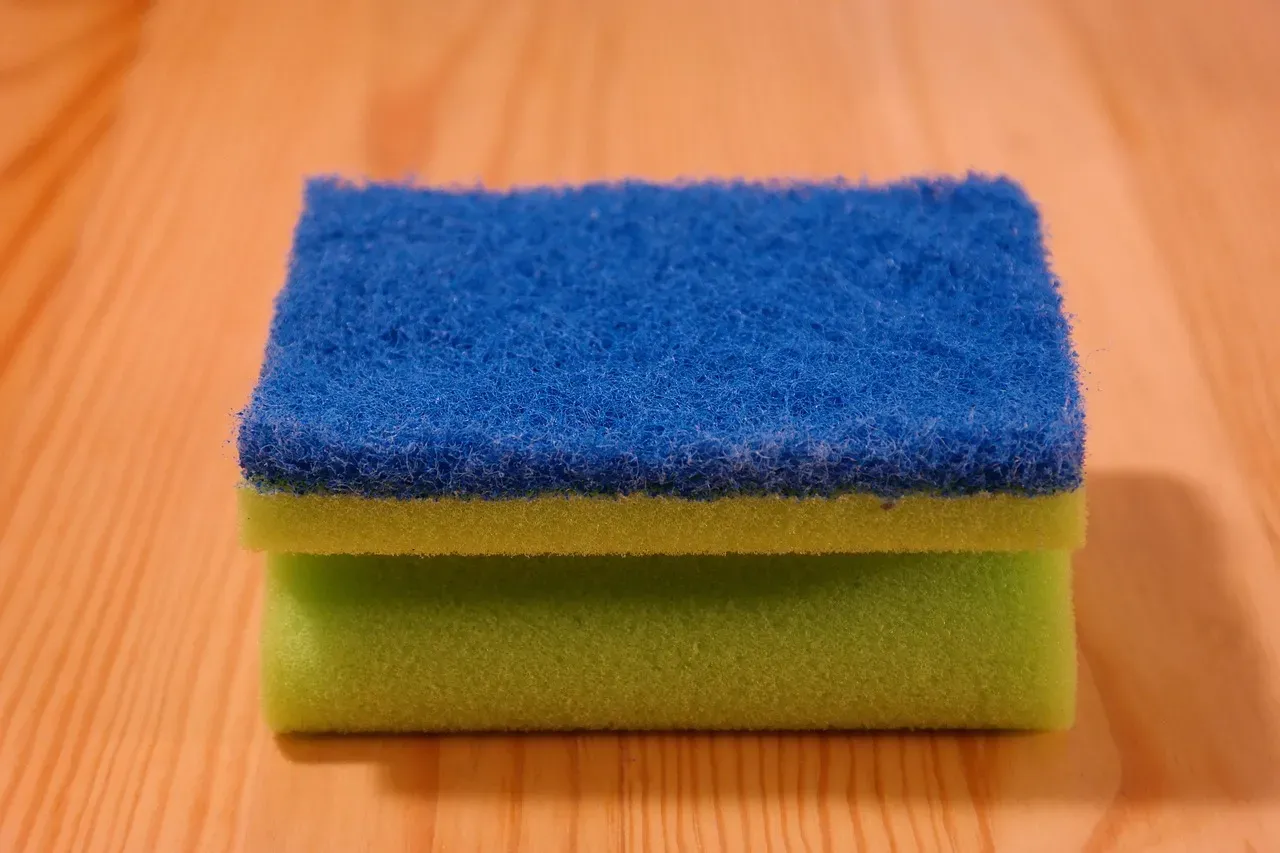
That sponge sitting next to your sink right now? It's probably one of the dirtiest objects in your entire home. Research has found that a typical kitchen sponge can harbor more bacteria than a toilet seat, with up to 45 billion bacteria per square centimeter. The warm, moist, porous structure of a sponge makes it the perfect bacterial paradise.
Research findings on the hygiene of food cleaning utensils demonstrate that sponges have the highest microbial load compared to all other cleaning utensils, while brushes are less contaminated and more hygienic than sponges, making them safer for cleaning cutlery and kitchen utensils. It also turns out that sponges, towels, and dishcloths may actually act as vehicles for transmitting pathogens to clean surfaces, rather than as tools for preventing cross-contamination, since they can be kept wet, providing ideal conditions for bacteria to survive or grow.
Replacing sponges weekly represents the minimum frequency for reducing contamination risks. Honestly, that still feels generous to me. Consider switching to silicone scrubbers, which can be sanitized properly in a dishwasher and don't hold onto moisture the same way.
4. Leaving Food Out on the Counter for Too Long
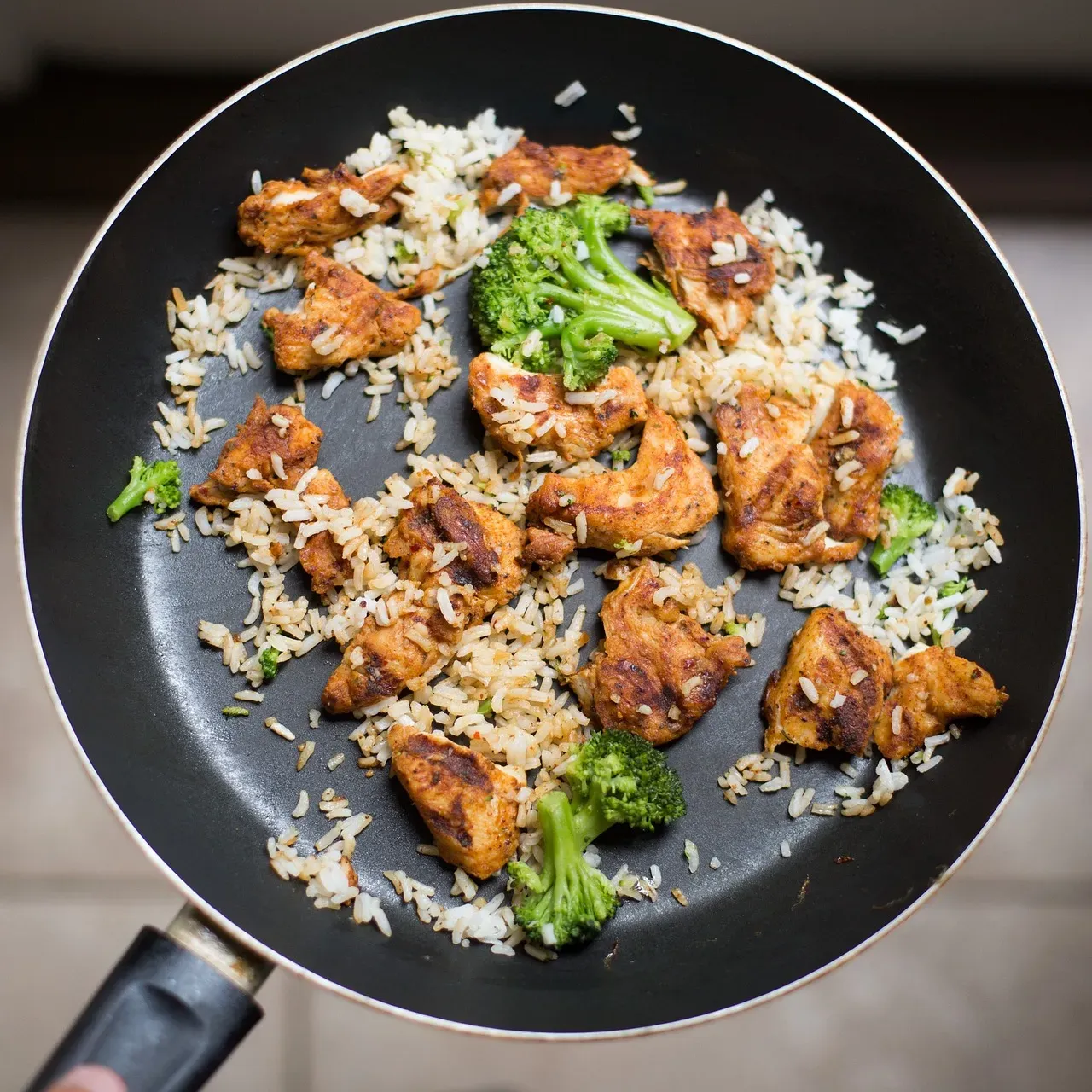
You cook a big meal, you sit down and enjoy it, and then the leftovers just hang out on the counter while you watch TV. No big deal? Actually, it is a very big deal. Bacteria grow most rapidly in the range of temperatures between 40°F and 140°F, doubling in number in as little as 20 minutes. This range is often called the "Danger Zone."
Leaving food out too long at room temperature can cause bacteria such as Staphylococcus aureus, Salmonella Enteritidis, Escherichia coli O157:H7, and Campylobacter to grow to dangerous levels that can cause illness. The two-hour rule is not a guideline, it is a hard line. You should throw away all perishable foods left at room temperature for more than two hours, or one hour if the temperature is over 90°F.
What makes this sneaky is that the food may look and smell completely fine. Pathogenic bacteria can grow rapidly in the Danger Zone but they do not generally affect the taste, smell, or appearance of a food. The smell test tells you nothing here. When in doubt, throw it out.
5. Not Washing Hands Properly Before and During Cooking
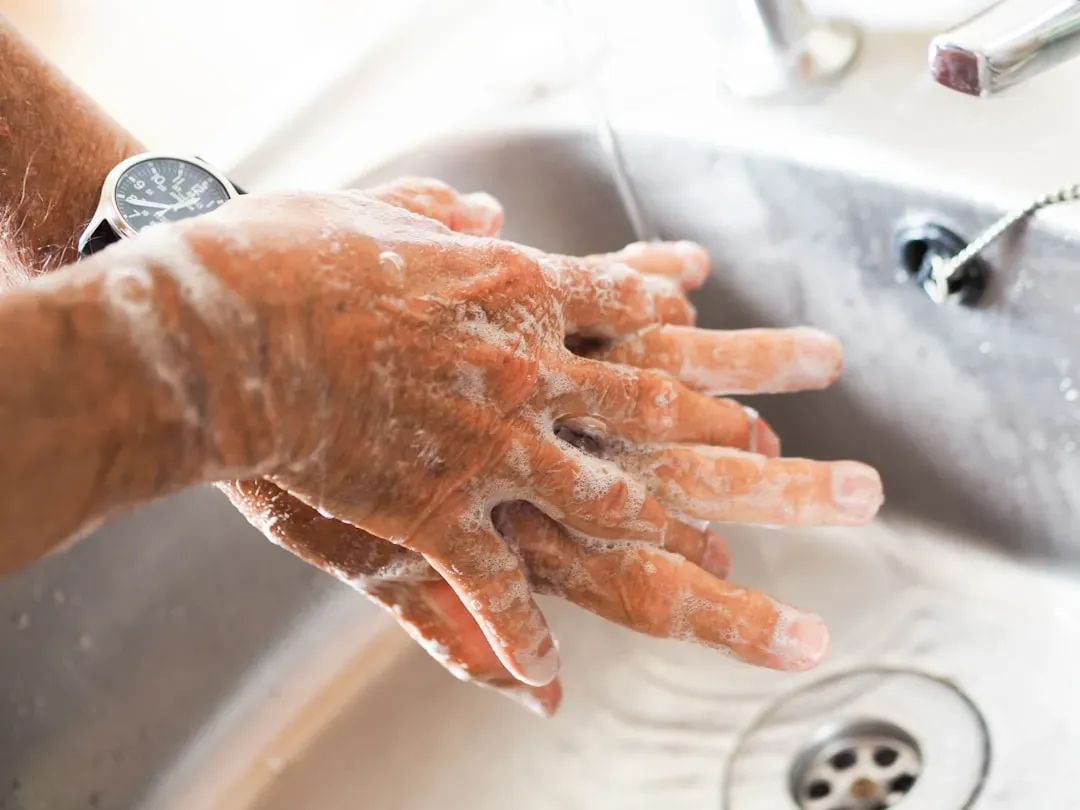
Most people believe they wash their hands correctly. Almost none of them actually do. In a study of more than 200 participants, only one percent demonstrated correct handwashing based on Centers for Disease Control and Prevention recommendations, which require wetting hands, rubbing with soap for at least 20 seconds, rinsing, and drying with a clean one-use towel.
Researchers observed that only a quarter of participants washed their hands before preparing food, after touching raw poultry or packaging, after touching another person, after touching a cell phone, or after touching trash or a trash can. That's an incredibly small number. Hands are one of the primary vehicles of contamination, specifically when preparing raw poultry and meat, and incorrect handwashing is one of the largest causes of foodborne illnesses.
6. Storing Leftovers in the Wrong Containers or for Too Long
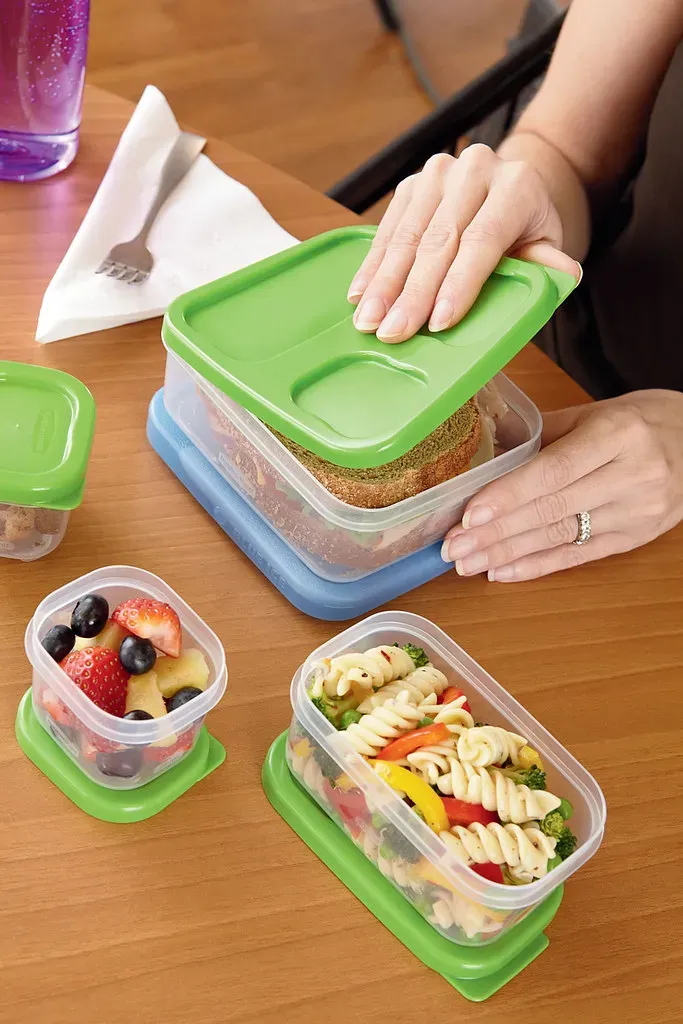
Covering a bowl with plastic wrap and sticking it in the fridge feels responsible. But open containers, improper sealing, and storing food for too many days are all common mistakes with real consequences. Leftovers can be kept in the refrigerator for three to four days or frozen for three to four months. Most people push that boundary further than they should.
Some harmful bacteria are not detectable by smell, appearance, or taste, which means relying on the "sniff test" is genuinely dangerous. You can't see, smell, or taste Listeria or certain strains of E. coli. Covering leftovers and wrapping them in airtight packaging or sealing them in storage containers helps keep bacteria out, retains moisture, and prevents leftovers from picking up odors from other food in the refrigerator. It's a small step that matters a lot.
7. Ignoring Cross-Contamination in the Whole Kitchen, Not Just the Cutting Board
Most people have accepted the "use two cutting boards" advice, but cross-contamination in the kitchen goes far beyond that one surface. Research shows that cross-contamination of hands, kitchen utensils, the kitchen environment, product containers like seasoning bottles, and devices such as phones was observed in every single participant in one study. Every. Single. One.
In addition to poor handwashing, contaminants are spread through poor cleaning and sanitizing, and fourteen percent of study participants still had bacteria in their sinks after they attempted to clean the sink. Think about that. They cleaned the sink. The bacteria was still there. Germs that cause food poisoning can survive in many places and spread around your kitchen. Your phone, your spice jars, your cabinet handles - all of them become part of the risk when you don't break the contamination chain deliberately.
8. Thawing Meat on the Countertop
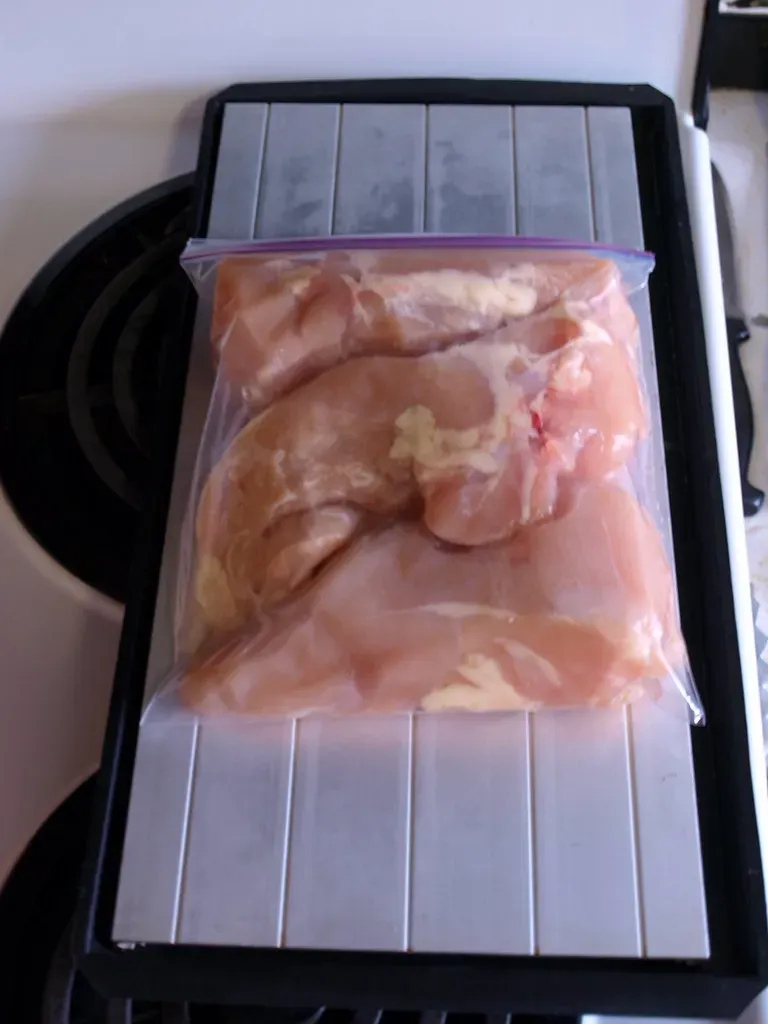
Pulling a frozen piece of chicken or ground beef out of the freezer and leaving it on the counter to thaw is something millions of people do every day without a second thought. Let's be real, it seems perfectly logical. But this is exactly the kind of habit that lands people in the ER with a foodborne illness. Improper thawing, such as allowing frozen food to thaw at room temperature, allows pathogens to multiply.
The outer surface of meat reaches room temperature long before the inside thaws, meaning the exterior spends a long time sitting in the bacterial Danger Zone while the center is still frozen. Safe ways to thaw leftovers and frozen items include the refrigerator, cold water, and the microwave oven. Refrigerator thawing takes the longest but keeps the food safe the entire time. Yes, it takes planning ahead. That's exactly the point.
9. Not Sanitizing Surfaces After Raw Meat Preparation
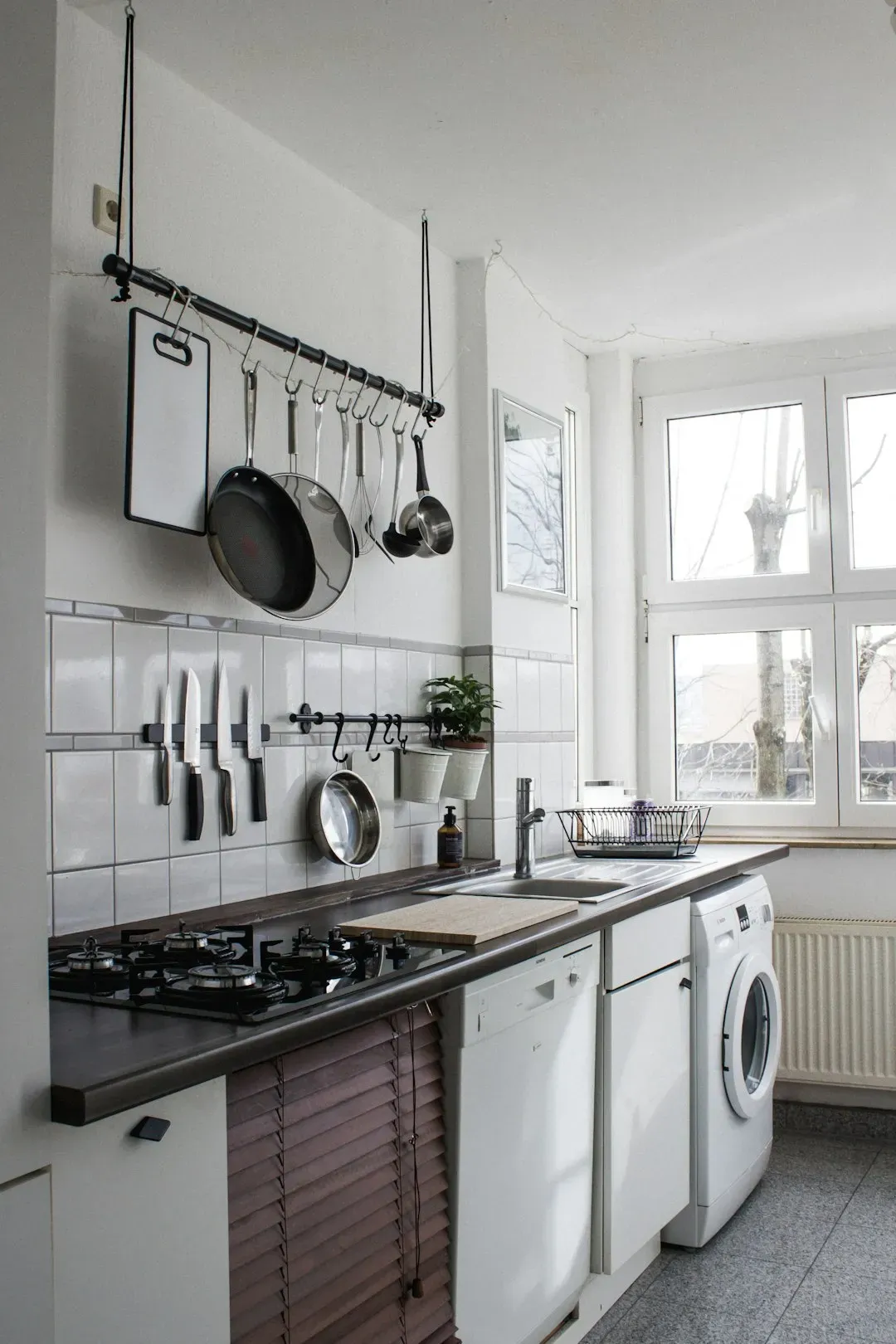
Wiping down the counter with a damp cloth after you've handled raw meat is not the same as cleaning and sanitizing it. There's an important distinction here that most home cooks don't know. According to the CDC, cleaning is the act of using soap and water to remove dirt and debris, while sanitizing reduces the number of pathogens on a surface. You actually need to do both, in that order.
The CDC recommends washing cutting boards, utensils, dishes, and countertops with hot, soapy water after preparing chicken and before you prepare the next item. A quick wipe with the same damp sponge you've had all week? That just smears bacteria from one spot to another. Even when consumers think they are effectively cleaning after handling raw poultry, bacteria can easily spread to other surfaces and foods, making proper sanitization critical.
10. Overfilling or Neglecting the Refrigerator Temperature
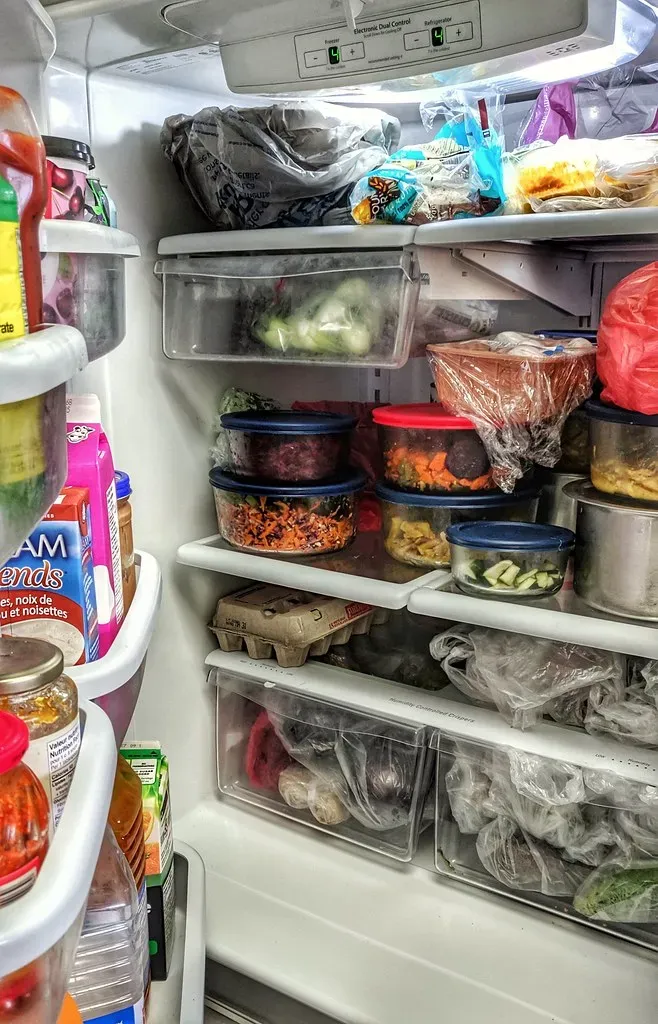
A stuffed refrigerator might look like a healthy, well-stocked home. In reality, it can be a food safety problem in disguise. An overloaded refrigerator results in poor air circulation, meaning some parts of the fridge can sit at temperatures that are warmer than safe. It's hard to say for sure how many people even check their fridge temperature, but I'd bet it's a very small number.
Bacteria grow most rapidly in the range of temperatures between 40 and 140°F, and a refrigerator set at 40°F or below will protect most foods. The tricky part is that there are two different families of bacteria: pathogenic bacteria that cause foodborne illness, and spoilage bacteria that cause foods to smell and taste bad. Pathogenic bacteria can grow rapidly in the Danger Zone but do not generally affect the taste, smell, or appearance of food. You would never know the fridge was failing you until it was too late.
If your refrigerator doesn't have a built-in thermometer, keep an appliance thermometer inside it to check the temperature. Grab one for a few dollars and check it regularly. It is honestly one of the cheapest food safety investments you can make.


Leave a Reply