
There's a funny thing about food trends in America. The ones that seem the most absurd, the most eye-roll-worthy, the ones that make you think "who in their right mind would pay for that?" are usually the ones that end up on every menu, in every grocery store, and eventually in your own fridge.
Think about it. Someone once had to pitch avocado on toast to a room full of people. Someone had to convince a nation that drinking fizzy fermented tea was a good idea. Someone had to stand behind cauliflower and say, with a straight face, "this is your new rice." We laughed. Then we bought it. Let's dive into the 11 food trends that started as total jokes and quietly conquered the entire country.
1. Avocado Toast - The Millennial Punching Bag That Wouldn't Die
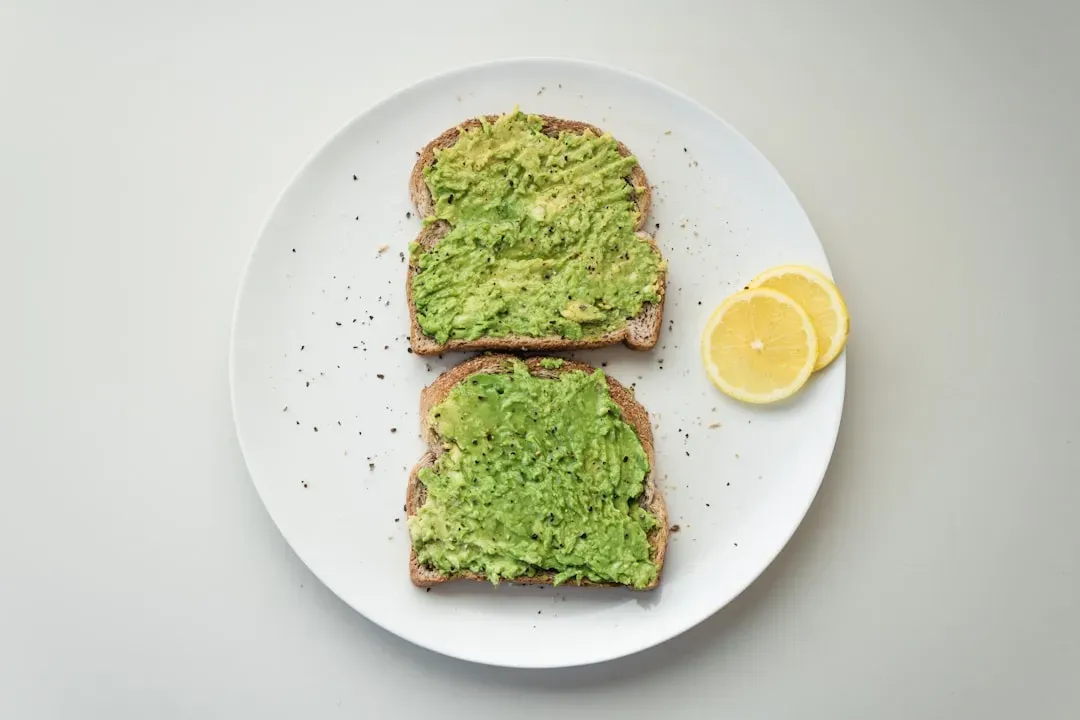
Let's be real: when avocado toast first blew up, it was a meme before it was a movement. Avocado toast became a food trend in the 2010s, though the preparation had appeared on café menus since at least the 1990s. The dish got so huge, so fast, that the cultural backlash was almost immediate - and spectacularly weird.
Bon Appétit magazine published a recipe for "Your New Avocado Toast" in its January 2015 issue, and by 2016, the dish was being depicted on T-shirts, with the Washington Post calling it "more than just a meal - it's a meme." That's a rare achievement for any food: graduating from plate to cultural symbol in under two years.
Market research firm Datassential reported that avocado toast increased 185% on U.S. menus over a four-year period. Critics called it frivolous. Pundits said millennials were spending their house down payments on $14 toast. Still, the data doesn't lie - the dish embedded itself into the American breakfast landscape in a way nobody predicted.
Washington Post reporter Jayne Orenstein wrote that "avocado toast has come to define what makes food trends this decade: it's healthy and yet ever-so-slightly indulgent. It can be made vegan and gluten-free." That flexibility is probably why it survived the mocking. It was genuinely hard to argue with.
2. Kombucha - The Hipster Health Drink That Went Mainstream
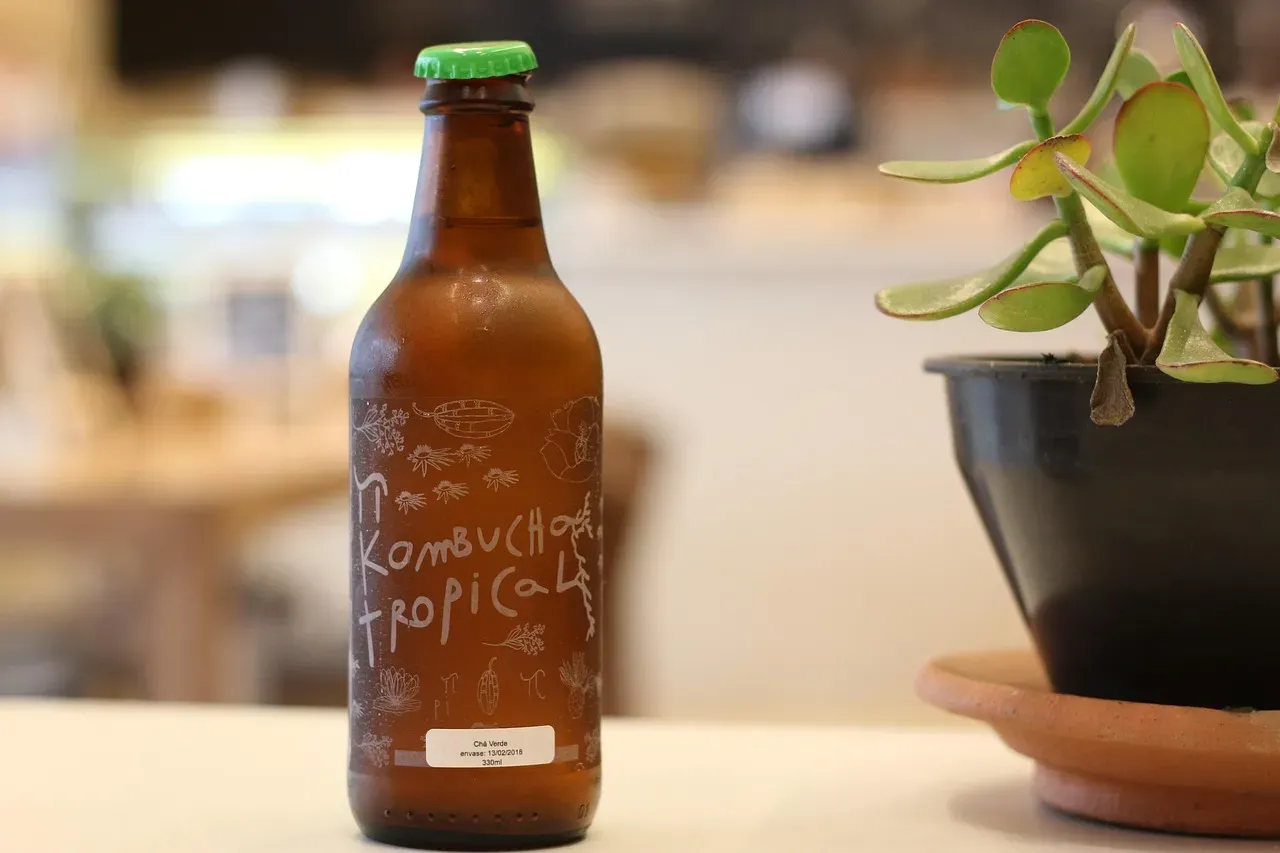
Here's the thing about kombucha: it smells a little like vinegar, it's made by fermenting sweet tea with something called a SCOBY (a Symbiotic Culture of Bacteria and Yeast), and the first time most people tried it, they were confused. Kombucha is a sweetened fermented tea beverage, fermented using a symbiotic culture of bacteria and yeast, which results in a light, effervescent tea with a slight alcohol content of around 0.5% due to the natural fermentation process.
Despite the weird introduction, it exploded. The global kombucha market stood at USD 1.84 billion in 2019 and is projected to reach USD 28.76 billion by 2032, exhibiting a compound annual growth rate of nearly 23% during the forecast period. That is extraordinary growth for a drink that a decade ago sat only in the back corner of health food stores, mostly next to crystals and beeswax candles.
North America dominated the kombucha market with a market share of over 52% in 2019. In the natural channel, kombucha and functional beverages represent the highest-growth plant-based category, up by more than a quarter compared to the prior year. The gut health wave gave it serious credibility, and now it sits right next to Gatorade in gas stations nationwide. Nobody saw that coming.
3. Oat Milk - The Drink Nobody Asked For (Until Everyone Did)
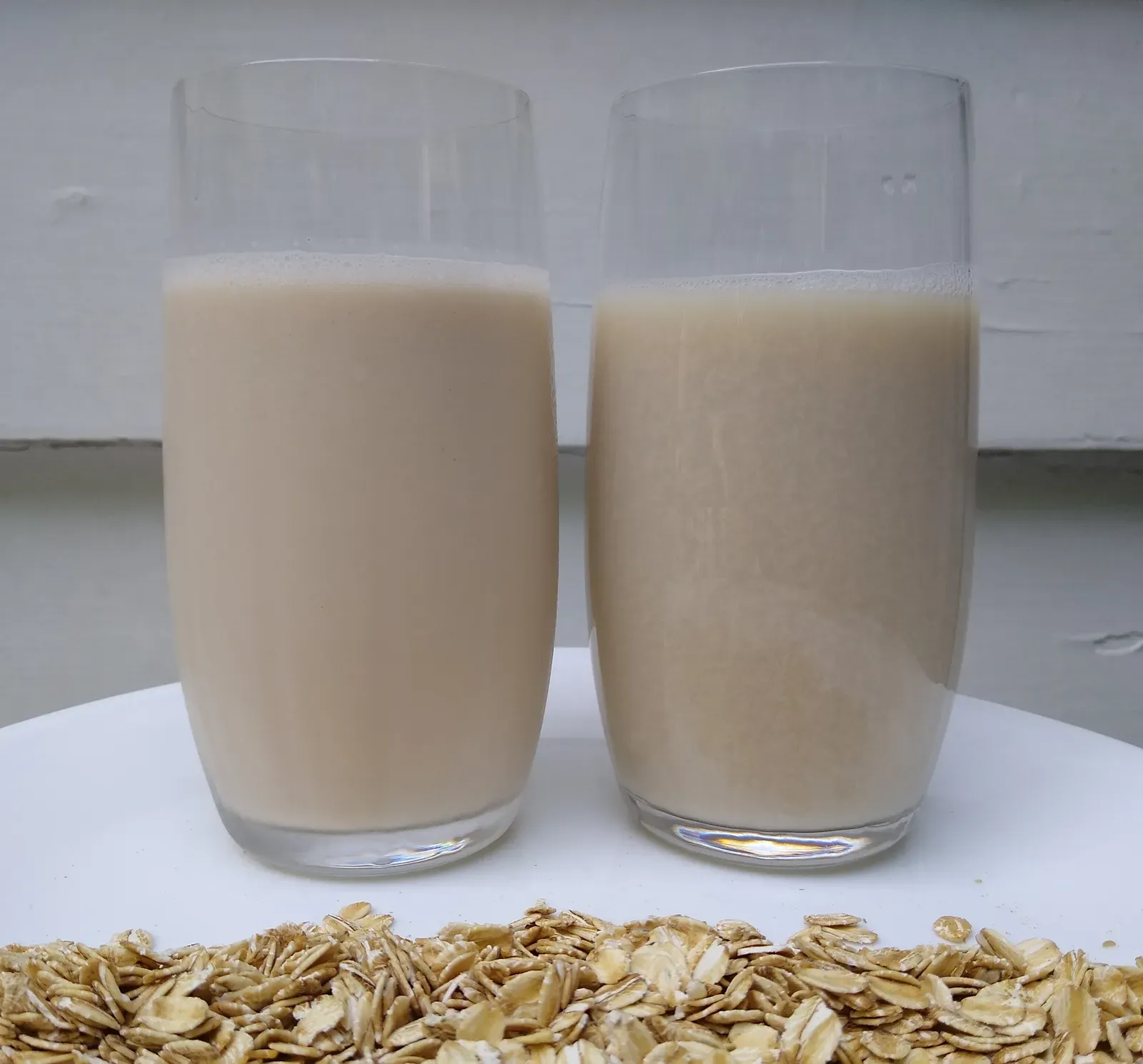
Before oat milk, alternative milks meant soy or almond - and most people were already suspicious of those. Oat milk? Made from oats? The grain you put in a bowl with brown sugar and hot water? Honestly, the idea seemed almost too humble to be real. Yet here we are.
Almond milk leads the plant-based milk category, accounting for about 59% of total category sales, while oat milk has become the second-largest segment, growing more than 44 times in three years and making up 17% of category sales, up from only 0.5% in 2018. That growth rate is staggering. Forty-four times in three years. It's the kind of number usually reserved for tech stocks, not beverages.
Four in ten U.S. households purchased plant-based milk at least once in 2024. Brands like Oatly practically built a cultural identity around their product, with clever marketing that leaned into the joke rather than away from it. In 2024, plant-based milk made up 36% of all milk sales in the natural channel. At this point, asking for oat milk at a coffee shop is completely unremarkable. That shift happened remarkably fast.
4. Greek Yogurt - When "Strained" Became a Selling Point

I know it sounds crazy, but there was a time when Greek yogurt was the weird, dense, slightly sour yogurt that nobody in America was buying. Regular yogurt was fine. It was sweet, colorful, and came in a hundred flavors. Who needed something thicker that tasted more, well, yogurt-y?
Greek yogurt created a lot of new excitement and activity within the yogurt segment, seeing tremendous growth in sales over the past ten years. The protein angle changed everything. In the United States, yogurt consumption reached 4.6 million tons in 2024, with Greek yogurt accounting for 46% of national yogurt sales. Nearly half of all yogurt sold in the country is now the "weird" kind. Remarkable.
Chobani essentially launched the Greek yogurt revolution from a former milk plant in upstate New York, starting in 2007. As of 2024, the American company Chobani held a revenue of 778.6 million U.S. dollars in the United States. Finding the right approach to American consumers and their rising demand for low-fat, high-protein yogurt resulted in strong sales growth over the last five years. What started as a niche dairy product for people who "eat healthy" became the default yogurt of an entire generation.
5. Plant-Based Meat - The Impossible Dream That Got a Menu Item
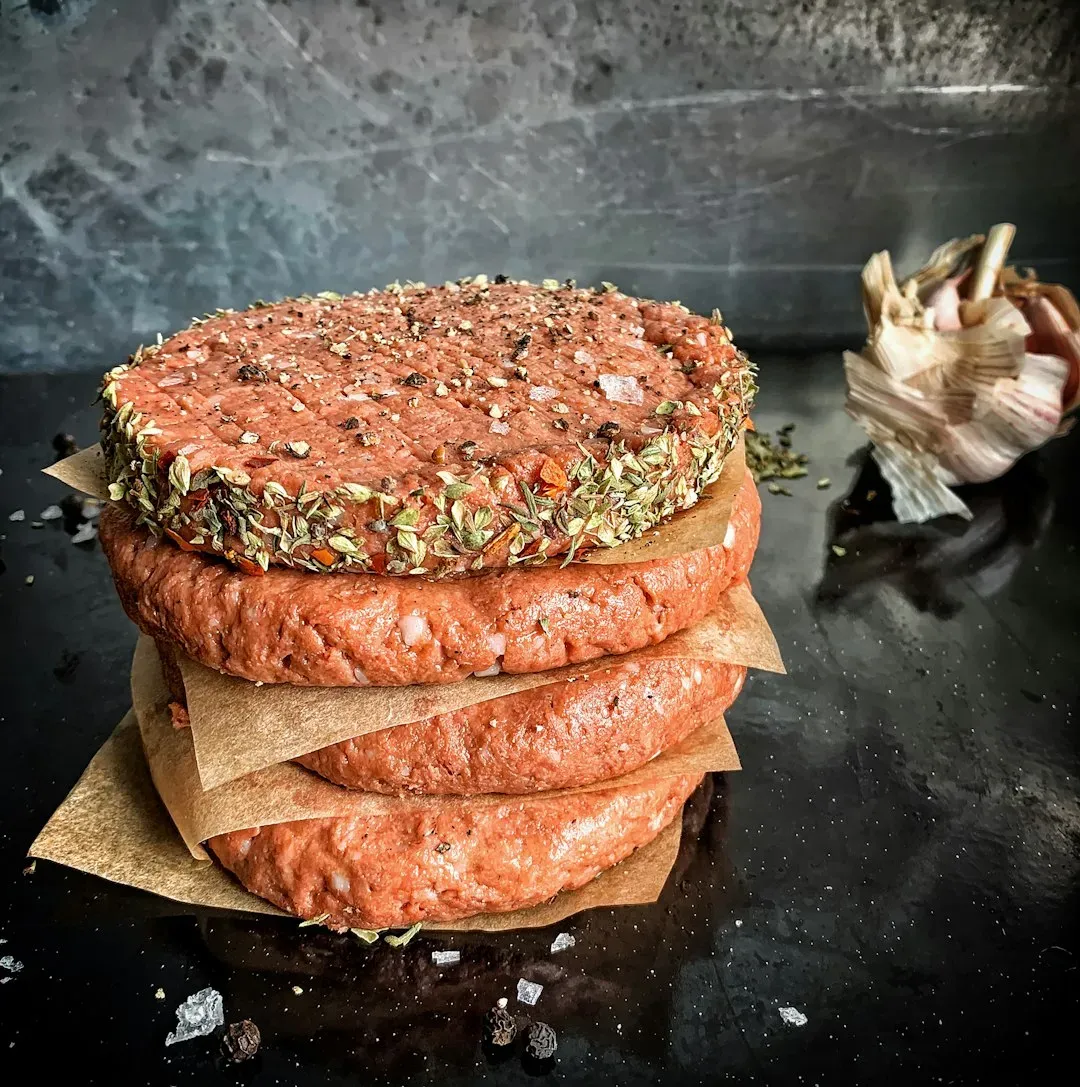
When plant-based burgers first started showing up in restaurants, the reaction was skeptical at best. A burger made from plants that bleeds? That looks like meat? That's supposed to taste like meat? It sounded like something from a dystopian novel, and plenty of people treated it that way.
The value of plant-based meat hit 1.4 billion dollars in 2020, with sales growing 45 percent, up from 962 million dollars in 2019. The pandemic year saw extraordinary enthusiasm for the category. Plant-based meats became featured in nearly every major chain, from plant-based burgers at Burger King and McDonald's to plant-based pepperoni at Little Caesars and Pizza Hut, plant-based chorizo at Chipotle, and plant-based fried chicken at KFC and Panda Express.
The story has gotten more complicated since the initial hype. In the U.S., about two thirds of plant-based meat consumers went back to conventional meat, and roughly 83% of plant-based milk consumers switched back to dairy. Honestly, the reset makes sense. Still, the U.S. plant-based food market was valued at USD 9.87 billion in 2024 and is projected to reach USD 26.72 billion by 2033. The trend is maturing, not dying.
6. Sriracha - The Hot Sauce That Conquered Every Table in America
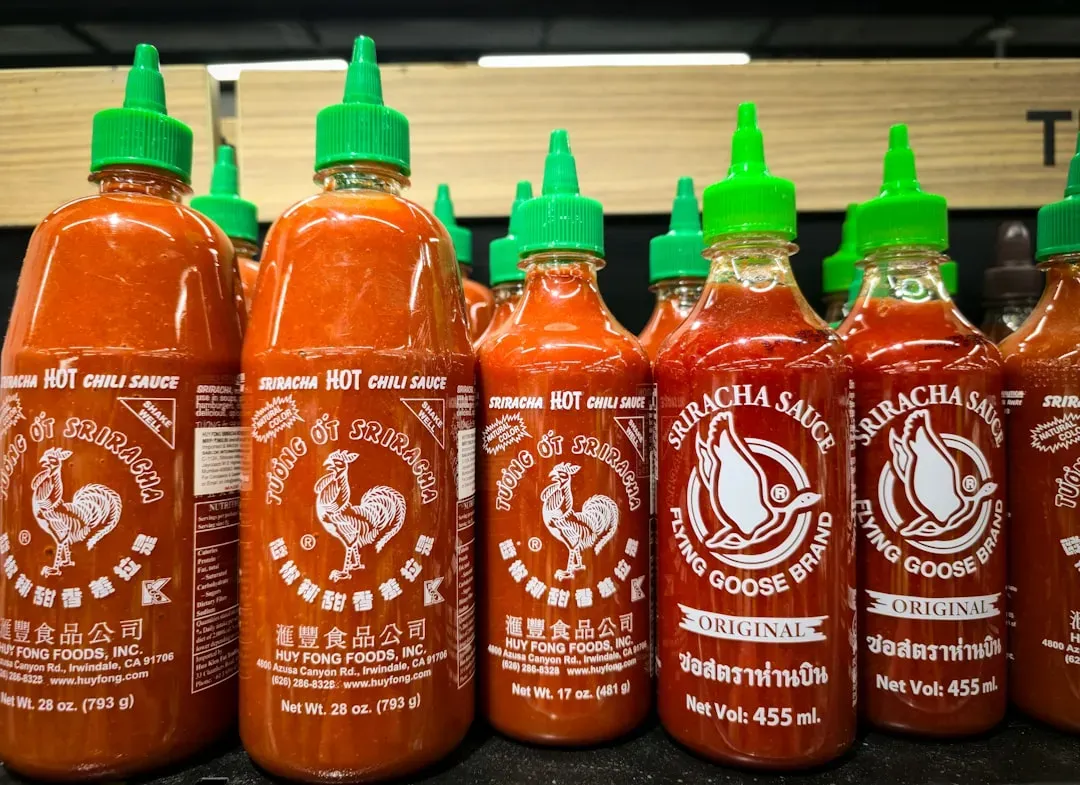
There was a time when Sriracha sat in the corners of Vietnamese and Thai restaurants, largely unknown to mainstream American diners. The rooster on the bottle was recognizable mostly to food adventurers. Then, slowly and then all at once, it was on everything - eggs, pizza, ramen, burgers, even popcorn.
Lemon pepper and Sriracha surged in their presence even on kids' restaurant menus, with these and other trending global flavors - especially ones that can be turned into a dipping sauce pairing with chicken - having broad appeal among members of Gen Alpha. When a hot sauce becomes popular with children, it has officially crossed over. That's not niche anymore.
The primary motivators for consumers purchasing alternative proteins and trending condiments are perceived health benefits, selected by roughly two thirds of respondents in industry surveys, followed by environmental concerns and curiosity. Sriracha rode the spicy food wave long before it became a documented trend. Exposure to food and nutrition content on social media increased significantly to 54% from 42% in 2023, according to the 2024 IFIC Food and Health Survey, and spicy condiments have been among the most shared, tested, and debated food categories on every platform. Sriracha didn't just conquer America - it reshaped what America calls "normal heat."
7. Cauliflower Rice - When a Vegetable Pretended to Be a Grain
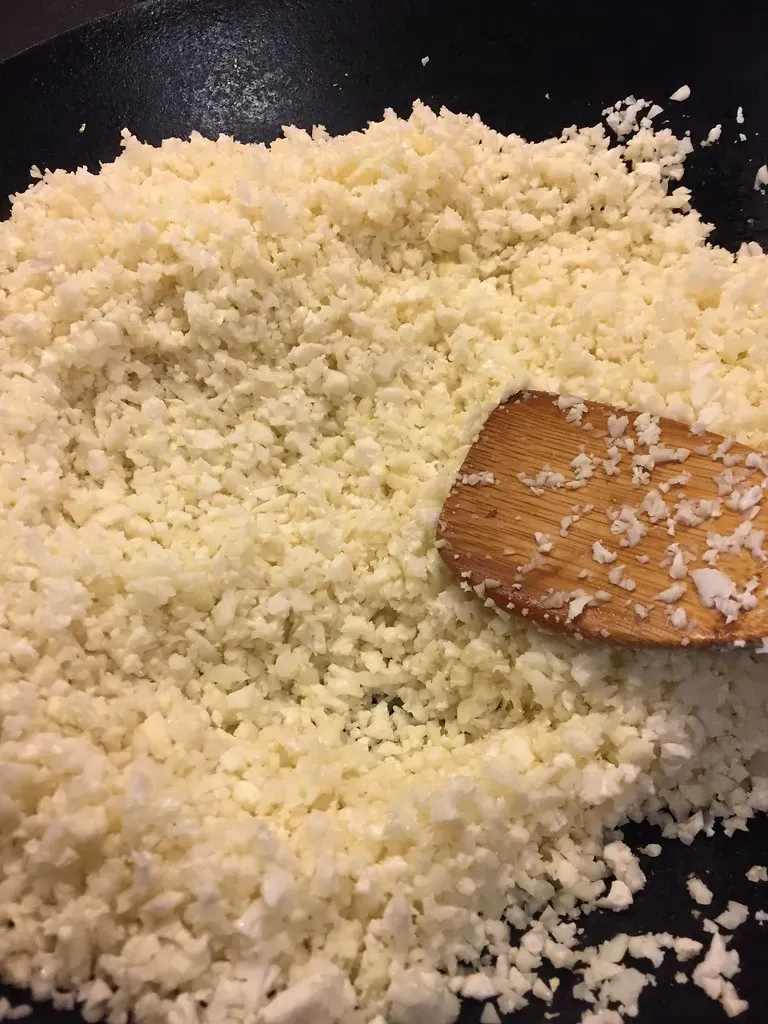
Cauliflower rice is, in spirit, an act of culinary defiance. It is cauliflower that has been grated or blitzed into small pieces and then presented as a substitute for actual rice. When it first appeared in low-carb and paleo circles, most people thought it was a joke that health bloggers played on themselves. Spoiler: it wasn't.
The cauliflower transformation is one of the strangest success stories in modern food. Riced cauliflower began appearing in frozen food sections of major grocery chains in the mid-2010s, and within a few years, Trader Joe's and Costco couldn't keep it on the shelves. The keto diet boom turbocharged the trend, giving millions of Americans a reason to try it who otherwise never would have.
According to the 2024 IFIC Food and Health Survey, 54% of American adults followed a specific eating pattern or diet in the past year. This behavior was more common in younger generations, with 66% of Gen Z and 64% of Millennials reporting following a specific diet, compared to 52% of Gen X and 42% of Boomers. Low-carb diets drove a huge portion of cauliflower rice's adoption, and the product line expanded rapidly into pizza crusts, tortillas, and gnocchi. Think about that: gnocchi made from a cauliflower.
8. Cottage Cheese - The Retro Food That Became a TikTok Star
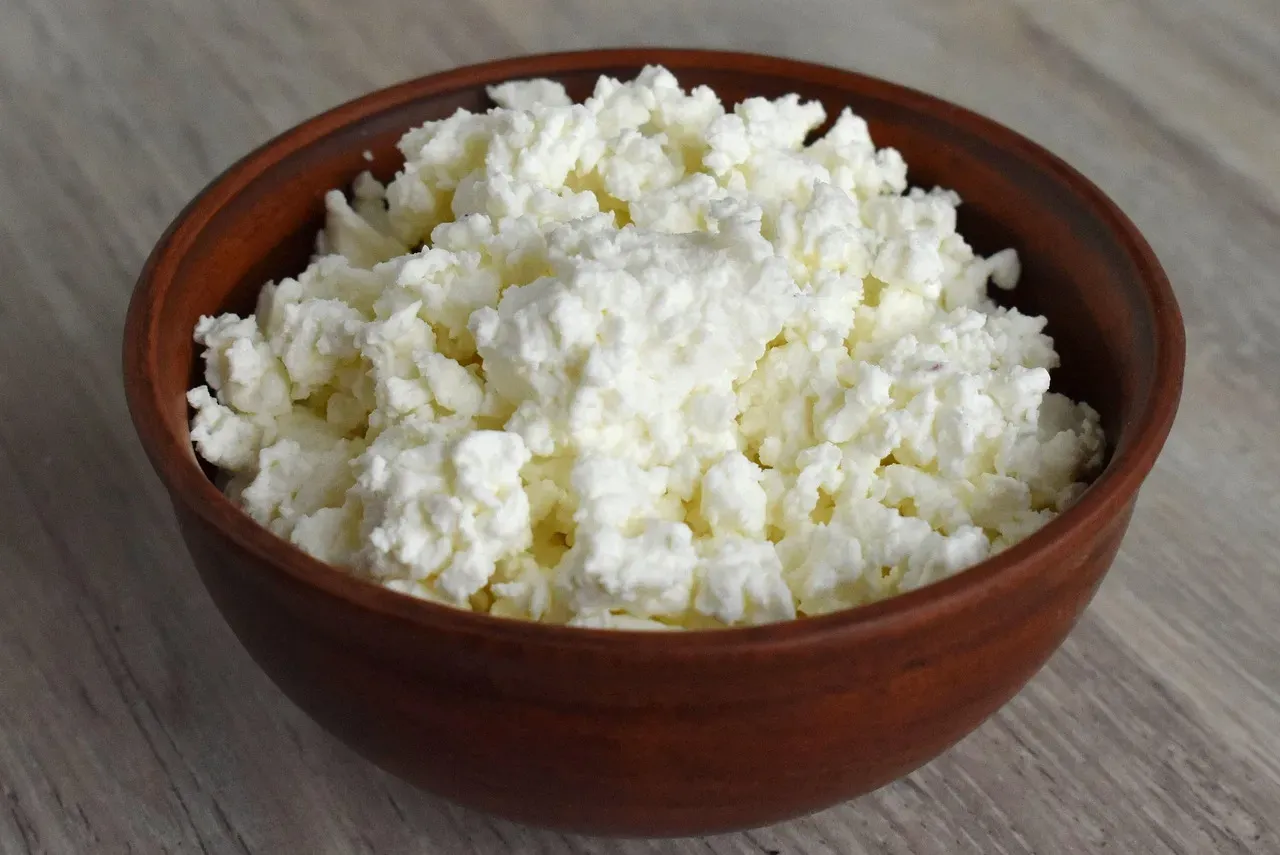
Cottage cheese had a reputation problem. For most of the 2000s, it was the sad diet food sitting next to a wilted salad on a Tupperware lunch. It was something your grandmother ate. Something people put on a plate and tried not to look at directly. And then TikTok happened.
As of June 2023, MyFitnessPal, the world's top global nutrition and food tracking app, had seen a 70% increase in people logging cottage cheese year-over-year. That number shot up as creators discovered the ingredient's surprisingly high protein content and wild versatility. Certain high-protein foods like cottage cheese were trending widely, with popular recipes for cottage cheese flatbread, fluffy yogurt, and protein coffee being shared broadly online.
The cottage cheese revival has been described by food industry observers as "slightly retro, great value and hugely versatile," which is a pretty perfect summary of what happened. The 2024 IFIC Food and Health Survey found that 71% of Americans are trying to consume more protein, an increase from 67% in 2023 and 59% in 2022. Cottage cheese, quietly and without asking permission, positioned itself as the protein darling of a generation obsessed with macros.
9. Birria Tacos - The Consommé Dip That Broke the Internet
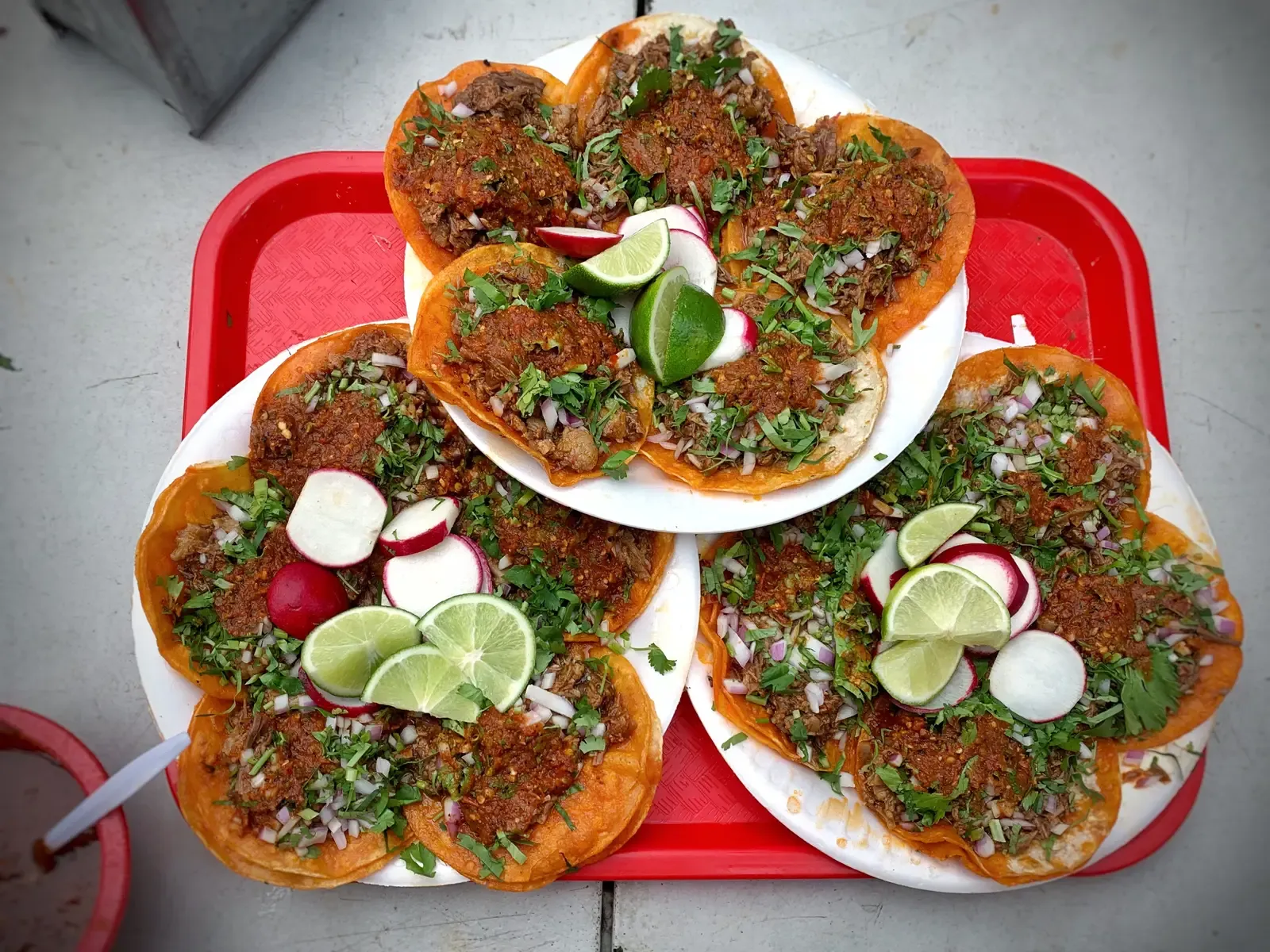
Birria tacos, for the uninitiated, are slow-braised meat tacos - traditionally beef or goat - dunked into a rich, spiced consommé broth before eating. The visual of those tacos dripping with deep red broth made the internet absolutely lose its mind, and the dish went from regional Mexican food to national obsession almost overnight.
Birria, spiced and stewed meat often served with some of the broth that it was cooked in, had been popular in Los Angeles for years before hitting the mainstream, with taquerias, fast-casual burrito concepts, casual dining chains, and independent restaurants all offering their versions of the dish. Over a four-year period, birria's presence on restaurant menus grew 412%, largely thanks to midscale and casual-dining chains, according to market research firm Datassential.
Mexican-inspired fast-food brands such as Qdoba, El Pollo Loco, Del Taco and even Taco Bell released their own versions of birria, turning it into a new menu staple. Datassential predicts that birria's menu penetration will more than double over the next four years. The true inflection point for birria came thanks to Instagram, where food influencers' photos of birria tacos with beef cascading into a cup of consommé made mouths water and introduced a new audience to the food. That's the modern food trend blueprint in one sentence.
10. The "Protein-Everything" Obsession - Bodybuilder Culture Goes Mainstream
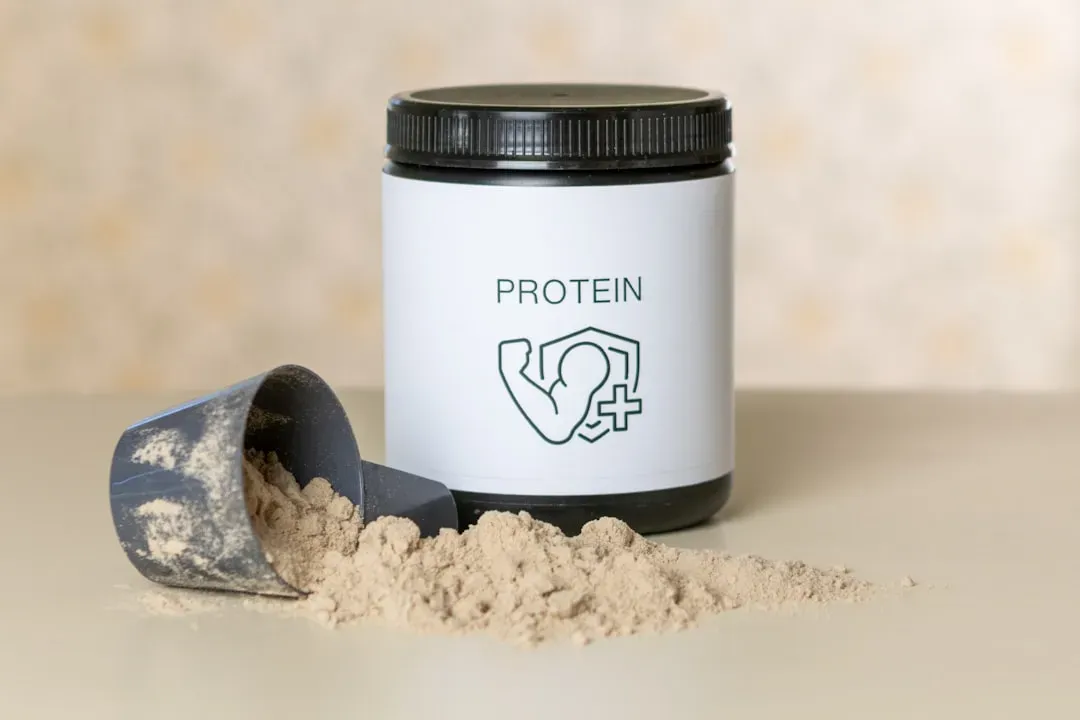
Not long ago, if you said you were tracking protein, people assumed you were training for a competition or doing something extreme. Protein supplements were for gym bros. Protein bars were vaguely medicinal. Nobody brought up their "macros" at a dinner party - or at least, nobody you wanted to eat with again.
AP News predicted that the "proteinization" of foods would continue, noting that high protein was the most popular type of eating pattern consumers followed, according to the 2024 IFIC Food and Health Survey. As one industry observer put it: "Protein used to be solely the preserve of bodybuilders - but now making sure you're eating enough protein has filtered into the mainstream," with those under 35 rating "high in protein" as the most important health quality in a food product.
Inventive, high-protein recipes abound on TikTok, where content creators popularized "protein oatmeal" with peanut butter powder, while all sorts of protein-packed products hit retail shelves, including protein rice, protein ramen, watermelon seed protein powder, and nut protein powders. The category transformation has been total. Exposure to food and nutrition content on social media increased significantly to 54% from 42% in 2023 according to the 2024 IFIC Food and Health Survey, and protein content is now one of the first things consumers check on a label. What was niche is now completely normal.
11. Fermented Foods - From Grandma's Basement to the Wellness Aisle
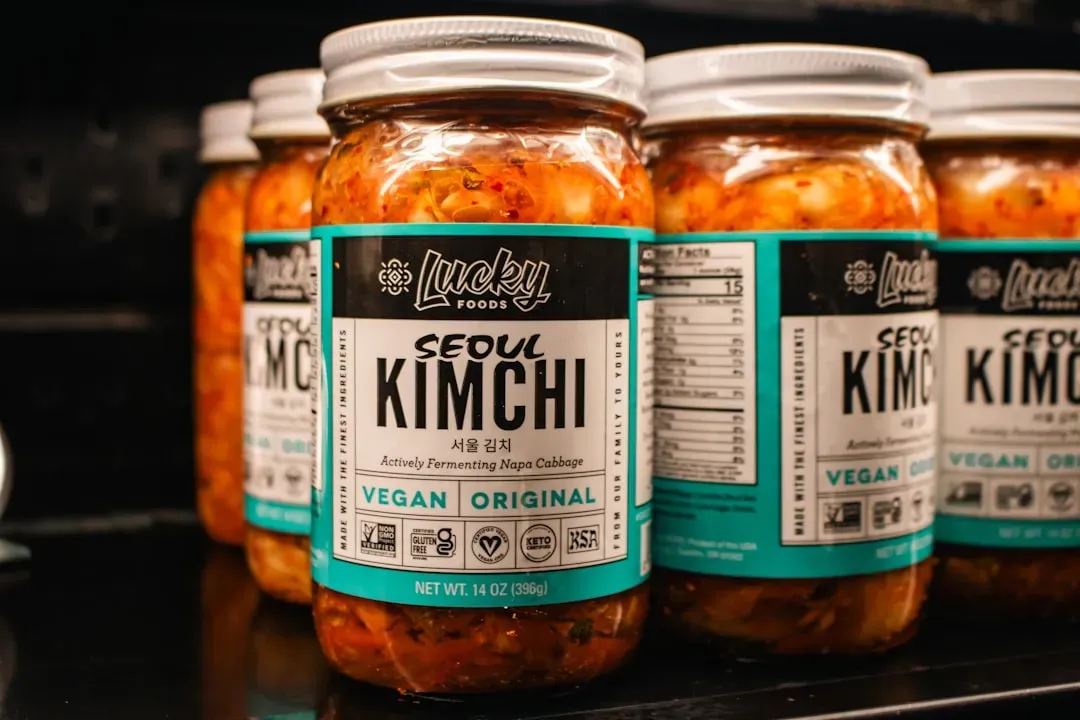
Fermented foods have existed for thousands of years across dozens of cultures. Kimchi, miso, kefir, sauerkraut, tempeh - all ancient, all deeply traditional, all viewed by the average American for most of the 20th century as either ethnic specialty items or the kind of thing that smelled strange in the refrigerator. Then gut health became the wellness trend of the decade, and everything changed.
Kombucha alone dominated the probiotic drink market, accounting for a revenue share of nearly 46% in 2022, as fermented probiotic drinks gained significant popularity in recent years. Some of the most recently trending fermented food alternatives that offer convenient and healthy on-the-go options include chips rich in probiotics, pickled vegetables, and krauts. The packaging shifted, the marketing shifted, and suddenly these ancient foods were being positioned as cutting-edge wellness products.
AP News referred to a growing interest in functional foods - products people believe will improve their mood or health - in food predictions for the coming year. The upcoming dietary guidelines for 2025 to 2030 will likely include more nutrient-dense plant-based meal and dietary recommendation options, with beans, peas, and lentils as potential protein sources. Fermented foods now carry genuine scientific backing for their role in supporting gut microbiome health, which means the trend has a staying power that many dismissed food fads never achieve. What once sat in a ceramic pot in a Korean grandmother's kitchen now sits in a sleek glass jar on a Whole Foods shelf, priced accordingly.



Leave a Reply