
Most people treat the fridge like a universal food sanctuary. Groceries come home, the door swings open, everything goes in. Simple. Safe. Right?
Not always. Honestly, there's a whole category of everyday foods that are being quietly ruined by cold storage, and the science behind it is more fascinating than you'd expect. Some of these items lose their flavor, others change their texture in genuinely unpleasant ways, and a few even raise some eyebrows from a health perspective. So before you mindlessly shove your next grocery haul into the refrigerator, let's dig into the ten foods that really, truly do not belong in there. Let's dive in.
1. Tomatoes
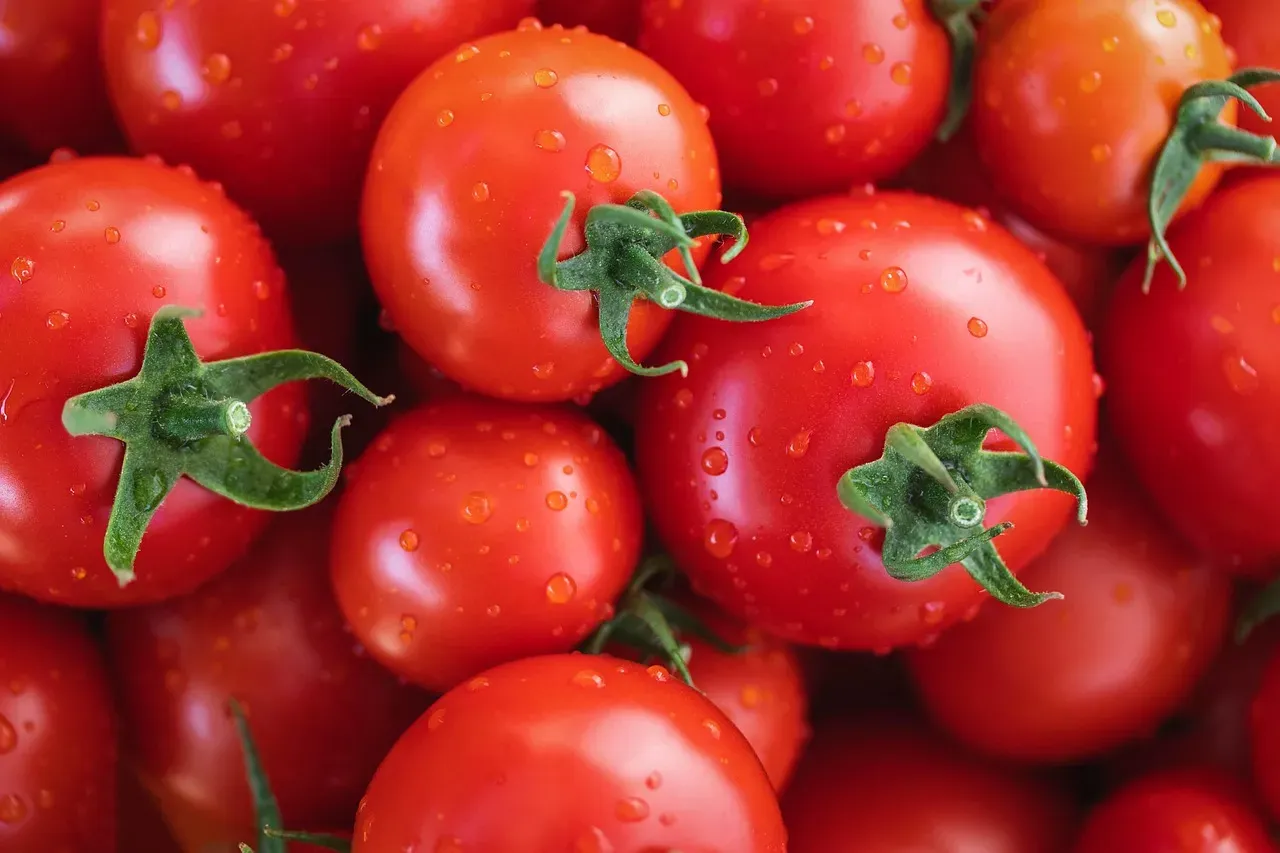
This is probably the most debated food storage topic in kitchens worldwide, so let's get straight to the science. Refrigeration does extend a tomato's shelf life by slowing the ripening process, but it also dramatically reduces levels of flavor and fragrance chemicals known as "volatiles." A 2016 US study found that chilling tomatoes for a week reduced the activity of genes that code for enzymes needed to synthesize these volatiles, which are responsible for giving tomatoes a sweeter, more complex taste.
Chilling inhibits the activity of the enzymes that create those savory umami compounds, impacting both fragrance and flavor. Cool temperatures also damage the cell membrane, creating an unpleasant mealy texture. Think of it like this: you wouldn't press snooze on a masterpiece in progress, but that's effectively what refrigeration does to a tomato. Tomatoes should always be stored on the countertop at room temperature, ideally around 20°C or 68°F.
2. Potatoes
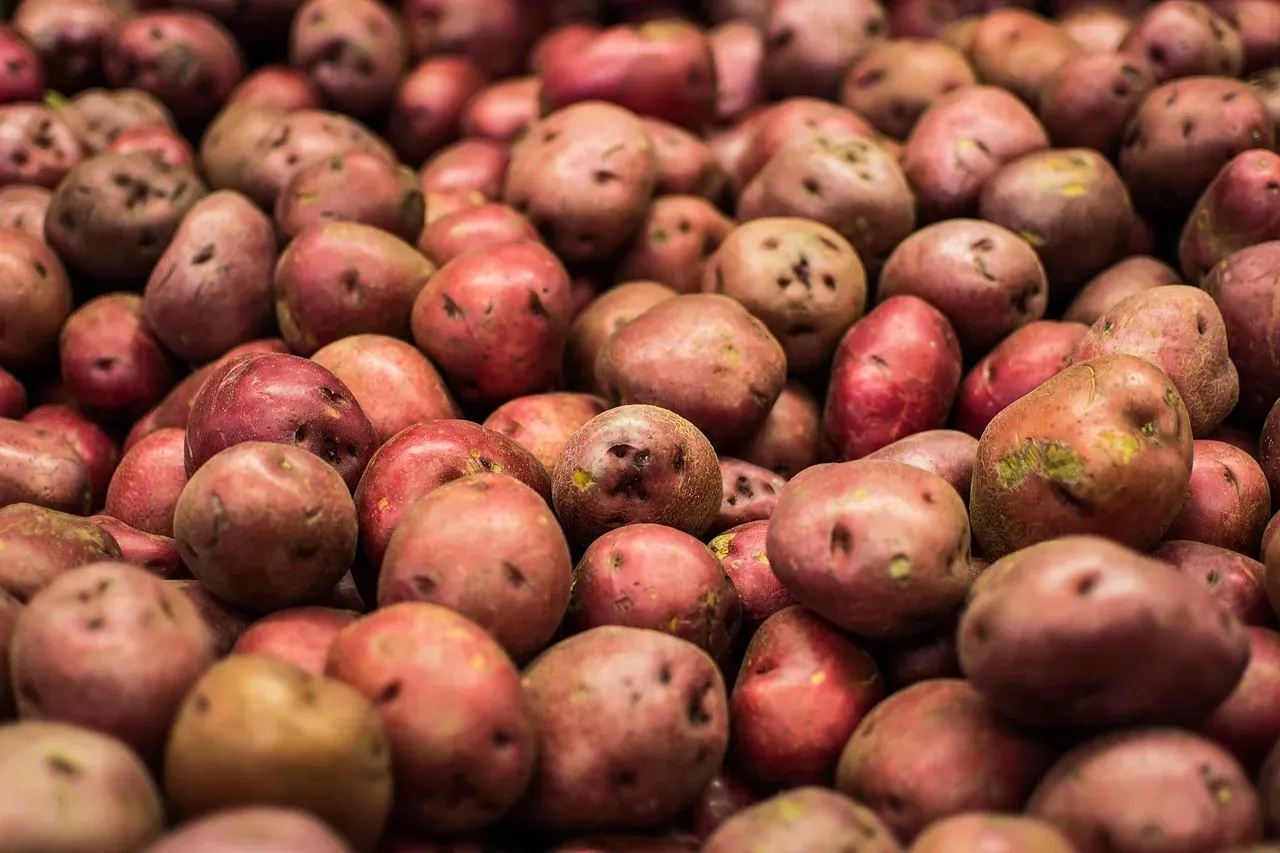
Placing potatoes in the fridge triggers a process known as cold-induced sweetening. At temperatures below 7°C (44.6°F), the starches in potatoes begin to convert into sugars, mainly glucose and fructose. This change not only affects taste and texture but can also create harmful compounds when the potatoes are cooked at high temperatures.
Here's the thing, it goes beyond just flavor. When potatoes that have undergone cold-induced sweetening are fried, roasted, or baked at high temperatures, the extra sugars react with naturally occurring amino acids in a process called the Maillard reaction. It's the same reaction that gives a rich flavor and brown color to seared steaks and toasted bread. But with those sugar-heavy potatoes, the Maillard reaction doesn't just create delicious flavor, it also creates acrylamide, a potentially harmful compound that has been linked to cancer in animal studies. Potatoes should be stored in a cool, dark, dry, and well-ventilated spot like a cellar, basement, pantry, or low cabinet away from the stove or sunlight.
3. Bread

Almost everyone has stashed a loaf in the fridge at some point, thinking they're being smart about shelf life. But it backfires. In his seminal book "On Food and Cooking," considered the bible of food science, Harold McGee stresses that bread should never be kept in the fridge. The cool, drying environment rapidly dehydrates the loaf and changes its molecular structure, speeding up staling. Strangely, freezing rather than chilling actually slows down this process, so either store your loaf in a bag or bread bin on the countertop or put it in the freezer for later use.
Refrigeration dries bread out faster than leaving it at room temperature. Cold air causes the bread to lose moisture and get stale. This happens even faster in the refrigerator than on the counter. If bread needs to be stored long-term, freezing is the better option. For daily use, bread should be kept in a container at room temperature, where texture and flavor hold up longer. The freezer is your friend here. The fridge is not.
4. Honey
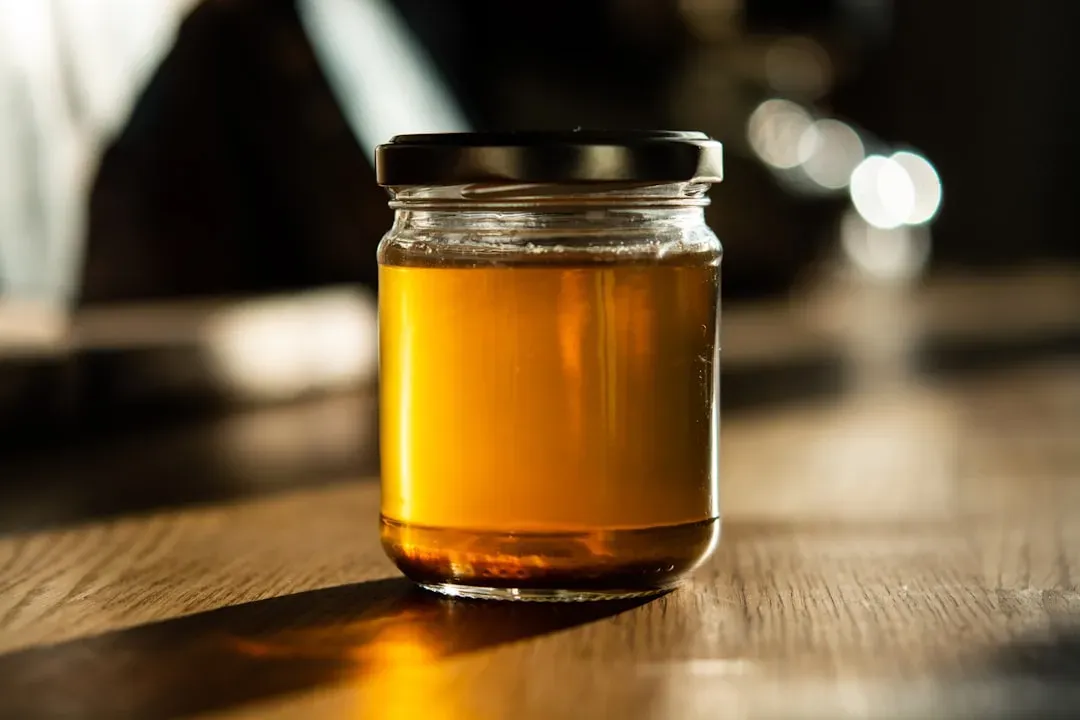
Honey is one of the few foods on the planet with an almost indefinite shelf life when stored correctly. Technically, honey never goes bad. The color and consistency will change over time, but the properties of honey and its high sugar content protect it from growing bacteria as long as it's stored properly. The fridge, however, undoes all of that natural brilliance.
Honey's low moisture content and natural acidity prevent bacterial growth, so refrigeration is unnecessary. Cold storage causes honey to crystallize more quickly, making it thicker and grainier. While crystallized honey is safe, it becomes difficult to pour and measure. Storing honey at room temperature preserves its smooth consistency and avoids unnecessary texture changes. A sealed jar in the pantry. That's all it needs.
5. Garlic
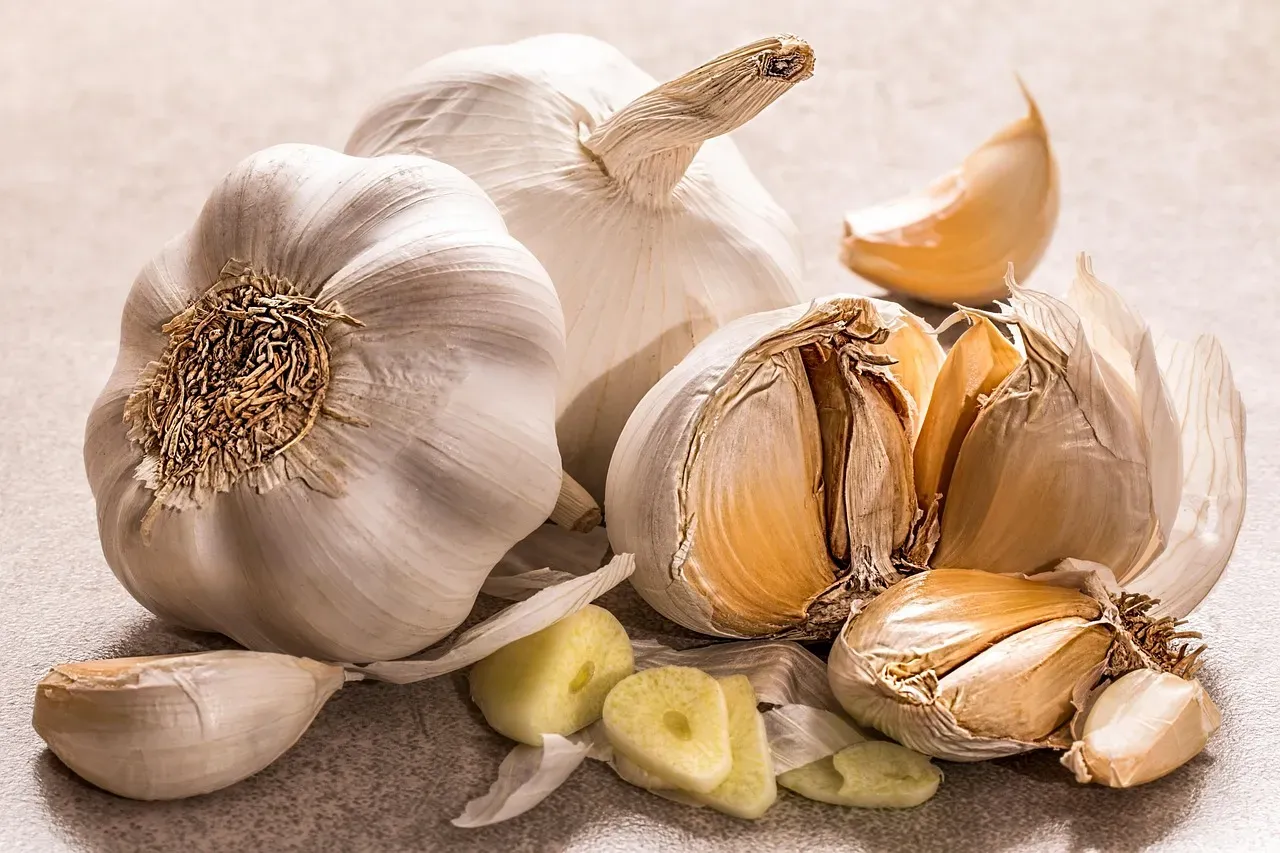
Garlic is one of those foods where the fridge does surprisingly active damage. Garlic exposed to cold temperatures often sprouts prematurely. Refrigeration can also increase moisture, which can lead to mold growth. Whole garlic bulbs should be kept in a cool, dry, well-ventilated place, not airtight and not refrigerated.
Storing garlic in the fridge can make the bulbs rubbery, so instead, keep them in a cool, dry place like the cellar or in a cupboard away from heat sources like your cooktop. There is one important exception worth knowing: garlic in oil mixtures should be refrigerated and used or tossed out within a week to avoid botulism, according to the USDA. Always keep that distinction in mind.
6. Avocados
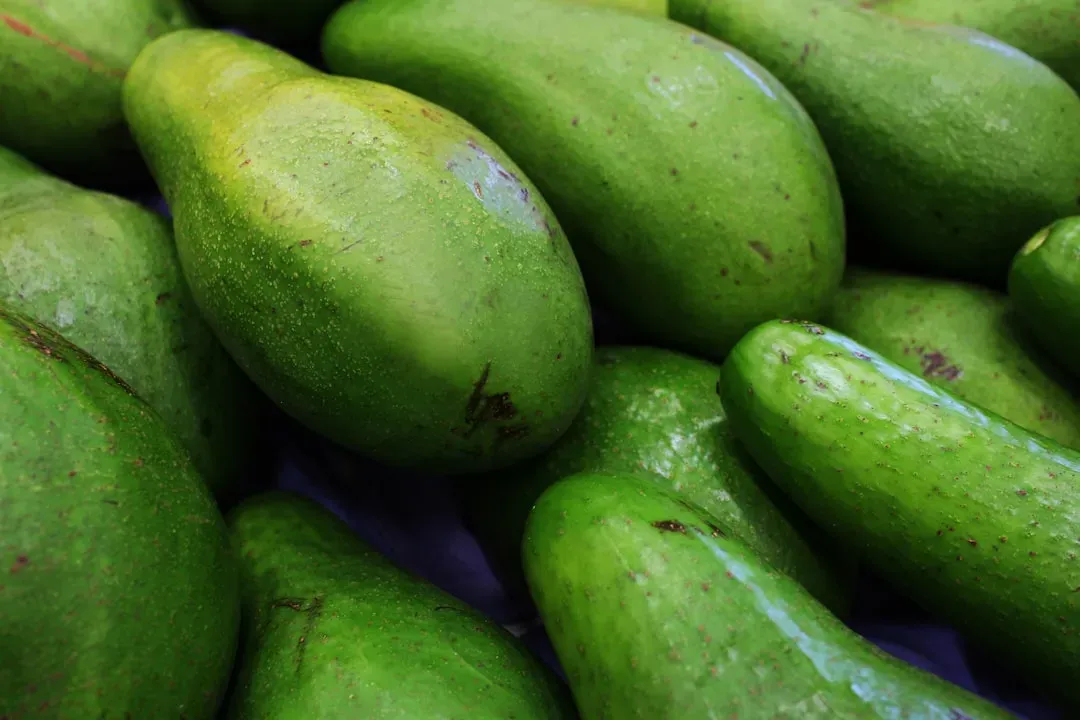
I know it sounds counterintuitive, but your unripe avocados really don't want to be in the fridge. Super-unripe avocados have a hard time finishing the ripening process in the fridge. Instead, leave them on the countertop. The cold essentially freezes the ripening clock, and you end up waiting much longer for a perfectly creamy result.
If an avocado is still firm, take it out a day or so before using it. To get a rock-solid avocado to ripen faster, place it in a brown paper bag with a banana. The banana's ethylene gas will ripen the avocado faster. Once it reaches peak ripeness, though? Then the fridge is actually useful for slowing things down a little. The creamy green fruit is best kept at room temperature if it's hard, or if it's ripe and you plan on using it right away. That said, avocados that quickly go from underripe to overripe can go in the fridge to last longer.
7. Bananas
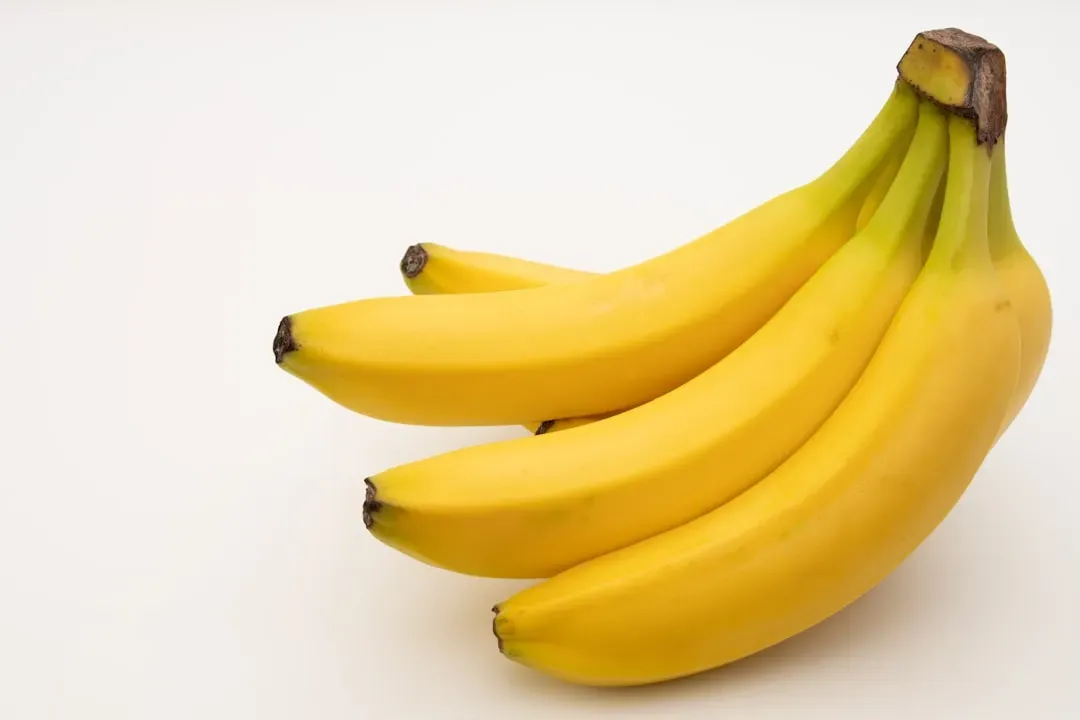
Put a banana in the fridge and within a day it looks like something from a horror film. The peel turns jet black, the fruit goes mushy, and the whole experience is just deeply unpleasant. If you've ever put a banana in the refrigerator, you know it turns dark brown, which should tell you that they are not meant to be refrigerated. Bananas, which are usually bought before they're ripe, will ripen at room temperature. Refrigeration slows down this process.
Bananas need room temperature for two reasons: the warm temperatures help the fruit finish ripening, and the light and air slow down decay. It's worth noting, however, that there's one useful trick: bananas release a gas that ripens other fruit, so keep bananas away from other fruit. Separate them from your apples and pears to avoid unintentionally accelerating spoilage across your fruit bowl.
8. Onions
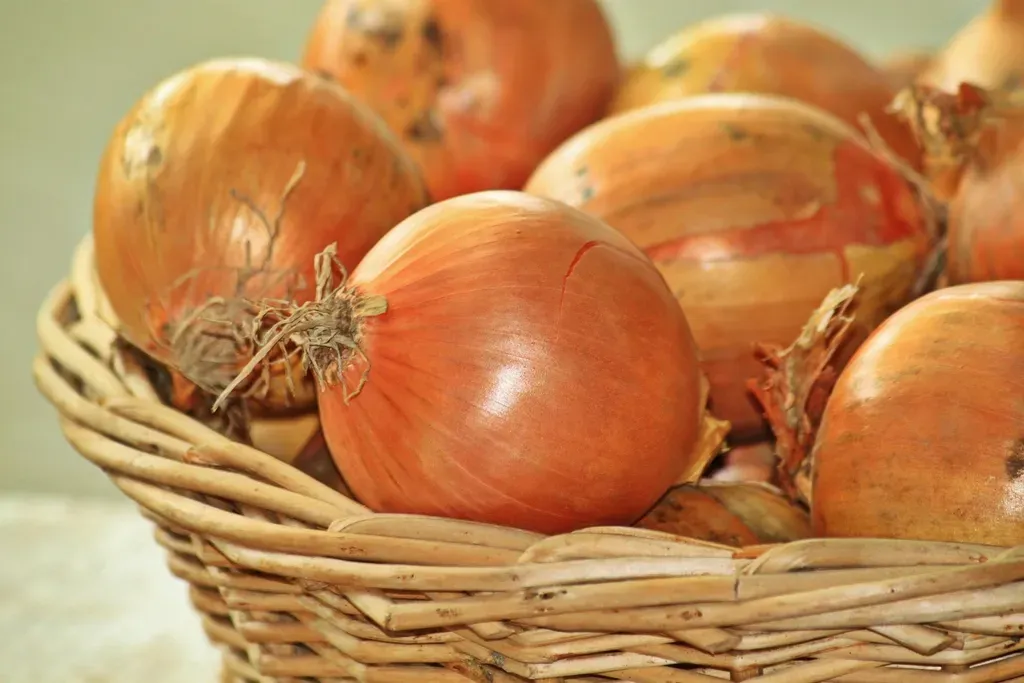
Onions and fridges are genuinely incompatible, and it comes down to moisture. Moisture in the fridge can cause onions to become soft and moldy. Instead, store them in a cool, dry place away from potatoes. The fridge's humidity-rich environment essentially invites mold to develop, often faster than you'd expect.
There's another problem too. Coffee, whether ground or whole, is like a sponge that absorbs the smell of your fridge as well as its contents. The same principle applies even more aggressively to onions stored near other produce. Storing onions together with potatoes can cause your potatoes to take on the flavors of onions, which may not be desirable depending on what you're making. Keep onions ventilated, dry, and away from other foods for best results.
9. Coffee
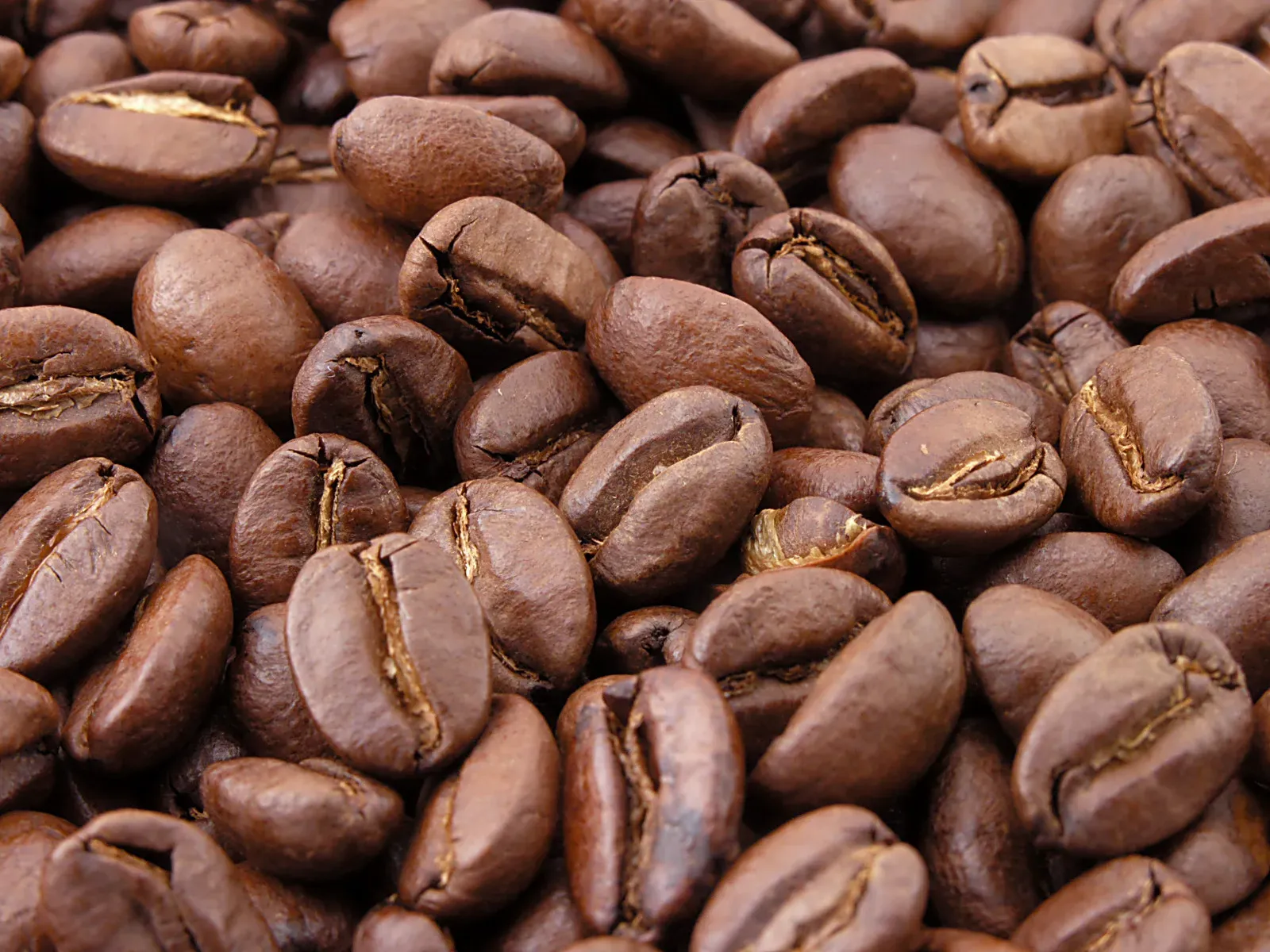
A lot of people store coffee in the fridge thinking cold temperatures will preserve freshness. It's a well-meaning mistake. The moisture in your fridge causes the beans to deteriorate, meaning you aren't getting the fresh, bold flavor you want from your morning brew. Plus, the temperature fluctuates every time you open the door, creating condensation, which in turn creates even more moisture. Stash your coffee beans in an airtight container in the pantry instead.
Coffee contains aromatic compounds that degrade at varying temperatures. The best storage is an airtight container kept in a cool, dark place, away from heat and light. Think of coffee like a sponge for smells and moisture, not a vacuum-sealed capsule. The only situation where freezing is acceptable is if you've bought coffee in bulk and won't be using it for a very long time.
10. Olive Oil

Refrigerating olive oil is one of those habits that feels logical but creates a genuinely annoying problem. Refrigerating olive oil causes it to cloud and solidify. While this does not make the oil unsafe, it changes the texture and complicates use. Repeated temperature shifts can also affect flavor. Olive oil is best stored at room temperature, away from light and heat.
Keep your olive oil in a cool, dark area in your kitchen. If kept in the fridge, olive oil may harden. Generally, olive oil has a shelf life of 18 months from its harvest date. A dark cupboard away from the stove is ideal. It's a bit like wine: it doesn't need the fridge, it just needs to stay away from heat, light, and temperature swings. Simple as that.



Leave a Reply