
Composting is one of those things that feels undeniably good. You're feeding your garden, cutting down on waste, and doing something genuinely useful with your kitchen scraps. It's satisfying in a way that's hard to explain to non-gardeners. But here's what most enthusiastic composters don't realize: tossing the wrong things into that pile can quietly undo everything.
In 2024, roughly more than half of Americans considered themselves home gardeners. That's a massive number of backyard compost bins potentially running into the same hidden mistakes. Some of the most common items people throw in without a second thought are actually capable of ruining your compost, poisoning your soil, or attracting wildlife you absolutely don't want in your yard. Let's get into it.
1. Meat and Fish Scraps
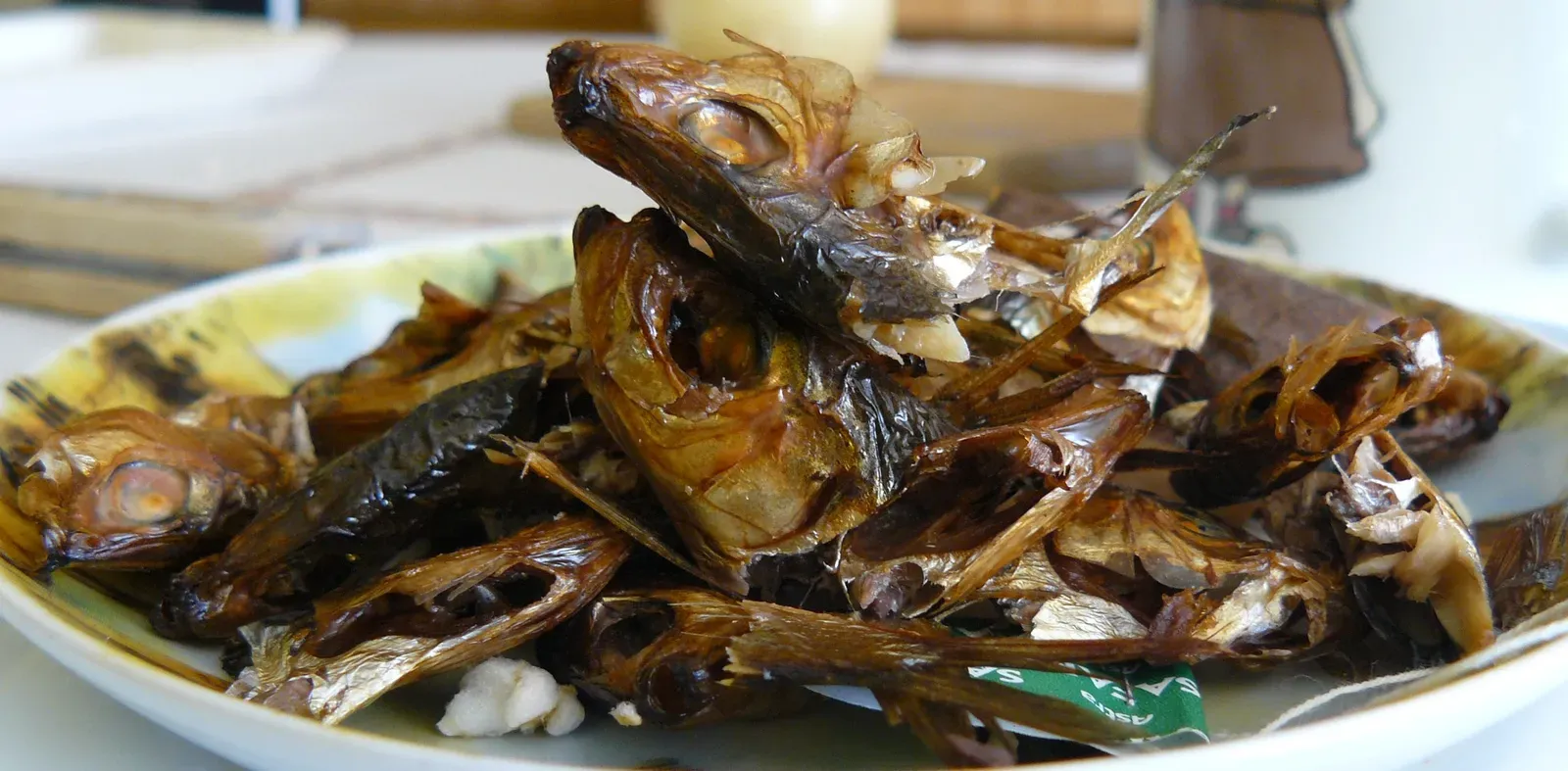
Let's start with the most debated one. The EPA recommends against composting meat, whether in a pile or bin, because it can create rodent infestations, attract pests, and cause a very unpleasant smell. Honestly, that alone should be enough to give most people pause. But there's more to it than bad odors.
Dairy, eggs, and meat of all kinds including fish and poultry are animal-based products that can harbor dangerous bacteria like Salmonella and E. coli, which can grow and spread through your compost and possibly get onto your fruit and vegetables later on. That's not a risk worth taking for most backyard gardeners.
Composting meat can harbor pathogens, especially if your compost pile is not hot enough to kill them off. E. coli bacteria, for example, can live for two years. The average backyard pile simply doesn't run hot enough or long enough to neutralize these threats. Save the meat scraps for your municipal green bin if your area accepts them.
2. Dairy Products
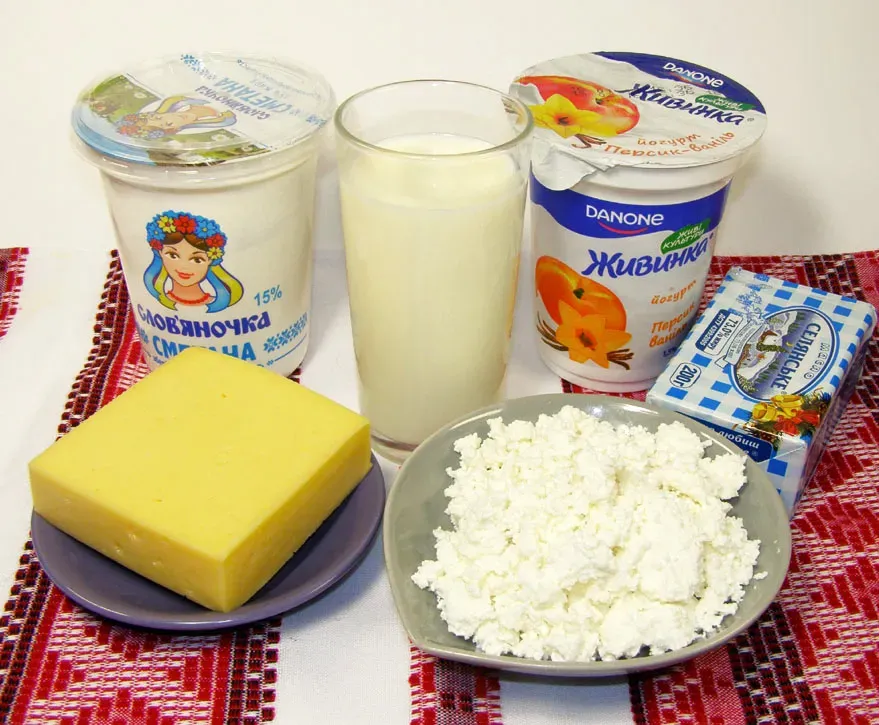
Cheese, milk, butter, cream, yogurt. They all seem harmless enough. After all, they're organic, right? Here's the thing: milk, cheese, yogurt, and other dairy products can create odors and attract pests in backyard compost bins. The smell of fermenting dairy is truly something nobody needs wafting through their garden.
Along with meat, dairy products and eggs are not suitable for backyard compost due to their tendency to ferment. The resulting smell of rotting milk or eggs will attract unwanted visitors. Those unwanted visitors tend to include rats, raccoons, flies, and other creatures that you really don't want discovering your compost pile as a food source.
Eggshells, on the other hand, do provide valuable calcium to the resulting compost. It's best to rinse and dry the eggshells before reducing them to a fine grind or powder. So the shell? Fine. The egg itself? Keep it far away from your pile.
3. Pet Waste (Dog and Cat Feces)
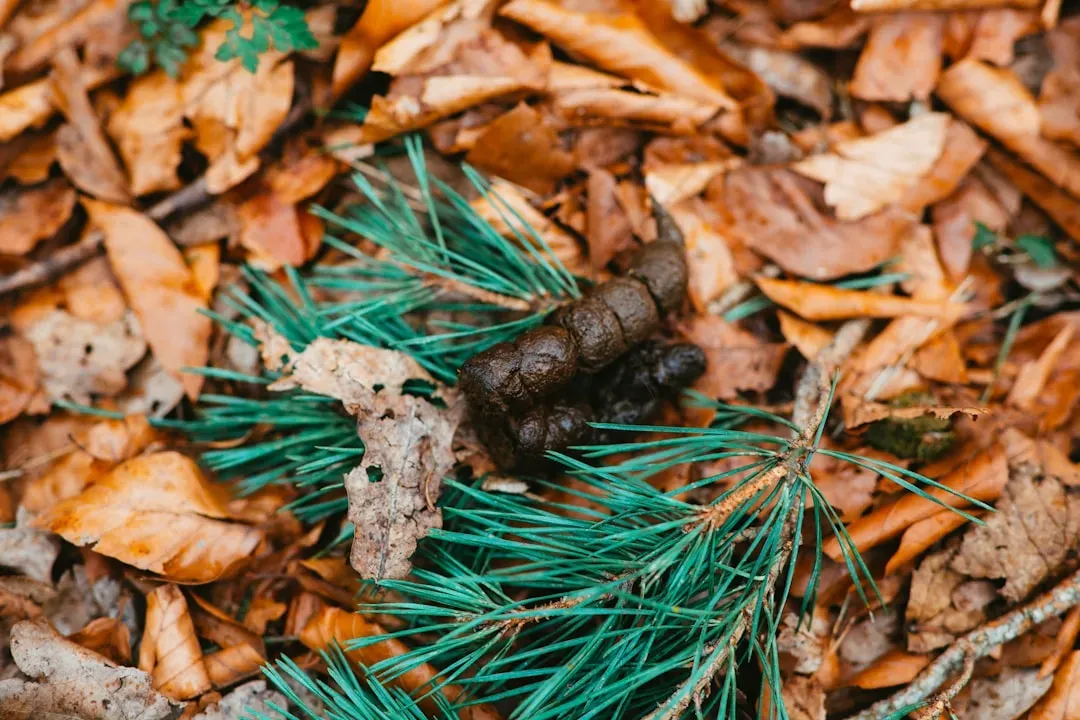
This one surprises people. You might think: it's organic waste, it comes from a living creature, surely it's compostable. And technically, yes. But practically? It's one of the most dangerous things you can add to a backyard pile. Dog poop is raw sewage that can spread disease. It can contain disease-causing organisms including roundworms, whipworms, tapeworms, hookworms, fecal coliform, Giardia, Salmonella, E. coli, Campylobacteriosis, Cyclospora, and Parvovirus.
Pet waste can contain harmful pathogens like E. coli, Salmonella, and parasites such as Toxoplasma gondii. Most backyard compost piles don't reach high enough temperatures to reliably kill these organisms, which can pose risks to human health, especially if the compost is used around vegetables or other edibles. That's a direct risk to your food supply.
Cryptosporidium, Leptospira, Salmonella, and E. coli can all survive for months in feces or soil, and roundworms can survive for up to four years in soil. Four years. Think about that next time you consider tossing a poop bag near the compost bin. As a general rule, manure from herbivores is compostable; feces from carnivores is not.
4. Diseased or Insect-Infested Plants
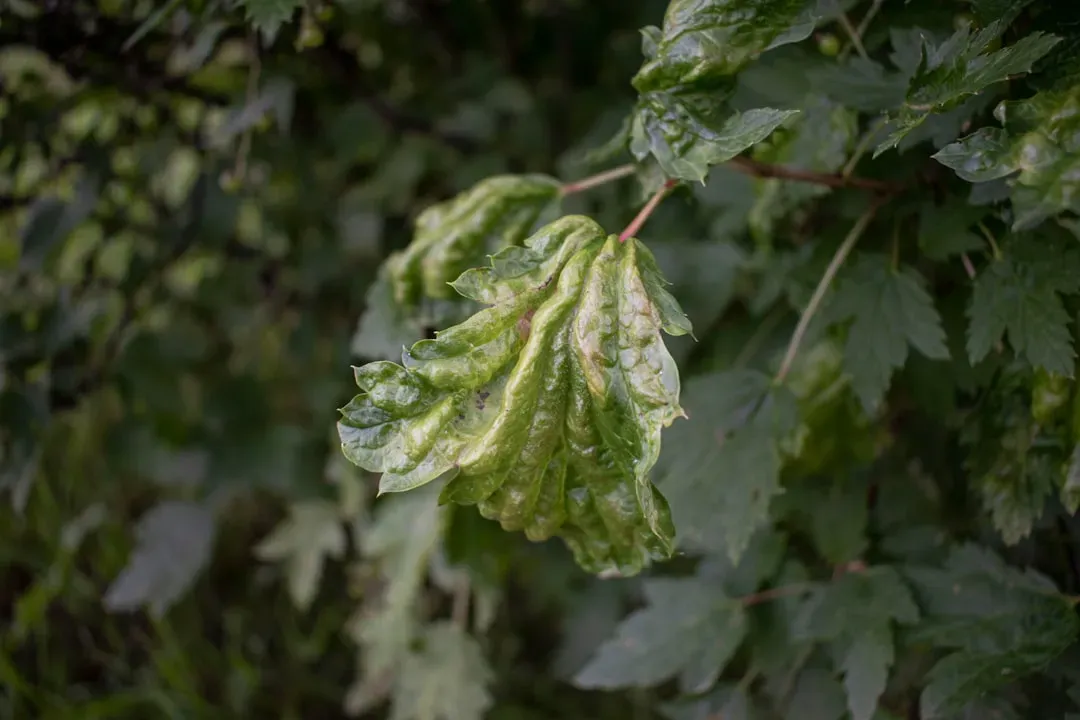
This one is incredibly common and incredibly damaging. Gardeners often assume that composting a diseased plant is a clever way to "recycle" the problem away. Unfortunately, it's usually the opposite. In most backyard compost bins, temperatures rarely reach the levels needed to reliably kill disease-causing organisms. For this reason, it's safest to dispose of affected material elsewhere.
If plants are diseased or insect-infested, avoid tossing them in your composter, or else you'll transfer this problem onto your vegetables. It's essentially spreading the infection across your entire garden through what should be a nourishing amendment. Weeds that have gone to seed and diseased plant material can survive in backyard piles that don't reach high temperatures, spreading pests or weeds when the compost is applied.
Bringing diseased plants to a council recycling point allows them to be composted in large industrial piles or incinerated, where heat and scale ensure pathogens are destroyed. If that isn't possible, placing diseased material in the garbage is a safer alternative than risking contamination in your own compost. Not glamorous advice, but genuinely the right call.
5. Treated or Painted Wood and Sawdust
Old fence posts, deck offcuts, sawdust from the workshop. These feel like natural materials, and in theory, untreated wood is perfectly fine for a compost pile. The keyword is "untreated." Composting chemically treated wood, such as pressure-treated lumber or sawdust from it, poses a significant risk of introducing toxic chemicals into your finished compost and garden soil. Older pressure-treated wood often contains heavy metals like arsenic and chromium, which are highly toxic to plants and humans. Even newer treatments can contain fungicides and insecticides that are harmful to the beneficial microorganisms in the compost pile.
A particular concern arises with sawdust sourced from treated timbers, especially those treated with chromated copper arsenate (CCA) preservatives. CCA-treated wood contains arsenic, chromium, and copper, which can leach into the soil over time, posing significant risks to both terrestrial and aquatic ecosystems. These are not trace amounts we're talking about either. This is a real contamination risk.
Do not place treated wood or sawdust in a compost bin, and do not use it as mulch. The Canadian government itself lists this as a firm safety guideline. Particleboard, MDF and plywood often contain urea-formaldehyde glue as a binding agent. During composting, the breakdown of these synthetic woods can release formaldehyde into the environment. Formaldehyde is classified as a probable human carcinogen by the International Agency for Research on Cancer (IARC).
6. Cooking Oils and Fats
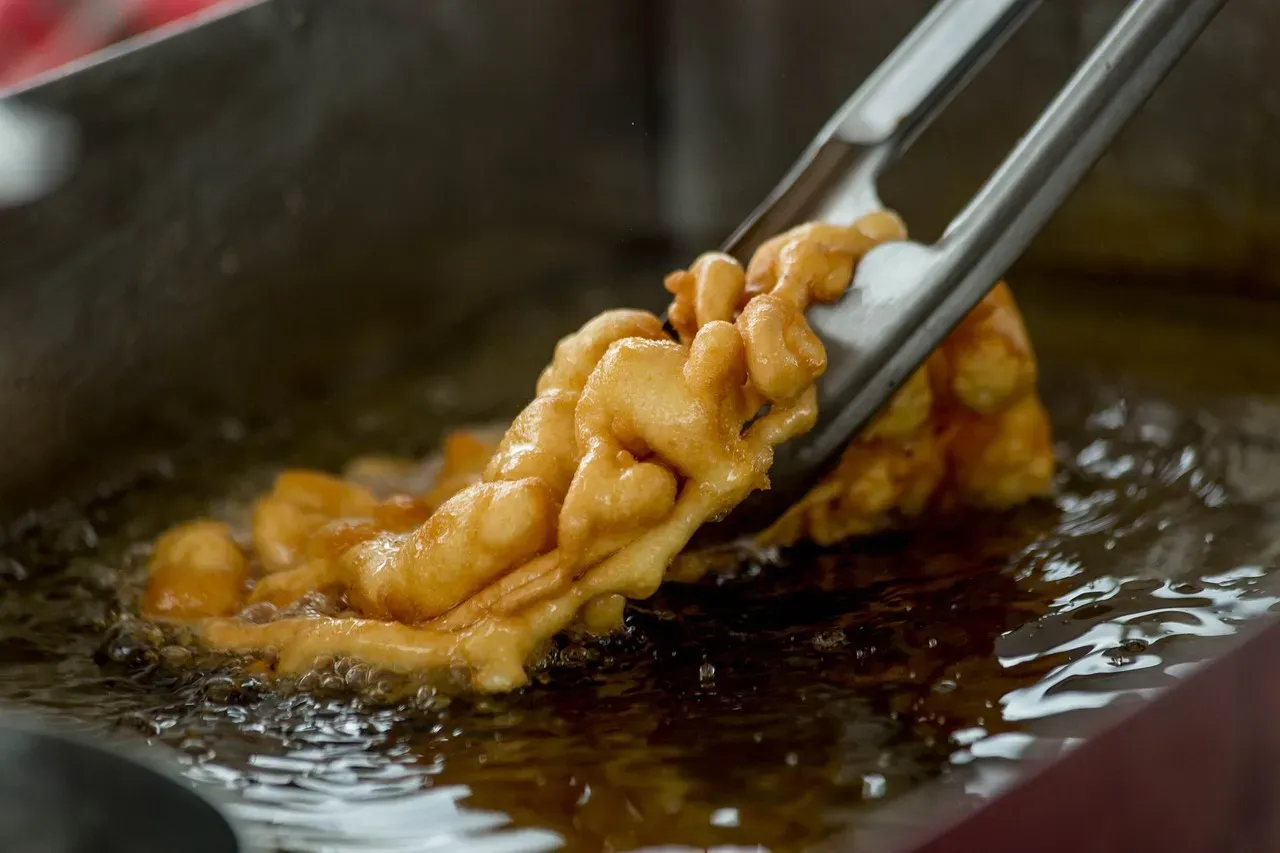
A pan's worth of used cooking oil. A bit of bacon grease. Salad dressing residue from a bottle. These are things people routinely pour into the compost thinking it'll break down fine. It won't - or at least, not in any way that's helpful to your pile. Fats and oils will linger in piles and may even negatively impact the culture of microorganisms. They can begin to ferment and spoil long before they're broken down.
Like meats and bones which are rich in oils, the resulting stench may attract pests. While that doesn't mean your compost will necessarily host unwanted vermin, it does mean local scavengers may learn to visit habitually. Once you've trained the local raccoon population that your compost is a reliable dinner spot, good luck getting rid of them.
Things like oily salad dressing and peanut butter will not break down like butter, cooking oil, animal fat, and grease. They create a greasy coating around organic matter that suffocates the microbes your pile depends on. Think of it like wrapping your compost materials in plastic. Nothing good comes from that.
7. Bread, Pasta, and Baked Goods
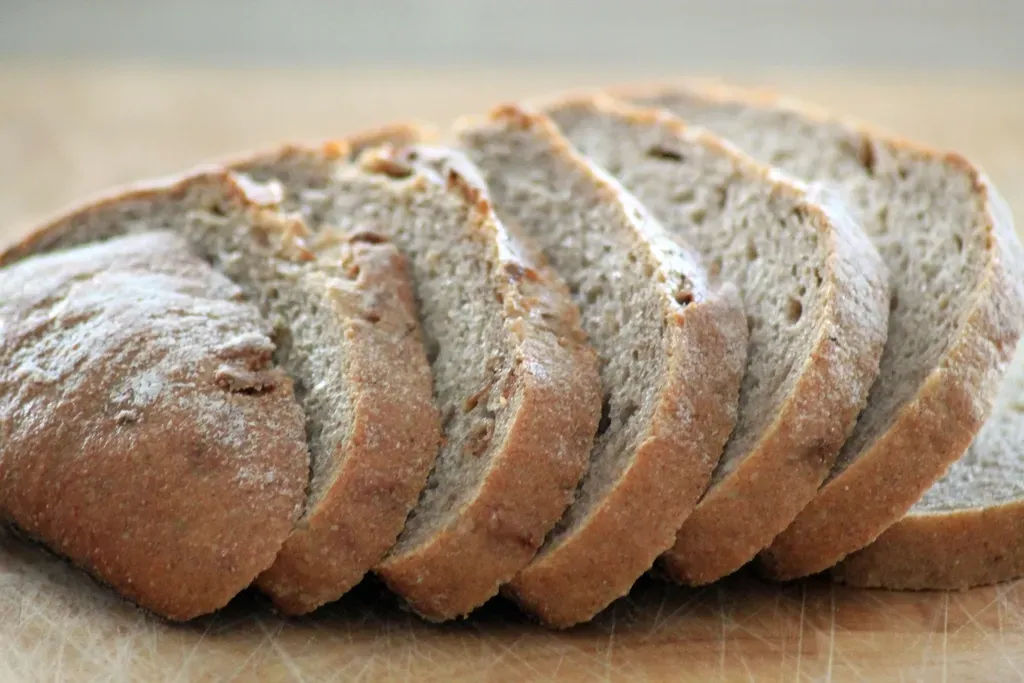
I know this one feels strange. Bread is plant-based. It's just flour and water, essentially. So what's the problem? The problem is pests, plain and simple. While fine in moderation, bread products like pasta, cake, and other baked goods attract rodents and other animals. Any carbohydrate-rich food sitting openly in a compost pile is basically an open invitation.
Cakes and pasta are included in the foods to avoid. All forms of residue left behind are a magnetized attraction for unwanted pests, who perceive it as food. Their chemical content can also upset the balance of nutrients in the compost. So even if the wildlife concern didn't apply to your area, the nutrient disruption is still a real issue.
Rice is particularly unsuitable for the compost heap. Raw rice is attractive to pests, while cooked rice is fertile ground for bacteria, potentially harmful to the compost's nutrients. If you must add these items, municipal programs that accept food scraps are built to handle them. Your backyard bin is not.
8. Glossy or Coated Paper
Plain cardboard? Go for it. Uncoated newspaper? Absolutely. But those shiny product catalogues, glossy magazines, laminated packaging, and gift wrap? Keep them out. These are broadly categorized to include things such as greeting cards, magazines, and writing pads. Apart from chemical content, their high foil content is non-compostable. Any paper that has a glossy plastic finish is toxic to the compost pile, including some magazines, product catalogues, wrapping paper and photographs.
Plastic bags, produce stickers, metal, glass, and coated paper do not break down and contaminate compost. Those tiny stickers on your store-bought apples and avocados? Same story. Many store-bought fruits and vegetables come with small produce stickers attached. These labels are typically made from plastic or plastic-coated materials designed to withstand moisture, meaning they won't break down in a home compost bin.
It's an easy mistake to make, especially when you're in "compost everything" mode and just want to reduce landfill waste. But the invisible plastic residue from coated papers doesn't disappear. It fragments into microplastics and ends up in your soil, and eventually in your food. Definitely not the outcome anyone was hoping for.
9. Weed Seeds and Invasive Plants
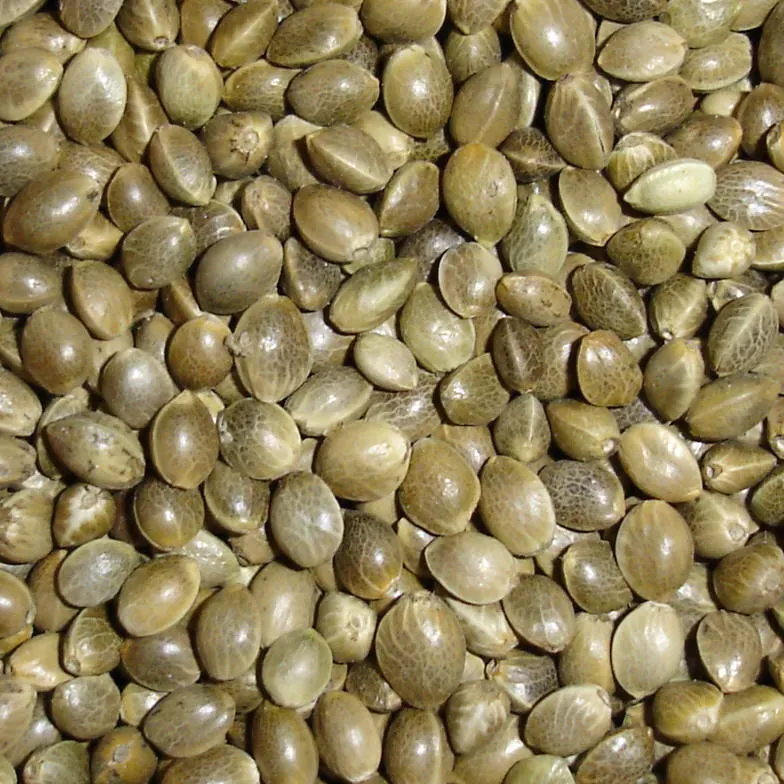
Here's one that trips up even experienced gardeners. You pull a bunch of weeds, they're plant matter, so into the compost pile they go. That logic works perfectly, unless those weeds have gone to seed. In order to compost weeds they need to be at a really high temperature, and your compost heap may not get to a high enough temperature to kill them and, in turn, make compost.
If the things added to the compost contain viable seeds, there's a good chance the compost may turn into a miniature garden. While composting equipment will likely keep sprouting under control on the compost pile, it won't always wipe out the plants. You spread that compost across your garden beds and suddenly you've seeded the very weeds you spent hours pulling. It's a maddening cycle.
The risk is especially high with particularly persistent invasive species. Unless your compost pile gets hot enough, between 130 and 160 degrees Fahrenheit, those seeds can survive and sprout wherever you spread your compost. The safer play is to bag seeded weeds and put them in the trash, or check if your municipality's industrial composting program can handle them safely at the temperatures required.
10. Tea Bags and Coffee Pods With Synthetic Materials
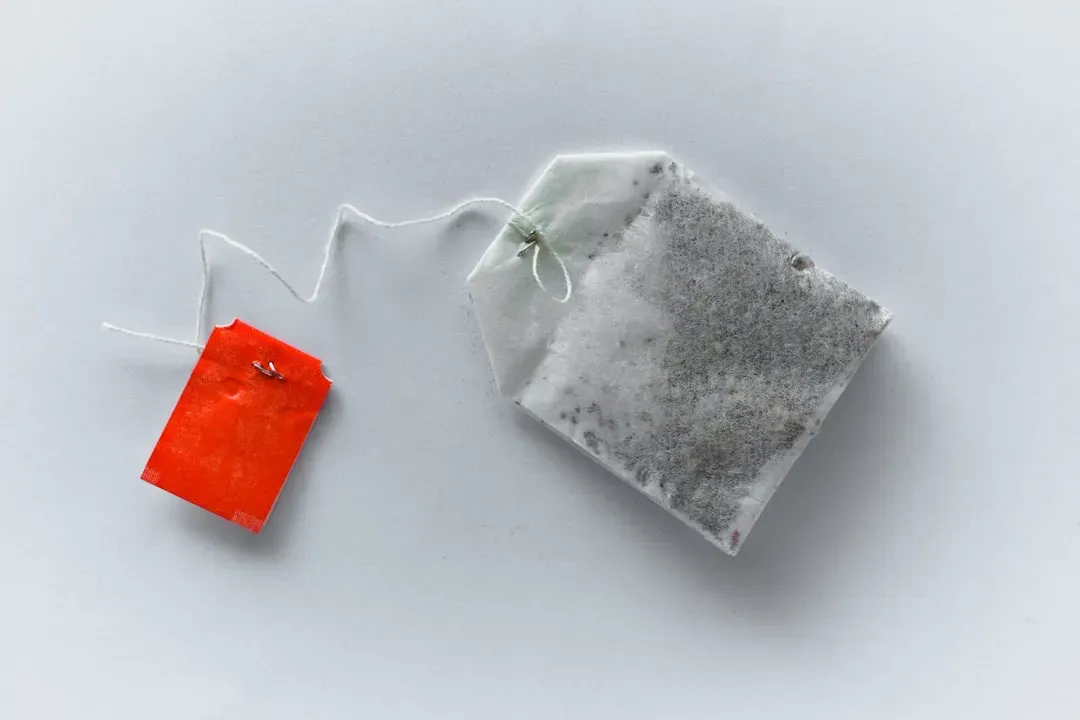
This one is surprisingly sneaky. Coffee grounds and tea leaves are genuinely excellent compost additions, full of nitrogen and other beneficial nutrients. But many people toss in the whole tea bag or the entire coffee pod without thinking twice about what the bag or pod is actually made of. Coffee grounds and tea leaves should only be added to compost if they are bag-less or have been removed from their bags. The bags that some coffee and tea products come in contain nylon and other synthetic fibers that do not break down in a compost pile, and contain plastic particles and chemicals you don't want in your soil.
Don't compost tea or coffee bags unless you are certain they are made from natural materials, like cotton or hemp. Most commercial tea bags on supermarket shelves use a heat-sealing process that requires a tiny amount of polypropylene plastic. That plastic stays in your pile and eventually works its way into your soil. It doesn't announce itself. It doesn't smell. It just silently accumulates.
The same applies to those compostable-labelled plastic cups and pods that are now everywhere. Do not rely on any "biodegradable packaging" unless you are sure that it's certified to be home compostable. Many of these are only compostable in industrial composting facilities. The label "compostable" does not automatically mean "safe for your backyard bin." Always check for the specific home-compost certification before it goes in the pile.




Leave a Reply