
Most of us have stood in a grocery aisle at some point, staring at a price tag that made absolutely no sense. A carton of eggs for nearly ten dollars? A small bottle of olive oil that costs more than a decent bottle of wine? It sounds absurd, but over the past few years this has become very real for millions of American households.
Over the past few years, a combination of drought, disease, aging infrastructure, and global supply chain fragility has put enormous pressure on some of the most common items in the American pantry. The result is a grocery landscape where the "boring" staples you've stocked for decades are suddenly precious commodities. What's driving these price swings, which items are most vulnerable, and what should you know heading into 2026? Let's dive in.
1. Eggs: The Most Dramatic Price Story in a Generation
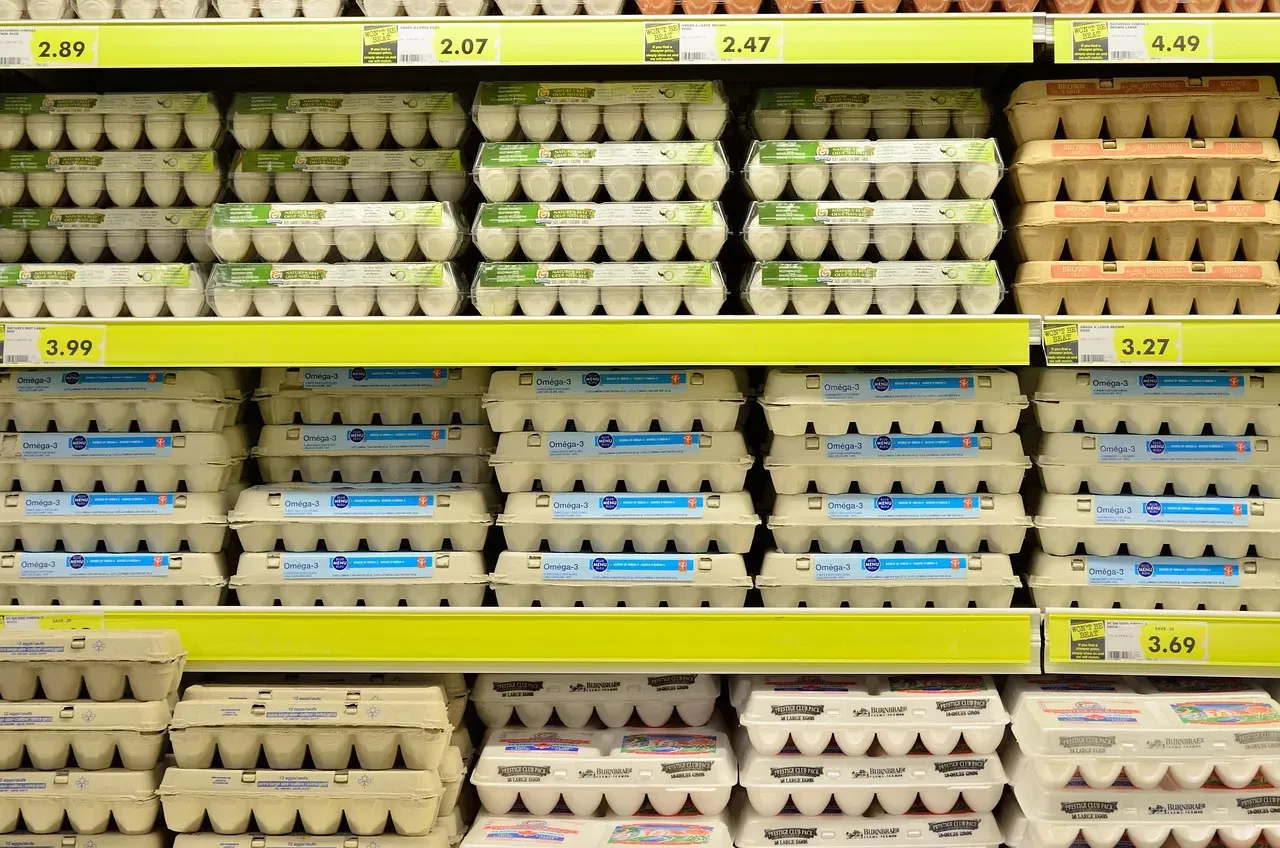
If you want a single example of just how extreme pantry staple prices can get during a shortage, look no further than the humble egg. The average price of a dozen large, grade-A eggs was $4.15 in December 2024, a more than 60 percent increase from the $2.51 it cost a year earlier and 160 percent more than the $1.41 consumers paid for the same carton back in 2019. That's not inflation. That's a full-blown crisis.
Behind the rising egg prices and shortages is a strain of highly pathogenic avian influenza (HPAI), known as H5N1, that killed 13.2 million commercial egg-laying hens in the month of December alone and continued to depopulate flocks into 2025. As the spread of bird flu forced U.S. poultry farmers to cull more than 150 million chickens to contain the contagious virus, retail egg prices soared to as high as $9 a dozen and egg supply shortages left many grocery stores running out between shipments from wholesalers.
Retail egg prices rose more than 60 percent since March 2024, reaching $6.23 for a dozen large, Grade A eggs in March 2025, the highest price ever recorded according to the U.S. Bureau of Labor Statistics. A March 2025 KFF poll found that nearly 90 percent of adults in the United States were concerned that the bird flu would increase food costs, and more than one third of Americans said they had stopped buying eggs that year because of high prices.
According to Politico, as of early March 2025, the U.S. Department of Justice was investigating egg companies for price-fixing, adding yet another layer of complexity to an already chaotic market. Honestly, no pantry staple has had a rougher few years than the egg.
2. Olive Oil: When Cooking Oil Becomes "Liquid Gold"
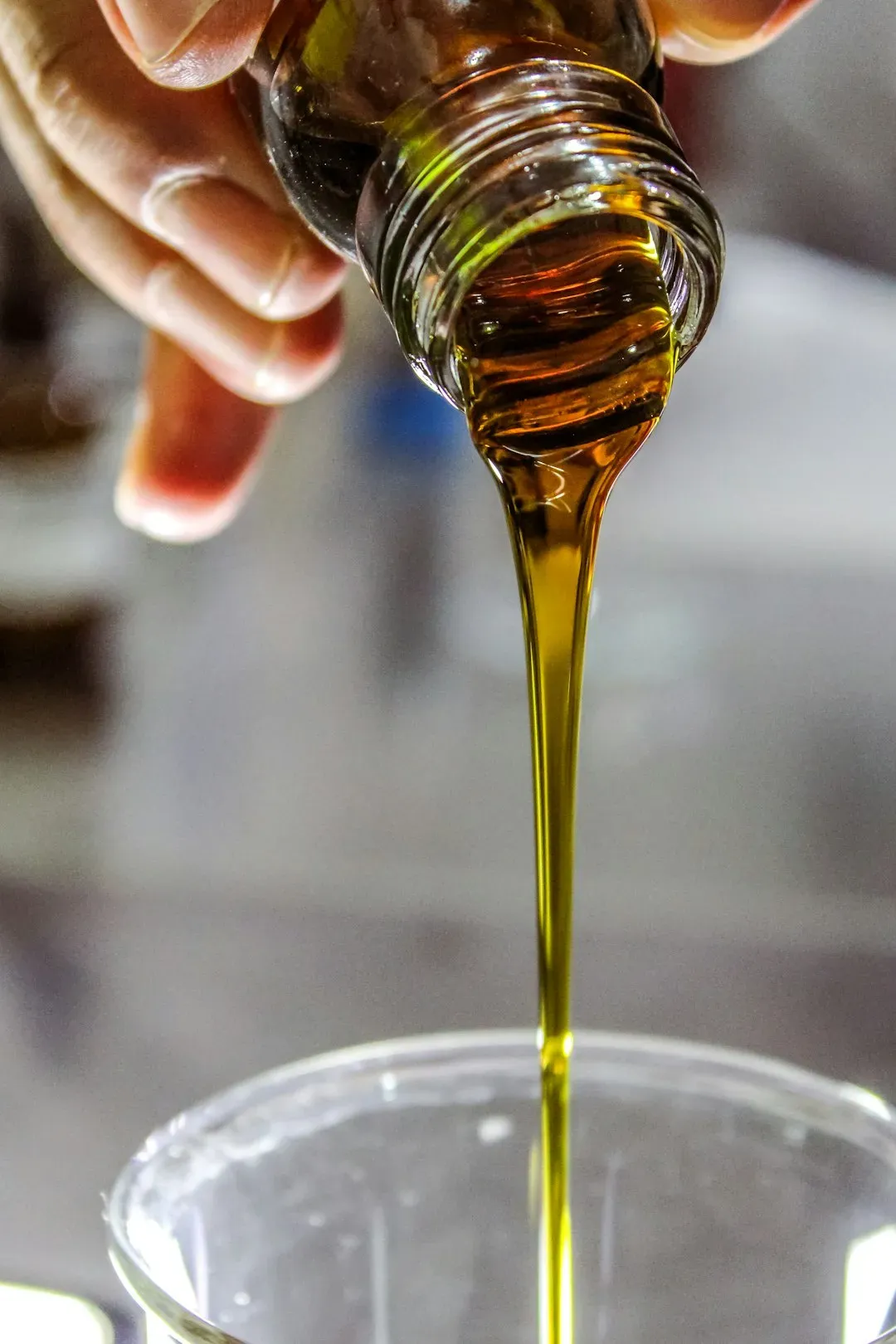
The price of olive oil shot up dramatically over a two-year period, with figures from market insight firm Y Charts reporting a record high of 10,281 USD per metric tonne in January 2024. To put that in everyday terms: a bottle that used to cost a few dollars was suddenly a premium purchase. The Guardian even documented how price hikes made olive oil the most stolen supermarket product in 2024.
Since 2021, Spain, the world's largest olive oil producer, experienced significantly decreased rainfall - in some regions, about half of what they would receive in a typical year. That drought, combined with extreme summer heatwaves, cut Spanish olive oil supply by half in 2022. Think about that for a second. Half the supply of the world's top producer. Gone.
Following successive years of drought-related declines, olive oil production in Europe began to recover significantly. According to the European Commission, EU production for the 2024/2025 season was projected to rise by 31 percent, reaching 2 million metric tons, with Spain alone forecasted to achieve a 48 percent increase in output thanks to favorable spring rainfall. However, the highest quality olive oil - organic extra virgin - remains scarce, hard to find, rarely sold, and therefore still expensive.
3. Coffee: The Beverage That Turned Into a Luxury Item
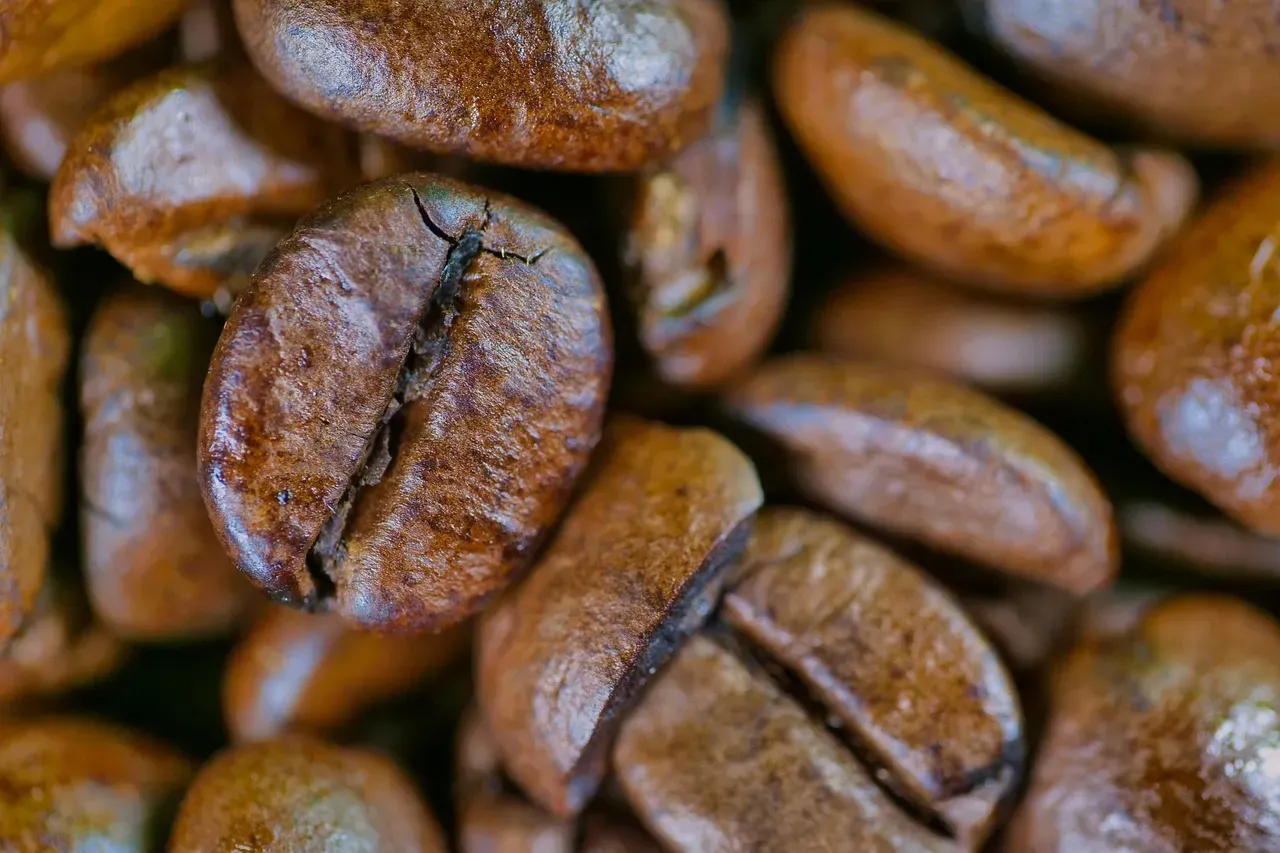
Most people consider coffee a non-negotiable daily staple, right up there with bread and water. Over the past year, coffee prices outpaced all other major grocery items, rising nearly 19 percent from December 2024 to December 2025. According to a Food and Agriculture Organization report, adverse climatic conditions and reduced coffee exports drove coffee prices to multi-year highs, with tighter global supply translating into higher costs for roasters and ultimately consumers.
Coffee and other nonalcoholic beverages became more expensive throughout 2025, with global droughts and flooding in Brazil tightening supply and sending coffee prices nearly 10 percent higher over the year, according to the USDA. Brazil is responsible for a huge share of the world's coffee supply, so when its weather goes sideways, your morning cup pays the price.
In 2025, coffee was among the common food items that saw significant price spikes linked to supply chain or other shocks, rising roughly 20 percent. It's hard to say for sure when prices will fully stabilize, but the structural vulnerabilities in global coffee growing regions have not gone away. Climate volatility is the new normal.
4. Rice: A Global Staple Under Intense Pressure

Rice is about as basic as it gets. Billions of people eat it daily, and Americans keep bags of it in the pantry for years without a second thought. Domestically, U.S. rice production faces ongoing strain from drought conditions in California and Arkansas, two of the country's primary rice-producing regions. Internationally, prices hit 15-year highs in mid-2024 after El Niño reduced harvests across Asia and India imposed export restrictions, tightening global supply significantly.
In August 2024, Japanese consumers began panic buying rice due to supply shortages, megaquake warnings, and typhoons. That kind of regional panic buying sends ripples through global markets. Rice had surged by more than 50 percent between January 2022 and January 2024 before eventually plunging 10 percent in the third quarter of 2025, falling back below its 2019 average.
So yes, rice prices came down eventually. The lesson though is clear. A staple you could once buy in bulk for almost nothing can spike by half or more in just a couple of years. That's not a grocery store anomaly. That's a feature of our fragile global food system.
5. Beef: Record Highs With No Easy Fix in Sight

Beef has been on a relentless upward price march that is actually connected to something most people overlook: the shrinking size of the U.S. cattle herd. Beef and veal prices were 16.4 percent higher in December 2025 than in December 2024. The USDA reports that the U.S. cattle herd has decreased in size since 2019, yet consumer demand has remained strong in the face of tighter supplies.
Beef prices hit record highs in 2025 and are expected to stay elevated well into 2026. According to USDA forecasts, beef and veal prices are predicted to increase a further 9.4 percent in 2026. Let's be real: that's not a blip. That's a sustained structural shift in the cattle market that will keep showing up in your grocery bill for years.
Rebuilding a cattle herd takes years, not months. Cows don't reproduce overnight. American farmers and ranchers have also been navigating decreasing net farm income, contributing to a 46 percent rise in farmer bankruptcies from 2024 to 2025. The economics of beef farming right now are genuinely rough, and that pain eventually lands on your dinner plate.
6. Sugar and Cocoa: The Sweet Staples Turning Sour
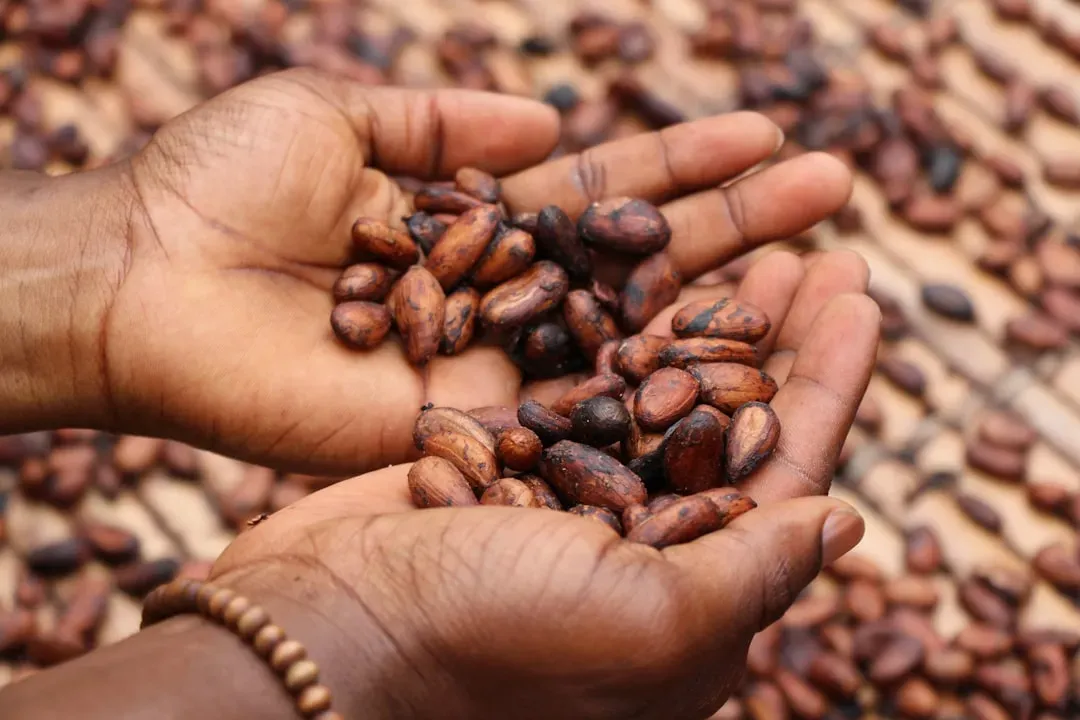
Sugar sits in virtually every pantry in America, and cocoa is the backbone of everything from baking chocolate to hot drinks. Sugar and sweets saw smaller but steady increases throughout 2025, with prices rising roughly five percent as global shortages of sugar and cocoa drove up the cost of candy, chocolate, and baked goods.
Global commodity shortages and extreme weather events, including India's sugar export restrictions and cocoa supply shocks driven by drought, continued to drive volatility in pantry staples. West Africa, which produces the vast majority of the world's cocoa, was hit by a combination of disease and extreme dry weather in recent years, devastating harvests in countries like Ghana and Ivory Coast.
Climate change continues to affect the yield of many crops that comprise grocery staples, including sugar and coffee. Sugar prices may not be spiking at the same dramatic rate as eggs or olive oil, but the steady, quiet creep upward is just as damaging to household budgets over time. Think of it as a slow leak rather than a burst pipe.
7. Vegetable Oils: When Palm Oil Pulls the Entire Market

Canola oil, sunflower oil, palm oil, soybean oil. Most people grab whichever one is cheapest at the store without realizing these markets are deeply interconnected. High palm oil prices were driven by unusually dry weather conditions and the deteriorating age structure of oil palms in Southeast Asia. Weather patterns in Malaysia and Indonesia drove palm oil to their highest point since July 2022 in early 2025.
Other vegetable oils were also affected. Rapeseed and sunflower oil prices were driven up due to poor growing conditions in the 2024/25 season, lowering outputs. The ongoing disruptions from the Russia-Ukraine war also continued to affect sunflower oil supplies. Ukraine is one of the world's biggest sunflower oil producers, and when that supply gets disrupted, buyers scramble to find alternatives, pushing all cooking oil prices up together.
The FAO Vegetable Oil Price Index shows that global vegetable oil prices in 2025 remain elevated compared with pre-pandemic averages, even though they fell from the 2022 spike. The USDA's Food Price Outlook expects fats and oils to decline slightly in 2025, but from a higher baseline, not back to old "normal" levels. That last part is the part worth remembering.
8. Wheat, Flour, and Baking Staples: The Quiet Inflation Nobody Talks About
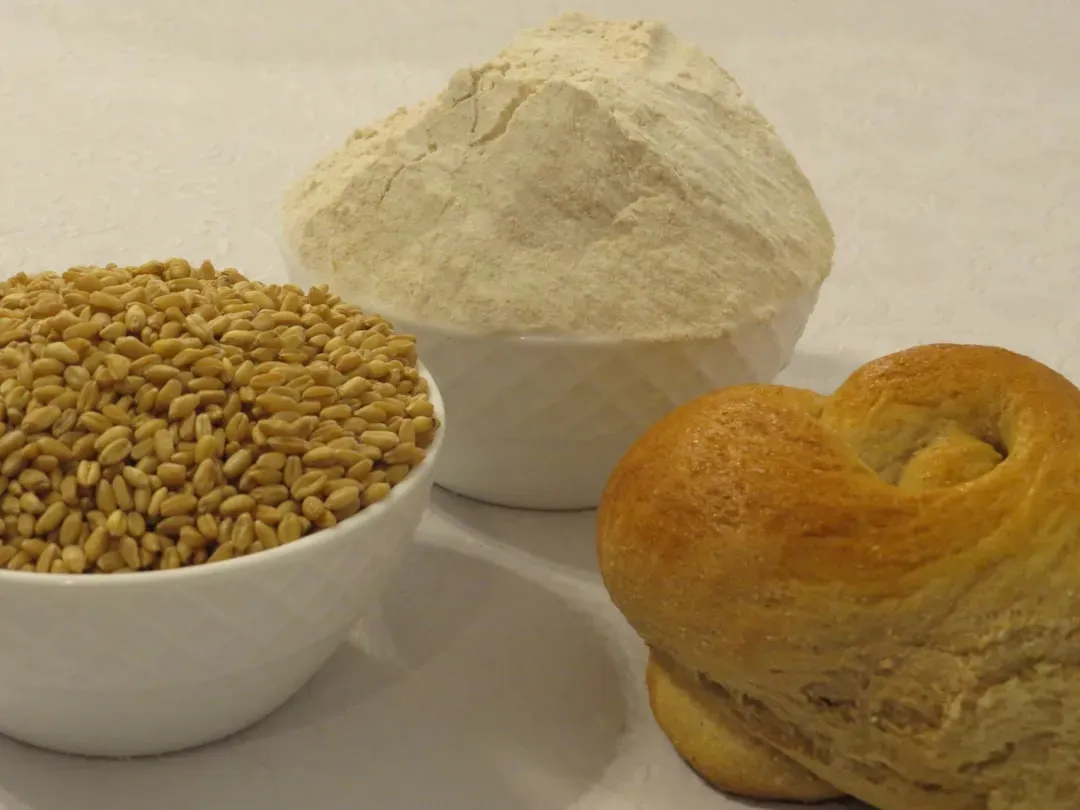
Flour is the kind of pantry item that mostly stays invisible until it's gone or too expensive to buy. Bread prices have been steadier than meats but still above 2020 levels due to higher transportation and packaging costs. While global grain supply improved slightly in 2025, consumers still feel the pinch. That's the part most people miss. Even when supply improves, prices don't magically snap back to where they were.
Grains are a crucial component of a balanced diet, but global climate issues pose a significant risk to several crops that pantries rely on. Grains face challenges with climate change affecting harvests through droughts, floods, and unpredictable weather patterns. Add to that the reality that fertilizer prices spiked globally and have stayed elevated, and you have a cost structure for grain farming that is fundamentally different from five years ago.
According to NPR, grocery prices soared by 25.6 percent between February 2020 and July 2024, outpacing even the breakneck pace of overall inflation during that period, which stood at 21.6 percent. Flour and baking basics were a quiet but significant part of that total. From March 2020 to December 2025, prices for food at home rose 29.4 percent according to Consumer Price Index data. That's not a temporary blip. That's the new floor.




Leave a Reply