
There is something quietly devastating about opening a refrigerator and realizing one of your favorite flavors no longer exists. Not just sold out. Gone. Discontinued. Erased from grocery store shelves like it never happened at all.
The world of condiments has changed dramatically over the decades. What once graced dinner tables across America has quietly disappeared, replaced by bolder flavors and modern alternatives. For Baby Boomers, raised in an era when a particular sauce or dressing was simply part of how food tasted, that disappearance hits differently. It is not just about condiments. It is about memory, family tables, and the flavors that made childhood feel like home. Get ready for a wave of serious nostalgia.
1. Crosse and Blackwell Mushroom Ketchup
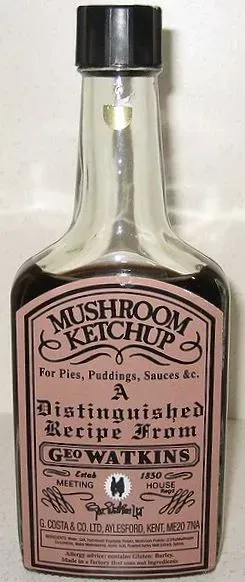
This British company exported their commercial mushroom ketchup to America, where it competed with local producers. Victorian trade cards advertised Crosse and Blackwell's "Pickles, Sauces and Condiments" from London. When tomato ketchup conquered the world, mushroom versions couldn't compete. The last commercial producers gave up by the 1950s.
Think about that for a moment. Before red tomato ketchup became king, mushroom-based ketchup was a genuine kitchen staple. The condiment had a dark, savory flavor that enhanced meat dishes in ways modern sauces simply don't replicate. Boomers who grew up with older grandparents may have caught the tail end of this tradition, a deep umami-forward sauce that put today's bland supermarket ketchup to shame. The Crosse and Blackwell brand was eventually discontinued in December 2022 by The J.M. Smucker Company in the United States, though the brand is still sold internationally by various companies.
2. Kraft Catalina Dressing
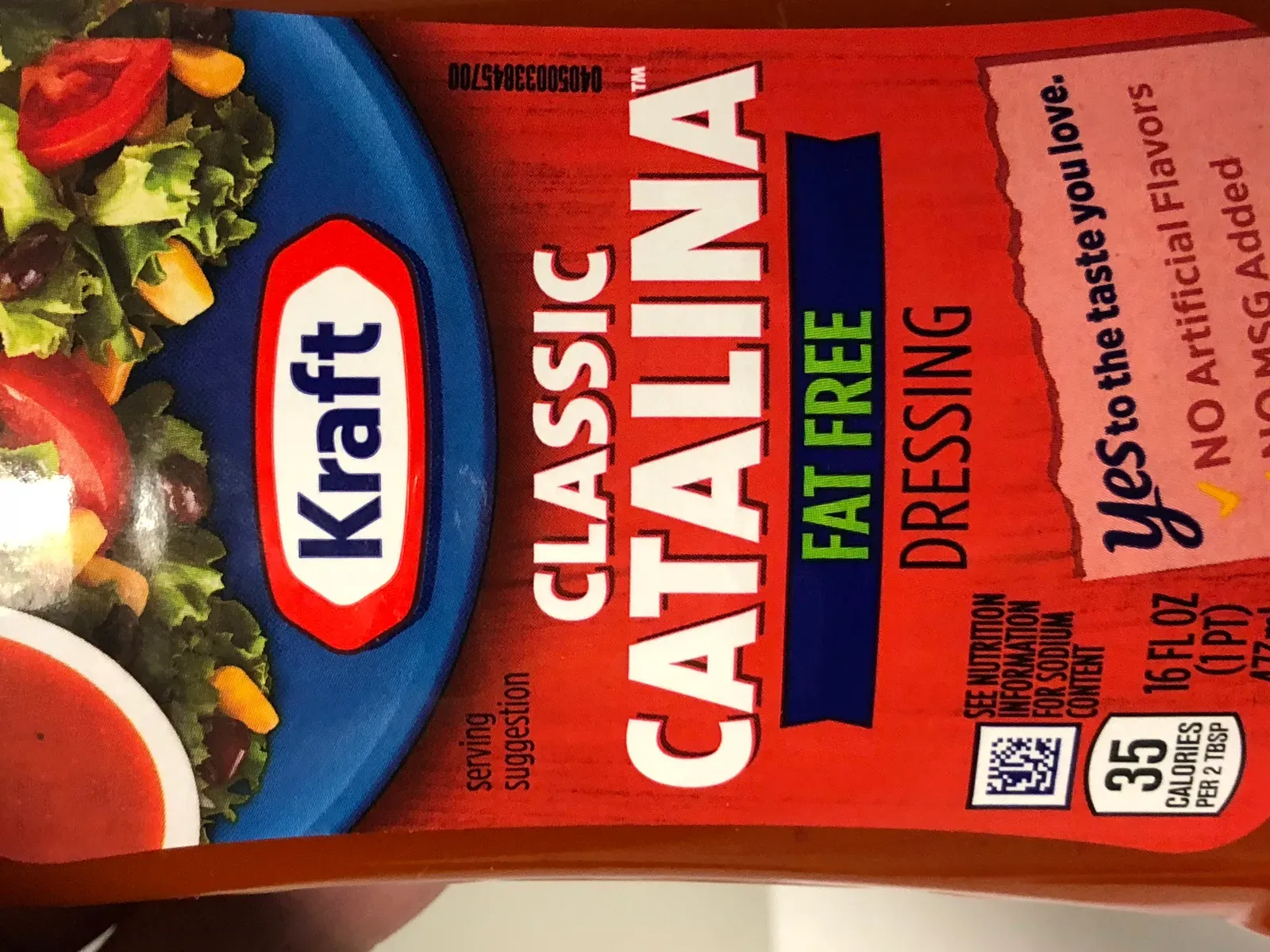
Some condiments don't just dress your salad. They dress the whole era. Tomato-based dressings once added a pop of color and tang to mid-century salads, led by Kraft's Catalina dressing of the 1960s, made with tomato purée, vinegar, sugar and seasonings, and these dressings inspired later favorites like bacon and tomato dressing. The bright red color made it instantly recognizable on salad bars everywhere.
Kraft's Catalina dressing contains real sugar instead of high fructose corn syrup, as well as tomato puree, plus vinegar and oil. Catalina dressing is apparently a Kraft invention of the 1960s. It was one of those sauces that worked on everything from a basic iceberg salad to a taco bowl on a Tuesday night. While you can still technically find Catalina at some stores, it has become a relic of potluck dinners and holiday gatherings, largely replaced by more sophisticated vinaigrettes and artisanal options that dominate modern grocery aisles.
3. Boiled Dressing
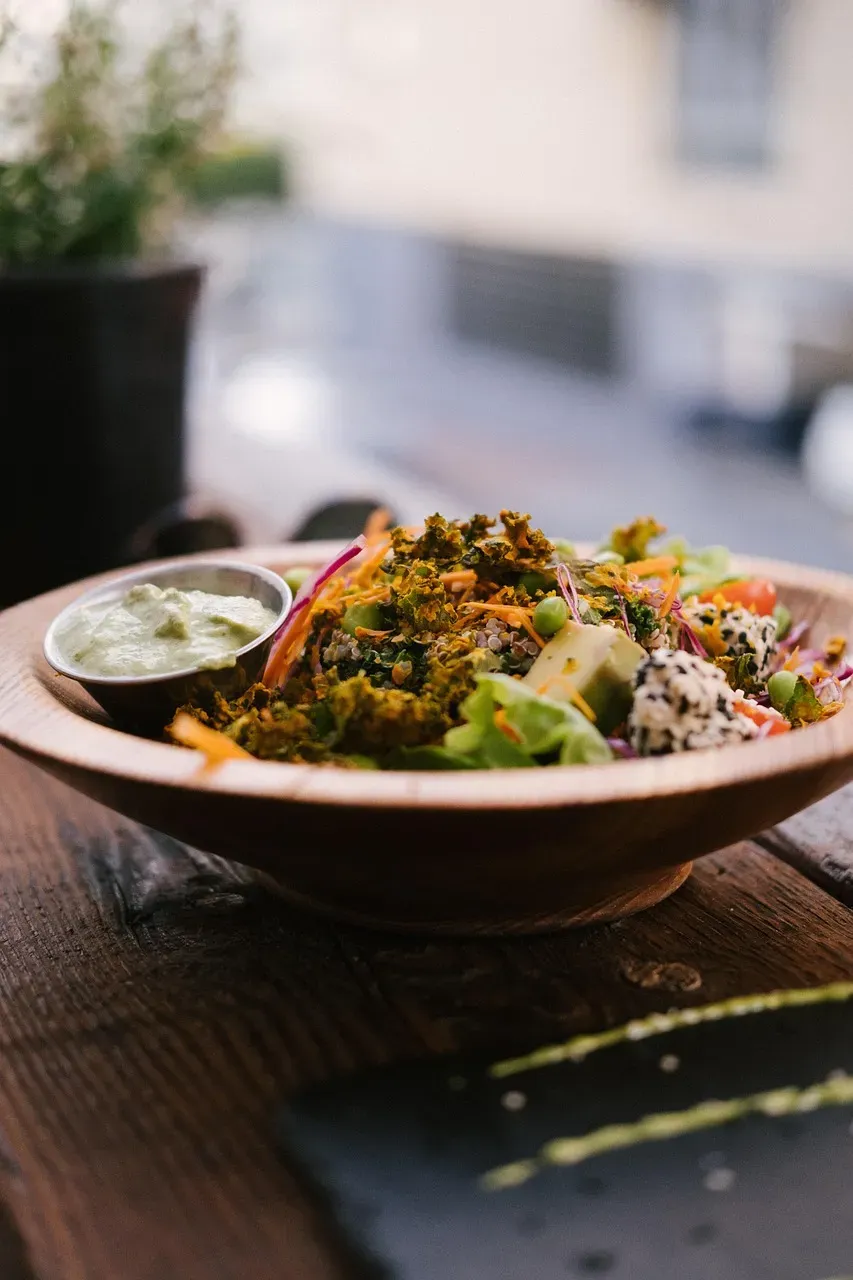
Let's be real. The name alone was never going to win a marketing award. Older generations remember this sweet but savory, creamy dressing atop a variety of cold dishes, from fruit salad to pasta salads to traditional mixed greens or broccoli salad, filling the spot as an alternative to mayonnaise-based dressing before popular premade options like ranch came around. This old-school concoction required actual cooking on the stovetop, combining eggs, vinegar, sugar, and mustard into a custard-like consistency.
The texture was apparently similar to hollandaise, creating a unique coating for salads that modern dressings can't quite match. It required real effort, real technique, and real time. It's hard to say for sure, but the decline probably came when people realized they didn't want to cook their salad dressing from scratch every single time. Once bottled ranch hit the scene, boiled dressing was effectively finished. No bottle meant no future.
4. Old-Style Chili Sauce
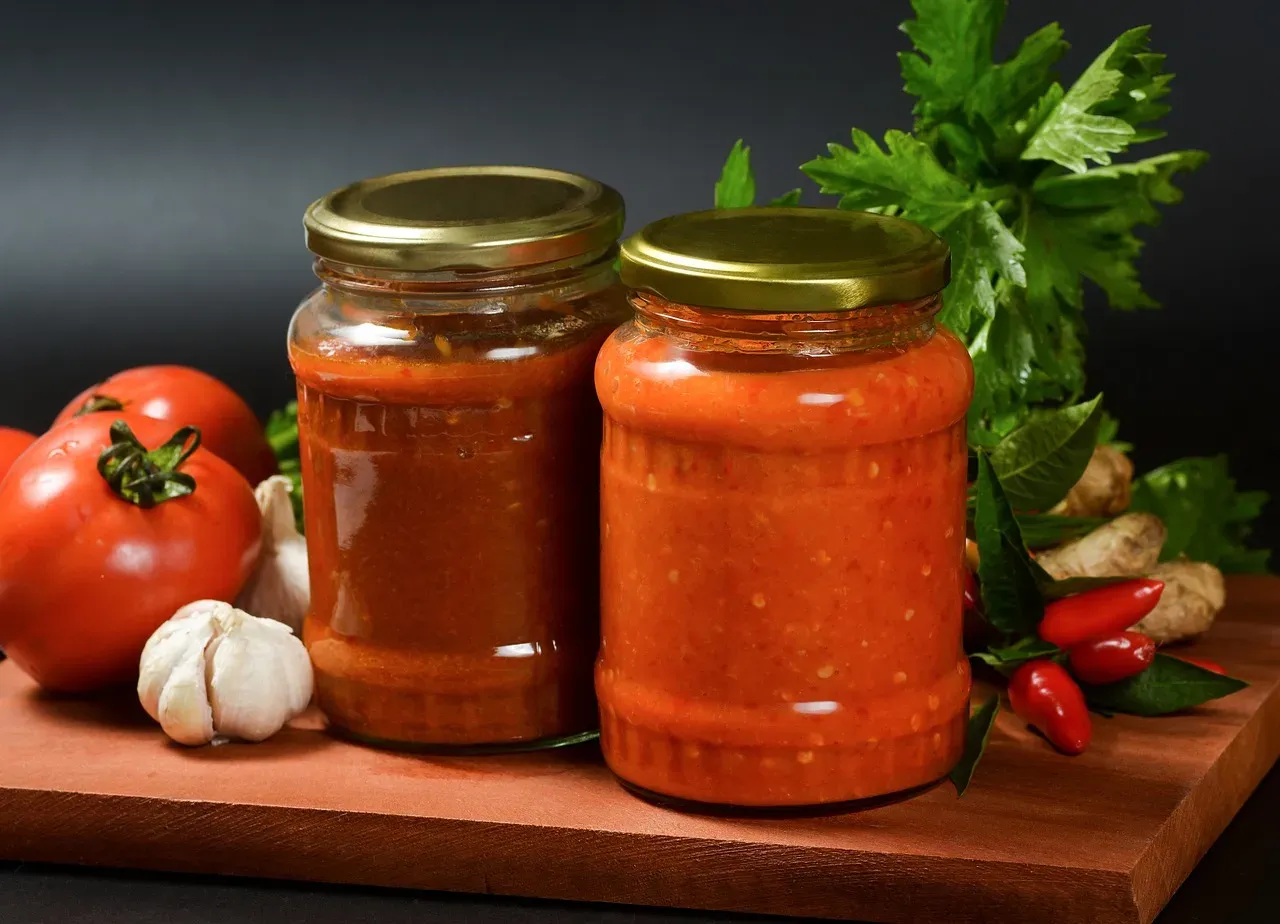
Not the hot chili sauce we slap on wings today. This was something older, something more interesting. Arriving on the scene in the late 19th century not long after Heinz's ketchup debut, chili sauce offered a convenient bottled version of a popular homemade New England condiment that was added to nearly everything, including roast beef, lamb chops, cod cakes, and eggs. Think of it as ketchup's zestier, more sophisticated cousin. Eventually, old-style chili sauce fell out of fashion, eclipsed by smoother, brighter, and simpler ketchup.
It is honestly a shame. Chili sauce had complexity, a chunky texture with real vegetable pieces, a tartness balanced against sweet tomato warmth. It was the kind of condiment that made plain food feel special. Ketchup won because it was uniform and predictable, like a machine-stamped version of something that used to be handmade. Boomers who grew up in New England households likely have a very different opinion about which one actually tasted better.
5. Hot Bacon Dressing
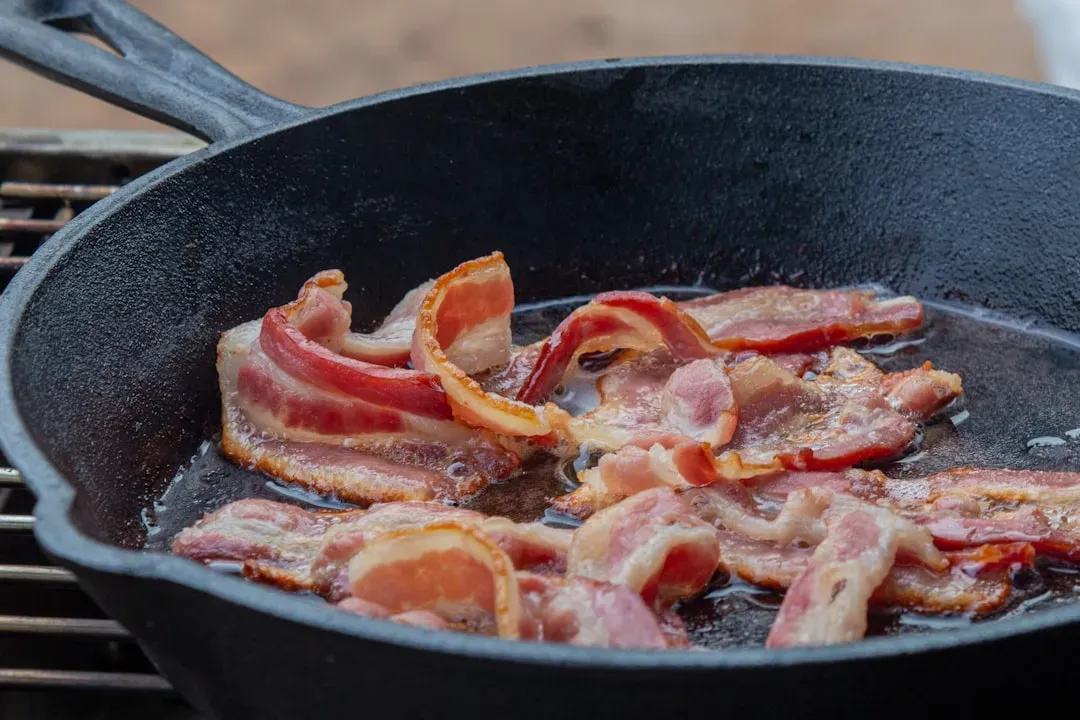
One person recalled that hot bacon dressing smelled like feet but everyone loved it, while another said spinach salad with hot bacon dressing was the fancy salad of their childhood. That is an impeccable combination of sentences right there. Beloved and pungent.
The dressing required making a warm mixture of bacon fat, vinegar, sugar, and sometimes cream right before serving, wilting the greens slightly. It was a warm, glossy, intensely savory experience that turned an ordinary spinach salad into something almost theatrical. You had to serve it immediately, which made it impractical for restaurants and impossible to bottle. For boomers who grew up with these products on their tables, the loss represents more than just a condiment; it's a connection to a different culinary era. Today's upscale warm bacon vinaigrettes are arguably inspired by this forgotten classic, though most younger diners have no idea where the idea came from.
6. Louie Dressing
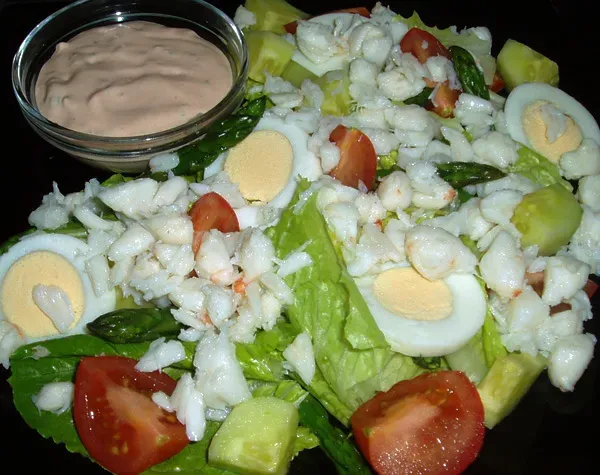
Seafood Louie is one of those vintage seafood dishes that no one eats anymore. The Louie is a salad containing a mix of seafood, crab, or shrimp, alongside lettuce and hard-boiled eggs, and the Louie dressing makes the dish what it is. It is the signature topping for the Pacific Northwest's classic Crab Louie salad, with its slight spiciness and tang making it a versatile choice for seafood salads, and Crab Louis dates back to a 1912 recipe in the Portland Council of Jewish Women's Neighborhood Cookbook, appearing on menus in San Francisco, Portland, and Spokane throughout the early 20th century.
Appearing in cookbooks as early as the 1910s, the initial dressing recipe required a simple mix of oil, vinegar, ketchup, Worcestershire, mustard, paprika, and salt. It was pink, tangy, a little spicy, and deeply satisfying over cold seafood. This pink, creamy dressing fell into obscurity as seafood salads themselves became less popular, replaced by simpler preparations and modern sauces. It didn't fail because it was bad. It failed because the dish it was born to dress slowly disappeared from the American table.
7. A.1. Steak Sauce Varieties
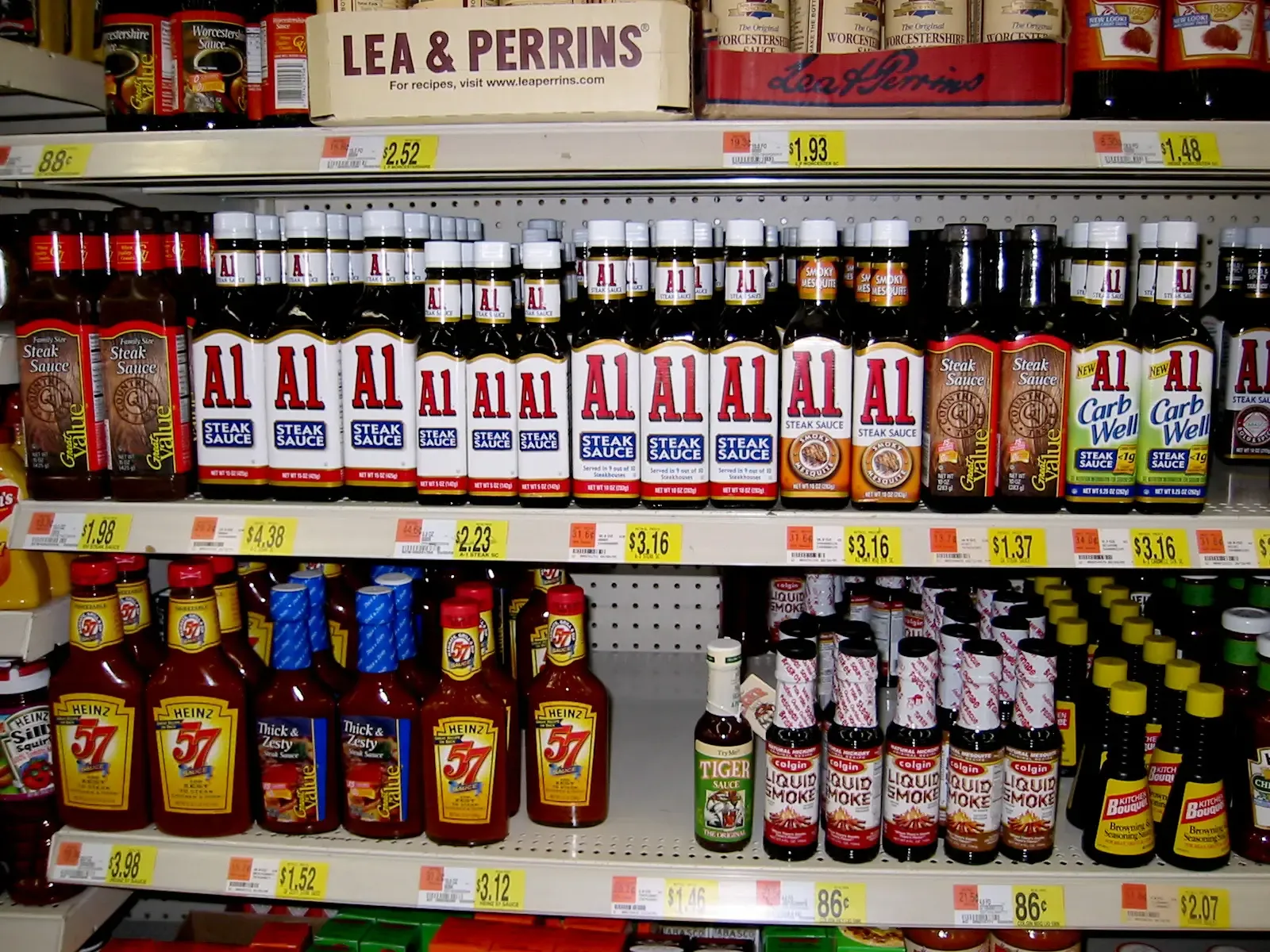
Most people know A.1. Sauce. Far fewer remember the range of spin-off varieties that briefly defined dinner tables during the 1980s and 1990s. A.1. tried expanding beyond their classic formula with Bold and Spicy, Thick and Hearty, and Sweet and Tangy versions in the 1990s and 2000s. None caught on. The company discontinued these versions and refocused on their original recipe.
Beginning in the early 1960s, it was marketed in the US as "A.1. Steak Sauce". The brand carried serious prestige for boomer households, where a bottle on the dinner table meant you were having something worth celebrating. The company even dropped "steak" from the name in 2014, becoming simply "A.1. Sauce" to reflect broader uses beyond beef. Boomers who remember the original Bold and Spicy variety often describe it as something that just hit differently. Not everything needs to be reinvented. Sometimes the spin-off is exactly what you were looking for, and losing it quietly is the cruelest kind of discontinuation.




Leave a Reply