
Every kitchen tells a story through its smells. The garlic sizzling in the pan, the fish that lingered a little too long, the cabbage that announced itself to the whole neighborhood - these odors are part of cooking life, but that doesn't mean you have to live with them. As a master gardener, one of the questions I get asked most often is whether plants can genuinely help with kitchen smells. The honest answer is layered, and it starts with understanding what these plants actually do.
Certain plants can naturally add pleasant scents to a space while also deodorizing by absorbing odors and purifying the air through a process called phytoremediation. That process, while real, has scientific nuance attached to it - which we'll explore alongside each plant recommendation. What follows are the five best kitchen plants I personally recommend, backed by research, for tackling cooking odors in the home.
1. Snake Plant (Sansevieria trifasciata)
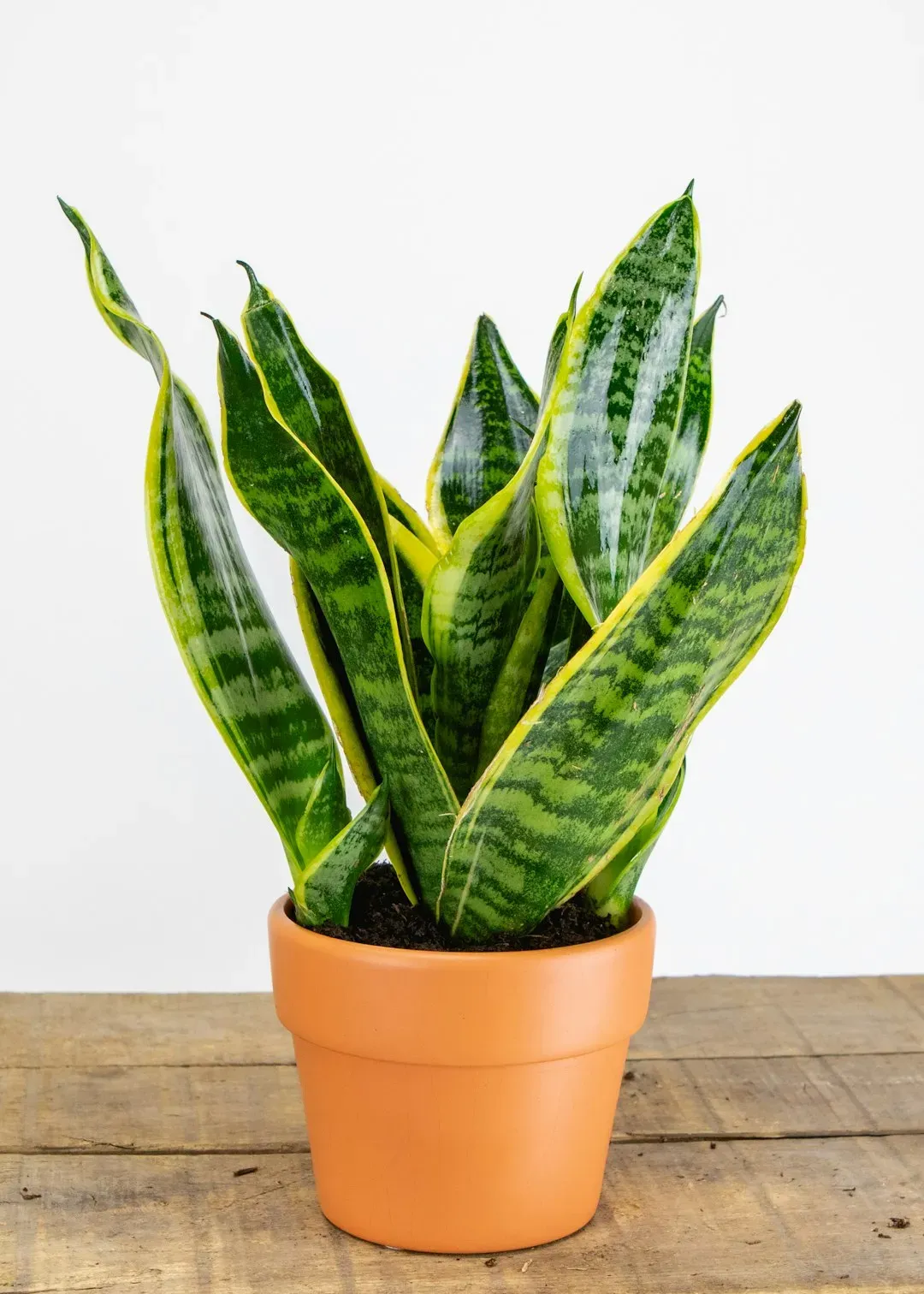
This household succulent has grown in popularity due to its air-purifying benefits, with small varieties that sit on a window sill to large plants that can bring to life an entire corner of a room, making it a common and inexpensive option for those looking for plants that eliminate odor and purify the air. The snake plant is one of the easiest plants to care for in a busy kitchen environment, and it handles both humidity and temperature swings better than most. It asks for very little from you while quietly doing its job in the background.
Unlike most plants, the snake plant purifies the air by absorbing common pollutants such as formaldehyde, nitrogen oxide, benzene, xylene, and trichloroethylene. A 2024 study published in Scientific Reports found that Sansevieria trifasciata var. laurentii showed the highest benzene purification per unit leaf area when tested against 13 different indoor plant species. Place one near your stove or on a kitchen shelf and let it get to work passively, day and night.
2. Peace Lily (Spathiphyllum)
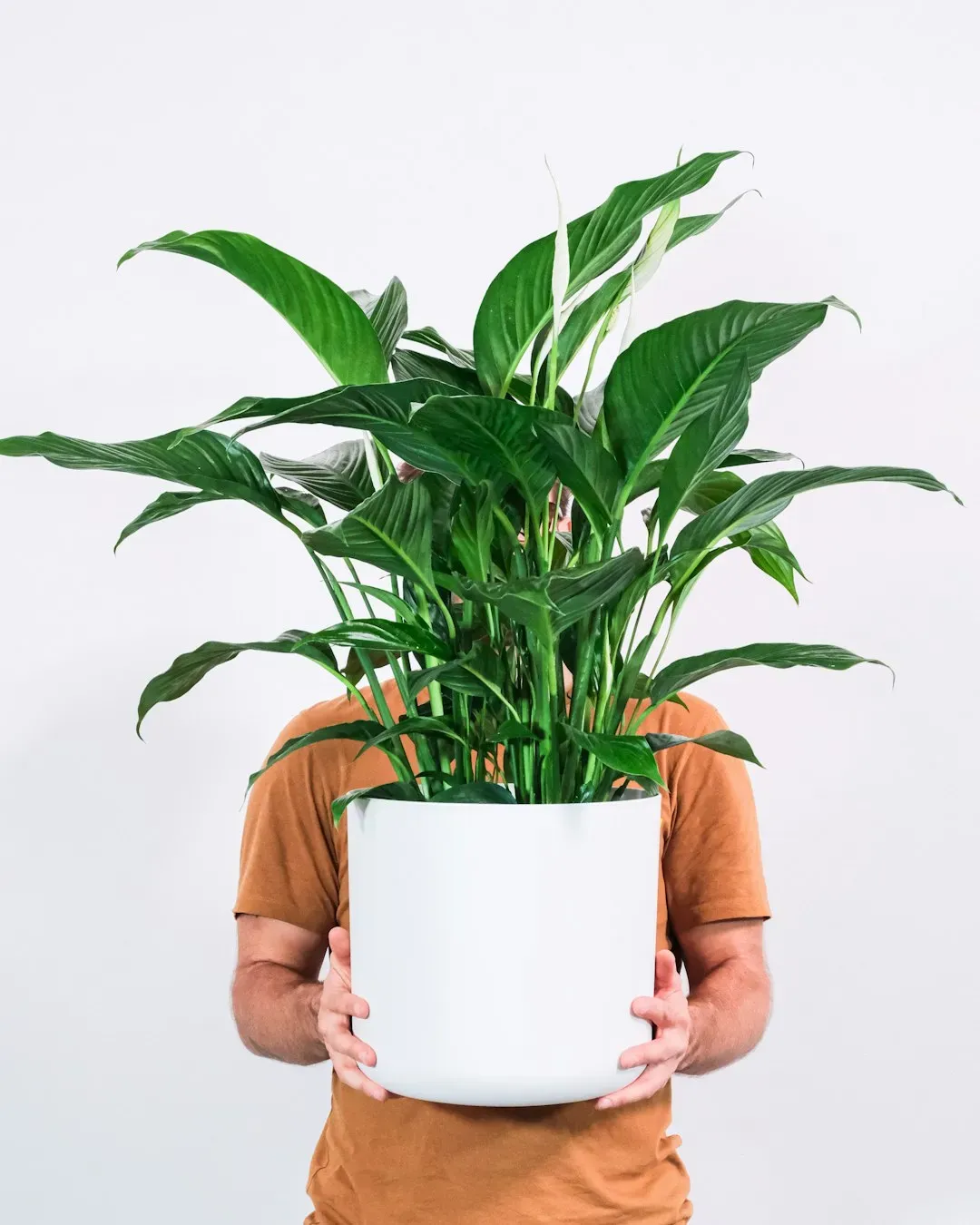
Excellent for removing alcohols, acetone, trichloroethylene, benzene, and formaldehyde, the Peace Lily also has a high transpiration rate to both purify and humidify indoor air. The same 2024 Scientific Reports study noted that Spathiphyllum floribundum showed the highest purification rate among all tested plants at multiple benzene concentrations. That is a meaningful result, especially for a kitchen where cooking residues contribute to sustained low-level airborne compounds.
The peace lily is a stunning plant that not only enhances the aesthetics of any space but also acts as a natural deodorizer, effectively removing common household odors such as ammonia and acetone. The peace lily works across multiple VOCs and also adds a gentle humidity boost to dry indoor air. It is one of the few flowering plants on NASA's list, making it as decorative as it is functional. Keep it in low to medium indirect light and water it when the leaves just begin to droop slightly for best results. One note of caution: the leaves are toxic to pets and children, so placement matters.
3. Golden Pothos (Epipremnum aureum)
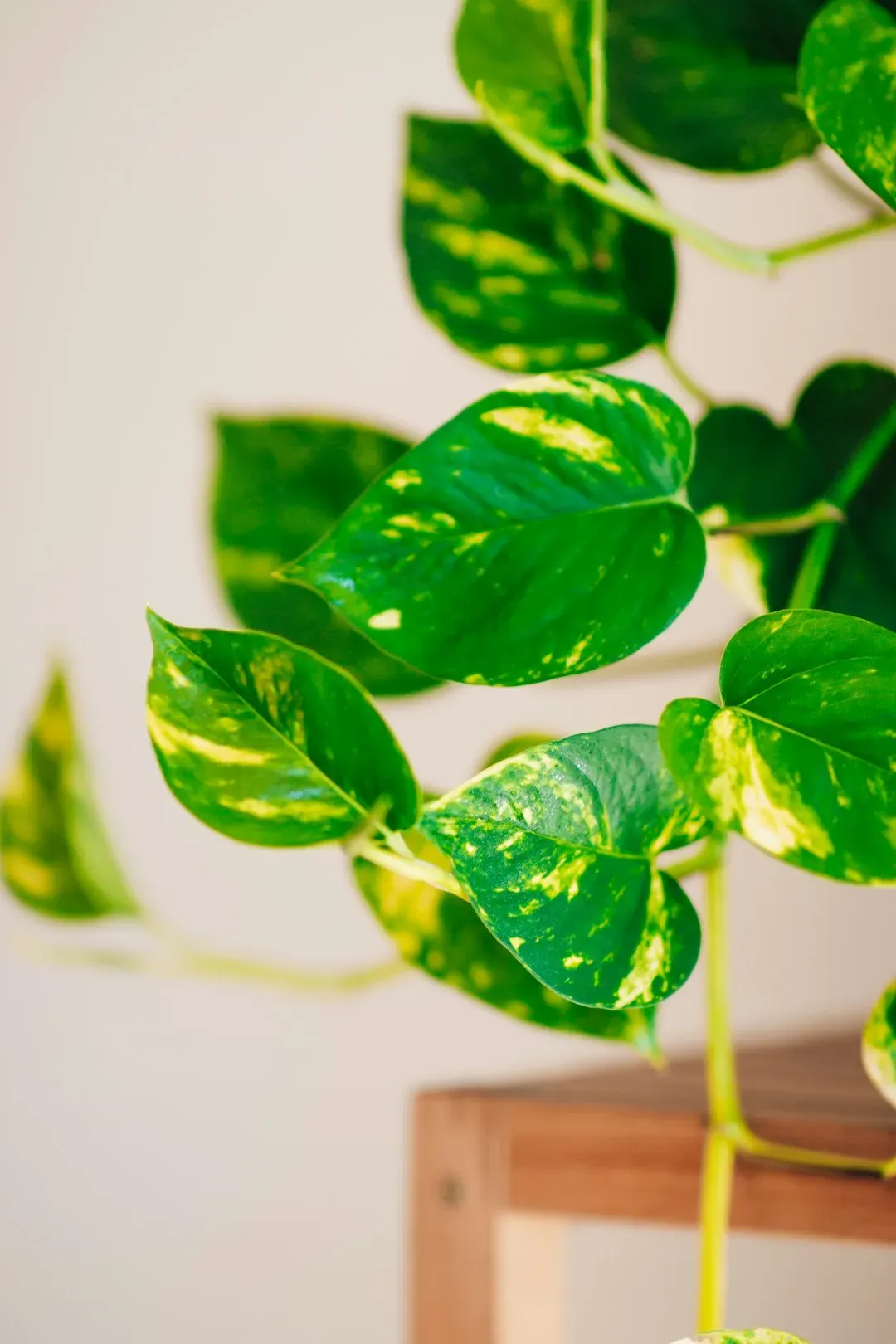
Pothos plants purify air through a natural process called phytoremediation. During this process, the plant absorbs toxins through tiny pores in its leaves called stomata, and these contaminants then travel to the plant's roots where beneficial microorganisms in the soil break them down into harmless substances that the plant can use as nutrients. They excel at removing volatile organic compounds (VOCs) including formaldehyde, benzene, and xylene. Cooking generates all three of these compounds in measurable amounts, particularly during high-heat frying and grilling.
What makes pothos especially valuable as air purifiers is their ability to continue the air-filtering process 24 hours a day. While they perform photosynthesis during daylight hours, they continue to absorb pollutants even at night, making them continuous air-cleaning machines for a home or office. For kitchen use, a hanging pothos near a window or trailing from a high shelf is both beautiful and practical. The kitchen is a recommended spot for pothos precisely to combat cooking fumes and cleaning product residues.
4. Spider Plant (Chlorophytum comosum)
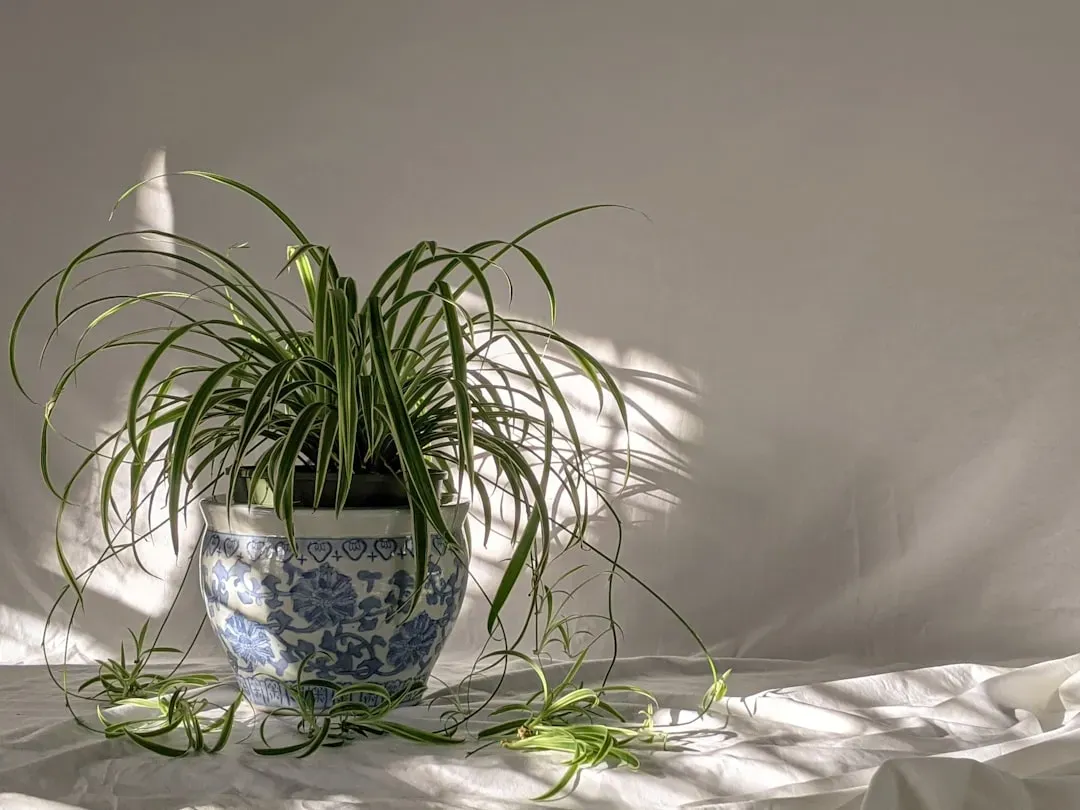
For the removal of formaldehyde from indoor air, the spider plant (Chlorophytum comosum) has shown satisfactory results in multiple phytoremediation studies. This cheerful, arching plant is practically indestructible, tolerates lower light conditions, and sends out little "babies" on long runners that you can propagate into new pots for other rooms. It has been a fixture in kitchens and homes for decades, and research has repeatedly confirmed why that reputation is earned.
Plants have the ability to absorb and catabolize toxic gases that exist in both indoor and outdoor environments, with potted plants significantly reducing indoor air pollutants via a variety of mechanisms, including pollutant transformation and localization by the external surfaces of leaves and the plant root-soil system. The spider plant works through this same whole-system mechanism. A number of plant species have been identified to absorb and metabolize VOCs like benzene, xylene, and formaldehyde, and the mitigation of indoor air pollution is supported by the combination of plant metabolic activity, plant growth medium, and associated microorganisms.
5. Fresh Mint (Mentha)
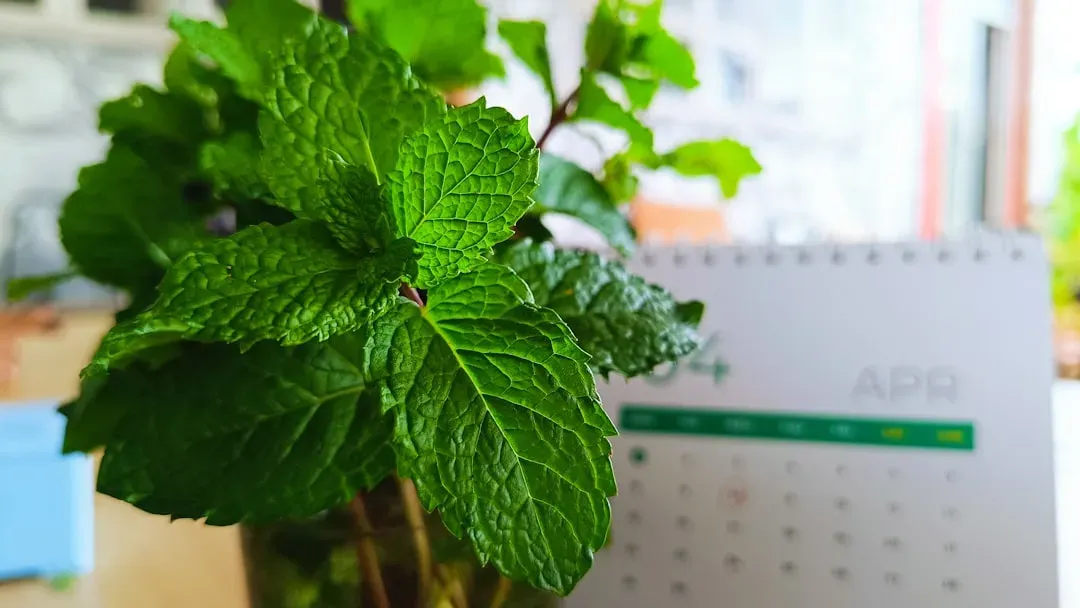
Mint is pure freshness, perfect for the bathroom or kitchen, as it helps eliminate unpleasant odors. It's also easy to grow and can be used in a variety of culinary recipes. Mint works differently from the other plants on this list. It does not primarily neutralize VOCs through phytoremediation - instead, it releases its own powerful aromatic compounds that are strong enough to overpower and replace lingering cooking smells. The scent of fresh spearmint or peppermint is genuinely pleasant, not artificial, and it signals cleanliness to the human brain.
Herbs such as rosemary, basil, and mint contain essential oils that give off a remarkably strong smell. Growing a pot of mint on a sunny kitchen windowsill means you always have fresh leaves for teas, garnishes, and cocktails - while the plant continuously releases its natural fragrance into the kitchen air. Keep it well-watered, trim it regularly to encourage bushy growth, and repot it when it gets crowded. Mint grows fast and rewards the little effort it demands.
What the Science Really Says - and Why It Still Matters

The commonly held belief that plants clean indoor air can be traced back to the seminal 1989 NASA study that set out to find whether plants could clean the air in sealed environments like a space station. Researchers found that in addition to absorbing carbon dioxide, common houseplants can also remove volatile organic compounds (VOCs). Since then, dozens more research studies have come to similar conclusions: houseplants can reduce pollutants in the air, namely VOCs like formaldehyde and benzene. That groundwork is solid and well-documented.
However, it is fair - and important - to be honest about the limits. In real homes with natural airflow, the numbers shift. Independent reviews have found that plants remove VOCs at a pace too slow to matter meaningfully in isolation, and achieving noticeable results would require an unrealistic density of plants per square meter. Simply opening a window outperforms any arrangement of houseplants when it comes to actual air quality improvement. Ventilation and air purifiers remain significantly more effective solutions. The five plants above are most effective when used together with good ventilation, not as a replacement for it. Combining the benefits of plants with other odor-reducing methods, such as proper ventilation, regular cleaning, and the use of natural odor absorbers, can enhance the overall effectiveness.




Leave a Reply