
For more than two decades, the open floor plan was practically the default setting for American home design. Knock down the walls, merge the kitchen with the living room, let the light pour in - that was the dream. Yet something has quietly shifted. Homebuyers in 2026 are increasingly turning away from that wide-open aesthetic, and the reasons are more practical than they are aesthetic. From Zillow trend reports to real estate professionals on the ground, the signs point clearly in one direction: the open floor plan era is winding down.
The "Cozy" Revolution Is Reshaping Buyer Expectations
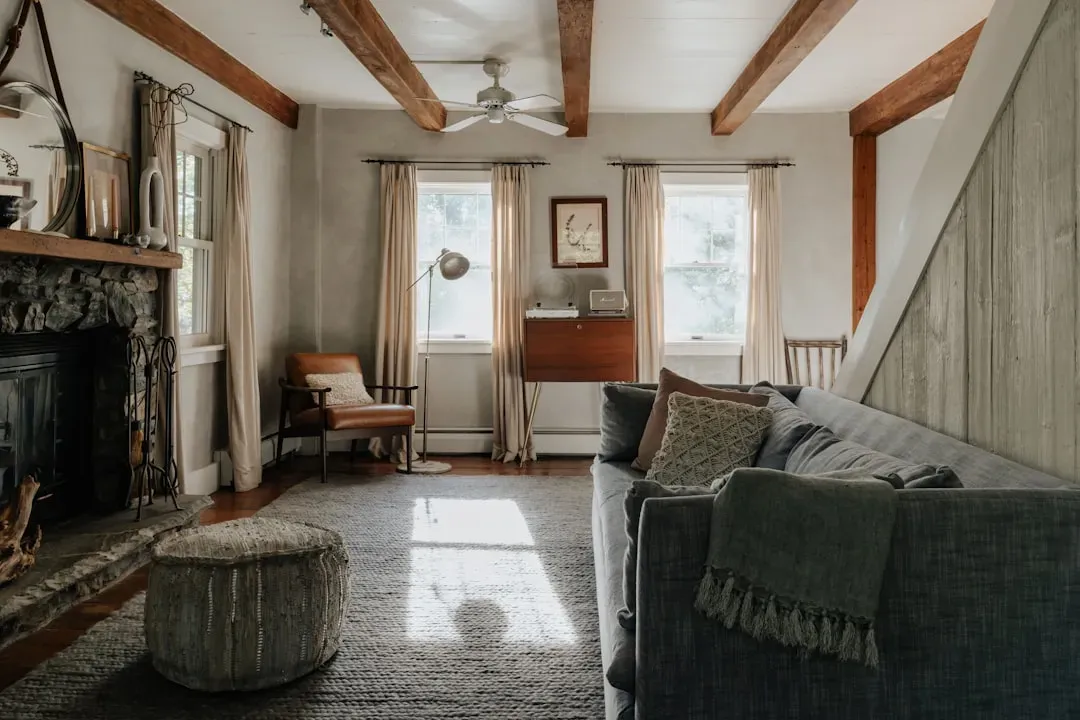
The shift has been measurable. For-sale listings that mentioned the word "cozy" jumped by roughly a third in 2024, according to a Zillow analysis of millions of home listing descriptions. "Home buyers are embracing smaller, cozier spaces for affordability and sustainability, and rejecting the cavernous open floor plans and pandemic-era need for more and more space," says Amanda Pendleton, Zillow's home trends expert. That's not a minor footnote - it's a direct signal from the market itself.
Pendleton puts it plainly: "The 'Great Room' has been replaced by smaller, cozier, color-saturated rooms that serve a specific purpose, such as dens and dining rooms." The trend is driven mostly by cost - smaller homes tend to cost less, are usually cheaper to insure, don't require as many furnishings, and are less expensive to heat and cool. For years, open-concept living dominated real estate, but according to Kristin Harrison, Founder and Principal Designer of Bungalow 10 Interiors, a shift is underway. Open-concept kitchens are starting to die out as buyers look for zone-layout kitchens.
Remote Work Changed What a Home Actually Needs to Do

With the rise of remote work and the need for dedicated spaces, many homeowners are finding that open floor plans, while aesthetically pleasing, may not be the most practical choice for their lifestyles. One of the main criticisms of open floor plans is the lack of privacy. In homes where family members work or study from home, having dedicated spaces becomes essential. The noise and distractions that come with an open layout can hinder productivity and focus.
Unlike an office environment designed for productivity, homes were not built for quiet, focused work. Open floor plans, thin walls, and shared spaces make sound travel easily. For remote workers, entrepreneurs, and hybrid employees, this constant noise leads to persistent distraction and diminished output. In recent years, homeowners have increasingly valued defined spaces that cater to specific activities and needs. The desire for privacy and quiet areas for focused work or relaxation has led to a resurgence of interest in compartmentalized designs. Walls and partitions are being reintroduced to delineate spaces, providing a sense of intimacy that was often lost in open layouts.
The Semi-Open Floor Plan Is Now the New Ideal
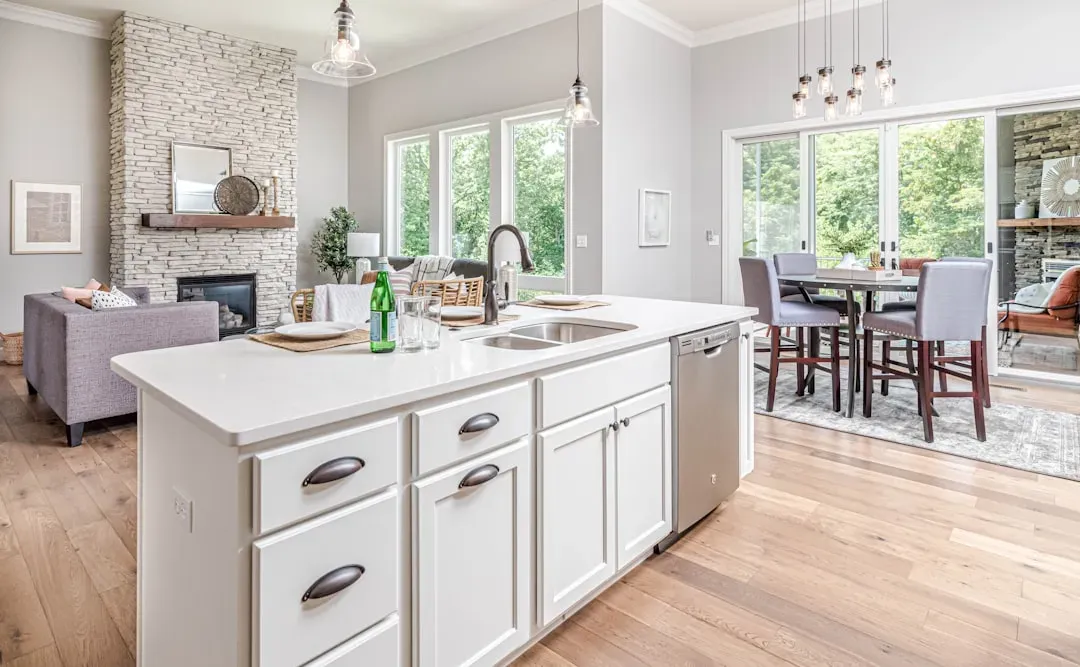
One trend for 2026 is particularly noteworthy, especially since it has been gaining constant momentum starting in 2020: the rise of semi-open or semi-closed floor plans. These layouts provide openness and connectivity between the kitchen, dining, and great room while offering subtle architectural separation that enhances function, comfort, and intimacy. This hybrid model is now what most buyers are actually requesting from architects and builders.
The 2026 layouts emphasize flexible spaces that use architectural elements to define distinct zones without compromising openness. The open floor plan has grown up. Homeowners still want a sense of flow and connection, but now they're also seeking a bit of distinction. Subtle design choices, like double-sided fireplaces and breakfast nooks, can help define each space while keeping light and views flowing. While open floor plans remain popular for providing a seamless flow between living spaces, recent years have seen a shift toward more flexible layouts that balance openness with the ability for occupants to create zones for privacy and work.
Energy Costs and HVAC Efficiency Are Driving Structural Decisions
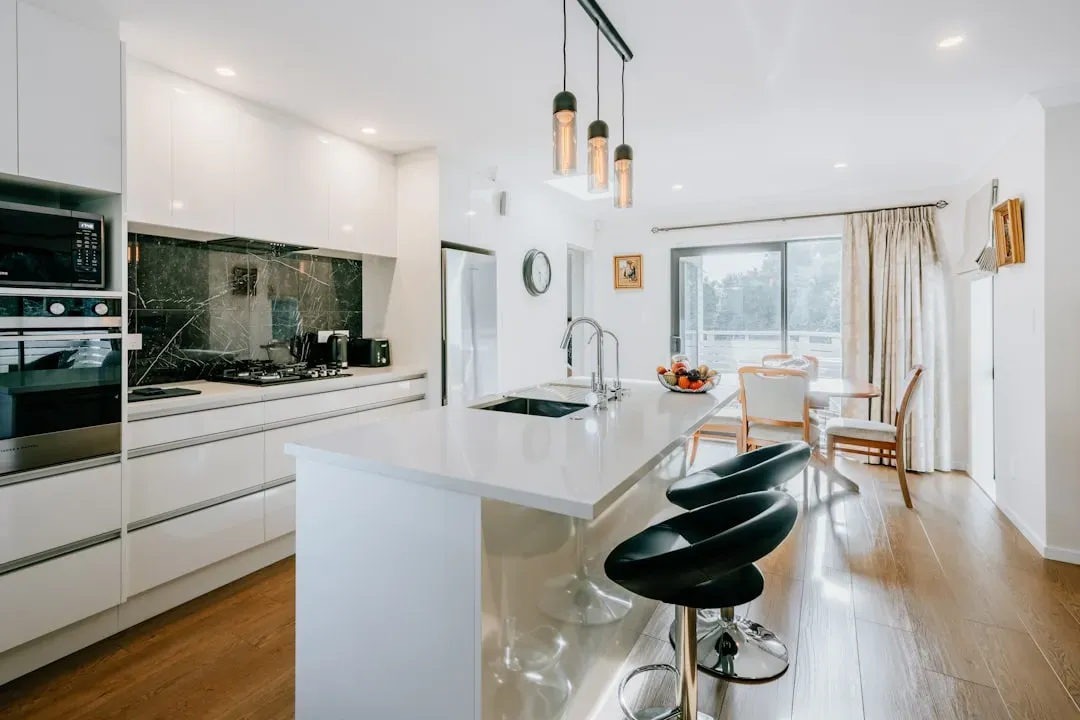
Open floor plans can make it harder for HVAC systems to maintain consistent temperatures. The expansive spaces require more energy to heat and cool, potentially leading to higher utility bills. Additionally, the lack of barriers can allow conditioned air to escape more readily, reducing efficiency. In a period of persistently elevated energy costs, that's a real financial concern for homeowners.
Large, open spaces generally cost more to heat and cool, especially homes with vaulted or cathedral ceilings. You can't split an open area into HVAC zones, so you end up heating and cooling the entire space rather than only those areas currently occupied. While open spaces in a home can be heated or cooled uniformly, the larger volume of an open space might demand more energy than heating or cooling smaller, closed rooms individually, especially if you use only a portion of the space in your home. Closed or semi-closed rooms, by contrast, allow for zoned temperature control that directly reduces monthly utility spend.
The Return of Defined Rooms and Architectural Character
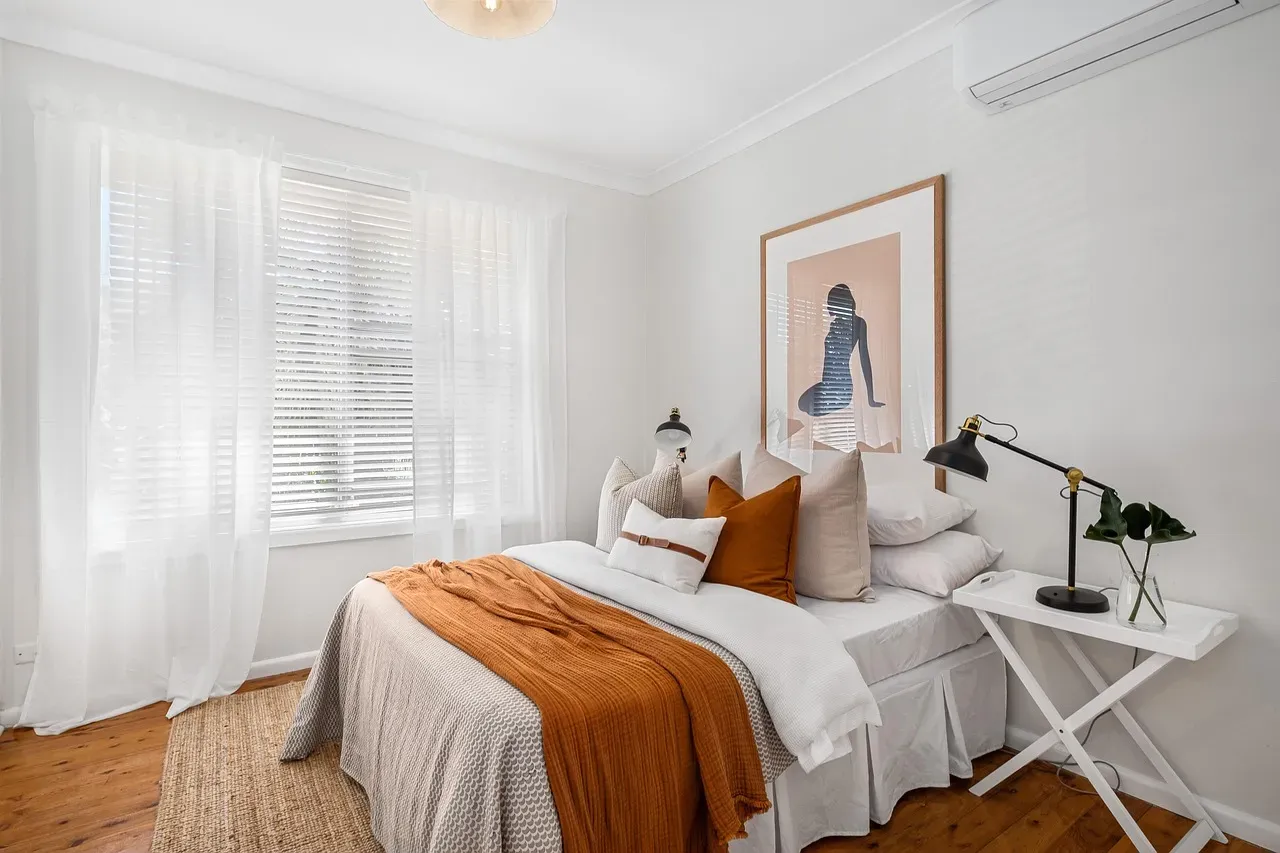
Buyers are increasingly looking for cozier, multifunctional rooms where each space tells its own story. Home offices that double as reading nooks, dining rooms designed for intimate gatherings, and media rooms that feel like personal theaters are all examples of this trend taking shape. This return to delineated spaces allows for greater creativity in design. That's a direct contrast to the uniform, unbroken aesthetic of the classic open-plan home.
Often dismissed as "old-fashioned," dining rooms are ideal for keeping kitchen mess and smells out of sight. More people are opting for compact, private kitchens tucked away from the dining area, striking a balance of intimacy and practicality without the chaos. As designers respond to these changing preferences, there is a revival of architectural features like doors, pocket doors, and sliding partitions. These elements not only serve functional purposes but also contribute to the overall aesthetic appeal of a home.
Smaller, Smarter Footprints Are Replacing the "Bigger Is Better" Mindset
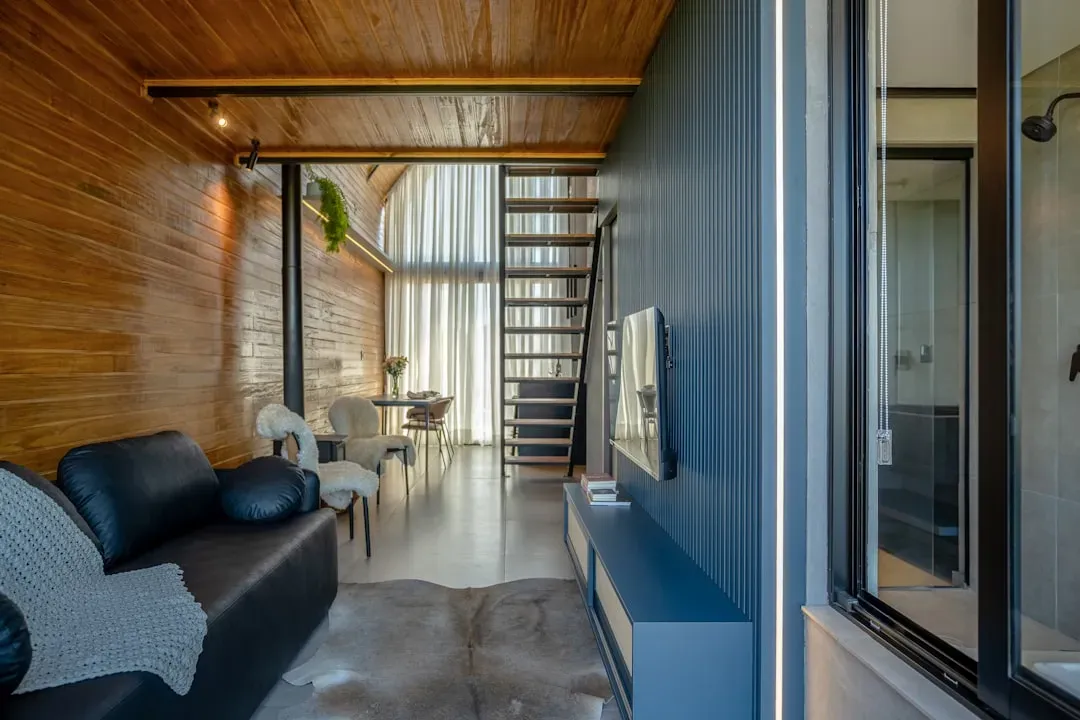
There is a gentle shift toward slightly smaller footprints - not a dramatic downsizing, but rather a thoughtful approach that prioritizes quality over quantity. In 2025, half of all house plans sold ranged from 1,000 to 1,999 square feet, while just 31 percent measured between 2,000 and 2,999 square feet. In 2024, those figures were 48 and 32 percent, respectively. These numbers highlight a subtle but clear move toward smaller house plans.
Shaun Osher, CEO of CORE Real Estate, puts it directly: "Smaller, smarter spaces are becoming the norm. Rising costs mean developers are focusing on efficient layouts and multifunctional rooms that maximize utility without sacrificing style. Buyers are drawn to homes that integrate smart technology and sustainable materials, creating spaces that feel elevated yet practical." Homeowners are increasingly seeking warmth and intimacy in their living environments, which can be achieved through defined rooms that allow for better furniture arrangement and decor. By creating distinct areas for different activities, homeowners can tailor the ambiance of each space to suit its purpose, whether that's a cozy reading nook or an inviting dining area. The open floor plan gave people square footage. What buyers want in 2026 is something harder to measure - a home that actually feels like one.



Leave a Reply