
Most coffee drinkers obsess over the bean origin, roast level, or brewing method - and rightfully so. But there is a surprisingly well-documented variable that almost nobody thinks about: the mug itself. Many different factors affect how we taste coffee, ranging from grind size to age to the temperature of the beverage as it cools, and a growing body of research indicates that the cup has a greater effect on the experience of drinking coffee than we originally thought. The science behind this is far richer than common sense would suggest, touching on neuroscience, sensory psychology, and even materials chemistry.
The Material of Your Mug Changes the Flavor Profile
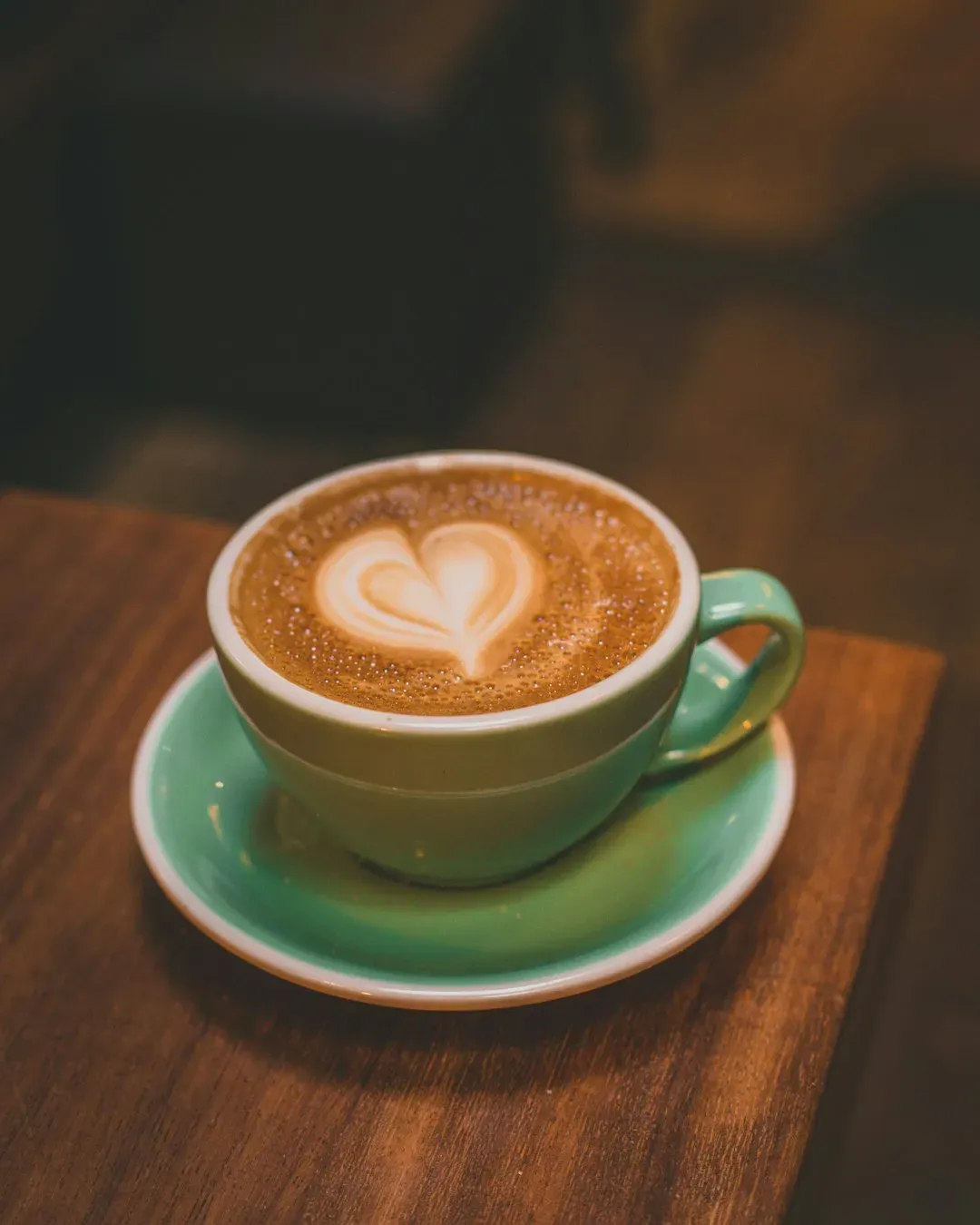
Ceramic is a solid and neutral material - it neither absorbs nor imparts flavors, leaving coffee to taste just as it should. That is a significant advantage over most alternatives. Materials like plastic and certain metals can leach undesirable flavors into the coffee, compromising its taste. Poorly constructed stainless steel mugs, for instance, may have finishes that leach into the coffee and alter the flavors.
Plastic is slightly porous and can absorb both smell and flavor, leading to a compromised coffee experience over time. Additionally, plastics may leach tiny microplastics and chemical toxins into your cup, affecting both the taste and your overall health. While glass is non-reactive and doesn't impart flavors, it has lower heat retention compared to ceramic, which can result in faster cooling of the coffee and a quicker decline in the optimal flavor profile. Each material brings its own set of trade-offs to the table, and the differences are not subtle once you start paying attention.
Cup Color Tricks Your Brain into Tasting Something Different

Researchers investigated whether consumers' perception of a café latte would be influenced by the color - transparent, white, or blue - of the mug from which it was drunk. In the first experiment, the white mug enhanced the rated intensity of the coffee flavor relative to the transparent mug. The coffee was rated as less sweet in the white mug as compared to the transparent and blue mugs, and both experiments demonstrate that the color of the mug affects people's ratings of a hot beverage. The same liquid, brewed identically, tasted meaningfully different based purely on the color of the cup.
Already in 1964, Ernest Richter, known as the "father of motivational research," conducted a pioneering study showing that the color of the coffee cup has a high influence on how we taste coffee. Participants were asked to describe the taste of coffee served in four differently colored cups - brown, red, blue, or yellow. Roughly three-quarters reported that the coffee from the brown container was "too strong." Around five out of six female participants suggested the coffee in the red pot was rich and full-bodied. The aroma of the coffee from the blue jar was rated as having a milder aroma, and coffee from the yellow container seemed to have come from a weaker blend - yet the coffee in all four mugs was the same. Color-taste crossmodal perception is not a quirk. It is a fundamental feature of human sensory processing.
The Shape of the Cup Concentrates or Disperses Aroma
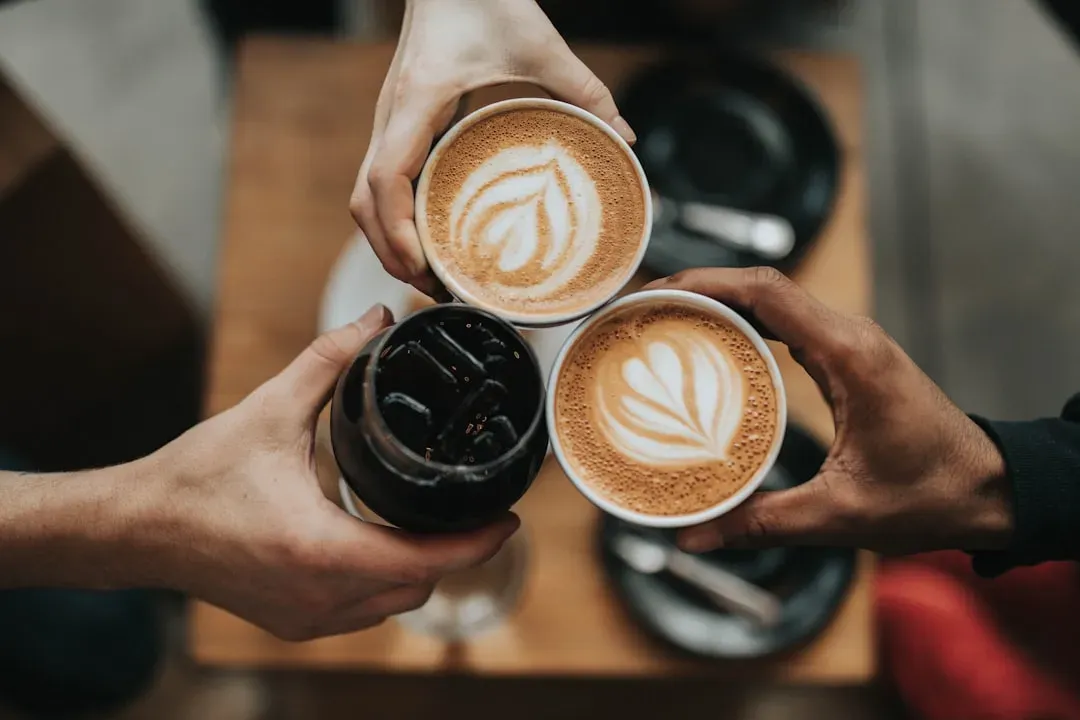
In 2018, Brazilian neuroscientist Dr. Fabiana Carvalho published a paper suggesting that cup shape influences not only our overall enjoyment of a particular coffee, but also how we perceive sweetness and acidity. All of the cups in her study were made of the same material, had the same texture, color, height, and were virtually the same weight. Her findings indicate that all assessed attributes - aroma, sweetness, acidity, and overall enjoyment - were affected by the shape of the cup. When drinking from the tulip-shaped cup, both professionals and non-professionals said the aroma was significantly stronger.
Narrow mugs enrich the coffee's aroma by concentrating it, thanks to their smaller surface area, which enhances the overall drinking experience, making each sip more aromatic. Wider mugs tend to produce sweeter flavors, as the larger surface area allows for faster cooling and different flavor release, resulting in a smoother, sweeter taste. Headroom - the space between the coffee and the top rim of the cup - also influences how intensely we perceive aromas. A narrow cup enhances acids and aromas, while a wide cup increases oxygen uptake, enhancing sweetness through accelerated oxidation.
Weight and Texture Signal Quality to Your Senses

The heft of a ceramic mug contributes to a satisfying tactile experience. The weight provides a sense of sturdiness and quality, which can psychologically enhance the perception of the coffee's richness. Research has suggested that the weight, texture, and shape of coffee cups have a huge impact on our sensory experiences, and this extends well beyond what happens on the tongue. The feel of a cup in your hands is part of the tasting experience whether you realize it or not.
Texture is also something that impacts flavor perception in relation to mouthfeel. Coffee consumed from a smooth cup can produce a smooth mouthfeel, while a rough cup prompts a perception of harshness and astringency. Interestingly, the weight of cups was also found to influence the experience with coffee. Studies reveal that the shape of your coffee mug can substantially affect how you perceive the taste of your coffee. The curvature and thickness of the mug's rim play a vital role in directing the coffee's aroma towards your nose, enhancing the overall sensory experience.
Temperature Retention Shapes the Flavor from First Sip to Last
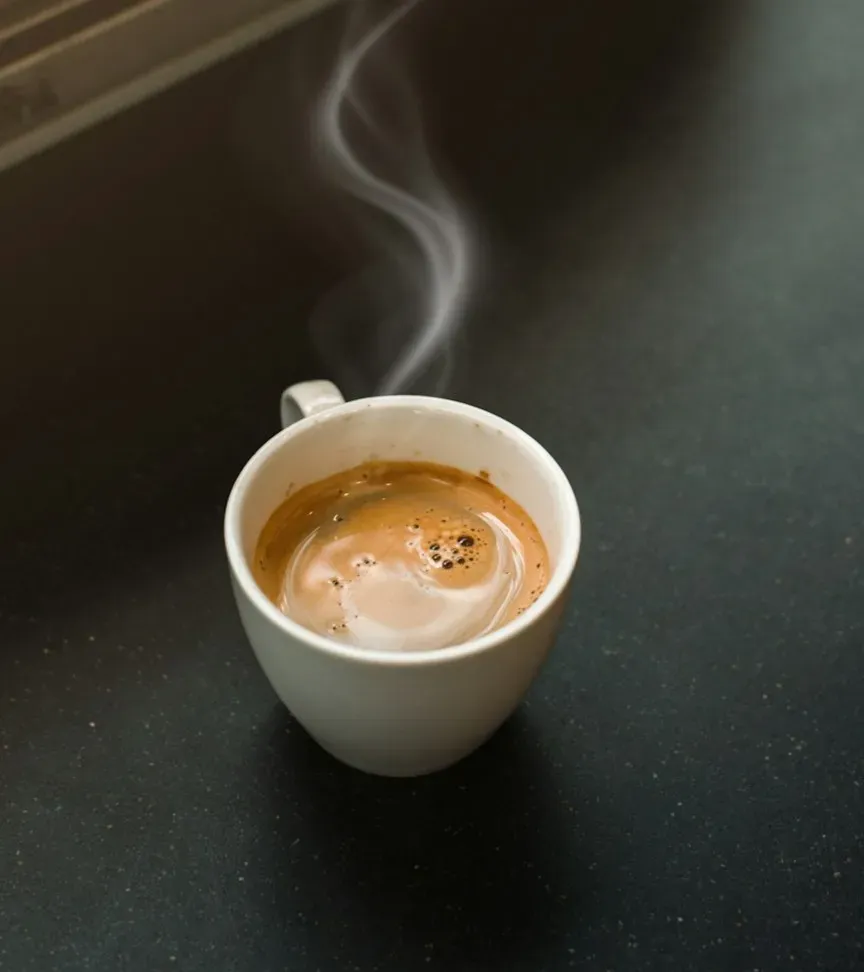
Once your coffee starts getting cold, there are actually chemical changes that happen that can change the way the coffee tastes. Coffee is an extremely complex and sophisticated drink comprised of over 1,000 aroma compounds that we can smell and taste, even if we are not consciously aware of it. Many of these compounds are released when there is heat, as volatile compounds which are turned into gases slowly evaporate over time. Over time all these compounds are released, and when the coffee is cold we are usually left with a more bland version of what we started with.
The temperature at which coffee is consumed significantly influences its flavor perception. Heat-retaining ceramic mugs maintain the coffee's temperature within the optimal range of 70°C to 80°C for a longer duration. This stability preserves the volatile aromatic compounds responsible for the coffee's nuanced flavors. As coffee cools, its acidity becomes more pronounced, potentially leading to a less balanced taste. Ceramics ensure your cup is kept hotter for longer, preserving the flavor and scent compounds, as well as keeping your coffee from becoming too acidic.
Plastic and Disposable Cups: The Microplastic Problem

New research reveals that hot drinks delivered in to-go beverage cups contain surprising contaminants in the form of microplastics. Experts are working on solutions to reduce exposure to microplastics - which have been linked to a variety of health problems - while promoting safer alternatives. On average, hot coffee contained about 43 particles of microplastics per liter when served in disposable cups, according to a study that analyzed beverages purchased from major UK retailers and coffee chains between August and December 2024.
"As the temperature of the liquid inside a container increases, the release of microplastics generally increases too," noted Griffith University research fellow Xiangyu Liu. Based on these findings, researchers estimated that people may unconsciously ingest between roughly 37,000 and nearly 90,000 microplastics a year due to the use of one plastic cup every four to five days. For hot drinks, the best option is to use a reusable cup made of stainless steel, ceramic, or glass, as these materials do not shed microplastics. This makes the choice of mug not just a matter of taste, but one of health as well.
The next time your morning coffee tastes sharper, flatter, sweeter, or somehow off, the bean is not always to blame. Your mug is doing far more work than you ever imagined - shaping temperature, chemistry, aroma, and even psychology with every single sip.



Leave a Reply