
There's a quiet philosophy shared by the best home cooks that rarely makes it into cookbooks: some meals simply cannot be rescued by a half-used bag of wilted greens and a piece of fish that's been sitting in the fridge since Tuesday. These are the meals where the ingredient is the dish. The difference between a transcendent plate and a forgettable one doesn't live in a technique or a gadget - it lives in how fresh your shopping was. This is what experienced cooks call the "Empty Fridge" rule: before certain meals, you clear out what you have, start fresh, and shop with intention. Here is why it matters, and which five meals demand it most.
1. The Science Behind Why Freshness Changes Everything
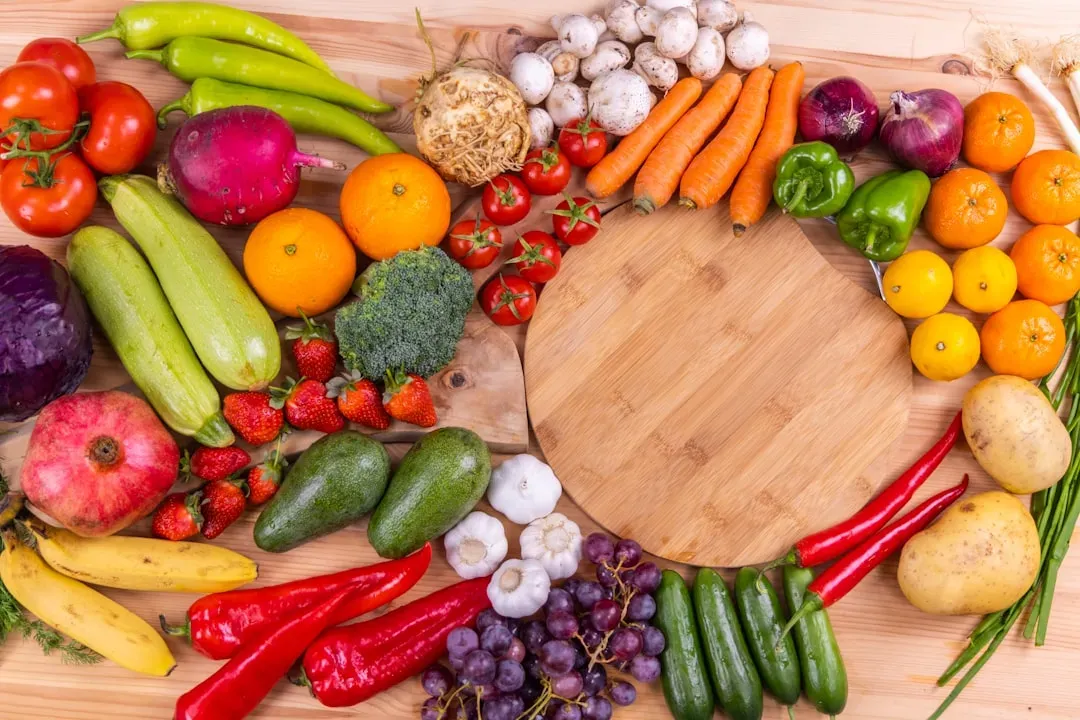
One of the key chemical processes that occurs when cooking fresh ingredients is the Maillard Reaction - a complex reaction that happens when proteins and sugars in food react to heat, creating hundreds of new compounds that contribute to deep, savory flavors. This is not a chef's myth. It's basic food chemistry. Fresh ingredients, especially meat and vegetables, tend to have higher protein levels and more naturally occurring sugars, allowing them to undergo the Maillard reaction more effectively - compared with pre-made or frozen meals, which often use lower-quality ingredients that don't respond as well to heat, resulting in less caramelized, less umami-rich flavor.
Many changes in aroma and flavor can occur during the storage of products, and the cooking process itself is integral to the development of flavor in foods. What this means in practice is that the longer an ingredient sits in your fridge before it's cooked, the more flavor potential it loses. Freshness is key when it comes to ingredients like herbs and spices, as they can lose their potency and aroma over time, impacting the overall taste of a dish. For certain meals - the five outlined below - that flavor potential is the entire point.
2. Fresh Fish and Seafood Dishes
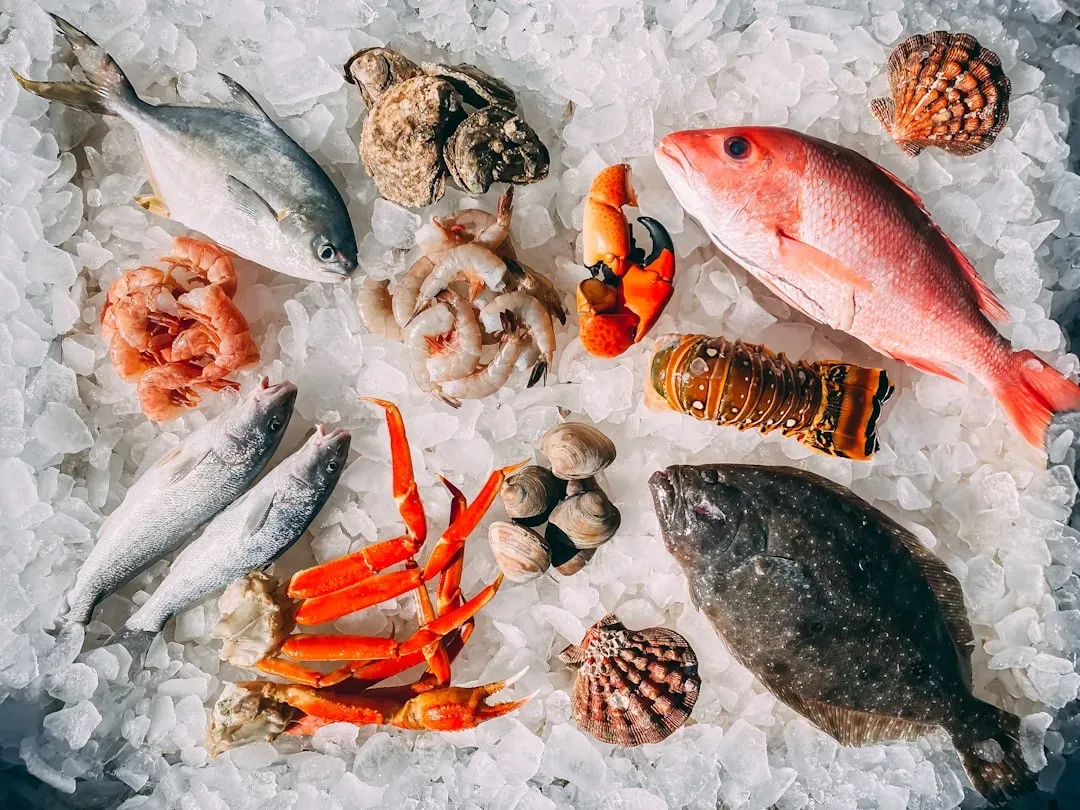
Nothing exposes old ingredients quite like a seafood-centered plate. When it comes to seafood, freshness isn't just about taste - it's everything. The difference between a bright, clean-tasting fillet and one that smells "fishy" often comes down to days, sometimes hours. This is why professional cooks, when planning a seafood dinner, treat the fridge as if it were empty and shop that same morning. A fresh piece of fish seasoned and cooked immediately will absorb the salt and pepper and develop a lovely crust during cooking; if the same fish is frozen and then cooked, it will have excess moisture that dilutes the seasoning and texture, leading to a less flavorful result.
Seafood risotto is one of the ultimate tests of this principle. Using a combination of shrimp and scallops, fresh seafood is ideal - though frozen, defrosted seafood can technically be used. The difference in the finished dish, however, is unmistakable in aroma and texture. Risotto is best served right after cooking, and fresh seafood makes that time-sensitive, just-cooked quality far easier to achieve. Shopping the morning of a seafood dish isn't fussiness - it's strategy.
3. Simple Pasta with Tomato or Herb Sauces
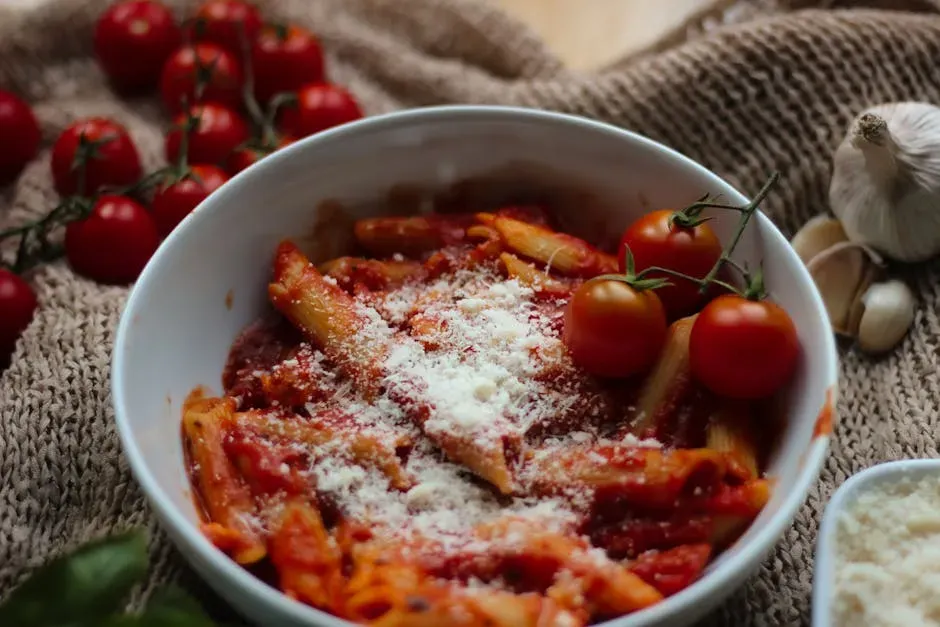
A plate of pasta aglio e olio or a simple tomato sauce looks humble on paper, but it is one of the most ingredient-transparent dishes in any cuisine. There is nowhere to hide. The closer an ingredient is to its natural state, the more intense and delicious its flavor - fresh produce bursts with natural sugars, crisp textures, and vibrant colors. A great tomato sauce made from tomatoes bought that day tastes fundamentally different from one made with tomatoes that have been softening in the crisper drawer for five days. When ingredients are harvested at their peak ripeness, they have optimal flavor - while prematurely picked and preserved ingredients don't have a chance to achieve the same level of maturity and taste.
Fresh herbs are equally non-negotiable here. The simple addition of fresh basil offers food a vibrant, aromatic punch that elevates the dish, while dried basil substitutes can taste muted and lackluster - a substitution that highlights how the quality of a single ingredient can significantly impact the overall flavor profile of a dish. For a pasta dish with only four or five components, that single ingredient swap can define whether the meal is memorable or mediocre. Smart cooks know to start with an empty fridge and build fresh from there.
4. Seared Steak or Pan-Cooked Proteins
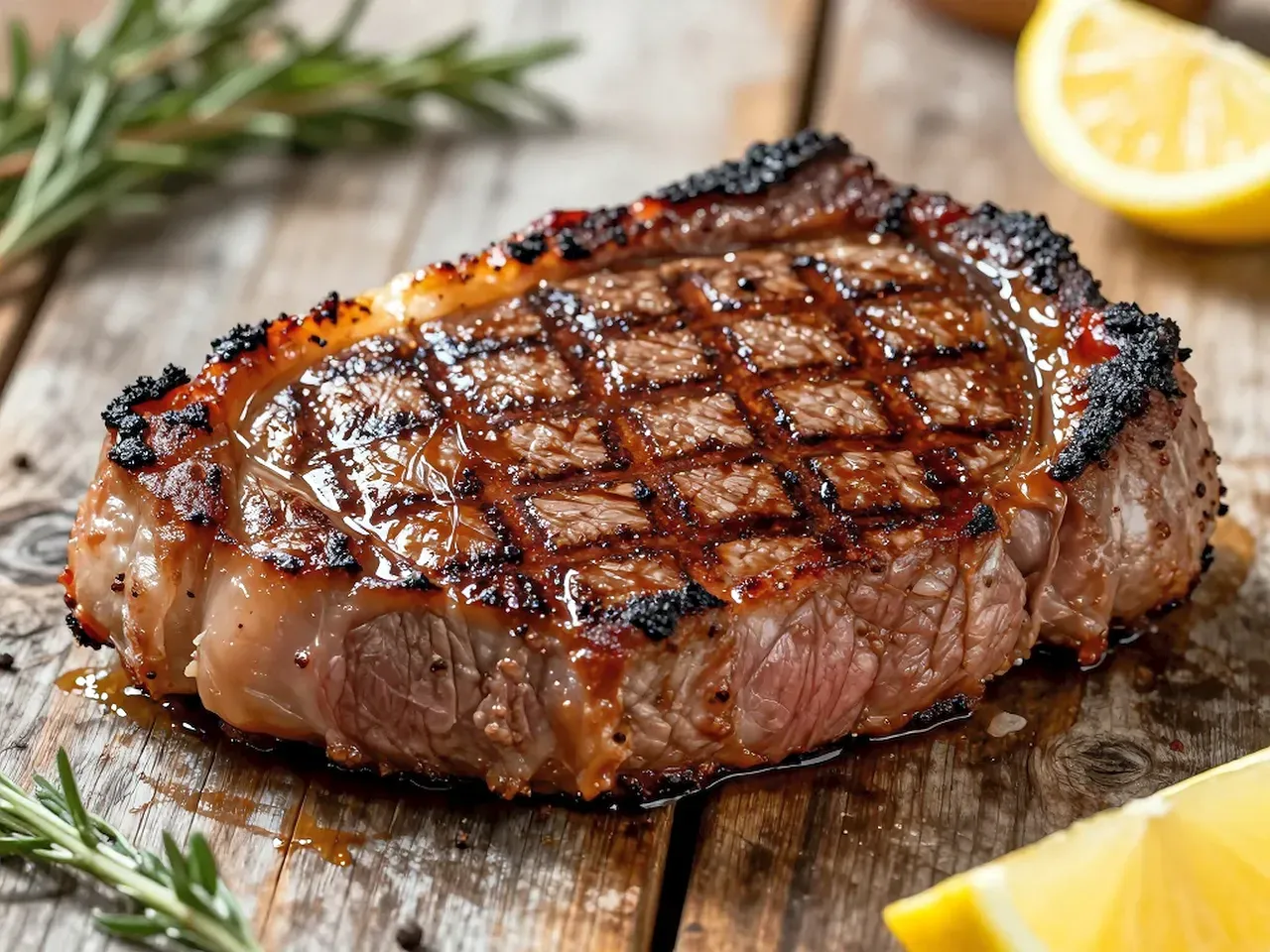
A seared steak is the Maillard Reaction in its most spectacular form, and it demands a protein at the top of its game. When you're cooking with high-quality, fresh ingredients, you don't need to drown them in salt, butter, or heavy sauces - the flavors shine on their own. A steak that's been sitting vacuum-packed in your fridge for too many days past its prime develops oxidation issues that no amount of seasoning can fully fix. Oxygen can do some funky things to food - due to a chain reaction called oxidation that fiddles with the flavors, smells and colors of foods, which can happen "during the cooking or storage of foods like oils, meats and fishes."
One particularly notorious oxidation reaction is known as the "warmed-over flavor," an unpleasant taste that some people encounter when eating reheated meats like pork or chicken - a phenomenon that tends to occur with fattier cuts because it's tied to the oxidation of fat. The same degradation process begins the moment a cut of meat starts aging beyond its optimal window. For meats and dairy, choosing products labeled as grass-fed or pasture-raised can ensure higher nutritional value and better taste due to the animals' natural diet. Shopping fresh specifically for a steak dinner isn't a luxury habit - it's the only way to make the meal work as intended.
5. Salads and Raw Vegetable-Forward Dishes
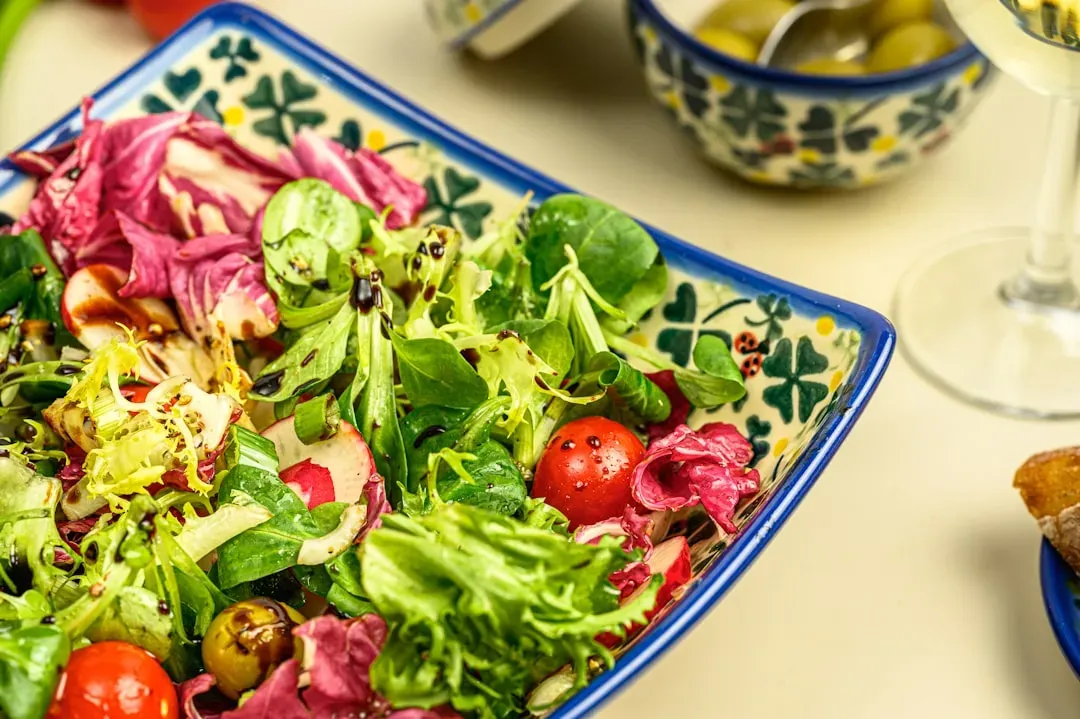
A salad built from limp, slightly yellowing produce is an exercise in self-defeat. Raw preparations have absolutely no place to mask declining freshness - the leaf, the cucumber, the radish, whatever it is, it's the main event. When you cook with fresh produce and meats, you notice a difference in taste immediately - vegetables are crispier, fruits are juicier, and meats are more succulent, which enhances the flavor of your meals and elevates your dining experience. For a raw dish, that crispness and juiciness isn't a bonus - it's the entire texture experience. Texture plays a crucial role in flavor perception, as it can enhance or detract from the overall eating experience - and fresh ingredients typically have better texture.
Fresh, high-quality produce is packed with all the good stuff your body craves, like vitamins, minerals, antioxidants, and fiber - and the fresher the produce, the more these nutrients are preserved, giving your body the best shot at staying healthy and energized. There is also a food safety dimension here that's easy to overlook. According to the USDA, food cannot be left out for longer than two hours before bacteria begin to grow, and if the temperature is above 90 degrees, that time is cut in half. For raw dishes, shopping fresh and keeping cold chain intact is not optional - it's essential.
6. Why the Home Cooking Revival Makes This Rule More Important Than Ever
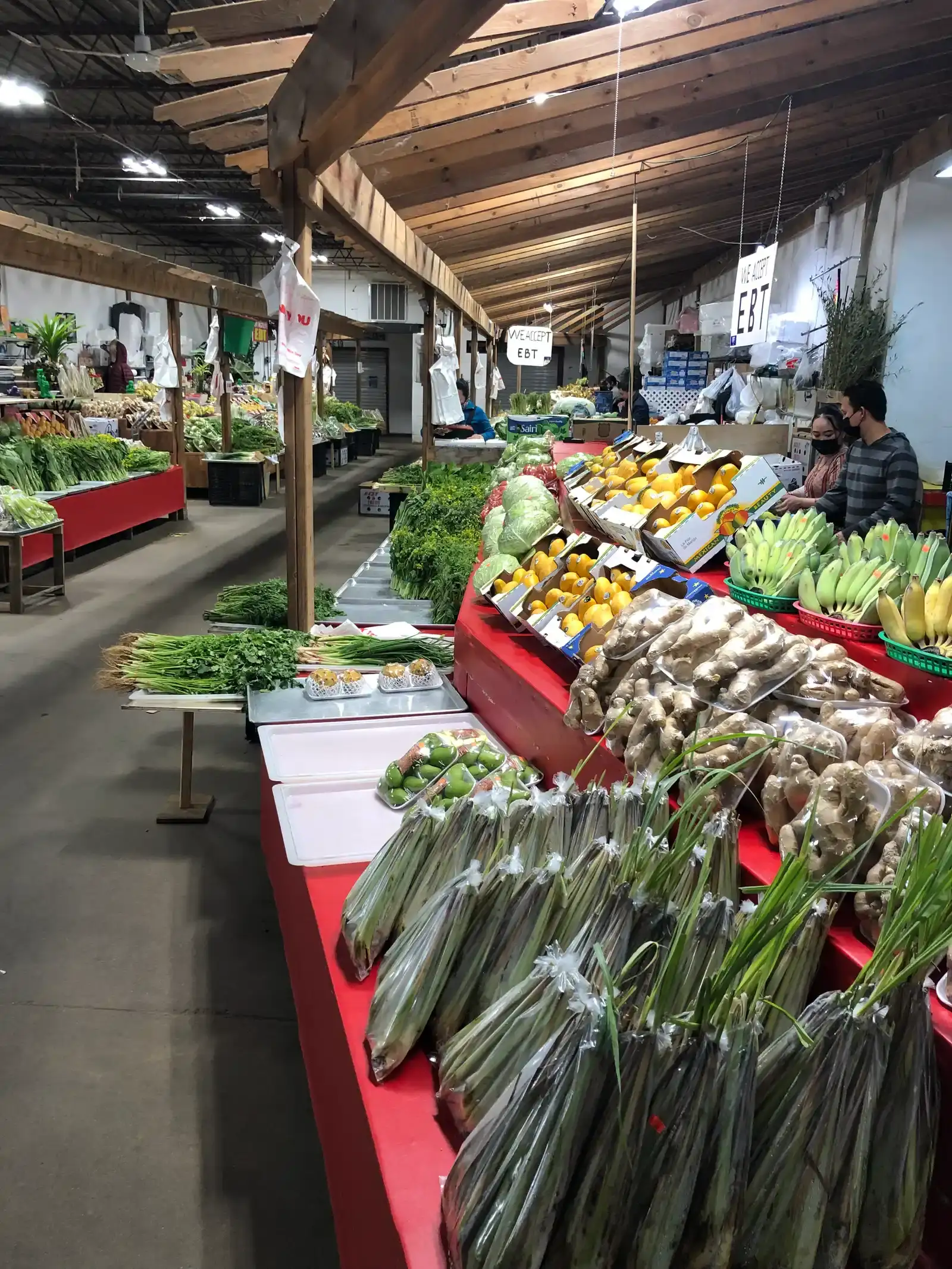
Home cooking is genuinely booming. In fact, 93% of Americans expect to cook as much as last year or more in the next 12 months - meaning more recipes tested, more meals shared, and more hands-on involvement in food. Alongside that, growing numbers of consumers globally are cooking from scratch using fresh ingredients, and the proportions of consumers cooking at home and cooking from scratch have continued to go up even after the COVID-19 pandemic. More home cooks means more people learning, sometimes the hard way, that a great meal starts before the pan goes on the heat. It starts at the store. Even as inflation impacts grocery shopping habits, the trend of home cooking remains strong, with many consumers, driven by both economic pressures and a newfound enjoyment of cooking, increasingly seeking fresh ingredients, meal kits, and easy-to-follow recipes that allow them to prepare restaurant-quality meals at home.
Still, there's a gap between enthusiasm and execution. A significant 38% of Americans don't have groceries on hand when they need them, which means many people are improvising with stale pantry ingredients when the dish they're making demands something far better. Menus curated around local and seasonal ingredients have become a hallmark of quality and responsibility in the culinary world - reflecting a deep respect for the natural cycle of produce and a commitment to showcasing the best of what each season has to offer, with fresher ingredients, vibrant flavors, and a menu that changes with the calendar. The Empty Fridge Rule is not about perfectionism. It's about understanding which meals demand a clean slate and fresh commitment - and having the discipline to shop accordingly before you cook them.




Leave a Reply