
Most people walk into a restaurant thinking their only job is to sit down, order, eat, and leave. Simple enough, right? But here's the thing - there's a whole invisible world happening on the other side of the table, where servers are quietly reading every single guest, forming opinions within seconds, and deciding who gets the extra attention, the better cuts, the free dessert.
Ever notice how some people just seem to glide through restaurant experiences while others leave a trail of eye rolls in their wake? The difference isn't always about how much you tip. It's about those subtle behaviors that signal you truly understand the unspoken social contract of dining out. This article breaks down exactly what those behaviors are - straight from the people who know best. Let's dive in.
1. Be Ready to Order When You Flag Them Down
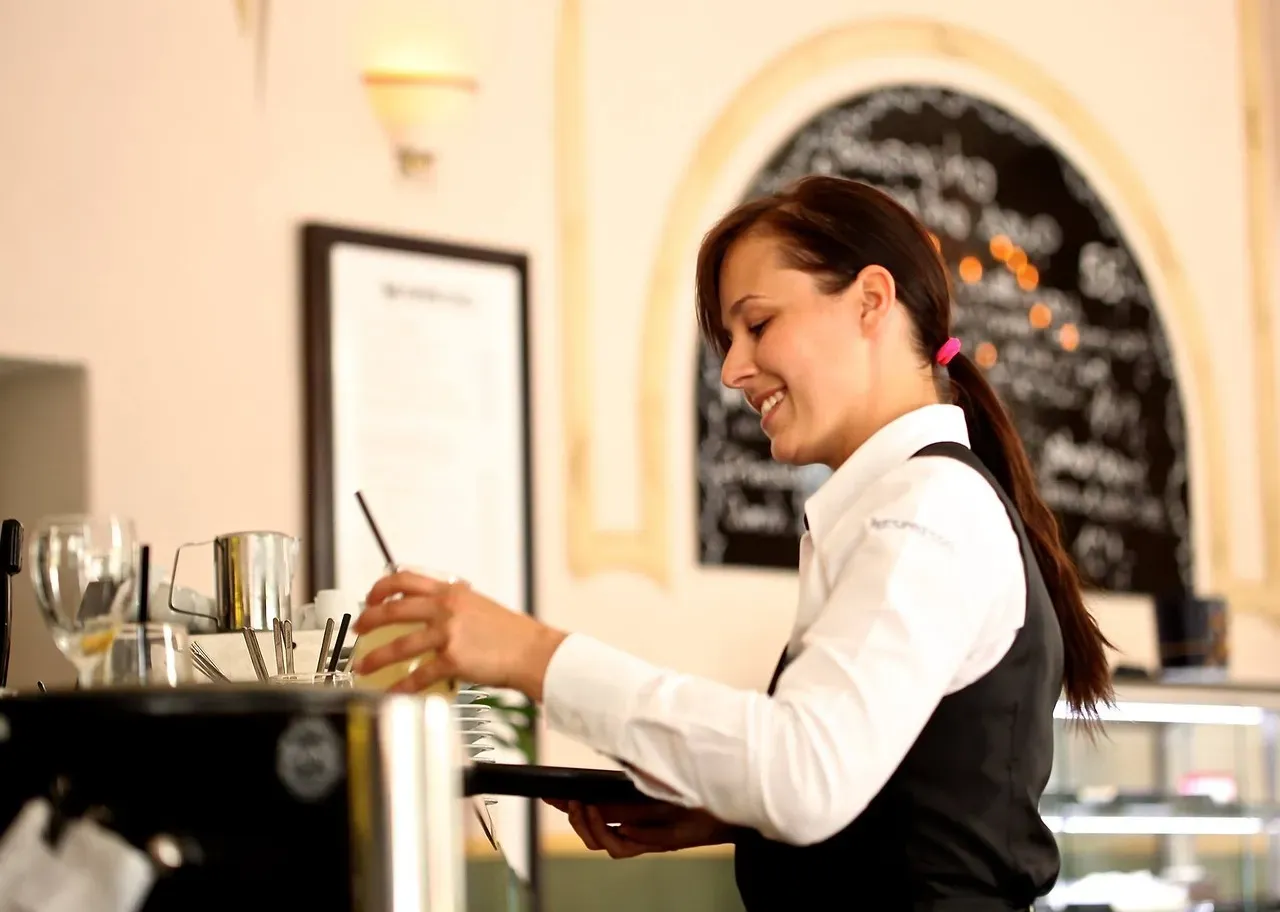
There is almost nothing more frustrating for a server than being waved over to a table where nobody has actually decided what they want yet. Take your time deciding - nobody's rushing you - but when you do flag down your server, be actually ready. Your fellow diners will appreciate it too, especially if you're part of a large group. Think of it like calling a taxi and then making it wait at the curb while you search for your shoes.
Restaurant servers are some of the most overworked members of the labor force. During any given shift, a server acts as equal parts party host, mind reader, salesperson, acrobat, customer service rep, and encyclopedia. Respecting their time by being prepared shows you understand what they're actually dealing with - and they will absolutely notice.
2. Learn and Use Your Server's Name
Make a good first impression by greeting your server warmly and using their name, communicate your order concisely, and politely phrase any additional requests. It sounds almost too easy, but the impact is remarkable. Using someone's name transforms the interaction from transactional to genuinely human.
The graceful approach is to learn the server's name during your initial introduction and use it naturally in conversation. It helps to add the name at the end of polite phrases, like "Thank you," or "That was wonderful." However, avoid overusing the server's name or making fun of it. One study found that servers earn roughly a quarter more in tips when customers engage with them personally. Your guests are spending their meal with you, and forming that connection is the first step. If a guest becomes a regular, you could be forming a long-term friendly relationship, potentially leading to bigger tips and a better work environment.
3. Know Your Dietary Needs Before You Arrive
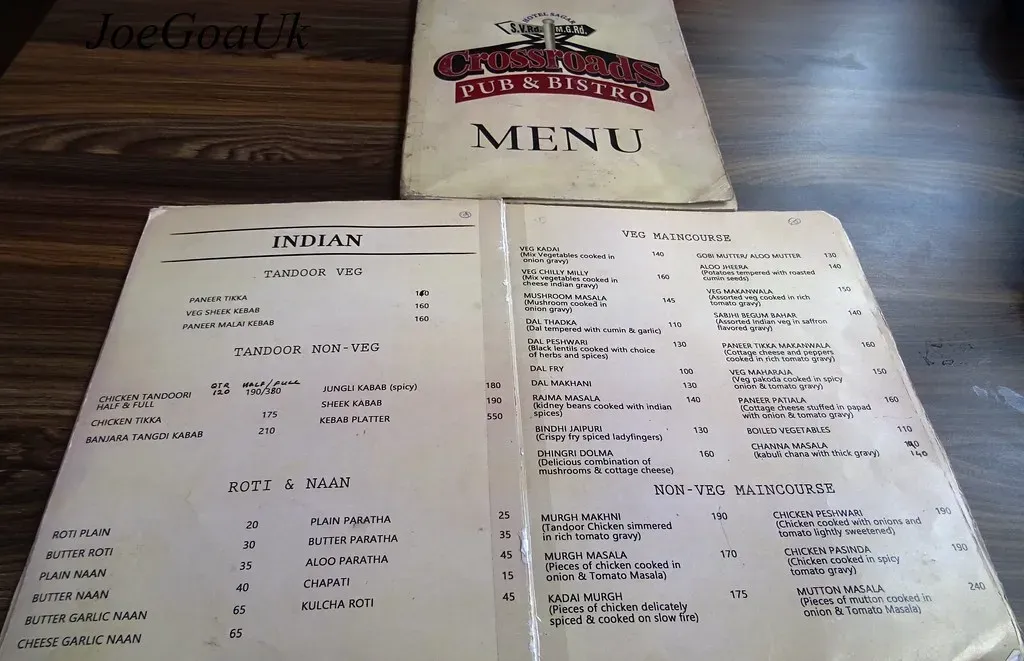
Look, dietary restrictions are completely valid and servers are trained to accommodate them. The issue isn't what you need - it's how you communicate it. The right way to handle dietary needs is by quietly checking the menu beforehand, asking specific questions without drama, and being grateful when servers accommodate you. Many experienced diners build relationships with servers at their regular spots who know exactly how to modify dishes for them. They appreciate that it doesn't become a scene, and the servers appreciate the effort to help.
Being clear about allergens and other dietary restrictions is especially crucial - servers need accurate information, not vague guesses or last-minute surprises. Mention your needs clearly at the start of the meal, not halfway through eating. It gives the kitchen time to get it right and genuinely makes everyone's life easier, including yours.
4. Make Eye Contact and Smile First
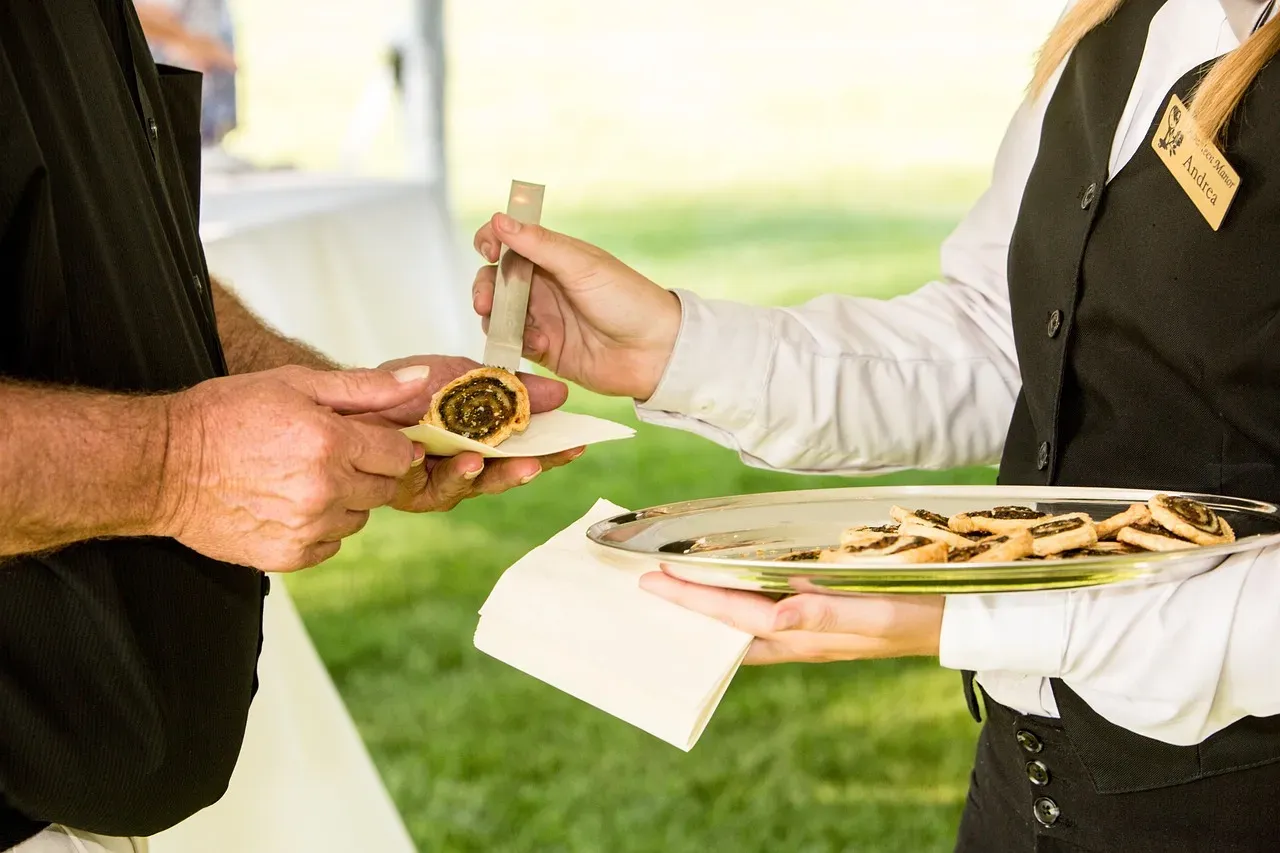
Greeting servers with a warm and friendly attitude, being attentive to their needs, and ensuring that their dining experience is enjoyable from start to finish works both ways. Honestly, how many diners even think about that last part? The hospitality relationship isn't one-directional. A warm smile when your server first approaches costs absolutely nothing.
A warm and inviting atmosphere can set the stage for a positive dining experience. Greet servers with a smile, make them feel at home in the interaction, and you'll be well on your way to earning better service. Building a personal connection establishes loyalty. If a customer feels more like a friend rather than just another table number, they'll be more inclined to receive elevated care - and servers are far more motivated to go the extra mile.
5. Consolidate Your Requests Into One Ask
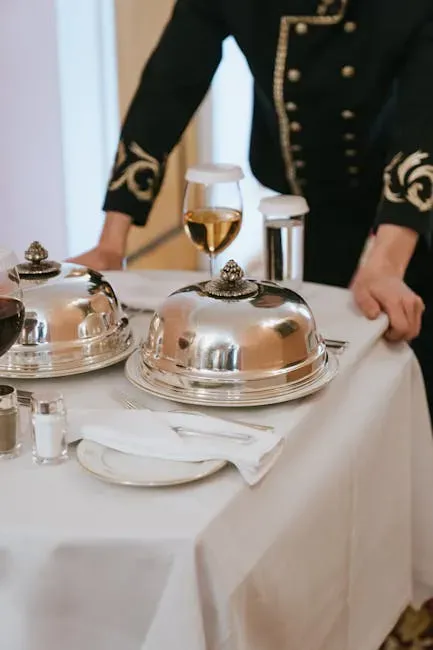
Picture this: a server brings your food, walks back to the kitchen, returns to your table - and you ask for ketchup. They bring the ketchup. You then ask for a refill. They bring the refill. Then you ask for extra napkins. Each individual trip eats up time that could be spent on four other tables. Try to anticipate your own needs before asking for something. If you see that your drink needs a refill or think you might want extra sides of condiments with your food, be proactive and bundle those requests together. This shows awareness and customers who do it are genuinely appreciated.
As the meal progresses, customers will have additional requests - beverage refills, new drinks altogether, extra dressings and sauces. Bundling these is a small gesture that has a massive effect on a server's ability to manage the floor efficiently. Think of it as one shopping trip versus five separate runs to the store. Same result, radically less effort.
6. Tip Fairly - and Tip on the Full Bill
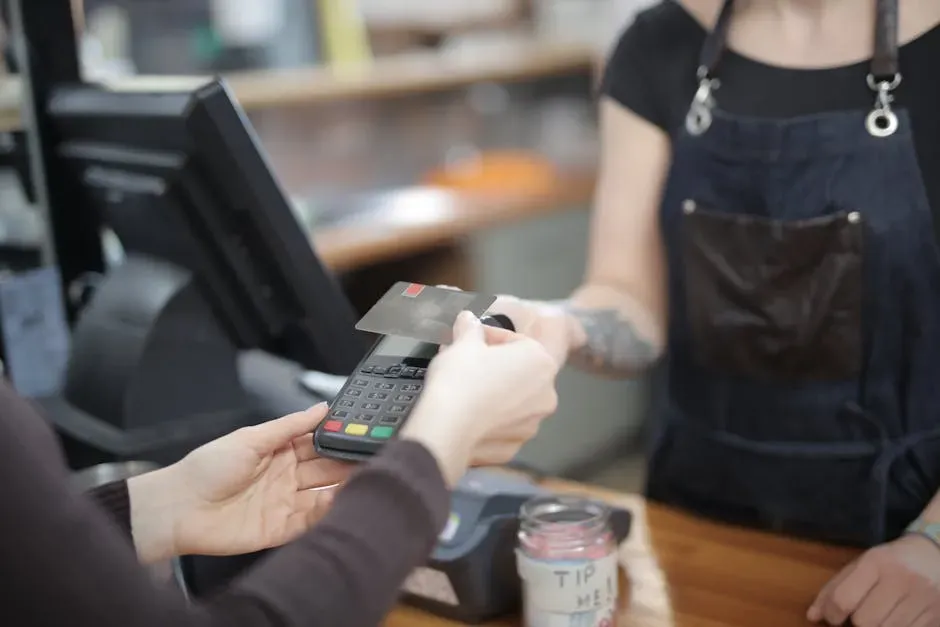
In the United States, servers and bartenders receive a federal minimum direct wage of just $2.13 per hour, supplemented by tips to meet the overall federal minimum wage. That number is striking. Tips aren't just a bonus - they're an essential part of a server's livelihood, which makes tipping etiquette genuinely important.
For full-service dining, tipping ranges from 20 to 25 percent for excellent service, 20 percent for good service, and 15 percent for satisfactory service. When dining in larger groups with pre-split checks, it's increasingly recommended to base the tip on the full tab rather than individual portions, to simplify the process and avoid confusion. If you've received poor service, try to distinguish how much of your bad dining experience was actually within your server's control. Regardless, a minimum tip of around 10 percent is considered common etiquette.
7. Stack Plates the Right Way When Done

Here's something that surprises a lot of people. Stacking your own plates and cups as a helpful gesture is great - in theory. In practice, it can sometimes create more work, not less. Servers have mixed feelings about plate stacking. Done right, it's helpful. Done wrong, it creates more work. The key is making stable, logical stacks: scrape leftover food onto one plate, stack similar-sized plates together, and place silverware on top. Don't create a Jenga tower of mixed dishware that servers have to deconstruct.
The underlying principle here is really about awareness. These simple behaviors separate amateur diners from those who truly understand the art of eating out - and servers always notice the difference. A thoughtfully stacked plate communicates that you respect their workflow. And honestly, that message travels fast among floor staff.
8. Keep Your Volume in Check

Ever been trying to enjoy a meal while the table next to you broadcasts their entire conversation to the restaurant? Being aware of your volume shows respect for everyone in the space. This doesn't mean whispering - just being mindful that you're sharing the environment with others. Servers have to navigate a loud table for their entire shift, and they remember those tables - not fondly.
The same principle applies to phone conversations. Step outside if you need to take a call. Your fellow diners didn't come out to hear your quarterly sales report. The need for socialization and atmosphere is actually one of the primary reasons driving diners to full-service restaurants in 2024 and 2025. Dining out triumphs over takeout, driven by consumers seeking atmosphere and genuine human connection. Protecting that atmosphere - for everyone - is part of being a great guest.
9. Give Genuine Compliments and Mention Great Service to Management

Most people only speak up when something goes wrong. That's honestly a shame. Beyond monetary tips, there are several other gestures that show your appreciation for good service. Genuine verbal compliments, thanking servers warmly, and mentioning excellent service to management help boost staff morale in ways that money alone simply cannot replicate.
Research from Harvard Business School found that a one-star increase in a restaurant's rating correlated with a five to nine percent increase in revenue. Research also shows that roughly three quarters of customers say they would recommend a restaurant to a friend after having a single positive experience. When you tell a manager that a server did an exceptional job, that comment very often ends up on a performance review - and it costs you exactly nothing to say it.
10. Be a Repeat Customer and Show It
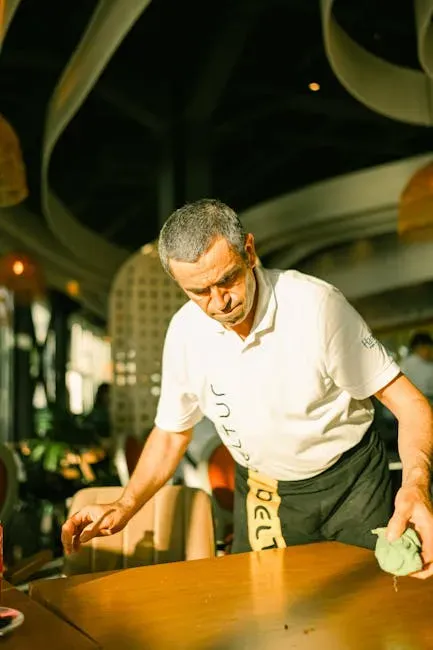
Making the effort to connect with guests can have a drastic impact on tips, sales, and a restaurant's overall performance: loyal, repeat customers generate roughly ten times more revenue in their lifetime than new customers. That statistic alone tells you everything about how much restaurants value familiar faces. When you return to the same spot, you become part of the ecosystem - not just a transaction.
Building a rapport with your servers can make a significant difference in the experience you receive. Servers who remember regular customers' preferences, engage in friendly conversation, and provide personalized recommendations create more memorable dining experiences. In Tokyo, thanking the server as you leave and simply returning as a repeat customer are considered the highest forms of showing appreciation. There is something profoundly simple and powerful in that idea - loyalty itself is the compliment.



Leave a Reply