
There's something uniquely revealing about the way a person behaves when they think nobody important is watching. At a restaurant, that moment happens in the lobby, at the host stand, during the wait. You're not at your table yet. The food hasn't arrived. The performance hasn't truly started. Yet from behind that slim podium, an experienced hostess is already forming a very complete picture of who you are.
Honestly, it's a little surprising how much gets communicated before a single word is even spoken. The way you hold yourself, where your eyes go, who you talk to and how loudly - all of it tells a story. Working in the restaurant industry is like a study in human behavior, and it sometimes seems that as soon as people walk into a restaurant or bar, they forget how to be good human beings. Let's get into the seven things your hostess is quietly clocking while you wait for your table.
1. Whether You Acknowledge Her as a Human Being

This one sits at the very top of the list, and it shouldn't be surprising that it does. The moment you walk through the door, there is a real person standing there to greet you. What you do in that first second matters enormously. The host or hostess is the first team member that guests encounter when entering a restaurant, and thus are largely responsible for creating their first impression. That cuts both ways, though, because the guest is making an impression right back.
Pay attention when you're greeted. It's uncomfortable when you walk up to a table just to be completely ignored by the guests, or have a drink ordered barked at you before you've had a chance to fully introduce yourself. Hostesses notice this immediately. A simple nod, eye contact, a returned smile - these cost nothing and communicate volumes about your character.
Research shows that guests who receive acknowledgment within 10 seconds of entering report roughly a third higher satisfaction rates, regardless of wait times. That acknowledgment, though, needs to run in both directions. The guests who make that mutual exchange of basic courtesy tend to get remembered in the best possible way.
2. How You React When There's a Wait

Here's the thing - a wait is rarely a personal offense, even if it can feel that way on an empty stomach at 7 pm on a Friday. It's not the host's fault you decided to roll up in the middle of a Friday night dinner rush without a reservation. If that 30-minute wait is too long for you, you have every right to pick another restaurant. You do not have a right to be a jerk to the host, who is simply doing their job.
Customers waiting in restaurants can often get impatient, hungry, and even a bit cranky. The hostess should be able to smooth over those tensions and keep customers calm and happy, which they can help to do by managing expectations of how long the wait times will be. But she's simultaneously watching how graciously you accept that information. A sigh, an eye roll, or a condescending tone toward the hostess is noticed, remembered, and sometimes quietly communicated to the rest of the staff.
Think of it this way: the wait is a bit like being stuck in traffic. You can lean on the horn and ruin the mood for everyone around you, or you can turn up the radio and let it pass. Research finds that the vast majority of diners, roughly nearly three quarters, will wait no more than 30 minutes for a table, with younger diners being more willing to wait longer than older guests. Understanding this makes a hostess's job possible - but the guests who handle the news with grace always stand out.
3. Whether You Stay Put or Wander Off

This one sounds almost too simple. Stay where you said you'd be. Yet it's a genuinely common situation that throws off the entire seating flow of a busy restaurant. Hosts are juggling multiple waitlists and reservations, and disappearing when called can mean losing your spot and disrupting the entire seating flow.
Unless the restaurant takes down your phone number to call or text you when a table is ready, stay put while you wait. If a host calls out your name but you've left the lobby to go explore some nearby shops, they're going to need to move on to the next party on their list. It sounds harsh, but the math of a busy restaurant doesn't have room for endless grace periods.
A seasoned hostess can read the room and often knows which guests are going to drift. The ones who are engaged, aware of their surroundings, and genuinely present tend to transition to their tables smoothly. The others cause a ripple effect that stresses out the entire front-of-house team. It's a small behavioral detail with surprisingly large consequences.
4. How You Treat the People You're With
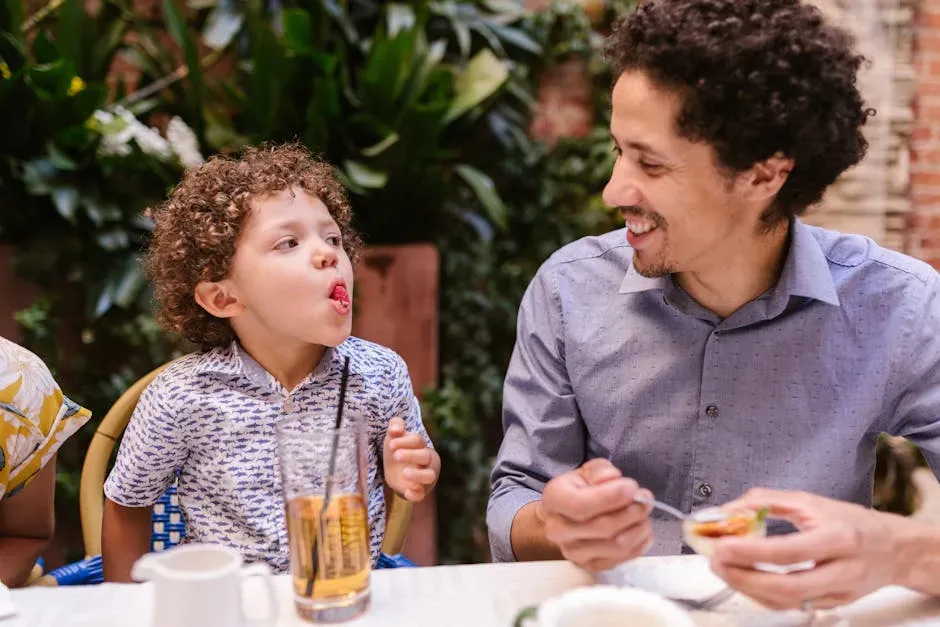
I think this one is the most underrated tell on the whole list. While you wait, you interact with the people in your party. You might check in with the kids, catch up with a friend, or quietly argue with your partner about whose idea it was to come here without a reservation. All of it is visible. Interactions can take place in various forms, including verbal communication, eye contact, facial expressions, appearance, and body language. Hostesses are trained to read all of these signals simultaneously.
A good hostess knows the names and faces of regular customers, is able to expertly communicate the status of the waiting list, and is able to anticipate special requests, like coloring books or high chairs for children. That last detail is key - she's already watching your group dynamic to anticipate what you'll need. A parent who is attentive and calm with restless kids reads very differently from one who is dismissive or agitated.
The way you treat the people you love and trust is often your most unfiltered self. Your hostess has seen enough couples, families, and friend groups to know the difference between good-natured banter and something more troubling. She's not judging harshly. She's just paying attention, as anyone with years of people-watching experience inevitably does.
5. Your Body Language and Non-Verbal Signals
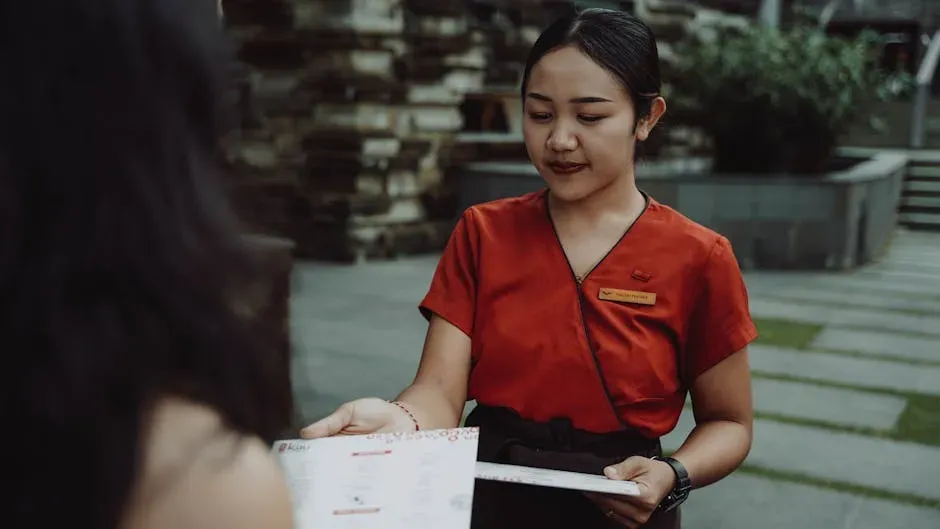
You don't have to say a word for a hostess to know whether you're comfortable, anxious, irritated, or disengaged. Body language communicates constantly, whether we intend it to or not. According to research from UCLA Professor Albert Mehrabian, only a small fraction of communication, roughly 7%, is verbal. A staggering 93% comes from non-verbal cues, including tone of voice, facial expressions, and body language.
Crossed arms, slumped posture, a locked jaw, or constant clock-checking all send clear signals. Mastering the art of reading guest cues is essential for exceptional service. Staff are trained to observe body language, such as looking around for assistance or pushing empty plates away, to anticipate needs before guests vocalize them. The same skill set that helps a server read a table is already engaged the moment you walk in.
Let's be real - most of us have no idea what our bodies are doing when we're waiting somewhere unfamiliar. We fidget, we hunch, we pace. None of it makes you a bad person. It does, however, give an experienced hostess a fairly detailed preview of what kind of guest you'll be. She's not making judgments so much as preparations, adjusting her approach and flagging the table's server accordingly.
6. Whether Your Party Size Matches What You Said
This is one of those things guests rarely think about but hostesses think about constantly. Restaurant floor plans are not arbitrary. It's up to the host to manage the floor plan of the restaurant, and there are all sorts of factors they need to consider - reservations, server sections, having enough small tables for parties of two and three. When a party of four suddenly becomes a party of seven at the door, it doesn't just mean rearranging chairs. It potentially throws off the entire evening's seating choreography.
Don't make a reservation for six and show up with a total of four and say "we just wanted lots of room." This is something hostesses encounter more often than you'd expect. Underreporting or overreporting your party size, even by one or two people, can create real operational headaches and it signals a certain disregard for the restaurant's systems and the staff's workload.
Most hosts would be more than happy to accommodate that big family reunion you're planning, but give them a little notice. They might need to rearrange some tables, call in extra staff, or give the kitchen a heads-up to make sure your meal goes off without a hitch. It really does come down to communication and honesty - two things a good hostess notices the absence of instantly.
7. How You Handle Being Told No
There will always be guests who have a specific table in mind. The window seat. The corner booth. The spot they sat at on their anniversary three years ago. And sometimes, that table simply is not available. How a person handles that small disappointment is, perhaps, the most honest thing a hostess will ever observe about them. Many customers, when told there's a wait, will point to an empty table and say, "Well, can't I just have THAT one?" That table might be reserved, unclean, or assigned to a section with no server currently covering it.
The hostess remains vigilant for any guest-related issues, such as dissatisfaction with seating or special accommodation requests, and resolves them promptly and professionally. She wants to say yes whenever she genuinely can. When she can't, the response she receives from guests tells her everything about how the rest of the evening is likely to unfold at that table.
A 2024 American Psychological Association poll found nearly two thirds of Americans feel more stressed during certain periods, often resulting in misplaced frustration toward service workers. Hostesses absorb a disproportionate share of that misplaced stress, especially because they are the first face you see. The guests who respond to a "no" with grace, who accept an explanation or pivot easily to another option, make the job feel worthwhile. They also tend to receive genuinely better, more attentive service - not because the team is playing favorites, but because warmth is simply contagious.
The waiting area of a restaurant is a small, often overlooked theater where real character plays out without a script. Your hostess has watched thousands of performances. She's not there to grade you - she's there to welcome you and help make your evening great. The guests who make that easy, who show up with patience, honesty, and basic human kindness, are the ones who leave a lasting impression. What would you have guessed she'd be watching for? Tell us in the comments.


Leave a Reply