
Every time cold and flu season rolls around, the supplement aisle at the pharmacy gets a whole lot more crowded. People reach for pills, powders, and mystery packets promising overnight immunity. Here's the thing, though - some of the most powerful infection-fighting tools already exist right inside your kitchen. No fancy packaging required.
While no food can single-handedly prevent or cure infections or disease, feeding your body certain foods may genuinely help keep your immune system strong. Science has been quietly building a compelling case for what belongs on your plate. If you've ever wondered what actually works - and why - you're in the right place. Let's dive in.
1. Garlic - Nature's Original Antibiotic
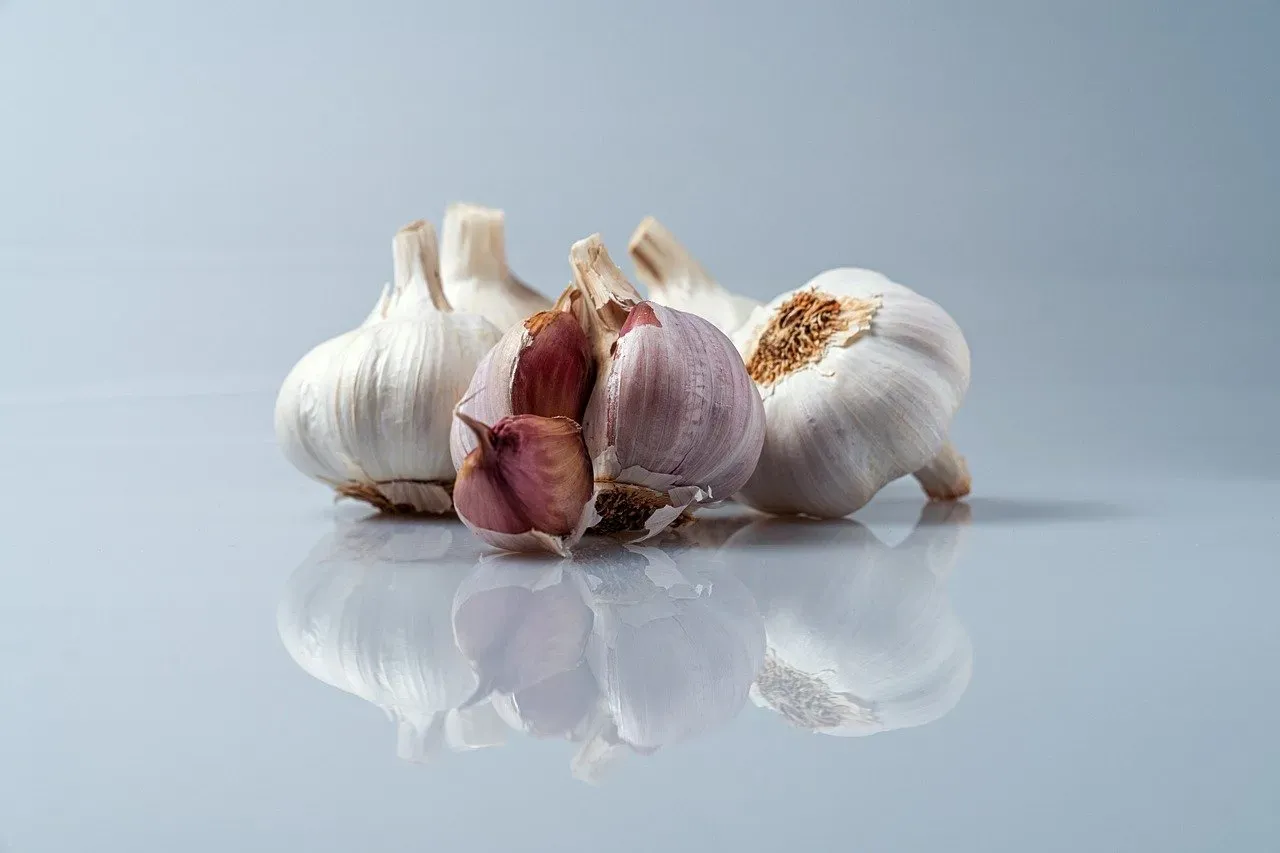
Garlic might make your breath a little less social-friendly, but it's hard to argue with the evidence. The antimicrobial activities of garlic and other plant alliums are primarily based on allicin, a thiosulphinate present in crushed garlic bulbs. This compound is essentially the sharp-edged sword inside every clove.
Approximately 3,000 publications have reported garlic's antibacterial activity. It is used as a traditional medicine worldwide owing to its various health benefits, including antimicrobial activities, protection against food poisoning, and digestion-improving effects. That's not folklore - that's a mountain of peer-reviewed data.
Garlic contains a range of sulfur compounds, such as allicin and ajoene, that have shown potential antiviral effects. These compounds may disrupt viral replication by targeting key enzymes. Honestly, few foods come close to this kind of two-pronged attack on both bacteria and viruses.
Antimicrobial assays have also revealed potent activity against MRSA, Salmonella paratyphi A, and E. coli, with minimum inhibitory concentration values as low as 0.063 mg/mL. That means even small amounts can stop dangerous pathogens in their tracks. Crush it fresh for maximum benefit - heat destroys a good chunk of the allicin.
2. Citrus Fruits - The Vitamin C Powerhouse
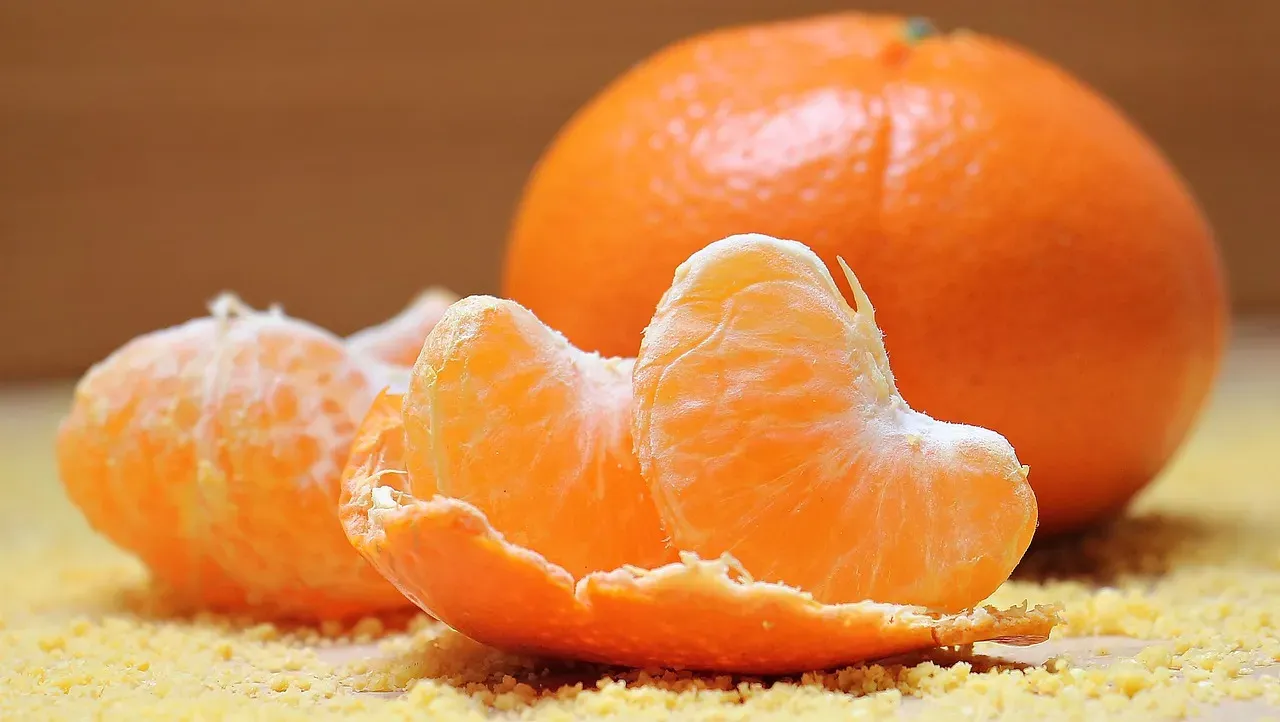
Vitamin C is an important micronutrient found in citrus fruits, which empowers the immune system by boosting both adaptive and innate immune cellular functioning. It helps the epithelial barrier function against infections. Think of this barrier like a physical wall - vitamin C is the mortar that holds it together.
Vitamin C may boost the development of infection-fighting white blood cells called lymphocytes and phagocytes, especially the differentiation and proliferation of B and T cells - two of the most important immune system players. It can also help in the prevention and management of respiratory and systemic infections.
Citrus fruits also provide folate (vitamin B9), which supports the function of phagocytes, natural killer cells, T-cells, and B-cells. Bioactive polyphenols from citrus juices include hesperidin, narirutin, and naringin, which help to reduce inflammation and speed recovery from illness. So it's not just vitamin C doing the heavy lifting here.
Lemon and citrus fruits were associated with lower incidence of severe infection and hospitalization in a cross-sectional survey examining immune-boosting foods. Grapefruits, oranges, lemons, limes - they're all worth eating regularly, not just when you feel a sniffle coming on.
3. Ginger - The Anti-Inflammatory Root
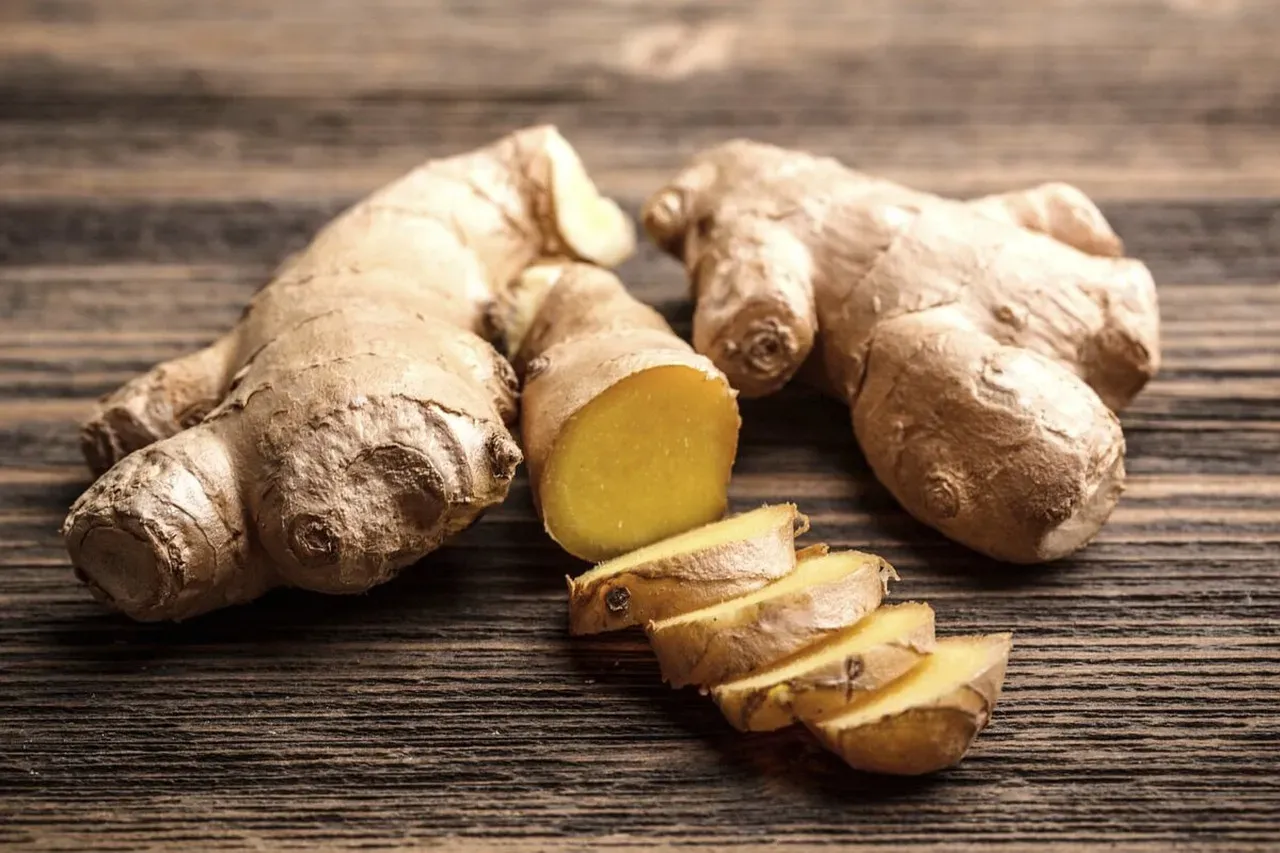
Ginger has been sitting in medicine cabinets since long before modern pharmacology showed up. Studies indicate that spices and herbs such as ginger, turmeric, garlic, and black pepper may suppress viral replication, reduce inflammation, and enhance the immune system. That's quite a resume for something you can toss in a smoothie.
Ginger extracts have been shown to exhibit antimicrobial activities against pathogenic gram-negative bacteria and may support the development of antimicrobial approaches. In laboratory settings, its performance against drug-resistant bacteria has genuinely surprised researchers.
Intake of ginger was associated with reduced disease severity in population-based studies looking at the role of natural foods in infection outcomes. A 2024 critical review published in Frontiers in Nutrition specifically examined ginger's antioxidant, anti-inflammatory, and immunomodulatory activities, reinforcing its scientific credibility.
4. Turmeric - The Golden Spice With Serious Science
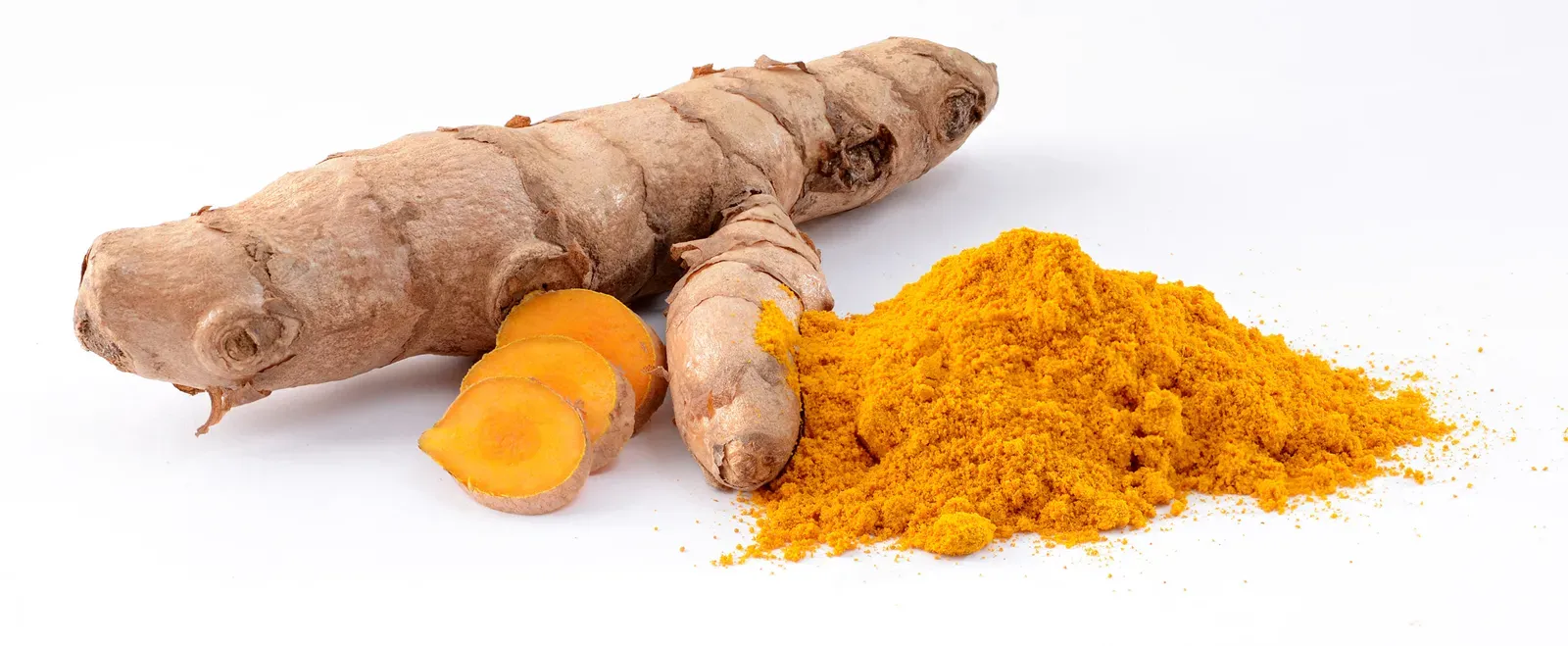
Turmeric has become something of a wellness darling in recent years, and not without reason. Its active compound, curcumin, is one of the most studied natural substances in immunology. Numerous experimental investigations have examined the antiviral and immunomodulatory activities of plant-based substances, with studies indicating that spices including turmeric may suppress viral replication, reduce inflammation, and enhance the immune system.
A triple-blind randomized controlled trial published in Scientific Reports in 2025 directly investigated the effects of turmeric versus ginger on inflammatory biomarkers in patients with COVID-19, providing some of the most recent clinical evidence for these spices. The researchers found measurable effects on key inflammatory markers, which is difficult to ignore.
Mechanisms of natural food compounds like curcumin can be broadly categorized into direct antiviral activity, immune system modulation, antioxidant properties, anti-inflammatory effects, enhancement of interferon response, and anti-thrombocytopenic properties. That's a lot of firepower packed into a yellow powder. Adding a pinch of black pepper dramatically increases curcumin absorption - so the two together are greater than the sum of their parts.
5. Yogurt - Your Gut's Best Friend

The link between gut health and immune response is one of the most exciting areas of current research. When you think of how yogurt and its probiotics help your gut health - keeping it full of good bacteria - it makes sense that this dairy-based food may also help your immune system. Research shows there's a connection between your immune system and your gut microbiome, and they work with each other to minimize pathogens and enhance immune responses.
Yogurt is one of the most readily available food sources of beneficial lactic acid bacteria, Lactobacillus and Bifidobacterium. These probiotics can interact with certain viruses and produce substances that support antiviral defenses. They also inhibit specific signaling pathways involved in inflammation.
A 2023 study found that people with influenza H1N1 who ate yogurt daily developed higher levels of antiviral molecules and had more efficient immune regulation. The yogurt consumption also reduced pro-inflammatory signals that are often elevated during severe infection, which can contribute to tissue damage. Look for labels that say "live, active cultures" - not all yogurts are created equal.
6. Green Tea - An Ancient Brew With Modern Credentials
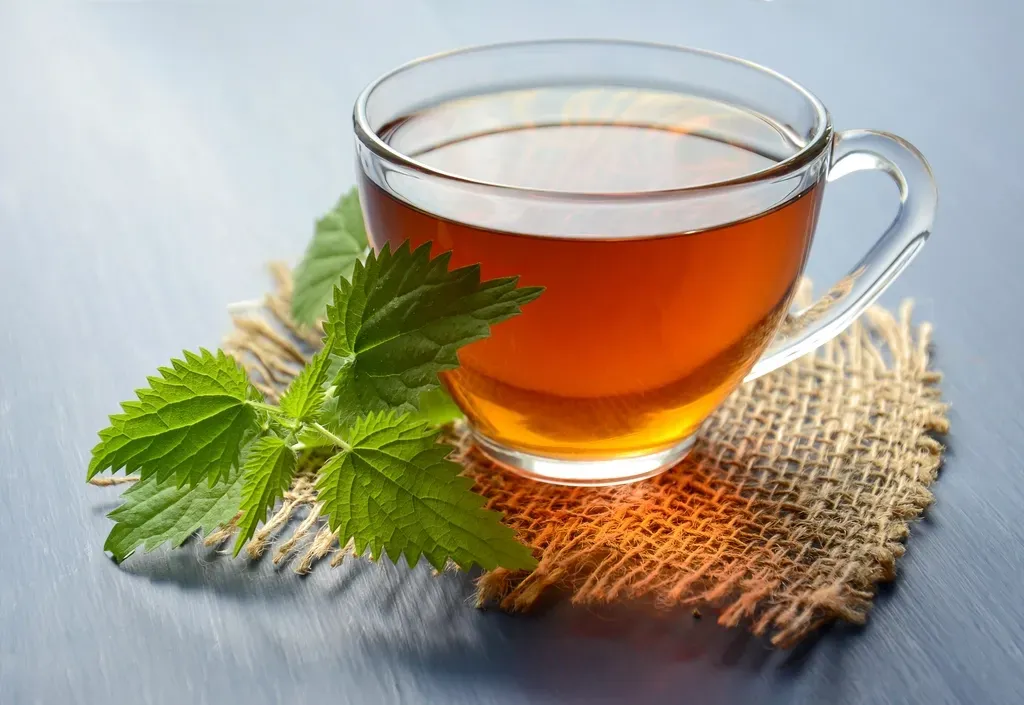
Green tea is not just a calming ritual. It's a biochemical event in a cup. Green tea is rich in polyphenols termed catechins, especially epigallocatechin gallate (EGCG), which is a major antimicrobial compound against various pathogenic organisms. These catechins showed high activity against gram-negative and gram-positive bacteria using several molecular mechanisms, including the inhibition of cell membrane, cell wall, nucleic acid, and protein syntheses.
Green tea catechins improve the proliferation and differentiation of T-cells, which are a core part of the body's adaptive immune defense system. Think of T-cells as the trained soldiers of your immune army. Green tea essentially helps recruit and train more of them.
Intake of green tea was associated with reduced disease severity in population-based data examining natural food consumption and infection outcomes. Two to three cups a day appears to be a reasonable and well-tolerated amount based on the existing literature - more than enough to capture the benefit without overdoing the caffeine.
7. Kiwi - The Small Fruit With Big Immune Impact

Kiwis are often underestimated. They look modest. They're easy to overlook at the supermarket. But the science behind them is surprisingly rich. Kiwifruit has been shown to influence a number of biomarkers of oxidative stress and beneficial immune responses, to reduce the incidence and severity of symptoms of upper respiratory tract infections.
Kiwis are rich in important nutrients such as potassium, vitamin C, carotenoids, dietary fiber, vitamin K, and antioxidants. The high levels of vitamin C and polyphenols found in kiwis have anti-inflammatory effects that help to regulate the immune system and reduce the risk of flu.
Along with vitamins A, C, and folate, kiwifruit contains the carotenoids lutein and zeaxanthin, which harbor important antiviral properties and help to stimulate the immune system. Kiwifruit also contains the unique plant defense protein kiwellin, which can act as an antimicrobial agent. It's hard to think of another fruit packing this many immune-relevant compounds into one small, fuzzy package.
8. Fatty Fish (Salmon) - Omega-3s and Vitamin D in One
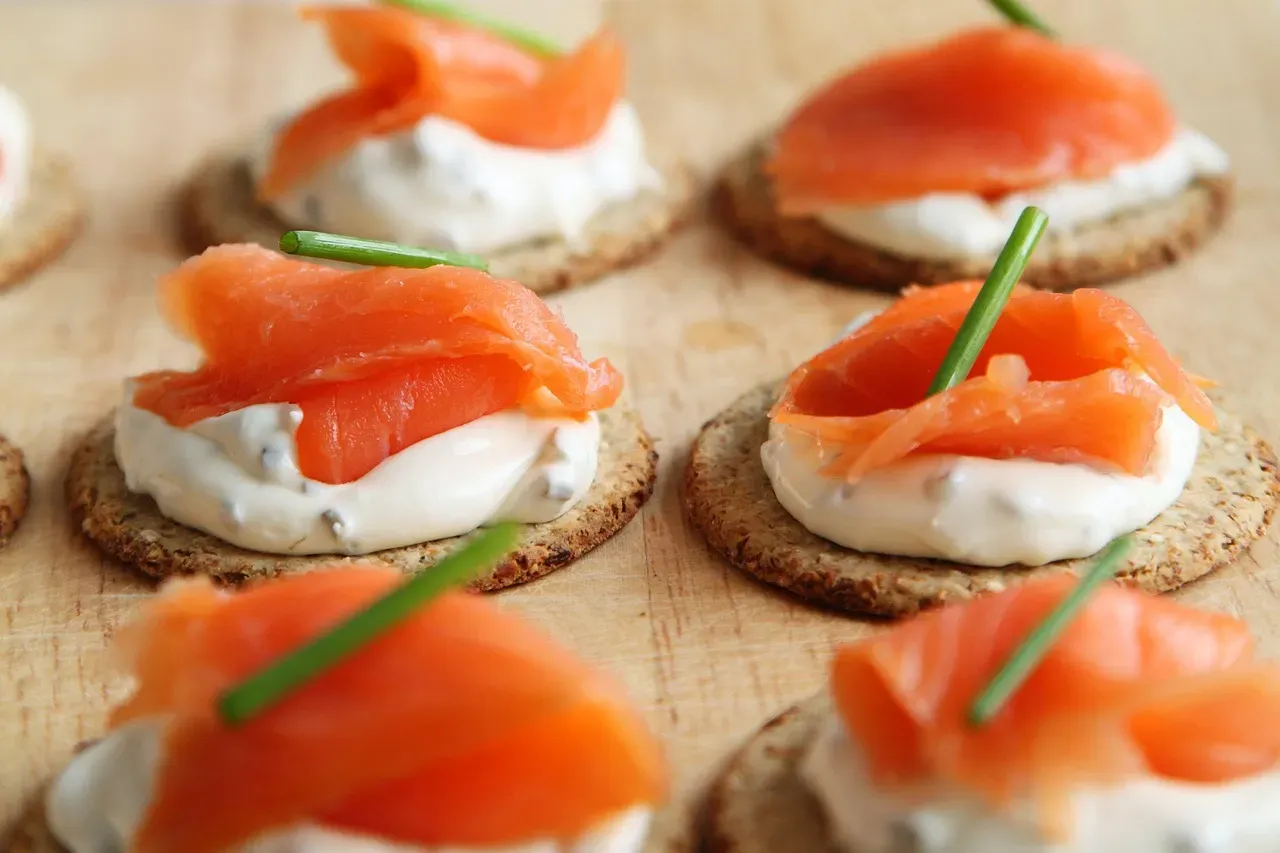
Salmon often gets attention for heart health, but its role in infection defense deserves just as much credit. Omega-3 fatty acids found in fish like salmon, herring, anchovies, and sardines have very potent anti-inflammatory properties and can help to fight off chronic disease. Chronic inflammation is essentially a welcome mat for infections.
Fatty fish like salmon are also rich in vitamin D. Research suggests vitamin D supplementation is associated with lower rates of upper respiratory infections, and that low vitamin D levels are linked to increased incidence of upper respiratory infections. Many adults are walking around vitamin D-deficient without even knowing it.
Foods rich in omega-3 fatty acids, such as salmon, flaxseeds, and walnuts, have anti-inflammatory properties that can help modulate immune function. Aim for two servings of fatty fish per week - a simple, sustainable goal that pays real dividends for your immune resilience.
9. Spinach - The Immune-Boosting Leafy Green
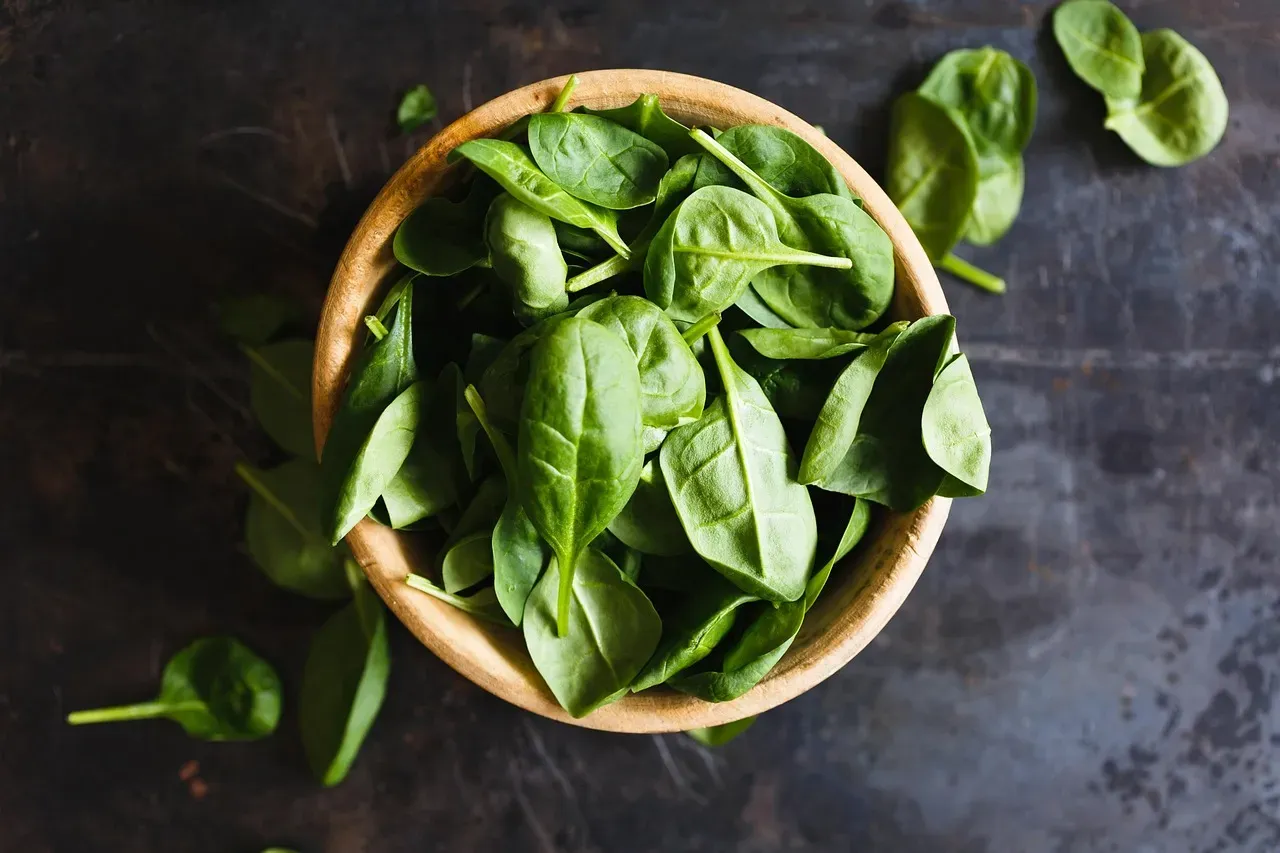
Spinach, kale, asparagus, broccoli, Brussels sprouts, watercress, and other leafy greens are rich sources of vitamin C and folate, both of which help produce and maintain white blood cells that defend the body against infection. If there's a theme emerging here, it's that the most colorful foods tend to be the most powerful.
Spinach is an excellent source of vitamin A, particularly beta-carotene, which is known as an infection-fighter. It also contains a good dose of folate, which may help bolster your immune system. Raw or lightly steamed is the best approach to preserve those heat-sensitive compounds.
Packed with vitamins A, C, and E as well as antioxidants and fiber, spinach is a nutrient powerhouse that supports a healthy immune system. I think it's one of the few foods where the science genuinely matches the hype. Throw it into smoothies, eggs, pasta - it disappears into almost anything.
10. Blueberries - Antioxidant Armor for Your Immune Cells
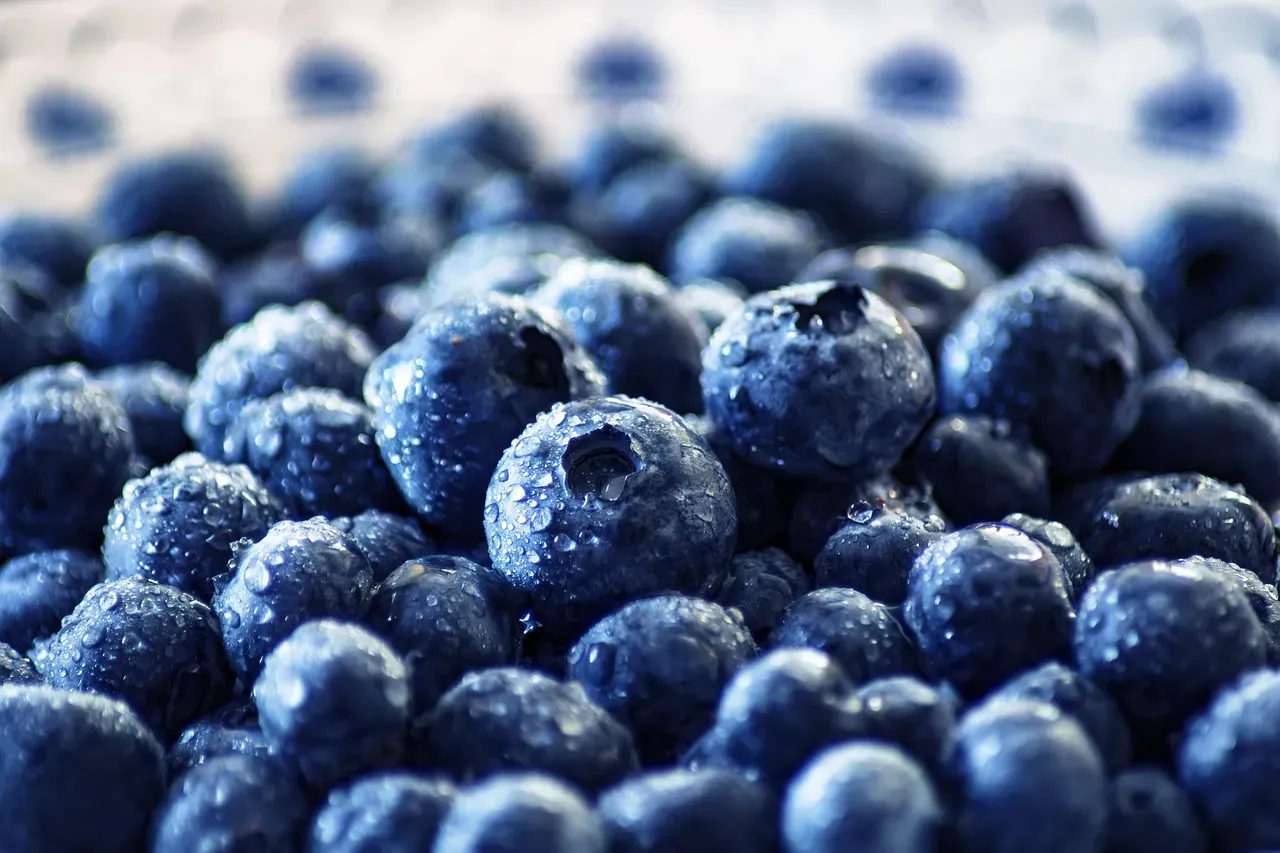
Blueberries are small, but their biological impact is anything but. When it comes to fruits that boost your immune system, berries are a good choice. They're high in vitamin C, and research shows that polyphenols found in berries give them antiviral and antimicrobial properties that positively impact your immune system.
Blueberries contain a flavonoid called anthocyanin, an antioxidant that boosts your immune cells, especially in your respiratory tract. This helps give your cells a boost when you breathe in a virus they must fight. The antioxidants in blueberries also help support other immune cells involved in immune defense.
Think of anthocyanins as a kind of cellular shield - they protect your immune soldiers while they're on duty. Prioritizing berries of a darker hue, like blueberries or blackberries, is recommended as they are likely more antioxidant-packed. Fresh, frozen - it honestly doesn't matter much. Both forms retain their key compounds effectively.
11. Manuka Honey - Antibacterial Beyond the Ordinary

Not all honey is created equal. Manuka honey, native to New Zealand, occupies a different tier entirely. As a natural antibiotic, manuka honey inhibits the growth of various bacteria and also helps to stimulate cytokines - the signaling proteins that activate a response to pathogens or other foreign substances that enter the body.
It also stimulates macrophages to release mediators needed for tissue healing and increases the recruitment of neutrophils, which help direct immune cells to the site of infection and support tissue healing. Research also suggests that manuka honey works alongside conventional antibiotics, enhancing their effectiveness against resistant strains.
That last point is particularly striking in an era where antibiotic resistance is a growing global crisis. Clinical trial evidence suggests that honey may help reduce viral clearance time and improve clinical outcomes by interfering with viral replication and entry. Look for high-grade, certified Manuka honey with a verified potency rating when choosing a product.
12. Almonds and Sunflower Seeds - Vitamin E for Immune Defense
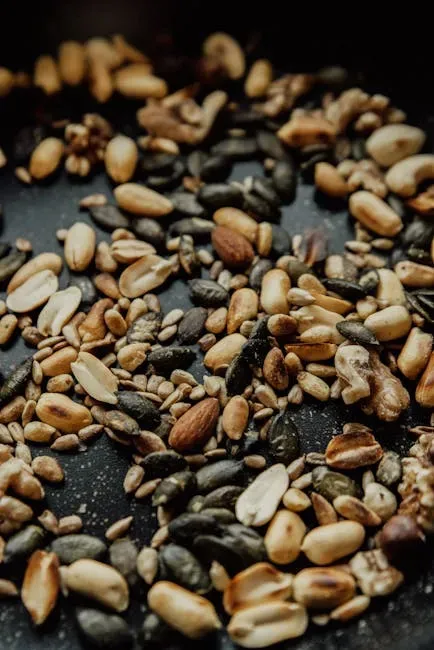
Vitamin E tends to fly under the radar compared to vitamin C, but it's a serious player in immune function. Like vitamin C, vitamin E can be a powerful antioxidant that helps your body fight off infection. This important vitamin is part of nearly 200 biochemical reactions in your body and is critical in how your immune system functions. Two hundred reactions. Let that sink in.
Vitamin E is known to be a powerful antioxidant and supports your body when fighting an infection. It can be found in nuts, seeds, and spinach. Almonds and sunflower seeds in particular are two of the most concentrated dietary sources available, making them an easy daily snack with serious immunological returns.
Antioxidants are a natural way to . By protecting cells and boosting the production of infection-fighting antibodies, they help keep you fit and healthy. Antioxidants are found in almonds, peanuts, hazelnuts, and sunflower seeds. A small handful each day is genuinely enough to make a measurable difference over time.
13. Yogurt with Active Cultures / Fermented Foods - Probiotic Defense
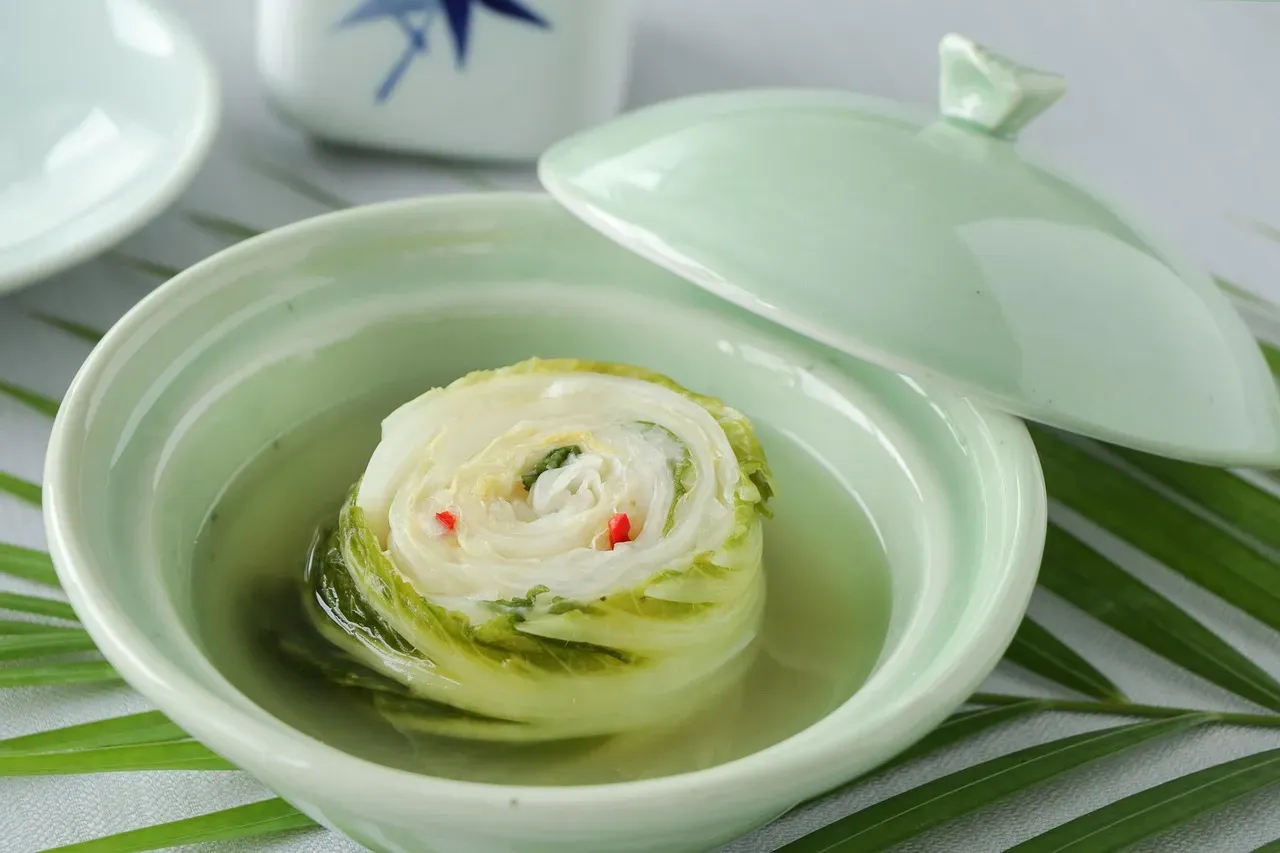
This one is slightly different from the yogurt entry above because it goes beyond just regular yogurt. Fermented foods as a category - kefir, sauerkraut, kimchi, miso - all deserve a spotlight. Probiotics found in yogurt, kefir, and fermented foods help maintain a healthy balance of gut bacteria, which is essential for a robust immune system.
In addition to aiding in drug discovery, plant natural products can improve human immunity. Consuming probiotics and functional foods helps combat infections due to their bioactive compounds. The gut, it turns out, is essentially immune system headquarters - roughly the vast majority of immune cells are located there.
Specific bacterial strains like Akkermansia muciniphila and Faecalibacterium prausnitzii exhibit immune-modulating, anti-inflammatory, and gut barrier-enhancing properties, making them potential therapeutic agents for inflammatory conditions and immune support. The more diverse your fermented food intake, the richer and more varied your gut microbiome becomes - and that diversity is exactly what a resilient immune system needs.
A Final Word on Food as Your First Line of Defense
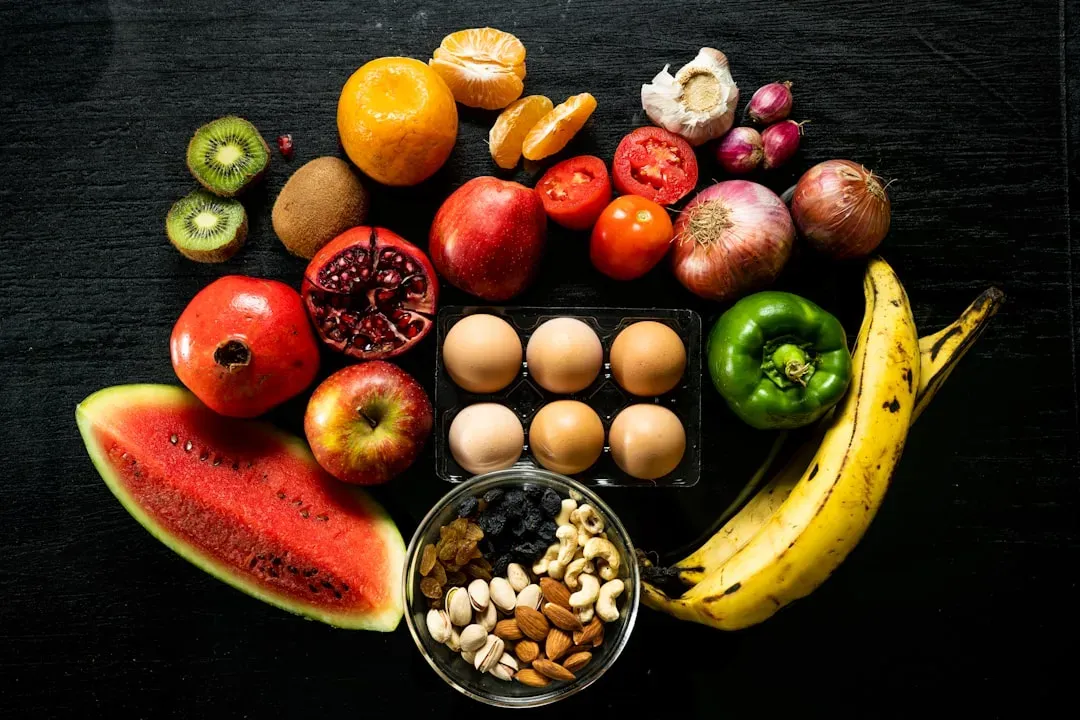
Let's be real: none of these foods are magic bullets. There is no single bite of garlic or sip of green tea that will instantly vanquish every pathogen you encounter. No food or beverage can single-handedly supercharge your immune system. But they can support overall immune health. That support, built up over weeks and months of consistent eating habits, is where the real transformation happens.
The global immunity-boosting food products market was valued at nearly $25 billion in 2023 and is expected to grow at roughly nine percent annually through 2028. Clearly, people are paying attention. The difference is now knowing which foods are backed by real evidence and which are just well-marketed wishful thinking.
These 13 foods share something important: they are not trends. They are deeply researched, widely studied, and consistently supported by science across multiple independent labs and human trials. Build your meals around them, eat diversely, stay consistent. Your immune system will notice - even if you don't see the results overnight. What's the one food on this list you're going to add to your diet first?



Leave a Reply