
Somewhere between the kale smoothie craze and the low-carb obsession, fruit got a bad reputation. People started treating bananas like candy bars and avoiding oranges as if the sugar inside was somehow dangerous. Honestly, it's one of the more frustrating nutrition myths still floating around in 2026.
Even though fruit contains natural sugars and carbohydrates, research consistently supports its role in maintaining a healthy weight. One key reason is that fruit is packed with fiber and water, which can help keep you full for longer. The truth is, not all fruits are created equal when it comes to weight loss and energy, and the differences are worth knowing. Let's dive in.
1. Blueberries: The Tiny Powerhouse Backed by Real Science

Few fruits have earned their "superfood" title quite like blueberries. While they are known for a plethora of health benefits, new research from Cal Poly Humboldt found that this superfruit could help burn fat during exercise. The study, published in the journal Nutrients, suggests that wild blueberries may help accelerate fat oxidation, which is the process of breaking down fatty acids for energy.
Overall, the research found that consuming roughly one cup of wild blueberries daily for two weeks increases the ability to use and burn fat during moderate-intensity exercise, like cycling. While it accelerates fat burning, it also decreases the use of carbohydrates. That double benefit is a serious deal for anyone trying to stay lean without exhausting themselves.
There is no harm in adding wild blueberries to a weight-loss regimen. In fact, they may even help curb food cravings and preserve lean body mass, according to results of a small, randomized study presented at NUTRITION. Think of blueberries less like a fruit and more like an edible investment in your metabolism.
2. Apples: The Classic That Science Keeps Defending
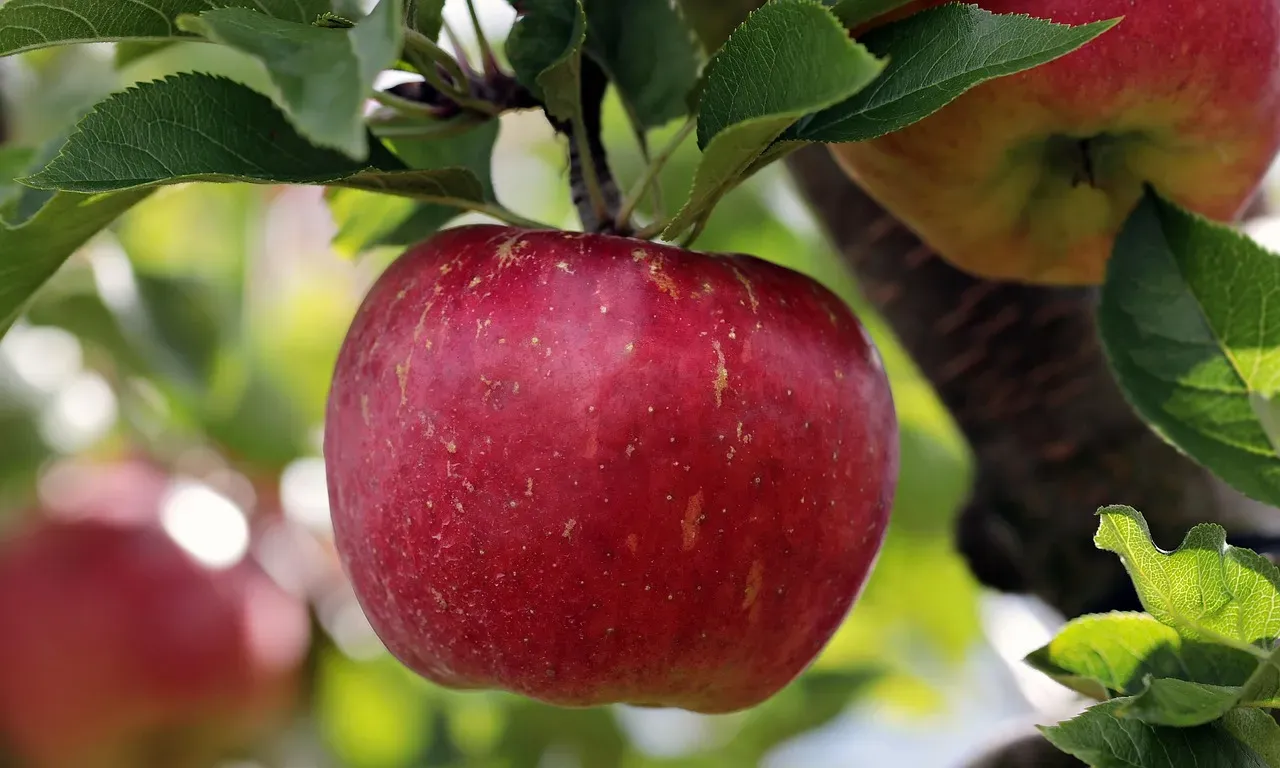
Apples are classic weight-loss fruits for a reason. They are high in soluble fiber that slows down digestion, keeps hunger in check, and prevents overeating. There is a reason the old advice about "an apple a day" has never really gone out of style.
Apples and pears are incredibly dense in a specific type of soluble fiber called pectin. Pectin is famous for its ability to slow down digestion and help you feel fuller for longer. That means fewer energy crashes, fewer impulsive snack attacks, and a more stable path through the afternoon.
A large prospective study found that the top fruits for weight loss included apples and pears, which were linked to meaningful reductions in body weight over time. Eating just one apple a day with the skin on gives the body an average of 4.4 grams of fiber, and apples are a rich source of a powerful fiber called pectin. Keep the skin on. That is where much of the good stuff lives.
3. Grapefruit: The OG Diet Fruit That Actually Has Science Behind It
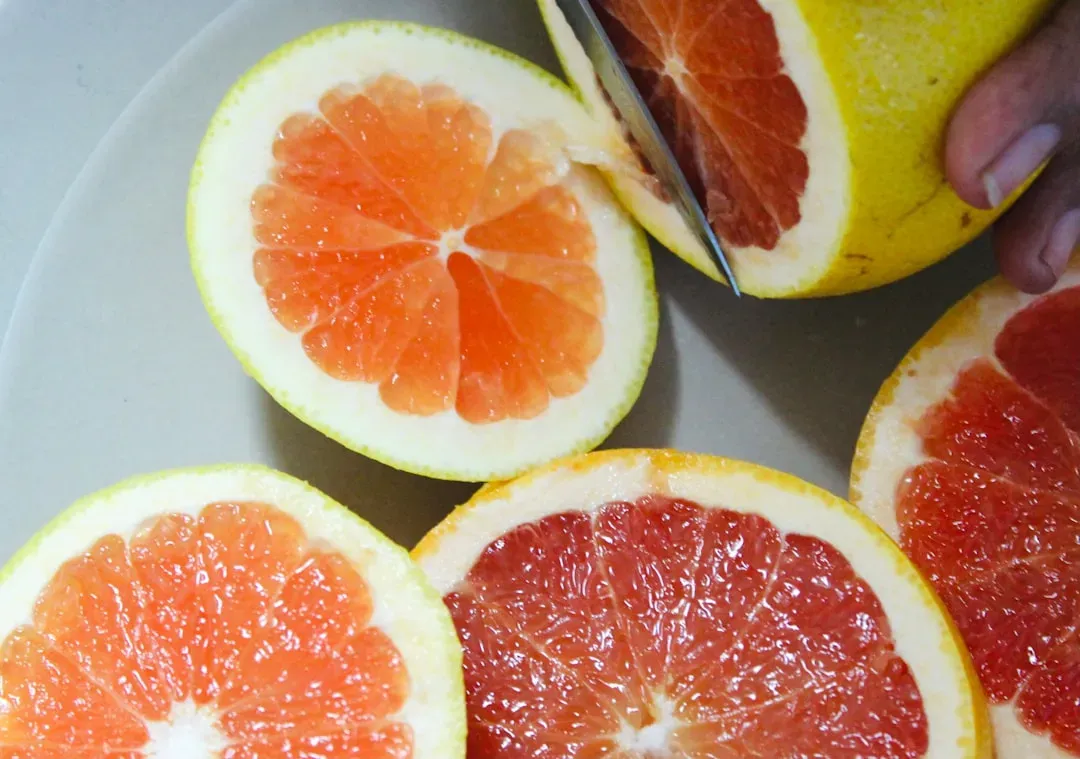
Grapefruit has been associated with weight loss for decades, and for once, the "diet hype" actually has some science to back it up. It is one of those cases where the reputation genuinely matches the research, which is refreshingly rare in nutrition circles.
One whole grapefruit provides about 80 calories, roughly all of your daily vitamin C needs, and 3 grams of fiber. Research suggests that eating just half of a fresh grapefruit before meals is linked with weight loss and better insulin sensitivity. Better insulin sensitivity essentially means your body is more efficient at using energy rather than storing it as fat.
A study observed that people having grapefruit or drinking its juice before meals resulted in a roughly 7% decrease in body weight and reduced cholesterol levels. One important heads-up though: grapefruit can interact with certain medications, including some statins and blood pressure medicines. If you take prescriptions, check with your pharmacist or clinician before adding grapefruit.
4. Berries (Raspberries, Strawberries, Blackberries): Low-Calorie, High-Impact
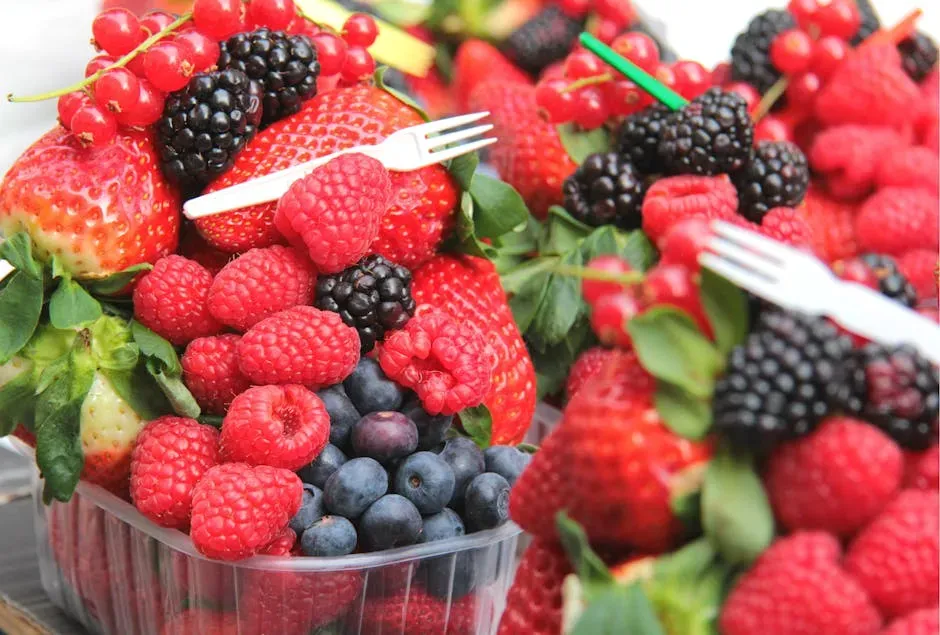
Berries are incredibly low in calories but exceptionally high in fiber. For example, a whole cup of raspberries has about 8 grams of fiber but only 64 calories. This high fiber-to-calorie ratio is exactly what you want when trying to lower the energy density of your diet.
Berries are rich in antioxidants called anthocyanins. Some research suggests that these compounds may help improve insulin sensitivity, which essentially helps your body move sugar out of your bloodstream and into your cells to be used for energy rather than stored as fat. That is a metabolic win hiding inside something that tastes like dessert.
Berries have high water content. Raspberries are about 85% water, blueberries 84%, and strawberries a whopping 92%. This means that berries help you feel satiated for longer while consuming fewer calories. Blackberries in particular may help your body break down fat so it can be used as energy, which is beneficial when trying to lose weight and may also help prevent weight gain over time.
5. Pears: Underrated, Fiber-Rich, and Study-Tested
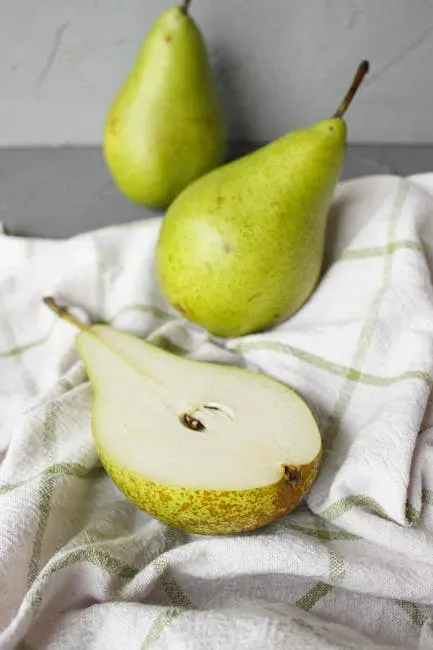
Let's be real. Pears rarely get the same love as berries or apples, which is a genuine shame. Much of the nearly 6 grams of fiber in pears is the soluble kind, which has been shown to help you feel fuller, eat less, and promote weight loss. A 12-week study found that eating two pears a day led to significantly lower waist measurements at the end of the study.
Pears are among the highest-fiber fruits, offering 7 grams, or roughly a quarter of your daily value, per large pear. Their high fiber content makes them low-glycemic and safe for people with diabetes to consume. A fruit that satisfies your sweet tooth while also keeping blood sugar steady is genuinely hard to beat.
Research on overweight women shows that pears are associated with a lower calorie intake and body weight compared with oat-based cookies as a snack. Swapping an afternoon cookie for a pear might sound unexciting, but the science behind that simple swap is surprisingly compelling.
6. Avocado: Yes, It's a Fruit, and Yes, It Helps
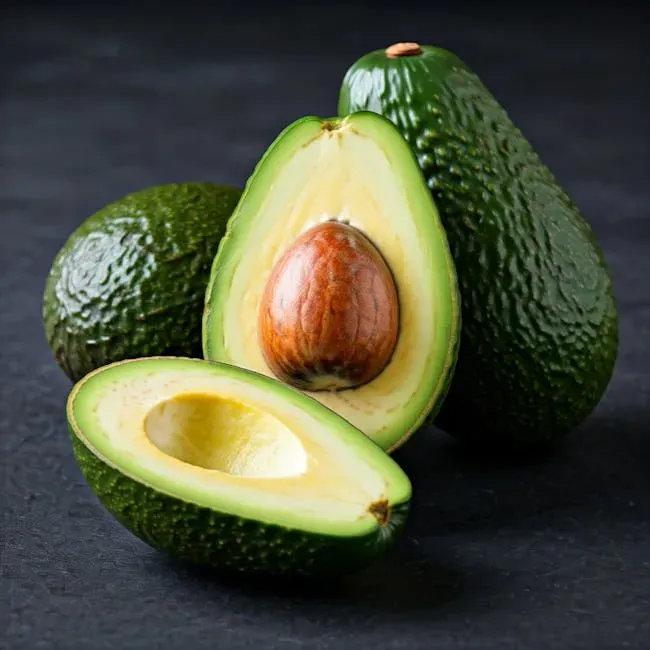
I know what you are thinking. Avocado is high in fat, so how does it fit into a weight loss conversation? Here is the thing: not all fats are the enemy. The fats in avocados are monounsaturated, the heart-healthy kind. These fats, combined with a surprisingly high amount of fiber, make avocados a powerhouse for appetite suppression. Adding just half an avocado to your lunch can significantly increase satiety and reduce the urge to snack for hours afterward.
A 2013 study found that adding half an avocado to lunch boosted satiety and decreased the desire to eat by roughly 28% over the next five hours compared to a meal that lacked avocados, suggesting that avocados may help you eat less and lose weight.
Rich and creamy avocados are a prime source of healthy fats, which are known to promote fullness and support cardiovascular health. Avocados pack nearly 20 vitamins and minerals, and just a third of the fruit has 4.5 grams of fiber and less than 1 gram of sugar. That ratio alone makes it one of the most nutritionally efficient fruits you can eat.
7. Watermelon: Hydration Meets Hunger Control
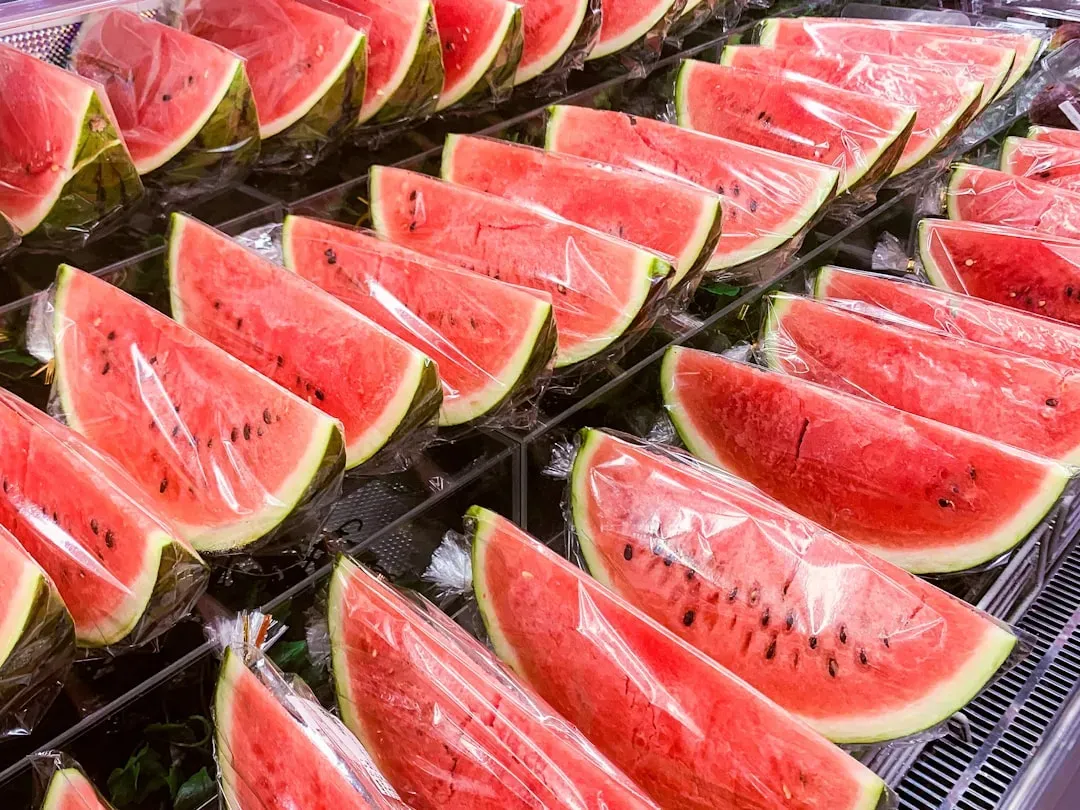
Watermelon is about 92% water. When foods contain a lot of water, it helps keep the calorie density in check. Munching on low-calorie-density fruits like watermelon helps you maintain the calorie deficit you need to lose weight, while feeling satisfied.
Watermelon has a high fiber and water content, with one cup of the fruit containing less than 50 calories. A study from 2019 found that replacing a low-fat cookie with the same amount of calories from watermelon daily resulted in greater satiety and weight loss. Additionally, even though watermelon contained twice as much sugar as the cookie snack used in the study, the fruit did not spike blood sugar more and returned to normal levels sooner.
Watermelon contains an amino acid called arginine, which has been linked to fat burning. Snacking on watermelon can help you stay hydrated and curb cravings between meals. Think of it as nature's sports drink, just without the artificial colors.
8. Kiwi: The Sleep, Gut, and Energy Triple Threat
Nikon case D300 optical Sigma 150mm F2,8 macro, CC BY-SA 2.5)
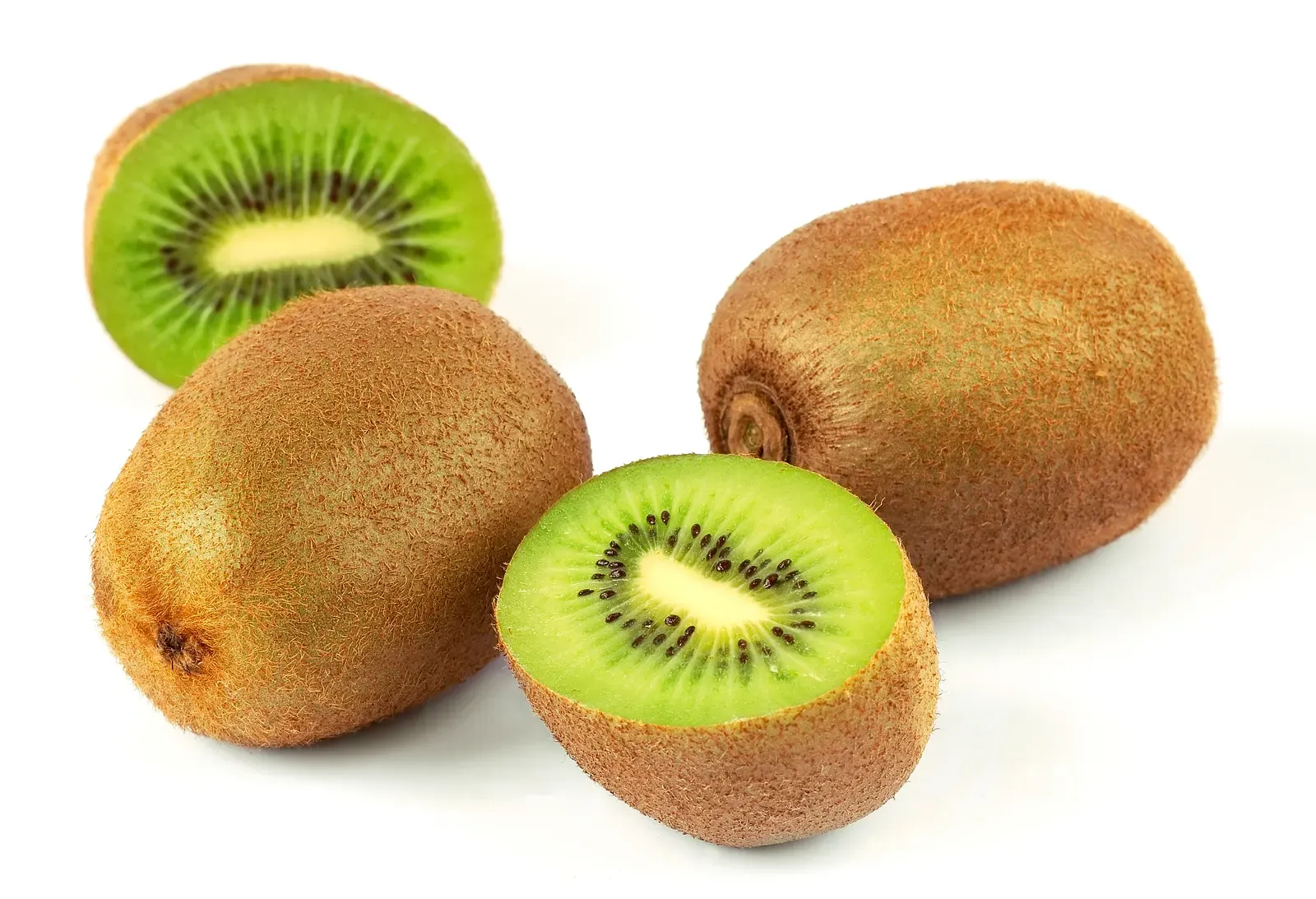
Kiwi is an underrated nutritional gem. It is packed with vitamin C, but its real weight loss benefit comes from its fiber content, specifically a mix of soluble and insoluble fiber. Kiwi also contains an enzyme called actinidin, which helps your body digest protein more efficiently. Better digestion means less bloating and a smoother-running metabolism.
A six-week study found that eating two kiwis per day resulted in significantly less body fat among overweight and obese young adults at the end of the study. That is a fairly short window to see real results, which tells you something meaningful about this small but mighty fruit.
Kiwi supports better sleep and a healthy gut, both of which are tied to a more vibrant metabolism. It is one of the best fruits to naturally support your weight-loss journey. With only 41 calories per 100 grams, kiwi is an excellent choice for anyone looking to shed pounds. It is rich in vitamin C, fiber, and antioxidants, making it great for metabolism and digestion.
9. Pomegranate: The Polyphenol-Rich Gem
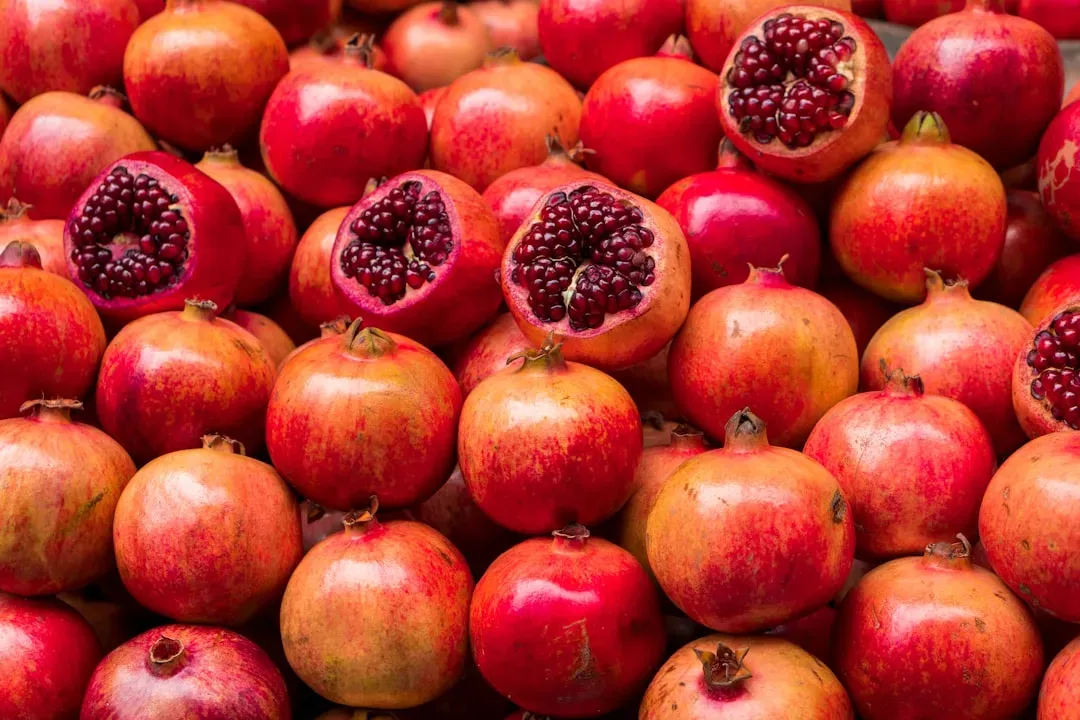
Evidence supports the potential application of polyphenols as agents against obesity. Pomegranate is one of the fruits that possess a high content of polyphenols. A systematic review and meta-analysis of randomized controlled trials sought to evaluate the effects of pomegranate consumption on obesity indices, including BMI, body weight, and waist circumference.
Although it requires a little extra work to extract the arils, the effort is worth it. Pomegranates are a rich source of antioxidants, and one cup of seeds contains 7 grams of fiber, roughly a quarter of your daily value, along with a meaningful dose of vitamin C and B vitamins including folate.
Antioxidants in pomegranate like polyphenols and flavonoids protect us from molecules that harm our bodies. Pomegranates have compounds called phytochemicals, which may have anti-obesity effects. Honestly, any fruit that packs this much nutrition into such a small, jewel-like package deserves far more attention than it gets.
10. Banana: The Pre-Workout Fruit With a Nuanced Story

Less ripe, greener bananas are rich in a type of carb called resistant starch. Resistant starch can help you feel fuller after meals, which makes it easier to stay within your calorie needs. These starches produce a metabolite in the colon, which your body turns into energy. It is a smarter carb than most people give it credit for.
Bananas are an easy weight-loss snack that are low in calorie density and rich in potassium and fiber. They also include plenty of vitamins, like vitamin C and B6. Unripe bananas contain starches that your body digests slowly, preventing spikes in blood sugar and the inevitable energy crash that follows.
The banana contributes to weight loss because it is loaded with antioxidants and fiber. It is also high in potassium and contains healthy carbohydrates that not only keep you full longer but also supply ample energy for sustained activities. Just keep it to one banana per day if weight loss is the goal, and opt for the less ripe ones when you can. The greener, the better for your blood sugar.
A Final Note: Whole Fruit vs. Juice Makes All the Difference
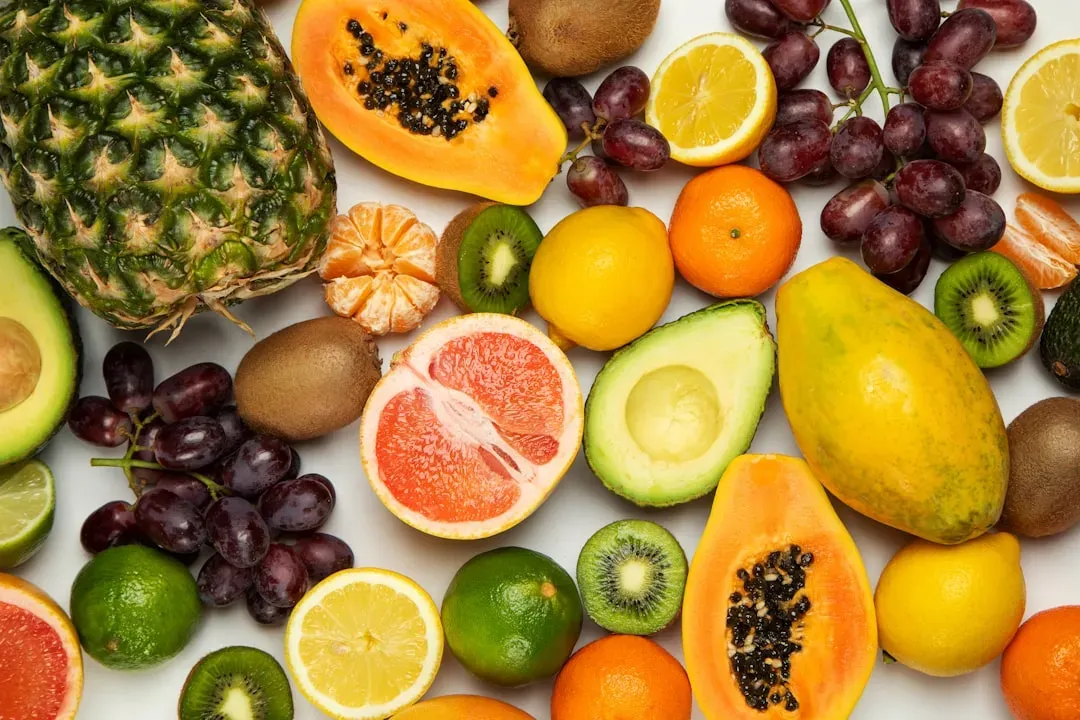
Here is something worth knowing before you run off to buy a juicer. While 100% fruit juice provides beneficial nutrients, it lacks fiber and can be easy to overdrink. A 2024 analysis found that drinking more than one glass of juice per day was linked to a slight increase in weight.
Fruits and vegetables generally have high water and fiber content, which provide volume and weight but not calories. That is why they are low-energy-dense foods. The moment you remove the fiber by juicing, you lose the very thing that makes fruit so effective for weight management.
The Dietary Guidelines for Americans recommend consuming 2 cups of fruit per day as part of a balanced diet, and research also suggests that eating fruit can help reach and maintain a moderate weight. Two cups. Whole fruit. It really is that straightforward, and yet most people still fall short of that simple goal.
Nature essentially designed fruit to be the perfect snack. Low in calories, high in water, rich in fiber, packed with vitamins. The evidence across study after study, year after year, continues to point in the same direction. The best fruit for your goals is ultimately the one you will actually eat consistently. What would you swap into your daily routine starting today?




Leave a Reply