
Most of us have been there. It's barely two hours after lunch and the stomach is growling again, like a car running on empty. The instinct is to grab whatever is nearby, which is usually something regrettable. Here's the thing though - hunger doesn't always mean you haven't eaten enough calories. Often, it means you haven't eaten the right foods.
Science has a name for how filling a food is relative to its calorie count. It's called the satiety index, and it was pioneered by researcher Dr. Susanna Holt at the University of Sydney back in the mid-1990s. The findings were, honestly, surprising. Some foods keep you full for hours on very few calories, while others - croissants, cookies, chips - leave you hunting for snacks thirty minutes later. The 12 foods below are the ones that consistently win that game. Let's dive in.
1. Boiled Potatoes: The Unlikely Champion
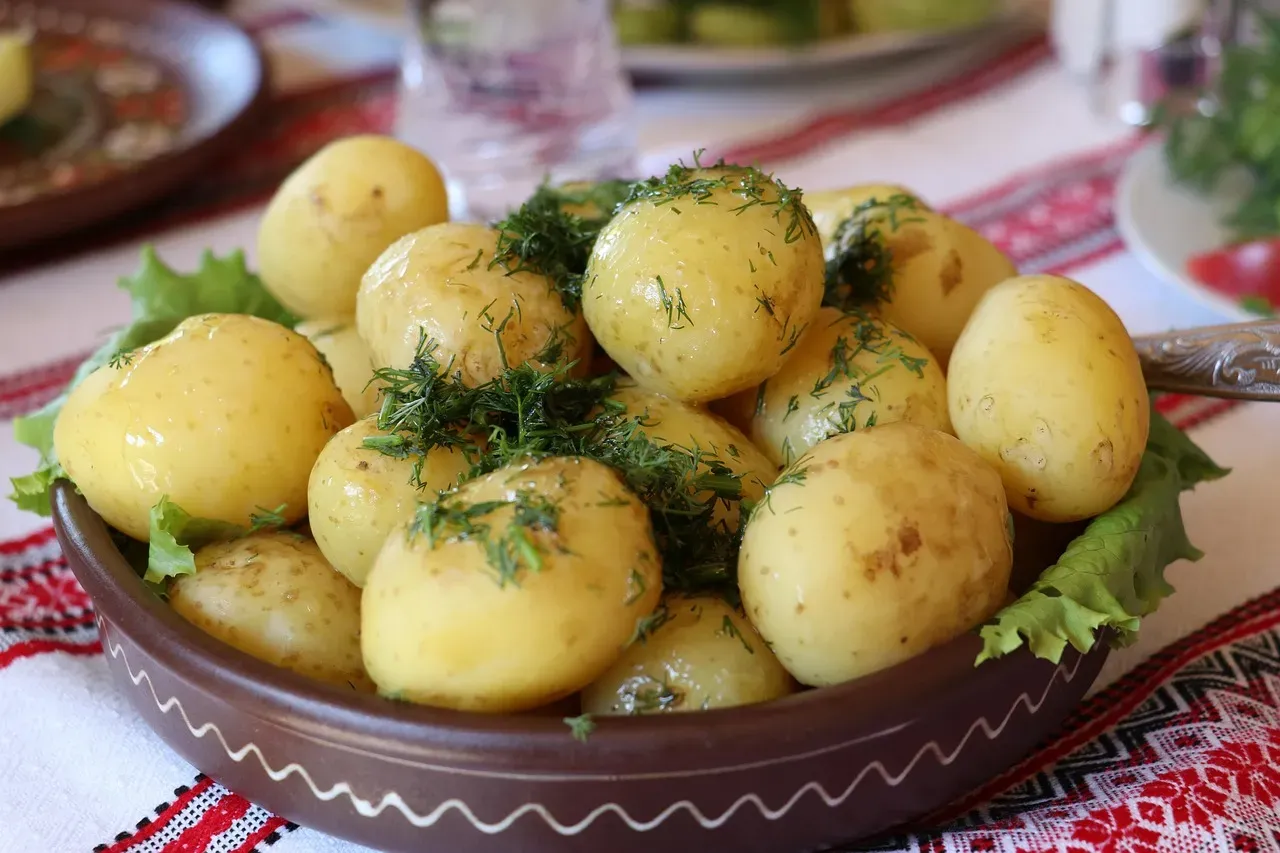
Few foods get a worse reputation in diet culture than the humble potato. People ditch them, fear them, and replace them with cauliflower. Yet the science tells a completely different story. The original Satiety Index study reported boiled potatoes as having the highest satiety index, roughly 323 percent relative to white bread, meaning they kept people full for longer than any of the other 38 foods tested.
Rich in water and with 4 grams of fiber and 4 grams of protein per medium baked potato with skin, the simple spud beat 37 other foods to score highest on the satiety index scale. Think about that. Not salmon. Not lentils. A potato. In one study, participants who consumed 45 grams of potatoes reported feeling more satisfied and less hungry compared to those who ate the same amount of rice or pasta.
The key is in the preparation. Potatoes are high in water, contain resistant starch, and provide vitamin C, vitamin B6, and potassium. One medium boiled potato has about 130 calories. Keep them boiled or baked, skip the butter and sour cream overload, and you have one of the most effective hunger-blocking foods on the planet.
2. Eggs: Small Package, Massive Satiety Power
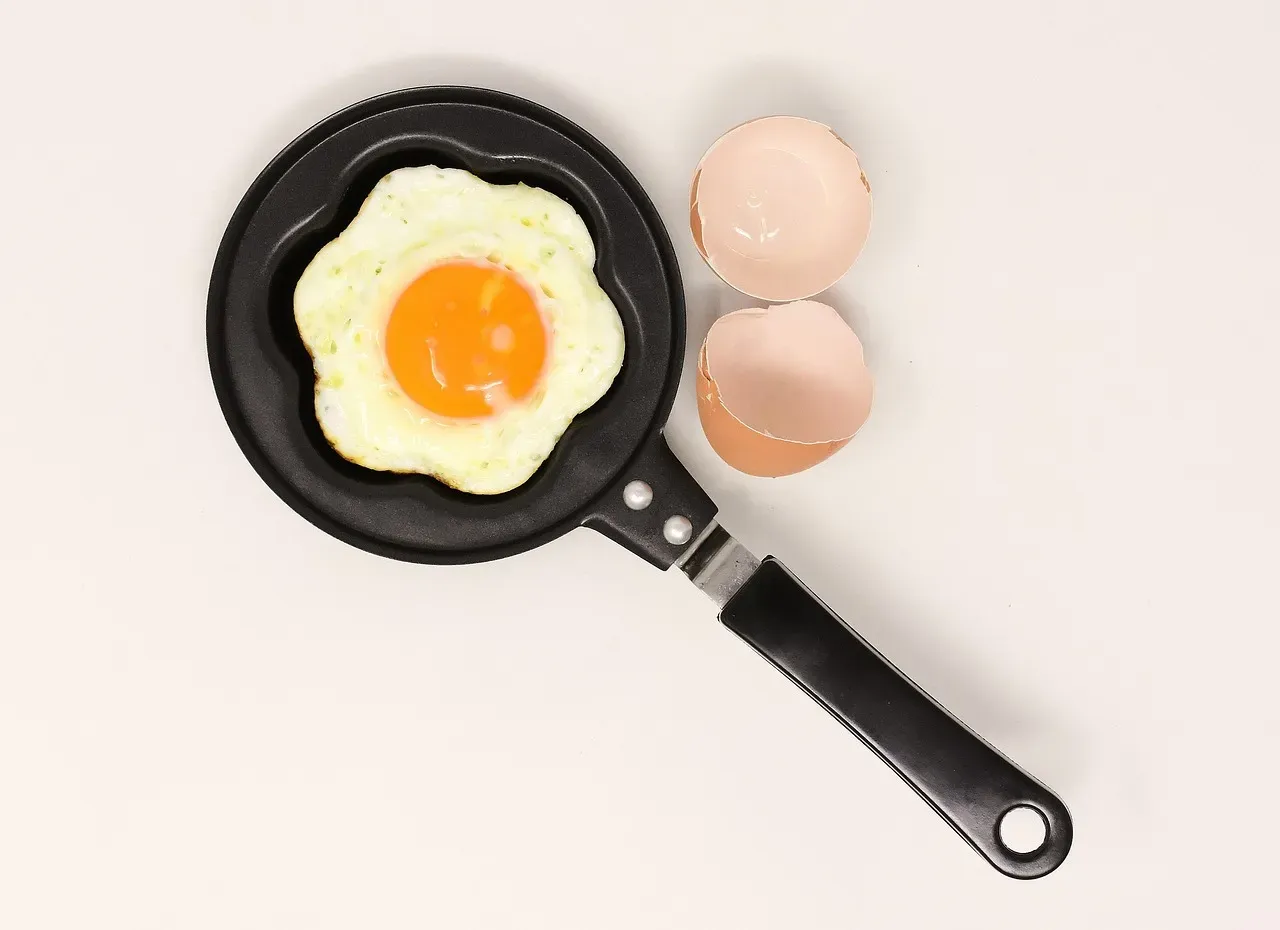
Eggs are a nutritious, high protein food with a powerful impact on fullness. They may also help you eat less later in the day. That's not just folk wisdom - it's backed by clinical trials. In trials, people have reported less hunger and greater fullness after meals containing eggs compared to meals without eggs.
One large egg has about 70 calories and 6 grams of protein with all nine essential amino acids. A study found that people who ate eggs and toast for breakfast felt less hungry and ate fewer calories at their next meal compared to those who ate a bagel with the same calories. That's a meaningful real-world difference, not just a lab measurement.
Studies show that protein is the most filling macronutrient. It changes the levels of several satiety hormones, including ghrelin and glucagon-like peptide 1 (GLP-1). Eggs happen to be one of the most efficient and affordable delivery systems for that protein. Scrambled, boiled, or poached - the effect holds.
3. Oatmeal: The Breakfast That Actually Works
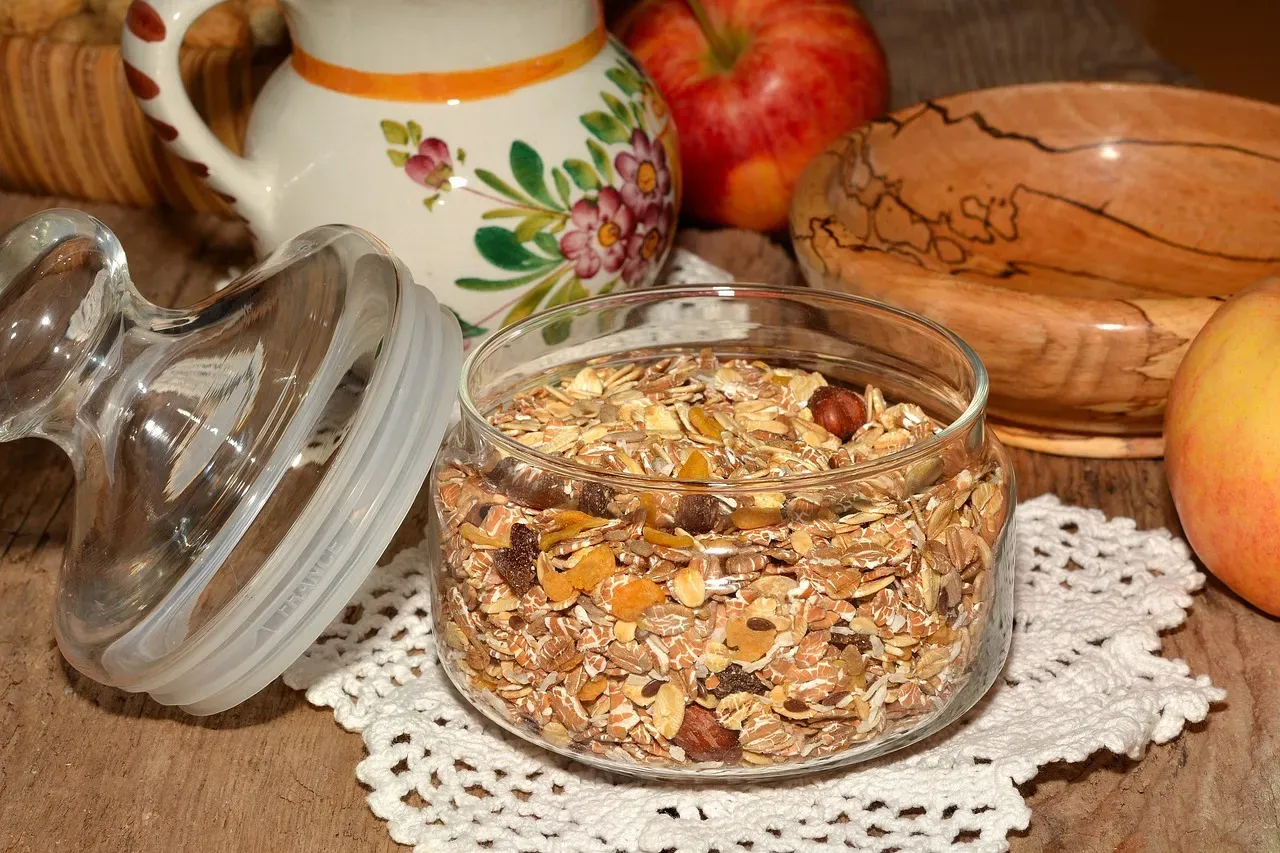
I'll be honest, oatmeal gets sold as a health food so aggressively that it's easy to become skeptical. But the research is actually solid on this one. Oatmeal scored 209 on the Satiety Index. It is high in soluble fiber called beta-glucan that forms a gel in your gut and slows digestion.
Starting your morning with a bowl of oatmeal, particularly one made with unsweetened rolled or steel-cut oats, can keep you feeling full until lunchtime. Oats contain beta-glucan soluble fiber that forms a thick gel in the GI tract, slowing digestion and gastric emptying. That slowed digestion is the actual mechanism behind why you don't reach for a mid-morning snack.
Oatmeal is fairly low in calories and a great source of fiber, particularly a soluble fiber called beta glucan. Oatmeal's filling power comes from its high fiber content and ability to soak up water. Just steer clear of the flavored instant packets loaded with sugar. Plain oats with a banana or some berries on top is the move.
4. Fish: The Lean Protein That Beats Beef

Most people know fish is healthy, but fewer know it's actually more filling per calorie than beef. Ling fish scored 225 on the Satiety Index. Fish is packed with lean protein and healthy omega-3 fats. A 150 gram serving of cod has about 120 calories and 25 grams of protein. The Satiety Index research found fish is more satisfying per calorie than lean beef or chicken.
The high amounts of satisfying omega-3 fatty acids in oily fish like salmon, mackerel, sardines, and tuna have been shown to boost levels of the hormone leptin. Leptin promotes feelings of satiety, contributing to fullness and making fish a natural appetite suppressant. That's a hormonal benefit stacked on top of an already high protein content.
Fish is loaded with high quality protein. Fatty fish, such as salmon, is also rich in omega-3 fatty acids, which are essential fats that must be obtained from food. Grilling or baking a salmon fillet twice a week is one of the most efficient swaps you can make for lasting fullness without piling on the calories.
5. Legumes: The Underdog of the Satiety World
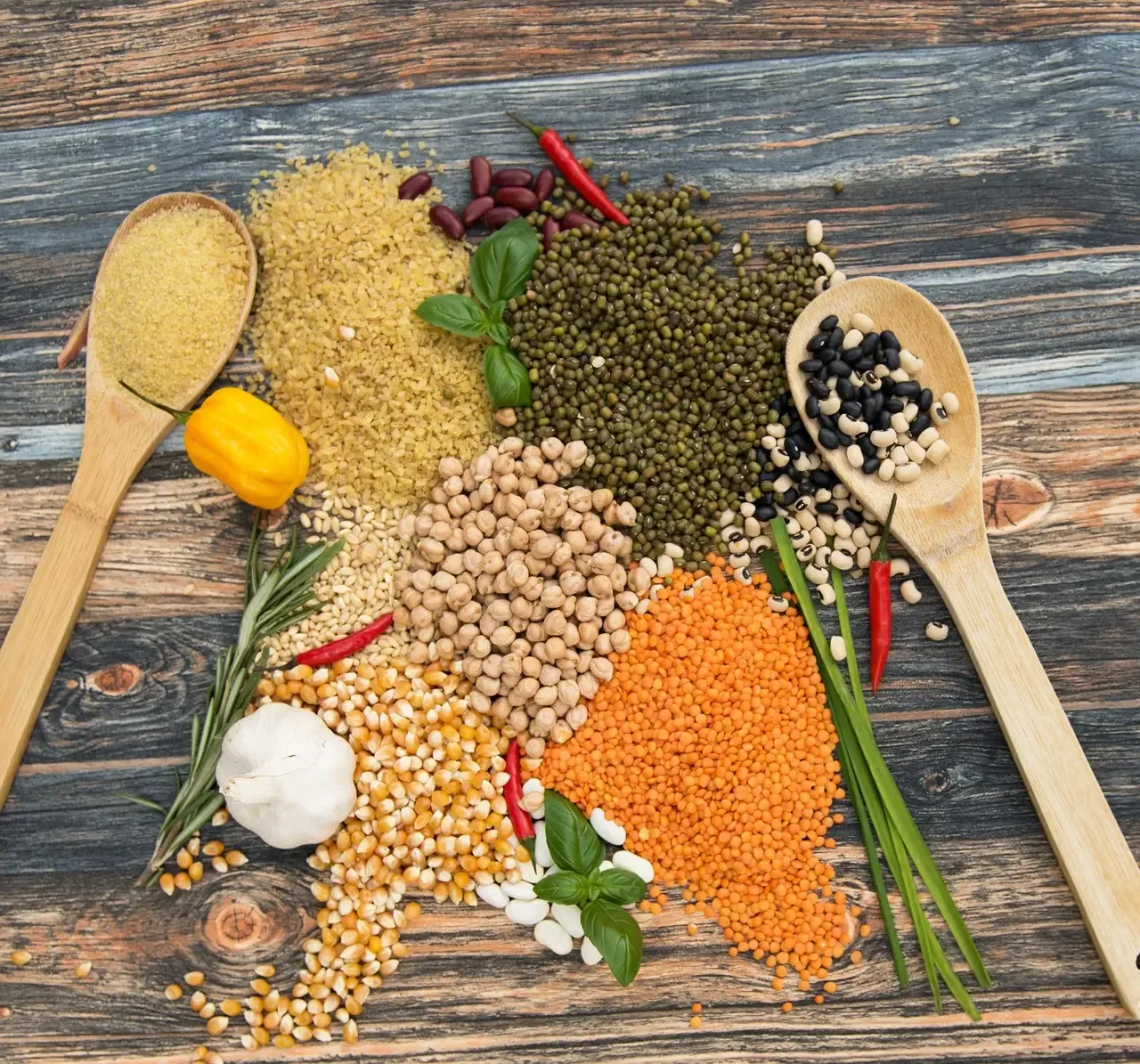
Beans, lentils, and chickpeas are criminally underrated in Western diets. People walk past them in the grocery store in favor of protein bars and shakes, without realizing what they're ignoring. Baked beans scored 168 on the Satiety Index. A review of multiple studies found that people felt roughly about a third more full after eating meals with pulses compared to meals without them at the same calorie count.
One cup of cooked lentils has about 230 calories, 18 grams of protein, and 15.5 grams of fiber. That is a genuinely impressive nutritional profile. Pulses are high in protein and fiber, digest slowly, and help you feel full longer. Plant protein plus fiber keeps you full while also keeping blood sugar peaks modest, which helps control appetite.
The gut benefits are an added bonus. Soluble fiber absorbs water and forms a gel-like substance, which slows digestion and promotes steady energy release. Oats, apples, beans, and chia seeds are rich in soluble fiber. Think of legumes as a slow-release energy capsule your body opens over several hours.
6. Greek Yogurt: Thick, Creamy, and Actually Filling
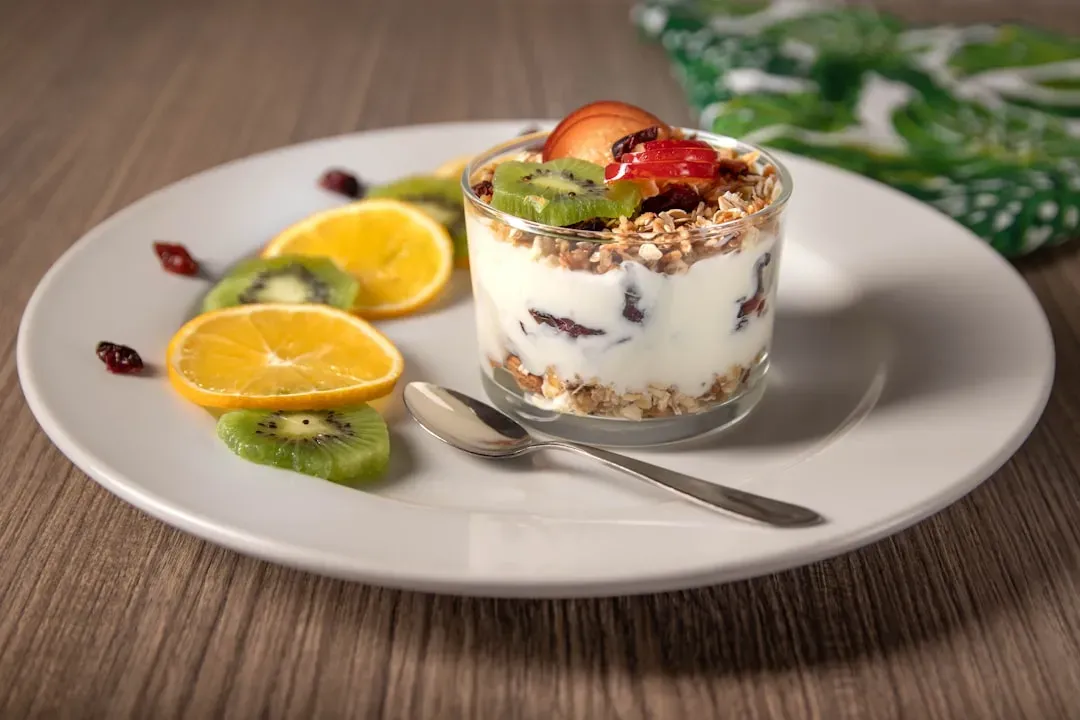
Regular yogurt and Greek yogurt are not the same thing. Not even close. Greek yogurt is very thick compared with regular yogurt and typically higher in protein, too. It is a great breakfast option and also a popular afternoon snack that can help fill you up until your next meal.
In one 2021 study, participants consumed various dairy products before eating pizza. Those who consumed Greek yogurt ate the least amount of pizza. That is about as real-world applicable as a study gets. Nobody is measuring food in a laboratory bubble - they are testing the actual downstream effect on how much you eat.
Greek yogurt is thick, high in protein, and keeps you full for hours. A 170 gram serving of plain nonfat Greek yogurt has about 100 calories and 17 grams of protein. Seventeen grams of protein for 100 calories is outstanding. Add some berries and a drizzle of honey, and you have a genuinely satisfying meal that won't quietly wreck your calorie balance.
7. Apples: The Whole Fruit Rule Matters
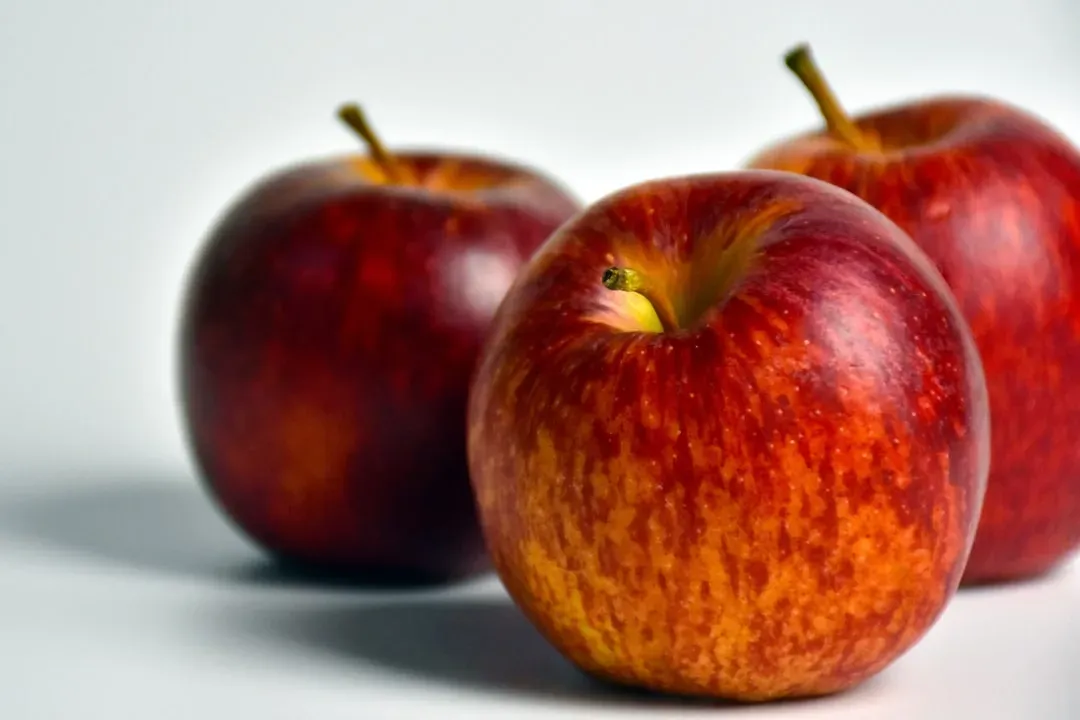
There's a simple rule worth knowing about fruit: whole is always better than juiced when fullness is the goal. Whole fruit is always more filling than fruit juice because juice strips out the fiber. An apple is a perfect example of this principle in action.
A medium apple has about 95 calories and 4 grams of fiber. The combination of water, fiber, and the time it takes to chew makes apples one of the best filling snacks you can eat. The chewing time is actually part of the equation - it signals to the brain that eating is happening and fullness is on its way.
Most fruits and vegetables are naturally low in fat and calories. The water and fiber in fruits and vegetables add volume to your dishes so you can eat the same amount of food with fewer calories. This means you can feel full while eating fewer calories. An apple before a meal is one of those old-school tricks that turns out to have genuine scientific backing.
8. Leafy Green Vegetables: Maximum Volume, Minimal Calories
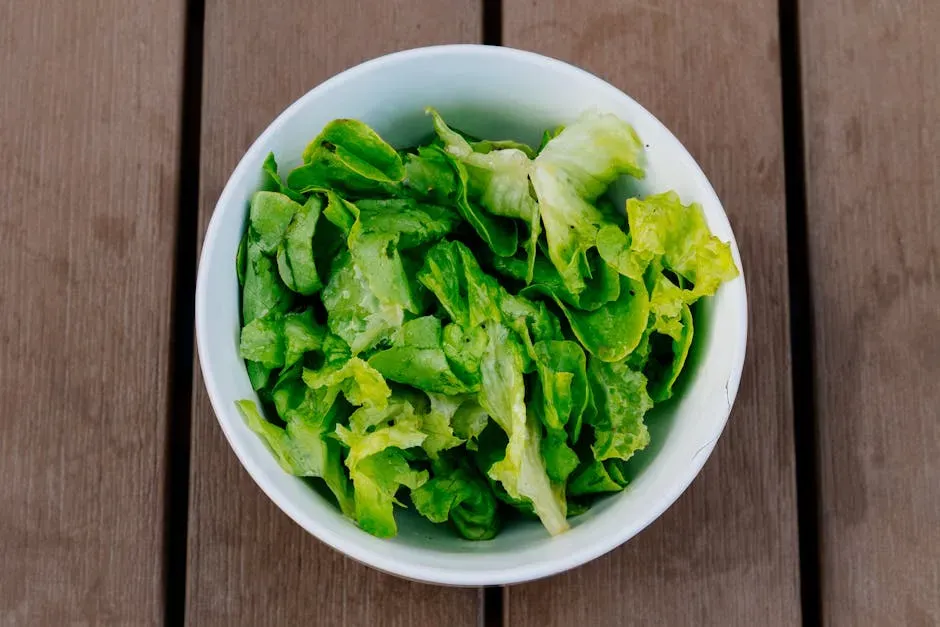
Let's be real - leafy greens are never going to be the most exciting food on this list. Still, nothing delivers more stomach-filling volume per calorie than a big bowl of spinach, kale, or collard greens. High-satiety vegetables like leafy greens, cauliflower, and green beans can help you feel full while eating fewer calories.
In one study, people who ate a large portion of spinach at lunch felt significantly fuller than when they ate a calorie-matched lunch without spinach. The researchers attributed the increased satiety to the high fiber and water content of the meal that contained spinach. Water and fiber are the twin engines of satiety in vegetables.
Leafy greens like spinach and lettuce provide volume and nutrients while being extremely low in calories. Think of a large bowl of raw spinach as a sort of calorie-free stomach filler. Vegetables like broccoli, zucchini, spinach, and bell peppers rank highly in terms of satiation because they are low in calories per weight in volume while being high in fiber and water.
9. Nuts: Small in Size, Big on Fullness
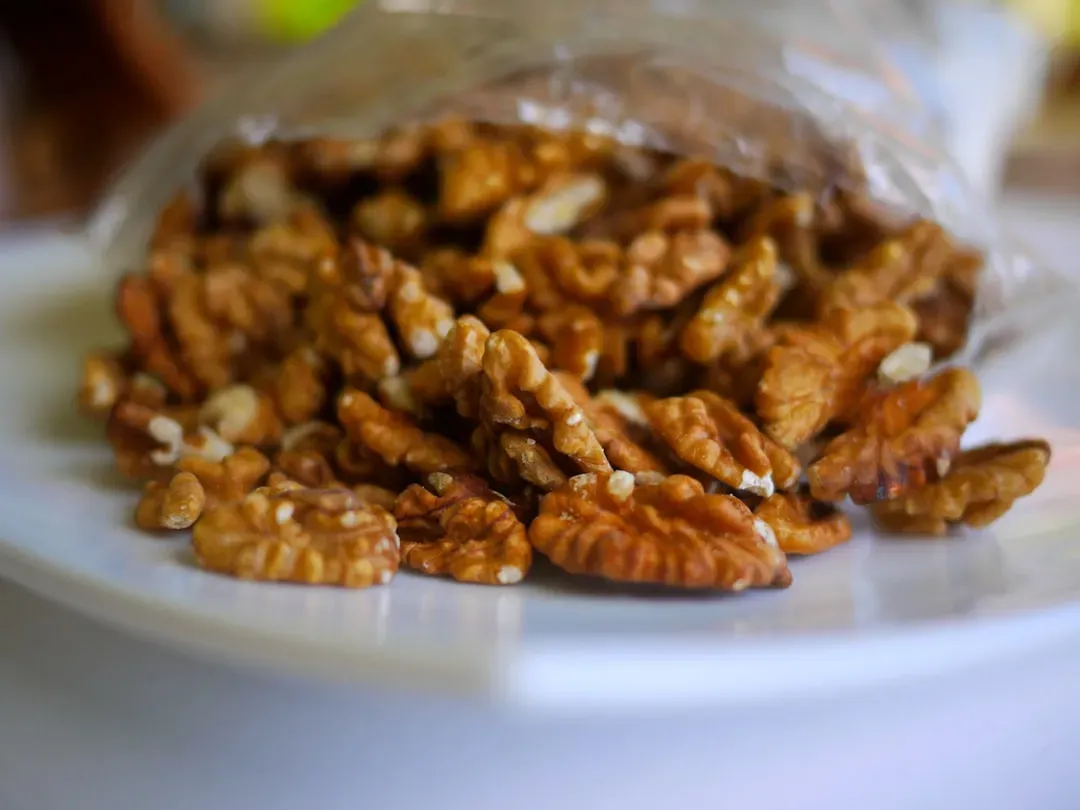
Nuts are calorie-dense, which trips people up. They see a small handful and assume it barely counts as a snack. The reality is that the specific combination of protein, fiber, and healthy fat makes them uniquely effective at keeping hunger away. Scientists have found that walnuts and almonds excel when it comes to preventing hunger. While portion sizes are smaller for nuts than they are for fruits or veggies, they are still worth incorporating into meals and snacks. A 2021 study in the journal Nutrients found that participants felt more full after eating one and a half ounces of mixed nuts than they did after snacking on the same amount of pretzels.
Nuts are full of fiber, protein, and healthy fats. Almonds, walnuts, pecans, and other nuts are packed with satisfying protein, fiber, and heart-healthy fats, not to mention vitamins and minerals. The pretzels might feel like more food because of the volume, but the nuts win the satiety marathon by a wide margin.
Numerous studies have explored the relationship between snack foods and satiety. These studies concluded that whole foods high in protein, fiber, and whole grains, such as nuts, yogurt, prunes, and popcorn, enhance satiety when consumed as snacks. Portion control still matters with nuts, but a small handful as a mid-afternoon snack can genuinely hold hunger off until dinner.
10. Air-Popped Popcorn: The Surprise Snack Winner
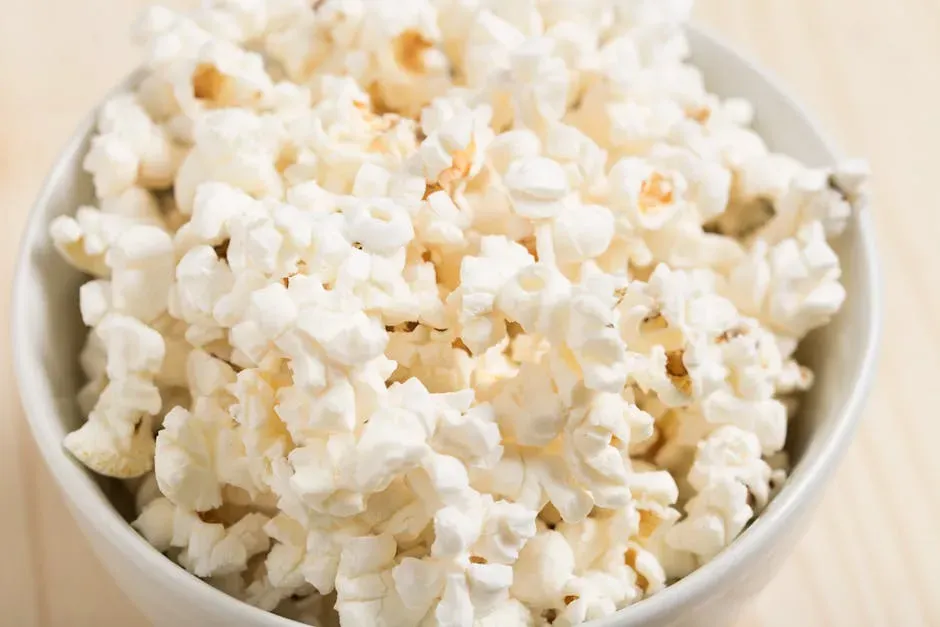
This one surprises almost everyone. Popcorn. On a satiety foods list. It sounds like a cheat, but the science is clear and the mechanism makes sense. Air-popped popcorn scored 154 on the Satiety Index. That puts it well above crackers, chips, or most processed snacks.
A serving of air-popped popcorn is one cup, and one cup has roughly 30 calories and has fiber plus volume. The big volume, crunchy texture which increases chewing time, and low calorie load make it a viable snacking option that doesn't ruin the caloric goal during the day. It's essentially volume eating in its most fun form.
A 100 gram serving of plain popcorn has 387 calories and 15 grams of fiber, while the same weight of chips has 536 calories and only 5 grams of fiber. Three cups of air-popped popcorn has about 93 calories. It is a high volume snack that fills your stomach without filling your calorie budget. The catch, obviously, is keeping it plain. The moment you drench it in butter and salt, the equation changes entirely.
11. Broccoli: The Dense, Filling Vegetable You Should Eat More Of
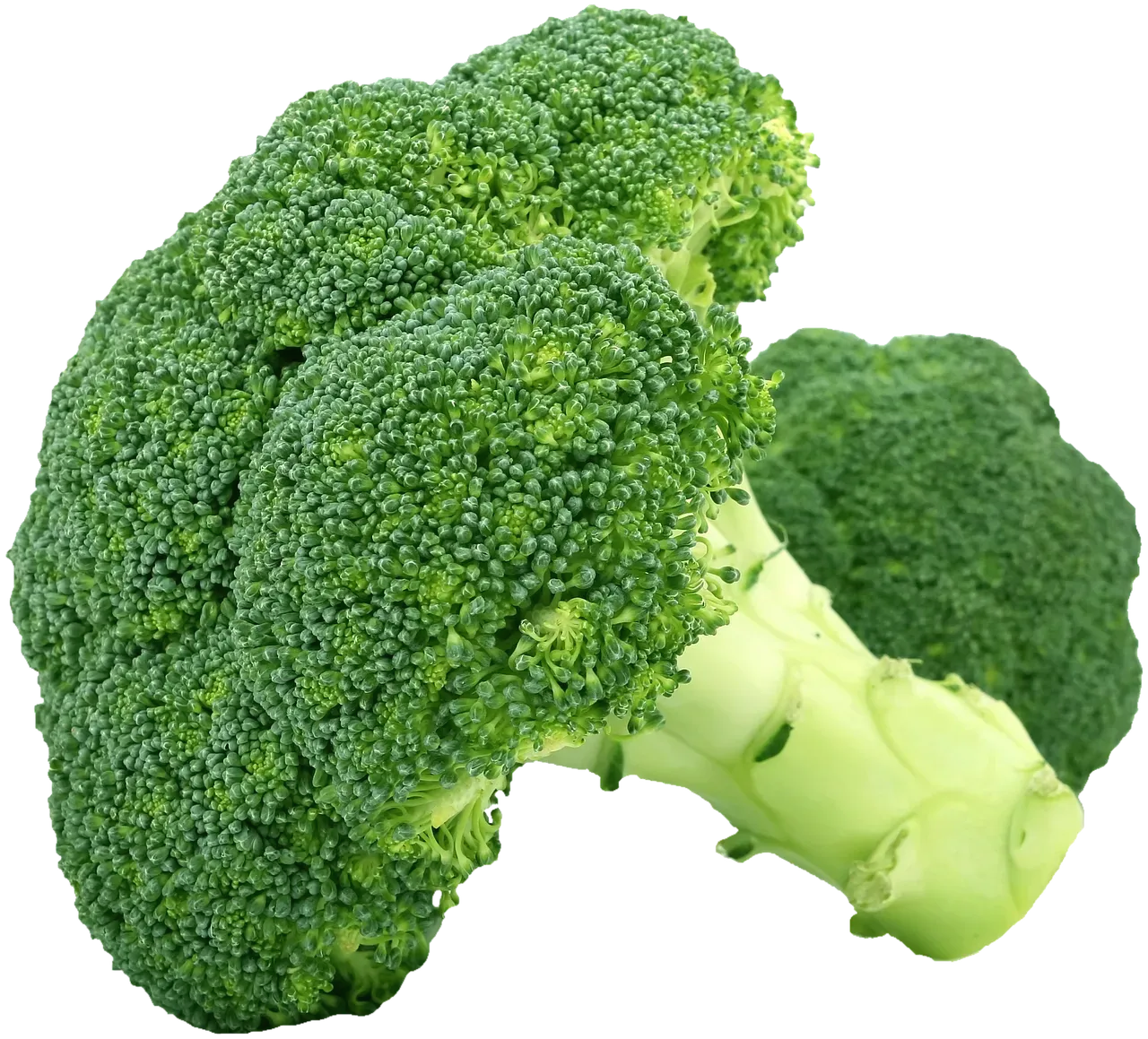
Broccoli is one of those vegetables that shows up on every nutrition list, and honestly, it earns its place every single time. One cup of cooked broccoli has about 55 calories and 5 grams of fiber. It is high in water, packed with vitamins C and K, and takes up a lot of space on your plate for very few calories.
Broccoli delivers fiber, vitamins, and phytochemicals. This profile can support satiety and may boost your metabolic health. The sheer volume that broccoli occupies in your stomach relative to its calorie load is genuinely remarkable. It works like a low-cost stomach stretcher that triggers fullness signals in the brain.
High-fiber foods not only provide volume but also take longer to digest, making you feel full longer on fewer calories. Vegetables, fruits, and whole grains all contain fiber. Roasted with garlic and olive oil, broccoli becomes something people actually want to eat rather than something they force down for health points. Make it taste good and you will eat more of it. Simple as that.
12. Avocado: Healthy Fat That Earns Its Keep
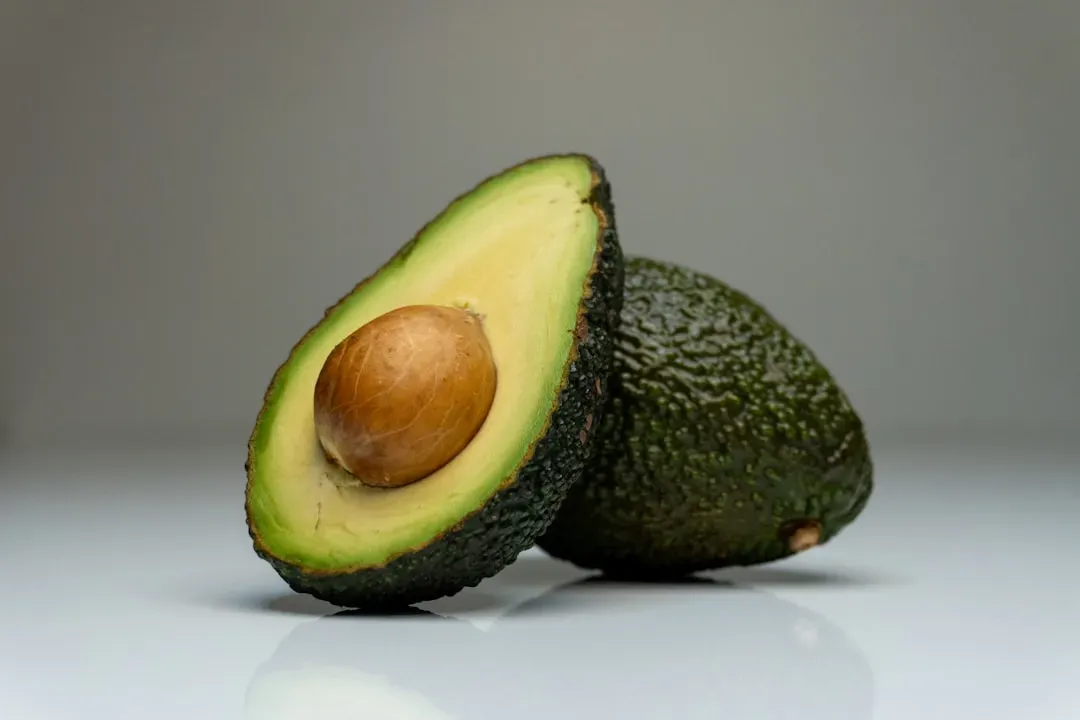
Avocados are high in fat and calories by weight, which is why some people treat them cautiously. The nuance is in the type of fat and the fullness effect it delivers. The combination of fat, fiber, and volume in fresh avocado may be the perfect recipe for appetite suppression, especially compared to eating high-carb meals that are missing fiber and healthy fats.
Avocados supply monounsaturated fats. They may promote fullness, regulate blood sugar, and support fat metabolism. While fats are more calorie-dense than protein or carbs, they play a critical role in satiety. Healthy fats slow digestion and promote the release of hormones that help regulate appetite. The key is choosing the right types of fats and consuming them in moderate amounts.
Healthy fats from avocado or omega-3s in fatty fish may help stabilize blood sugar and promote fullness. Half an avocado on eggs in the morning or sliced into a salad at lunch is enough to meaningfully extend the time before hunger returns. It's not a license to eat the whole fruit in one sitting, but used with intention, avocado absolutely belongs on this list.
The Bigger Picture: It's About Satiety Per Calorie
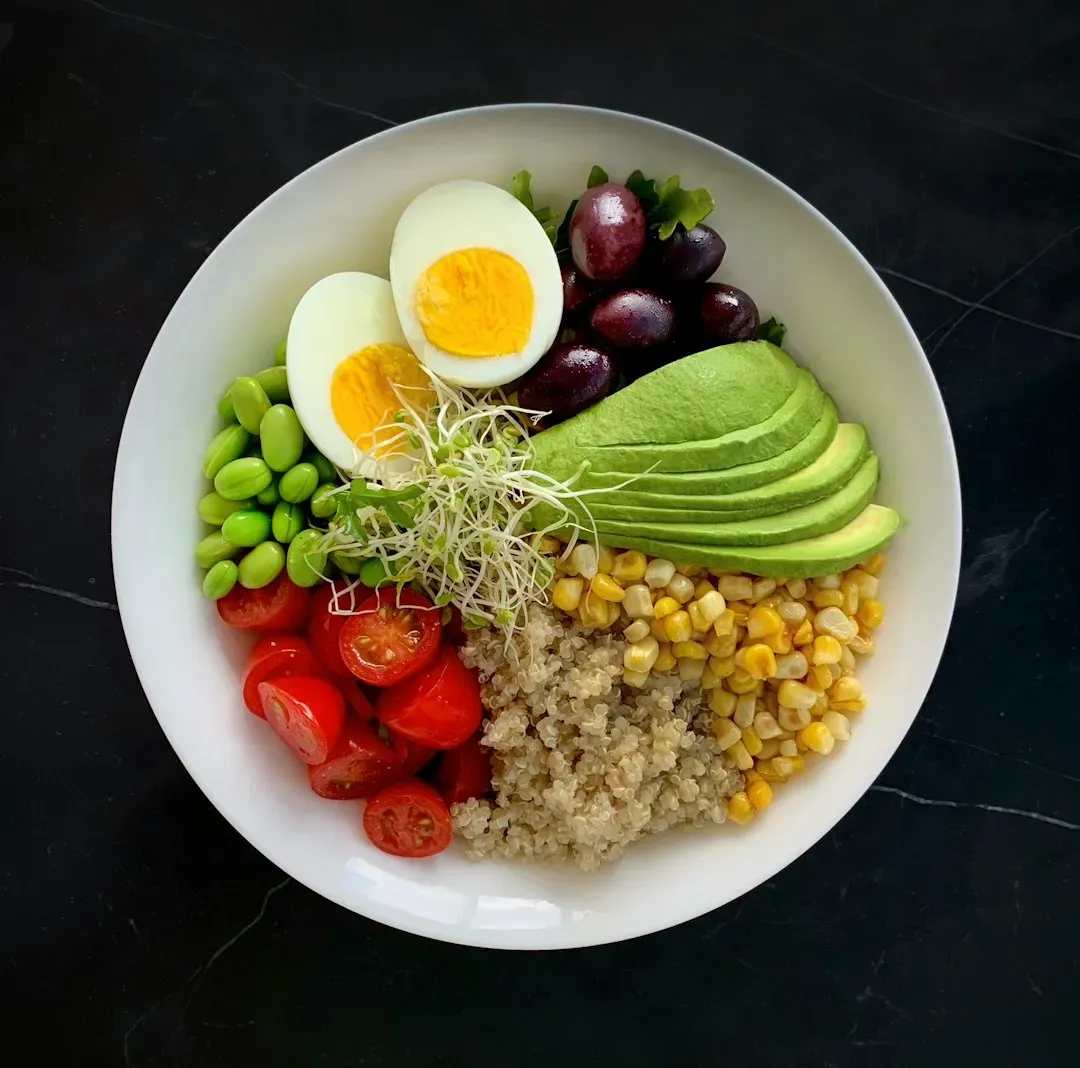
Choosing foods that are less calorie dense - meaning you get a larger portion size with a fewer number of calories - can help you lose weight and control your hunger. That principle runs through every single food on this list. It's not magic and it's not a gimmick. It's biology working in your favor.
The three most important factors that make a meal more satiating per calorie are a high protein content, a high fiber content, and a low energy density. Each factor by itself can make a meaningful impact on how many calories you eat in a given meal, but they are most powerful when combined together. Every food on this list checks at least two of those three boxes.
Choosing foods that provide steady energy and promote satiety helps you naturally manage your appetite, stabilize mood and energy levels, and support weight management goals without feeling deprived. That last part matters more than people give it credit for. Eating well shouldn't feel like punishment. The 12 foods above prove it doesn't have to.
What's the most surprising food on this list for you? Drop your thoughts in the comments below.

Leave a Reply