
Fast food gets a bad reputation, and honestly, a lot of it is deserved. Fast foods are typically high in calories, fat, saturated fat, sugar, and salt and may contribute to undesired weight gain. Still, life gets busy, and the drive-thru isn't always something you can avoid. Approximately 65% of people eat fast food at least once a week, which means millions of meals are being ordered every single day. The real question isn't whether fast food is perfect nutrition - it isn't - but whether smart exist within those menus. The answer, perhaps surprisingly, is yes.
1. The Chipotle Burrito Bowl (Built Right)
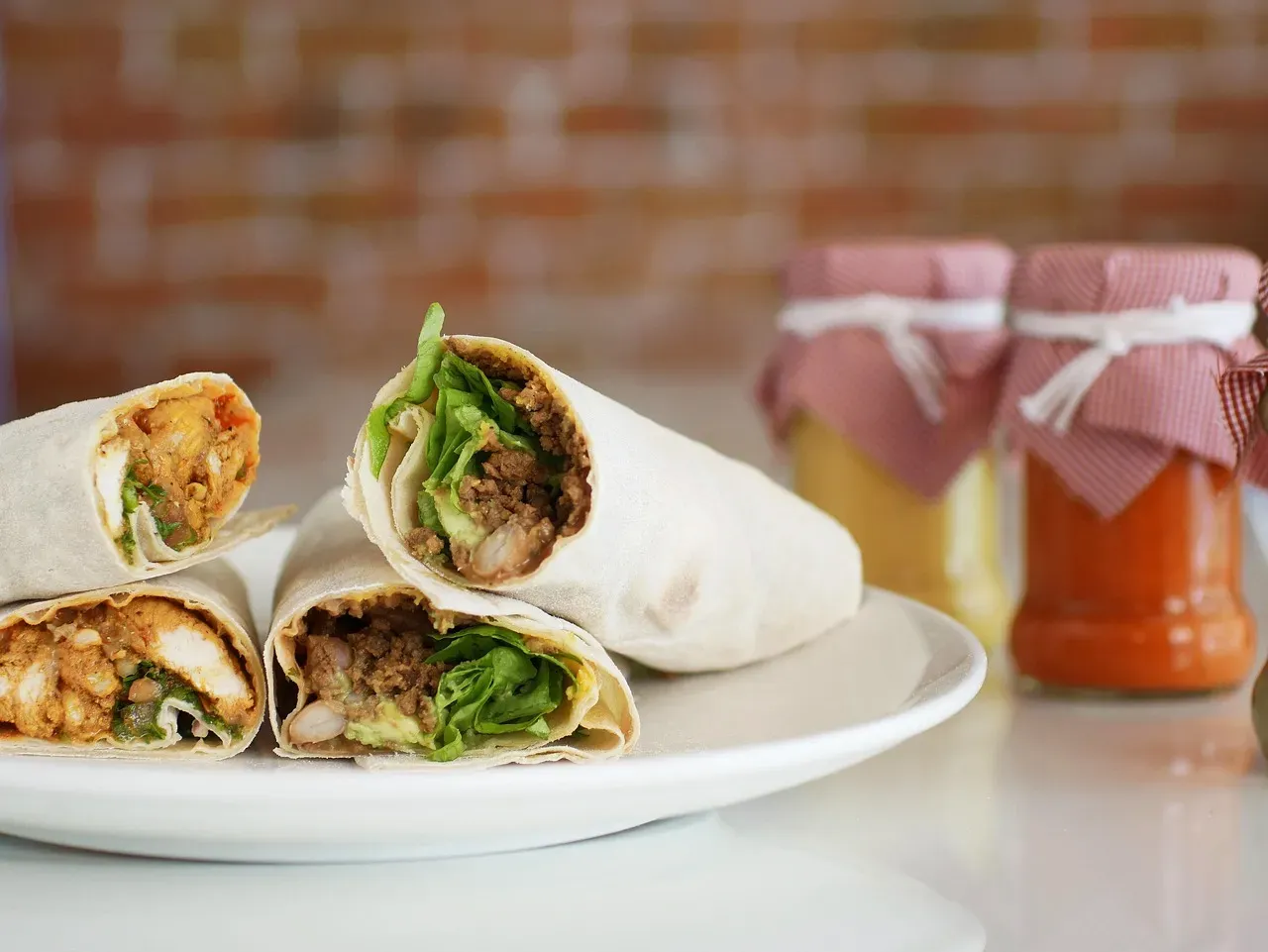
A study by price-tracking website Pricelisto ranked 20 fast-food chains based on the nutritional value of their top five most popular items, looking at total fat, calories, sugar, sodium, protein, carbohydrates, and fiber - and Chipotle came out on top as the healthiest fast-food chain in the U.S., scoring 66.71 out of 100. That reputation is earned largely through its build-your-own bowl format. A burrito bowl is known for its balance of macronutrients, providing protein, carbohydrates, and healthy fats when assembled with lean meats, brown rice, and avocado. Depending on the , a bowl can range from 400 to 800 calories per serving and is rich in dietary fiber, vitamins, and antioxidants from fresh produce like salsas, lettuce, and guacamole.
A Chipotle Burrito Bowl is typically a lighter choice compared to a burrito, as it omits the large flour tortilla, which adds about 320 calories and 50 grams of carbs. The bowl also allows for more ingredient customization, making it easier to tailor to specific dietary needs, such as gluten-free or lower-carb preferences. In December 2025, Chipotle even launched its first-ever High Protein Menu, with options like the High Protein-High Fiber Bowl delivering 46 grams of protein and 14 grams of fiber at just 540 calories - a genuinely impressive nutritional profile for any quick-service meal. Just keep a close eye on sodium if you're piling on cheese and multiple salsas.
2. Chick-fil-A Grilled Chicken Sandwich

When you're at Chick-fil-A, a chain famous for its fried chicken sandwiches, skipping the frying altogether pays off. Its Grilled Chicken Sandwich is made with lemon-herb marinated boneless chicken breast served on a multigrain bun with lettuce and tomato, and the sodium, saturated fat, and sugars are all within reasonable limits for a sandwich. It's one of those menu items that genuinely punches above its weight. The grilled chicken sandwich has only 380 calories with 28 grams of protein, making it a great option.
The Chick-fil-A grilled chicken sandwich is one of the great examples nutritionists point to when talking about healthy fast food meals. Pair it with the Kale Crunch Side, a nutritious mix of kale and cabbage with roasted almonds, and you've got a surprisingly well-rounded meal by any measure. Top-ranking healthy fast food sandwiches tended to include chicken or turkey rather than burgers, providing a good source of protein without too many calories. The grilled chicken sandwich at Chick-fil-A fits squarely into that description.
3. McDonald's Egg McMuffin

The Egg McMuffin might not be the first thing that springs to mind when you think "healthy," but the numbers are genuinely reasonable for a fast food breakfast. There are 310 calories, 13 grams of fat, 30 grams of carbohydrates, and 17 grams of protein in one serving of the Egg McMuffin from McDonald's. It's made with a Grade A egg, Canadian bacon, and American cheese, served on an English muffin - simple, recognizable ingredients that you can actually picture. Compared to the chain's Big Breakfast with Hotcakes, which tips the scale at around 1,340 calories, this sandwich is a dramatically smarter start to the day.
Two simpler that can still fit a more balanced approach are the Egg McMuffin and plain oatmeal, especially when you skip sugary drinks and extra add-ons. It's worth noting that the Egg McMuffin is high in saturated fat, cholesterol, and sodium - with 6 grams of saturated fat per sandwich, which is 31% of the recommended daily limit. So while it's one of the better options on the McDonald's menu, it's still something to enjoy mindfully rather than daily.
4. Chick-fil-A Egg White Grill

If you want a breakfast sandwich that genuinely leans into the "healthy" label, the Chick-fil-A Egg White Grill is worth knowing about. The Egg White Grill comes in at 300 calories, 8 grams of fat, 29 grams of carbs, and 27 grams of protein. It's a breakfast portion of grilled chicken with a hint of citrus, served on a toasted classic English Muffin with egg whites and American cheese. That protein-to-calorie ratio is impressive for a fast food breakfast sandwich by anyone's standards.
In terms of macro-friendly breakfast options, the Egg White Grill is one of the top picks at Chick-fil-A across the whole menu. Using egg whites instead of whole eggs trims the fat significantly, and the grilled chicken adds substantial staying power. In general, avoiding items that are deep fried is the best bet, and healthier include sandwiches with leaner protein such as grilled chicken breast that can be loaded with vegetables. The Egg White Grill checks those boxes squarely, making it a standout pick at the breakfast drive-thru.
5. McDonald's Fruit & Maple Oatmeal
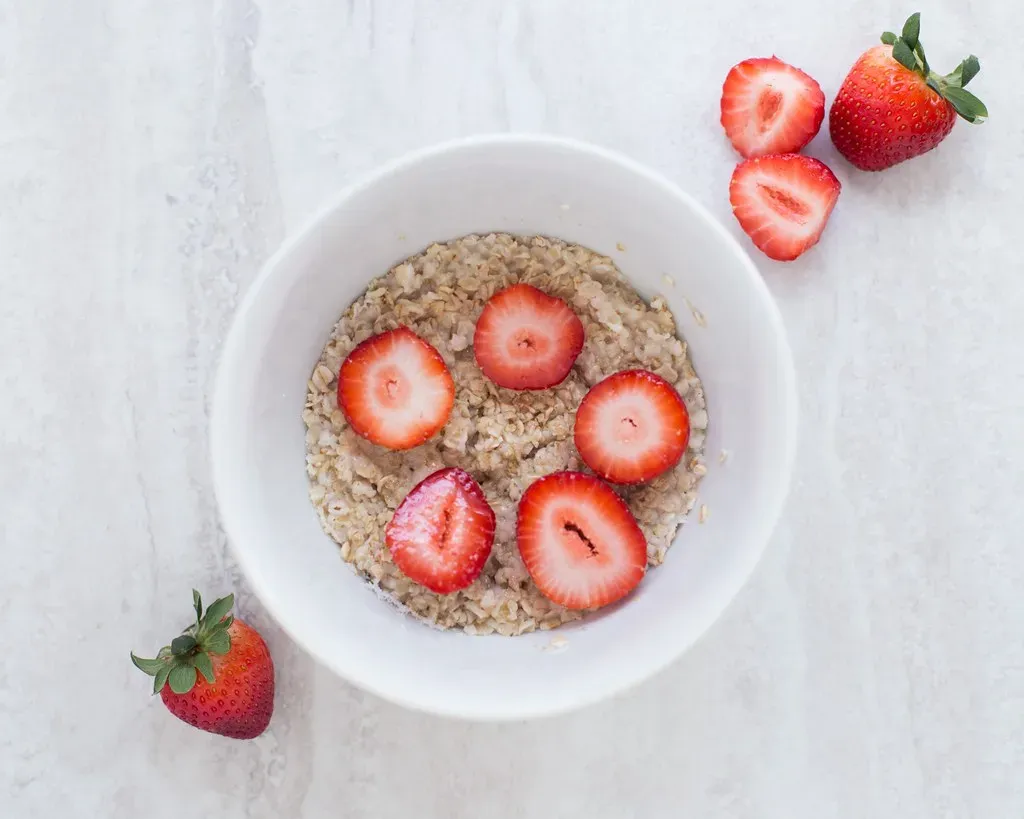
Oatmeal at a fast food restaurant sounds almost too simple to mention, but it quietly holds up as one of the most nutritionally solid across the entire quick-service landscape. If you're looking for a healthier breakfast at McDonald's, the Fruit & Maple Oatmeal is a go-to choice, which in some locations may be available all day. According to McDonald's nutrition data, the Fruit & Maple Oatmeal contains 290 calories, 5 grams of fiber, and comes in at a relatively modest sodium count of 160 milligrams - especially low by fast food standards. That fiber content alone sets it apart from most drive-thru breakfast options.
The Fruit & Maple Oatmeal is a fiber-packed breakfast that keeps added sugars low, particularly if you order it without the brown sugar packet, which is a commonly recommended tweak. After reviewing full nutrition disclosures from major fast food chains, the difference between a healthy fast food meal and an unhealthy one rarely comes down to the restaurant - it comes down to the ordering strategy. Calories, sodium, protein density, ingredient quality, and portion distortion matter far more than branding. The oatmeal is a perfect example of that principle in action: one of the healthiest items on the menu lives inside one of the world's most recognized fast food chains.
Why Customization Is Everything

With health-conscious food trends on the upswing, fast food and quick-service chains are expanding their menus to offer healthier options. Customers demand plant-based options, low-calorie foods, and organic products, leading big brands such as McDonald's, Burger King, and Subway to add salads, grilled foods, and meat alternatives. The need for nutritional transparency has also led fast-food chains to list calorie counts and offer personalized meal options. That last point is actually a big deal in practice. Knowing the numbers before you order changes the game entirely.
Not all fast food has negative impacts, and a person can make an informed choice by researching the nutritional content of particular fast food items. People can find this information on the websites of most major restaurants. With over 207,827 fast food restaurants in the U.S., customization has become a key differentiator - and that works in your favor when you know how to use it. Skipping the sauce, swapping sides, or ordering grilled over fried can cut hundreds of calories and significant sodium from any meal. Understanding which menu items are likely to keep you feeling satiated while fueling your body can help you make healthier that you'll feel good about.




Leave a Reply