
Not all nuts are created equal. While the whole category earns high marks as a snack, there's a real nutritional spectrum running from calorie-dense but nutrient-thin options all the way to some of nature's most powerful functional foods. Research has found that frequently eating nuts lowers levels of inflammation related to heart disease and diabetes, and regularly including them in a healthy diet may improve artery health, lessen inflammation, and lower the risk of blood clots that can lead to heart attacks and strokes. Still, knowing which nut earns a daily spot in your diet - and which to enjoy only occasionally - makes a meaningful difference. Here's how six of the most popular nuts stack up, ranked from least impressive to most nutritionally powerful.
6. Macadamia Nuts - Rich and Delicious, but Nutritionally Thin

Macadamia nuts are often seen as a luxurious snack, but when it comes to health, they sit at the bottom of most rankings. According to a 2024 dietary profile analysis, macadamias are the highest in total fat among popular nuts, with 76 grams of fat per 100-gram serving. While most of this is heart-healthy monounsaturated fat, the sheer calorie density of about 718 calories per 100 grams makes portion control challenging for most people. They're undeniably tasty, and the fat quality isn't bad - but the trade-off in terms of protein and micronutrient density is hard to ignore.
Macadamia nuts tend to be higher in saturated fat compared to other nuts. However, they also have the greatest levels of healthy monounsaturated fat - almost double that of the runner-up nut, almonds. This hefty dose of heart-healthy fat is associated with lowering the risk factors for heart disease. The link is so strong that the FDA approved a qualified health claim for a 1.5 ounce serving of macadamia nuts and a reduced risk of coronary heart disease, according to 2023 research from Advances in Nutrition. The high fat content means macadamia nuts are higher in calories than other nuts - and they're lower in fiber too. Less fiber and protein may make them less filling overall. For those who love them, treating macadamias as an occasional indulgence rather than a daily staple is sensible advice.
5. Brazil Nuts - The Selenium Wildcard

Highly nutritious, Brazil nuts contain healthy unsaturated fats, magnesium, and a high amount of the mineral selenium. Selenium has many benefits, including brain and thyroid health. But it's important not to get too much of it, so you shouldn't eat more than 4 to 5 Brazil nuts per day. Most of Brazil nuts' health benefits come from their high selenium content. Brazil nuts contain more selenium than any other food - a 1 oz serving provides nearly 1,000% of the recommended daily value of selenium. That extraordinary concentration is both their greatest strength and their defining limitation.
The antioxidant properties of Brazil nuts may also help reduce inflammation in the body. Inflammation has an association with many chronic health conditions, including obesity. A small 2024 study looked at the potential anti-inflammatory effects of Brazil nuts in women with overweight or obesity. Selenium blood concentrations were higher and levels of inflammatory markers, such as C-reactive protein, were lower in the group that consumed Brazil nuts per day compared to the group that followed a nut-free diet. However, Brazil nuts are also higher in saturated fat than many other nuts, and if a person is trying to reduce their saturated fat intake, Brazil nuts may not be the best choice. They work best as a periodic selenium boost rather than a daily staple.
4. Cashews - Creamy, Mineral-Rich, and Underrated for Iron

Cashews are packed with essential minerals like zinc, copper, magnesium, and manganese, which are key for energy production, immune support, and bone health. Roughly 82 percent of their fat is unsaturated fat, the majority being heart-healthy monounsaturated fats similar to those found in olive oil. They're one of the most versatile nuts in the kitchen, and their nutritional profile is genuinely solid, even if they aren't the flashiest performer on this list.
Like other nuts with healthy fats, fiber, and antioxidants, cashews support heart health, blood sugar levels, and anti-inflammatory effects. They stand out especially when it comes to iron. One-third of Americans need to get more iron in their diet, according to 2024 research published in JAMA Network Open - and cashew nuts come with about 2 mg per serving. That's around 11% of the daily value for women and 40% for men. The USDA says that cashews are an excellent source of copper and magnesium, and they also have high levels of manganese, phosphorus, zinc, and vitamins B6 and K. Cashews may rank mid-table here, but for anyone running low on key minerals, they punch well above their weight.
3. Pistachios - The Protein and Eye-Health Champion
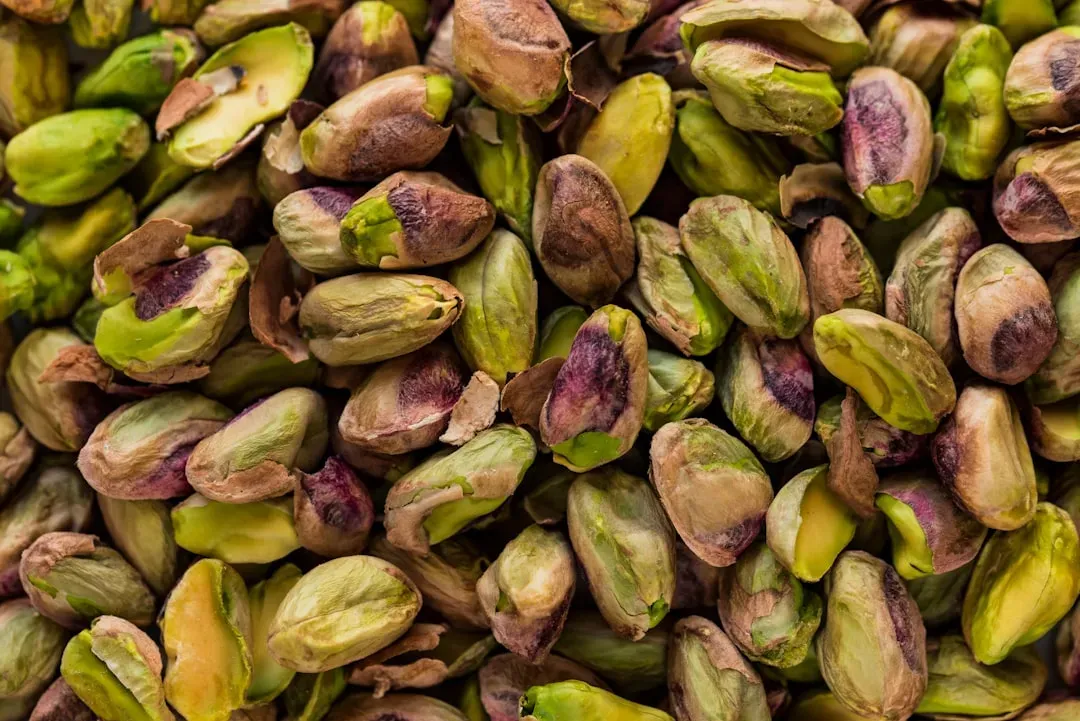
Pistachios are among the highest in protein, lowest in fat, and lowest in calories compared to every other nut. Compared with other nuts, they have a lower fat content, and they have an essential amino acid ratio higher than most other commonly consumed nuts including almonds, walnuts, pecans, and hazelnuts - plus they're richer in fiber. For anyone watching calories without wanting to sacrifice protein or satiety, pistachios are the smart pick in the nut aisle.
A 2025 study published in The Journal of Nutrition found that eating pistachios strengthens a part of the eye that protects the retina and reduces the risk of age-related macular degeneration, a leading cause of vision loss in older adults. Among all nuts, pistachios have the highest levels of potassium, vitamin K, phytosterols, and vitamin B6. A study published in the Journal of the American College of Nutrition found that eating two to three ounces per day of pistachios improved blood lipid levels and lowered the ratio of bad LDL cholesterol to good HDL cholesterol. Another study found that eating pistachios helped maintain normal blood sugar levels after eating a high-carbohydrate meal. Few nuts offer that kind of breadth across metabolic and visual health simultaneously.
2. Almonds - The Everyday Nutritional Powerhouse
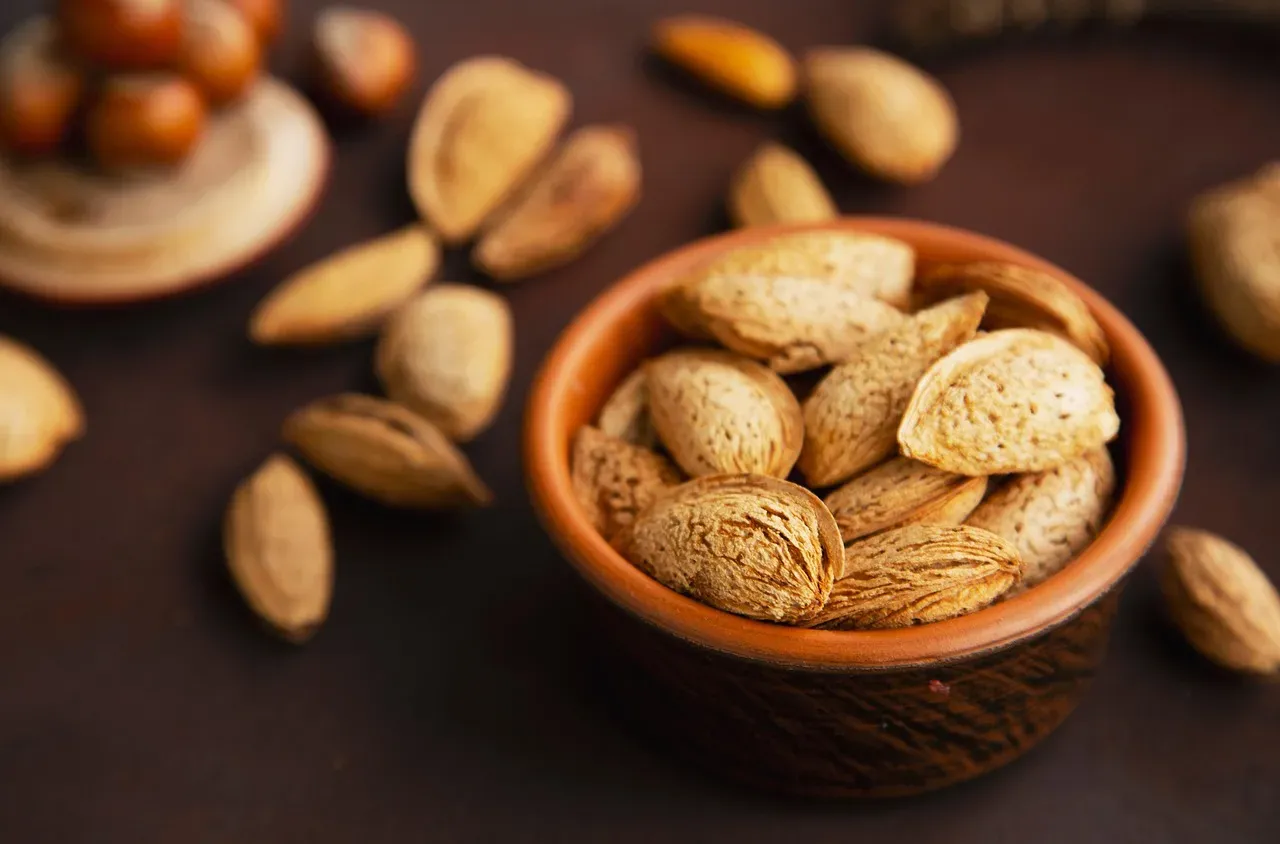
When compared ounce for ounce, almonds are the nut highest in protein, fiber, calcium, vitamin E, riboflavin, and niacin, and they are the best source of six of the thirteen nutrients for which there are daily values, while also being among the lowest in calories. These nuts are especially rich in vitamin E, a fat-soluble nutrient that functions as an antioxidant to protect your cells against oxidative damage. That's an almost absurd resume for a single food. Almonds consistently rank near the top of nutritional surveys because they're hard to beat on so many simultaneous metrics.
Research published in the Journal of the American College of Nutrition showed that increasing almond intake helped improve insulin sensitivity and reduced cholesterol in adults with prediabetes. They are loaded with vitamin E, magnesium, and riboflavin, and a 2025 meta-study in the European Journal of Nutrition found daily almond intake reduces LDL cholesterol by 6% on average. Almonds also support weight management, as their fiber and protein combination promotes satiety. Their high vitamin E content - the greatest of any nut - is one of their most notable qualities. Nearly 45% of the daily value for vitamin E can be found in just one ounce of almonds. Affordable, widely available, and backed by an enormous body of research, almonds earn their near-universal recommendation from dietitians.
1. Walnuts - The King of Nuts, Backed by Decades of Science

Walnuts have greater antioxidant activity than any other common nut. This activity comes from vitamin E, melatonin, and plant compounds called polyphenols, which are found in particularly large amounts in the papery skin of walnuts. Walnuts are known for their omega-3 fatty acids, which are essential for health and are known for their anti-inflammatory potential. They're also high in antioxidants, fiber, and protein and low in saturated fat. A 2024 review of research published in Foods and Humanity calls walnuts a "functional food" based on 23 years of study findings, highlighting heart health benefits including the ability to lower "bad" cholesterol levels and reduce the risk of heart disease.
In December 2024, the U.S. Food and Drug Administration confirmed that walnuts meet the updated definition for a "healthy" food based on the important role they play in recommended dietary patterns. This announcement is a significant step toward ensuring food labeling is consistent with the most up-to-date nutrition scientific evidence and Dietary Guidelines for Americans recommendations. Walnuts have high amounts of omega-3 fatty acids. Ingestion of omega-3 fatty acids increases learning, memory, cognitive well-being, and blood flow in the brain, according to research published in 2022. Based on 2024 research, omega-3 dominant supplements may benefit certain individuals with early cognitive conditions. Walnuts are also a source of plant-based omega-3 fatty acids shown to reduce the risk of heart disease, and their brain-boosting potential makes them stand out among all other nuts. No other nut comes close to matching walnuts' combination of heart health, brain health, anti-inflammatory power, and sustained scientific support across decades of research.




Leave a Reply