
Americans are feeling real pressure at the checkout line, and that pressure is not letting up anytime soon. Food prices rose by 2.3 percent in 2024 and 2.9 percent in 2025, slower than they had increased during 2020 through 2023. Even so, in 2026, overall food prices are predicted to rise 3.1 percent. Certain foods, however, are climbing at rates that make them feel less like everyday staples and more like occasional luxuries. Here are five foods that are quietly becoming harder to afford - backed by the latest data from federal agencies and market analysts.
1. Beef: The Most Dramatic Price Story in the Grocery Store
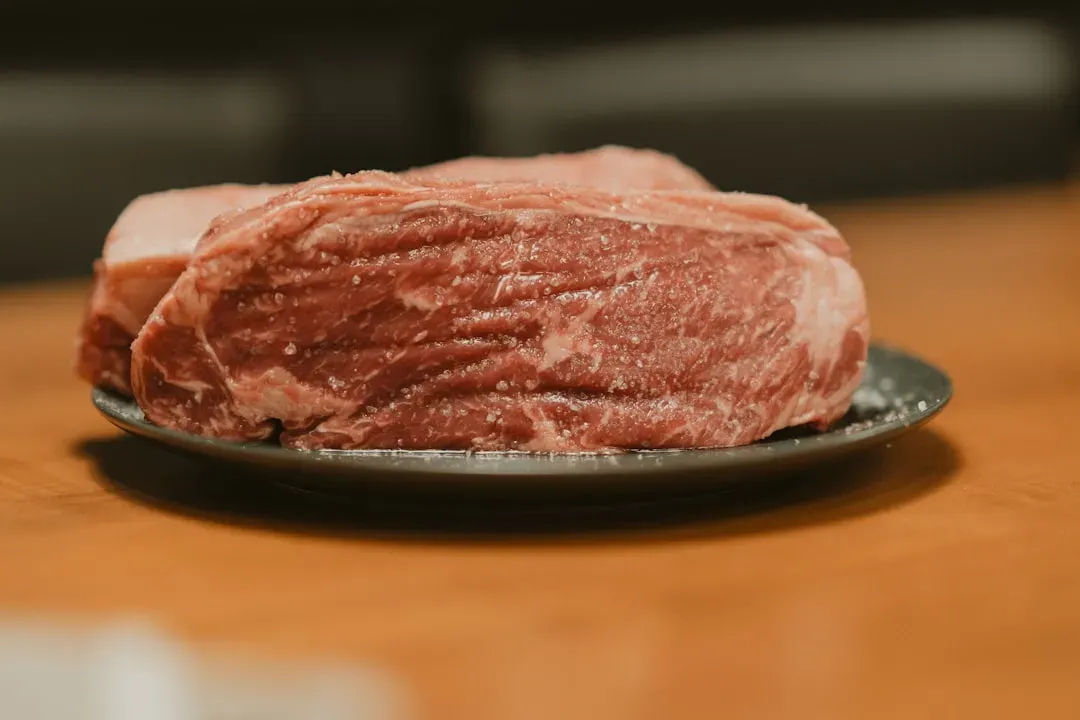
Ground beef was once a reliable budget protein. That reputation is fading fast. Ground beef reached $6.69 per pound in December 2025, a 72 percent increase since 2020. The root of the problem runs deep. The USDA Cattle Inventory Report recorded the total U.S. inventory at 86.2 million head as of January 1, 2026, the lowest since 1951. Beef cows declined 1 percent to 27.6 million head, marking the seventh consecutive annual decrease since 2019. Put simply, there are fewer cows to go around, and the industry cannot turn that around quickly.
The situation is made worse by a border crisis that is compounding the supply problem. The U.S.-Mexico border has been closed to live cattle since July 2025 due to the northward spread of the New World screwworm. USDA data shows the U.S. imported approximately 1.24 million head of cattle from Mexico in 2024, the vast majority feeder cattle. With no timeline for reopening, those imports are effectively zero for 2026. Beef and veal prices are predicted to increase 5.5 percent in 2026, with a prediction interval of negative 2.7 to 14.4 percent. For families already stretching their grocery budgets, beef is becoming the item they reach for less and less.
2. Coffee: A Daily Habit Turning Into a Daily Expense
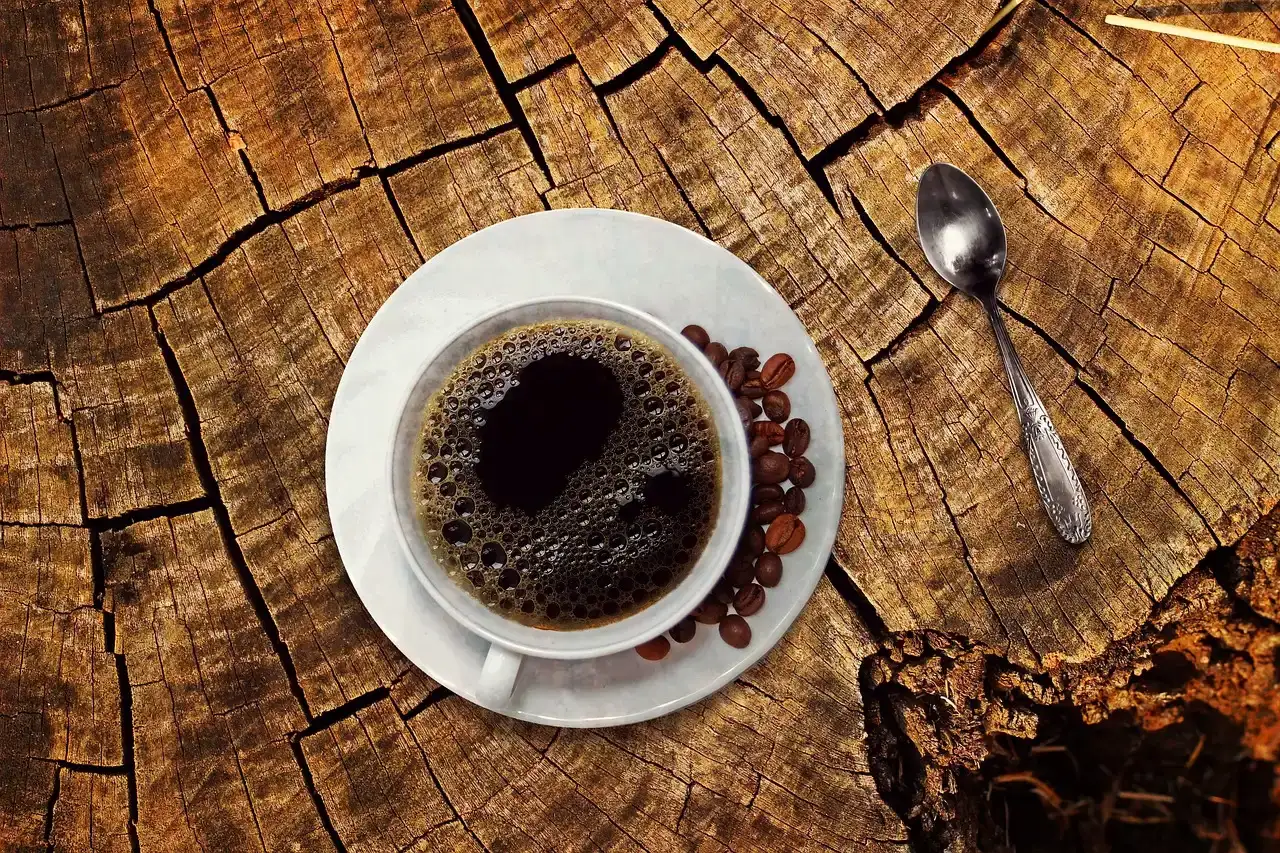
Few things feel as ordinary as a morning cup of coffee. Yet the market powering that cup has gone through extraordinary turbulence. Over the past year, the price of green coffee - unroasted coffee beans - has surged. In December 2024, prices hit a 47-year high, and since then they climbed another 20 percent. The main culprit is poor harvests. The C Market, which determines the cost of most of the world's coffee, has risen primarily due to supply and demand dynamics. Low production in Brazil and Vietnam, the two largest producers of commodity coffee, resulted in poor harvests, significantly reducing global coffee supply.
Even when bean prices begin to ease slightly, the broader cost of getting coffee to your mug stays stubbornly high. As we move into 2026, the pressures on coffee pricing remain very real. There are reasons for cautious optimism looking ahead. At the same time, the past 12 to 18 months have fundamentally changed the cost base of coffee, and those changes do not unwind overnight. Prices for nonalcoholic beverages increased by 1.6 percent from December 2025 to January 2026 and were 4.5 percent higher in January 2026 than in January 2025. Prices for nonalcoholic beverages have been increasing faster than the 20-year historical rate due in part to higher global coffee prices. Prices for nonalcoholic beverages are predicted to increase by 5.2 percent in 2026. For the average person, that morning ritual is starting to cost noticeably more.
3. Sugar and Sweets: Chocolate, Candy, and the Bitter Price Reality

Sugar-based products are experiencing some of the sharpest price increases of any grocery category. Prices for sugar and sweets increased by 1.0 percent from December 2025 to January 2026 and were 5.7 percent higher in January 2026 than in January 2025. Prices increased during 2025 primarily for candy and chewing gum, a subcomponent of the CPI for sugars and sweets that includes most types of chocolate candy. Prices for sugar and sweets are predicted to increase by 6.7 percent in 2026. That makes sugar and sweets the single food-at-home category with the highest predicted price growth for the entire year.
Part of this comes down to where sugar comes from and what is happening in those regions. Brazil, the world's largest sugar exporter, faced drought and plant disease, delaying its 2025/2026 harvest and leading to warnings from major traders of a "huge risk of a shortage of Brazilian sugar" in early 2025. On top of raw sugar pressures, cocoa prices have stayed elevated, dragging up chocolate prices as well. Chocolate is being affected by both weather-related supply chain issues and tariffs. In the short term, price volatility is expected to continue. For cocoa, the severe supply deficit means prices are likely to remain elevated well into 2026, with potential for further spikes if early 2026 West African crop outlooks remain poor. Everything from a candy bar to a birthday cake is quietly getting pricier.
4. Fish and Seafood: The Overlooked Category Creeping Higher

While beef tends to dominate the headlines, fish and seafood are making their own quiet move upward. In 2026, among the 15 food-at-home categories examined in the Food Price Outlook, prices for seven categories are predicted to grow faster than their 20-year historical average rate of growth. These include beef and veal, other meats, fish and seafood, processed fruits and vegetables, sugar and sweets, cereal and bakery products, and nonalcoholic beverages. Fish and seafood showing up on that list is notable because prices in the category actually declined in 2024. Fish and seafood prices fell 1.9 percent in 2024. The trend has reversed course heading into 2026.
The forces behind seafood price increases are layered. Global supply chains for fish products remain sensitive to fuel costs, international shipping rates, and climate-related disruptions to fishing conditions. Fish and seafood was among the seven categories that experienced large price increases from December 2025 to January 2026. When food prices rise, families feel the pinch right away, especially lower-income families, in which a larger share of household income is spent on food. Higher food costs can force difficult trade-offs, pushing families to cut back on other essentials such as healthcare or utilities while also increasing the risk of food insecurity. For households that rely on fish as a more affordable protein alternative to beef, rising seafood prices offer little relief.
5. Orange Juice and Processed Fruit Products: The Price Squeeze on Your Morning Glass

Orange juice is experiencing one of the more startling jumps in the grocery store. Average orange juice prices are up 28 percent from January 2025. This is driven by several years of devastating citrus crop losses, particularly in Florida and Brazil, which together dominate global orange supply. The category of processed fruits and vegetables, which includes canned goods, frozen produce, and packaged juices, is firmly in the group seeing accelerating price growth in 2026. Processed fruits and vegetables are among the seven food-at-home categories predicted to grow faster than their 20-year historical average in 2026.
The structural supply problem behind orange juice is not something that resolves quickly. Orange trees take years to reach productive maturity, meaning recovery from disease or storm damage plays out over a long timeline. Climate effects have a significant influence on fruits, vegetables, grains, livestock feed, and global commodity availability. Extreme heat, drought, or flooding can affect crops and livestock, increasing production costs. Consumers, especially those on fixed or low incomes, will face difficult food purchase decisions as food prices rise faster than incomes, which typically means choosing cheaper, less nutritious diets. A staple like orange juice - something millions of Americans pour without thinking twice - is becoming a luxury line item for many families.
The Bigger Picture: What's Behind All of This
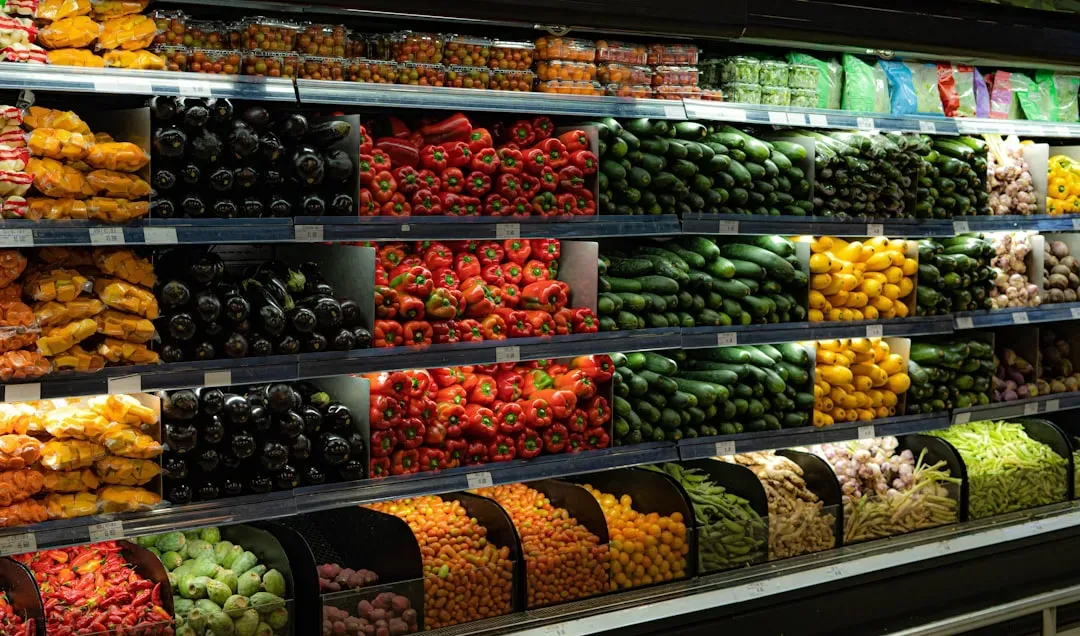
Taken individually, each price spike has its own cause. Together, they form a pattern that reflects deeper structural issues in the global food system. Grocery prices have been on the rise for most of the past six years, as supply chain bottlenecks, the war in Ukraine, and other factors have put a strain on consumers' wallets. Weekly household grocery spending has risen steadily over the past decade to about $170 in 2025, while the number of trips to the store has changed little, indicating shoppers are spending more per visit rather than buying food more often. The math is adding up in a direction that hurts.
The USDA's own economists acknowledge the unevenness of what lies ahead. Food-at-home prices are predicted to rise 2.5 percent in 2026. Prices are projected to increase faster for sugar and sweets, beef and veal, and non-alcoholic beverages than for other food-at-home categories. Food and beverage prices are unlikely to return to pre-pandemic levels, yet the pace of inflation should continue to settle during 2026. That is a measured reassurance - but for the foods outlined above, the ceiling keeps rising, and the everyday grocery list is quietly getting shorter for millions of American households.




Leave a Reply