
Most people think snacking is the enemy when it comes to blood sugar. But here's the thing - it's not the act of snacking that gets you in trouble. It's what you snack on. The difference between a glucose rollercoaster and a calm, steady afternoon can come down to a single food choice.
What you eat has a major impact on your blood sugar, including your snacks. That means you can actively choose foods that help balance your blood sugar. Sounds simple enough, right? The tricky part is knowing which snacks actually earn their place at the table - and which ones are quietly spiking your glucose while pretending to be healthy. Let's dive in.
1. A Small Handful of Almonds
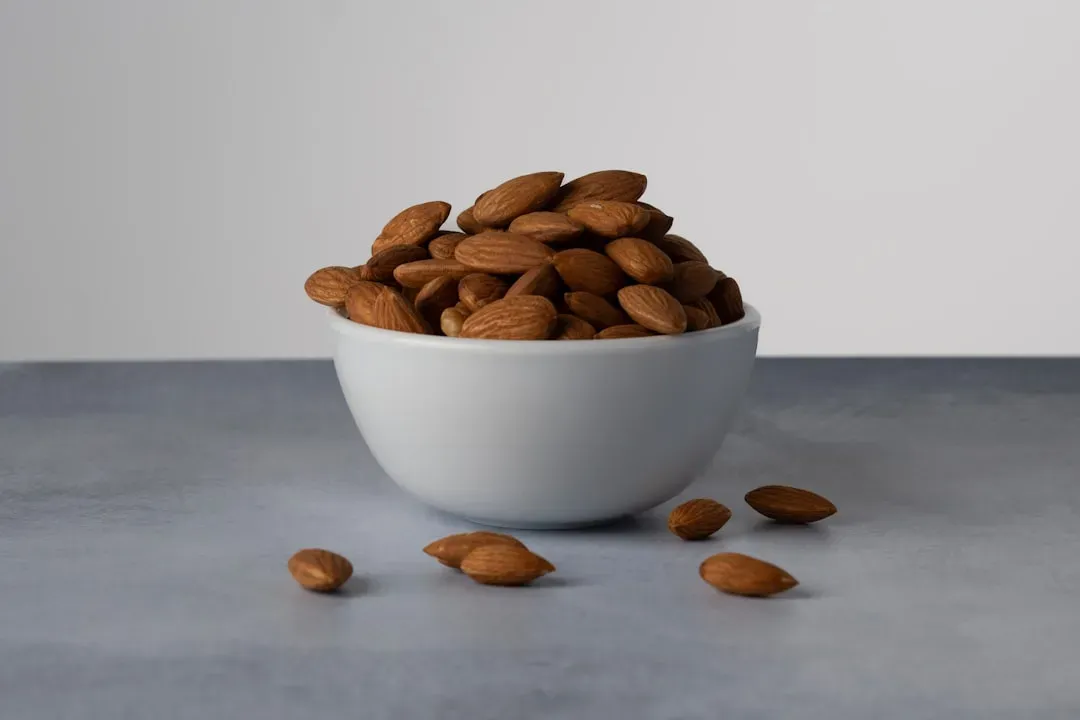
If there's one snack that has been put under a scientific microscope more than almost any other, it's almonds. The research backing is genuinely impressive. A 16-week randomised, parallel-arm, controlled trial examined the potential for sustained almond consumption to reduce HbA1c concentrations among individuals with elevated values, with 81 adults randomly assigned to incorporate 2 oz of raw almonds or energy-matched snacks into their daily diets.
Almonds are a low-glycemic index food, with high fiber, unsaturated fat, and low carbohydrate content. Think of them like a slow-burning log on a fire - they don't produce a sudden flare-up. They provide steady, even energy for hours.
When considering evidence from clinical trials, consumption of nuts alone and when added to high glycemic index foods show a lowering in postprandial glycemia when compared to consumption of high GI foods alone. Even better, eating 20 grams of almonds 30 minutes before an oral glucose load showed a significant decrease in blood sugar and hormones.
You get 24 almonds in a single 1-ounce serving, so portion control is genuinely manageable. Honestly, a small handful of almonds might be one of the most research-backed snack swaps you can make today.
2. Plain Greek Yogurt with Berries

This one is a crowd favorite among dietitians, and there's a very good reason for that. Greek yogurt is a protein-packed snack low in carbohydrates and contains probiotics, which can support gut health. Choose plain, unsweetened Greek yogurt to avoid added sugars.
With a creamy texture and hefty amount of protein, plain Greek yogurt is a healthy, satisfying snack. Adding some berries provides a healthy amount of sugar that doesn't cause a quick spike. Berries, especially blueberries, strawberries, and raspberries, are some of the lowest-glycemic fruits you can find.
Plain, unsweetened Greek yogurt has a low glycemic index, and berries like blueberries, strawberries, and raspberries add antioxidants, fiber, and natural sweetness without spiking blood sugar. Add a sprinkle of nuts and you've essentially built a near-perfect blood sugar balancing snack.
An additional sprinkling of nuts or seeds will add a little more crunch, healthy fats, fiber, and other micronutrients. It's one of those rare snacks where good taste and good science actually overlap perfectly.
3. Avocado (Plain or on Whole-Grain Toast)
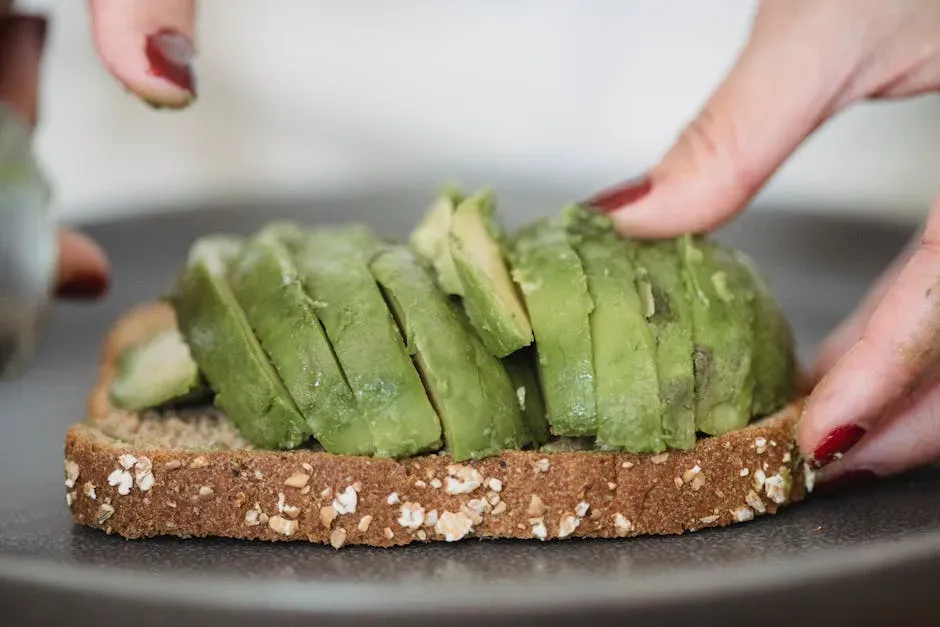
Avocado might just be the most underrated blood sugar stabilizer sitting in your fruit bowl right now. Avocados have an almost negligible glycemic index and load due to their low levels of available carbohydrates. That's a remarkable quality for a food that's genuinely delicious.
Those who consumed half or whole avocados experienced significantly lower postprandial glycemic and insulin responses over a 6-hour period, as well as lower peak glucose and insulin levels. Six hours of controlled glucose response from a single snack? That's not nothing.
Avocado has a lower glycemic index and sugar content than other fruits. Its main sugar is D-mannoheptulose, a unique 7-carbon sugar that may help control blood glucose. It also contains polyphenolic antioxidants that can enhance insulin sensitivity.
Avocado toast has been a popular snack for years for good reason. Avocados are a low glycemic index food and pair perfectly with whole grain bread. Keep toppings simple and the portion in check, and this snack genuinely punches well above its weight.
4. Hard-Boiled Eggs

Here's a snack that sometimes gets overlooked in favor of trendier options, but the numbers don't lie. One large hard-boiled egg contains around 6.3 grams of protein, making it one of the best snacks for diabetics, as your blood sugar is not going to spike after having an egg.
Consider building your snack around eggs. These carb-free proteins don't even register on the glycemic index and won't cause a spike in blood sugar. A food with a glycemic index of zero is about as safe as it gets for glucose management.
Studies have revealed that having an egg can significantly reduce your fasting blood sugar levels. Moreover, it also contributes to lower levels of hemoglobin A1C, which is a measure of long-term blood sugar control.
Hard-boiled eggs are a portable and protein-rich snack. The protein stabilizes your blood sugar levels and keeps you full between meals. Prep a batch at the start of the week and you'll have a grab-and-go option that requires absolutely zero thought in the moment.
5. Hummus with Raw Vegetables
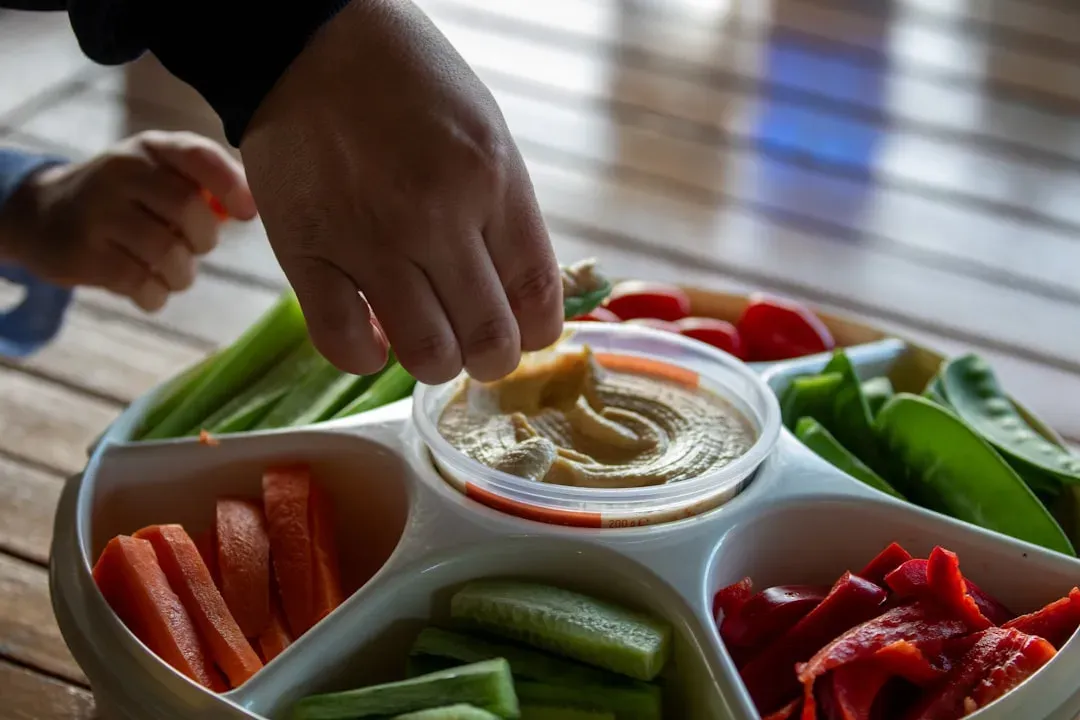
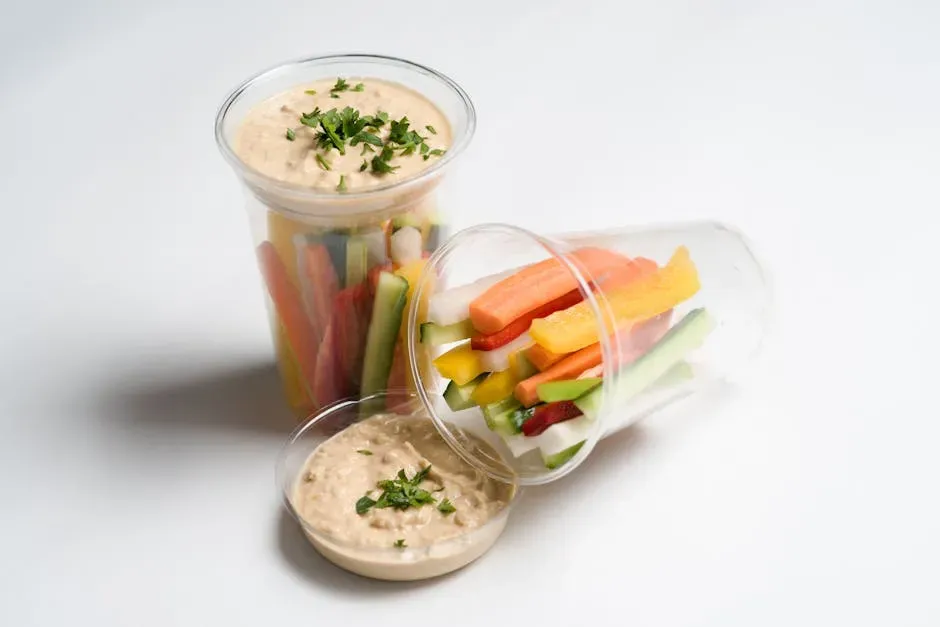
This combination is almost deceptively simple. Raw vegetables like carrot sticks, celery, and bell pepper provide crunch and fiber. Hummus brings protein and healthy fat to the party. Together, they form a surprisingly powerful team against blood sugar spikes.
Hummus can have a glycemic index anywhere from about 6 to 15, so it is considered a low glycemic index food. It makes a great snack when paired with your favorite raw veggies. A glycemic index under 15 puts it in the same neighborhood as avocados and chia seeds.
Crunchy vegetables like carrot, celery, and bell pepper sticks paired with protein-rich hummus create a satisfying snack that's low in calories and carbohydrates. This combination not only refreshes but also helps moderate blood sugar levels by providing fiber and protein, ensuring that you stay fuller for longer without a rapid glucose rise.
Pairing carbohydrate-rich foods with other nutrients will encourage your body to digest the whole meal more slowly, resulting in a less dramatic blood sugar response. This snack is the textbook definition of that principle, and it genuinely tastes good too.
6. Cottage Cheese

Cottage cheese has had a major comeback in recent years, and nutritionally speaking, it's earned every bit of that renewed attention. Half a cup of cottage cheese provides your body with many essential nutrients, including vitamins and minerals, and also contains 13 grams of proteins and just 4 grams of carbs. Due to such high protein content, cottage cheese can help regulate blood sugar levels.
Let's be real - the protein-to-carb ratio here is exceptional. It's like a naturally occurring, whole-food version of what nutrition scientists would design from scratch if they were trying to create a blood sugar-stable snack.
Cottage cheese has a low glycemic index and pairs well with fresh vegetables for added crunch and nutrients. Try it topped with cucumber slices, a drizzle of olive oil, and a pinch of herbs. It's far more satisfying than it sounds.
One favorite combination right now is cottage cheese topped with pomegranate seeds, which adds a touch of natural sweetness and antioxidants without pushing your blood sugar anywhere uncomfortable. The versatility of cottage cheese is honestly underrated.
7. Chia Seeds (in Pudding or Sprinkled on Food)
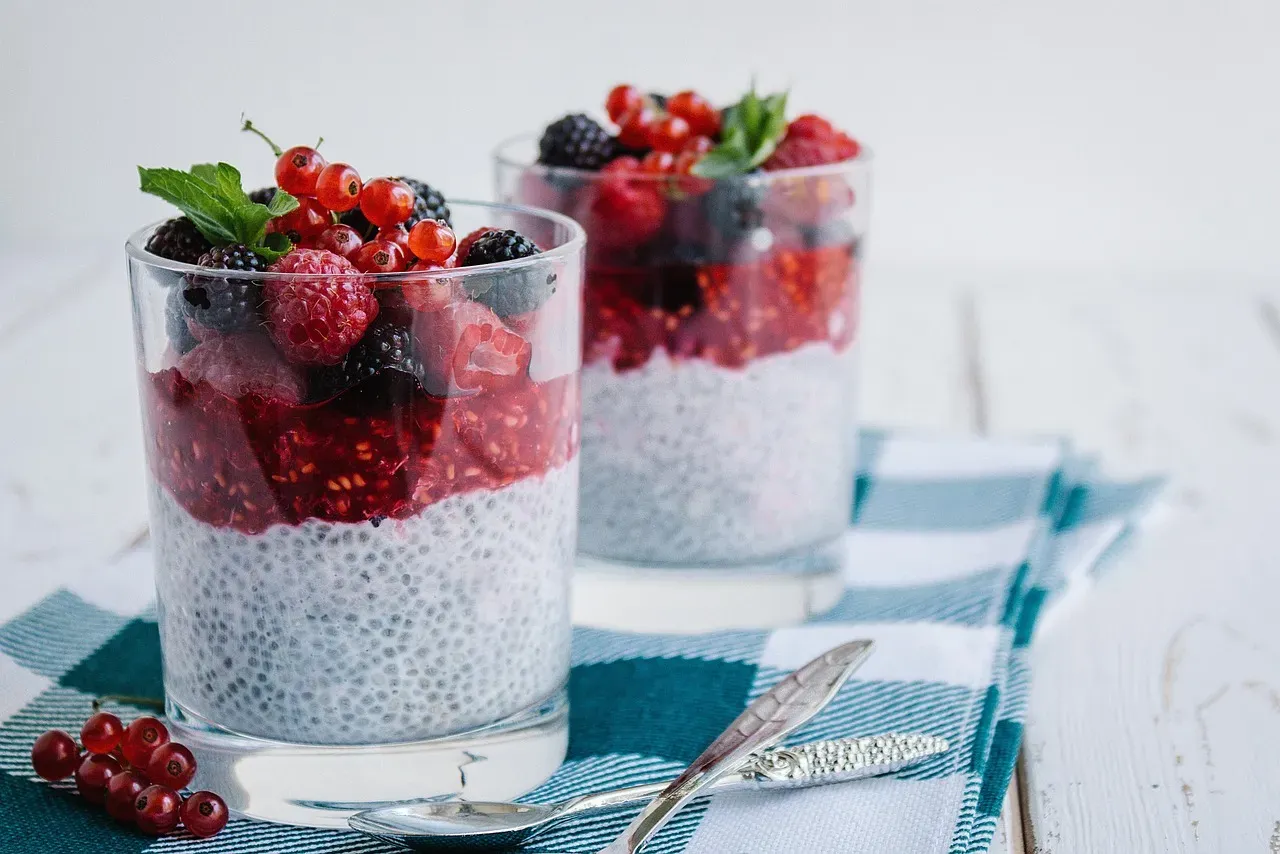
Chia seeds are one of those tiny foods that carry a surprisingly large nutritional load. Chia seeds are rich in antioxidants, omega-3 fatty acids, fiber, and magnesium. All four of those nutrients have links to better metabolic health. That's a lot of benefit packed into something barely larger than a grain of sand.
Chia seeds are a good source of fiber, protein, and omega-3 fatty acids. They have a glycemic index of 15, which is lower than other seeds like sesame and sunflower. A glycemic index of 15 puts them firmly in the low-impact category.
Chia seeds have a minimal impact on blood sugar due to their low carbohydrate content, high fiber, and healthy fat content. They are digested slowly, leading to a gradual rise in blood glucose levels. Slow digestion is exactly what you want when you're trying to avoid those sharp spikes and crashes.
A chia pudding made with unsweetened almond milk and topped with berries is a fantastic snack or even a light breakfast. It is recommended to start with 1 to 2 tablespoons of chia seeds per day and adjust based on individual blood sugar responses. Start small and see how your body responds.
8. Whole-Grain Crackers with Cheese
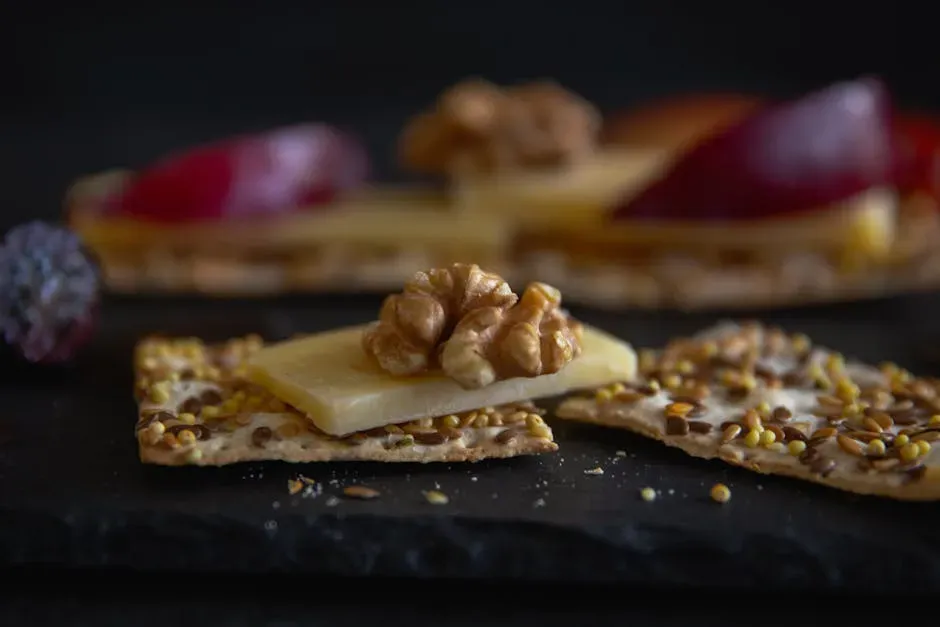
This classic combination works because it balances macronutrients in a way that keeps glucose steady. Although crackers have high levels of carbs in them, the fiber in the crackers and the fats and proteins in the cheese won't let your blood sugar spike. The cheese essentially acts as a metabolic buffer.
There are around 7 grams of protein in one ounce of cheese. Five whole-grain crackers contain about 12 grams of carbs. That's a workable ratio that keeps the overall glycemic load of the snack low. Portion it right and this is a genuinely sustainable midday option.
Whole-grain crackers with slices of low-fat cheese offer a savory option where the complex carbohydrates in whole-grain crackers help provide lasting energy, while the cheese offers protein and calcium. It's the kind of snack that actually keeps you satisfied until your next meal rather than sending you back to the kitchen twenty minutes later.
Whole-grain crackers paired with low-fat cheese offer a satisfying and balanced snack. The fiber in the crackers and the protein in cheese can help keep blood sugar in check. Just make sure the crackers are genuinely whole grain - not just marketed that way. Always check the label for added sugars and refined flours hiding in the ingredient list.
The Science Behind Why These Snacks Work
It's worth stepping back and understanding the actual mechanism here, because once you get it, the whole approach clicks into place. Your body converts carbohydrates into glucose when you eat. The glucose enters your bloodstream and raises blood sugar levels. Insulin, a hormone your pancreas makes, helps transport glucose from your bloodstream into cells for energy or storage.
Carbohydrates are easy for the body to digest quickly. If you eat something that's only carbs and no protein, fat, or fiber, your blood sugar will go high fast and then drop low, fast. That crash is the real problem - it leaves you tired, irritable, and reaching for another snack almost immediately.
This cycle of glucose spike and insulin spike, followed by glucose crash and hunger signals, can have dramatic health consequences that can be difficult to reverse. It's a feedback loop. One bad snack choice can cascade into an afternoon of poor eating decisions.
A 2019 review of 54 studies concluded that low GI diets reduced hemoglobin A1C, body weight, and fasting blood sugar levels in people with prediabetes or diabetes. The long-term stakes are real, and the snack choices you make daily add up to something significant over months and years.
The Role of the Glycemic Index in Snack Choices
The Glycemic Index is a useful tool for understanding how foods affect your blood sugar levels. Foods with a high GI cause rapid spikes in blood sugar, while those with a low GI cause slower, more gradual increases. Think of it like the difference between a sprinter and a marathon runner - one burns fast and fades, the other goes the distance.
A low-glycemic index diet is an eating plan based on how foods affect blood sugar level. The glycemic index ranks food on a scale from 0 to 100. The low end of the scale has foods that have little effect on blood sugar levels. The high end of the scale has foods with a big effect on blood sugar levels.
Balancing blood sugar throughout the day isn't just important for people living with diabetes - it can benefit anyone looking to maintain steady energy, improve focus, and avoid the dreaded afternoon crash. One of the most effective strategies for keeping glucose levels stable is choosing snacks with a low glycemic index. These foods are digested and absorbed more slowly, helping to prevent sharp spikes and drops in blood sugar.
For maintaining stable energy, concentrate on four important aspects: fiber, healthy fats, protein, and limited added sugar. One of the key determinants of a snack's glycemic index is fiber. It slows down digestion, thus slowing down sugar absorption into the bloodstream. Keep those four pillars in mind when you're building your snack plate and you'll rarely go wrong.
Practical Tips for Smart Snacking Every Day
Knowing what to eat is only half the battle. Knowing how to make it work in real life - when you're busy, distracted, or just plain hungry - is where most people stumble. According to the 2025 ADA and IDF guidelines, snacks that combine slow-digesting carbohydrates with protein and healthy fats can prevent blood sugar spikes and promote satiety.
Combine carbohydrates with proteins or healthy fats to slow digestion. For example, pairing apple slices with almond butter or whole-grain crackers with cheese can reduce rapid sugar spikes. This pairing principle is one of the most practical tools you can apply immediately, without needing to overhaul your entire diet.
Even healthy, blood sugar friendly snacks can lead to excess calorie intake if portions aren't controlled. Measure servings to maintain balance. A handful of almonds is a great snack. Half a bag of almonds is just extra calories waiting to happen.
Set aside time each week to prepare your snacks. Pre-cut vegetables, portion out nuts, or batch-make energy balls so that healthy options are always ready when you need them. Preparation is genuinely where the difference is made. When the right snack is already prepped and waiting, you'll almost always reach for it instead of the alternative.
Conclusion

The eight snacks in this list aren't gimmicks or complicated meal plans. They're practical, science-backed foods that genuinely support steady blood sugar - whether you're managing diabetes, prediabetes, or simply trying to feel better throughout your day. Choosing snacks that are low on the glycemic index offers multiple health benefits that extend beyond just stabilizing blood sugar. Low GI snacks provide a steady stream of fuel for your body and brain. This can help improve concentration, productivity, and mood, particularly in the afternoon when many people feel sluggish.
The shift doesn't need to be dramatic. Swap your mid-afternoon chips for a handful of almonds or a small bowl of Greek yogurt with berries and you've already changed the trajectory of your blood sugar for the rest of the day. Incorporating fiber, protein, and heart-healthy fat can really help manage and balance out blood sugars so that there are no spikes and no drops. It sounds almost too simple, but that's genuinely the whole formula.
Small choices, made consistently, build a metabolic foundation that serves you far beyond any single snack. Which of these eight snacks are you going to try first? Let us know in the comments.




Leave a Reply