
It sneaks up on you slowly. One day you're feeling a little tired, maybe a bit foggy, then weeks later you notice your hands are tingling and your mood has shifted in ways you can't quite explain. Vitamin B12 deficiency is one of those conditions that hides in plain sight, often mistaken for stress, aging, or just poor sleep. The truth is far more medically significant - and far more common than most people realize.
Vitamin B12 deficiency occurs in approximately 2% to 3% of adults in the United States. That might sound small, but scaled across hundreds of millions of people, it's a massive public health concern. Deficiency in vitamin B12 is a global public health concern and can result in irreversible neurological damage if not promptly identified and treated. So let's get into what you actually need to know.
Why B12 Is So Critical to Your Body
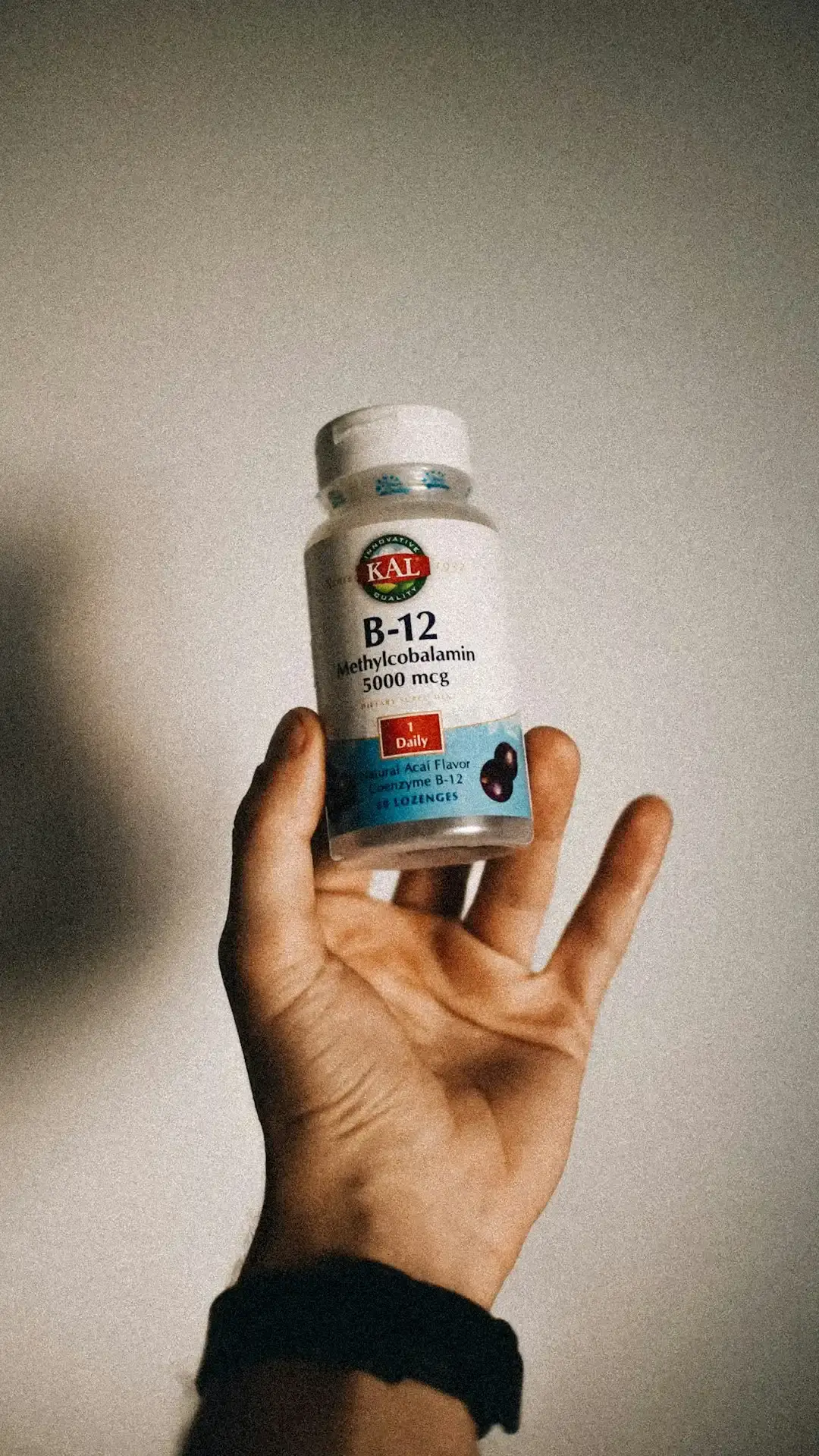
Vitamin B12 is an important nutrient that helps your body make red blood cells and DNA, the genetic material in all of your cells. Think of it like the electrical wiring of your body's infrastructure. Without it, core systems start to short-circuit.
Once absorbed, vitamin B12 is used as a cofactor for enzymes that are involved in the synthesis of deoxyribonucleic acid, fatty acids, and myelin. Myelin is the protective sheath around your nerves, and without B12, that sheath degrades - which is why nerve-related symptoms are so common with this deficiency.
Your body also needs B12 for the development of your central nervous system - your brain and spinal cord. It also helps keep your hair, nails, and skin healthy. It's honestly remarkable how many systems depend on just this one vitamin.
The Reference Daily Intake is about 2.4 micrograms per day, but slightly higher for those who are pregnant or nursing. Most people don't think twice about hitting that number - until they start feeling the consequences.
Symptom #1: Persistent, Unexplained Fatigue

Here's the thing - everyone gets tired. But the fatigue that comes with B12 deficiency is something different. It doesn't go away with rest, and it often worsens over weeks without any obvious cause.
Homocysteine levels accumulate, and pyrimidine bases cannot be formed, slowing down DNA synthesis and causing megaloblastic anemia. The anemia then leads to symptoms such as fatigue and pallor that are commonly seen in patients with B12 deficiency.
Symptoms vary based on the severity of vitamin B12 deficiency but may include fatigue, brain fog, depression, peripheral neuropathy, and ataxia. Fatigue is typically one of the first warning signals your body sends. Don't brush it off as just being "busy."
Foods that help: A 3 oz. cooked beef liver contains 81.6 mcg of vitamin B12. The top benefit of eating liver is its very high B12 content. If liver doesn't appeal to you, lean beef and fortified cereals are solid alternatives.
Symptom #2: Numbness and Tingling in the Hands and Feet

That "pins and needles" sensation that you get in your feet or fingertips isn't always from sitting in an awkward position. When it becomes persistent, it's one of the most telling signs that something neurological is going on.
If this happens, vitamin B12 deficiency may result in sense loss, loss of sensation in the feet, difficulty walking, poor balance, blurred vision, changes in reflexes, muscle weakness, decreased smell and taste, and in severe cases, psychosis.
Methylmalonic acid, if not properly handled by B12, remains in the myelin sheath, causing fragility. It's a slow process, but the nerve damage can become permanent if left untreated. That should genuinely alarm you.
Foods that help: Salmon is well known for having one of the highest concentrations of omega-3 fatty acids. It's also an excellent source of B vitamins. A half fillet of cooked salmon can pack 208% of the daily value for vitamin B12. Wild-caught is the better option wherever possible.
Symptom #3: Brain Fog and Memory Problems
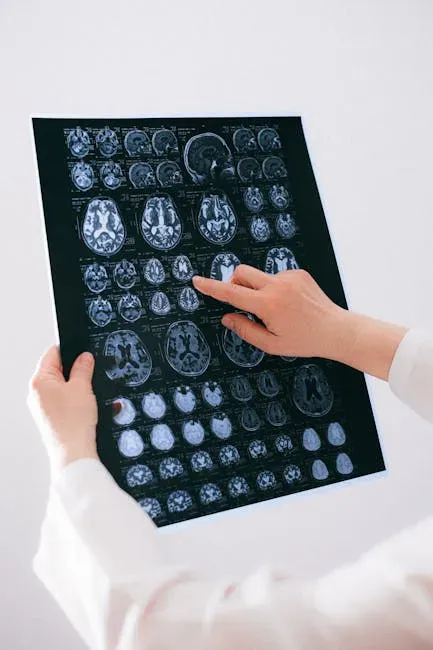
Forgetting where you left your keys is one thing. Consistently struggling to focus, losing track of thoughts mid-sentence, or feeling mentally slow - that's a different story entirely, and B12 deficiency may be quietly responsible.
Vitamin B12 deficiency is associated with cognitive problems - including issues with thinking, judgment, and learning - and memory issues. So it may play a role in conditions such as Alzheimer's disease and stroke.
Dementia and depression have been associated with this deficiency as well, possibly from the underproduction of methionine because of the inability to convert homocysteine into this product. Methionine is a necessary cofactor in the production of several neurotransmitters.
Foods that help: Rainbow trout is a great source of protein, healthy fats, and B vitamins. A 3.5-ounce serving of trout fillet offers about 312% of the daily value for vitamin B12. It's one of the most nutrient-dense and underrated fish options out there.
Symptom #4: Mood Changes and Depression

I think this is one of the most underappreciated symptoms of B12 deficiency. People who find themselves inexplicably irritable, low, or emotionally flat often look to their mental health first - without ever considering a blood test.
Severe deficiencies may include symptoms of reduced heart function, suppression of bone marrow, as well as various severe neurological symptoms possibly including sensory loss, abnormal balance and reflexes, memory and consciousness impairment, and depression, irritability, confusion, and psychosis.
Although several studies show a link between depression and low B12 levels, there's no evidence that increasing the levels of B12 can help ease depression symptoms. However, it could be helpful to screen people for B12 deficiency in advance and give them B12 supplements to delay or prevent the onset of depression.
Foods that help: Eggs are a great source of protein and B vitamins, especially B2 and B12. Two large eggs supply about 46% of the daily value for vitamin B12. Egg yolks have higher levels of vitamin B12 than egg whites, and the B12 in egg yolks is easier to absorb. Therefore, it's recommended to eat whole eggs instead of just their whites.
Symptom #5: Pale or Slightly Yellowish Skin

Paleness is often overlooked because it can look like someone just needs more sun. However, in the context of B12 deficiency, the mechanism behind it is medically significant and directly tied to how your blood cells are functioning.
In moderate deficiencies, feeling tired, feeling faint, mouth ulcers, rapid breathing, upset stomach, pallor, hair loss, decreased ability to think and joint pain, and the beginning of neurological symptoms - including abnormal sensations such as numbness and tingling - may occur.
Vitamin B12 deficiency anemia happens when your body doesn't have enough healthy red blood cells. As B12 helps make red blood cells, a lack of vitamin B12 can cause anemia. The skin takes on a pale or sometimes slightly yellow hue as a result of this process.
Foods that help: Tuna is a commonly consumed fish and a great source of nutrients, including protein, vitamins, and minerals. It contains high concentrations of vitamin B12, especially in the muscles just beneath the skin, known as dark muscles. Canned tuna is affordable, convenient, and genuinely effective for boosting B12.
Symptom #6: Sore, Swollen, or Inflamed Tongue

This one surprises most people. A sore, red, or unusually smooth tongue - called glossitis - is a surprisingly common and well-documented indicator of B12 deficiency. It's one of those clues your body sends that rarely gets decoded correctly.
A mild deficiency may not cause any discernible symptoms, but moderate deficiency can cause various symptoms, such as feeling tired, lightheadedness, cold intolerance, pale skin, sore tongue, upset stomach, loss of appetite, numbness or tingling of the fingers and toes, and vision, cognitive or psychological problems.
The inflammation occurs because rapidly dividing cells in the lining of the mouth are especially vulnerable when DNA synthesis is impaired. The impaired DNA synthesis causes problems for other rapidly proliferating cell lines. Thus, B12 deficiency characteristically results in the formation of hypersegmented neutrophils.
Foods that help: Vitamin B12 is found mostly in animal products, like fish, meat, dairy and eggs. It's also in fortified foods - like cereals, breads, plant-based milks and nutritional yeast. Nutritional yeast in particular is a versatile, plant-friendly source worth adding to your meals.
Symptom #7: Hair Loss and Changes in Nail Color

Losing more hair than usual in the shower is distressing, but before blaming stress or your shampoo, it may be worth checking your B12. The connection between this vitamin and hair health is real, even if the evidence is still developing.
B12 deficiency is associated with hair loss, but there's not enough evidence to show that taking B12 supplements will help hair grow back. Still, addressing the deficiency is essential for your overall cellular health regardless of hair outcomes.
If you have too little B12 in your body, your nails might turn brown-gray or bluish. This should change when you bring your B12 levels to normal. It's a subtle but visible sign that something internal needs attention.
Foods that help: Research has found that your body absorbs the vitamin B12 in milk and dairy products better than the vitamin B12 in beef, fish, or eggs. So a glass of milk, some yogurt, or a portion of cheese may actually be among the most bioavailable B12 sources you can eat. Cottage cheese is high in vitamin B12 as well as protein and calcium.
Symptom #8: Difficulty Walking and Poor Balance

When B12 deficiency goes untreated for an extended period, the neurological consequences can become severe enough to affect how a person moves. This is one of the most serious stages of deficiency, and it is entirely preventable.
Vitamin B12 deficiency is one of the most common causes of macrocytic anemia. If it is not treated, anemia symptoms and neurological disturbances resulting in spinal cord and cerebral cortex demyelination may emerge.
A further complication of severe deficiency is the neurological complex known as subacute combined degeneration of the spinal cord. This complex consists of the following symptoms: impaired perception of deep touch, pressure and vibration, loss of sense of touch, very annoying and persistent paresthesias, and severe paresis.
Foods that help: A 3 oz. cooked beef liver contains 81.6 mcg of vitamin B12. Consuming beef liver can help prevent pernicious anemia because not only is it high in vitamin B12, but it's also high in iron and folate - three nutrients that can aid in a natural recovery from anemia. For plant-based eaters, a 2 tablespoon serving of nutritional yeast contains 14 mcg of vitamin B12, representing 583% of the daily value.
Who Is Most at Risk - and Why

Honestly, not everyone faces the same level of risk. Certain groups are significantly more vulnerable, and knowing where you fall on that spectrum could make all the difference in catching a deficiency before it causes lasting harm.
Certain groups of people are more likely than others to be vitamin B12 deficient. These include older adults, people with pernicious anemia or gastrointestinal disorders, and those who have had gastrointestinal surgery. Other groups that are at risk of vitamin B12 deficiency include people who follow vegetarian diets and the infants of women who follow vegan diets.
Risk factors include malabsorptive processes, limited dietary intake of vitamin B12, use of certain medications such as metformin and proton pump inhibitors, and older age. It's hard to say for sure without a blood test, but if multiple of these factors apply to you, it's worth a conversation with your doctor.
Gastric acid inhibitors can interfere with vitamin B12 absorption from food by slowing the release of gastric acid into the stomach and thereby lead to vitamin B12 deficiency. Metformin, an antihyperglycemic agent used as first-line treatment for prediabetes and diabetes, might reduce the absorption of vitamin B12 and significantly reduce serum vitamin B12 concentrations.
How to Test, Treat, and Restore Your B12 Levels
The good news is that, when caught in time, B12 deficiency is entirely treatable. It doesn't have to become a long-term problem. The key is acting on symptoms rather than dismissing them.
Initial testing includes total serum vitamin B12 level, which is diagnostic for deficiency if less than 180 pg/mL. Borderline levels between 180 and 350 pg/mL warrant a methylmalonic acid measurement, which is diagnostic for vitamin B12 deficiency if elevated.
Oral vitamin B12 supplementation can be used in most patients and is noninferior to intramuscular supplementation. Intramuscular administration should be considered in patients with severe deficiency or neurologic manifestations.
Long-term vitamin B12 deficiency can cause nerve damage. This may be permanent if you do not start treatment promptly after your symptoms begin. If nerve damage is severe or long-lasting, some damage may be permanent. So please, don't wait.
Experts agree on the need for educational and organizational changes in the current medical practices for diagnosing and treating B12 deficiency. Recognition of clinical symptoms should receive the highest priority in establishing the diagnosis.
B12 deficiency is one of those conditions where awareness is everything. You might be surprised how many of the symptoms above sound familiar - and how simple a blood test really is. If even two or three of these signs resonate with you, that conversation with your doctor is worth having today. What would you have guessed was behind your fatigue, your tingling fingers, or your low mood? Sometimes the answer is as simple as a vitamin. Tell us your experience in the comments below.




Leave a Reply