
High blood pressure is one of the most common and silently dangerous health conditions in the world today. It creeps up without symptoms, earns its nickname "the silent killer," and puts millions of people at serious risk of heart attack and stroke every single year.
The good news? What you put on your plate matters enormously. Lifestyle factors such as diet can have a major impact on lowering blood pressure, and in fact some people are able to get their blood pressure under control just by changing what they eat, which can potentially reduce or even eliminate the need for blood pressure medication. The 12 foods below are some of the most evidence-backed options available to you right now. Let's dive in.
1. Leafy Green Vegetables
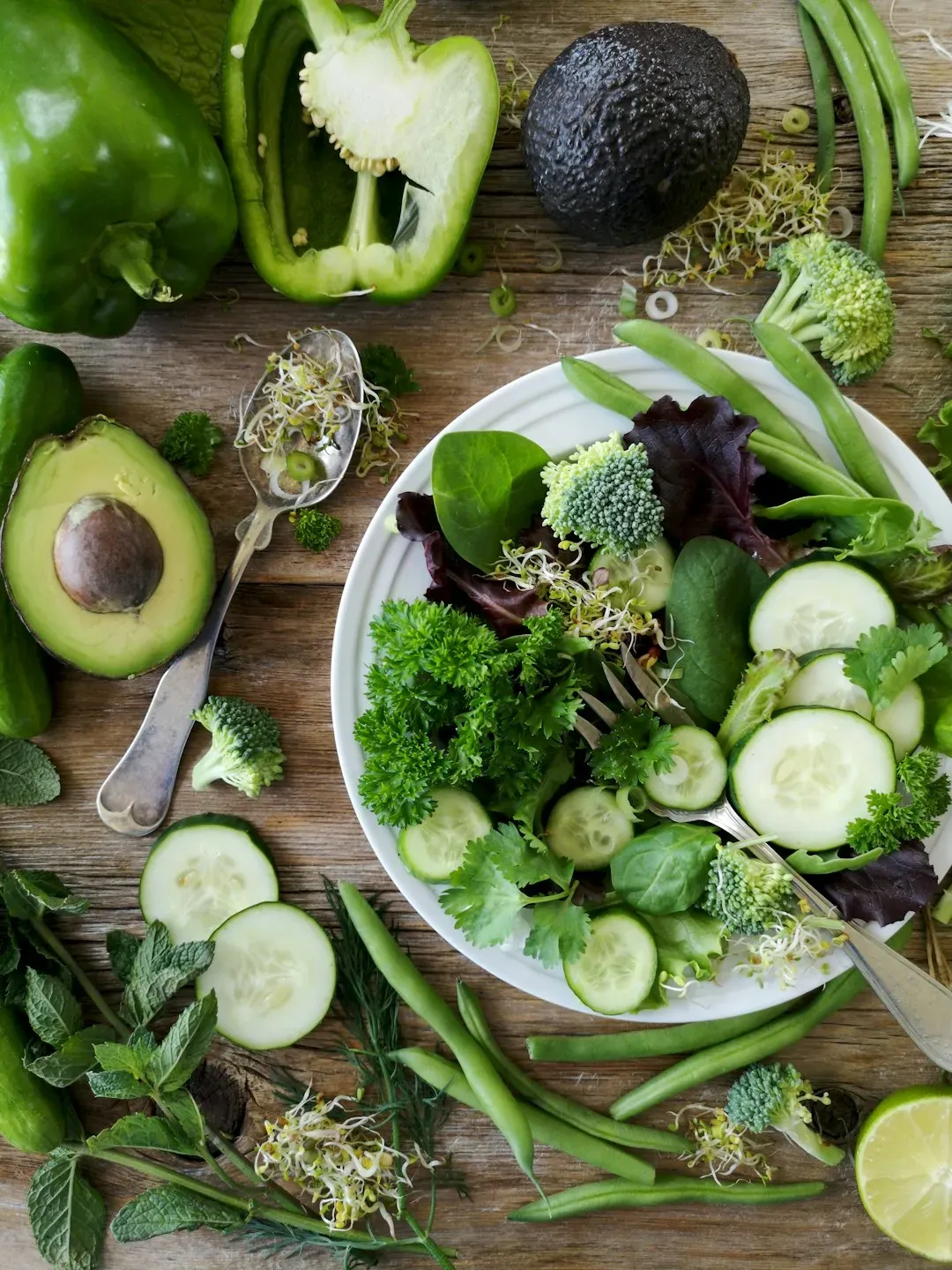
Leafy green vegetables are rich in nitrates, which help manage blood pressure, and research from 2021 suggests that eating at least one cup of green leafy vegetables daily can lower blood pressure and reduce the risk of cardiovascular disease. The mechanism here is actually quite elegant. During digestion, nitrate found in foods is converted into nitric oxide, a compound that relaxes and widens blood vessels.
Researchers found that people who ate the most nitrate-rich vegetables, especially leafy greens such as spinach and lettuce, had between roughly one in eight and roughly one in four lower risk of cardiovascular disease over the course of a large study, with one cup of greens per day appearing to be the optimum amount. A 2024 umbrella review and meta-analysis published in ScienceDirect, analyzing 113 studies involving over 2,000 participants, confirmed that dietary nitrate supplementation can reduce both resting systolic and diastolic blood pressure, decrease pulse wave velocity, and increase flow-mediated dilation, with the blood pressure-lowering effect becoming more pronounced with increased study duration and nitrate dosage.
2. Blueberries and Strawberries
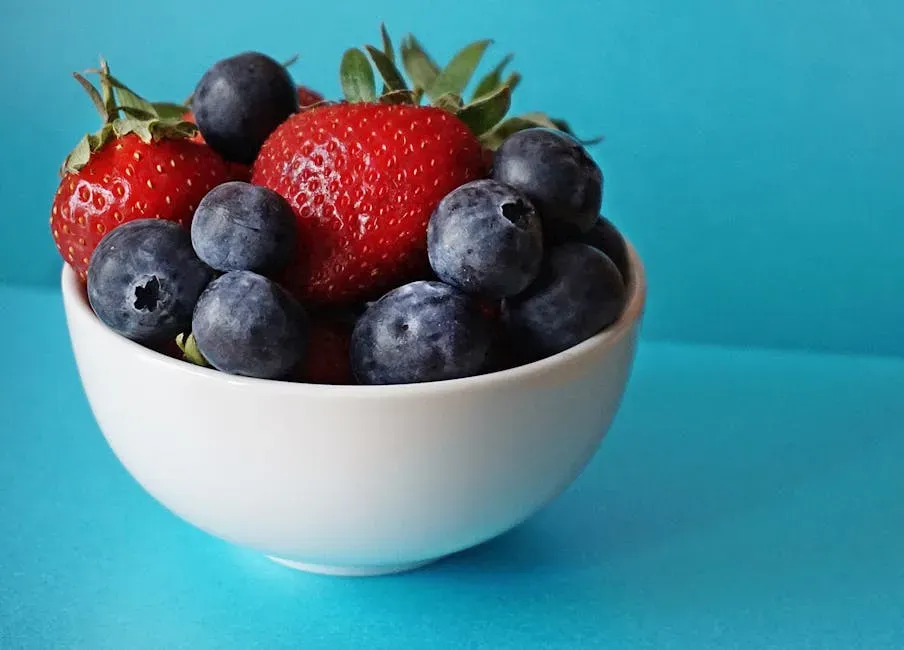
Honestly, if there is one snack that deserves more credit in the world of blood pressure, it is a handful of berries. Strawberries and blueberries are rich in antioxidant compounds called anthocyanins, and research has linked anthocyanins to a reduction in blood pressure in people with hypertension. Berries enhance endothelial function by increasing the bioavailability of nitric oxide, a potent vasodilator that relaxes blood vessels, improves blood flow, and reduces blood pressure.
A meta-analysis including 18 blueberry-intervention randomized controlled trials found that blueberries significantly decreased blood lipids and diastolic blood pressure. Large-scale observational research also supports this. Participants consuming the highest amounts of anthocyanins, found mainly in blueberries and strawberries, were noticeably less likely to be diagnosed with hypertension than those consuming the lowest amounts. Compared to people who ate no blueberries, those eating at least one serving of blueberries per week were around one in ten less likely to become hypertensive.
3. Beetroot
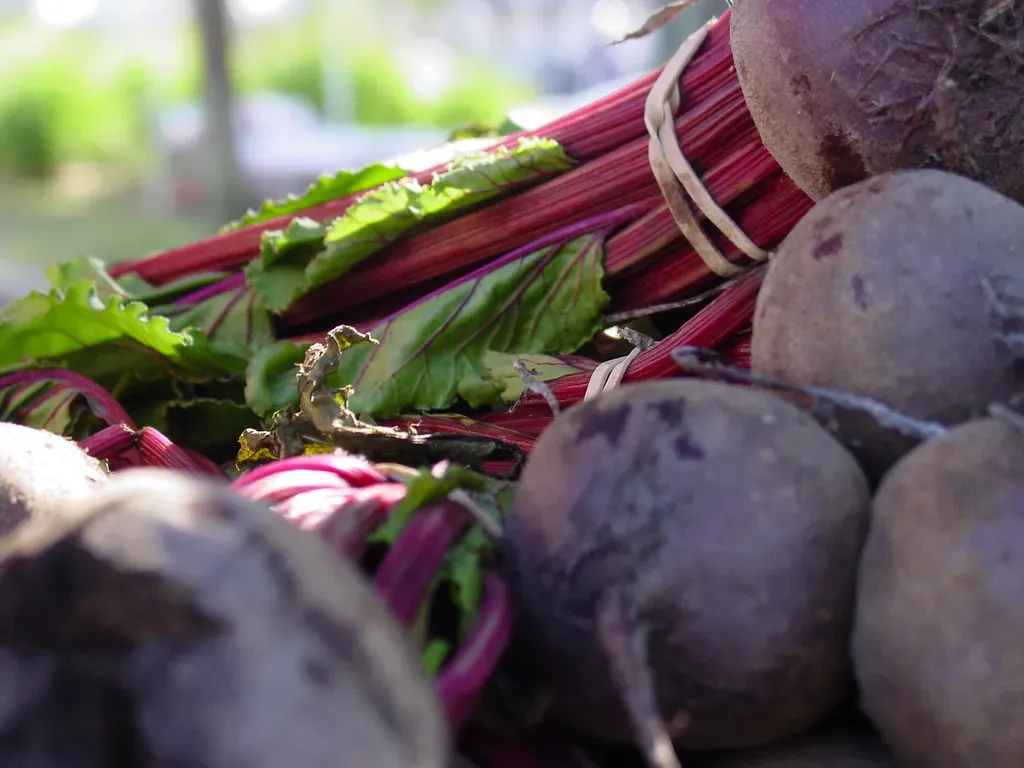
This root vegetable is high in nitrates, which the body converts into nitrous oxide, a molecule that has been shown to reduce systolic blood pressure. Unlike the debate around leafy greens, beetroot specifically has impressive backing. Drinking beet juice may reduce blood pressure in the short and long term because it contains dietary nitrate, and research shows that nitrate from beetroot juice lowers systolic blood pressure in people with arterial hypertension.
Think of beetroot juice like a natural pressure valve for your arteries. The conversion from nitrate to nitric oxide literally helps your blood vessels loosen up and expand, reducing the force exerted against vessel walls. Research suggests that inorganic nitrate present in vegetables is converted into nitric oxide in the body to improve cardiovascular function. Adding roasted beets to salads or sipping a small glass of pure beetroot juice are both easy, practical ways to get this benefit regularly.
4. Garlic
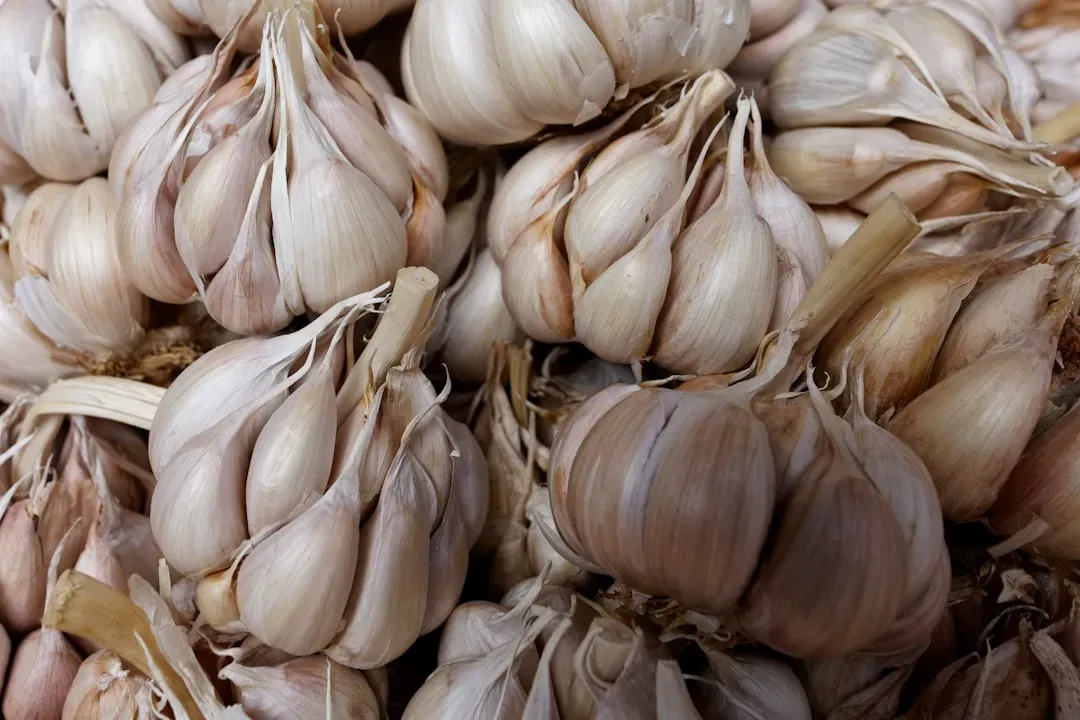
Garlic has been used medicinally for thousands of years, and modern science is finally catching up to what ancient practitioners seemed to already know. Garlic is one of the most utilized supplements, with its antibacterial and antioxidant abilities mainly produced by allicin in garlic, and in recent years it has been thought to be effective in the treatment of hypertension. Garlic contains several bioactive compounds including allicin, which has antioxidant activity and may lower blood pressure, and garlic may also elicit antihypertensive effects by inhibition of angiotensin-converting enzymes.
Pooled analysis showed that garlic intake caused a meaningful reduction in both systolic and diastolic blood pressure compared with controls. A more recent 2024 meta-analysis on aged garlic specifically found that aged garlic consumption significantly reduced systolic blood pressure. Allicin and related compounds may activate potassium channels by releasing hydrogen sulfide, leading to vascular smooth muscle relaxation, lowering intracellular calcium ion concentration, and promoting vasodilation, with garlic affecting blood pressure by promoting vascular dilation and reducing peripheral vascular resistance. Raw or minimally processed garlic tends to preserve the most allicin, so cooking it heavily or boiling it long reduces some of this benefit.
5. Fatty Fish (Salmon, Mackerel, Sardines)
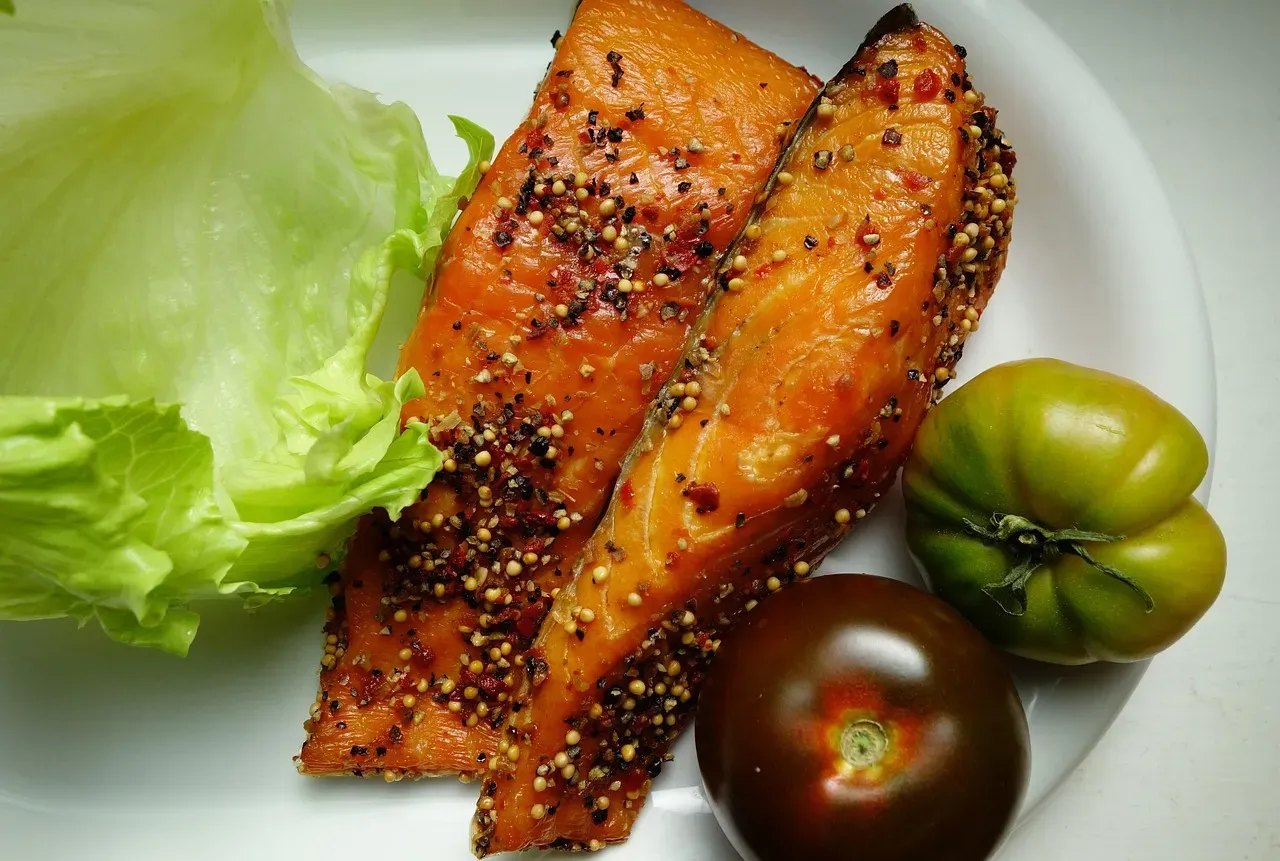
Fatty fish including salmon, mackerel, sardines, and trout are rich in omega-3 fatty acids, which help reduce inflammation and improve blood vessel function. The evidence for omega-3s and blood pressure is compelling. The optimal daily intake of omega-3 fatty acid for blood pressure control appears to be around 3 grams per day, with individuals who are at high risk of developing cardiovascular diseases potentially benefiting from higher doses.
Seventy-one trials involving nearly 5,000 individuals revealed a nonlinear association between omega-3 intake and blood pressure reduction, with optimal reductions in both systolic and diastolic blood pressure obtained at moderate daily doses. Just two servings of fatty fish a week can lower systolic blood pressure, particularly in older adults. That is remarkably straightforward dietary advice for a meaningful health outcome. Think of it as painting your blood vessels with something almost frictionless, so your heart simply does not have to push as hard.
6. Oats and Whole Grains
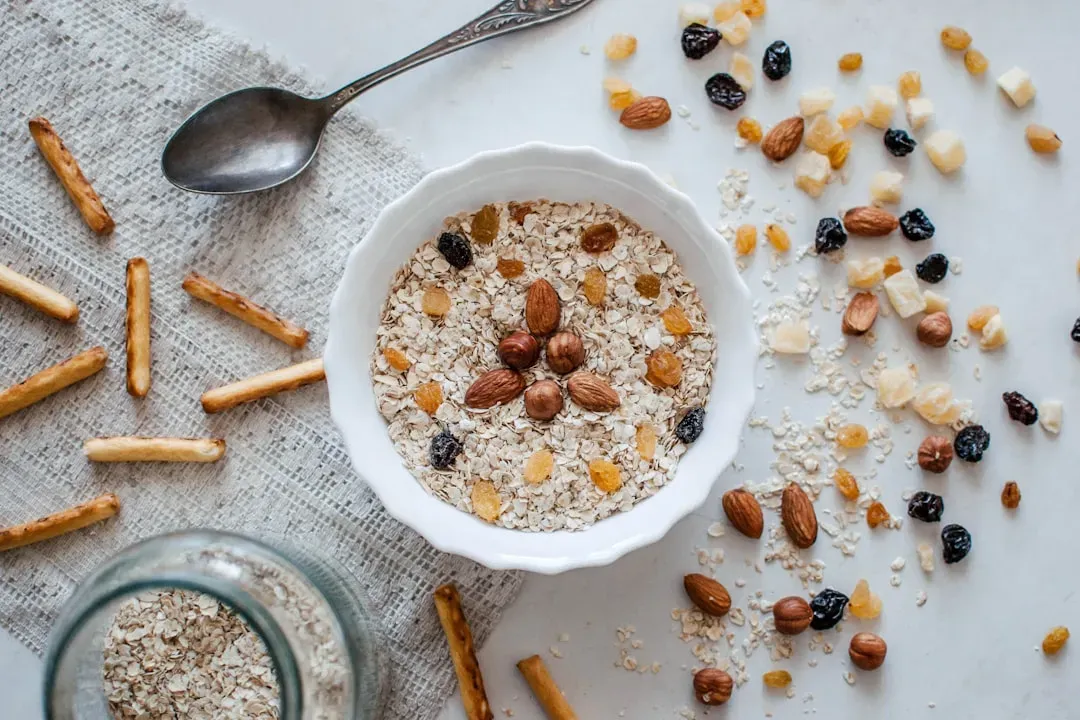
Oatmeal may seem like a boring breakfast staple, but here is the thing: it is genuinely one of the most heart-friendly foods in your kitchen. Research found that beta-glucan and avenanthramide C, both present in oats, reduce levels of malondialdehyde, a marker of oxidative stress in hypertensive rats, suggesting that ingredients present in oats can help prevent high blood pressure and protect heart health in other ways.
Research suggests that a diet high in whole grains, such as oats or wholemeal bread, may be as effective as medication for high blood pressure. Foods rich in potassium, calcium, and magnesium, such as those featured in the well-studied DASH diet, focus on vegetables, fruits, and whole grains and include fat-free or low-fat dairy products, fish, poultry, beans, and nuts. The soluble fiber in oats, particularly beta-glucan, works somewhat like a sponge in your digestive system, pulling out excess substances and reducing inflammation that can tighten blood vessels over time.
7. Bananas
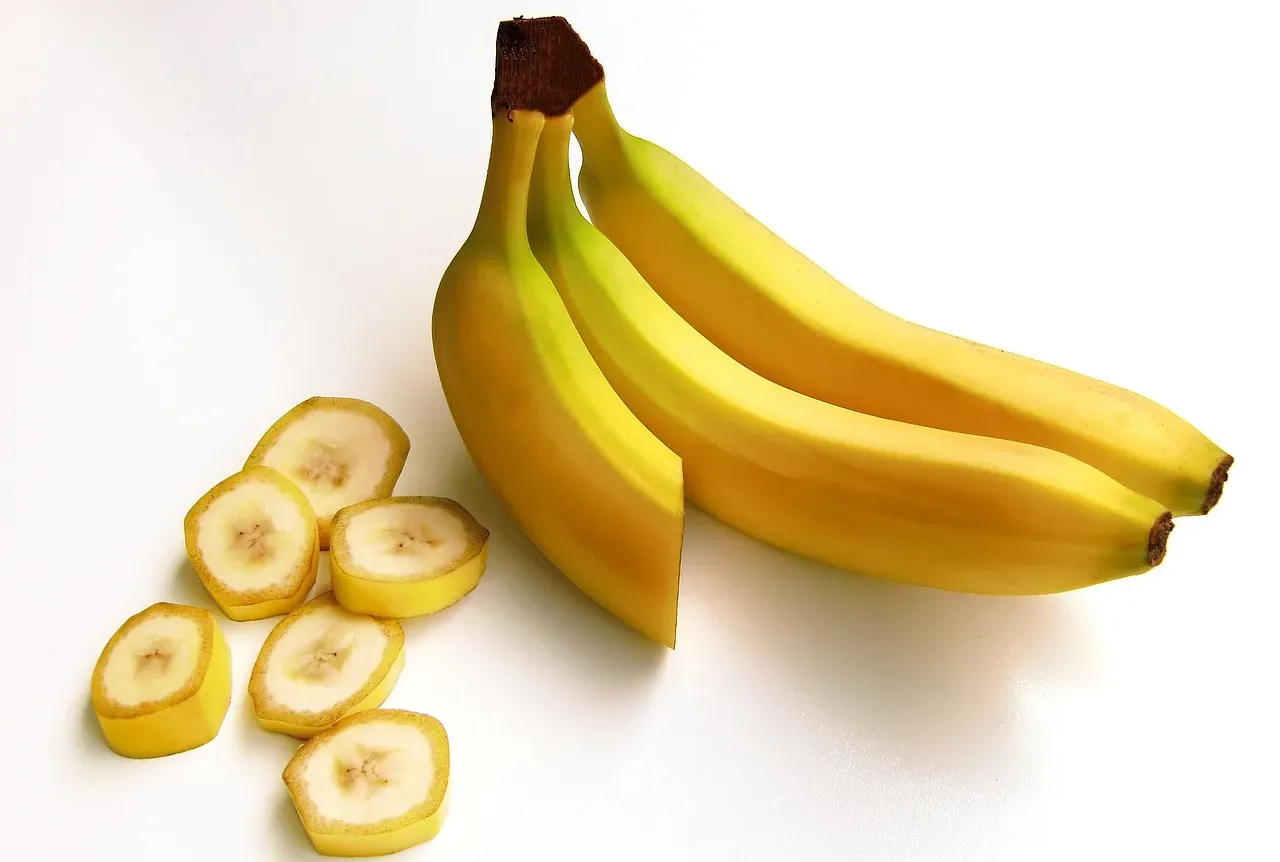
Bananas are one of the richest natural sources of potassium, a mineral that helps the body offset the effects of sodium and supports healthy blood pressure regulation. This potassium-sodium balancing act is more powerful than most people realize. According to the American Heart Association, potassium reduces the effects of sodium and alleviates tension in the walls of the blood vessels.
Potassium in the diet can lessen the effects of table salt and sodium on blood pressure, and aiming for 3,500 to 5,000 milligrams of potassium a day may lower blood pressure by around 4 to 5 mm Hg. Eating an extra gram of potassium per day, roughly the equivalent of two medium bananas, is considered a more effective way to lower blood pressure than simply reducing salt intake. That comparison is genuinely surprising, right? Most people spend so much energy cutting salt that they overlook how powerful simply adding potassium-rich foods can be.
8. Unsweetened Yogurt
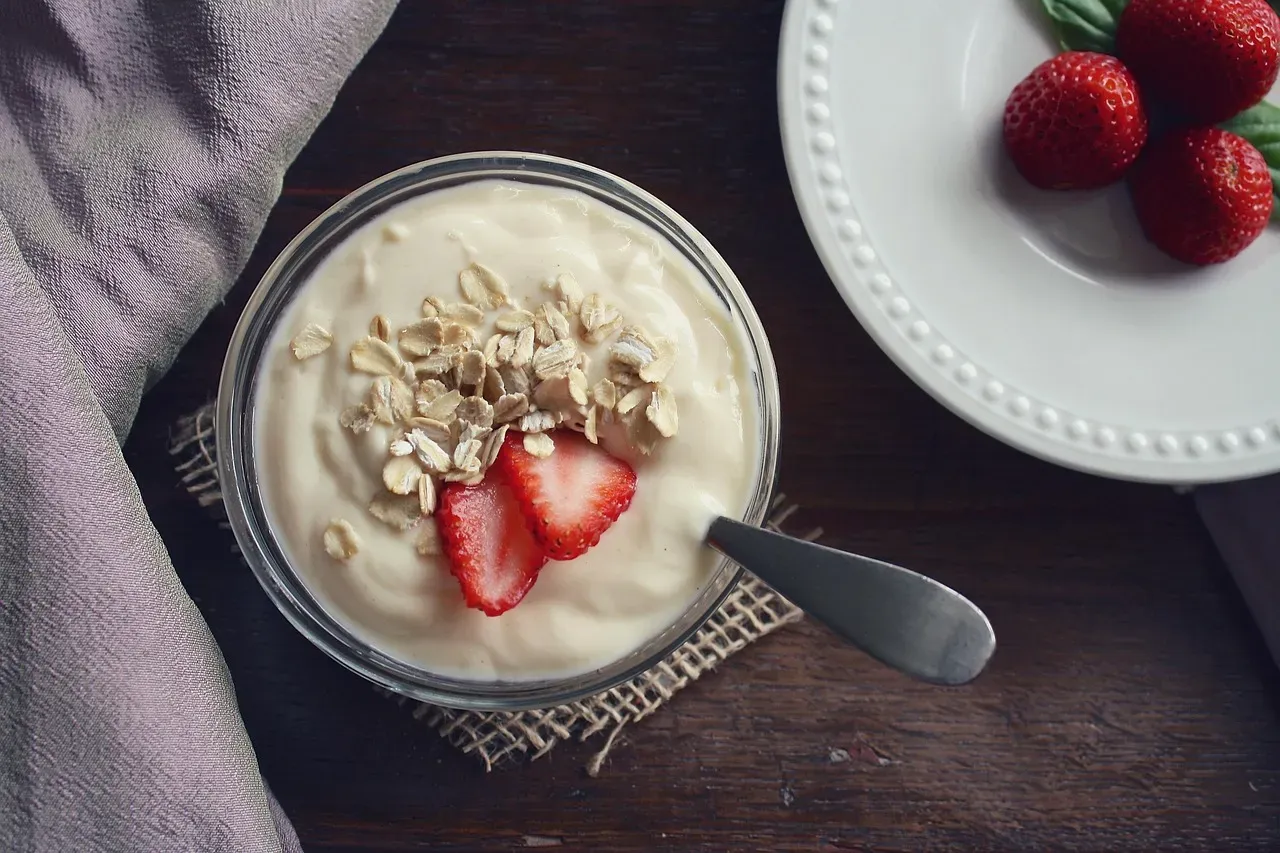
A 2021 study showed that yogurt may produce positive blood pressure outcomes for those with hypertension, attributed to its high amounts of the minerals calcium, potassium, and magnesium, all thought to help regulate blood pressure. These three minerals work together like a coordinated team, each playing a different role in keeping the pressure inside your arteries at a healthy level. Look for unsweetened natural and Greek yogurts, which can be blended with fruits, seeds, and nuts for a healthy breakfast or snack.
Low-fat dairy like semi-skimmed milk and low-fat natural yogurt gives calcium and protein without excess saturated fat. The probiotic bacteria in fermented yogurt also appear to play a supporting role. Research published in NCBI indicates that probiotic-rich foods such as yogurt may benefit blood pressure through their effects on inflammation and gut microbiome health. It is a surprisingly under-discussed benefit for what is essentially a food most people already enjoy.
9. Dark Chocolate
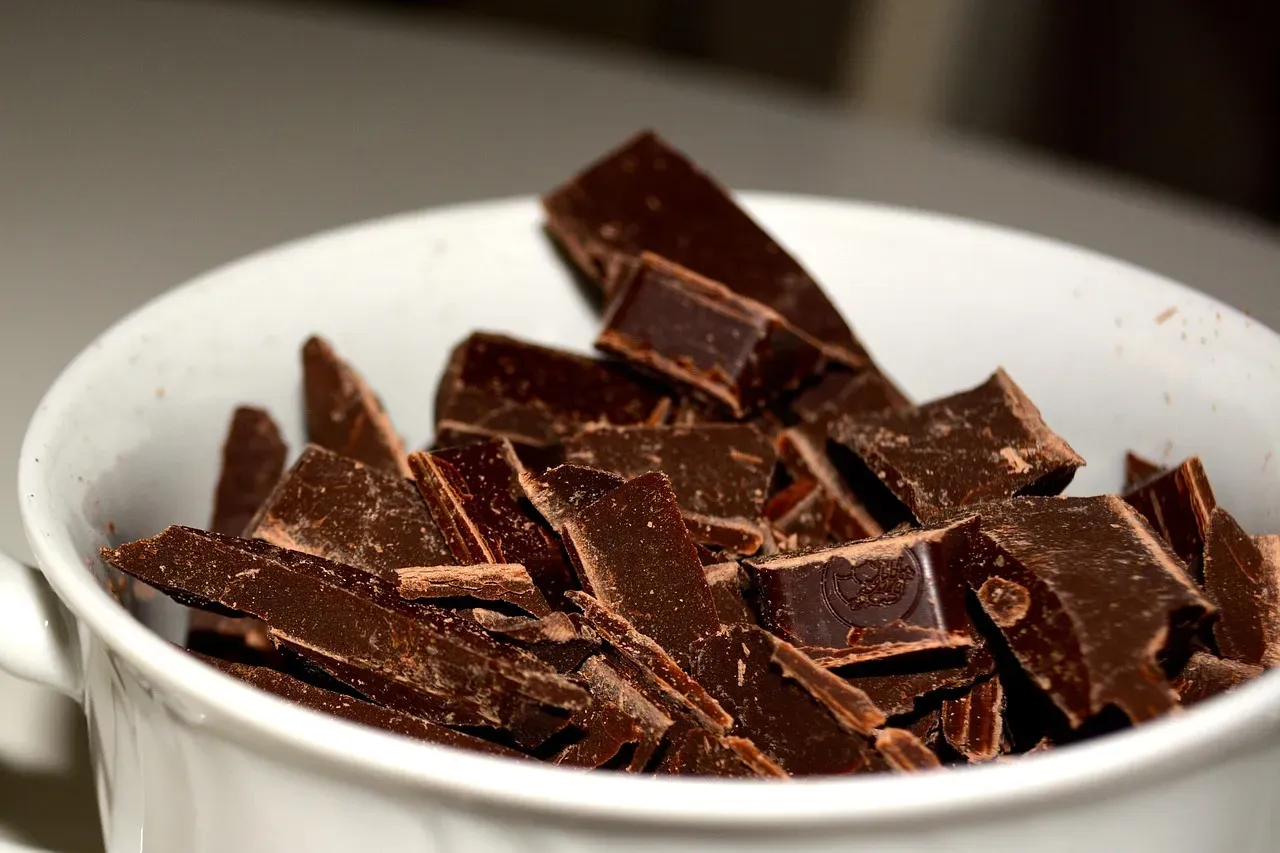
Yes, chocolate made the list. Not the sugary milk chocolate variety, but the proper, high-cocoa dark kind. A study from the University of Surrey found that naturally occurring compounds called flavan-3-ols, found in cocoa, tea, apples, and grapes, may improve blood pressure and the health of blood vessels, with research analyzing data from 145 randomized controlled studies finding that regular consumption of flavan-3-ols can lead to a reduction in blood pressure readings, particularly in people with elevated or high blood pressure.
Recent research demonstrates a beneficial effect of cocoa on blood pressure, with a range of potential mechanisms proposed, including activation of nitric oxide and antioxidant and anti-inflammatory effects. Current evidence suggests that cocoa flavonoids exert a positive influence on the metabolic pathways involved in cardiovascular health, making them promising in the prevention and treatment of hypertension. The key detail here is cocoa content: choose dark chocolate with at least 70 percent cocoa to get meaningful amounts of these beneficial flavonoids. Think of it as medicine that actually tastes good, used in moderation.
10. Kiwi
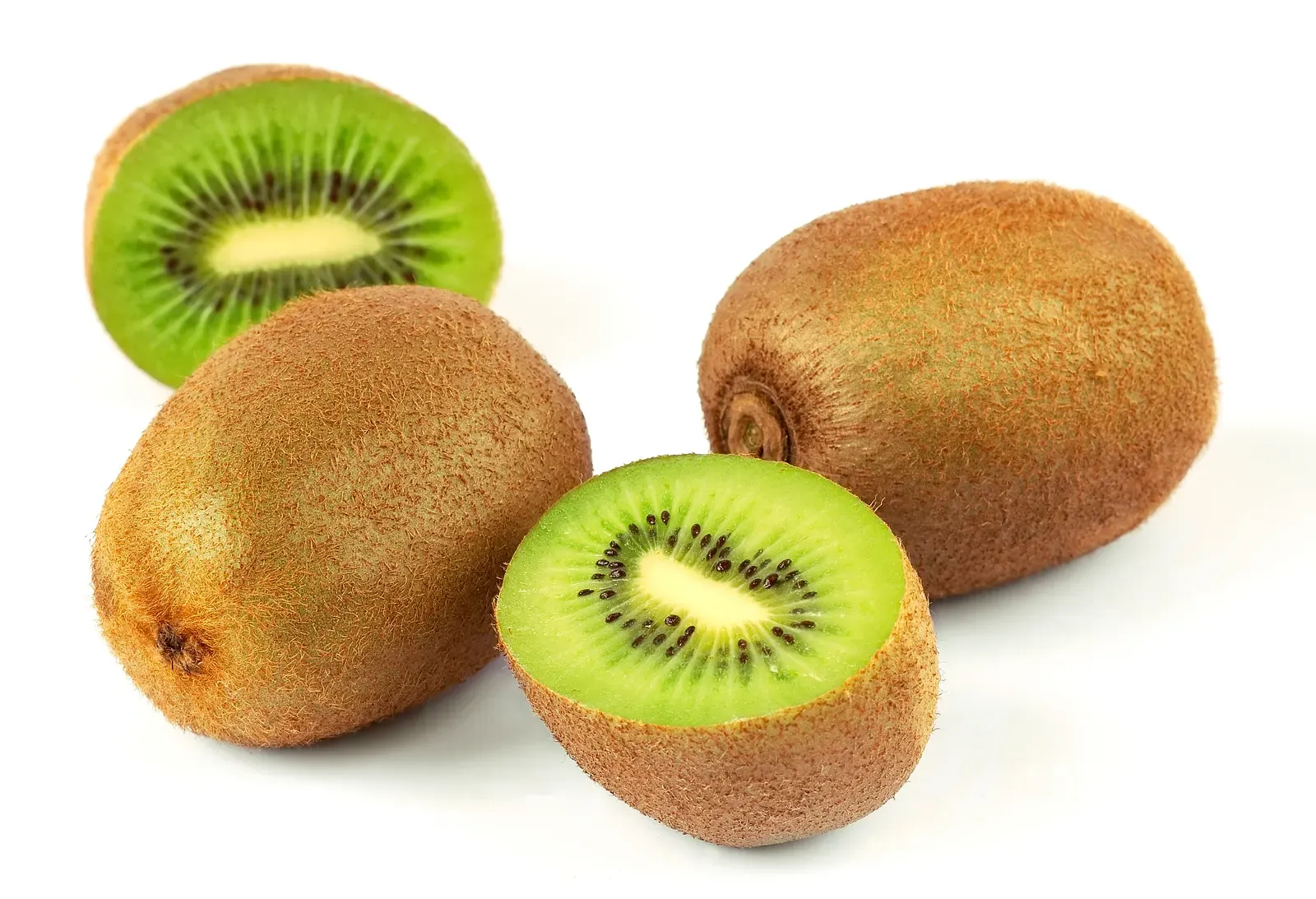
Nikon case D300 optical Sigma 150mm F2,8 macro, CC BY-SA 2.5)
A daily serving of kiwi can reduce systolic blood pressure, among other benefits. Kiwis are small but seriously underestimated. Packed with vitamin C, potassium, and antioxidants, they tick multiple boxes simultaneously for cardiovascular health. The vitamin C content alone plays a meaningful role in supporting healthy blood vessel wall integrity and reducing oxidative stress, which is a key contributor to high blood pressure over time.
Fruits that can help lower blood pressure in the long term include strawberries, blueberries, bananas, watermelon, and other vitamin and mineral-rich fruits. Research published in the American Journal of Clinical Nutrition has specifically highlighted kiwi as a fruit capable of modestly but meaningfully reducing systolic blood pressure when consumed daily, making it one of the most convenient and easy-to-add options on this list. Drop two kiwis into your morning routine and you are already ahead of the game.
11. Nuts and Seeds
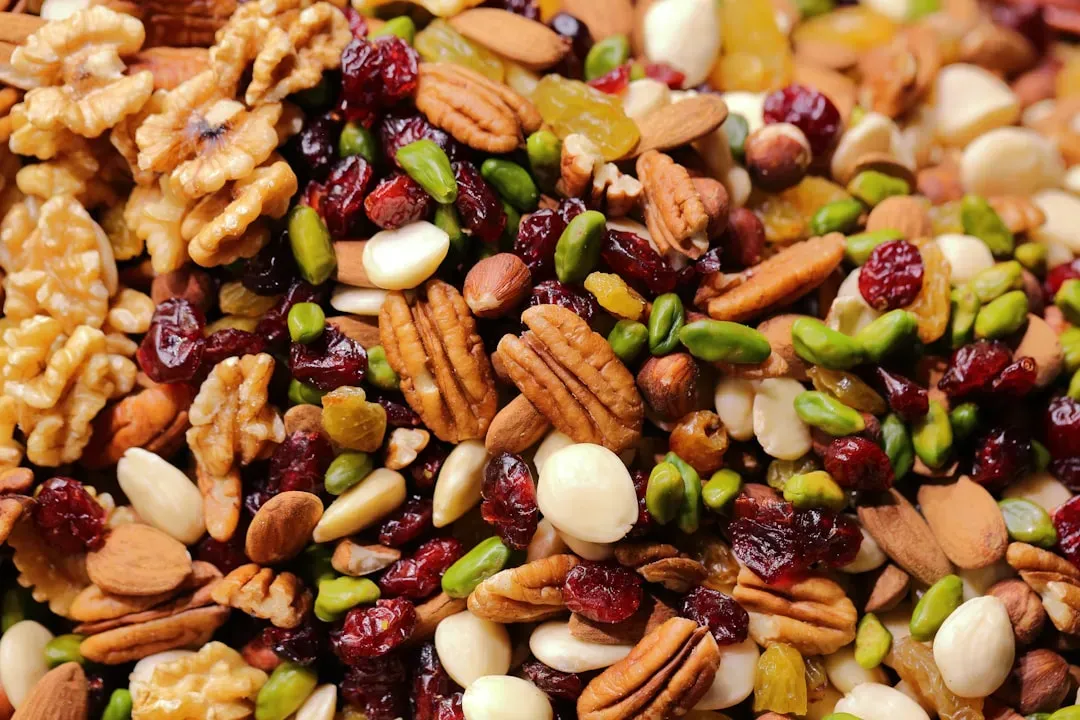
Walnuts, almonds, flaxseeds, chia seeds. These foods share something important: they are dense sources of magnesium, potassium, and heart-healthy unsaturated fats. Research has shown that certain foods such as fruits, vegetables, nuts, and oily fish can help lower blood pressure, and combining these foods in the diet may lead to long-term health benefits. A walnut-specific study published in the American Heart Association's journal found that a walnut-enriched diet reduced blood pressure in elderly participants compared to a control diet.
Foods rich in the minerals potassium, calcium, and magnesium are central to blood pressure management. Nuts and seeds deliver all three in impressive concentrations. A balanced diet focusing on moderate intakes of fruits, vegetables, oats, nuts, lentils, herbs, and spices can be beneficial for managing high blood pressure. A small handful daily, roughly the size of your palm, is all it takes. No dramatic dietary overhaul required, just a consistent, small addition with real cumulative effects over weeks and months.
12. Tomatoes
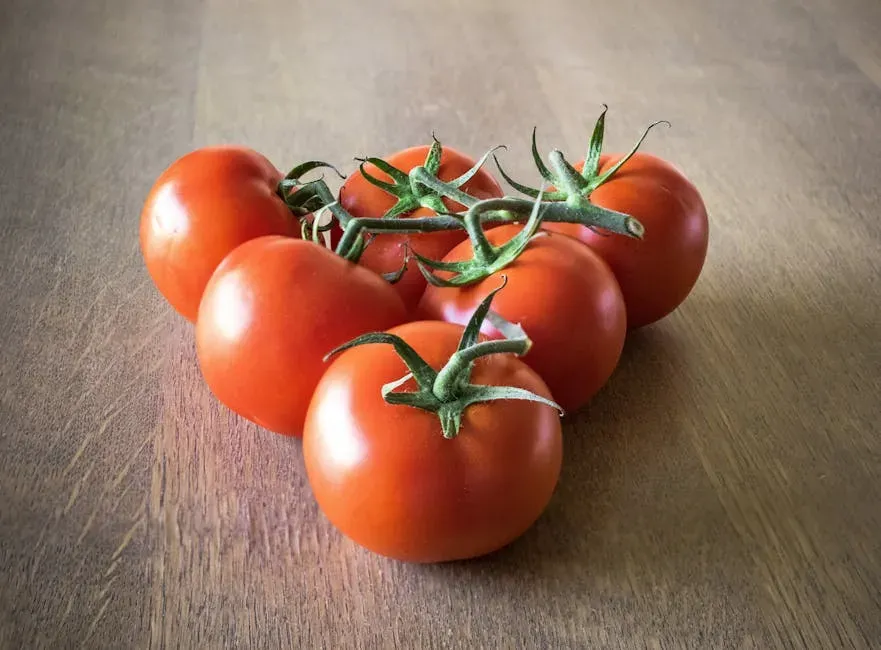
Tomatoes deserve far more attention in the blood pressure conversation. They are rich in lycopene, potassium, and vitamin C, each of which contributes to vascular health in its own way. Lycopene, the pigment that makes tomatoes red, has been studied for its potential to reduce oxidative stress in blood vessel walls, which is one of the key underlying drivers of persistently elevated blood pressure.
A diet rich in fruits and vegetables, including tomatoes, can help bring blood pressure under control. Research cited by patient.info references an association between tomato consumption and blood pressure in older populations at high cardiovascular risk, with tomato-derived compounds showing a meaningful protective role. A balanced diet focusing on moderate intakes of fruits, vegetables, oats, nuts, lentils, herbs, and spices can be beneficial for managing blood pressure, while excessive salt, alcohol, and processed foods may worsen hypertension. Cooked tomatoes in particular, such as tomato sauce or paste, actually deliver more bioavailable lycopene than raw tomatoes, making that pasta sauce a legitimate health food in disguise.
Conclusion
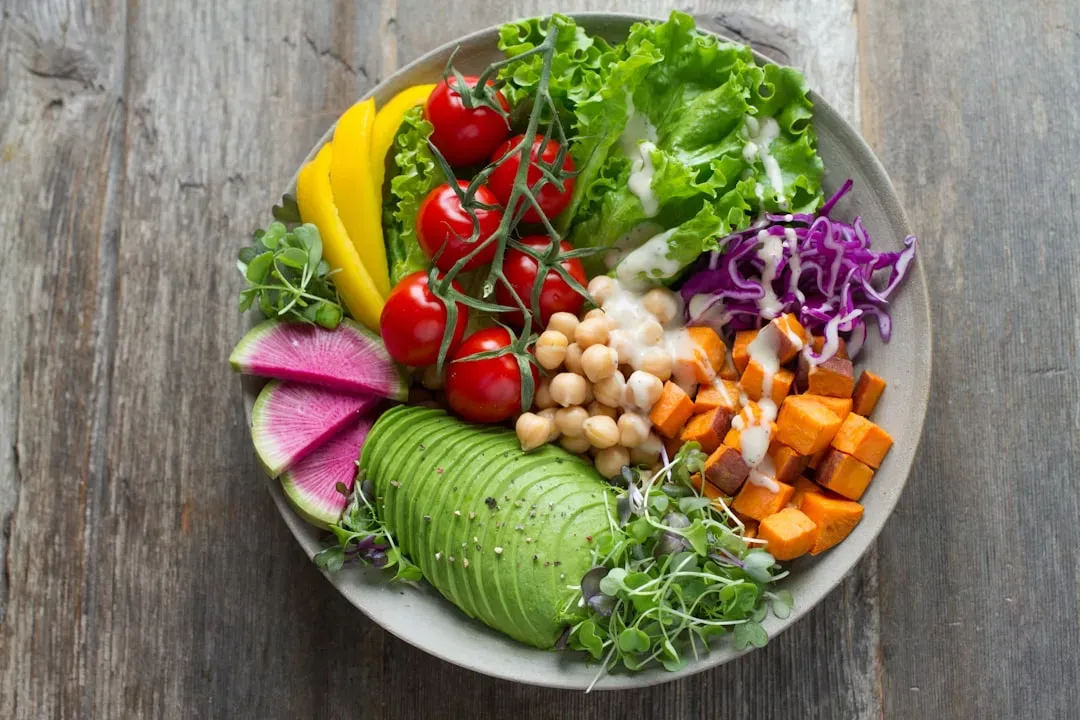
What strikes me most about this list is how completely ordinary these foods are. There is no exotic superfood that costs a fortune or requires a special health food store. Blueberries, spinach, bananas, garlic, salmon, oats. These are everyday items that have been sitting in grocery stores for decades, quietly carrying significant evidence behind them.
As of 2024, arterial hypertension is still considered the leading modifiable cardiovascular risk factor and, due to high rates of undertreatment and poor blood pressure control, the major contributor to human morbidity and mortality. That context makes diet-based approaches not just interesting but genuinely important. Medications, dietary changes, and other lifestyle modifications can reduce high blood pressure while lowering the likelihood of developing associated conditions.
No single food is a magic fix. Think of each item on this list as adding one small, favorable weight to one side of the scale. Over time, those weights add up. So, which of these foods do you already eat regularly, and which ones surprised you the most? Tell us in the comments.



Leave a Reply