
Not all nuts are created equal. Sure, they all sit together in the same aisle, but beneath those crunchy shells lies a wildly different range of nutrients, fats, proteins, and health benefits. Some can literally help protect your heart and brain. Others, eaten in excess, can actually cause harm.
So which ones deserve top billing on your plate, and which should you treat more like an occasional indulgence? The answer might surprise you. Let's dive in.
1. Walnuts: The Undisputed Brain and Heart Champion
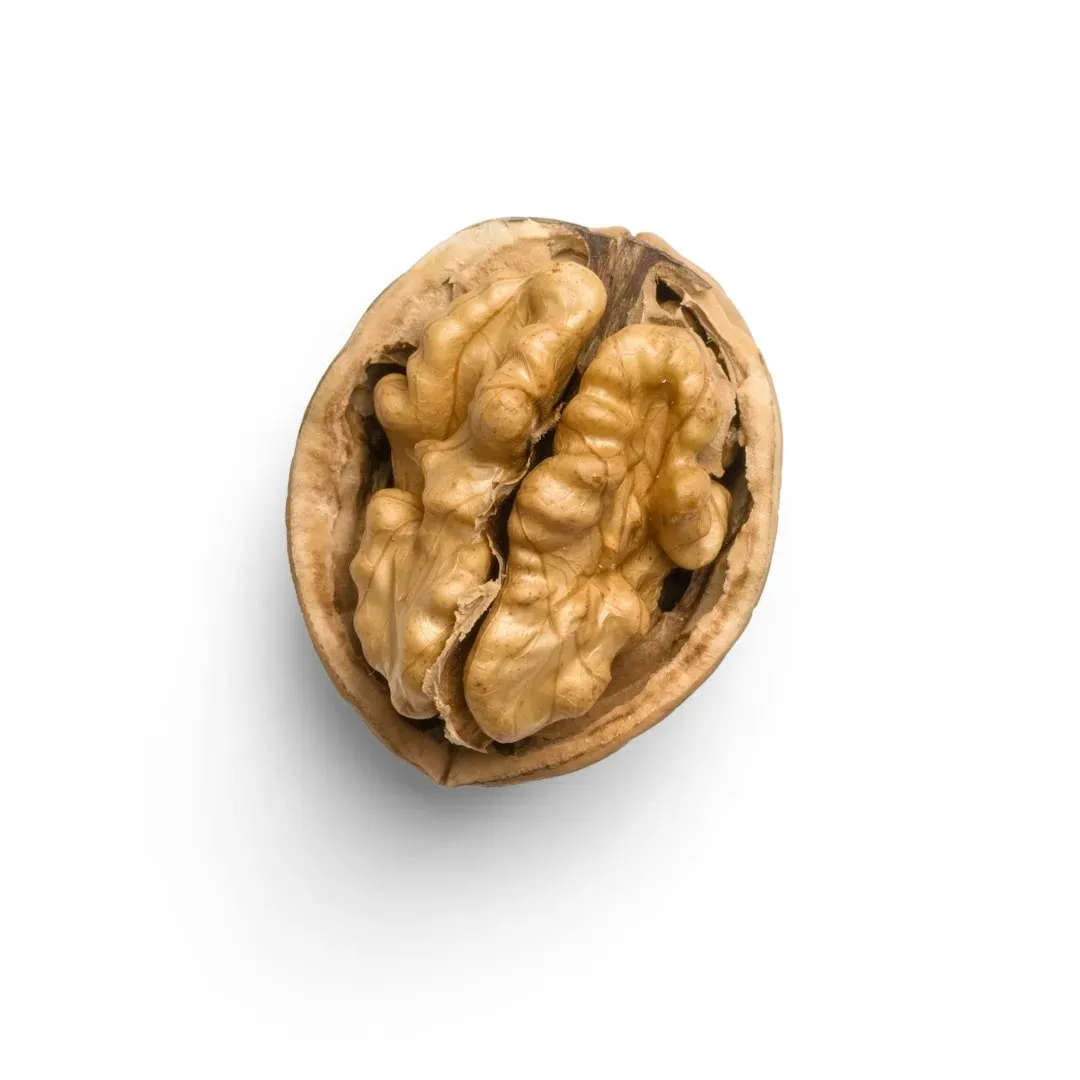
Honestly, if there is one nut that deserves a permanent spot in your diet, it is the walnut. Walnuts are often considered the healthiest nut because they are rich in omega-3 fatty acids, particularly alpha-linolenic acid, antioxidants, and other nutrients that promote heart and brain health. That combination is hard to beat in the plant world.
Walnuts have greater antioxidant activity than any other common nut, a power that comes from vitamin E, melatonin, and plant compounds called polyphenols, which are found in particularly large amounts in the papery skin of walnuts. Most people peel that skin off, not realizing they are throwing away the best part.
Research published in ScienceDirect shows that adding walnuts to the diet significantly lowered total cholesterol levels and low-density lipoprotein cholesterol levels, making them a powerful tool against cardiovascular disease. In December 2024, the U.S. Food and Drug Administration officially confirmed that walnuts meet the updated definition for a "healthy" food, based on the important role they play in recommended dietary patterns.
Studies have shown that the antioxidants and anti-inflammatory polyphenols found in walnuts may improve brain function and slow mental decline that occurs with aging. There is even emerging research around walnuts and mental well-being in younger populations. Research suggests that daily walnut consumption could potentially support cognitive health and mental well-being in Gen Z and millennials.
2. Almonds: The Vitamin E Powerhouse You Probably Already Love
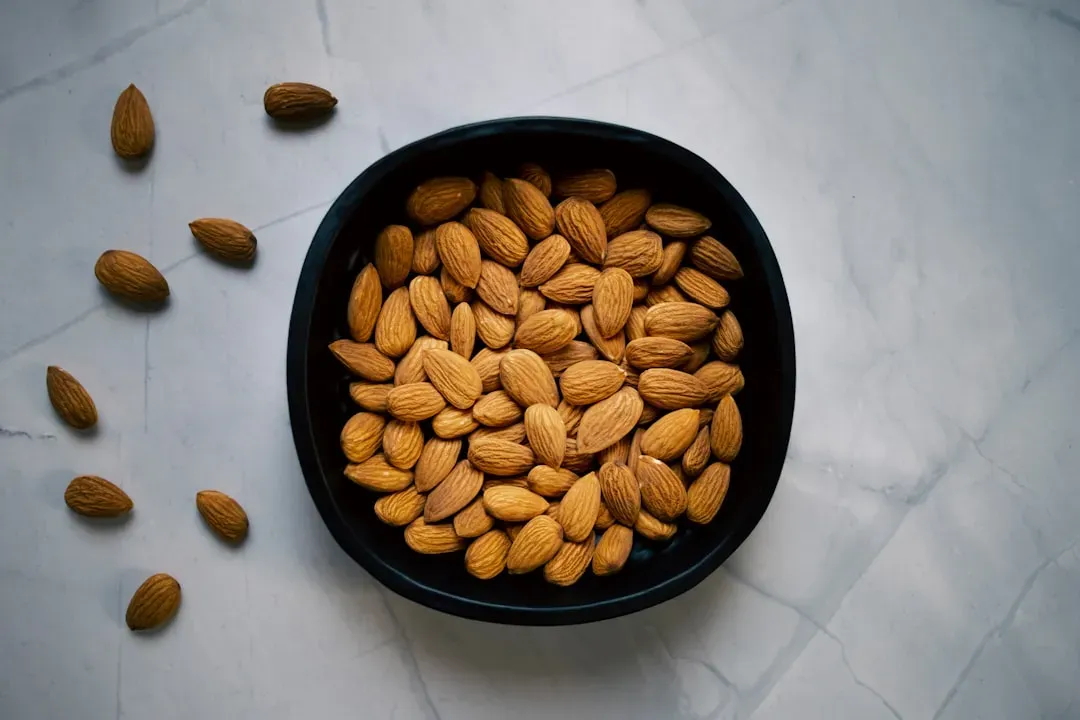
When compared ounce for ounce, almonds are the nut highest in protein, fiber, calcium, vitamin E, riboflavin, and niacin, and they are the best source of six of the thirteen nutrients for which there are daily values, while also being among the lowest in calories. That is a remarkable nutritional resume for one small snack.
Almonds are especially rich in vitamin E, a fat-soluble nutrient that functions as an antioxidant to protect cells against oxidative damage. Research published in the Journal of the American College of Nutrition showed that increasing almond intake helped improve insulin sensitivity and reduced cholesterol in adults with prediabetes.
Almonds are the vitamin E champions of nuts and offer more protein and fiber than most others. Strong human studies show they lower LDL cholesterol, stabilize blood sugar, and increase satiety. Think of almonds as a daily insurance policy, simple, affordable, and consistently effective.
Nearly 45 percent of the daily value for vitamin E may be found in just one ounce of almonds. That single stat makes a pretty compelling case all on its own. If you are not eating almonds regularly, you are genuinely leaving a lot of nutritional value on the table.
3. Pistachios: The Surprising Vision and Blood Sugar Ally
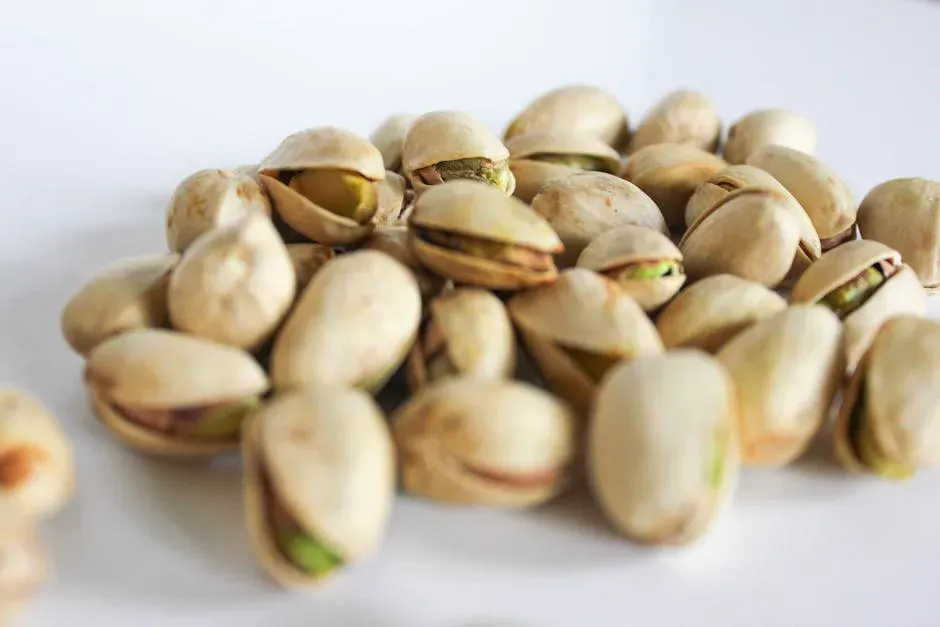
Pistachios are among the highest in protein, lowest in fat, and lowest in calories compared to every other nut. Compared with other nuts, pistachios have a lower fat content, and they have an essential amino acid ratio higher than most other commonly consumed nuts including almonds, walnuts, pecans, and hazelnuts. That is not something you hear every day.
Among nuts, pistachios have the highest levels of potassium, vitamin K, phytosterols, and vitamin B6. The vitamin B6 content alone supports nerve function, immune health, and mood regulation. It is one of those quiet benefits that most people overlook when snacking on pistachios.
In addition to heart-healthy fats, pistachios have lutein, a nutrient that supports eye health. A 2025 study published in The Journal of Nutrition found that eating pistachios strengthens a part of the eye that protects the retina and reduces the risk of age-related macular degeneration, a leading cause of vision loss in older adults.
A study published in the Journal of the American College of Nutrition found that eating two to three ounces per day of pistachios improved blood lipid levels and lowered the ratio of bad LDL cholesterol to good HDL cholesterol. Another study found that eating pistachios helped maintain normal blood sugar levels after eating a high-carbohydrate meal. For anyone managing blood sugar, that is a genuinely meaningful finding.
4. Hazelnuts: The Underdog with a Serious Nutritional Profile

Hazelnuts contain a high amount of phenolic compounds, which are heart-healthy antioxidants that have cancer-protecting properties. They are rich in unsaturated fats, mostly oleic acid, along with magnesium, calcium, the B vitamins, and vitamin E. They are also great for muscles and digestion, though honestly, not enough people know that.
A study out of Turkey found that a hazelnut-enriched diet reduced total cholesterol by nearly 8 percent, dropped triglycerides by 7 percent, and increased beneficial HDL cholesterol by 6 percent compared to a control group. Those are numbers that rival pharmaceutical interventions in some mild cases of high cholesterol.
Hazelnuts are very nutritious, and almost all of their fat is heart-healthy monounsaturated fat. They rank among the healthiest nuts to eat on an everyday basis because, like pecans, they are incredibly rich in antioxidants.
Another study published in the European Journal of Clinical Nutrition showed that eating hazelnuts even helped boost vitamin E concentrations in the blood. That is a full-body ripple effect from just a small handful of these often overlooked gems.
5. Peanuts: More Powerful Than Their Legume Status Suggests
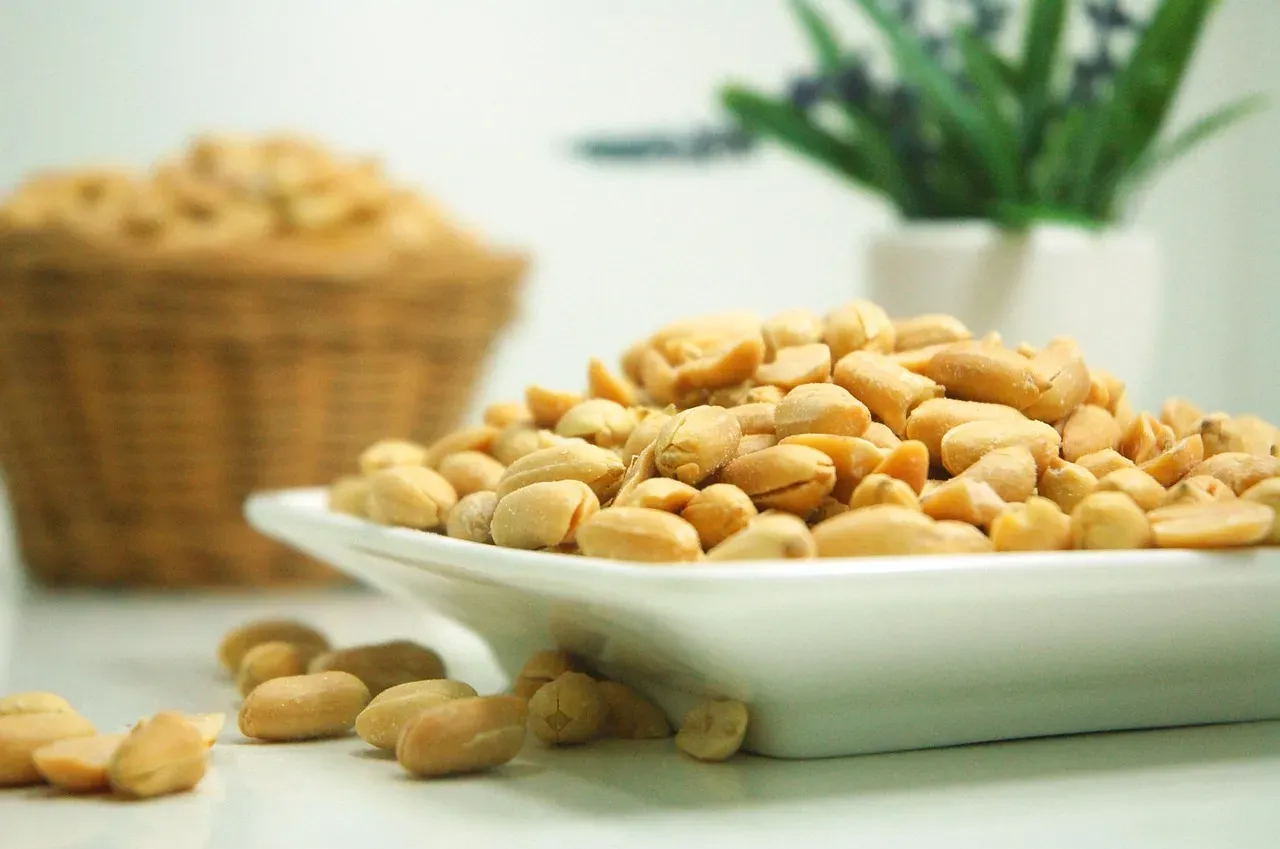
Here is the thing about peanuts: technically, they are not tree nuts at all. While peanuts technically belong to the legume family, they have a nutrient profile similar to that of tree nuts, as well as comparable health benefits and related culinary uses. So they earn their place on this list without apology.
Peanuts are high in antioxidants and fiber, and alongside almonds, contain the most protein compared to other nuts with about 7 grams per one-ounce serving. For plant-based eaters or anyone looking to boost protein without turning to meat, that is a genuinely useful fact.
A 2025 study published in Antioxidants suggests that eating peanuts might actually help slow down aging at the cellular level. While more research is needed, there may be an association between peanut consumption and maintaining cellular health and longevity.
Peanuts are top in protein, affordable, and backed by strong epidemiological research showing reduced cardiovascular risk. One note of caution: peanuts are one of the most common food allergies for humans. Many people with peanut allergies can experience life-threatening anaphylaxis. If you can eat them safely, though, they are a nutritional bargain.
6. Cashews: Creamy, Iron-Rich, and Underestimated
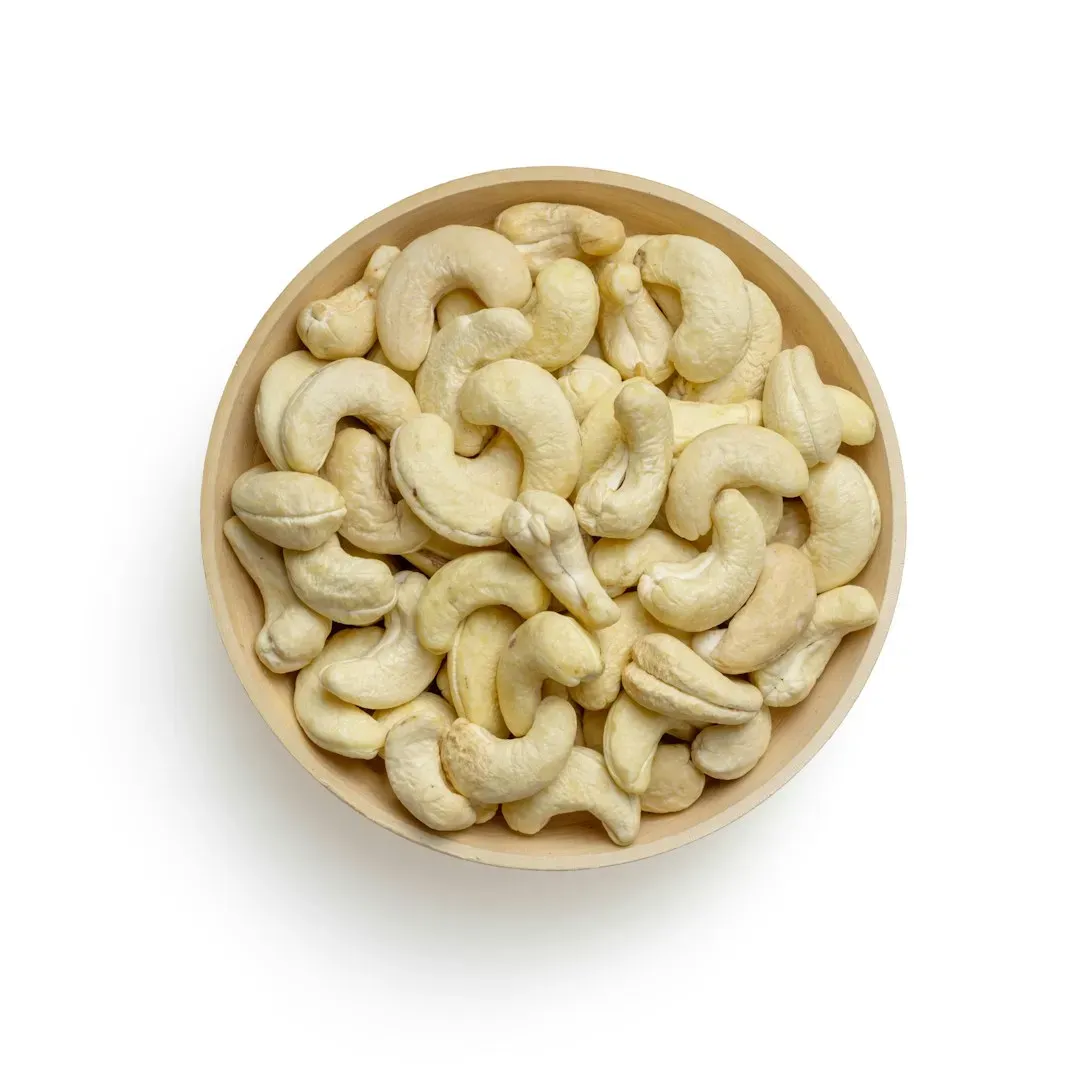
Cashews are packed with essential minerals like zinc, copper, magnesium, and manganese, which are key for energy production, immune support, and bone health. Roughly 82 percent of their fat is unsaturated fat, the majority being heart-healthy monounsaturated fats similar to those found in olive oil.
Like other nuts with healthy fats, fiber, and antioxidants, cashews support heart health, blood sugar levels, and anti-inflammatory effects. But they stand out when it comes to iron. One-third of Americans need to get more iron in their diet, according to 2024 research published in JAMA Network Open, and cashew nuts come with about 2 mg per serving.
Cashews provide copper, magnesium, and iron, and support lipid health, but have lower fiber, more carbs, and fewer antioxidants than higher-ranked nuts. That is why cashews land in the middle of this ranking rather than at the top. They are genuinely nutritious but lack the broad protective power of walnuts or almonds.
Some studies suggest that cashews may improve blood fat levels and reduce blood pressure. They also provide vitamin K and minerals like magnesium and manganese. If you are a fan of that creamy texture, rest assured your snack habit is doing real good for your body.
7. Brazil Nuts: The Selenium Star with a Built-In Warning Label

Few nuts are as fascinating or as complicated as the Brazil nut. Brazil nuts are rich in selenium. Just one nut contains 96 micrograms, or 175 percent of the reference daily intake. Most other healthy nuts provide less than 1 mcg on average. That is essentially a category of its own.
Selenium is a trace element vital for your body's proper functioning. It is essential for your thyroid and influences your immune system and cell growth. The thyroid connection is especially important because so many people worldwide have undiagnosed thyroid issues tied in part to selenium deficiency.
Here is where the warning label comes in. Brazil nuts contain very high amounts of selenium, ranging from 68 to 91 mcg per nut, and can cause you to go over the upper limit if you eat too many. The upper limit for adults is 400 mcg of selenium per day, so eating just 5 nuts may exceed that limit. That is not a lot of nuts for such a serious consequence.
Doctors advise eating no more than five Brazil nuts a day to avoid potential health risks like selenium toxicity. This condition is linked to breathing problems, heart issues, and kidney failure. Treat Brazil nuts like a supplement, not a snack to eat by the handful, and they are genuinely beneficial. Overdo it, and the story changes fast.
8. Macadamia Nuts: Delicious, Heart-Friendly, but the Least Nutritionally Dense

Macadamia nuts contain the highest percentage of monounsaturated fats of any known food source. They also have low levels of polyunsaturated and saturated fats. That sounds impressive, and in some ways it is. Their heart-healthy fat content is genuinely notable.
One review of six studies found that macadamia nuts helped decrease the risk factors for cardiovascular disease by reducing cholesterol levels and helping with inflammation and oxidative stress. So they are not nutritional zeros by any means. The FDA approved a qualified health claim for a 1.5 ounce serving of macadamia nuts and a reduced risk of coronary heart disease. A 2023 study published in the Journal of Nutritional Science shows how, over just an eight-week period, cholesterol levels went down in people eating macadamias.
The reason macadamias rank last here comes down to the full picture. Though heart-healthy from monounsaturated fats, macadamias are low in protein, low in fiber, and highest in calories per ounce. Macadamias are lower in protein compared to other nuts, with only 7.9 grams per 100 grams. When you compare that to walnuts, almonds, or pistachios, the nutritional gap becomes clear.
Compared to other types of nuts, macadamia nuts are higher in fat and calories. They are also lower in protein and fiber. That does not make them a bad food. It just makes them the weakest performer on a list of nutritional overachievers. Think of macadamias as a delicious occasional treat with real but limited health credentials.
What the Research Tells Us About Nuts Overall
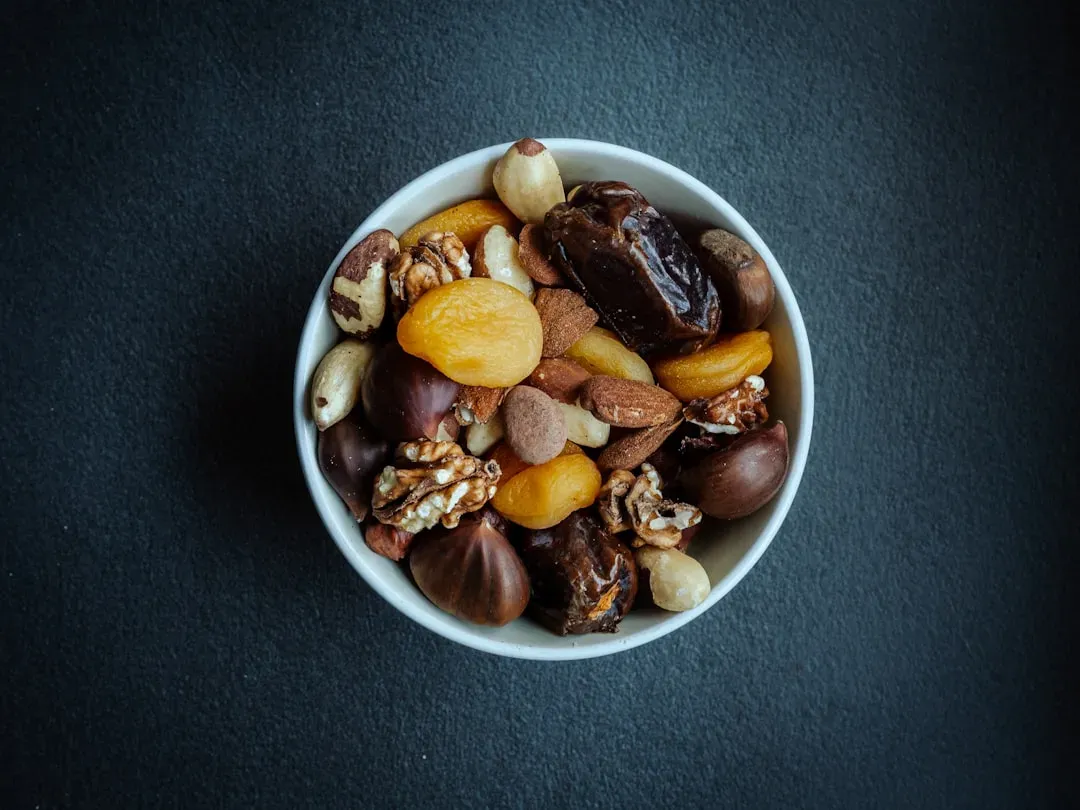
Step back from the individual rankings and the bigger picture becomes clear. Research has found that frequently eating nuts lowers levels of swelling, called inflammation, related to heart disease and diabetes. Regularly eating a healthy diet that includes nuts may improve artery health. This finding is consistent across dozens of studies and multiple populations.
Nuts can lower the risk of blood clots that can lead to heart attacks and strokes, lower the chances of high blood pressure, reduce the risk of early death due to heart disease, and lower unhealthy cholesterol levels including blood fats called triglycerides and LDL or bad cholesterol. That is a formidable list of benefits from one food group.
Nuts may look similar at a glance, but nutritionally they are wildly different. Some deliver omega-3 fats or high-quality protein, while others shine in vitamin E, antioxidants, minerals, or specialized fatty acids. Because of these variations, ranking nuts is not as simple as comparing calories. The best approach, honestly, is to eat a variety.
How to Get the Most Out of Your Daily Nut Habit
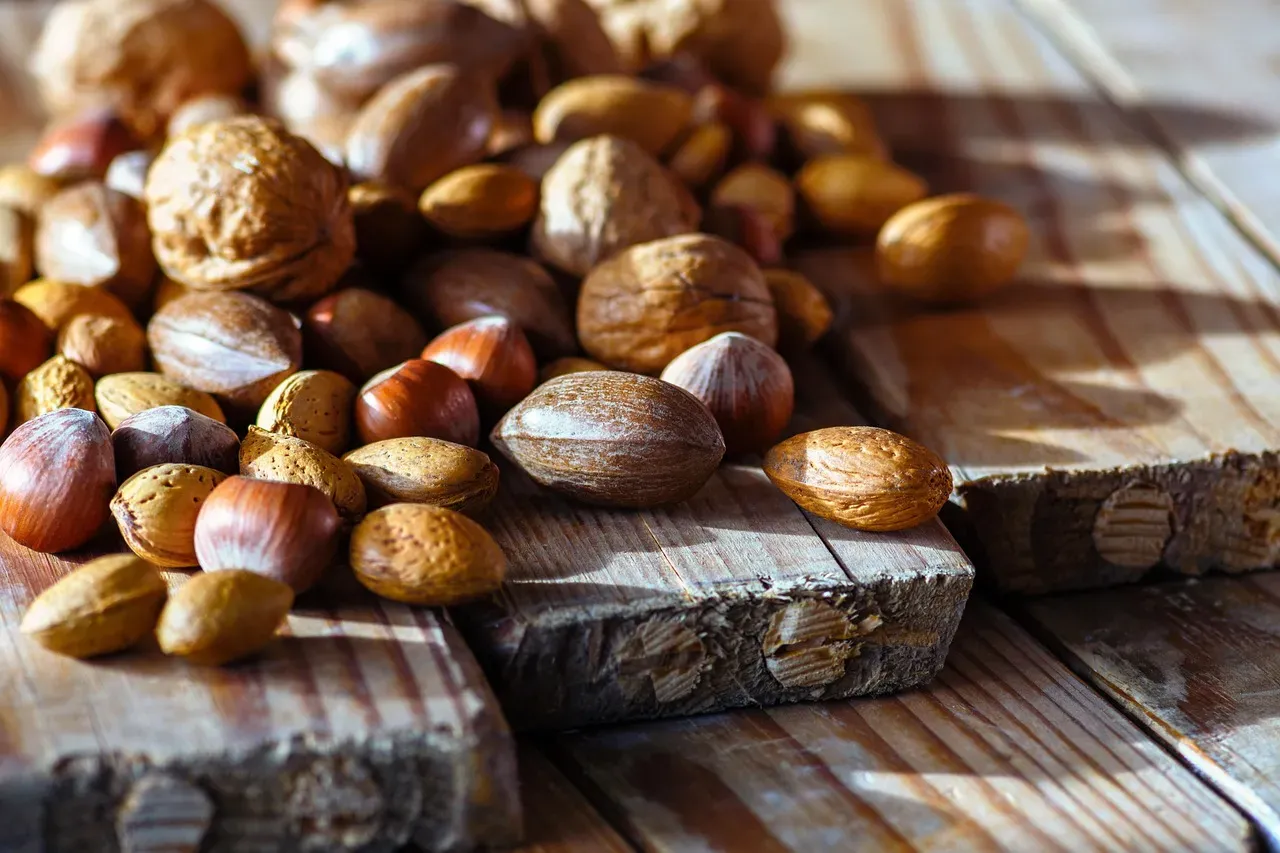
Let's be real: the healthiest nut is the one you actually eat consistently. Variety matters enormously here. Nutritionists encourage eating a variety of nuts to maximize nutrient intake. No single nut checks every box, so rotating between walnuts, almonds, pistachios, and others throughout the week gives your body the widest nutritional coverage.
Processing matters too. Nuts that are heavily processed or contain added ingredients can actually be high in added sugars and sodium. Opting for minimally processed nuts without extra ingredients maximizes health benefits. A salted, honey-roasted pecan and a raw pecan are nutritionally very different products.
The most important thing with nut butters is whether they have any added ingredients, not the kind of nut they are made from. Look for ones that contain only nuts, and come with no added salt, sugar, or palm oil. The same principle applies to whole nuts. Keep it simple, and you keep the goodness.
Conclusion: Small Snack, Big Impact
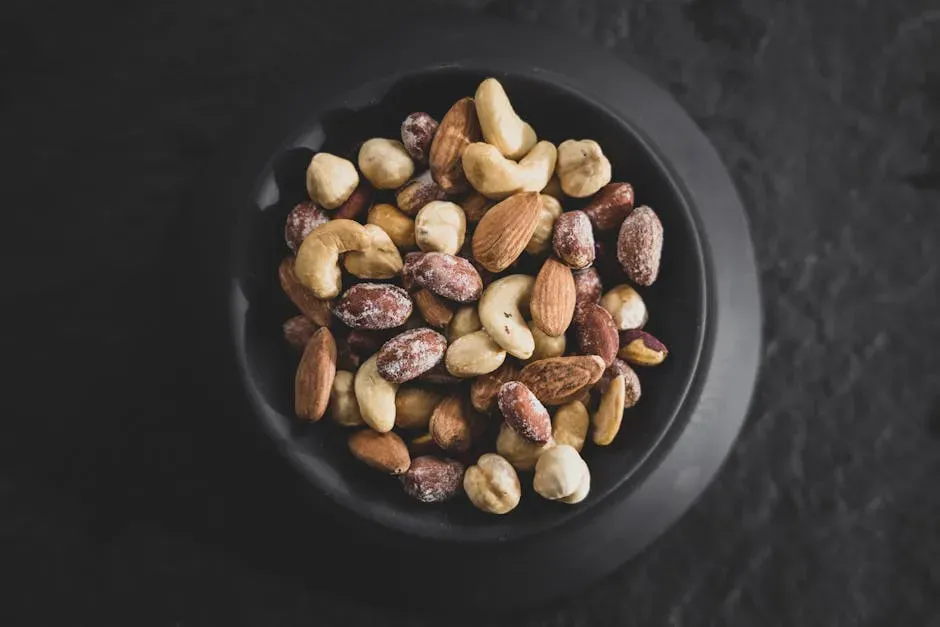
The humble nut is, without question, one of the most nutrient-dense foods on the planet. From walnuts protecting your brain and heart, to almonds delivering unmatched vitamin E, to Brazil nuts offering a selenium punch like nothing else in the food world, every nut on this list brings something genuinely meaningful to the table.
The ranking is not meant to make you fear the nuts at the bottom. Macadamia nuts are still a far better snack than most ultra-processed alternatives. The goal is to help you make more informed choices, prioritize the heavy hitters, and enjoy the rest in moderation.
It is hard to say for sure which single nut will make the biggest difference in your specific health journey, because that depends on your personal needs. What the science does agree on is this: eating more nuts regularly, in their minimally processed form, is one of the simplest and most evidence-backed dietary habits you can build. What nut will you reach for first?



Leave a Reply