
Most people think great restaurant service is all about luck, or maybe just showing up on a good night. Honestly, that's not how it works. The diners who consistently walk out with complimentary desserts, perfectly timed courses, and an attentive server at their beck and call aren't just getting lucky. They've mastered something far more subtle.
There's a whole invisible language happening inside every restaurant, and most guests have no idea they're speaking it. From the moment you walk through the door to the second you sign the check, your habits are sending loud signals to the staff around you. Some habits earn you respect and better service. Others quietly work against you.
Here's what's really going on behind those kitchen doors, and what you can start doing differently tonight.
1. Greet Your Server Like a Human Being

This sounds almost embarrassingly simple, but it makes a massive difference. Some diners seem to get the VIP treatment, including extra refills, complimentary sides, and better seating, and it's likely because they've mastered the art of building positive rapport and fostering goodwill with their servers. A warm, genuine hello when your server introduces themselves costs you nothing.
The moment a guest steps into the restaurant, their experience begins, and a warm greeting with eye contact immediately makes the guest feel welcome. The same principle works in reverse. When a diner mirrors that warmth back, it shifts the entire dynamic at the table. You stop being "table seven" and start being a person.
What makes an instant impact is your friendliness, the quality of the service that you provide, and your rapport with staff. Think of it like setting a thermostat. Your energy at the beginning of the meal determines the temperature for the whole evening.
2. Learn and Use Your Server's Name

Here's the thing, most diners never bother to catch their server's name, let alone use it. The graceful approach is to learn the server's name during the initial introduction and use it naturally in conversation, adding the name at the end of polite phrases like "Thank you" or "That was wonderful," while avoiding overusing it or making fun of it.
Trying to remember the guest's names and faces matters enormously. If a server becomes a repeat customer and you remember their name, guests will be blown away. It works both ways. A diner who uses a server's name is signaling respect, and respect is returned in kind, almost always.
Think about how you feel when someone remembers your name in a professional setting. It immediately elevates the interaction. Now put yourself in the server's shoes. They're managing multiple tables, keeping mental notes, and staying composed under pressure. A small personal gesture from your end cuts right through the noise.
3. Come in Ready to Order

Nothing quietly frustrates a server more than a table that waves them over only to spend another five minutes debating between the salmon and the risotto. Listening to what the customer wants and not assuming they know what they want matters, but for a diner, the flip side is true: being ready to communicate your order clearly and concisely shows respect for the server's time and rhythm.
Making a good first impression by greeting your server warmly and using their name, communicating your order concisely, and politely phrasing any additional requests goes a long way toward building goodwill. A table that's decisive and clear allows a server to manage their entire section more smoothly, and guess which table gets the extra attention when things quiet down?
It's not about rushing your experience. You can take your time reading the menu before calling someone over. The difference is simply being ready when you do. Think of it like boarding a plane. Nobody hates flying. They just hate holding up the aisle.
4. Ask for Recommendations and Actually Listen

A waiter's knowledge of the menu is critical, and being able to describe dishes, recommend wine pairings, and suggest alternative options for dietary restrictions gives guests confidence. When guests sense that a server is well-informed, they're more likely to trust recommendations and feel that they're in good hands. A diner who asks for a recommendation and genuinely engages with the answer is sending a powerful signal.
Not all guests want the same experience. Some prefer engaging in conversation, while others want a quiet, efficient meal. Understanding those cues helps servers adjust their style, and a diner who opens the door to conversation often receives a more personalized and attentive experience.
Let's be real: a server who's excited about a dish they genuinely love is going to take better care of you than one going through the motions. When you invite that enthusiasm, you unlock a different mode of service entirely. Ask what they'd eat if it were their last meal. You might be surprised where the conversation leads.
5. Make Your Dietary Needs Clear Upfront
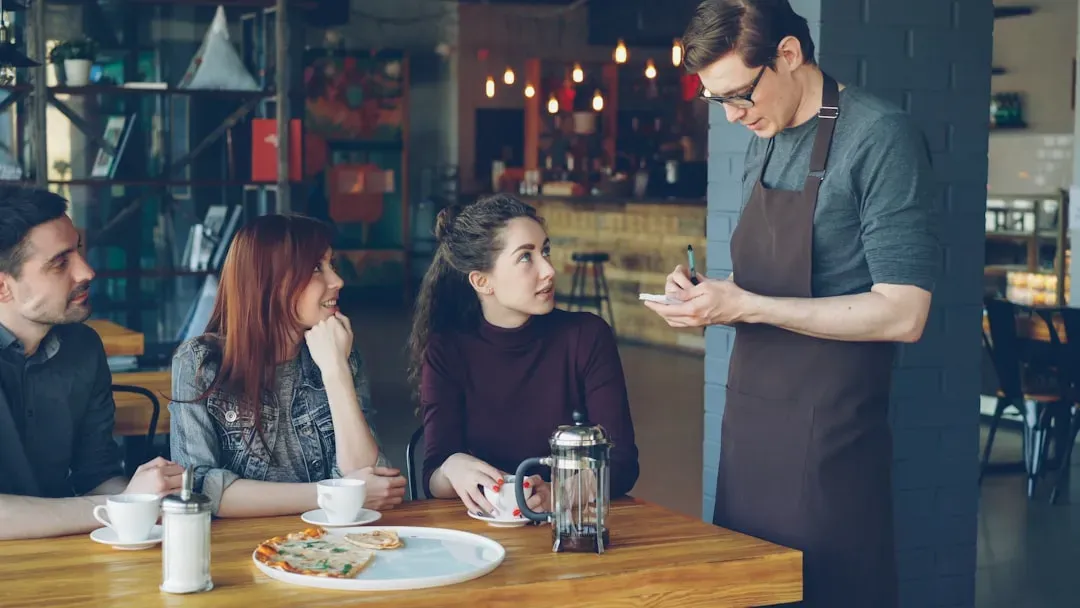
There's a crucial difference between mentioning an allergy halfway through a meal and communicating it clearly right at the start. Accurate order-taking ensures that each dish is prepared correctly and meets the diners' expectations, and this process involves active listening, personalization, and accommodating special customer requests. Your server needs to relay that information to the kitchen, and the earlier they know, the better everything flows.
Managing dietary restrictions and unique customer needs requires flexibility and attention to detail, and staff should be trained to handle special requests gracefully, ensuring that customers feel accommodated and valued. When you share this information calmly and clearly at the beginning, you make that process seamless rather than stressful.
The kitchen operates like a choreographed performance. Last-minute changes disrupt the whole sequence. Sharing your needs early means the chef has time to adapt, and that usually results in a dish that's been genuinely thought through rather than thrown together as a workaround.
6. Book a Reservation Early, Not During Peak Hours
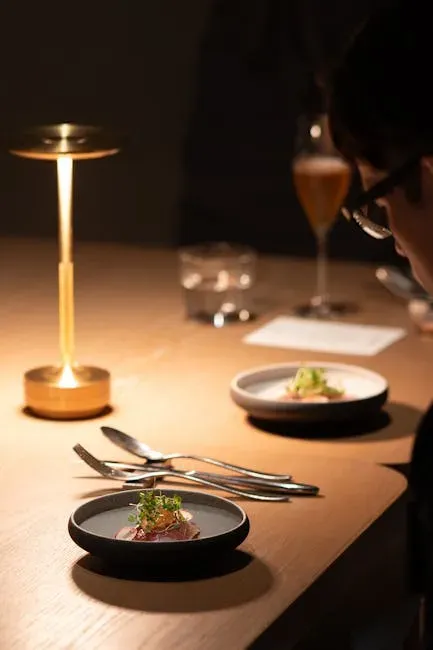
It sounds counterintuitive, but the timing of your reservation dramatically affects the service you receive. Consider making an early reservation, as booking a table during peak hours could be the mistake that costs you excellent service. By choosing to eat early, you're more likely to receive the undivided attention of the chef and staff, as there will be fewer diners in the restaurant.
In fact, roughly two in five consumers say they dine out at least once a week, up from the year before. That means restaurants are busier than ever, and peak hours are genuinely chaotic behind the scenes. A 6 PM reservation on a Saturday is a very different experience from walking in at 8 PM when the kitchen is at full tilt.
Early diners almost always get warmer, more attentive service, simply because the staff isn't spread so thin. Think of it like visiting a popular attraction. First thing in the morning, you get the whole place to yourself. By midday, you're just part of the crowd.
7. Stay Calm When Things Go Wrong

Mistakes happen in restaurants. Orders get mixed up, food takes longer than expected, and occasionally something arrives that wasn't what you had in mind. How you respond in that moment changes everything. This is a chance to demonstrate patience rather than complain loudly and disrupt the experience of fellow diners. Reacting calmly rather than with frustration shows respect and empathy for staff who are managing pressure.
When something goes wrong, remaining polite when asking about expected wait times and noting appreciation for the staff's efforts never hurts. As one restaurant manager put it, this understanding helps preserve goodwill, encourages staff to do their best, and contributes to a smoother dining experience despite delays.
Here's what most diners don't realize: servers remember how you handled a problem far more than they remember the problem itself. A guest who stays composed and kind when things go sideways almost always walks away with more than they bargained for, because the staff genuinely wants to make it right for someone who treated them like a person.
8. Tip Fairly and Consistently
A whopping 58.5% of a server's share of hourly earnings comes from tips. This isn't a small bonus. For most servers, tips are the actual paycheck. Currently, servers and bartenders receive a federal minimum direct wage of just $2.13 per hour, supplemented by tips to meet the overall federal minimum wage. Fair, consistent tipping is the single most direct way to communicate that you value the service you received.
For waitstaff at sit-down restaurants, the tip should be at least 18 percent of the pretax bill, according to hospitality research from Oklahoma State University. If you're a regular at any establishment, your tipping history essentially precedes you. Staff talk. A table known for generous tipping quietly earns a different category of attention.
Beyond monetary tips, genuine verbal compliments, thanking servers warmly, and mentioning excellent service to management help boost staff morale. So even on a tighter budget, a kind word delivered sincerely carries real weight. Both go further than most people realize.
9. Don't Snap, Wave, or Shout Across the Room

This one seems obvious, but it happens constantly. Snapping fingers, waving frantically, or calling out across a full dining room to get a server's attention is one of the fastest ways to mark yourself as a difficult table. Guests don't just remember what they ate, they remember how they were treated. In a busy hospitality environment, it's the small things, including how guests behave, that make the biggest difference to how staff respond.
The best approach involves actively listening to your guests, making eye contact, and trying not to interrupt conversations. A server managing multiple tables is scanning their section constantly. Making eye contact and offering a small, calm signal is always more effective and far more gracious than a dramatic gesture.
Think of it this way. You wouldn't yell across an open office to get a colleague's attention. A restaurant is someone's workplace, and the same baseline respect applies. The tables that treat the dining room like a performance space almost never get the best of what the kitchen has to offer.
10. Acknowledge and Engage Positively With the Food
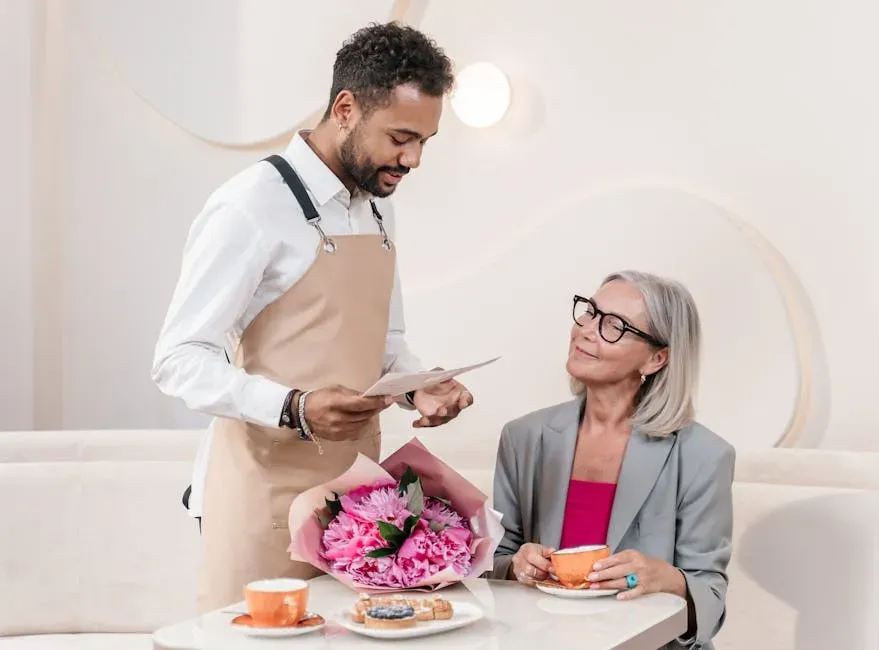
When a dish arrives and you genuinely love it, say so. Briefly, warmly, sincerely. In the fast-paced world of hospitality, waiters play a crucial role in shaping the guest experience, and their ability to connect with diners and provide exceptional service can turn a simple meal into a memorable occasion. A server who hears that their recommendation hit the mark will go out of their way to make the rest of your meal just as good.
Online reviews heavily influence where people choose to eat, with the vast majority of consumers reading reviews before deciding where to dine, and exceptional service leads to glowing reviews. That same energy, delivered in person in the moment, creates an equally powerful feedback loop inside the restaurant. Positive reinforcement is not just a management tool. It's a dining strategy.
Satisfied customers are more likely to become repeat visitors, spend more per visit, and recommend a restaurant to others. The more you express genuine appreciation during the meal, the more the staff invests in making your experience memorable. It becomes a genuine exchange rather than a transaction.
11. Become a Regular, Intentionally
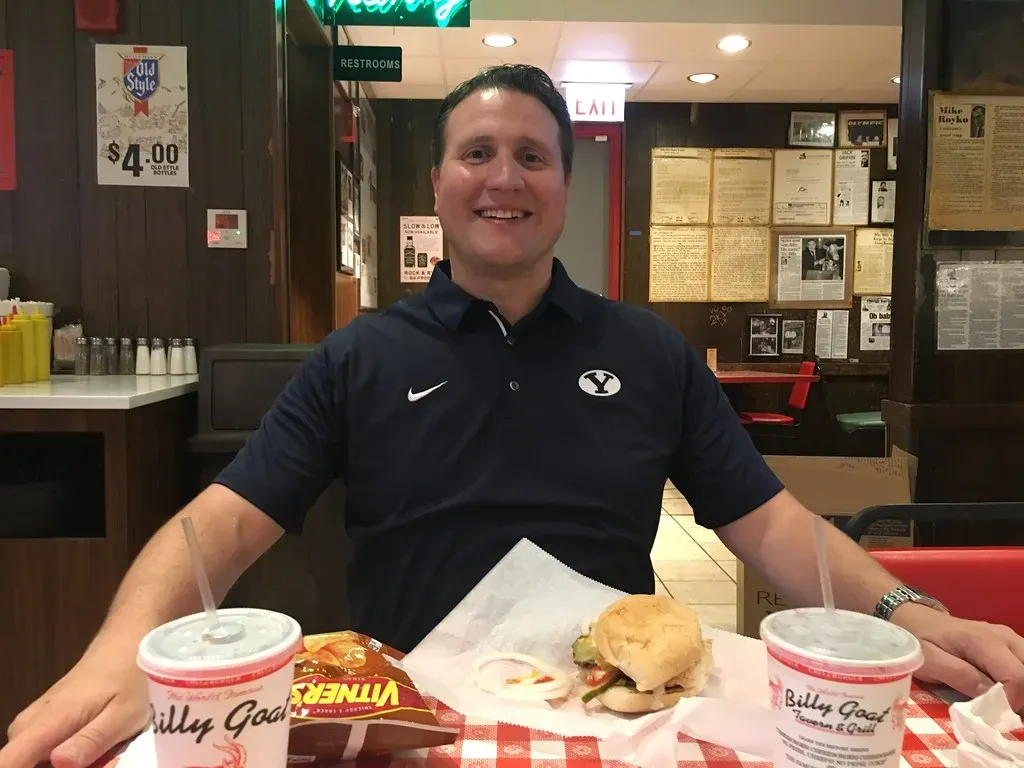
A regular diner who visits a restaurant weekly and has the staff remember their favorite dish, receiving personalized recommendations, feels valued and is encouraged toward long-term loyalty. Regulars occupy a special category in every restaurant. They are the benchmark of trust and the source of the warmest, most attentive service in the building.
Servers try to remember guests' names and faces. When a server becomes a repeat customer and you remember their name, guests will be blown away. Becoming a regular isn't about spending a fortune. It's about showing up consistently, being pleasant, and signaling that you genuinely enjoy being there. Over time, the kitchen will start treating your meal with a particular kind of care.
Staff use information about guests' preferences and past orders to allow for personalized service, such as remembering a guest's favorite wine or alerting them to new menu items that align with their tastes. It's essentially a loyalty dividend paid out in better food and warmer service. The more you invest in a relationship with a restaurant, the more it gives back.
12. Leave a Review That's Specific and Genuine
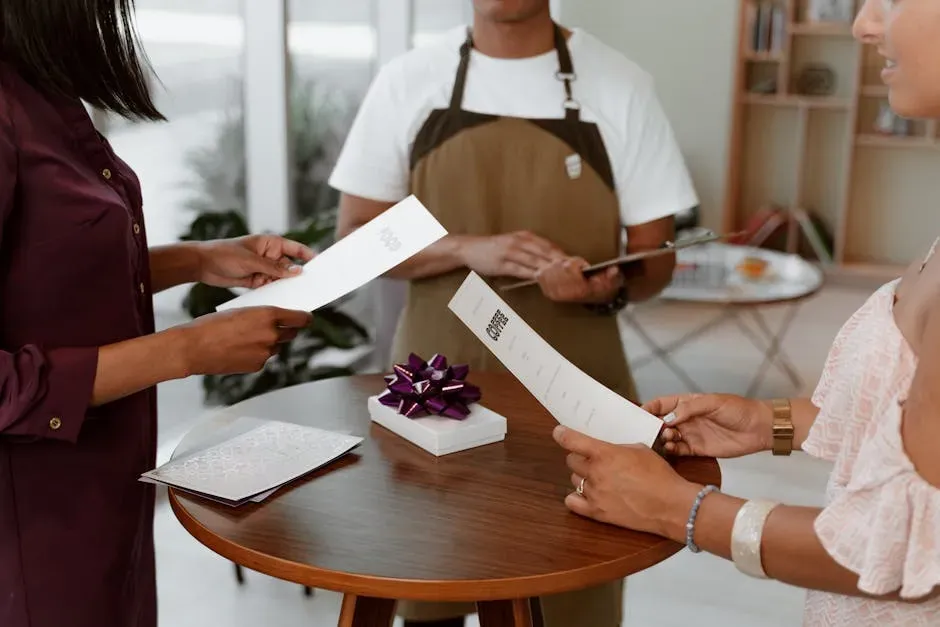
Online reviews heavily influence where people choose to eat, with the vast majority of consumers reading reviews for local businesses, including restaurants, before deciding where to dine. A thoughtful, specific review left after a great meal does something most diners never consider. It reaches the entire team, from the chef to the host, and creates a lasting impression that you were someone worth impressing again.
Exceptional service leads to glowing reviews, and a guest who leaves a five-star review mentioning how attentive the server was leads others to choose the restaurant based on that positive experience. Name the server. Mention the dish. Be specific about what moved you. That kind of review is more valuable to a restaurant than almost anything else.
And here's a practical bonus. When you return to that restaurant after leaving a detailed, positive review, there's a very real chance the host or manager recognizes your name. Suddenly, you're not a stranger walking through the door. You're a friend who's already shown they care. The service that follows tends to reflect exactly that.
The truth is, the best restaurant experiences are never one-sided. They are the result of a genuine, almost unspoken collaboration between the kitchen, the floor staff, and the diner. Strong etiquette builds guest trust, lifts team confidence, and helps turn first-time diners into loyal regulars. Most of these habits cost absolutely nothing, just a little awareness and intentionality. The question worth asking yourself before your next meal out is: what kind of guest am I, really? What do you think, would you change anything about how you dine? Tell us in the comments.



Leave a Reply