
Grocery shopping in 2026 feels like a completely different sport than it did just a few years ago. Food prices have risen nearly thirty percent since December 2019, and that has left millions of consumers genuinely frustrated with affordability. Honestly, standing at the checkout and watching the total climb is a feeling that's hard to shake.
The good news? Not everything on the shelf has been hit equally hard. There are still real, nutritious, filling staples you can pick up for under five dollars, and they are far more versatile than you might think. Let's dive in.
1. Eggs: A Protein Powerhouse Making a Comeback
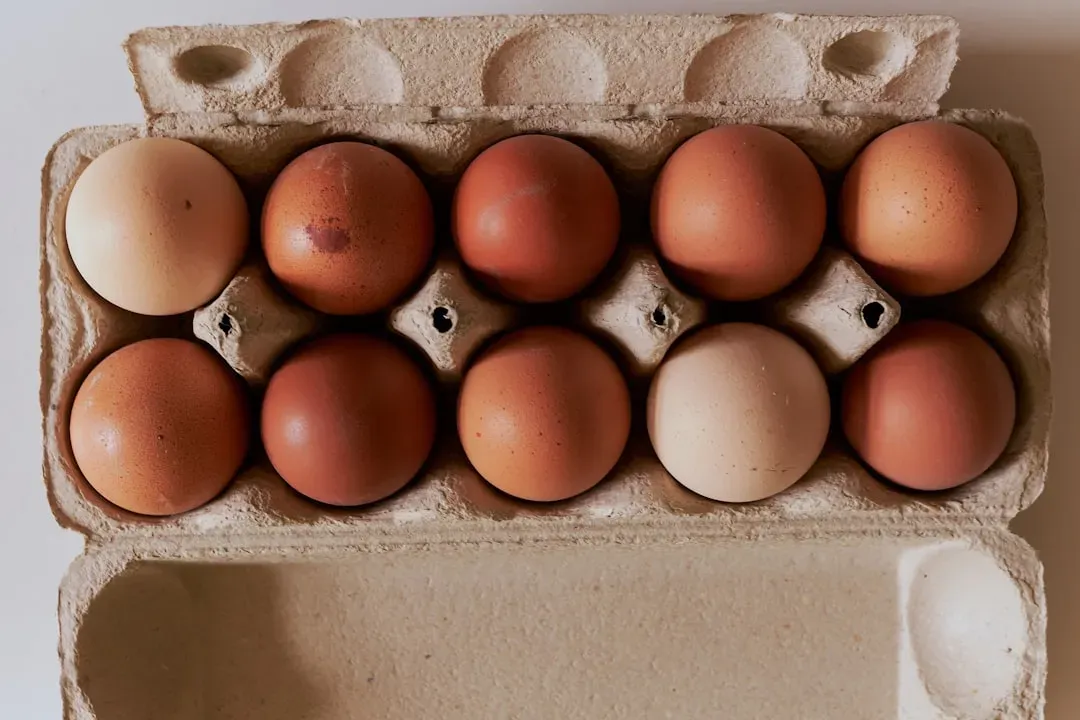
If you gave up on buying eggs regularly after the price madness of 2024 and 2025, it might be time to put them back in your cart. Retail egg prices decreased notably in early 2026, and the big price spikes before that were largely driven by the spread of Highly Pathogenic Avian Influenza, which caused them to spike in late 2024 and early 2025. That pressure is easing up now.
U.S. egg production has been increasing and is expected to continue recovering in 2026, with egg prices predicted to decrease by more than a quarter compared to 2025. That's genuinely good news for budget shoppers. Eggs provide a complete protein source at roughly twenty cents per egg, making them one of the most efficient foods you can buy, gram for gram. Think of eggs as the Swiss Army knife of your kitchen, they go from breakfast to dinner without blinking.
2. Rice: The Timeless Pantry Workhorse
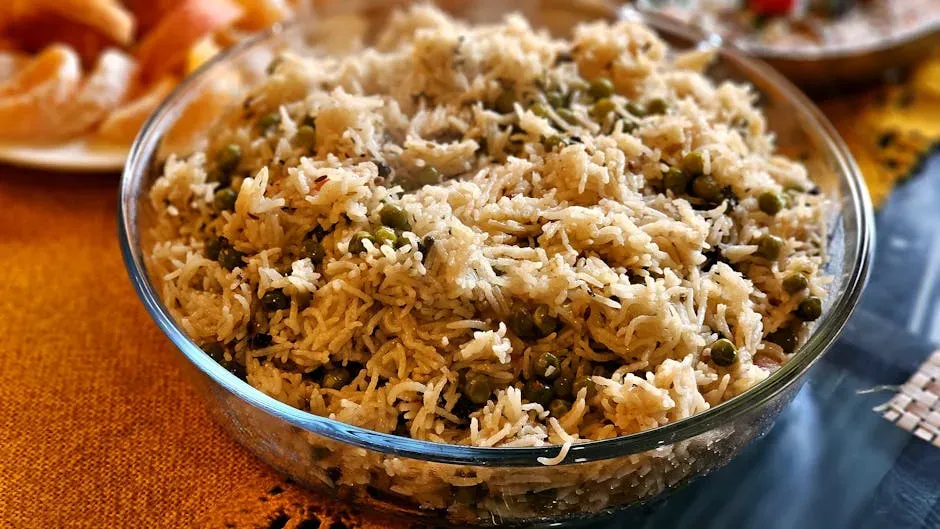
There's a reason almost every culture on earth has built a cuisine around rice. It's filling, it's flexible, and it's still very much affordable. White rice is a staple source of carbohydrates, while brown rice contains magnesium and fiber. A one or two pound bag of store-brand rice sits comfortably under the five dollar mark at virtually every major retailer in the country.
Rice can be the perfect side dish, the base for bowls filled with protein and veggies, or the foundation of one-pot meals like jambalaya or fried rice. It stretches whatever protein you pair it with, which is exactly what you need when you're trying to make your food budget go further. Amazon's own budget grocery brand bundles essentials like rice into its sub-five-dollar lineup, a sign of just how fundamental this grain remains to everyday eating.
3. Dried Beans and Lentils: Cheap, Filling, and Wildly Underrated
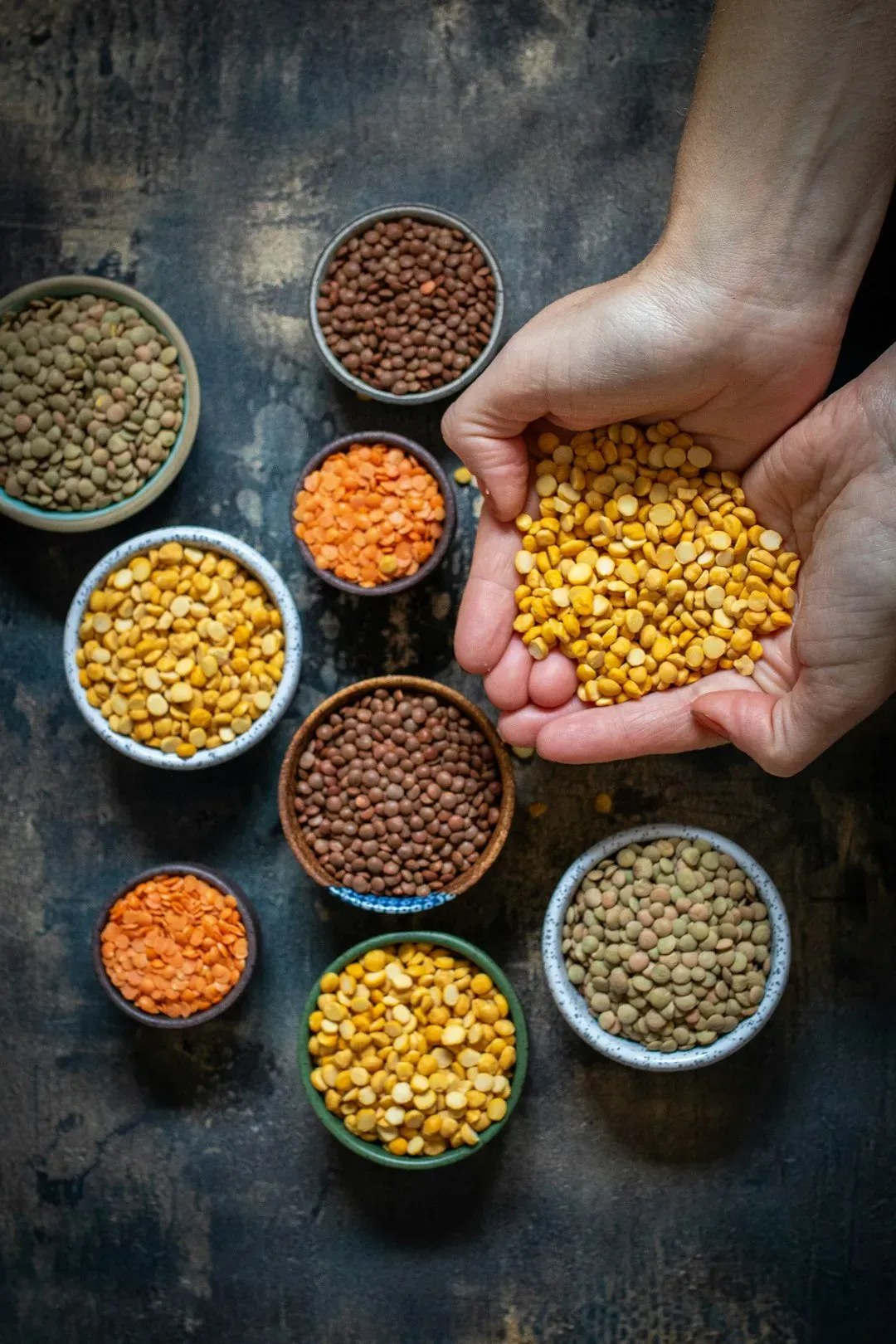
Let's be real: beans and lentils do not get nearly enough credit. A one-pound bag of dried lentils or black beans costs well under three dollars at most stores, feeds a family multiple times over, and packs a serious nutritional punch. Beans deliver high nutrition at a consistently low cost, are widely available, and are shelf-stable so you can buy them in bulk.
Lentils are described as quick-cooking, versatile, and extremely affordable, and that last point matters more than ever right now. Nutritionists and budget experts alike point to beans as one of the best foods for bulking up meals and saving money. Whether you turn them into soup, a taco filling, a curry, or a grain bowl, dried legumes are the kind of ingredient that quietly carries entire meal plans without asking for anything in return.
4. Oats: The Breakfast Staple That Costs Almost Nothing Per Serving
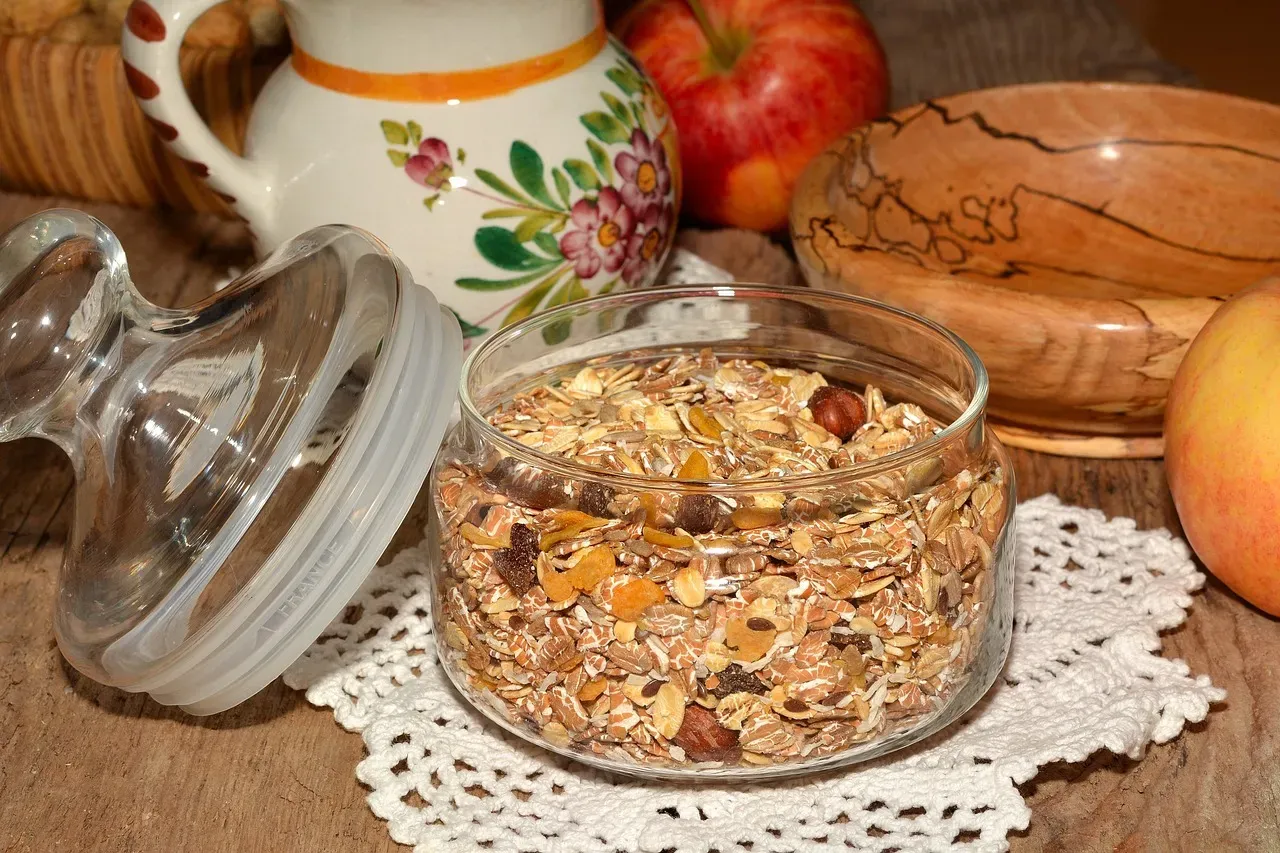
Oats are perhaps the most underappreciated budget food sitting on shelves right now. They look humble, sure, but the cost-per-serving math is almost hard to believe. Oats come in at about fifteen cents per serving, sometimes less, are a great source of fiber, and a container can last up to a year in the pantry. A 42-ounce container of old-fashioned whole-grain oats costs just $4.39 at Target.
That's a lot of breakfasts for under five dollars. Oats also aren't limited to a bowl with milk. You can use them in smoothies, baked goods, savory porridges, and even as a meat extender in meatballs. Cereal and bakery products, the category that includes oats, grew at only half a percent in the first six months of 2025, far below its 20-year historical average growth rate. Stable prices on top of already-low prices? That's a win.
5. Pasta: The Family Budget Hero That Needs No Introduction

Pasta is one of those rare foods that everyone from a college student to a seasoned home cook reaches for when money is tight. Versatile and inexpensive, pasta is a pantry staple of many cost-conscious shoppers, and a one-pound box can potentially feed a family with leftovers. A 16-ounce box of penne has been found for as little as 99 cents at Target.
Pasta pairs perfectly with affordable ingredients like canned tomatoes, beans, and frozen vegetables, and the cost per serving ratio makes it easy to feed large groups at a low price. It's almost impossible to go wrong here. Think of a box of pasta as a blank canvas: the same ingredient becomes a creamy baked dish, a light olive oil toss, or a hearty minestrone depending on what else you have around.
6. Potatoes: The Most Filling Dollar-for-Dollar Vegetable
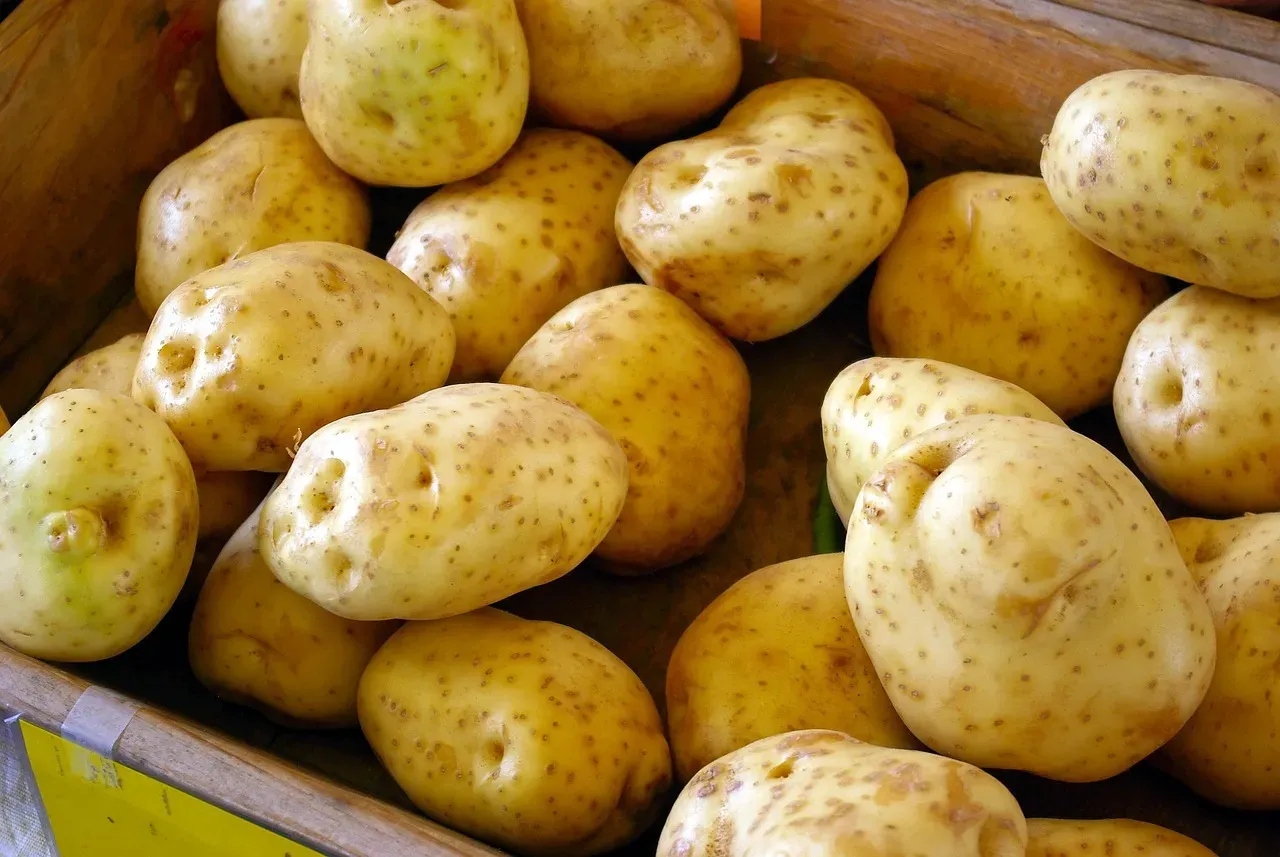
Potatoes quietly punch above their weight in both nutrition and versatility. A five-pound bag of russet potatoes regularly sells for under four dollars at major grocery chains, which translates to an absurdly low cost per meal. Potatoes are filling, budget-friendly, and a source of Vitamin C if you eat the skin, with a five-pound bag of russet potatoes available at Safeway for $3.99.
As of January 2026, potatoes were actually cheaper than the year before, with prices falling roughly ten and a half percent year over year. That's the opposite direction from most of the grocery store. Potatoes are incredibly versatile and can be mashed into a creamy side dish, diced and roasted, or baked whole and stuffed with veggies or meat. Honestly, a potato is kind of like a meal waiting to happen. It just needs a little imagination.
7. Cabbage: The Viral Budget Vegetable Nobody Expected to Trend
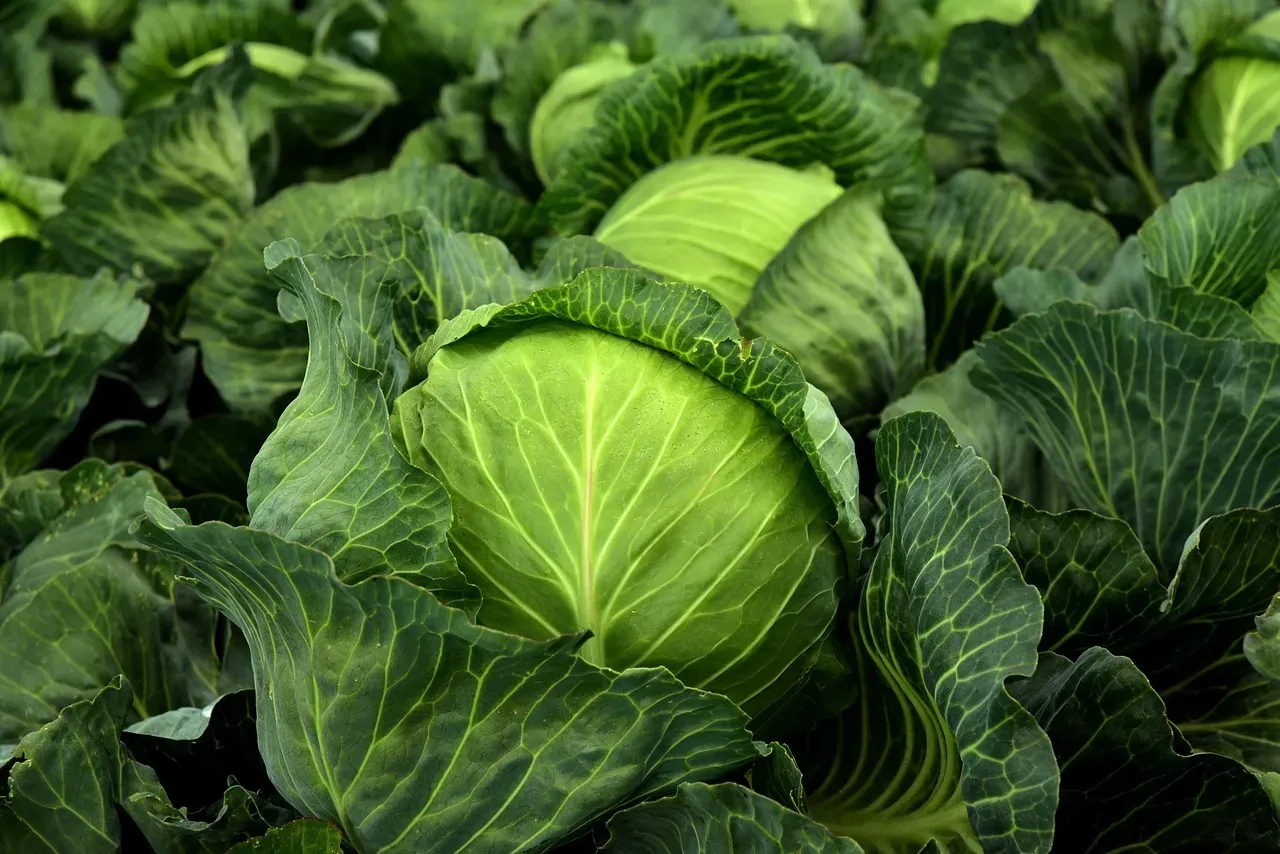
Cabbage has had a moment. A genuine, internet-driven, viral moment. It seems almost absurd that a leafy vegetable sparked so much social media buzz, but here we are. According to USDA data, cabbage remains one of the most affordable vegetables per pound, often less than sixty cents, and a single head can feed a family for multiple meals, which matters when grocery bills keep climbing.
A single head of cabbage stays crisp in the refrigerator for two to three weeks, and a head of cabbage is available at Walmart for around $2.70. That shelf life alone sets it apart from most vegetables. It's the food equivalent of a reliable old car: not glamorous, but it will not let you down. Cabbage is often under one dollar per pound, making it extremely versatile and nutritious. Shred it into tacos, braise it low and slow, or toss it into a hearty soup.
8. Canned Tomatoes: The Secret Backbone of Budget Cooking
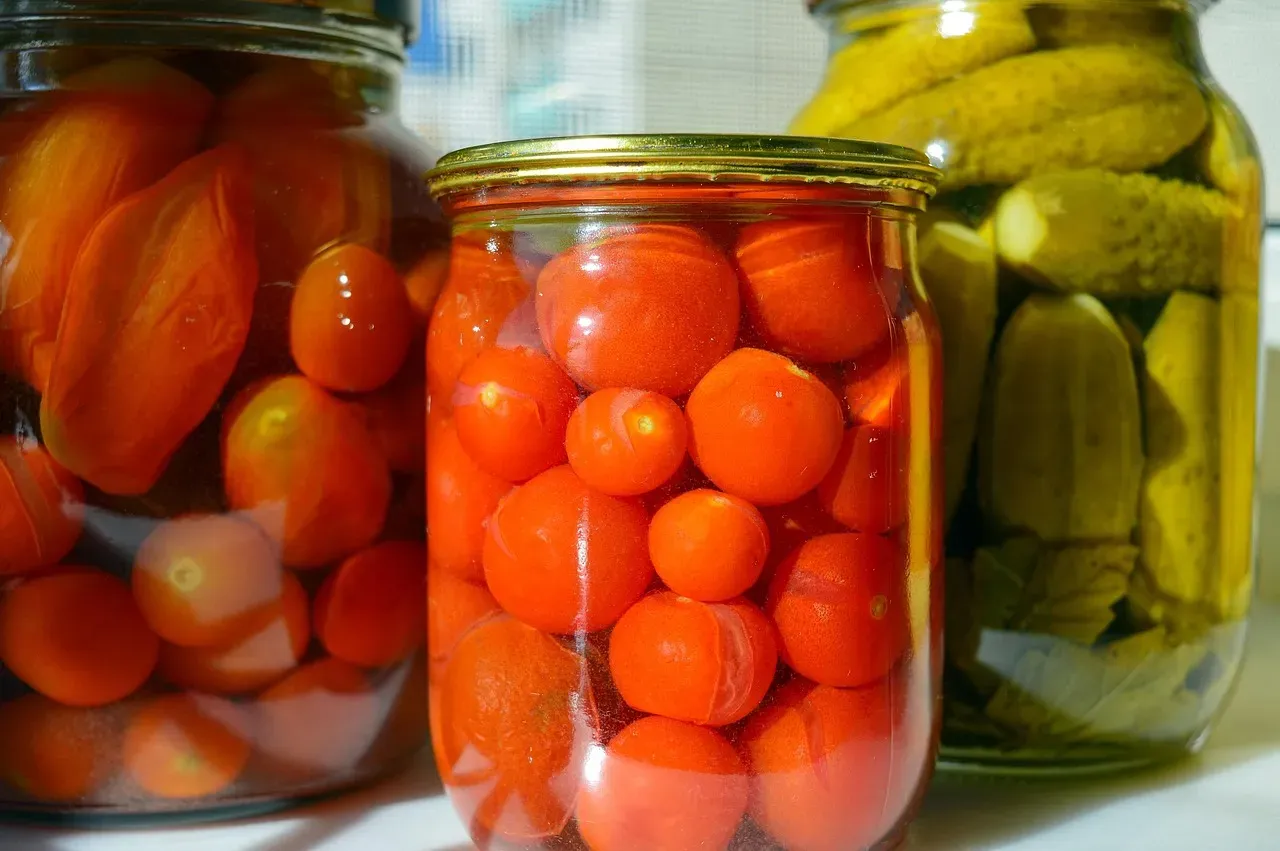
If you've ever made a pasta sauce, a chili, a soup, or a curry from scratch, canned tomatoes were probably in there somewhere. They are the quiet backbone of budget cooking, and they're still very much under five dollars across every major grocery chain. Canned tomatoes are nutrient-dense and make inexpensive recipe starters for hearty chilis, savory curries, and filling casseroles, and can also be used as a topping for flatbread, an ingredient for one-pot pasta, or the star of tomato soup.
As of January 2026, tomato prices had actually fallen compared to a year prior, dropping more than twelve and a half percent year over year. That's a real, meaningful drop that shoppers can feel at the register. Canned tomatoes are considered a pantry essential with a long shelf life and a base for countless sauces and soups. Think of a can of diced tomatoes as a ten-minute meal starter that costs less than two dollars. That's hard to beat.




Leave a Reply