
You sit down, the menu lands in front of you, and for a moment everything looks amazing. The descriptions are poetic. The prices feel justified. You feel excited. But here is the thing most diners never consider: the chef in the kitchen already knows which dishes on that menu are quietly setting you up for disappointment.
Professionals who cook for a living think about menus in a completely different way than the rest of us. They look at ingredient freshness cycles, kitchen prep shortcuts, and profit margins. What they've said - in interviews, surveys, and candid conversations with food journalists - is genuinely eye-opening. Some of the most popular, comforting dishes you love to order are exactly the ones they'd walk right past. Let's get into it.
1. Risotto: The Pre-Cooked Illusion
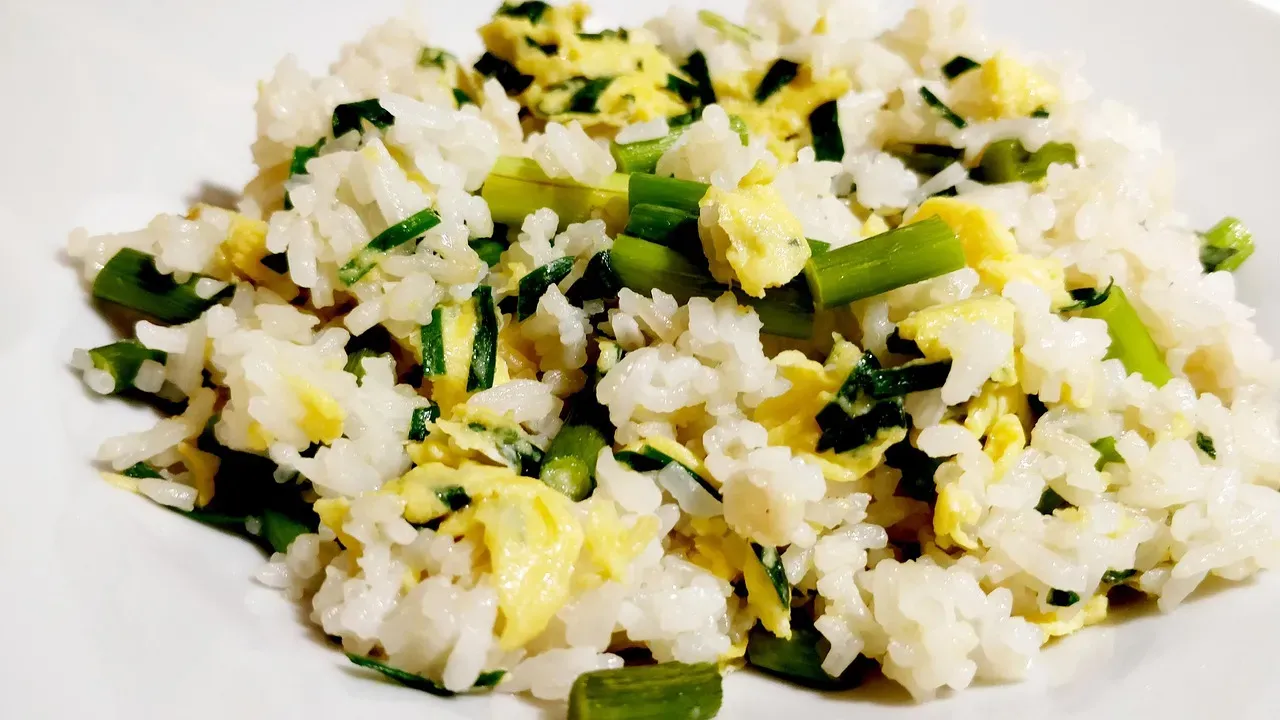
Executive chef Brian Motyka of Longman & Eagle in Chicago says risotto is his number one dish he never orders at a restaurant. Most of the time, risottos are pre-cooked, heated up, finished with cream, and then overcooked beyond the al dente texture you're actually looking for. Think of it like reheating pasta from three days ago and dressing it up in a bowl with a sprig of parsley on top. The illusion of freshness is almost theatrical.
Risotto is one of those dishes where the shortcuts are almost impossible to hide. A prime example of cream being used to mask corners being cut, it is a dish that rewards patience and technique far more than most. Honestly, true risotto cooked to order is one of the great pleasures of Italian dining. The tragedy is that you so rarely get that in a busy restaurant.
2. The "Soup of the Day": Yesterday's Leftovers, Repackaged
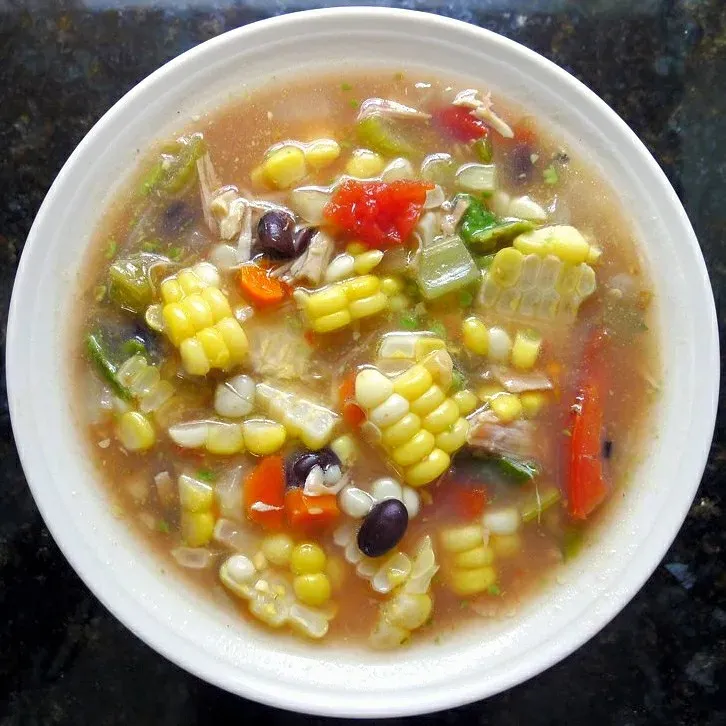
Chef Michael DeLone of Nunzio in Collingswood, New Jersey, puts it bluntly: ordering the "Soup of the Day" is code in the hospitality industry for the back of the house trying to get rid of its walk-in inventory from the weekend before vendor deliveries come in for the following week. That cozy bowl of tomato bisque might be more about clearing out the fridge than about creativity.
Restaurants have a tendency to serve their soup of the day several days in a row. This is done to decrease food waste, but it can result in you ordering a fairly expensive dish that's neither special nor fresh. Soups in restaurants can often lack vibrancy, and instead lean too heavily into saltiness to give them flavor. For the price you pay, that's a hard sell.
3. The House Salad: The Most Overpriced Plate on the Menu
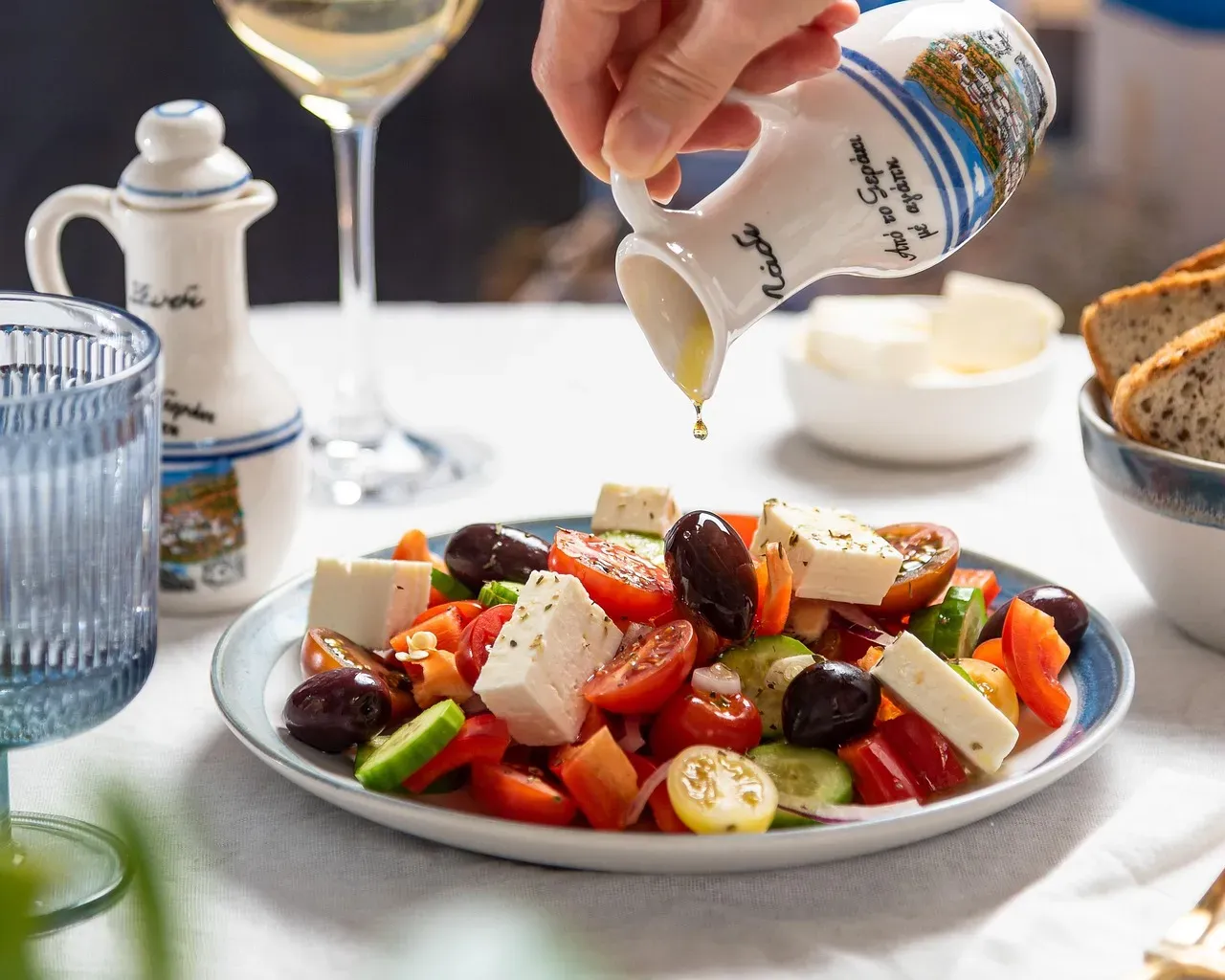
Los Angeles-based executive chef Kayson Chong of The Venue says he tends to stay away from the house salad when dining out. He prefers something a chef created with seasonal products and interesting combinations - something you can't find easily anywhere. It's a fair point. A house salad is basically the restaurant equivalent of a participation trophy.
Often, salads carry a high price tag. Charging customers for a bunch of pre-cut tasteless carrots and pre-cooked chicken is something chefs openly call out as poor value. Not only can salads often not be as fresh as you'd like, but they are also highly overpriced for what they are, leading you to pay more for way less. You're essentially paying restaurant rent on a bowl of leaves.
4. The Daily Special: Not Always What It Seems
Ever notice how restaurant servers push the special of the day? Their reasons may be more economic than culinary. Executive chef and owner Alberto Morreale of Farmer's Bottega in San Diego says he never orders the specials when eating out, noting that some restaurants put together their daily specials based on what's about to expire or what they're trying to get rid of faster. That "fresh" special might be more of an expiry-date emergency.
Chefs at large chains note that everything is usually brought in frozen once or twice a week, and if the menu is more than two pages long, they're keeping a large inventory of food - and more than likely, you're not getting a truly fresh meal. The longer and flashier the specials list, the more skeptical you should be about what's actually driving those choices.
5. Scrambled Eggs: A Deceptively Simple Disaster
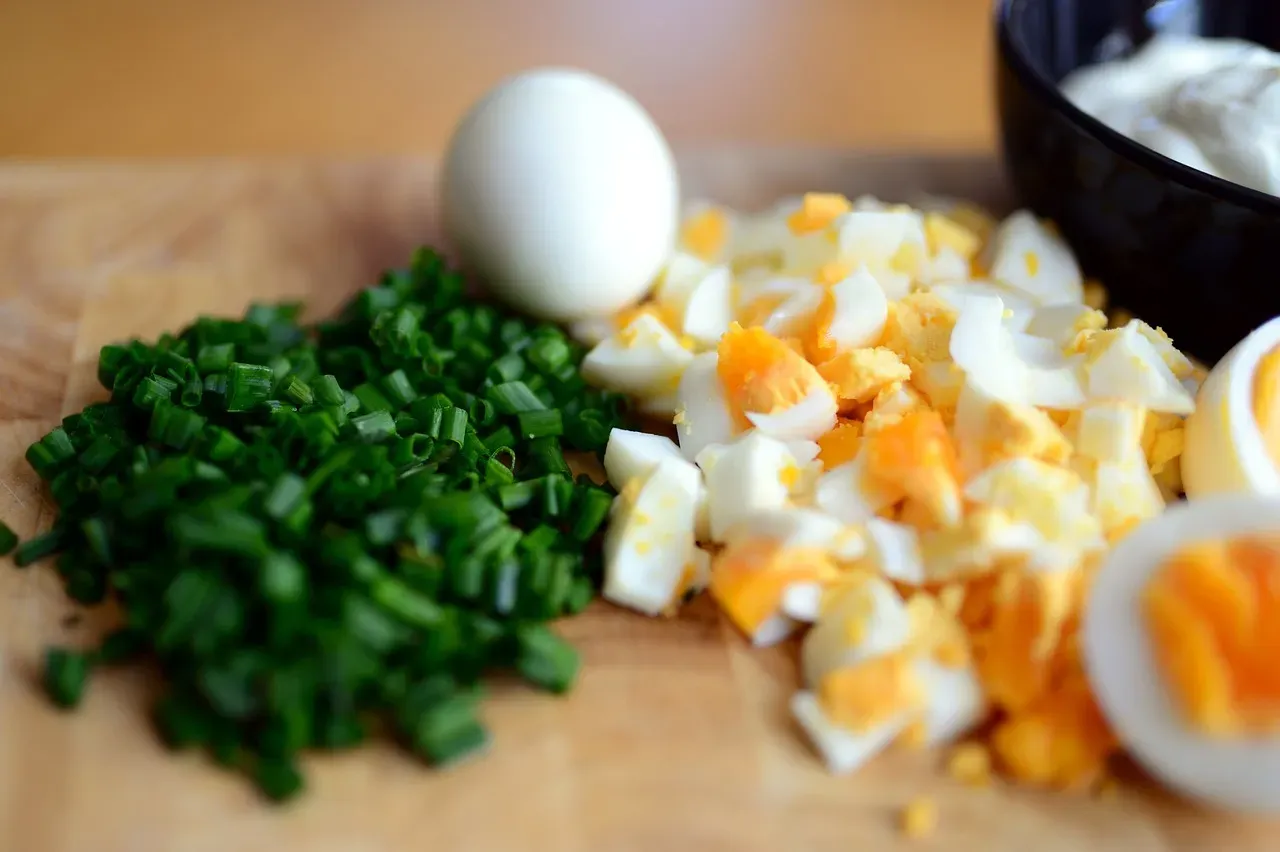
Chefs tend to steer well clear of scrambled eggs when eating out. The problem is that many chefs simply don't know how to make them properly. Chef Felix Tai has noted that this simple item is one that many cooks can't master because they don't understand the flavor or viscosity of eggs - and an overcooked, dried out egg is the worst sight ever. It's one of those dishes where the gap between perfect and terrible is razor-thin.
It's worth noting this isn't always the chef's fault. If you're dining in a busy restaurant at peak breakfast time, it may simply be that your plate has sat on the side too long. Perfect scrambled eggs need to be served almost immediately, otherwise they harden - and this is something that chefs know all too well. Ordering scrambled eggs at a packed Sunday brunch is a bit like asking for a soufflé in a hurricane.
6. Eggs Benedict: The Hollandaise Gamble
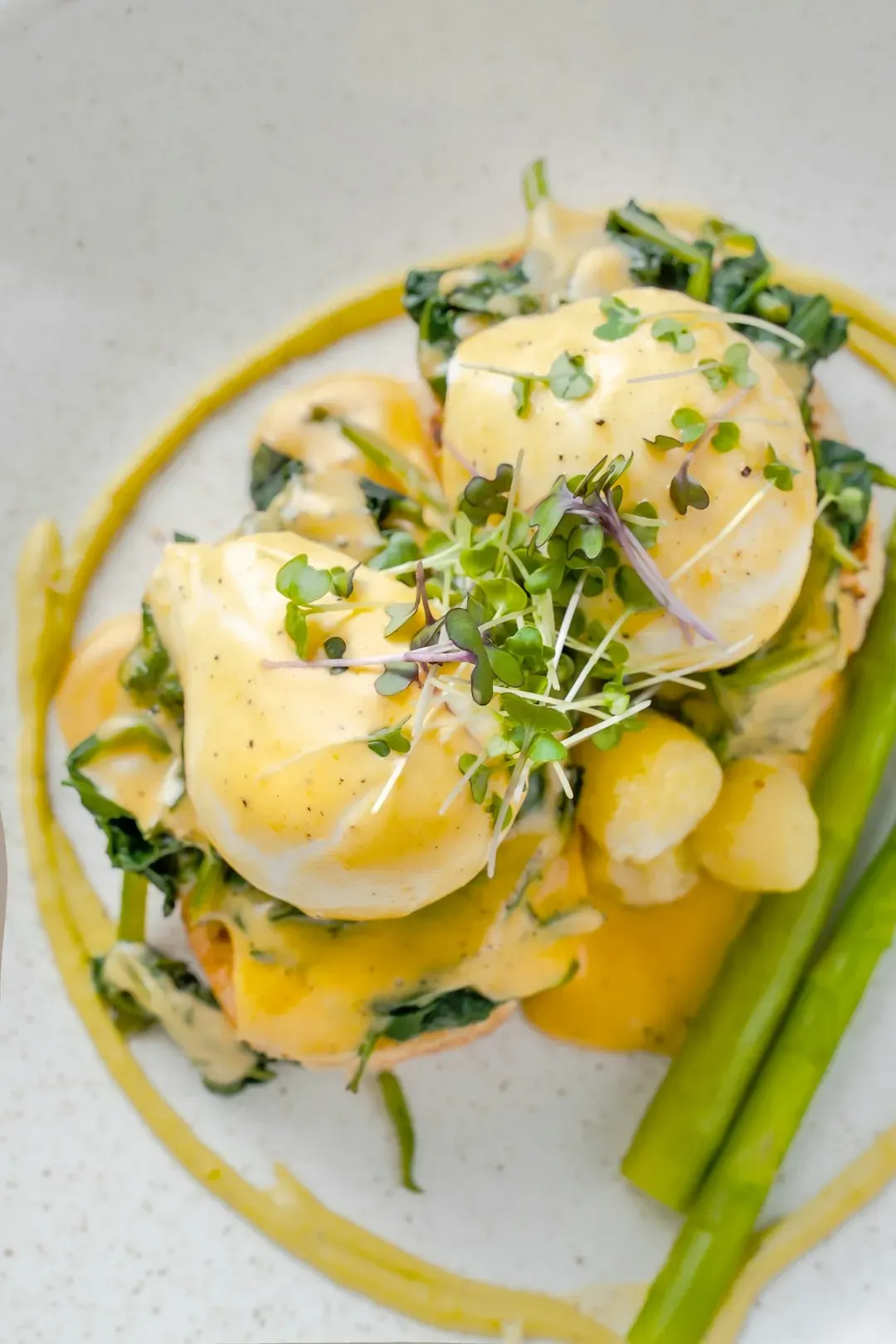
Chef Clifton Dickerson of the Auguste Escoffier School of Culinary Arts admits he never orders Eggs Benedict when dining out. Many chefs have spoken out against hollandaise sauce, because it is temperamental, especially during a busy brunch rush. If it's not made to order or held just right, you can end up with a broken sauce or something that's been sitting too long. What sounds like brunch heaven can easily become a sauce-soaked letdown.
Eggs Benedict can also pose unique health hazards. If hollandaise is left to sit at room temperature, as is often the case, it can quickly become a host for bacteria that may end up causing food poisoning. It's worth going for a dish where every element will be freshly cooked. I think it's one of those dishes that only truly shines in the hands of a kitchen that isn't swamped - which, during weekend brunch, is almost never the case.
7. Salmon: The Most Abused Fish on Any Menu
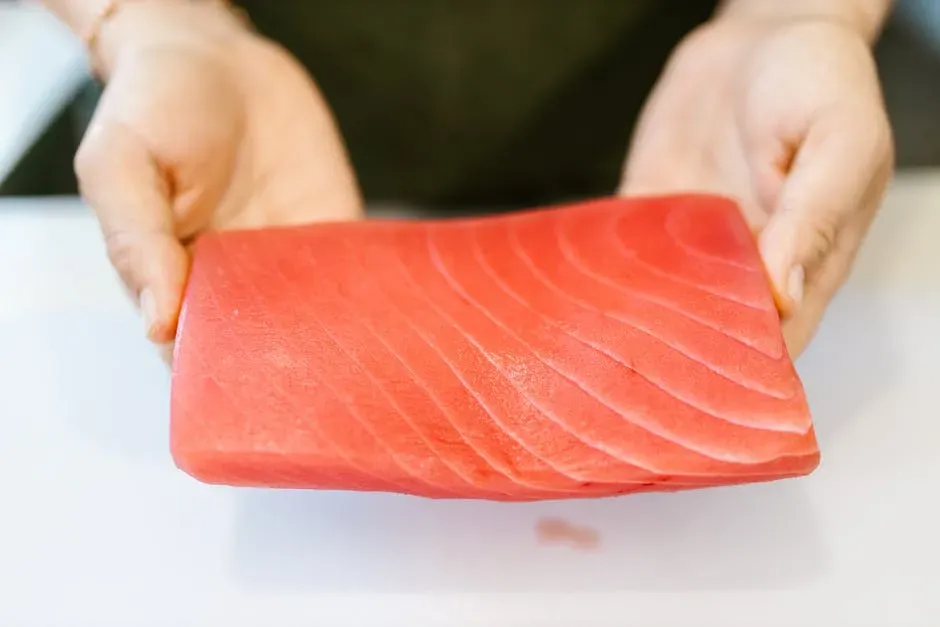
With salmon, it's all about the quality of the fish. As chefs point out, it's a very forgiving fish that needs very little seasoning. However, chefs claim that when you order it in a restaurant, it is either over or under-cooked and over or under-seasoned. Salmon shows up on nearly every mainstream restaurant menu, which is exactly why chefs treat it with suspicion. Ubiquity is not the same as quality.
Chef Megan Keno of FOX's "Next Level Chef" says she always sees the words "farm-raised fish" as a big red flag. Chef William Eick of Matsu steers clear of all fish dishes unless the fish is locally sourced or the restaurant boasts a spotless reputation. There's a big difference between salmon that arrived today and salmon that arrived four days ago and has been sitting in a walk-in refrigerator ever since.
8. Cooked Fish on a Sunday or Monday Night
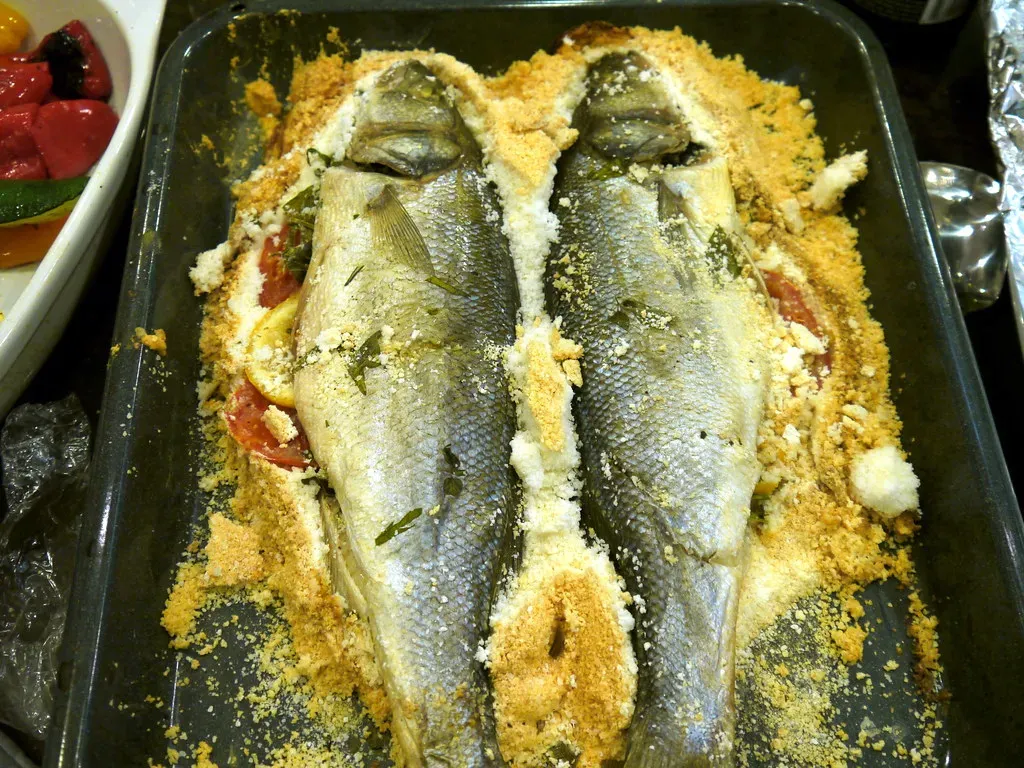
Eric Duchene, executive chef of the JW Marriott Scottsdale Camelback Inn Resort, warns diners to avoid fish specials with bacon, since bacon is often used to cover up the smell of old fish. He also notes that raw fish should not be ordered on Sunday nights, because restaurants don't receive deliveries on Sunday, so you will not get the freshest products. This is one of those kitchen secrets that, once you know it, you can never un-know it.
Chef Chaz Lindsay, owner and executive chef of Pulito Osteria and Rowan's, says he generally avoids cooked fish unless the restaurant is specifically known for it. Properly cooking fish is an art form and one of the most difficult skills to master. More often than not, he finds it underwhelming. The rule of thumb here is simple: match the dish to the restaurant's actual reputation, not its menu description.
9. Cheap Steak: When Price Becomes a Warning Sign
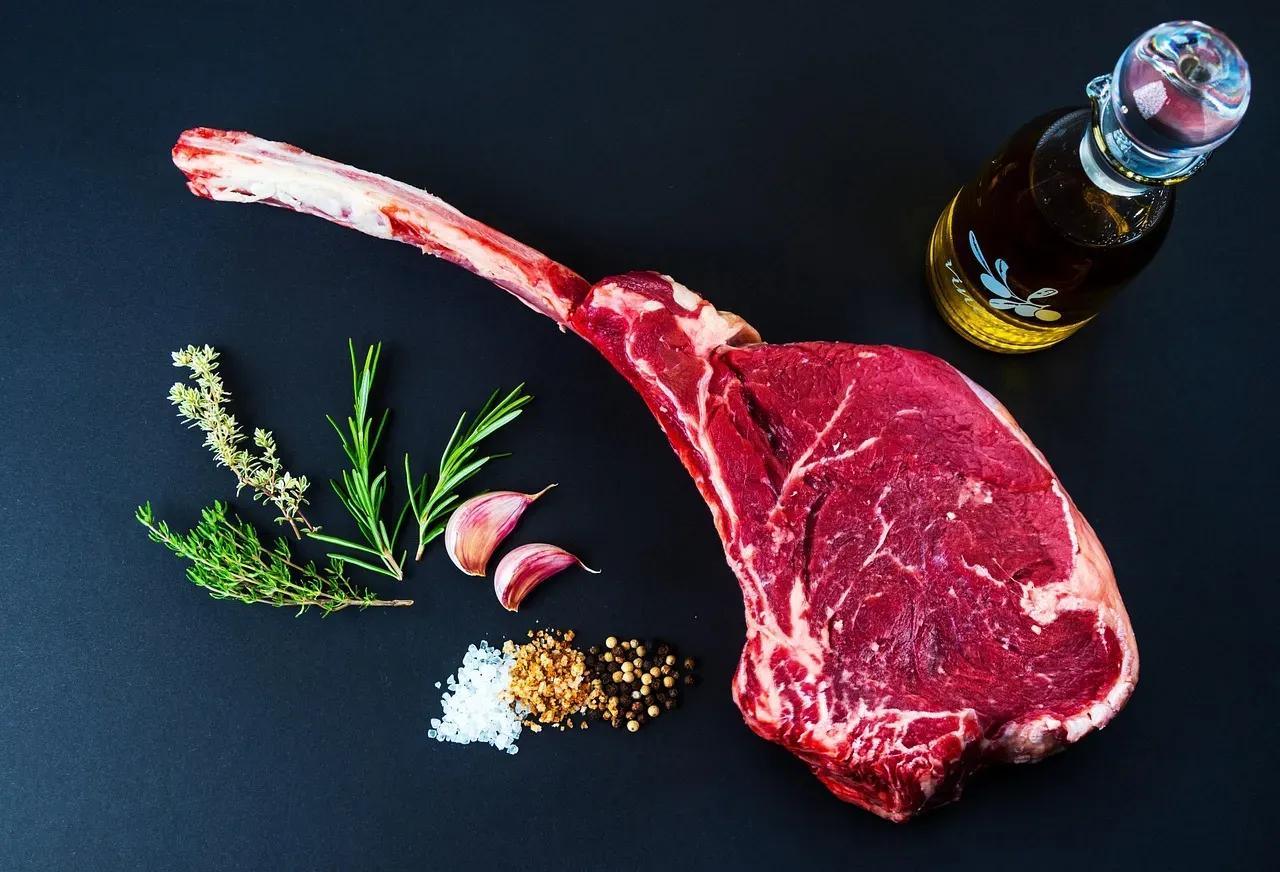
Grant Morgan, executive concept chef of Hotel Drover and 97 West Kitchen & Bar in Fort Worth, explains that most of the time a cheap steak is lower USDA-grade meat. For his own menus, he features top-tier picks like Wagyu and Prime beef, which are worth splurging on. A steak listed at an unusually low price on a restaurant menu should make you pause, not celebrate.
It's always worthwhile to pay for great cuts of meat, because you really can taste the difference. A "signature" coffee or pepper rub, or a Hawaiian marinade, is most of the time trying to cover up lower quality beef and would hide the inherent flavor of higher quality cuts. Honestly, sauce-drenched steak at a bargain price is the culinary equivalent of a car freshener hiding a mechanical problem.
10. Truffle-Anything: An Aroma Built on Deception
Pastry chef Saura Kline at Local Jones in Denver's Halcyon Hotel advises never to order anything with the word "truffle" in it. Unless you're at a high-class fine-dining restaurant, this usually means truffle oil, which is very rarely made with actual truffles. It tends to be used aggressively and will immediately increase the price of any dish regardless of its actual quality. It's one of the great menu illusions of our time.
Truffle oil is known for its rich aroma and complex flavor, and it has become quite the culinary trend. The problem is that the synthetic compound used in most commercial truffle oils, 2,4-dithiapentane, is a lab-created flavoring that has little connection to the actual truffle experience. You're essentially paying a fine-dining premium for a chemistry project. Like truffle oil, other fragrant ingredients like bacon and cream can be all-too-easy ways for restaurants to mask flavors and cut corners.
11. Pasta Basics: The Extraordinary Markup on the Ordinary
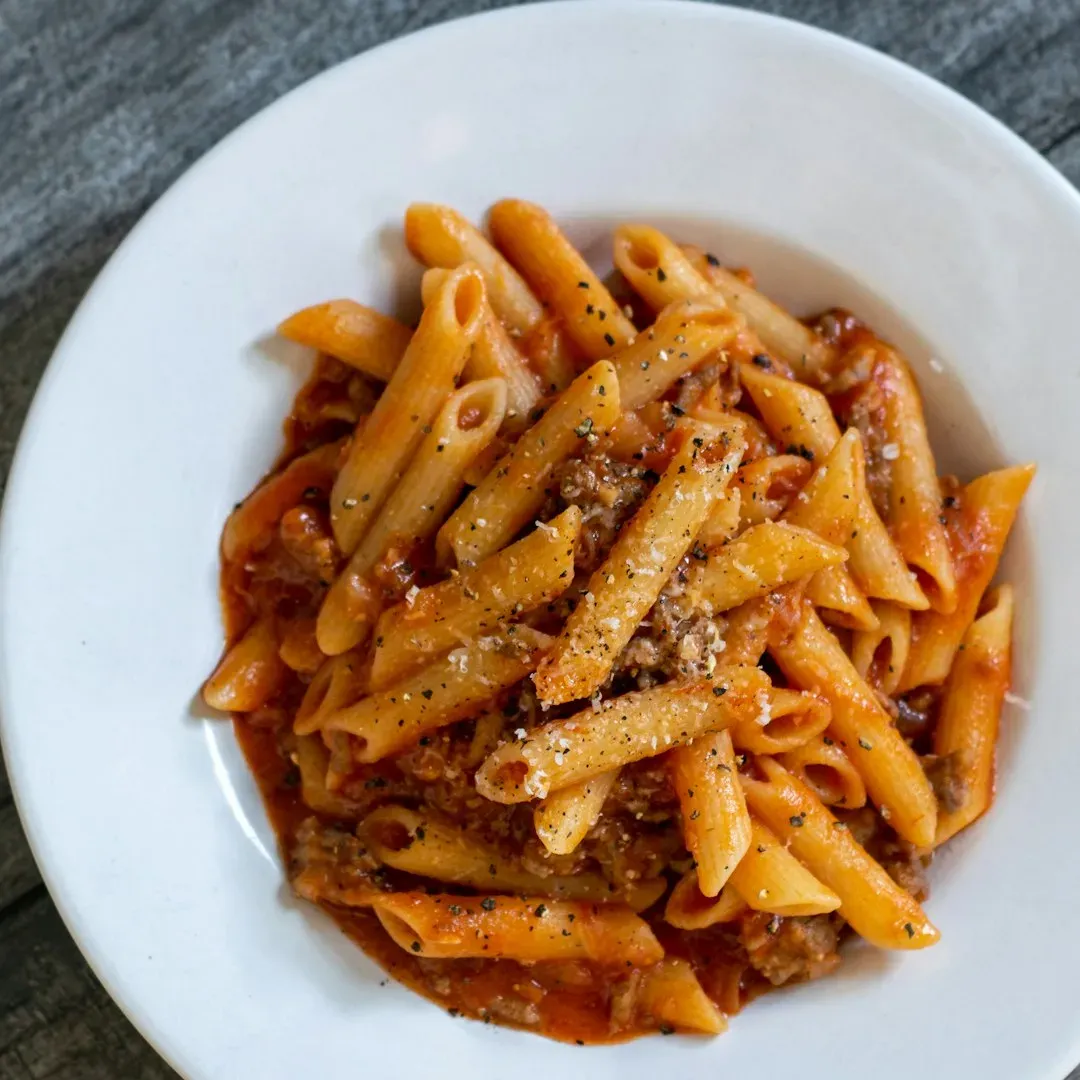
Many restaurants have pasta dishes on the menu to offer variety, but some chefs don't always think pasta is worth the price. Nina Swasdikiati, owner of Ping Pong Thai in Las Vegas, notes that pasta dishes with a basic pasta and sauce are surprisingly expensive for a dish that is inexpensive to cook. She prefers seeking out more intriguing and complex pasta dishes with unique ingredients and flavors. Think about it: flour, water, and a jar of marinara doesn't exactly scream "splurge-worthy."
Marcus Mooney, executive chef of Seattle Sutton's Healthy Eating, has high standards for pasta and rarely orders it at restaurants. He once worked for an Italian restaurant group in Chicago that was charging twenty dollars for a plate of rigatoni with marinara sauce when the cost was one dollar. The only time he orders pasta at a restaurant is if he knows they do it well, such as a lasagna, ravioli, or a great carbonara. That's a margin that speaks for itself.
12. Scallops: Premium Price, Inconsistent Payoff
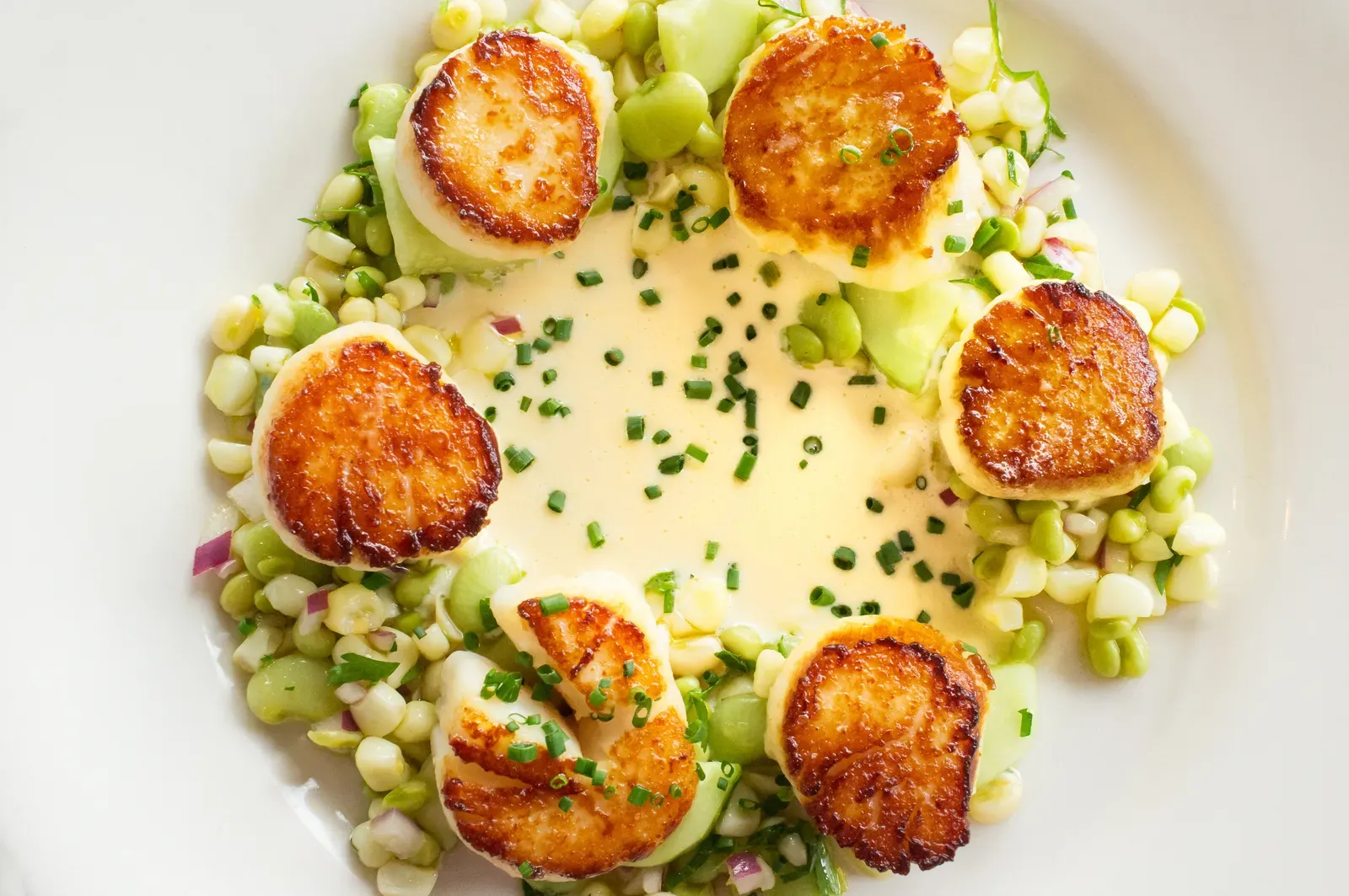
Scallops may be a dish you seek out when you want to celebrate a special moment, but personal chef and Ritz-Carlton instructor Bill Collins says it's a dish that's often overcooked at restaurants. It's also rare to find quality scallops, meaning restaurants are often using ones that are just so-so. The gap between a perfectly seared, dry-packed scallop and a watery, overcooked disappointment is enormous - and restaurants don't always land on the right side of that gap.
Good scallops are pricey, often about twenty-five to forty-five dollars a pound, and the quality at market level has to be exceptional to justify the dish. When the raw ingredient is this expensive and this perishable, any kitchen cutting corners is going to produce a result that leaves you staring at your plate wondering why you didn't order the chicken. When Collins does find quality scallops, he prefers to sear them at home, using a thin coating of high-heat oil in a hot skillet to achieve perfection.
13. Sushi at the Wrong Restaurant: A Risk You Can Taste
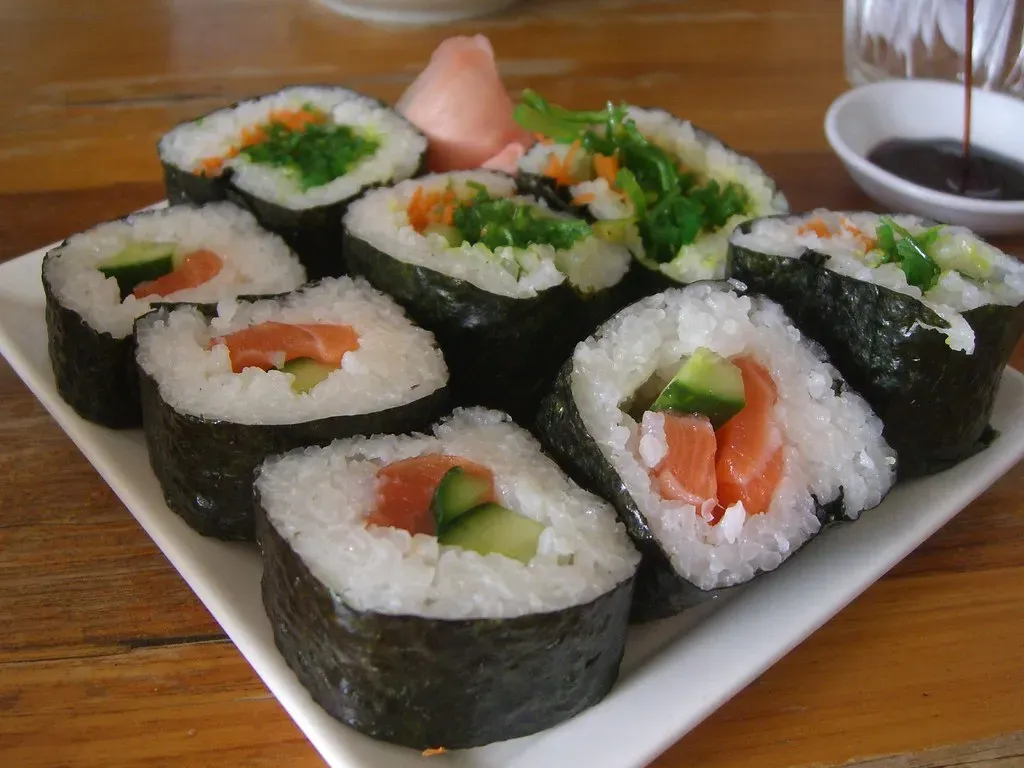
Chef Jorge Dionicio, a classically trained Edomae sushi chef who competed in the World Sushi Cup, says he never orders sushi when dining out unless he knows and personally respects the chef in question. He is very particular about how fish is handled, aged, and presented, and when those elements aren't respected, the experience can be deeply disappointing. Coming from someone who has dedicated their career to the craft, that is about as honest a warning as you can get.
If the restaurant smells overly fishy or if there's a chemical aroma when you walk inside, that's a significant sign that you could be served bad seafood that could make you seriously ill. Additionally, if the sushi rice is dry, clumpy, or puffy, it may be a sign that it is likewise not suitable for eating. Sushi is one of those rare foods where the restaurant context matters more than almost anything else on the menu. Order it somewhere serious, or don't order it at all.




Leave a Reply