
Not long ago, pulling into a drive-thru felt like the smartest budget move you could make. A couple of dollars for a burger, maybe a buck for a soda. Done. But something has shifted - quietly at first, then all at once. Millions of Americans are walking past their favorite chains, driving past the golden arches, and asking a question they never thought they'd ask: is fast food really worth it anymore?
The numbers tell a surprising story. The habits are changing. The reasons are piling up. Some are financial, some are deeply personal, and a few might genuinely surprise you. Let's dive in.
1. Prices Have Exploded Far Beyond Inflation
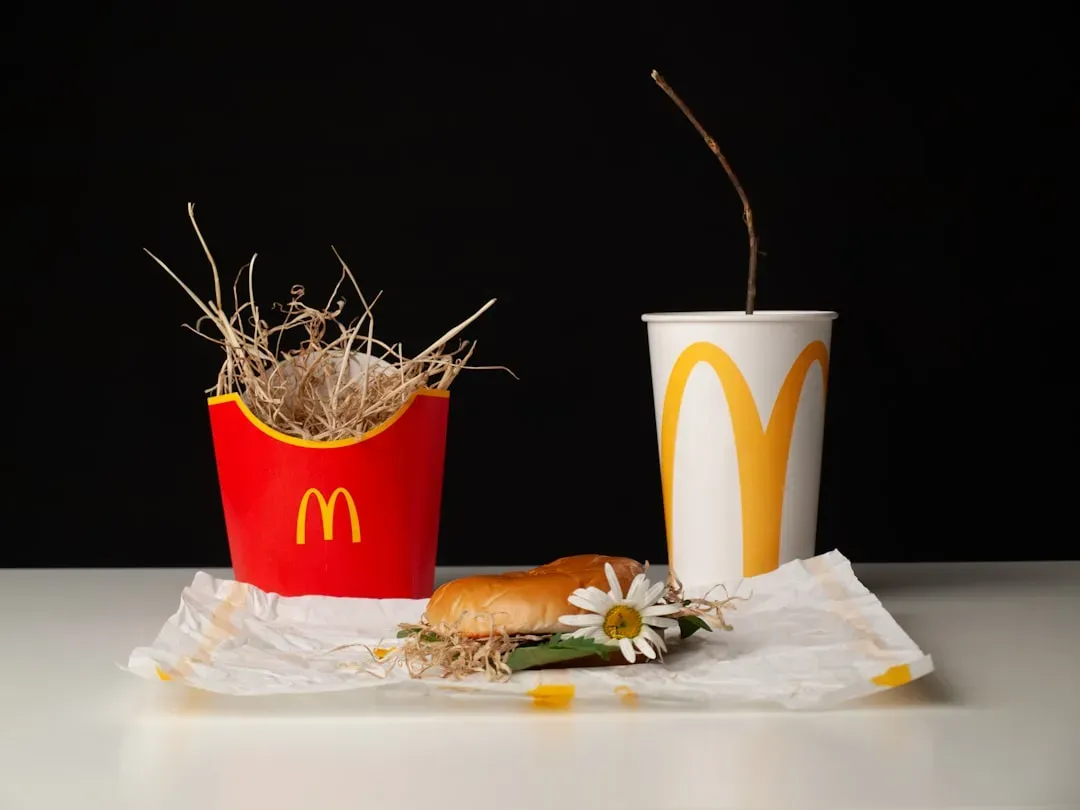
From 2014 to 2024, average fast food menu prices rose between roughly 39% and a full doubling - all outpacing the general inflation rate of 31% during the same period. McDonald's led the charge, with menu prices across popular items increasing by a staggering 100%. Think about that for a second. The same burger you grabbed for a few bucks a decade ago now costs you twice as much.
A study by FinanceBuzz analyzing menu price data across twelve top fast food chains between 2014 and 2024 found that most restaurants raised prices by 60% on average, with five chains - McDonald's, Popeyes, Taco Bell, Chipotle, and Jimmy John's - doing so at more than double the actual inflation rate. Honestly, that's not a small gap. That's a canyon. And most people only noticed when their total at the window made their jaw drop.
2. Fast Food No Longer Feels Cheap Compared to Groceries
With restaurant prices rising faster than grocery prices - roughly four percent versus just over one percent over a recent comparable year - consumers are opting to eat at home, especially lower-income households. That gap used to favor fast food. It simply doesn't anymore, and people have noticed.
Nearly two thirds of Americans agree that fast food should be cheaper than eating at home, but about three fourths say that isn't true. More than half say their current easy, inexpensive meal is eating at home, according to LendingTree research. When home cooking wins the price war against a drive-thru, something has fundamentally changed in the American food economy.
3. It's Now Considered a "Luxury" by Many
According to a 2024 survey conducted by LendingTree, nearly four in five consumers now consider fast food a "luxury" purchase due to its increasing cost. That sentence would have been unthinkable twenty years ago. Fast food was the opposite of luxury. It was the fallback, the safety net, the no-frills option.
A 2024 LendingTree survey further reveals that nearly two thirds of Americans are eating less fast food due to rising prices, and more than half of Gen Z now consider quick service restaurants a "luxury item." For a generation raised on dollar menus, that is a remarkable shift in perception. It tells you everything about how dramatically the value equation has flipped.
4. Low-Income Consumers Have Been Effectively Priced Out
McDonald's Chairman and CEO Chris Kempczinski attributed a recent sales slump to lower- and middle-income consumers cutting back on fast food. Industrywide traffic from consumers making $45,000 per year or less was down by double-digit percentages, while traffic from middle-income consumers was down nearly as much. Only traffic from those making $100,000 or more remained solid. Let that sink in. The people fast food was originally built to serve are the ones being squeezed out.
The perception of fast food as a luxury varies significantly by income. Of those earning less than $30,000 a year, roughly seven in ten perceive fast food as a luxury because of its cost, while about six in ten of those earning between $30,000 and $49,000 said the same. Fast food was once a democratic equalizer. These days, it's starting to look like a privilege.
5. Health Concerns Are Driving People Away
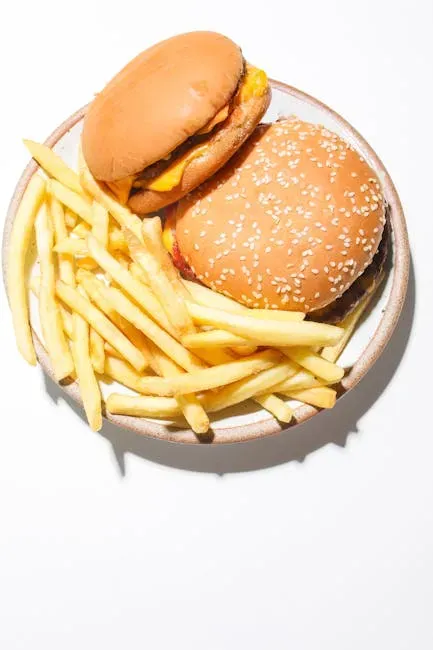
Consuming ultraprocessed foods on a regular basis increases a person's risk of health complications including cardiovascular disease, certain cancers, obesity and type 2 diabetes. Fast food sits squarely in that category. More Americans are reading the research, connecting the dots, and deciding they'd rather not roll those dice at every meal.
Research has shown that diets high in ultraprocessed foods are linked to more than 30 health conditions, according to an umbrella review of meta-analyses published in The BMJ. More exposure to ultraprocessed foods was also associated with a higher risk of dying from any cause, with strong ties between higher consumption and cardiovascular disease-related deaths, mental health disorders and type 2 diabetes. That's not fearmongering. That's a mountain of peer-reviewed evidence, and it's landing with consumers.
6. The MAHA Movement and Federal Attention on Ultraprocessed Food
Under the leadership of U.S. health officials, the FDA and USDA have been accelerating federal efforts to address growing concerns around ultraprocessed foods and the current epidemic of diet-related chronic disease. The agencies announced a joint Request for Information to help establish a federally recognized uniform definition for ultraprocessed foods. When the federal government starts treating your lunch order as a public health problem, people pay attention.
The 2025 to 2030 Dietary Guidelines for Americans prioritized whole foods like fruits, vegetables and protein over their highly-processed counterparts. This signals a broader cultural shift. Government messaging, public health campaigns, and social media wellness content are all pointing in the same direction - away from processed, drive-thru food.
7. Shrinking Portions for the Same Price

Here's the thing - it's not just that prices went up. It's that you often get less for what you pay. Shrinkflation, the quiet trick of reducing portion size while keeping the price the same, has hit fast food hard. Consumers notice when their "large" fries look more like a medium from five years ago.
Consumers' social media posts echo the frustration, with many noting that rising menu prices - $12 for a burger or $5 for a soft drink - have made fast food feel like a luxury for some, pushing customers to cook at home or seek cheaper alternatives. Social media has become a real-time receipt for consumer grievance, and fast food chains are getting roasted - often more than their own chicken.
8. Cooking at Home Has Gotten Easier and More Appealing

Of respondents who noticed menu price increases at restaurants, a majority indicated they have changed or expect to change their dining-out habits by cooking more meals at home, according to a Coresight Research consumer survey conducted in early 2024. The trend toward home cooking isn't just about frugality. It's also about the explosion of recipe content, meal kit services, and kitchen gadgets that make home meals genuinely enjoyable.
As many Americans rein in discretionary spending, industry analysts and executives say one of the first items on the chopping block is breakfast out. Instead of heading to the drive-thru for a breakfast sandwich, more Americans are opting to grab something at home, or skip the meal altogether. That morning ritual of a drive-thru coffee and sandwich? For many, it's been quietly replaced by something brewed and made in their own kitchen.
9. Overall Fast Food Traffic Is in a Sustained Decline
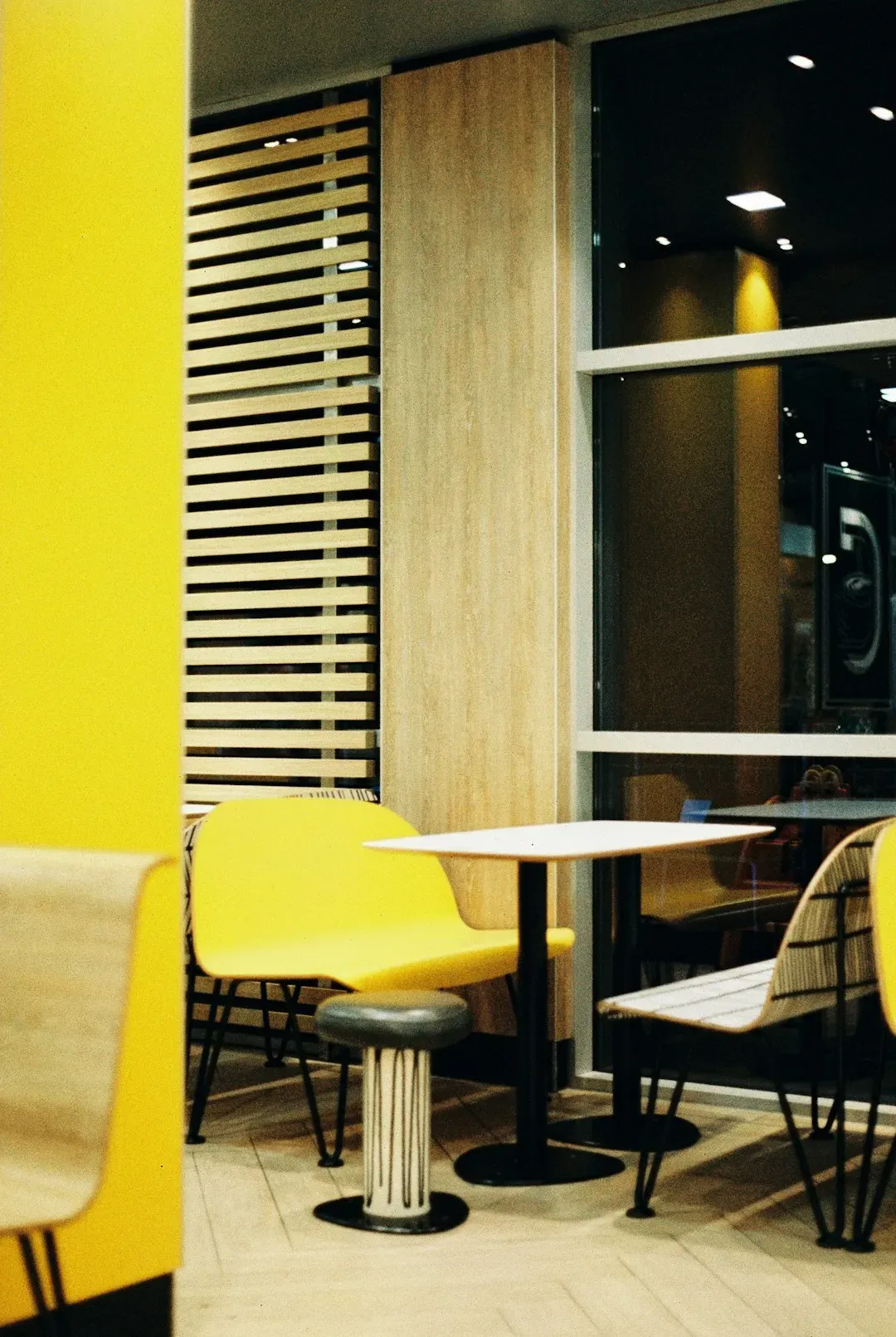
McDonald's, the world's largest restaurant chain, reported a significant 3.6 percent drop in U.S. same-store sales for the first quarter of 2025, marking its worst performance since the 2020 pandemic lockdowns. This decline was driven by reduced foot traffic, with both low- and middle-income consumers pulling back. One data point is an anomaly. A consistent trend across the entire industry is a signal.
According to Placer.ai, which tracks foot traffic using mobile phone location data, U.S. visits to quick-serve restaurants fell 1.6 percent year-over-year in the first quarter of 2025, continuing a trend of declining traffic. The chairs aren't filling up like they used to. The National Restaurant Association's monthly index found more than half of operators reported less traffic in September 2025 than the year prior, marking the eighth consecutive month of a net decline in customer traffic.
10. Americans Are Eating Less Fast Food Overall, Says the CDC
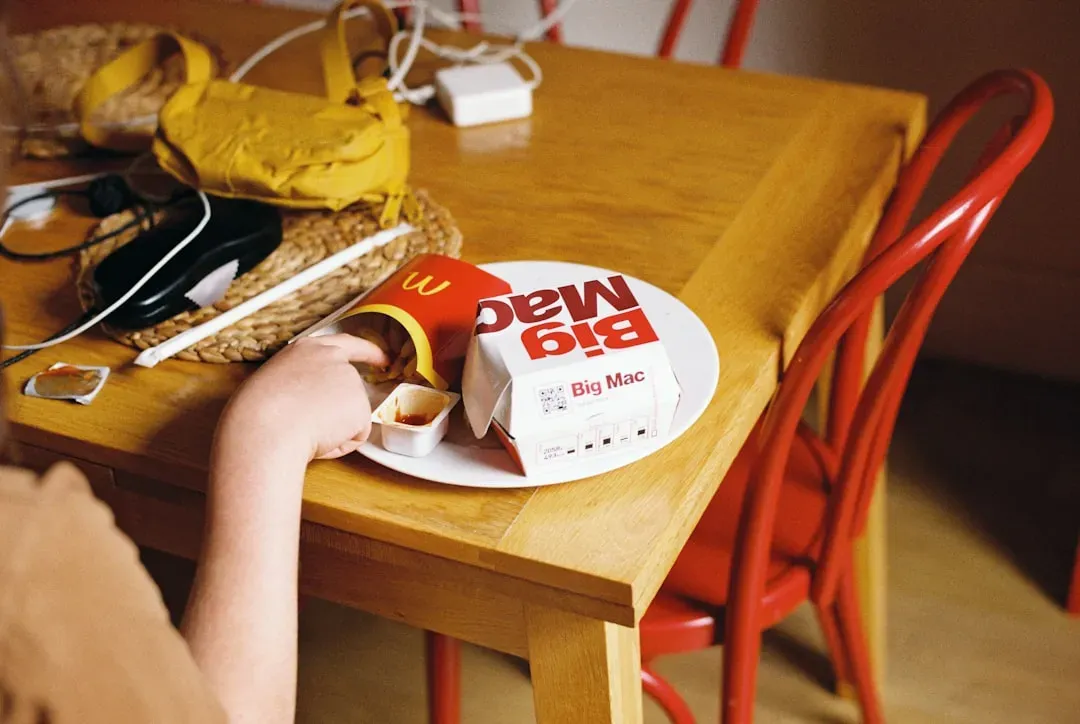
Americans are eating less fast food than they did a decade ago, according to a recent analysis by the Centers for Disease Control and Prevention. The analysis found that from August 2021 to August 2023, about a third of U.S. adults ate fast food on any given day. Among people aged 20 years or older, about 12% of their calories came from fast food during this period, down from 14% from 2013 to 2014. That shift is gradual - but it's real and it's measurable.
It's hard to say exactly what's driving the CDC-level decline, because it's probably many things at once: prices, health awareness, generational habits. What's clear is that fast food's grip on the daily American diet is loosening, and that trend has been building for years before the current price wars even started.
11. Gen Z Is Redefining What "Convenient" Means
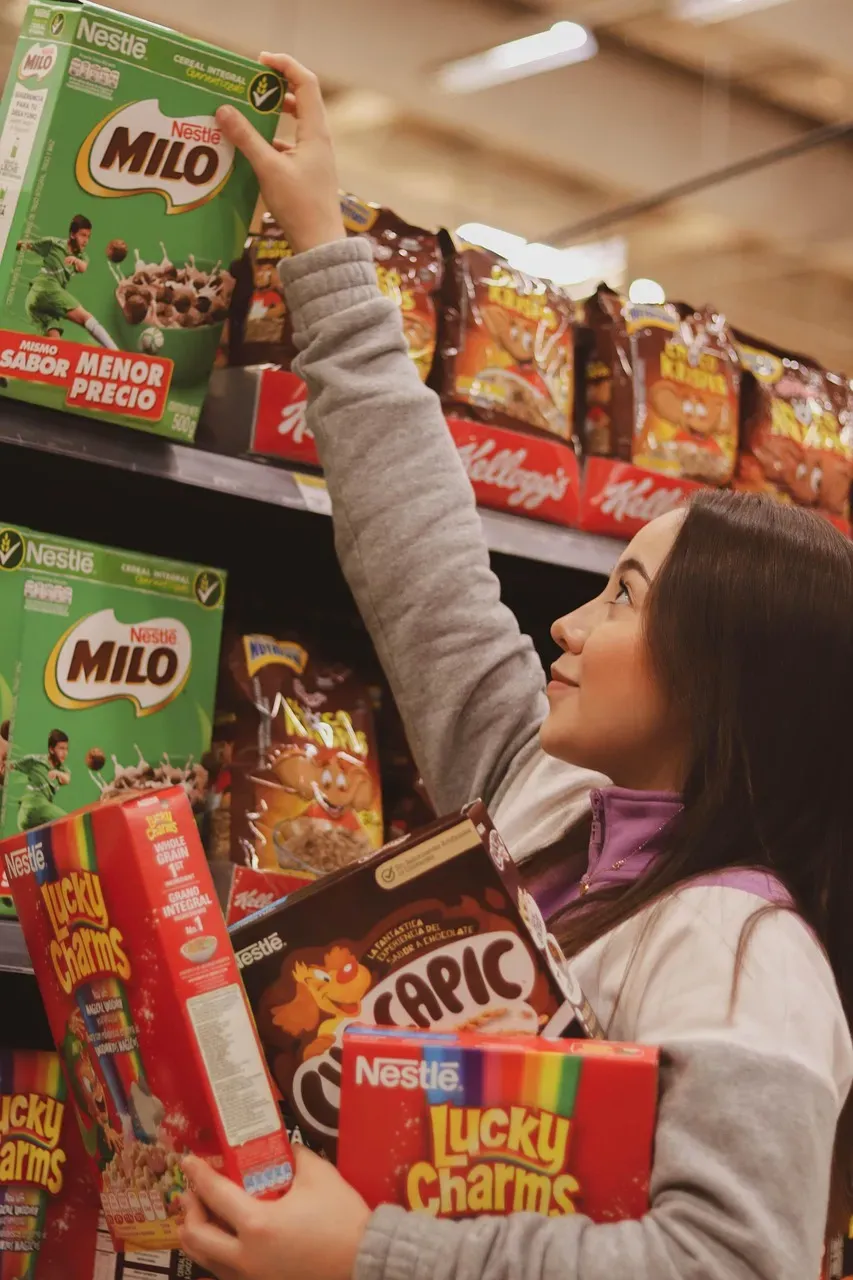
A 2024 LendingTree survey reveals that more than half of Gen Z now consider quick service restaurants a "luxury item." This generation grew up with DoorDash, air fryers, 60-second recipe videos, and infinite meal inspiration at their fingertips. For them, fast food isn't even the most convenient option anymore - it's just the most expensive kind of convenience.
There's also a wellness identity factor at play. Gen Z is more health-conscious than any previous generation, and being seen at a fast food chain carries a different social weight than it used to. Eating whole foods, cooking from scratch, or even choosing a "better-for-you" fast casual option feels more aligned with the image many younger consumers want to project. That cultural pressure is real and it has commercial consequences.
12. Food-Away-From-Home Prices Keep Rising Faster Than Paychecks

Food-away-from-home prices rose by 4.1 percent in 2024 and 3.8 percent in 2025, still faster than their historical average, according to the USDA Economic Research Service. When prices climb faster than wages, something has to give. For most families, that something is the frequency of their restaurant visits. Fast food, once considered immune to belt-tightening, is no longer exempt.
This shift reflects a broader squeeze on disposable income, as cumulative price hikes since 2020 - roughly 24 percent for restaurants versus 19 percent for groceries - erode purchasing power. Think of it like a slow leak in a tire. You don't notice it right away. Then one day you're stranded on the side of the road wondering when exactly things went wrong.
13. More Than Half of Diners Are Actively Changing Their Habits
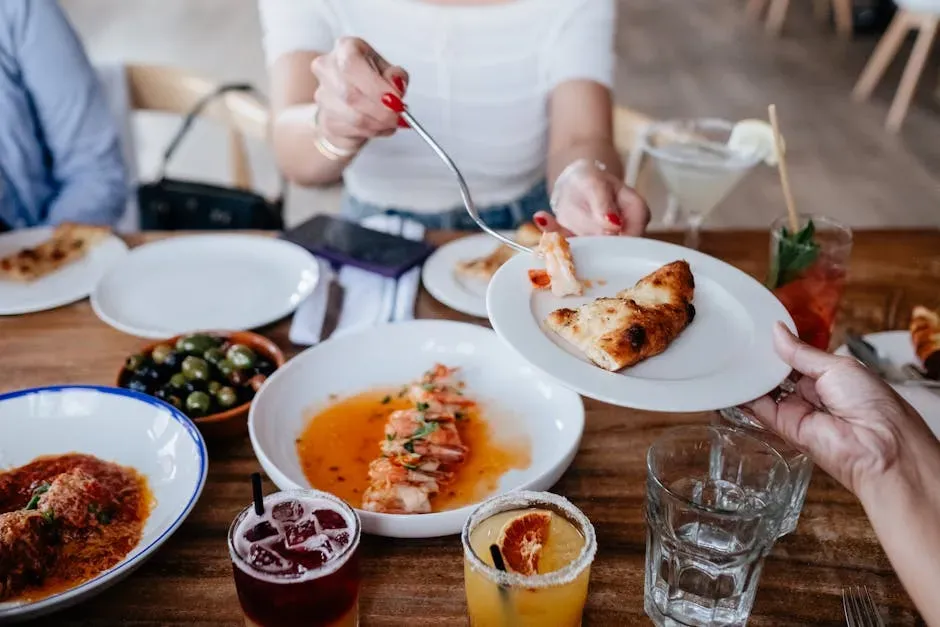
More than half of surveyed consumers said they have altered their dining preferences to cut down on expenses, with leading behaviors including choosing cheaper restaurants, using discounts, and ordering fewer items. Restaurants offering discounts and loyalty program rewards have resonated most with consumers seeking to reduce costs. People haven't stopped wanting convenience. They've just become smarter and more selective about how they get it.
New data from a YouGov survey revealed that roughly a third of consumers say they are dining out less frequently than in 2024. Lower-income diners report the most significant decline, with more than four in ten eating away from home less often. The trend isn't just a blip. It's a structural change in behavior. And for an industry built on volume and foot traffic, that is a very uncomfortable reality to sit with.




Leave a Reply