
There is something quietly unsettling about standing in a grocery aisle in 2026 and doing math in your head before putting a box of cereal in your cart. Yet that is exactly what tens of millions of middle-class Americans are doing right now. Food has become a genuine financial pressure point in a way it simply was not a decade ago.
The Federal Reserve Bank of St. Louis noted that food prices have jumped nearly 30% since 2019. That is not a minor adjustment. That is a structural shift in how households think about the most basic line item in their budget. The middle class, caught between rising costs and largely flat real income growth, has had to get creative. What they are doing is both practical and surprisingly resourceful. Let's dive in.
1. Switching to Discount and Warehouse Grocers

One of the clearest visible changes in recent years is where the middle class is actually shopping. Discount grocery chains like Aldi, Lidl, and Walmart have seen a remarkable increase in foot traffic from middle-income shoppers in 2024, with Aldi's customer visits rising by roughly 13% year-over-year, the majority of new shoppers coming from households earning between $45,000 and $80,000.
Many of these families, previously loyal to regional or premium grocers, are now prioritizing value over brand loyalty, drawn in by private-label goods that are typically 20 to 30 percent cheaper than name brands. Think of it like this: shopping at Aldi instead of a premium chain is roughly the equivalent of switching from business class to economy. You get to the same destination, you just skip the warm towel.
Walmart specifically reported its grocery sales rose significantly in early 2025, with CEO Doug McMillon attributing much of the growth to budget-conscious suburban families. This shift has also pressured traditional grocers to expand their own lower-priced offerings, which is actually good news for everyone who still prefers their neighborhood store.
2. Embracing Meal Planning and Batch Cooking
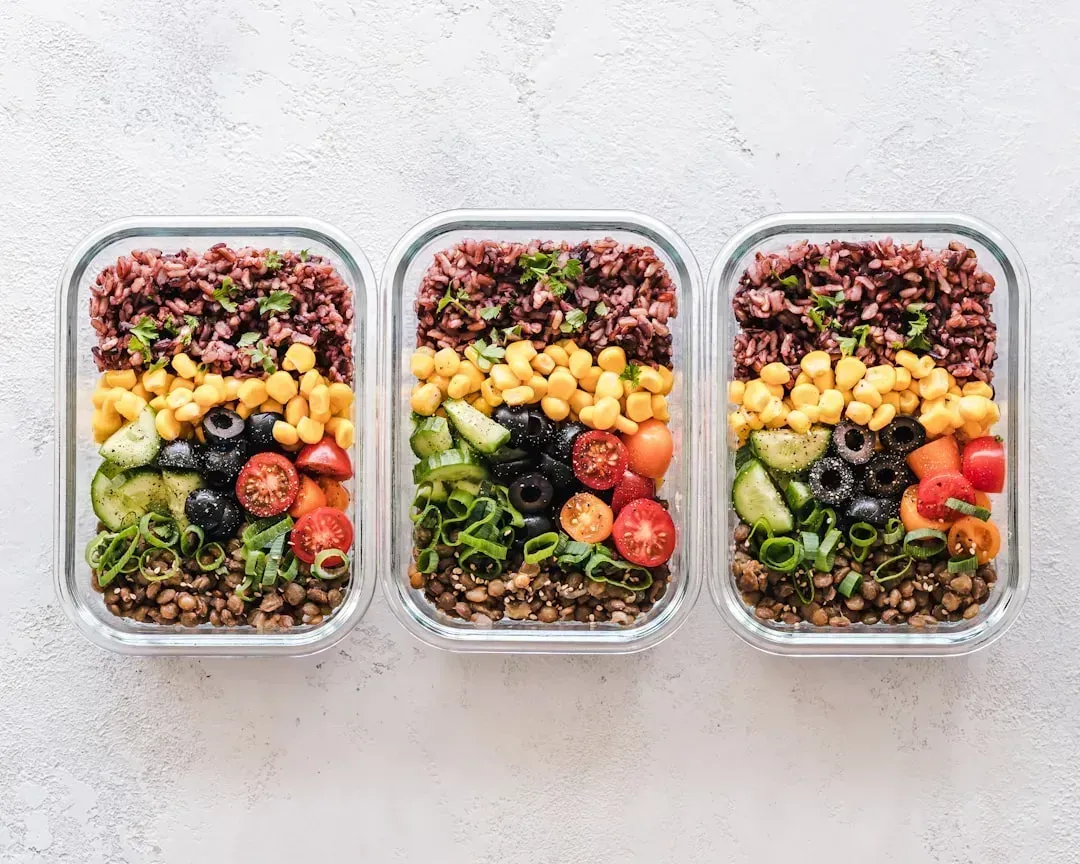
Here is the thing: meal planning used to feel like something only very organized people or parenting bloggers did. Now it is practically mainstream. Faced with rising food prices, middle-class households have adopted precise meal planning and batch cooking, with Pinterest searches for "cheap meal plans" and "batch cooking recipes" jumping roughly 40% between December 2024 and March 2025.
Meal planning is one of the most effective money-saving strategies, with studies showing households that plan meals save $200 to $300 monthly by reducing impulse purchases, minimizing food waste, and decreasing reliance on expensive takeout and delivery. That is a significant amount over the course of a year, easily adding up to several thousand dollars.
Families are setting aside Sundays to prep meals for the entire week, reducing both waste and impulse purchases, with meal-planning apps such as Mealime and Plan to Eat seeing user registrations double since last year. A survey by a Chicago food co-op found that more than seven out of ten respondents are cooking larger portions and freezing meals, lowering weekly grocery costs by an average of $25.
3. Trading Name Brands for Store-Label Products

If you have not made the switch to store-brand products yet, you are essentially paying extra for packaging. The surge in food inflation has pushed more middle-class shoppers toward generic and store-branded products, with private-label sales growing by 15% in the twelve months through mid-2024, outpacing national brands for the first time in a decade, according to NielsenIQ.
Generic and store-brand products are often just as good as name brands, but they cost 20 to 30 percent less, and many shoppers report they do not even notice the difference. That is a meaningful discount on something you buy every single week.
Kroger, the largest supermarket chain in the U.S., noted in its early 2025 earnings that over half of its grocery basket consists of store-brand goods, with customers saving noticeably, for example, on a box of store-brand cereal that is often $2 cheaper than its branded counterpart. Honestly, in most taste tests, the difference is nearly undetectable.
4. Cutting Back on Restaurant and Takeout Spending

Dining out used to be a casual Tuesday-night decision for the middle class. It increasingly is not anymore. Dining out has become a rare treat for many middle-class families, with the National Restaurant Association's 2025 survey highlighting that nearly two-thirds of middle-income households have reduced restaurant visits since the previous year, citing rising menu prices.
A survey from global accounting firm KPMG found that American consumers are expected to spend roughly 7% less each month at restaurants compared to the prior summer. That is a deliberate, budgeted pullback, not just a casual shift.
Financial analysts note that younger consumers tend to have lower incomes, are facing rising debt and limited asset accumulation, and Bank of America data shows that nearly two-thirds of Gen Z consumers have shifted their focus to reducing expenses, with more than four in ten cutting back on dining out specifically. The ripple effect on the restaurant industry is real and ongoing.
5. Buying in Bulk for Non-Perishables
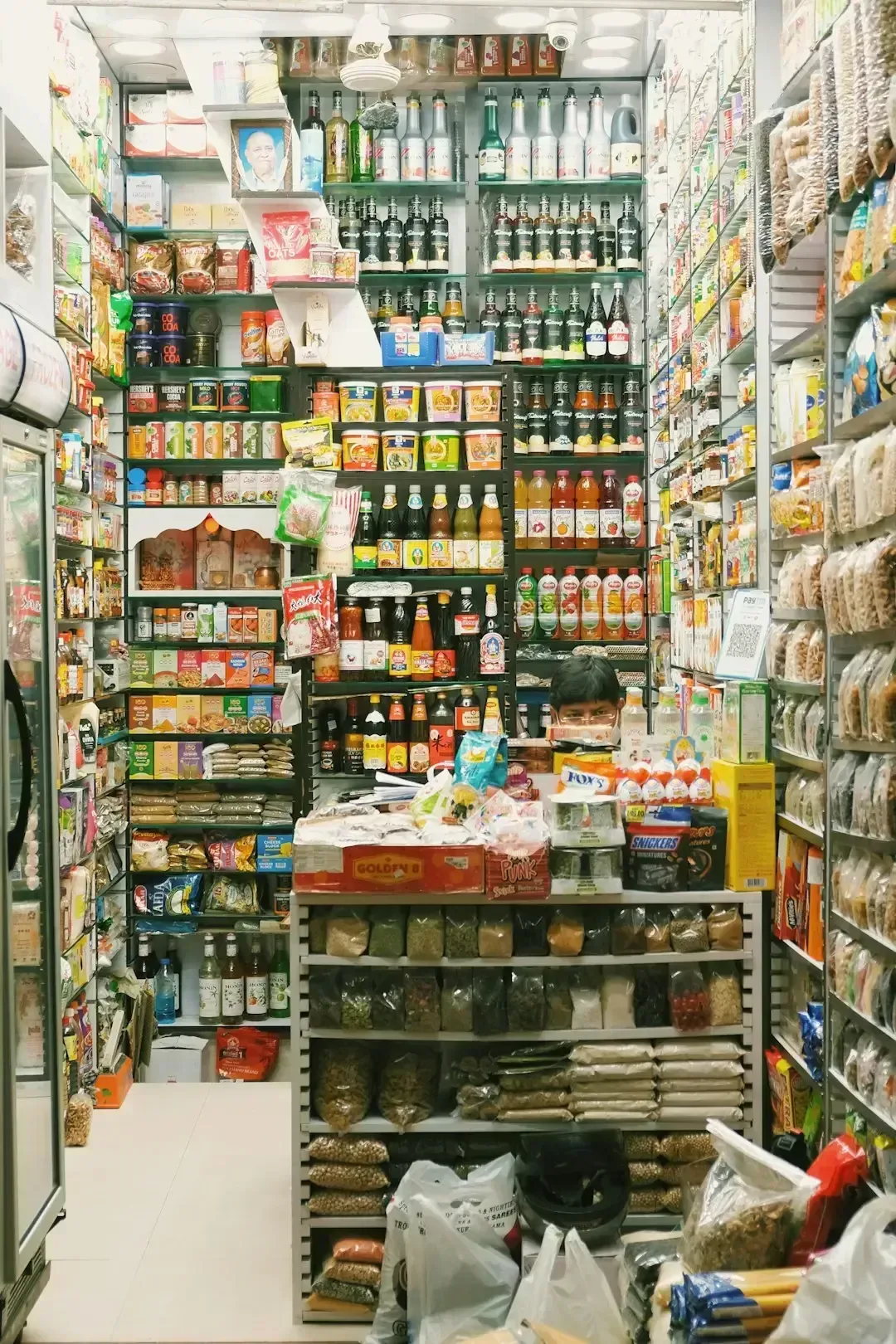
Bulk buying is one of those strategies that sounds obvious but requires some discipline and upfront cost to pull off well. Warehouse stores and bulk sections can save money, but only on things you actually use, with the smart move being to stick to bulk purchases for non-perishables like rice, pasta, and canned goods.
Buying in bulk can be a game-changer if you are strategic about it, with a focus on purchasing non-perishable staples like rice, pasta, beans, and spices, and you can also save significantly by buying meat in bulk and freezing portions for later use.
Meat often takes up the largest portion of a grocery bill, but purchasing in larger quantities can dramatically reduce cost per pound, with buying directly from co-ops, local farms, or wholesalers typically saving 30 to 50 percent compared to grocery stores. It is the kind of strategy that feels like a small inconvenience upfront but pays off in a very tangible way over time.
6. Shifting Protein Sources Away from Meat
Meat prices have been a particularly painful budget line. In 2024, prices for meats, poultry, fish, and eggs increased the most of any food category, up more than 4 percent. For many middle-class families, the natural response has been to eat meat less frequently.
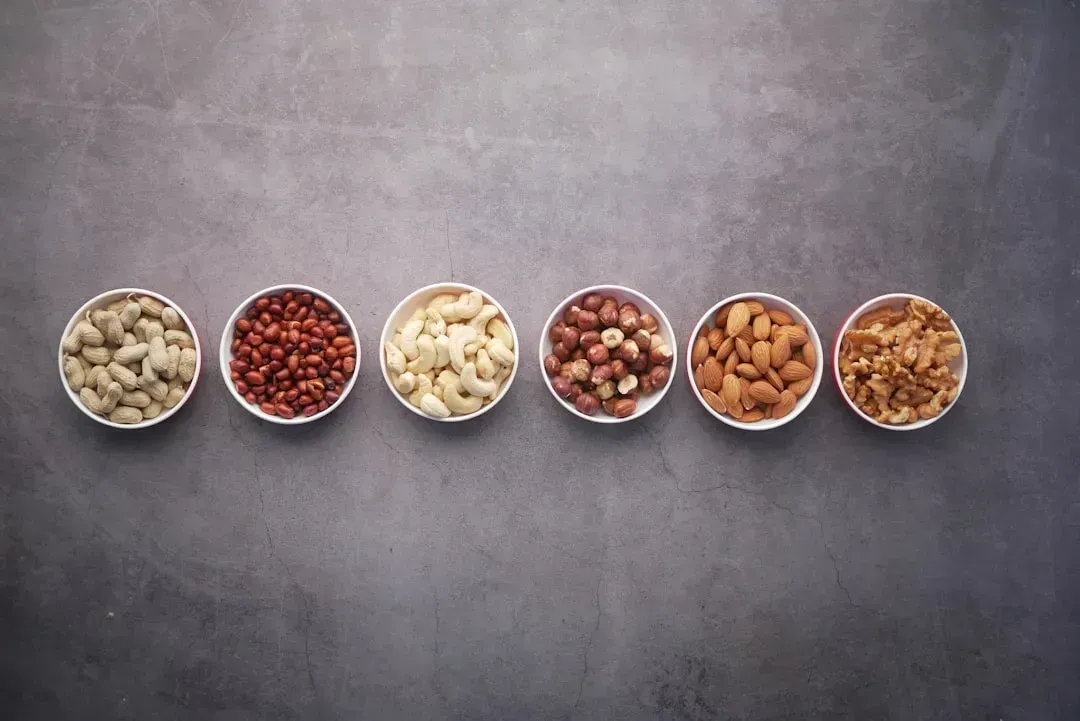
Meat is often the most expensive part of a grocery bill, and incorporating more plant-based meals with beans, lentils, and tofu a few times a week can cut costs significantly without losing nutritional value. This is not about going fully vegetarian. It is about being strategic.
In the year following 2022's large price increases, consumers reduced their share of food-at-home spending on most animal-based protein products, as these products are typically among the more expensive foods per gram, so consumers may choose less expensive substitutes in response to price increases. A pot of lentil soup costs a fraction of a beef stew and is arguably just as satisfying on a cold night.
7. Using Digital Coupons, Cashback Apps, and Loyalty Programs

Couponing has had a complete image makeover. It is no longer the image of someone hunched over scissors and a Sunday newspaper insert. Consumers continue to practice value-seeking behavior, looking for sales, deals, and coupons or switching brands and retailers to save money, with data showing that nearly seven out of ten consumers in late 2024 reported looking for sales, deals, and coupons more often, up from about six in ten at the start of the year.
Apps like Ibotta, Fetch Rewards, and Rakuten give users cashback on groceries, essentially providing free money for things people are already buying. Many stores also stack these with in-store loyalty programs, which can compound the savings dramatically over months.
In the digital age, couponing has evolved beyond newspaper clipping, with many stores offering digital coupons through their apps or websites allowing savings on regularly purchased items, and cashback apps providing rebates on specific products, with staying organized and planning shopping around available coupons leading to substantial discounts over time.
8. Dipping Into Savings or Taking on Credit Card Debt

Not every adjustment the middle class is making is strategic or healthy. Some of it is just survival. Many households have struggled to put food on the table, and not only have people dipped into their savings to cover food costs, but many have also gone into credit card debt, according to research from the Urban Institute.
As food price inflation began to rise in late 2021, credit card delinquencies grew nationally, and by August 2024, an estimated 8.4 million Americans, or roughly one in every 20 consumers with a credit card, were at least 60 days past-due on credit card bills. Those are sobering numbers that reveal how many households are genuinely stretched.
Relying on credit for basic living expenses can exacerbate long-term financial instability, with accrued debt challenging to repay and capable of undermining people's long-term creditworthiness if not repaid on time. It is a coping mechanism that carries real future costs, yet for many households right now, there simply are not other options on the table.
9. Reducing Food Waste Through Smarter Storage
It might sound surprising, but one of the most effective ways to stretch a food budget is simply wasting less of what you already buy. The average American household spends about $6,224 a year on groceries, or roughly $519 a month, and that number does not even include the $728 per person per year that the EPA estimates people waste on food they buy and never eat.
A survey of meal planners found they reduced food costs by about $47 per person per month, with savings coming from three main places: less food waste, fewer impulse purchases, and fewer delivery orders. That is nearly $565 per person per year just from wasting less.
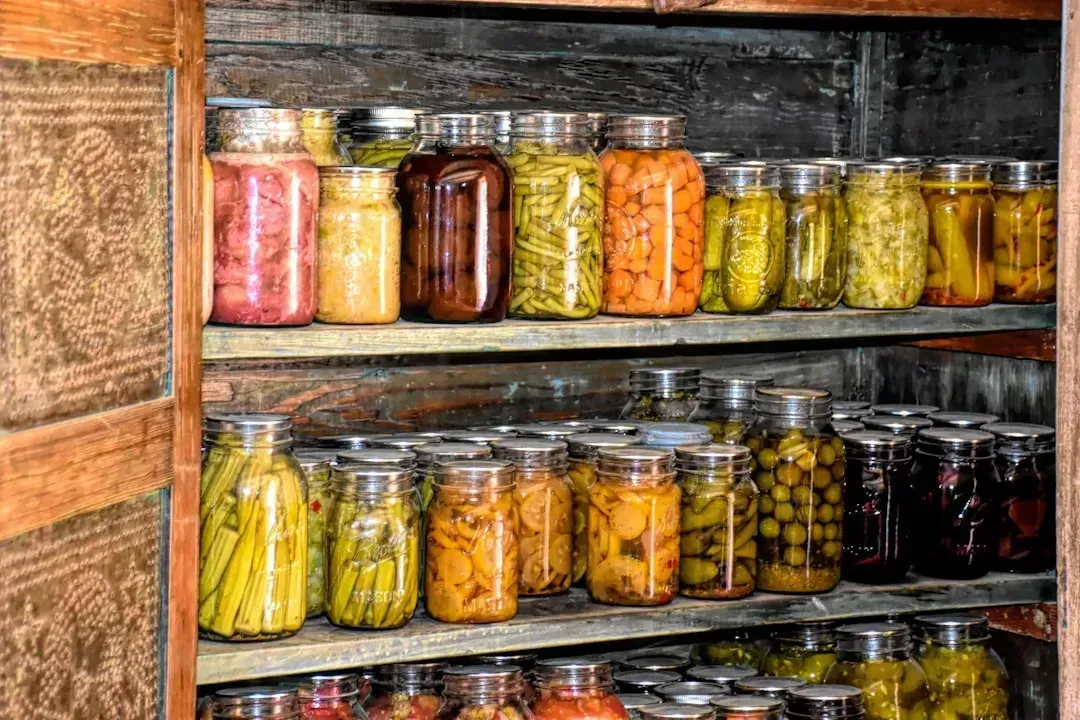
Think of the average household like a leaky bucket. You can keep pouring money in, or you can fix the holes. Smarter storage, using leftovers creatively, and actually eating what you buy before it spoils are unglamorous but extremely effective adjustments. The average household wastes roughly $2,913 per year on food they throw away, with Americans wasting $133 per person on meat alone each year.
10. Cooking from Scratch More Often

Convenience foods carry a hidden tax that most shoppers pay without fully realizing it. Cooking from scratch is not only cheaper but also lets people control the quality of ingredients in their meals, with options including making salad dressings, spice blends, and marinades at home, as well as baking bread or making granola.
Making soups and chilis instead of buying canned versions, and skipping pre-chopped vegetables to do the prep work at home, are both simple ways to save money and reduce reliance on costly convenience packaging. I think a lot of people underestimate how much of their grocery bill is actually a convenience premium rather than a food cost.
The trend toward scratch cooking is measurable. Dining out has become a rare treat for many middle-class families, and instead of eating out, families are recreating restaurant-style meals at home, with TikTok's related trending content now boasting more than a billion views. The home kitchen has quietly become the most powerful financial tool in many households.
11. Shopping Seasonal and Local Produce

Buying produce that is in season is one of those strategies that is both economical and genuinely delicious. Fruits and vegetables in season cost 30 to 50 percent less than out-of-season options. That is a substantial difference, especially for families who eat a lot of fresh produce.
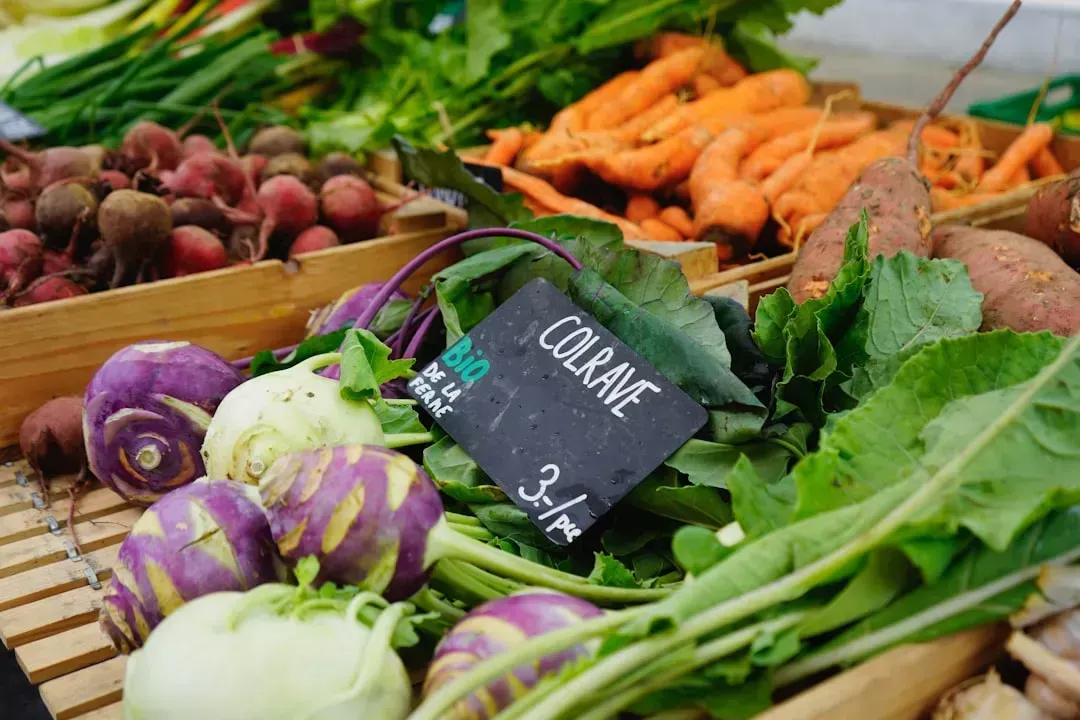
Produce that is in season is often cheaper and more flavorful than out-of-season fruits and vegetables, and shopping at local farmers' markets or joining a Community Supported Agriculture program can often yield fantastic deals on fresh, local produce, with the recommendation being to learn what is in season locally and plan meals accordingly.
It is a bit like choosing a flight that departs at an off-peak hour. The product is the same, but the pricing is completely different. Seasonal eating also tends to push families toward a more varied diet over the course of a year, which is genuinely good for nutrition as well as the budget.
12. Shifting Food Spending Patterns Based on Price Fluctuations
Savvy middle-class shoppers are paying far more attention to which food categories are rising versus stabilizing. In 2024, egg prices rose the most across food products due to a resurgence of highly pathogenic avian influenza, while the second largest price increase was in beef and veal prices, followed by sugar and sweets.
Retail egg prices decreased significantly in early 2026 compared to the previous year, after the spread of Highly Pathogenic Avian Influenza caused retail egg prices to spike in late 2024 and early 2025. Households that tracked these movements adjusted their recipes accordingly, shifting away from egg-heavy meals during the price spike and back toward them as prices normalized.
In the year following 2022's large price increases, consumers reduced their share of food-at-home spending on most animal-based protein products except for eggs, as these products are typically among the more expensive foods per gram, with consumers choosing less expensive substitutes, while also increasing spending on cereals and bakery products and on processed and prepared meals. That is real-time consumer behavior adapting to market signals.
13. Reconsidering Subscriptions and Food Delivery Services
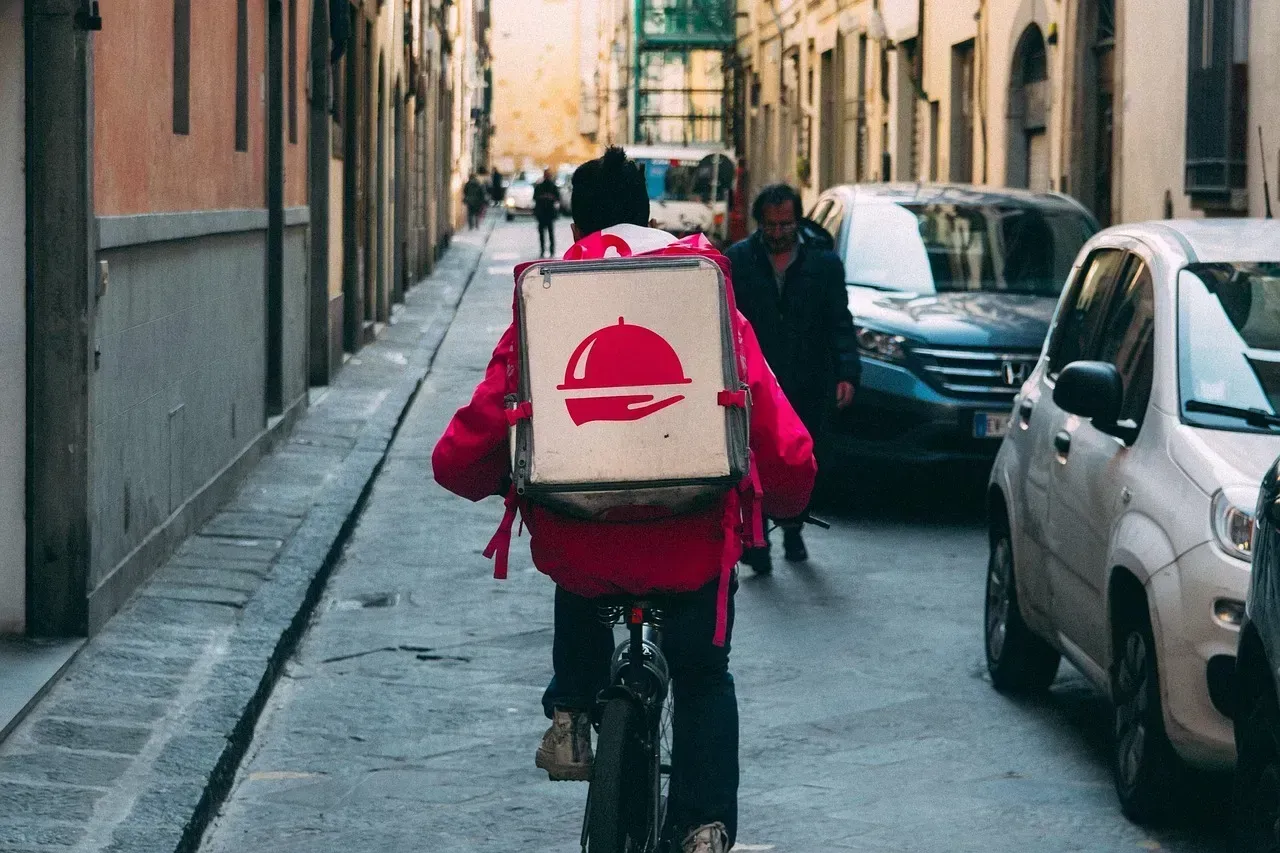
Food delivery apps have become a surprisingly significant drain on middle-class budgets. One of the biggest impacts on a food budget is restaurant meals and takeout, with a single dinner out with drinks easily costing more than a week's worth of groceries for one person.
American households spent an average of $3,933 on dining out in 2023, or $328 a month, according to a 2024 Bureau of Labor Statistics report. When families add delivery fees and service charges on top of elevated menu prices, the cost becomes genuinely eye-opening.
Data shows that roughly half of consumers report cutting back on non-essentials and switching to a less expensive brand, with both behaviors increasing in frequency from the beginning of 2024 through the end of the year. For many households, canceling or significantly reducing food delivery subscriptions has been one of the fastest and most impactful budget changes they have made.
14. Reassessing Overall Household Food Budgets

More middle-class families are now treating their food budget the way they treat a utility bill: with regular scrutiny and a willingness to make cuts. Households in the middle income quintile spent an average of $8,989 on food in 2023, representing roughly 13.5 percent of their after-tax income. That is a meaningful chunk of take-home pay.
According to consumer research, the economy and personal finances were a top concern for consumers in 2024 and pushed many to shift how they shop, with levels of extreme concern about inflation ranging from 60 to 70 percent, and 28 percent of consumers saying they are not comfortable with their personal finances. Those are high levels of financial anxiety across a broad swath of the population.
Nearly half of Americans say it is harder to afford groceries today than it was a year ago, according to a survey by Axios and the Harris Poll, with only about one in five saying food prices are cheaper than a year earlier. That sentiment is driving a fundamental reassessment of household food spending, with many families creating formal monthly food budgets for the first time in their lives.
15. Growing Food at Home and Joining Community Programs

Perhaps the most resourceful adjustment of all: growing your own food. It sounds almost nostalgic, but it is picking up real momentum. Even without a backyard, herbs, tomatoes, or leafy greens can be grown in containers or on a sunny windowsill, starting with foods you actually eat, and it is a genuinely rewarding way to cut costs and add fresh flavor to meals.
Food insecurity, meaning limited or uncertain access to adequate food, has reached rates not seen in a decade, with nearly 48 million people struggling to afford food in 2024, equivalent to one in seven American households. Community gardens, food co-ops, and Community Supported Agriculture programs have stepped in as one way to address the gap for middle-income families who are squeezed but do not qualify for formal assistance programs.
Shopping at local farmers' markets or joining a Community Supported Agriculture arrangement can often yield fantastic deals on fresh, local produce, with the strategy being to learn what is in season in your area and plan meals accordingly. It is a small but meaningful act of taking back some control over what feels like an uncontrollable situation. And honestly, there is something deeply satisfying about growing even one ingredient yourself.




Leave a Reply