
Most of us spend a lot of energy thinking about what to eat. Fewer of us think about what to eat together. That turns out to be a pretty big oversight, because the science of food pairing, sometimes called food synergy, is quietly reshaping the way nutritionists think about meals.
Nutrient synergy refers to the concept that the interaction between various nutrients in the body is significant and can have a greater impact on overall health than the sum of their individual effects. In other words, eating well is not just about the ingredients on your plate. It is about how those ingredients talk to each other. Some combinations unlock nutrients your body would otherwise miss. Others stabilize your energy, protect your cells, or keep you full for hours longer than one food ever could alone.
Some of these pairings sound perfectly logical. Others will genuinely surprise you. Let's dive in.
1. Tomatoes and Olive Oil: The Mediterranean Secret That Science Finally Confirmed
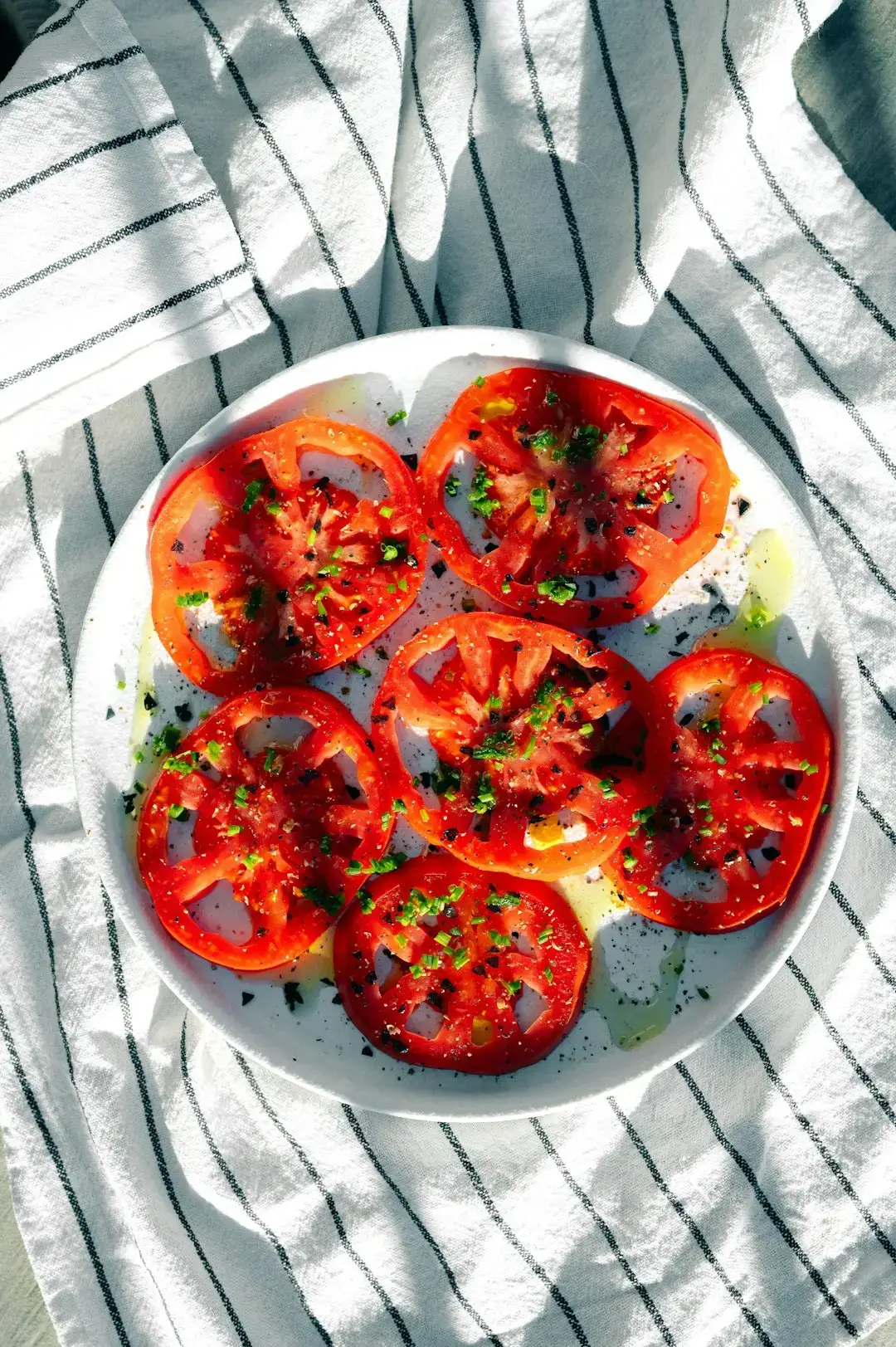
Here is a pairing that grandmothers across Italy and Greece have been doing for centuries without a single research paper to back them up. Turns out, they were absolutely right. Lycopene is the main carotenoid in tomatoes, and the cooking of tomatoes with olive oil is a characteristic combination in the Southern Mediterranean diet.
In a controlled study, healthy subjects consumed one meal per day of tomatoes cooked with or without extra virgin olive oil. Researchers found a striking 82% increase in plasma trans-lycopene concentrations in those who consumed tomatoes cooked in olive oil. That is not a small margin. That is a massive nutritional upgrade hiding in your pasta sauce.
Plant compounds like lycopene in tomatoes are "unlocked" by healthy fats, and these compounds have antioxidant properties associated with improved heart health, reduced inflammation, and protection against stress-induced cell damage. The takeaway is refreshingly simple: drizzle extra virgin olive oil over your cooked tomatoes and your body will actually absorb what you are eating.
2. Turmeric and Black Pepper: A Spice Pairing Worth Thousands of Percent
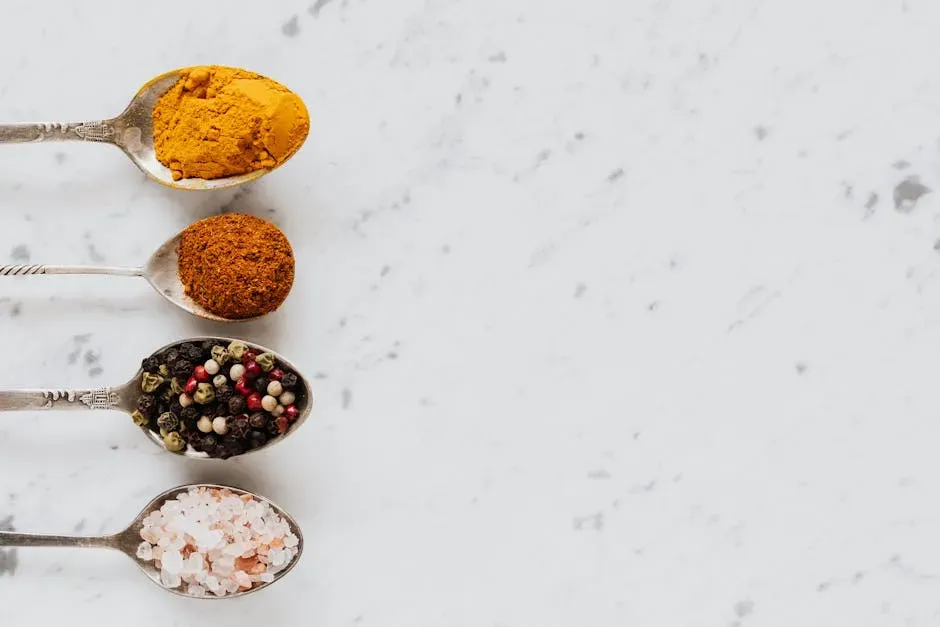
Honestly, this one sounds almost too dramatic to be true. Curcumin, the active compound in turmeric, has poor bioavailability, but when combined with piperine from black pepper, its absorption increases by up to 2000%. That figure is staggering. Two thousand percent. Think about that the next time you season a curry.
Turmeric contains the potent antioxidant curcumin, but it is very poorly absorbed in the gut. Blending it with piperine, a compound in black pepper, dramatically enhances its absorption, boosting turmeric's anti-inflammatory effects.
The anti-inflammatory effect of curcumin also makes it a natural painkiller, with research published by the National Library of Medicine suggesting it can help with everything from arthritis to anxiety and post-exercise aches and pains. So yes, a pinch of black pepper in your golden latte is doing a lot more work than you might imagine.
3. Spinach and Citrus: The Iron Absorption Game-Changer
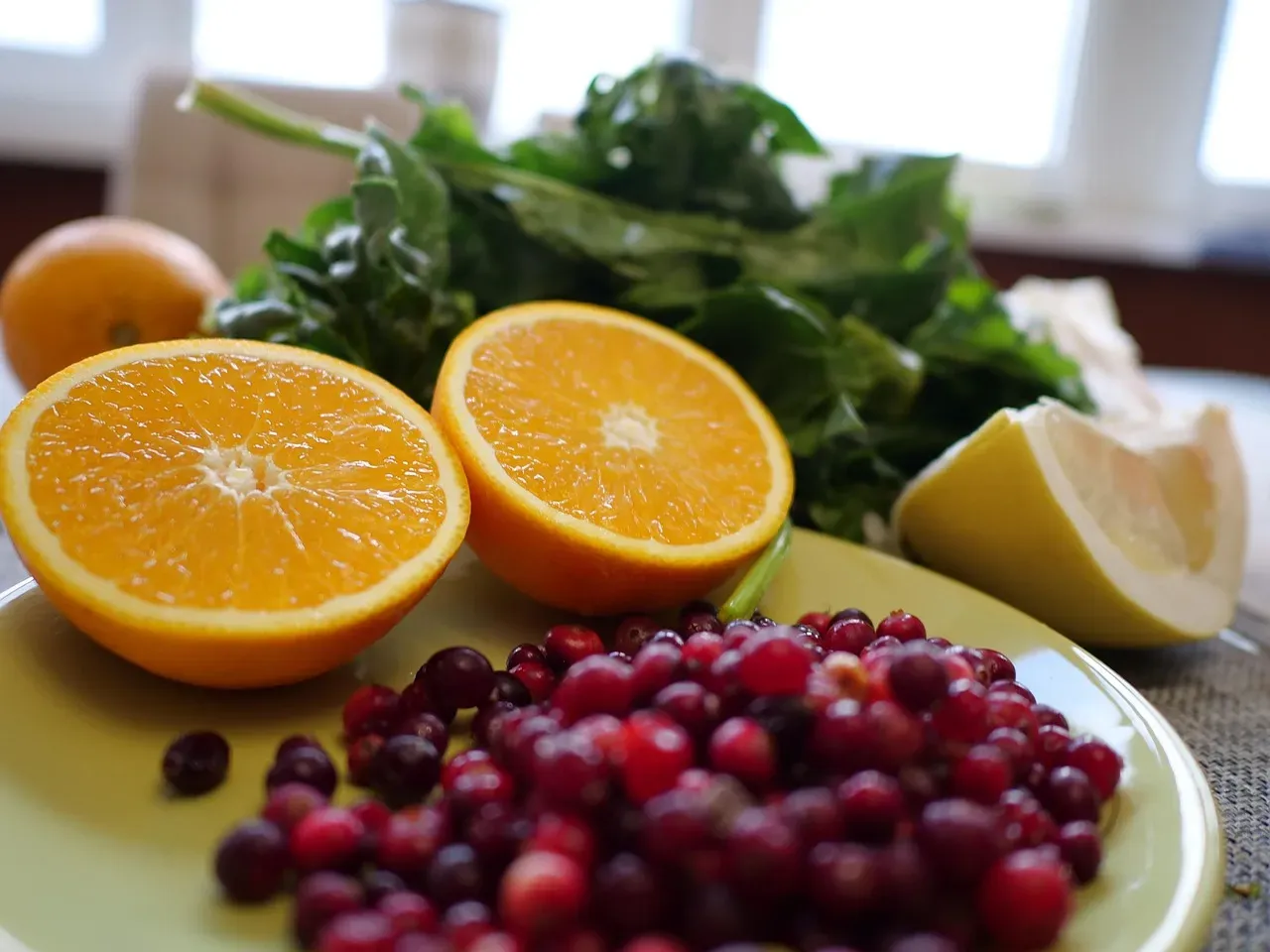
Plant-based iron, technically called non-heme iron, is notoriously stubborn. Your body cannot absorb it as efficiently as the iron found in meat. To best absorb non-heme iron, you need to give it a little boost by pairing it with a source of vitamin C, which helps break the iron down into a form that the body can more easily absorb.
According to research published in the American Journal of Clinical Nutrition, it is not enough to eat a daily diet that contains both nutrients. Absorption of the iron will be much greater if the nutrients are paired in a single meal. That is a critical detail. Timing genuinely matters here.
A blend of spinach and mandarin oranges provides the vitamin C needed to properly absorb iron, which is plentiful in spinach, and mixing any combination of citrus fruit with spinach will achieve the same effect. Another enticing iron-vitamin C pairing can be found in hummus and bell peppers. It is one of the simplest nutritional upgrades imaginable, and most people have never heard of it.
4. Eggs and Leafy Greens: A Carotenoid Multiplier Nobody Talks About
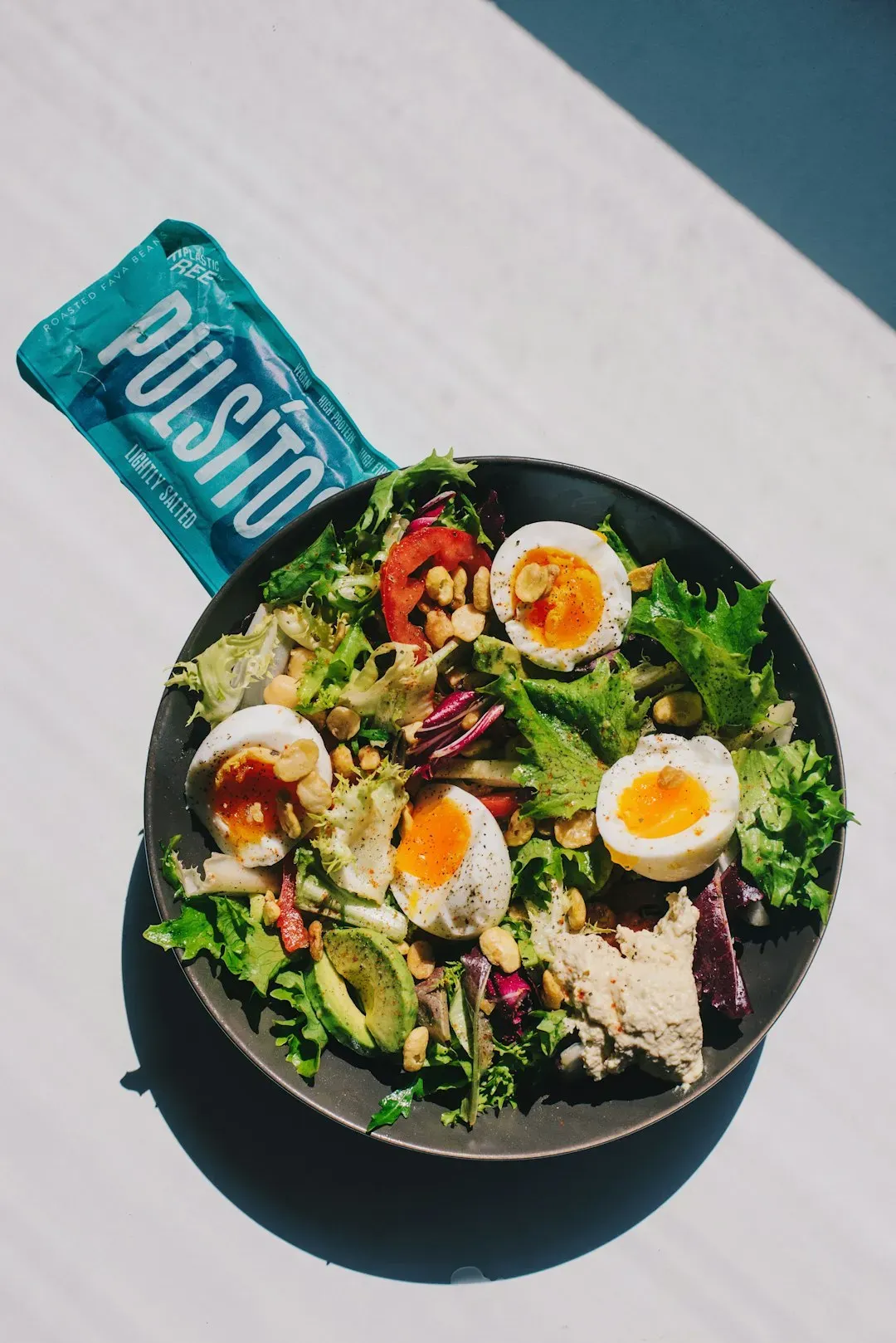
Egg yolks have a surprisingly under-the-radar superpower when it comes to vegetables. Eating hard-boiled eggs with raw vegetables, like in a salad that includes tomatoes, carrots, and leafy greens, was shown to increase the absorption of carotenoids by 3 to 9 fold. That is a jaw-dropping range. A single addition to your salad could multiply what your body actually receives from the other ingredients.
Egg yolk is a highly bioavailable source of lutein and zeaxanthin, two nutrients linked to eye health and brain protection. When you add egg to a plate of greens, you are not just adding protein, you are actively making the entire salad more nutritious.
Research shows that adding fats to salads can increase the absorption of vitamins A, E and K, as well as lutein, lycopene, alpha- and beta-carotene in the vegetables. The egg yolk fat essentially acts as a delivery vehicle. Think of it like the body needing a fat-soluble key to unlock the nutrients that were sitting right there on your plate all along.
5. Beans and Rice: A Classic That Actually Creates a Complete Protein
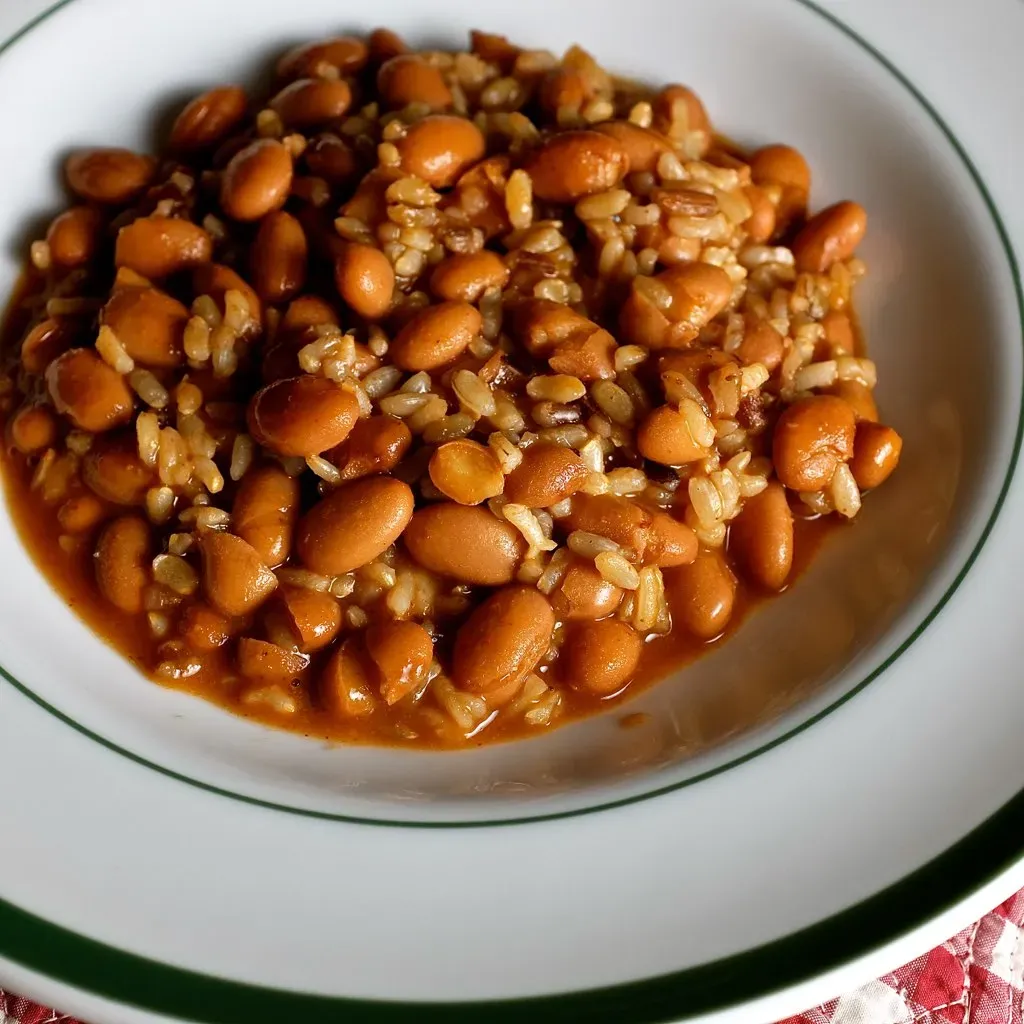
Let's be real, this pairing sounds anything but surprising. Beans and rice is one of the oldest meal combinations on the planet. What is surprising, though, is exactly why it works so well at a nutritional level. The fiber-filled combination creates a complete protein source containing all nine amino acids we need to maintain muscle and move nutrients through our bodies. The protein and fiber in beans also slow the digestion of the carbohydrates in rice, keeping us fuller longer.
Beans and chickpeas are packed with protein and fiber, which makes them perfect for pairing alongside starchier foods like rice. Adding beans makes it easier for your body to regulate carbohydrates and helps prevent blood-sugar spikes and energy crashes.
By combining several plant-based sources of protein, a full protein profile that includes all necessary amino acids can be produced. Combining legumes with grains or seeds can result in a more well-balanced amino acid profile, guaranteeing adequate intake of protein. For vegetarians especially, this pairing is less of a choice and more of a nutritional strategy.
6. Carrots and Hummus: Vitamin A Absorption Goes Through the Roof
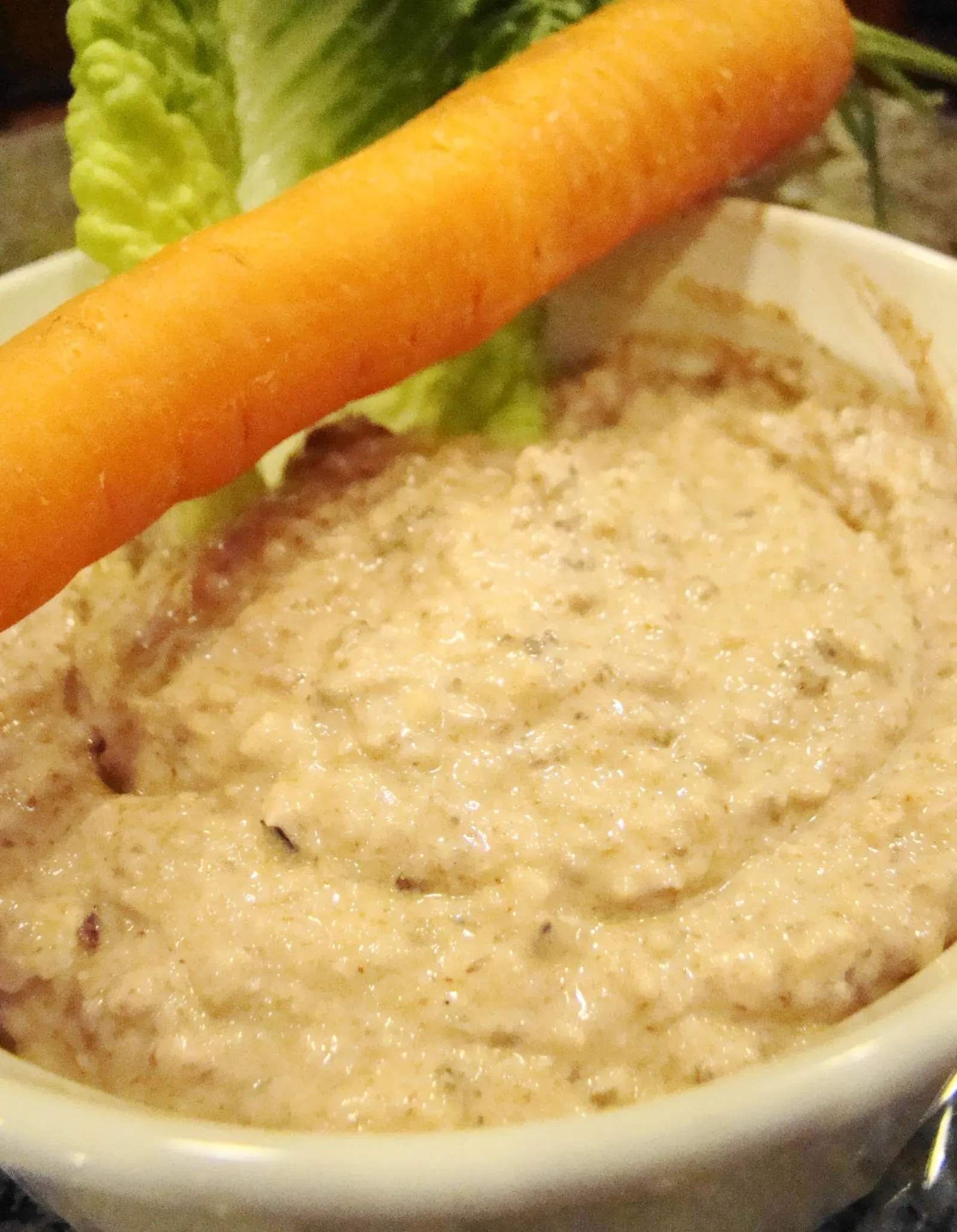
Carrots are famous for their beta-carotene content, the precursor to vitamin A. What most people do not know is that beta-carotene is fat-soluble, meaning your body struggles to absorb it without a fat source present. Vitamin A is a fat-soluble vitamin that is more readily absorbed when eaten with fat. When you eat raw vegetables, your body absorbs only about five to ten percent of the vitamin A, but pair your vegetables with oil and you can absorb as much as 50 percent of the vitamin A.
Carrots are high in beta-carotene, and the fats in hummus help your body convert it to vitamin A more effectively. The tahini and olive oil in traditional hummus make it, perhaps inadvertently, the perfect dipping companion for an orange vegetable.
Vitamin A keeps skin, eyes and the immune system in tip-top shape. It is hard to say for sure how many people are walking around absorbing almost none of the vitamin A from their raw carrot sticks, but given how common fat-free dips were for a generation, the number is probably higher than we would like to think.
7. Apples and Peanut Butter: The Blood Sugar-Balancing Snack

This combination looks almost embarrassingly simple. Yet the nutritional logic behind it is genuinely elegant. Apples and peanut butter are both very nutritious individually, and when paired, they provide a healthy balance of protein, fat, and fiber. That trio is essentially the holy grail of satiety and blood sugar management in one small snack.
Apples contain polyphenols that aid in slowing down blood sugar absorption, while your body breaks down protein and fat more slowly when you eat peanut butter, controlling sugar levels in both cases. Eating the two together balances blood glucose levels more effectively than either food alone.
Apples are a rich source of flavonoids, which are chemical compounds known to have strong anti-inflammatory potential. Multiple studies have shown that flavonoids found in fruits like apples may help reduce markers of inflammation, potentially impeding the development of inflammatory diseases. It is one of those rare snacks that genuinely earns its reputation.
8. Salmon and Broccoli: A Bone-Health Duo That Works at Two Levels
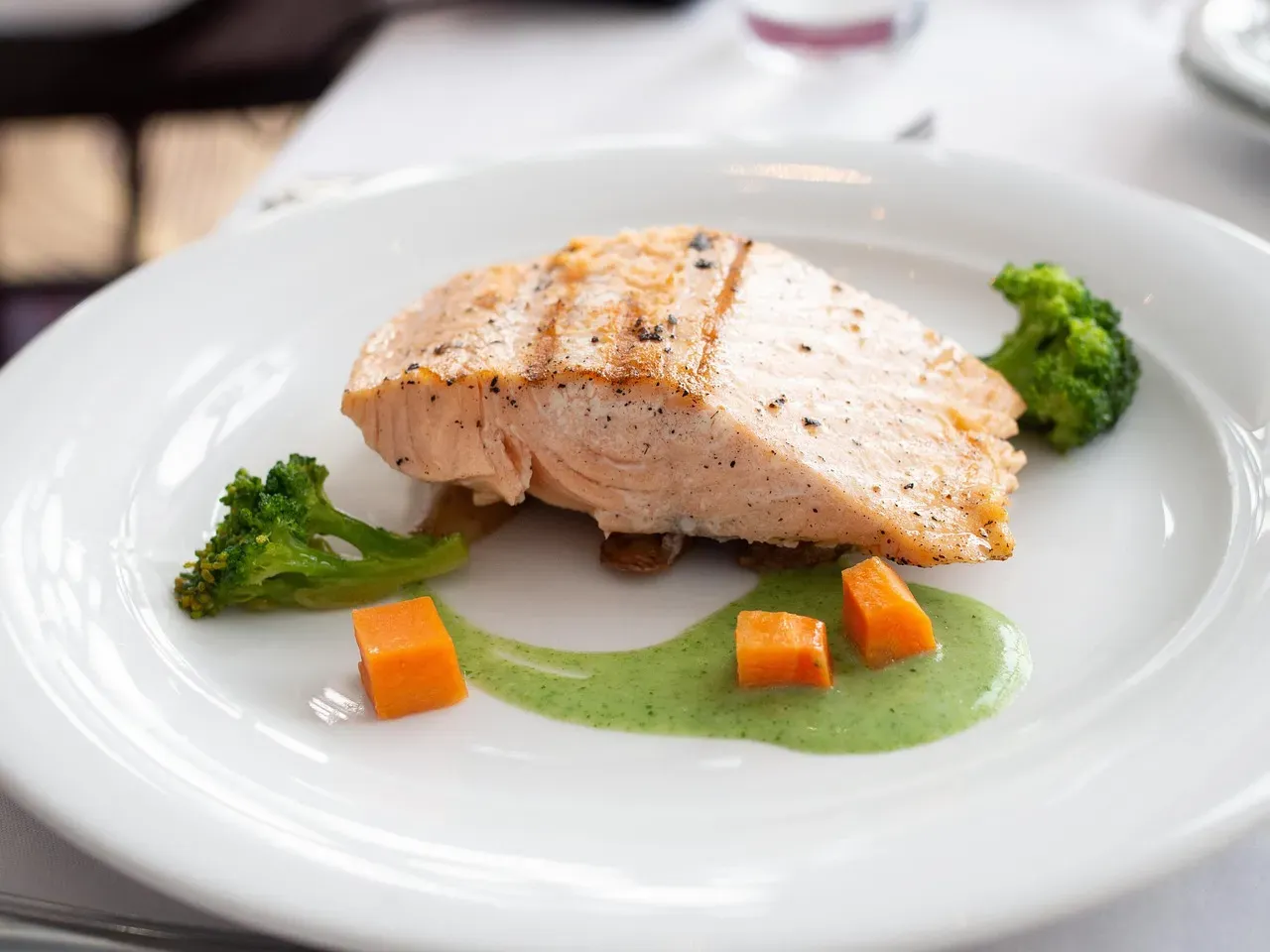
The omega-3 fats in salmon help us access the vitamins in broccoli, and there is also vitamin D in the salmon. It is a nutrient that many people are deficient in and should be getting more of. Those two sentences alone tell you why this pairing punches well above its weight nutritionally.
Nutritionists consider the combination of salmon, broccoli, and wild rice particularly compelling, since the salmon and broccoli's calcium and wild rice's vitamin K are especially beneficial for bone health. Three foods, one very targeted biological outcome. That is food synergy working exactly as intended.
Vitamins K and E, and carotenoids are beneficial for cardiovascular health and are better absorbed when they are paired with a healthy fat source. You will find these nutrients in green leafy and dark green vegetables, orange, red, and yellow fruits and vegetables. Salmon delivers the fat, broccoli delivers the vitamins. It is one of those rare pairings where the whole is genuinely more than the sum of its parts.
9. Dark Chocolate and Berries: The Antioxidant Power Couple
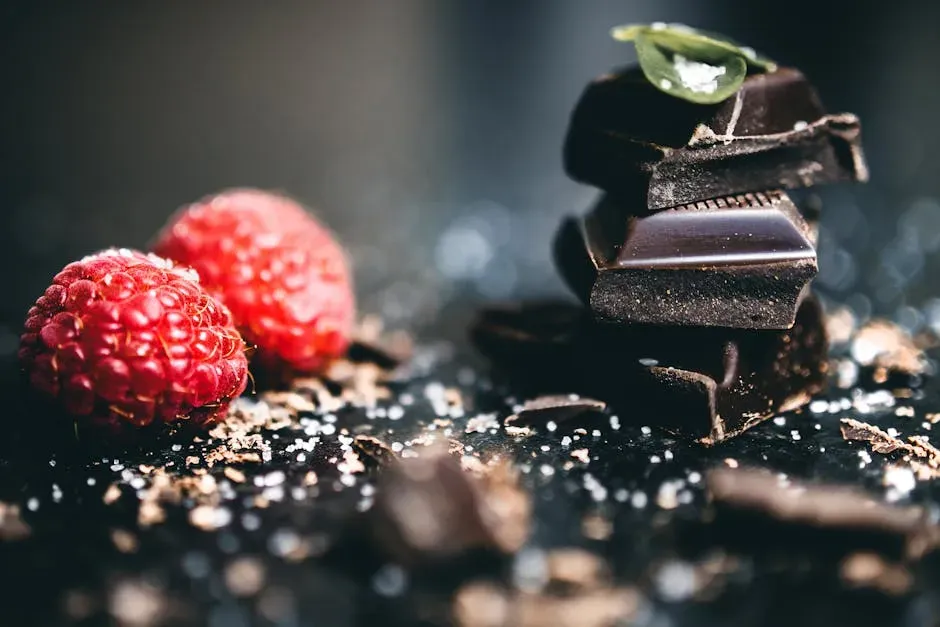
Few food combinations feel as indulgent as dark chocolate and berries. The good news is that the science actually supports the enjoyment here. Flavonoids in dark chocolate pair with antioxidants in berries to enhance heart and brain health, while also satisfying sweet cravings. This is not a cheat. It is, by almost any definition, a health food pairing.
When eaten with tart cherries or raspberries, walnuts showed greater anti-inflammatory effects than when these foods are eaten separately. The same principle applies to dark chocolate paired with berries, where polyphenols from both foods interact synergistically in ways that neither achieves alone.
Dark chocolate, when eaten in moderation and not loaded with sugar, is a great source of antioxidants and helps lower the risk of heart disease. It can also help improve brain function and lower blood pressure. Pair it with a handful of blueberries or raspberries and you have, without any exaggeration, one of the more scientifically credible desserts you could possibly choose.
What All These Pairings Have in Common

Certain food pairings work synergistically, enabling the body to absorb nutrients more efficiently than if either food were eaten alone. Other food combinations keep people full longer. The overarching lesson from all nine pairings is that nutrition is not just a list of individual foods to eat. It is a system of relationships.
The concept of food synergy is based on the proposition that the interrelations between constituents in foods are significant. This significance is dependent on the balance between constituents within the food, how well the constituents survive digestion, and the extent to which they appear biologically active at the cellular level.
Other ways to improve the bioavailability of foods include steaming foods, pairing healthy spices like turmeric and black pepper, chopping or crushing vegetables, and combining plants high in vitamin C with iron-rich foods. Small decisions at every meal can compound into genuinely meaningful health differences over time. Which of these pairings surprised you most? Drop a comment and let us know.




Leave a Reply