
There's something unmistakable about walking into the kitchen of someone who actually cooks. Not the reheats-something-in-a-bag kind of cooking. Real, roll-up-your-sleeves, fills-the-whole-house-with-smell cooking. You know it the moment you walk in.
A remarkable nine out of ten Americans expect to cook as much or even more over the next 12 months, and yet there's a shrinking group of home cooks who've never abandoned the old ways. They still make things from scratch. They still use equipment their grandmothers would recognize. Honestly, their kitchens look like a different era walked in and never left. Here's what you'll always find in them.
1. A Well-Seasoned Cast Iron Skillet
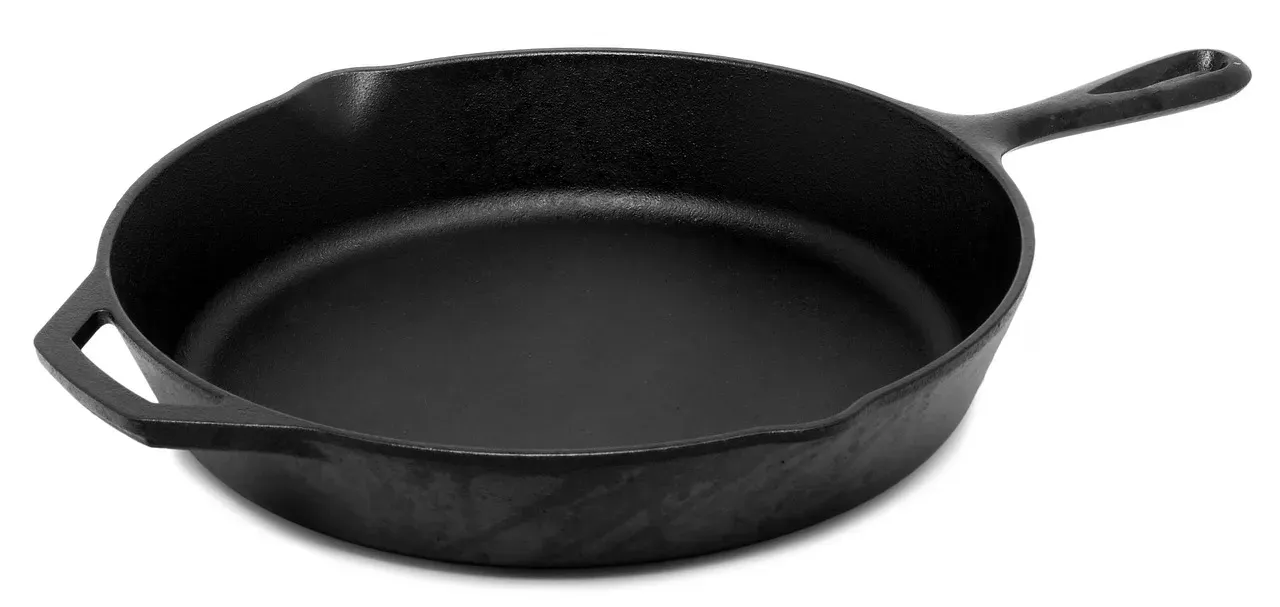
Walk into any kitchen where old-school American cooking happens, and you will spot it immediately: a heavy, dark, beautifully seasoned cast iron skillet sitting on the stove or hanging from a rack like a badge of honor. Cast iron skillets are closely associated with traditional American cooking, especially that of the American South, where the pans are used to fry chicken and bake cornbread. These pans aren't just tools. They're heirlooms.
A well-made and well-seasoned cast iron pan will easily last for several generations, actually improving with use as the nonstick coating known as "seasoning" builds up over time. The market data backs this up hard. The global cast iron cookware market reached over five billion dollars in 2023 and is projected to grow at nearly nine percent annually through 2030, with skillets representing more than forty percent of all cast iron cookware sales. That's not a niche item. That's a cultural cornerstone.
2. A Heavy Dutch Oven
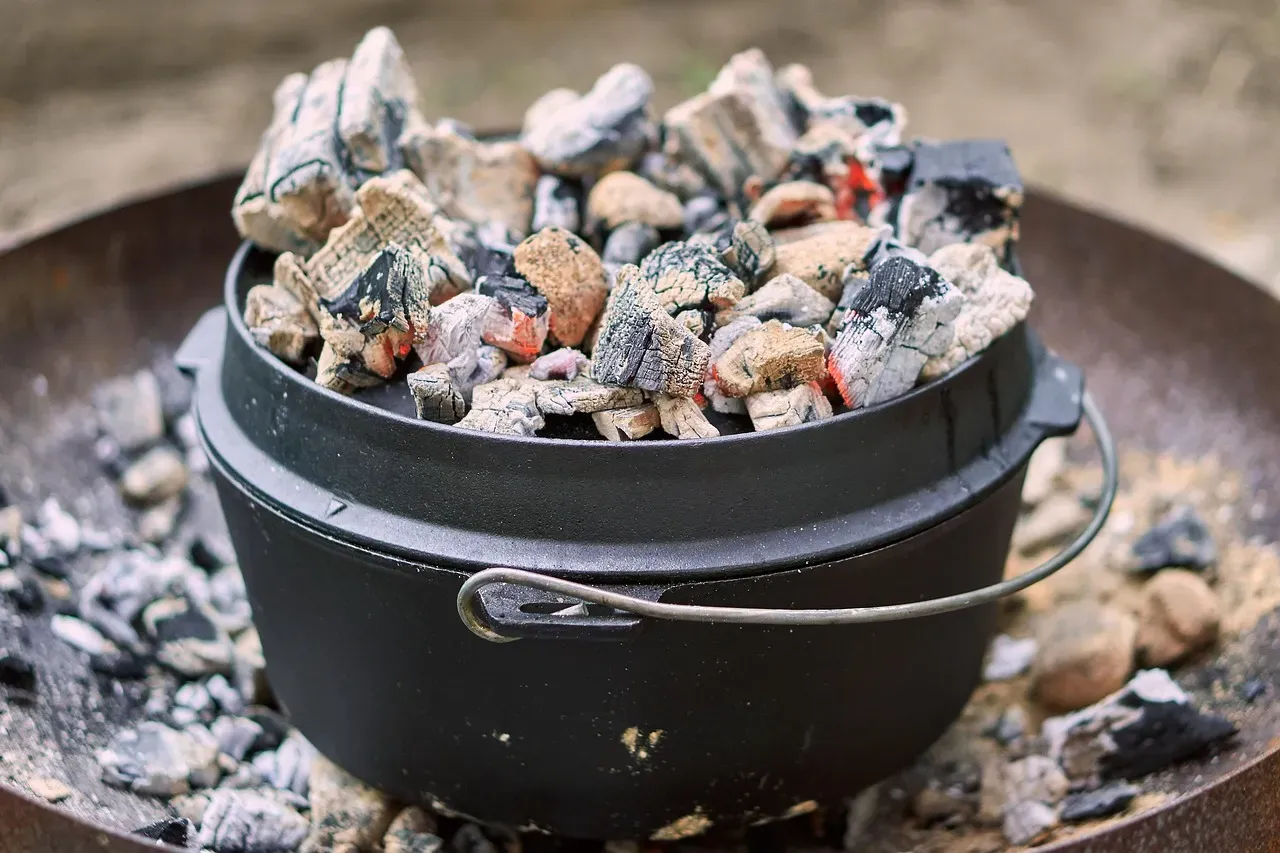
Right next to the cast iron skillet, or maybe tucked prominently in a cabinet where it's easy to grab, you'll find the Dutch oven. Think of it as the quiet workhorse of the traditional American kitchen. Soups, stews, braised meats, slow-cooked chili on a Sunday afternoon. It does all of it. Skillets and Dutch ovens dominate the cast iron cookware market due to their versatility in cooking a variety of dishes, from searing meats to slow-cooking stews.
Anyone with a Dutch oven and a little patience can whip up a fine-bakery quality, European-style bread with a burnished crust and satisfying crumb, a technique that became practically legendary in American home baking. Old-school cooks figured this out generations ago. Many home cooks own a Dutch oven, but these prized pots often get relegated to the back of the cabinet, pulled out only for stews. The real move is putting your Dutch oven to work every day in many different ways. The traditionalists already know this.
3. A Wooden Spoon (or Five)
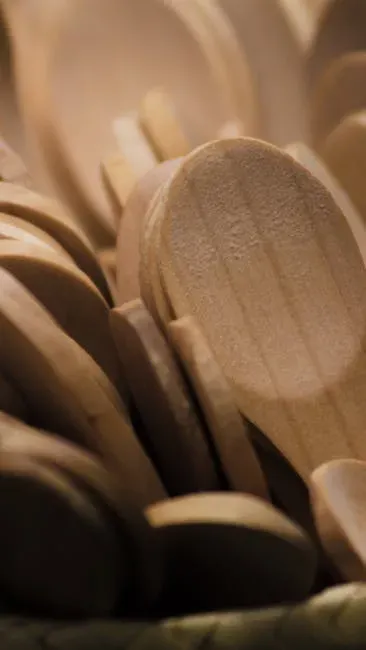
Here's the thing about wooden spoons. Nobody sets out to collect them. They just accumulate over decades of real cooking. There's the stubby one that came from grandma. The long thin one for deep pots. The one that's slightly scorched at the tip but still works perfectly. Old-school American cooks would never dream of replacing them with silicone.
Wooden spoons have been part of American cooking traditions going back centuries. American cooking dates back to the traditions of Native Americans, and the Colonial period created a mix of new world and old world cookery, bringing new crops and livestock. The tools of simple cooking, including the humble wooden spoon, survived all of it. They don't scratch pans, they don't melt, and they carry a kind of tactile memory that silicone simply cannot replicate. I think there's something almost philosophical about that.
4. A Handwritten or Well-Worn Cookbook
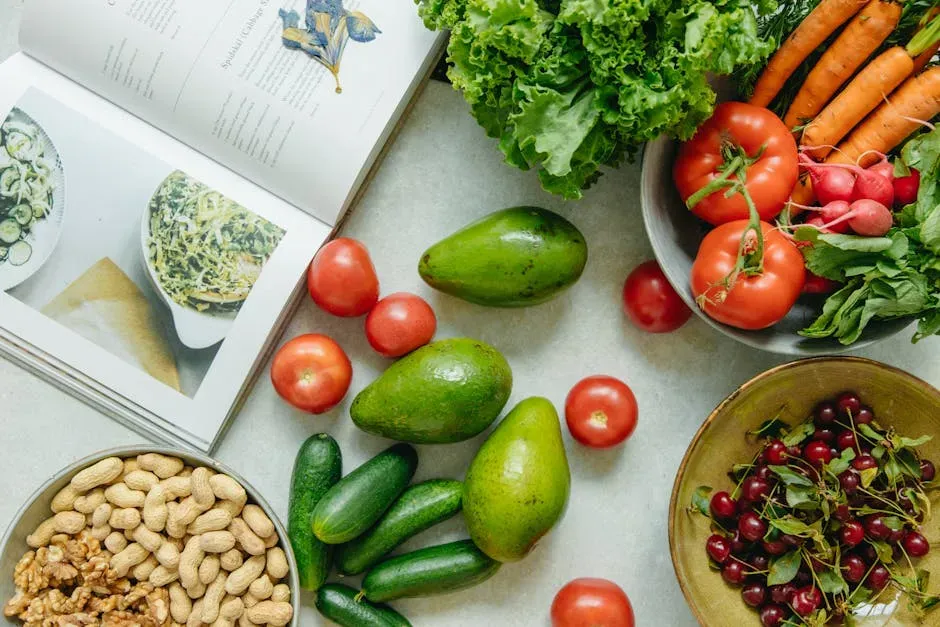
Not a tablet propped up with a recipe app. Not a printed-out blog post. An actual physical cookbook, likely with splattered pages, dog-eared corners, and margin notes in ink that's faded to a soft blue. Maybe it's a community cookbook from a church fundraiser in the 1970s. Maybe it's a hand-copied card from a relative. Either way, it's irreplaceable.
Food historians note that heirloom cookbooks and culinary documents reveal how traditions, geography, and culture shaped cooking trends and food development across generations. Chefs, recipe writers, historians, and food luminaries agree that the most influential American recipes of the past hundred years represent clear shifts in how significant numbers of Americans cooked at home. The worn cookbook in an old-school kitchen is a living record of all of that, just written in sauce stains and penciled corrections instead of academic text.
5. A Full Spice Rack with the Classics
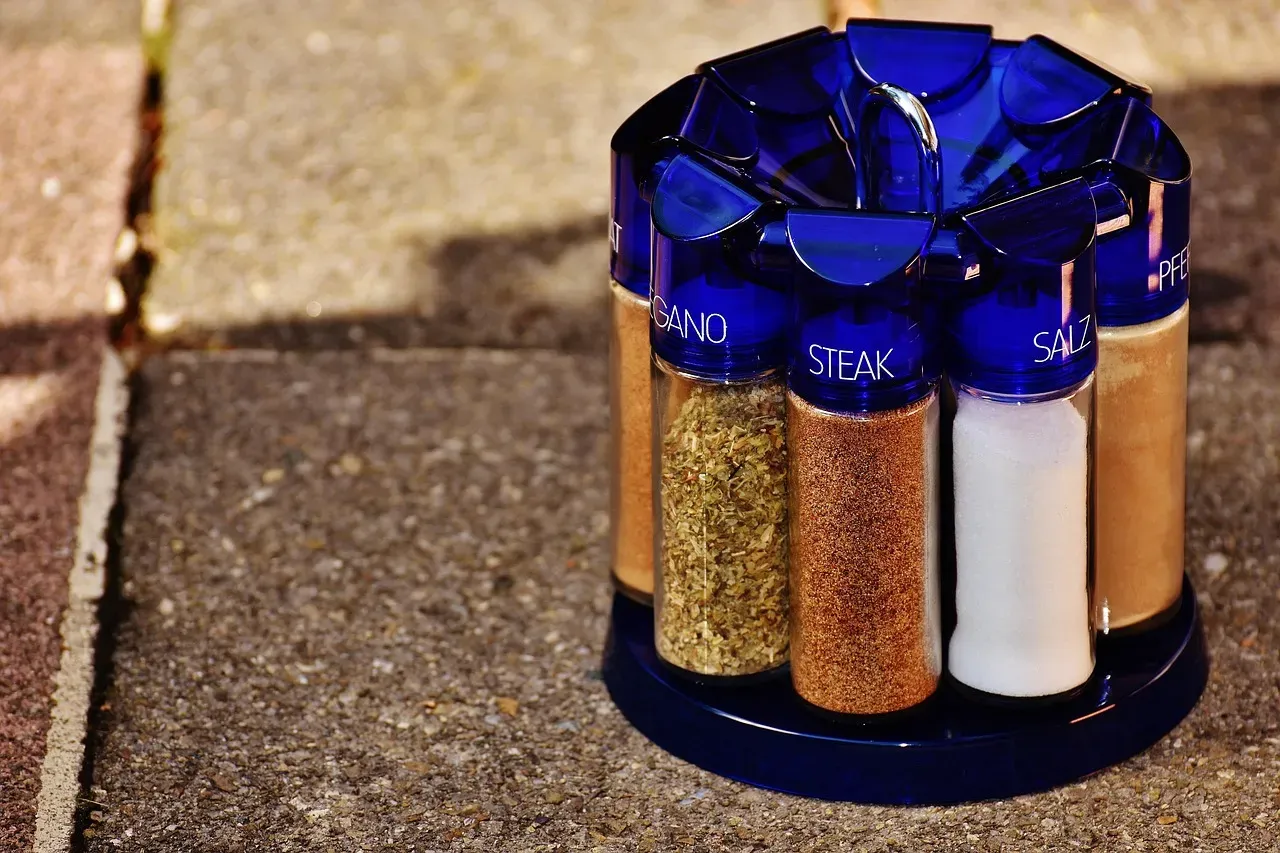
You won't find seventeen artisanal spice blends from an online subscription box here. What you'll find is a well-stocked rack of the classics. Paprika. Garlic powder. Onion powder. Cayenne. Cumin. Dried oregano. Celery salt. The bottles might be a little old. Some might be refilled from bulk bags. That's the point.
Complex spicy flavors are dominating home kitchens in 2025, with consumers seeking layered, nuanced heat rather than simple burn. Old-school American cooks understood this long before it became a trend. A good spice rack is the difference between food that tastes like something and food that just fills a plate. Shoppers are increasingly seeking out hot peppers and fermented flavors, a trend reflected in the rising popularity of briny foods such as olives, pickles, sauerkraut, and kimchi. Even the traditionalists are still building on their spice knowledge, just in their own quiet way.
6. A Stand Mixer or Hand Mixer That's Decades Old
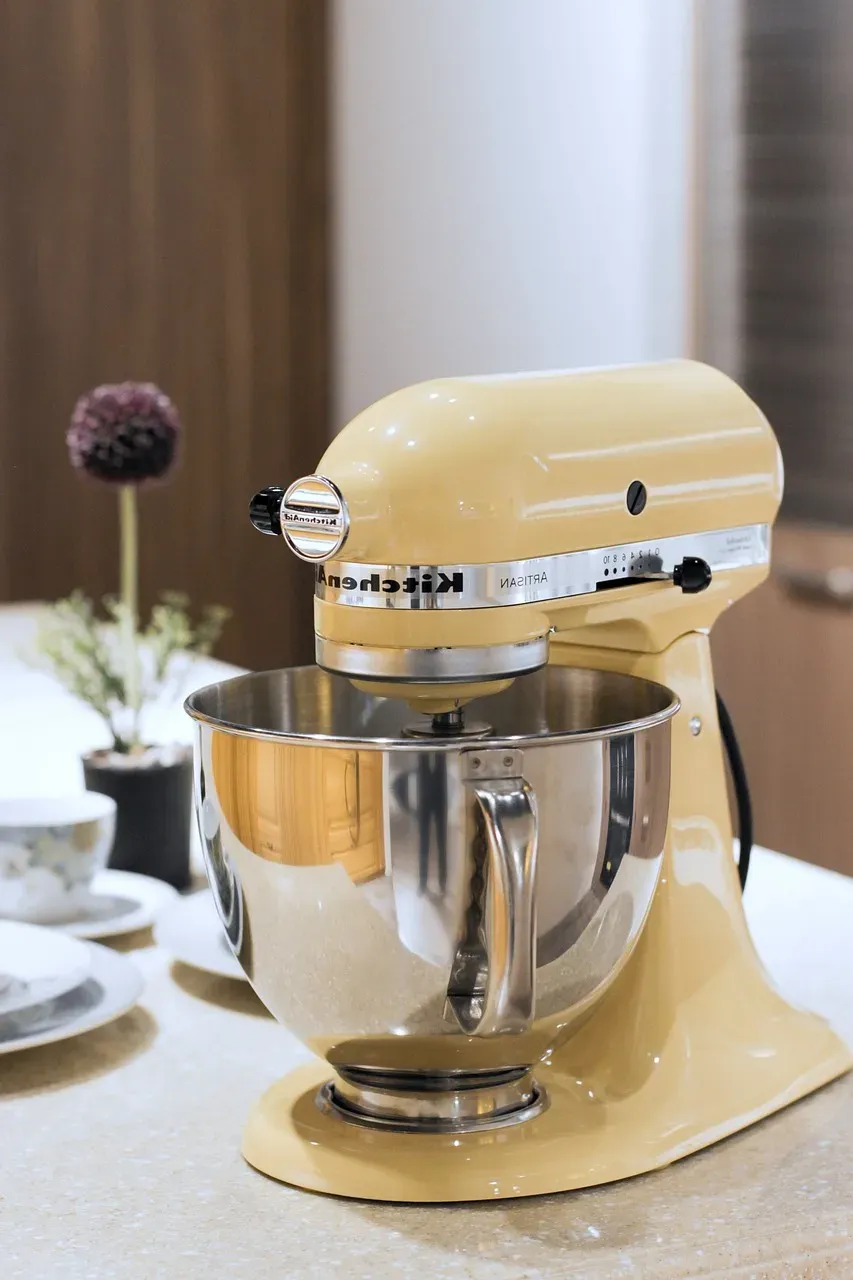
The most devoted old-school American home cooks often have a KitchenAid stand mixer that is older than some of their grandchildren. These machines are practically indestructible when cared for properly. You can spot them by the slightly faded color, a shade of avocado green or harvest gold that no longer exists in any catalog.
Baking from scratch is almost non-negotiable in these kitchens. Cakes, biscuits, bread, pie crusts all get made the long way. Cast iron skillets are gaining popularity among home bakers to bake brownies and apple crisp, largely because they give amateur bakers more control over the baking process from start to finish. The stand mixer stands right alongside that skillet, both of them doing the heavy lifting of real cooking. Griddles and bakeware are also gaining traction as baking at home rises in popularity, a number that has only grown in recent years.
7. A Well-Stocked Pantry with Scratch-Cooking Staples
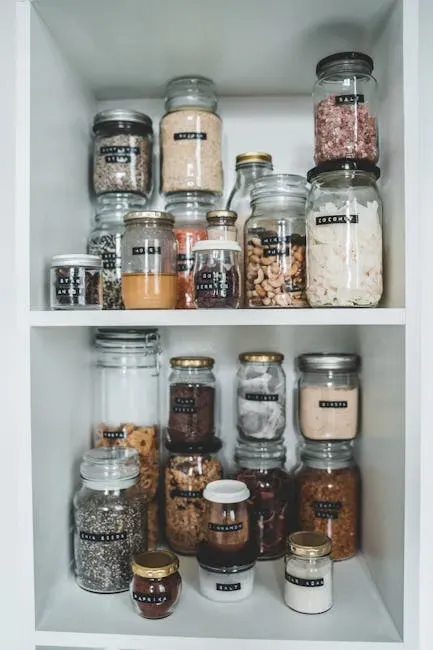
Old-school American cooks don't run to the store for every meal. They keep their pantry loaded. Flour in a big canister. A tin of shortening or lard. Dried beans, multiple varieties. Cornmeal. Canned tomatoes by the case. Chicken broth, often homemade and frozen in old yogurt containers. It's a pantry that means you can cook a real dinner even when life throws a curveball.
Home food preparation can be an affordable method for improving diet quality and reducing intake of ultraprocessed foods, two important drivers of diet-related chronic diseases. Nearly four out of five U.S. consumers report eating at home more frequently to save money amid rising food costs. The old-school pantry was built on exactly this logic, long before inflation made it trendy. It is practical wisdom passed down without much fanfare.
8. A Roasting Pan That's Been Used Hard
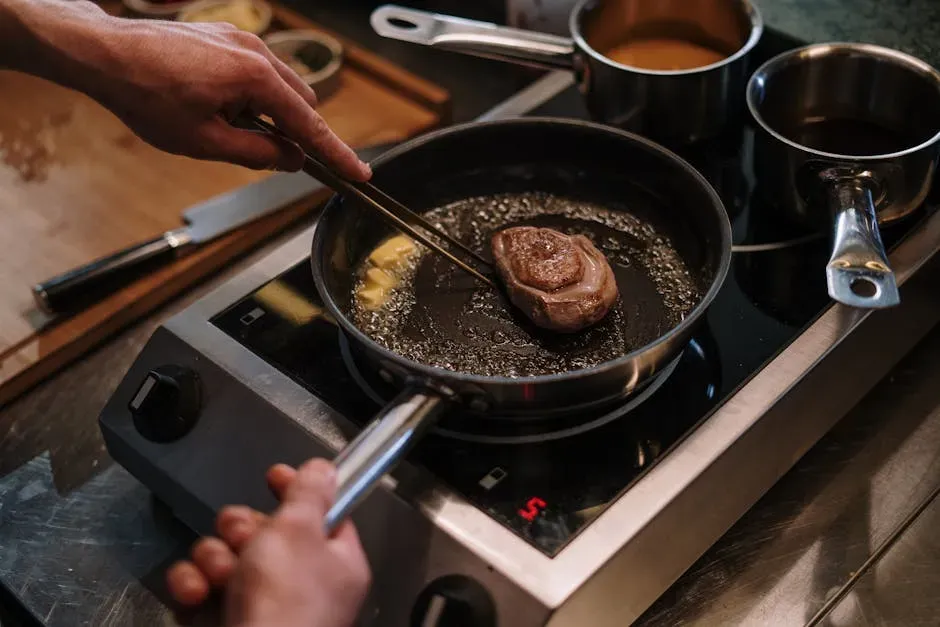
Not a shiny new one. A roasting pan that has seen a hundred Thanksgivings and a thousand Sunday pot roasts. One with darkened edges and slightly warped handles from years of high-heat oven work. This is the pan that goes into the oven with a whole chicken, a beef roast, or a pork loin surrounded by root vegetables. It is possibly the most nostalgic object in the whole kitchen.
Traditional American cooking is deeply tied to the roasting tradition. During the early 19th century, cooking was based mostly on what the agrarian population could grow, hunt, or raise on their land, and roasting was the most straightforward way to transform those raw ingredients into something magnificent. Many consumers are looking for familiar flavors and want to feel that serotonin boost that comes from recognizing a beloved, comforting meal. A roasted bird straight from that old, worn pan delivers exactly that feeling every single time.
9. A Colander That Lives on the Counter

This one sounds almost too simple. A colander. Yet in the kitchens of people who genuinely cook from scratch, the colander barely gets put away. It's draining pasta, rinsing beans, washing fresh produce, straining stock. It works constantly. In the kitchens of serious old-school cooks, it often lives right on the counter next to the sink, because putting it away would just mean getting it back out immediately.
Cooking is more than a daily task. It is a spark for connection, and in 2025 and 2026, Americans are gathering in the kitchen to chop, dice, laugh, share stories, and savor the food that brings people together. That constant activity is why every tool needs to be within arm's reach. Women spend an average of nearly an hour per day preparing food, while men spend an average of more than forty minutes each day, numbers that make the logic of a permanently accessible colander completely obvious.
10. A Collection of Mismatched Storage Containers and Mason Jars

Honestly, this might be the most telling sign of all. Open any cabinet in an old-school American cook's kitchen and you'll find a glorious chaos of repurposed containers. Old butter tubs holding leftover beans. Mason jars filled with homemade stock, pickles, or rendered fat. Plastic containers from store-bought sour cream now holding tomorrow's soup. Nothing gets thrown away if it can hold food.
In 2025, American home cooks leaned into shortcuts, hacks, and nostalgic comfort food, but the real old-school cooks have always lived by a kind of quiet resourcefulness that never needed a trend to validate it. As people become more focused on health, sustainability, and cost-effective meal solutions, homemade food has surged in popularity, with the hashtag #homemade seeing hundreds of thousands of new posts, with more people sharing their home-cooked meals and seeking comfort in the kitchen. The mason jar crowd was ahead of that curve by about fifty years.




Leave a Reply