
There's something almost magical about eating food made by a grandmother. You can try to replicate the recipe exactly, down to the last teaspoon of spice, and yet it never quite tastes the same. That strange, emotional warmth you feel with the very first bite is not just imagination. It's science, tradition, and a collection of quiet little secrets that grandmothers have been using for generations.
When the wooden recipe box opens to a favorite recipe, the kitchen fills with familiar smells and nostalgic feelings, and families keep those traditions alive through recipes handed down to each new generation. What exactly was she putting in there that made it so unforgettable? Let's find out.
1. The Umami Wisdom She Never Named
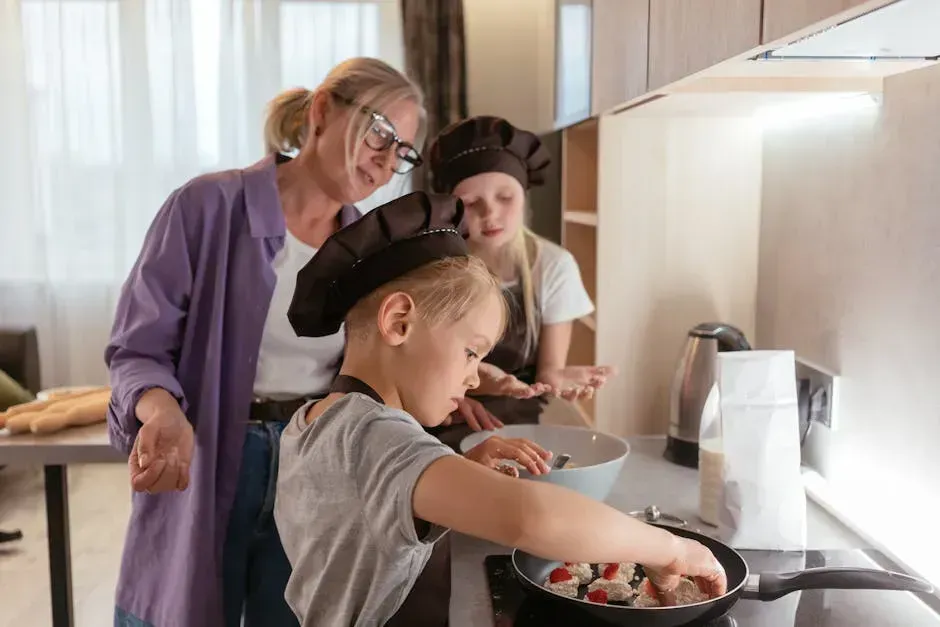
Long before modern food science gave it a name, grandmothers were cooking with umami. They didn't call it that, obviously. They just knew that a splash of something here or a pinch of something there made the whole dish sing louder and taste deeper.
Discovered in 1908 by Japanese scientist Dr. Kikunae Ikeda, umami is often called the "fifth taste," alongside sweet, sour, salty, and bitter. Foods that have a strong umami flavor include meats, shellfish, fish, tomatoes, mushrooms, aged cheeses, and soy sauce. Grandmothers dropped these into stews, sauces, and soups without a second thought.
Research has shown that when glutamate and inosinate are combined in the right ratio, the umami flavor can be seven to eight times as strong as either would produce by itself, leading to the saying that with umami, one plus one equals eight. That synergy is precisely what made her Sunday broth taste like it had been cooking for three days.
Umami has global recognition as the fifth elementary taste, and umami compounds are known to enhance the sensation of recognized flavors such as salty, sweet, and bitter. Honestly, it's a wonder that it took scientists this long to catch up to what grandmothers already knew instinctively.
2. Lard: The Fat Nobody Talks About Anymore
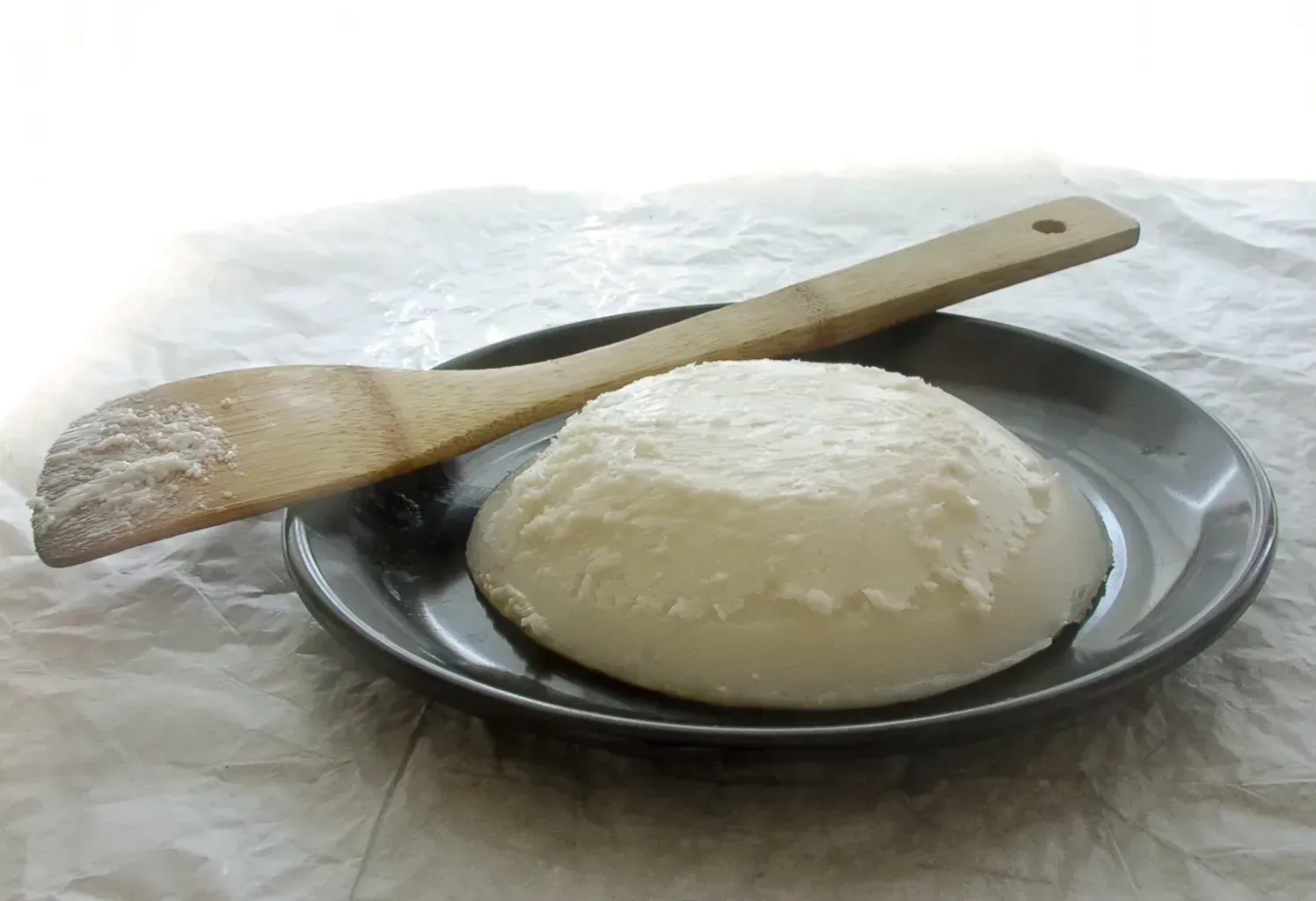
Here's the thing about lard. For decades it got a terrible reputation, shoved aside by margarine and vegetable oils. But those silky, flaky pie crusts and impossibly tender biscuits grandma made? That was the lard doing its work.
The cooking fat lard contains only about half the saturated fat found in butter and is free of trans fats when rendered with care. It is known for its high-fat content, which can make it a good option for creating flaky pie crusts and baked goods with a crumbly texture. That texture difference is real, and once you've eaten a pie crust made with proper lard, regular pastry feels like a consolation prize.
High-quality leaf lard, which comes from the area around a pig's kidneys, is known for its clean taste and won't add a noticeable porky flavor to baked goods or savory dishes, making it a versatile fat that lets other flavors in the recipe shine. Lard has an undeserved bad reputation, largely due to the rise of hydrogenated oils and trans fats in the early 1900s.
For some families, the memory is vivid: grandmother frying apples, the sound of apple slices sizzling in a cast iron pan, with bacon fat as the secret ingredient. That kind of detail lives in your memory forever.
3. The Cast Iron Skillet That Did Half the Cooking
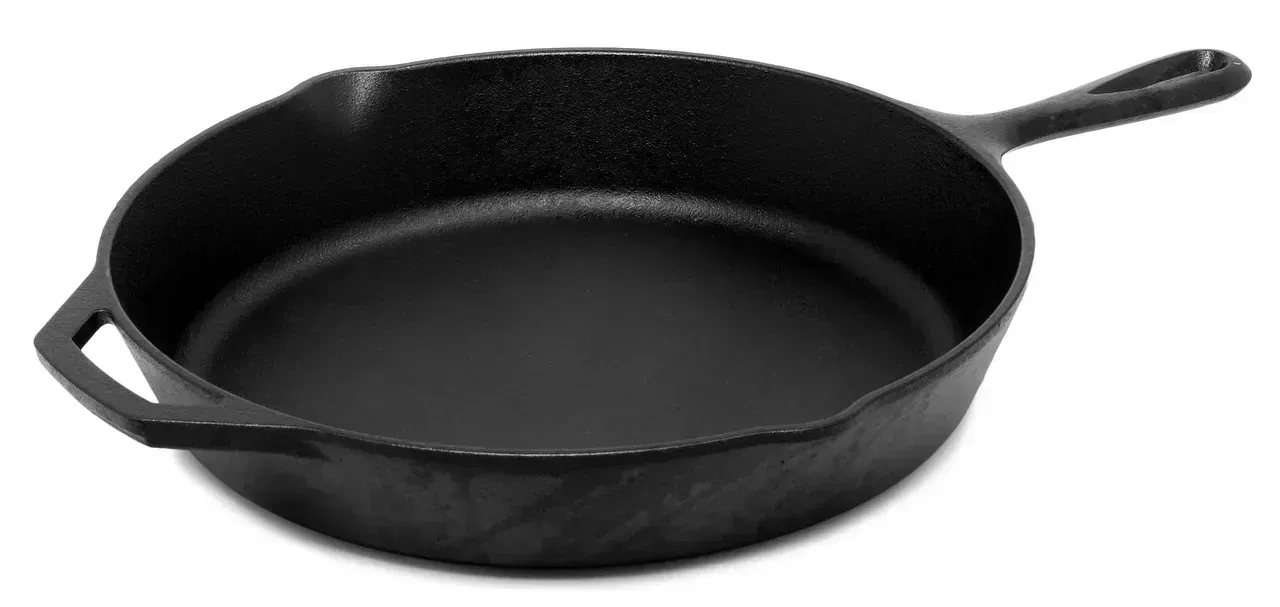
It wasn't just what grandma cooked. It was what she cooked it in. Cast iron skillets were not simply cookware in her kitchen. They were instruments, almost like a seasoned musician's favorite instrument, carrying decades of built-up flavor into every single meal.
Cast iron skillets were prized possessions cherished for their durability and cooking prowess, and grandmothers appreciated their ability to evenly distribute heat, making them perfect for frying or baking, with a naturally non-stick surface when seasoned well.
A cast iron skillet could last generations, creating family heirlooms, and cooking in cast iron can add a small amount of iron to the diet, a bonus many grandmothers valued. That seasoning layer built up over years is genuinely irreplaceable. No nonstick pan from a big-box store comes even close.
4. Real Butter, Used Without Guilt

Grandma didn't measure her butter carefully. She cut off a generous slab and dropped it in. There was no second-guessing, no substituting with a "light spread." Real butter, full fat, end of discussion. It turns out she was right all along.
Fats play a crucial role in baking, tenderizing, adding richness, carrying flavor, and influencing structure, and whether it's the buttery crumb of a pound cake, the flakiness of a pie crust, or the delicate texture of a cookie, fat determines how baked goods feel and taste.
Butter promotes the formation of a flavorsome brown crust because its milk solids contain sugar and protein, and when heated, those sugars and proteins undergo chemical reactions that create deeper flavors and colors through caramelization and the Maillard reaction. That golden crust on grandma's cornbread wasn't an accident. It was chemistry.
The fat in butter can also extend the shelf life of baked goods. A baguette contains absolutely no fat, so it goes stale within a day, while brioche, loaded with butter, stays moist and soft for several days. That's why grandma's cake was still wonderful on day three. Real fat does that.
5. Slow Cooking and the Patience She Always Had
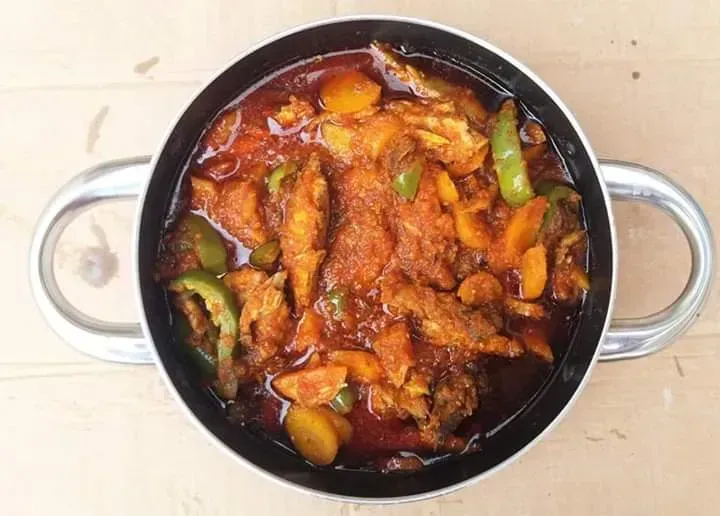
Modern life is all about speed. Air fryers, instant pots, fifteen-minute meals. Grandma had none of that urgency. Her stews simmered for hours. Her roasts went in early in the morning. And that patience was, quietly, one of the most powerful ingredients she ever used.
To build deep umami flavor, you need to break down proteins so that glutamate is freed, and this is done through processes like aging, fermentation, ripening, or slow cooking, with a raw steak having some umami while a slow-cooked or dry-aged version becomes far more decadent.
The amount of umami in an ingredient can be increased using various cooking techniques that increase the amount of free glutamate in it, and the amount can also be increased exponentially by using the right combination of ingredients. Slow cooking does both at once. That's why a grandmother's soup that cooks all day tastes like something you could never replicate in thirty minutes.
6. Vanilla Extract, the Real Thing Only
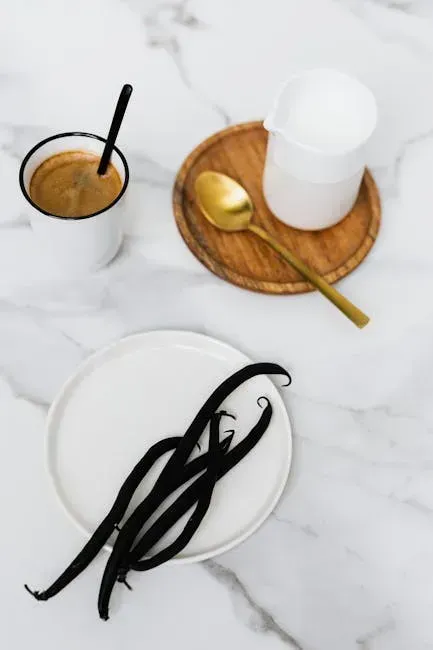
Not vanilla-flavored syrup. Not imitation extract. Real vanilla, dark and thick and aromatic. Called simply "flavoring" by many grandmothers, vanilla extract is made by soaking vanilla beans in an alcohol-water solution to extract the flavor. It sounds almost too simple, but the difference it makes is genuinely stunning.
Vanilla has a remarkable ability to enhance other flavors around it, not just sweeten. It rounds out sugar, deepens chocolate, and gives baked goods that warmth you can't quite explain. Think of it as the quiet musician in the back who makes the whole band sound better without ever stepping into the spotlight.
The insistence on using real vanilla extract rather than imitation versions is one of those tiny choices grandmothers made that added up to an enormous flavor difference. Those special dishes always had "that little something," and most people remember it without being able to explain exactly what it was. Often, it was simply the quality of a single ingredient like this one.
7. Fresh Herbs From the Windowsill Garden
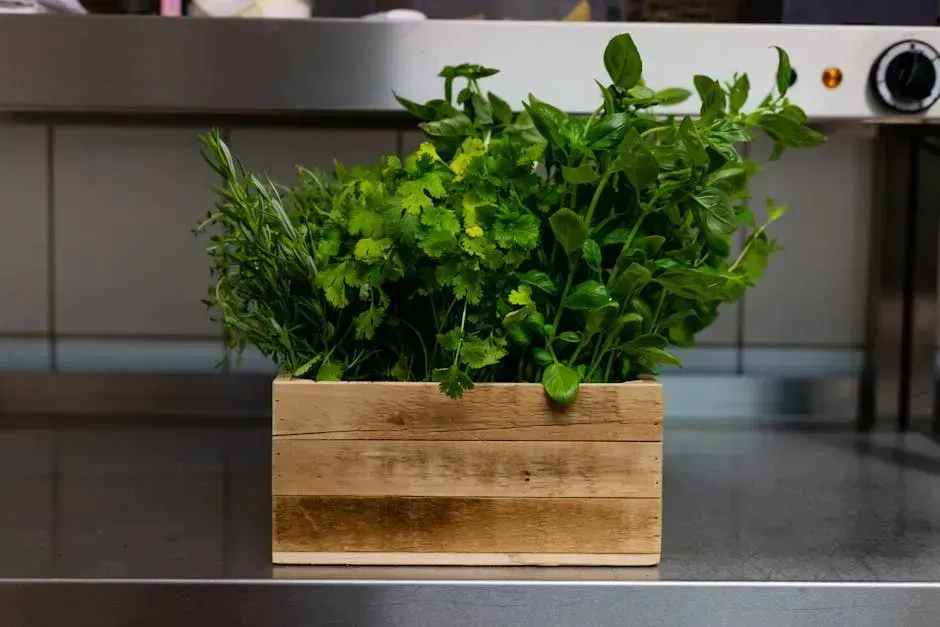
There's a reason grandma's kitchen always smelled incredible the moment you stepped through the door. Many grandmothers kept small windowsill herb gardens, something that seems quaint today but delivered a level of freshness that dried herbs simply cannot match.
Windowsill herb gardens were a common sight in grandmother's kitchens, bringing freshness and flavor to dishes all year round, with grandmothers knowing the joy of plucking a sprig of basil or thyme to elevate their meals, providing herbs for cooking and sometimes even medicinal purposes.
Fresh herbs release volatile aromatic compounds that dried herbs have largely lost. It's a bit like the difference between a live concert and a recording. Both deliver the song, but one has something alive and electric that the other can't replicate. Grandma's rosemary chicken had that. Most modern versions don't.
8. Nutmeg: The Spice Hidden in Plain Sight

Schneider, Albert, 1863-;
Higley, William Kerr, 1860-1908;
Abbott, Gerard Alan, No restrictions)
Nutmeg is one of those spices that almost nobody consciously tastes, but if you leave it out, the dish feels oddly flat and a little sad. Grandmothers across cultures reached for it instinctively. A little grated into a béchamel sauce, a whisper in a rice pudding, a pinch in the eggnog.
This oval-shaped dried spice can be used in both savory and sweet dishes, and many grandmothers preferred whole nutmeg and would grate it directly into the dish, a familiar taste and aroma found in everything from holiday eggnog to jerk chicken.
Freshly grated nutmeg has an intensity that the pre-ground version, sitting in a jar for years, simply cannot deliver. It's warm, slightly earthy, just the faintest edge of sweetness, and it works like a secret binding agent for flavor. It ties the whole dish together without ever announcing itself. Grandma knew that. She always grated it fresh.
9. The Science of Memory: Why Her Food Always Tasted Better
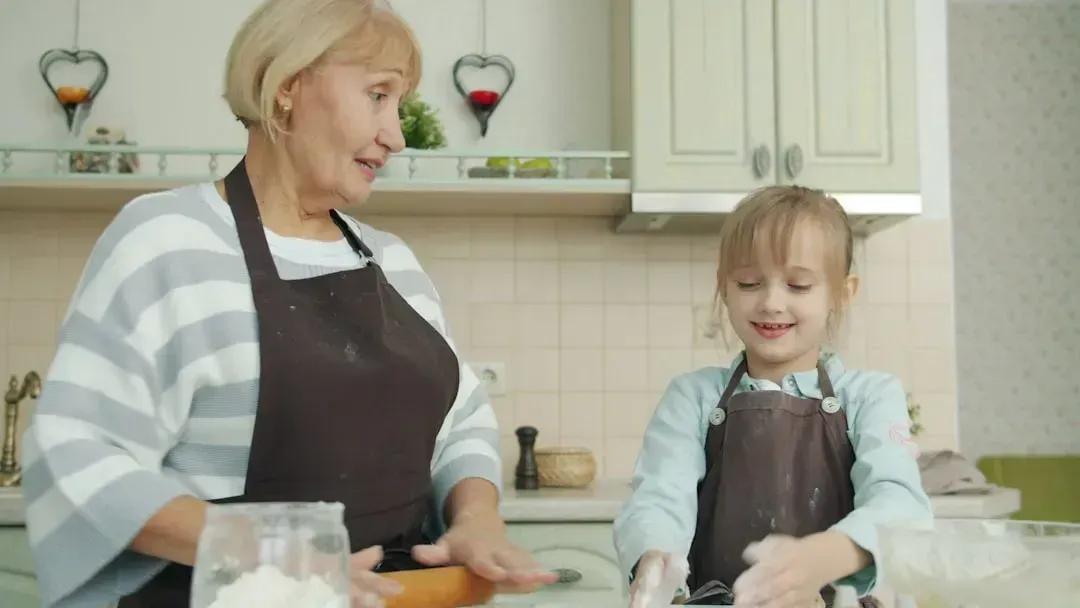
Here's the most surprising secret of all, and it isn't an ingredient you can buy. The reason grandmother's food feels irreplaceable is partly neurological. The food and the emotion are stored together in the brain, and that is a powerful thing.
Neurogastronomy refers to the study of how the brain creates flavor by integrating taste, smell, texture, temperature, and memory. This fusion happens automatically, as the brain doesn't separate taste from experience but stores them together, and as research confirms, nostalgic flavors hit hard because they're tied to the limbic system, the part of the brain that processes both emotion and long-term memory.
Research published in 2025 in the journal Cognition and Emotion found that nostalgia associated with food experiences was linked to more comfort, and in multiple studies, nostalgia for food experiences elevated comfort specifically by strengthening social connectedness. Grandmother's food doesn't just feed the body. It feeds something deeper.
As food educators have noted, we retain food memories so strongly because we use all of our senses in the kitchen, and food is a big part of family celebrations, so people often think about the food that went along with the celebration and recall the positive memories created. That is a secret ingredient no recipe card can ever fully capture.




Leave a Reply