
You saved for decades. You planned the trips. You imagined the meals. So the last thing anyone wants after finally hitting retirement is to blow a good chunk of their dining budget on overpriced pasta served under a giant neon sign across from a famous fountain. Sadly, it happens all the time, and it happens to smart, experienced people.
According to a 2024 survey by PhotoAid, nearly 9 out of 10 Americans have been victims of a tourist trap at least once in the past two years. The numbers get worse from there. The same study highlights how roughly seven in ten travelers felt their trip enjoyment diminished after being caught in a tourist trap, and more than one in five spent a shocking $200 or more during their last encounter. Seniors, traveling more than ever in retirement, deserve better. Let's dive in.
1. The Landmark-Adjacent "View Restaurant"
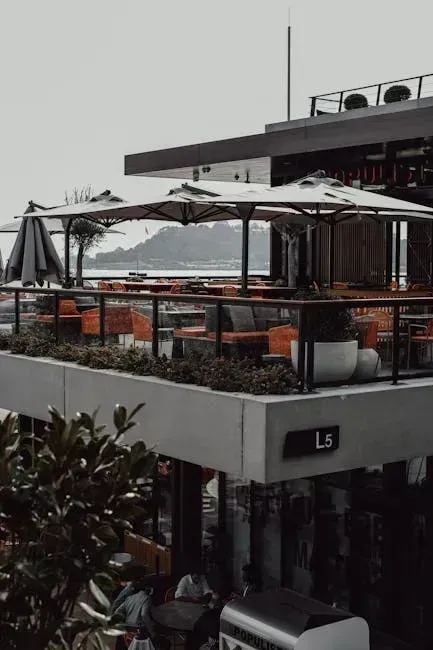
You spot it the moment you round the corner toward the famous cathedral, bridge, or statue. There it is: a sprawling terrace with a perfectly framed view, a laminated menu facing outward, and a host standing outside with a practiced smile. It looks dreamy. Honestly, it's a financial ambush dressed in white tablecloths.
If a restaurant is parked so close to a famous landmark that you could practically lean out the window and touch history, hit the brakes. The best seats come with stratospheric rent, and someone has to pick up the tab for a $50-plus plate of spaghetti topped with a sauce that tastes like nothing but crushed tomatoes.
These restaurants thrive on convenience and foot traffic, not repeat customers. Their business model is simple: catch hungry visitors who have been walking for hours, dazzled by architecture, dehydrated, and a little disoriented. The view is real. The food quality, almost never is.
The closer a restaurant is to a famous landmark, the more likely it is aimed at tourists. Even if it is not explicitly targeting tourists, the prices will almost certainly reflect its touristic location. For retirees on a fixed income, that markup stings the most.
2. The Aggressive Street-Recruiter Restaurant
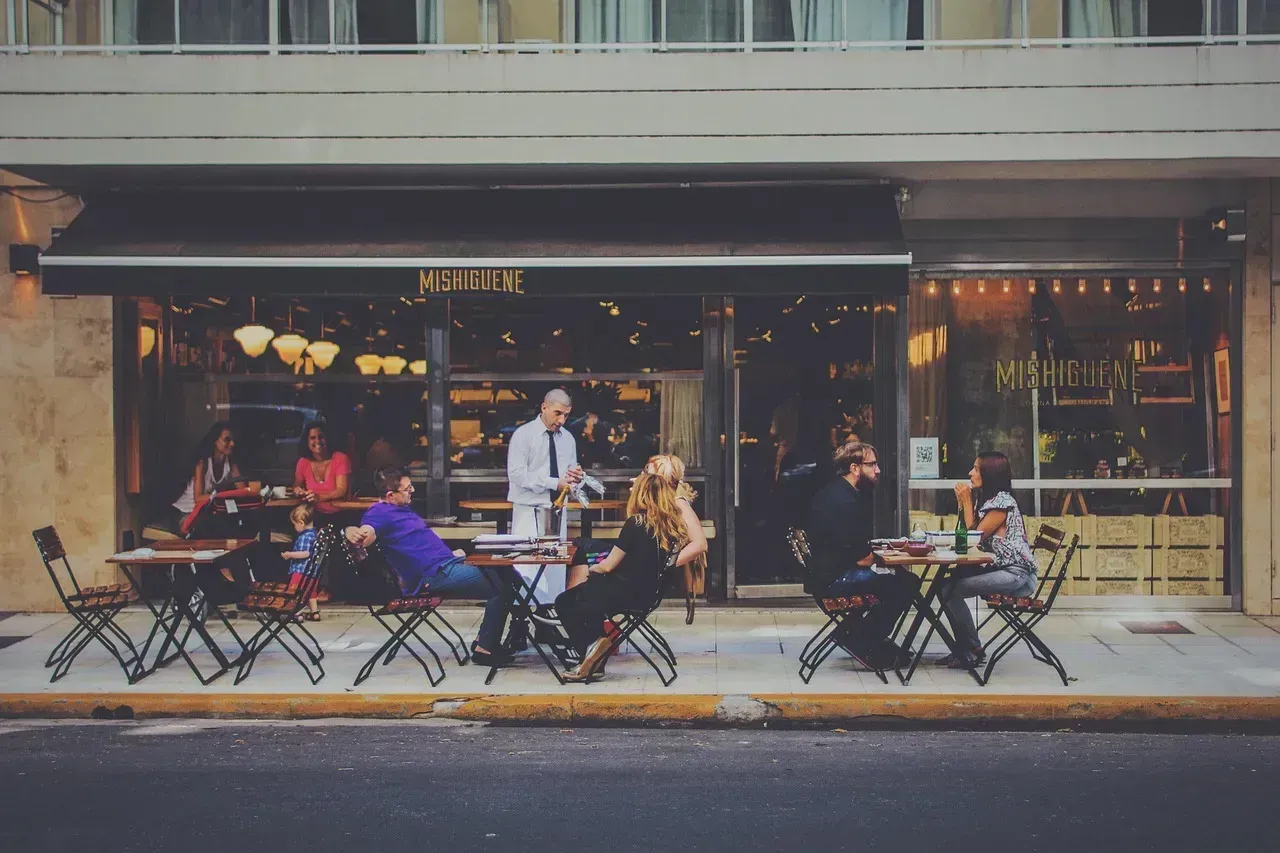
Here is a scene most seasoned travelers recognize immediately. You are walking down a cobblestone street, taking everything in, when someone steps off the curb with a menu and a loud, enthusiastic pitch about today's specials. This is your cue to keep walking. Fast.
If you see a host stationed at the door, waving, calling, or practically running after pedestrians, it is usually a warning sign. Restaurants that rely on aggressive recruiting tactics often know their food or atmosphere will not sell itself. Their goal is simple: catch anyone who looks hungry or lost and convince them this is the one place they absolutely have to try.
There is one specific type of restaurant in common touristic areas that you should avoid: places where a waiter or server is standing outside the entrance, urging you to try their "authentic, local cuisine." If a restaurant relies on servers to pull in tourists, it is often a sign that this location is a tourist trap that should be avoided at all costs.
Aggressive marketing, meaning restaurants with staff outside trying to lure you in, are usually tourist traps. Authentic places simply do not need those kinds of tactics. Think about it: when did your favorite hometown restaurant ever need to chase customers down the block?
3. The Giant Laminated Photo-Menu Diner
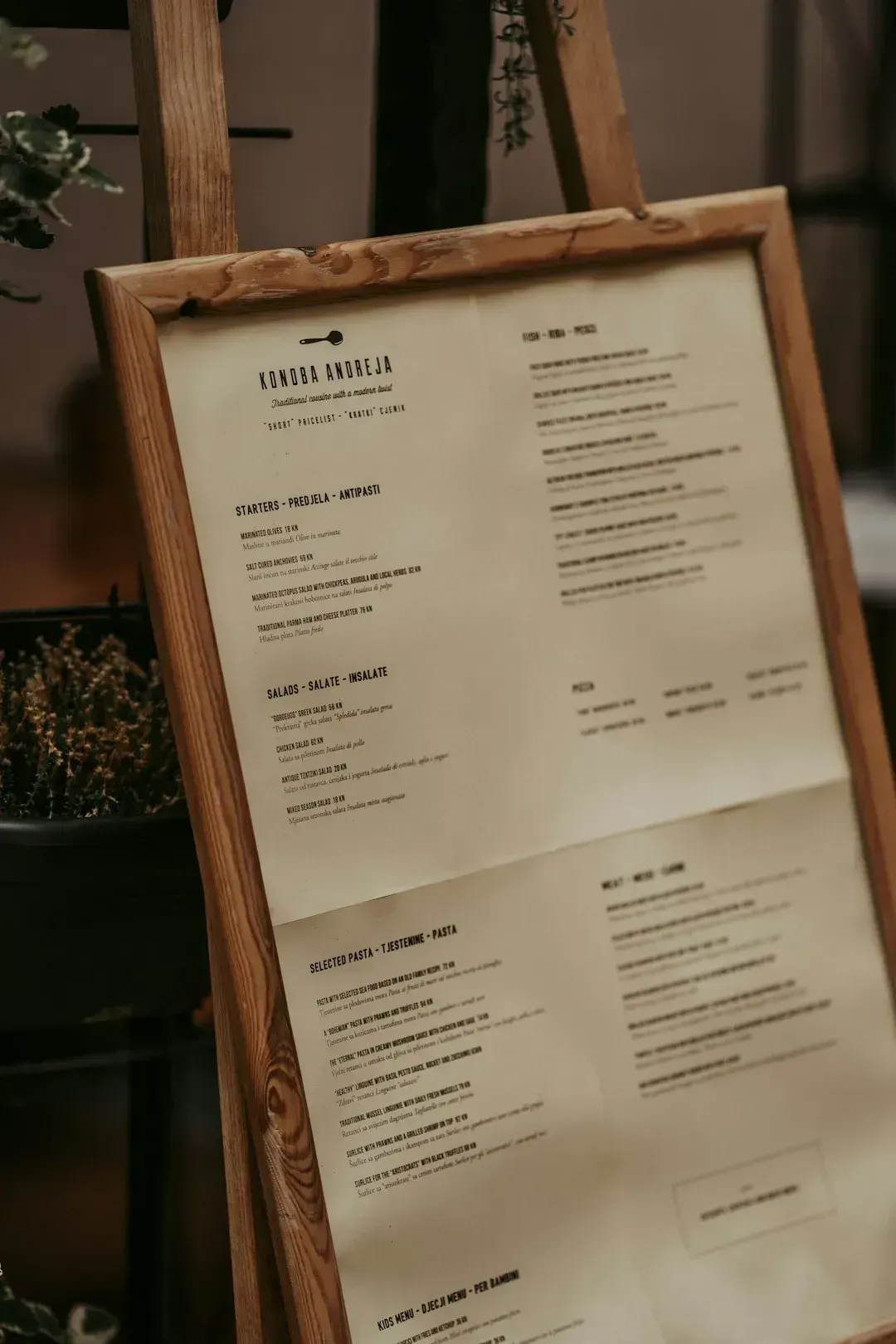
You sit down and the menu arrives. It is enormous, spiral-bound, laminated, and packed with glossy photos of every dish, many of which have clearly been styled by a food photographer who has never visited this kitchen. If the menu looks like a mail-order catalog, your dinner might taste like one too.
One common tourist trap sign is when a restaurant's menu is translated into several languages, has been laminated in plastic, and has a photo of every dish. Once you are seated and reading the menu, be on the lookout for multilingual descriptions and photos. This means the place is aware it is serving tourists who do not know the local language and cuisine.
According to a study by online passport photo service provider PhotoAiD, the top three criteria that make a place a tourist trap are above-average pricing, amenities tailored for tourists, and a lack of cultural authenticity. A thick, photo-heavy menu ticks all three boxes simultaneously. It is designed for strangers who will never return, not for diners who care about the food.
Tourist-trap restaurants are built for turnover, not taste. They exist to make a profit off unfamiliar faces. Food is often bland, overpriced, and disconnected from any real cultural experience. For seniors who travel to genuinely experience a place, that is a real loss.
4. The "We Serve Everything" Menu Spot
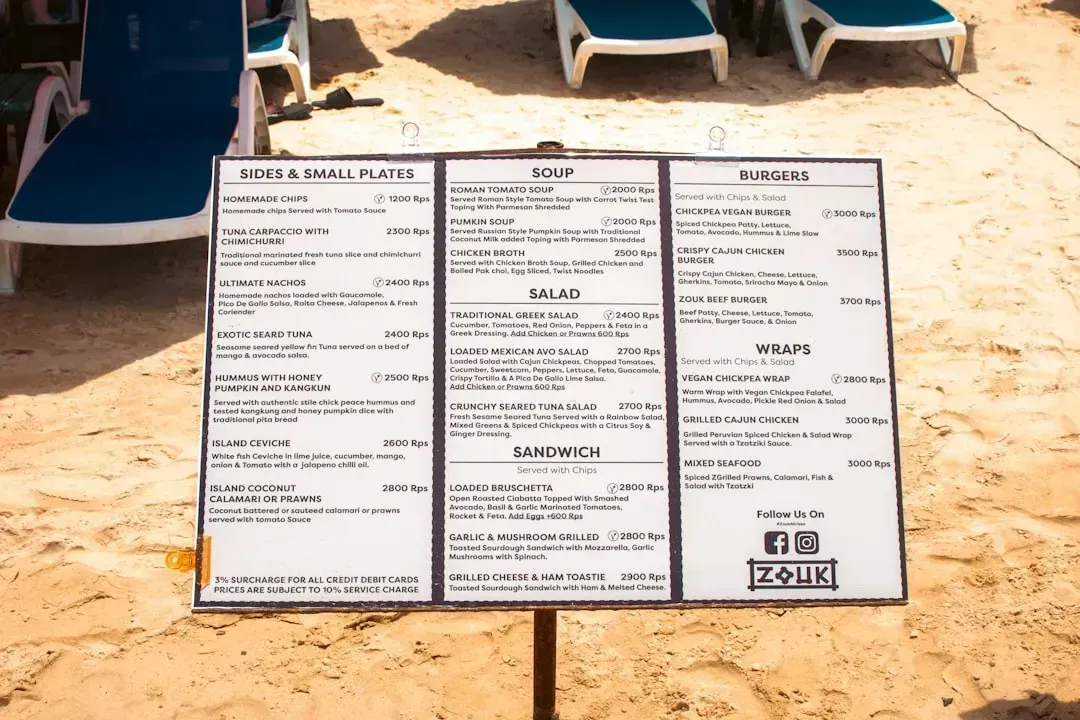
Pizza, sushi, burgers, nachos, pad thai, and a full English breakfast. All on one menu. At one restaurant. In the historic center of a city you flew 10 hours to reach. Let's be real: no kitchen in the world does all of those things well, and the ones claiming to usually do none of them well.
An oversized amount of offerings that cater to just about every culinary style is a major warning sign. Experts advise looking out for offerings from "generic, anywhere, USA" like burgers, rather than more imaginative, locally driven menu items. When a menu tries to please everyone, it ends up satisfying no one.
A "We Serve Everything" menu is a red flag to take seriously. A place that makes sushi, pizza, biryani, tacos, burgers, and crepes is also skilled at serving disappointment. Seniors who value a genuine, quality meal deserve better than a kitchen that has spread itself impossibly thin just to catch every passing tourist.
The irony is that the best meals on any trip are usually the simplest ones. A small family-run trattoria doing three pasta dishes, all of them extraordinary, will beat the 12-page mega-menu every single time. Quality requires focus. Tourist traps, by definition, lack both.
5. The Merchandise-Forward Theme Restaurant
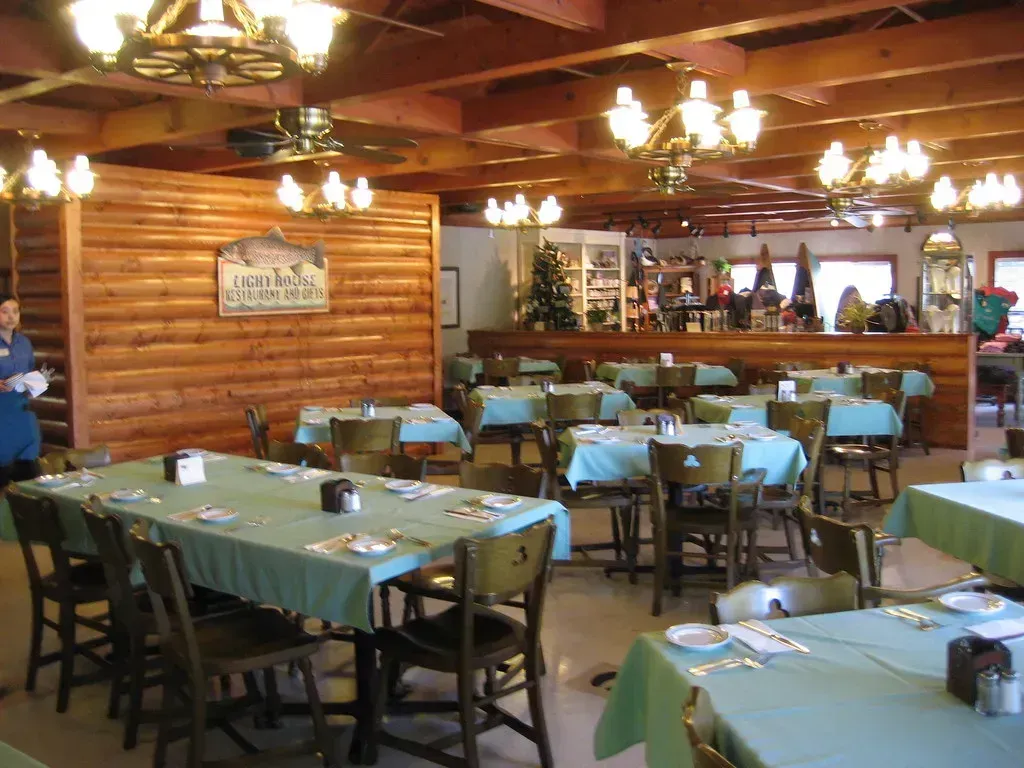
You walk in and the first thing you see is not a host stand. It is a retail display. T-shirts, hats, keychains, branded bottles. The "restaurant" is actually a souvenir shop that also sells food, and that tells you everything you need to know about where the priorities of the owners lie.
If you are first greeted with merchandise rather than a host or hostess, chances are your actual meal is not the main event. One food expert dismisses any restaurant that is "not locally owned and does not embody the city's culinary talents as a whole, but rather focuses on turning tables for profits and promoting sub-par food," which translates into higher prices with lower quality.
Think of the Hard Rock Cafes, the themed "experience" chains, and the branded destination restaurants you find in every major airport and tourist zone on earth. They are meticulously designed. The food is almost universally forgettable. From a publicity standpoint, a tourist trap is "a spot that has a lot of buzz but does not really have the flavors to back it up."
For retirees, who have genuinely earned the right to spend their money on things that matter, dropping significant cash on branded flair instead of flavor is a particularly frustrating trade-off. The merchandise stays. The meal disappointment lingers longer.
6. The "Famous Because It Was Famous" Institution

Every major city has at least one. A restaurant that opened 60 or 70 years ago, became legendary, and has been coasting on that legend ever since. The guidebooks still list it. The tourist brochures still recommend it. The food has quietly declined for two decades, but nobody in the marketing department has told the kitchen.
"Famous" places rarely deliver to expectation. They are usually crowded, the food is hurried and usually prepped well ahead, and prices increase to take advantage of demand. Seniors who remember visiting one of these institutions decades ago may feel the pull of nostalgia. That pull can be expensive.
It is hard to say for sure whether every institution of this kind has fully lost its touch, but the pattern is well-documented. There are long-standing restaurants that exist on buzz, simply for the sake of "You have to go to X if you are visiting Z." Some of these are even places you might want to say you visited, even if the food is second-rate.
Tired, and surviving on a reputation and menu from 60-plus years ago, these spots are essentially museums to their own past success. Interesting to know about, painful to pay for. A reservation at a place like this can easily run twice what a genuinely excellent local restaurant would charge for a far superior meal.
7. The Hidden-Charge "Cover" Restaurant

You sit down, a basket of bread appears. Then olives. Then some kind of amuse-bouche nobody ordered. The waiter smiles. You smile back. The bill arrives and suddenly you are paying for four things that arrived without you ever asking for them. Sound familiar? This is one of the oldest tourist-trap tricks in the book.
One final cue that may indicate you are being tourist-trapped is when items you did not order are served at the table. This may mean that the restaurant is overcharging unsuspecting visitors, has hidden fees, or even charges diners for bread, table settings, or other items without informing you up-front.
For seniors, especially those managing a carefully planned retirement budget, surprise charges at the end of a meal are not just frustrating - they are a breach of basic trust. As prices rise, retirees face a real trade-off: maintain dining habits at the expense of savings, or adjust budgets to prioritize financial security. Unexpected cover charges tip that balance in the wrong direction.
In 2024, U.S. consumers reported spending an average of $191 per person per month on dining out, a significant rise from about $166 per month in 2023. Part of this increase is due to higher menu prices, as inflation has driven up the cost of food prepared away from home. Adding hidden table charges on top of that is simply predatory, and these eateries know exactly what they are doing.
8. The Crowd-Magnet "It" Restaurant Without the Food to Match
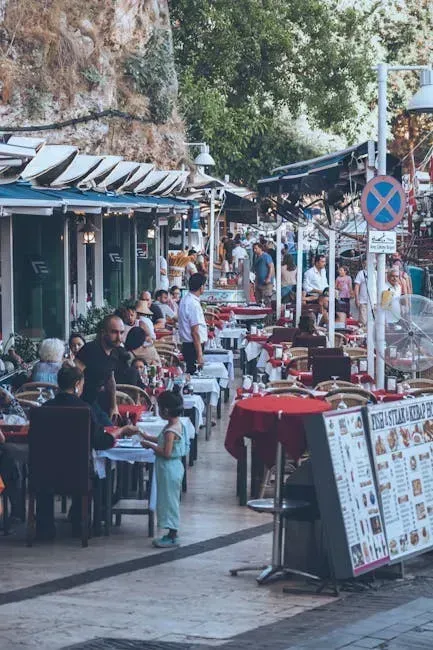
It went viral. Every travel influencer posted about it. There is a line around the block. You waited 45 minutes in the sun because surely, surely, a place with this much buzz must be worth it. Then the food arrives. It looks exactly like the Instagram photos. It tastes like nothing at all.
Overwhelming crowds do not necessarily promise a restaurant's greatness. It is often a sign that trickery is afoot. Social media has turned this particular tourist trap into an industry of its own, generating lines for places that have mastered presentation and marketing while completely neglecting the plate.
Here is the thing: seniors traveling in retirement are typically not chasing Instagram moments. They are chasing genuine experiences, real flavors, and meaningful moments at the table. Nearly seven in ten travelers surveyed by PhotoAiD said a visit to a tourist trap diminished their overall enjoyment of a trip. That lost joy is the real cost, well beyond the inflated bill.
The appeal of dining out centers around the overall experience, with factors like atmosphere, socialization, and special occasions being key drivers, with diners also seeking higher quality. A crowd-magnet restaurant that delivers on none of those fronts is the ultimate betrayal of what a good meal is supposed to be. Keep your distance from tourist-heavy locations and dine at restaurants favored by residents, and you will almost always eat better, spend less, and leave happier.
The best revenge against every tourist trap on this list? Walk two streets further than the crowd. Peek into the place with handwritten specials, a few locals at the bar, and no one standing outside trying to drag you through the door. That is where the real meal is waiting.
What do you think? Have you been caught in one of these traps? Share your story in the comments.




Leave a Reply