
You walk in for milk and eggs. You walk out with two bags you didn't plan for, a receipt that makes your eyes water, and absolutely no idea what just happened. Sound familiar? You're not imagining it, and you're definitely not alone. Grocery stores are, honestly, some of the most psychologically engineered spaces on the planet. Every corner, every scent, every shelf height is a decision made by someone who has studied your behavior far more carefully than you ever studied theirs.
What's fascinating, and a little unsettling, is just how invisible most of these tactics are. Let's dive in and pull back the curtain on twelve of the sneakiest things your grocery store is quietly doing every single time you push a cart through those doors.
1. The Mood-Boosting Welcome Zone Is a Setup
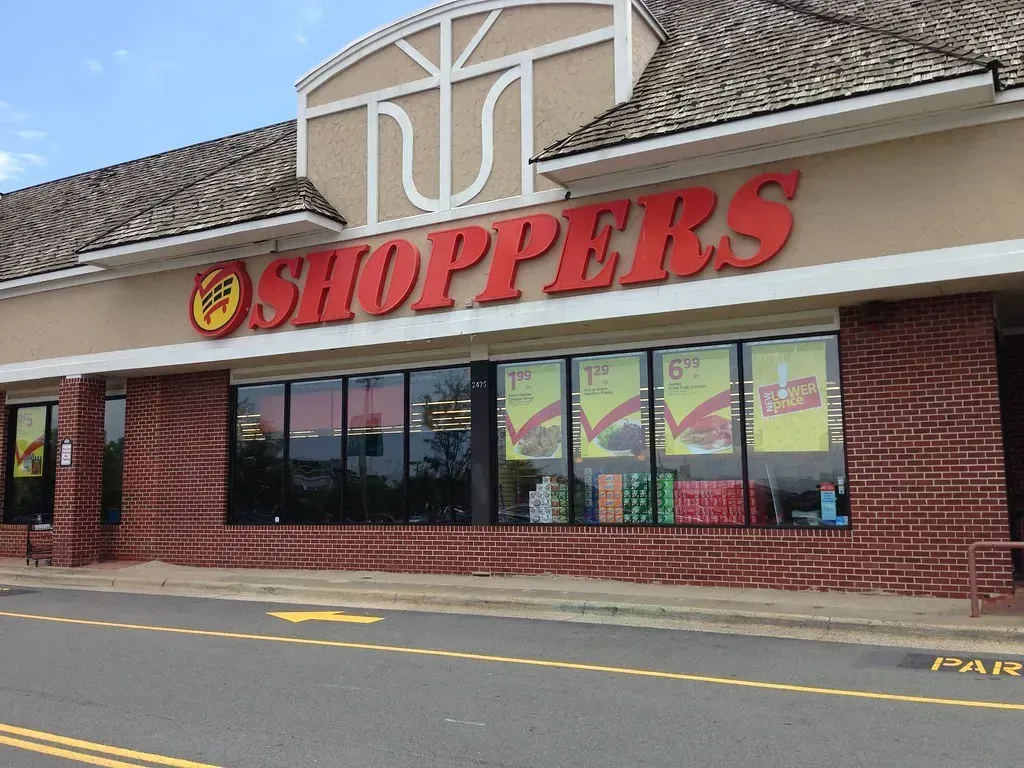
As a shopper enters the store, they are at once greeted with the mood-lifting scent of fresh flowers and fruits, as well as the sight of cheery, vibrant colors. This isn't an accident or a nice design choice. It's a carefully engineered trigger to make you feel good before you even grab a basket.
This primes the consumer for their upcoming shopping experience, as grocery stores know that those who are happier tend to spend more money. This psychological effect is called "implicit priming," where a person is first exposed to one stimulus, and later reacts to a similar stimulus without consciously knowing why. Think of it like emotional manipulation with a floral arrangement. And it works almost every time.
2. Dairy and Essentials Are Buried on Purpose
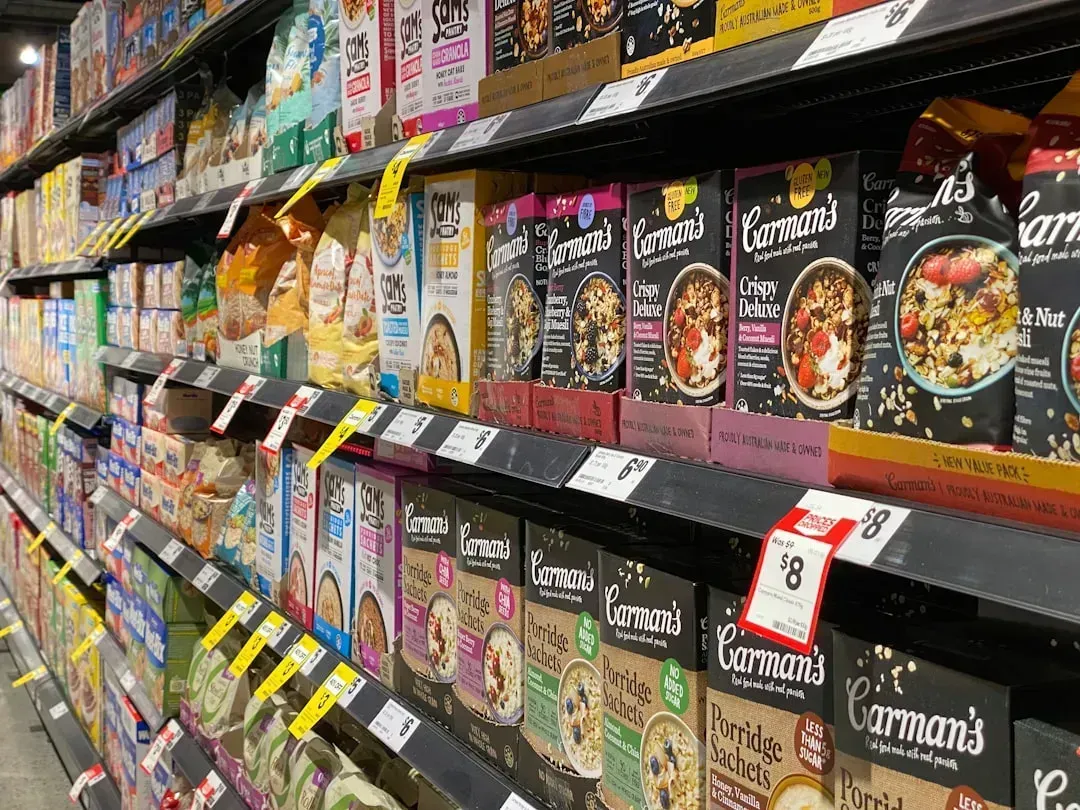
Dairy departments are almost invariably located as far from the entrance as possible, ensuring that customers - most of whom will have at least one dairy item on their lists - will have to walk the length of the store, passing a wealth of tempting products, en route to the milk, eggs, cheese, and yogurt. You came for milk. By the time you reach it, you've walked past a couple hundred products you didn't come for.
The practice of separating "the essentials" in a supermarket is a strategic design decision that plays on the cognitive bias of loss aversion. Loss aversion refers to the tendency of people to feel a greater sense of loss when something is taken away from them, compared to the pleasure they feel when they gain something of equal value. By separating essential items like bread, milk, and eggs from the rest of the store, shoppers are compelled to navigate through the entire store to find the items they need. This increases the chances that they will see other products and make additional purchases, which benefits the supermarket's bottom line.
3. Eye Level Is Always Buy Level
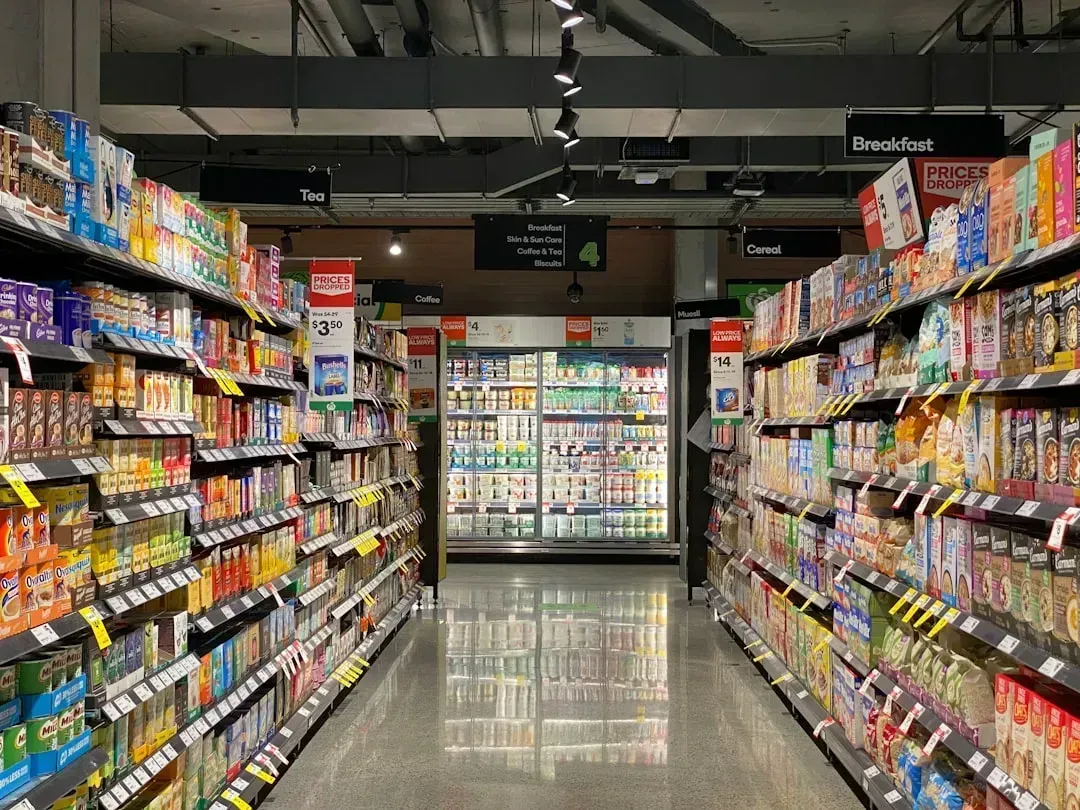
Eye level placement is crucial in supermarkets as it can greatly influence consumer purchasing decisions. Research has shown that products placed at eye level are more likely to be noticed and purchased by shoppers. Eye level placement is often used for premium or high-profit items, as they're more likely to catch the attention of shoppers and influence their decision-making. The cheaper store brands? Those are down near your ankles or pushed up high where you need to stretch to reach them.
According to MobileInsight, "brands and manufacturers are often willing to devote up to 50% of their promotional budgets on securing featured display space, including eye level shelf placement." That's a staggering investment. The next time you automatically reach for something without thinking, ask yourself who paid for that product to land exactly at your line of sight. It probably wasn't cheap.
4. The Slow Music Trap Is Very, Very Real
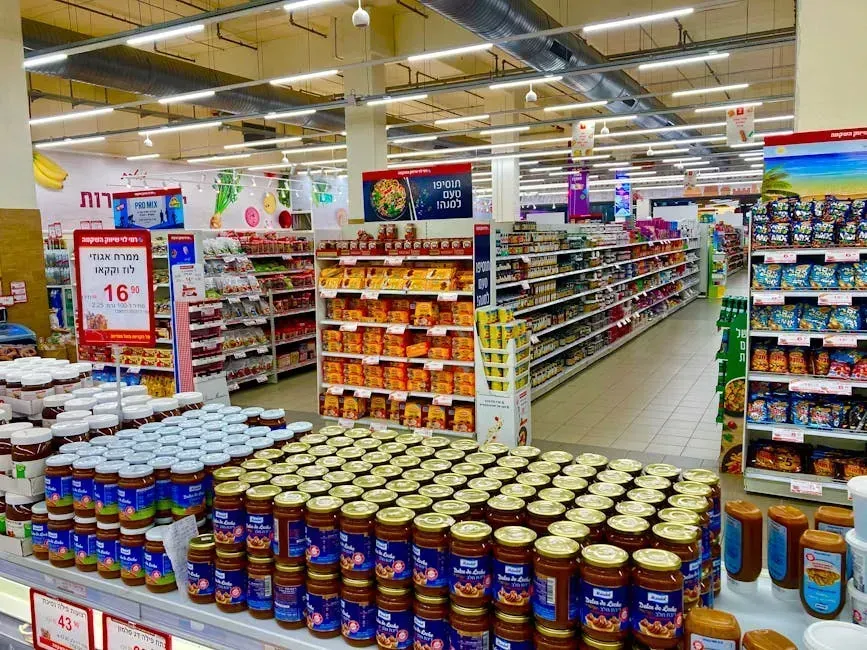
Professor Ronald E. Milliman's study "Using Background Music to Affect the Behavior of Supermarket Shoppers" found grocery stores that played slow music increased their sales by nearly 40%. That easy-listening soundtrack you barely notice is doing serious, measurable financial damage to your wallet. It's not ambiance. It's architecture.
Along with crafting a positive mood for the consumer, the tempo and rhythm of the music can influence the rate at which one moves throughout the store. An upbeat tune encourages quicker movements, while a slower beat might create more dwell time within the store. More dwell time means more exposure to products, which means more things end up in your cart. Simple, elegant, and enormously effective.
5. Your Brain Gives Up After About 23 Minutes

Dr Paul Mullins and his team at Bangor University demonstrated exactly this effect using a brain-scanning technology called functional magnetic resonance imaging (fMRI). In a mock-up supermarket they found that after around 23 minutes, customers began to make choices with the emotional part of their brain, rather than the cognitive part of the brain. So your logical brain essentially clocks out after less than half an hour. And stores are designed to keep you inside well past that point.
After about 40 minutes of shopping, most people stop struggling to be rationally selective, and instead begin shopping emotionally - which is the point at which we accumulate the 50 percent of stuff in our cart that we never intended to buy. This is genuinely wild when you think about it. Half of what ends up in your cart at a full weekly shop is purely emotional. That's not a small number.
6. End Caps Are Not Where the Deals Are
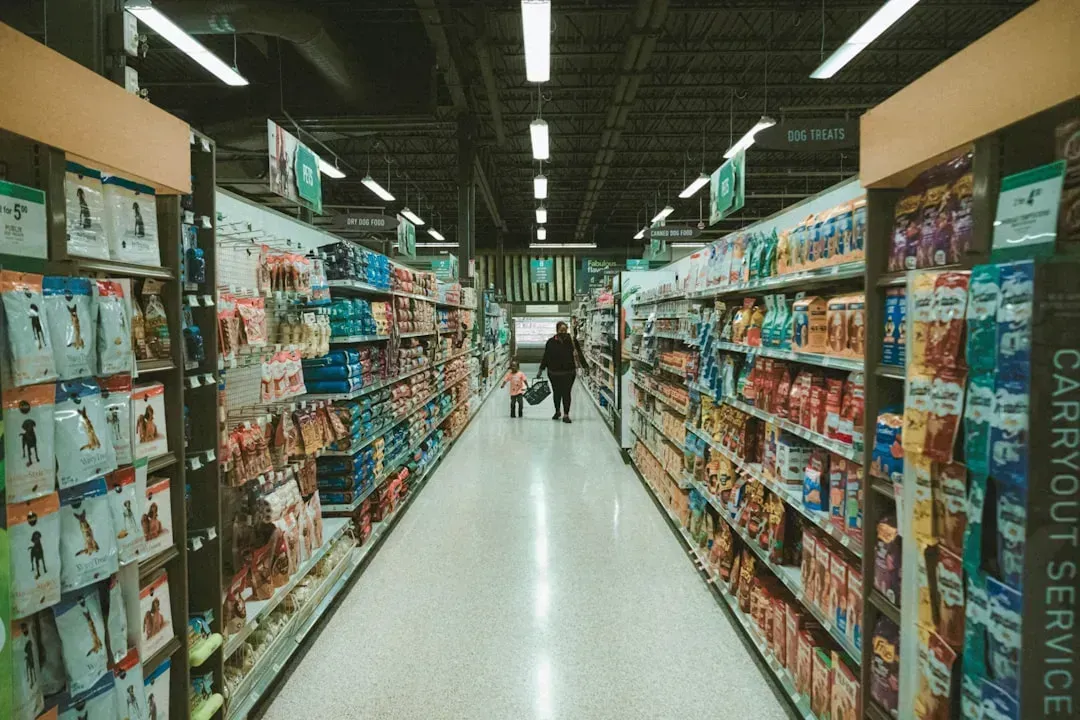
The displays at the ends of the aisles - known in the supermarket business as end caps - are astute shopper traps. Companies pay high prices to display their products there, since these are hot spots for impulse buying. According to the National Retail Hardware Association, a product at an end cap sells eight times faster than the same product shelved elsewhere on the aisle. Eight times faster. That's not because it's a better product. It's because it catches your eye at a moment of transition.
One survey "showed that 44% of the participants remember fixating on the end caps and that almost half of the grocery stores were dominated by end cap displays." You may walk past them thinking you're browsing a deal. You're really just walking into a premium advertising slot that brands paid a lot of money for. Next time you're tempted by an end cap, take a detour down the actual aisle and compare.
7. Shopping Cart Size Is a Psychological Weapon
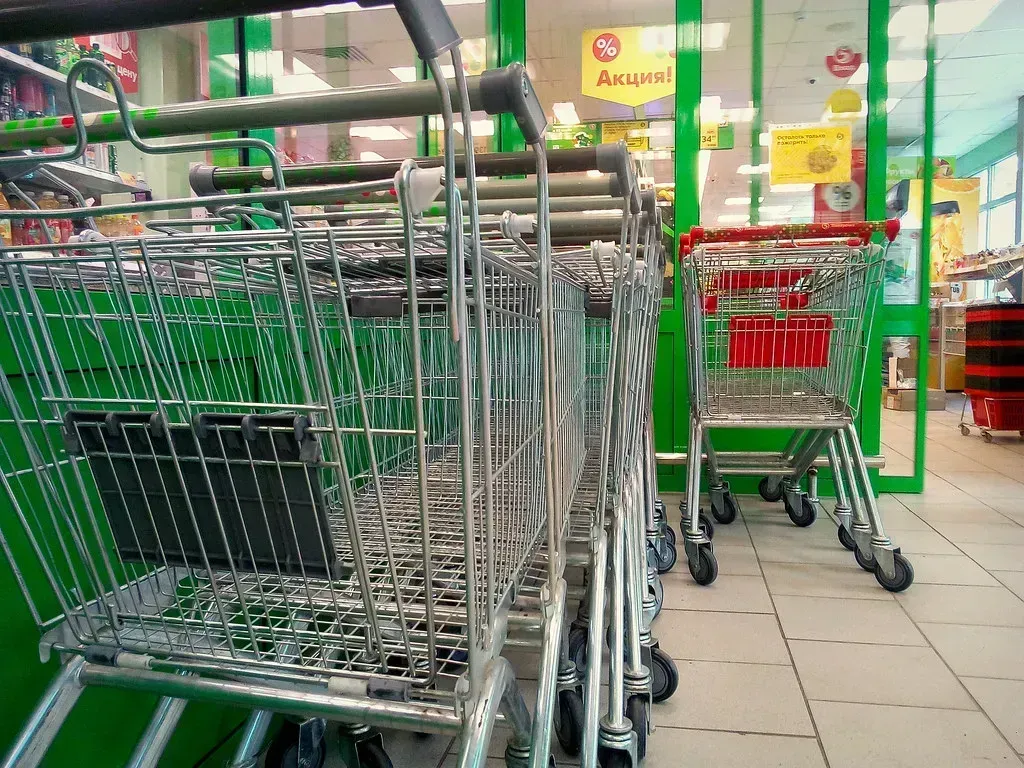
Carts have tripled in size since their original design, and they're still growing. According to Martin Lindstrom, doubling the size of the shopping cart leads shoppers to buy 40 percent more. Think about that for a second. A bigger empty space in front of you subconsciously tells your brain it needs to be filled. It's the same reason big plates at a buffet make you pile on more food.
The design of shopping carts in supermarkets takes advantage of the cognitive heuristic of "anchoring and adjustment." The size of the shopping cart serves as the anchor, as shoppers may unconsciously adjust their purchasing decisions based on the amount of space in the cart. This can lead to the "shopping momentum" effect, where shoppers feel motivated to continue filling up their carts, potentially spending more than they intended. Honestly, using a basket instead of a cart when you only need a few things is one of the most underrated money-saving moves out there.
8. No Windows, No Clocks - No Sense of Time
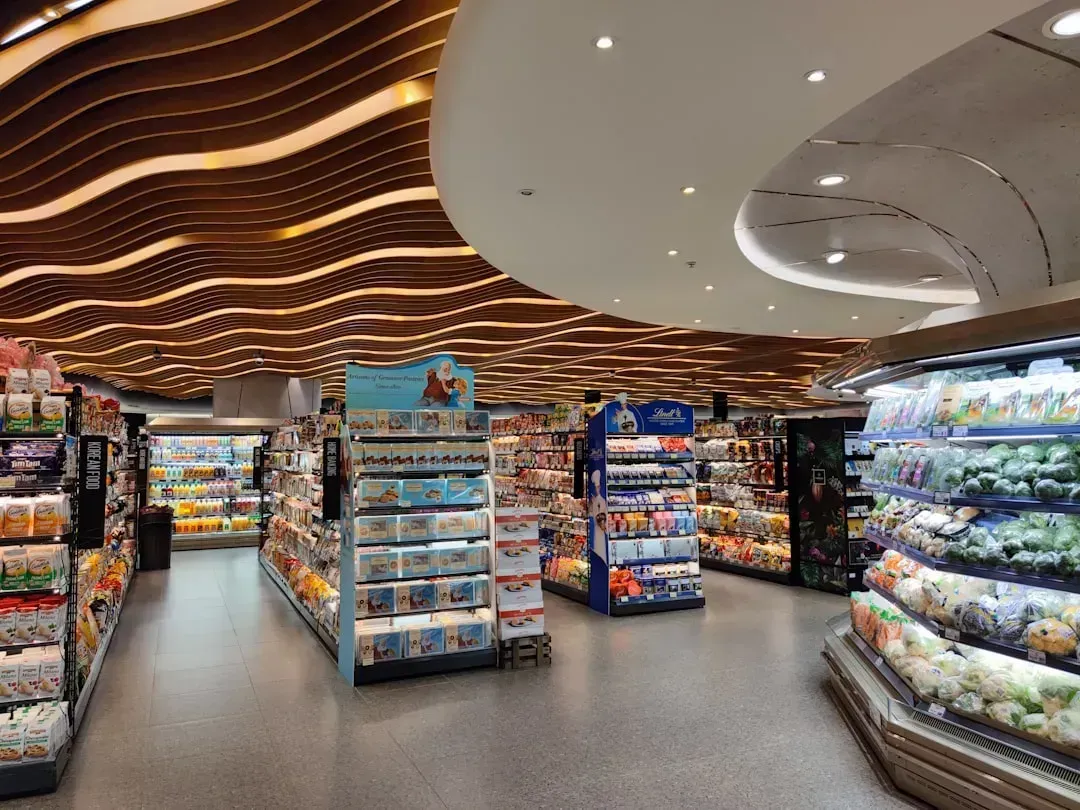
The lack of windows and clocks in supermarkets is a deliberate design choice that can influence consumer behavior and increase sales. Without windows or clocks, shoppers lose track of time and may spend more time in the store than they intended, which may mean more impulse buys. It feels a little like a casino, right? That's not a coincidence. Both environments are designed to make you forget the outside world exists.
Supermarkets tend to be devoid of external time cues: most have no windows or skylights, and shoppers are often hard-pressed to find a clock. The rationale for all these delaying tactics is simple: The longer you stay in the store, the more stuff you'll see, and the more stuff you'll buy. It's worth glancing at your phone the next time you're shopping. You might be shocked at how long you've been inside.
9. The "Multibuy" Offer That Isn't Really a Deal
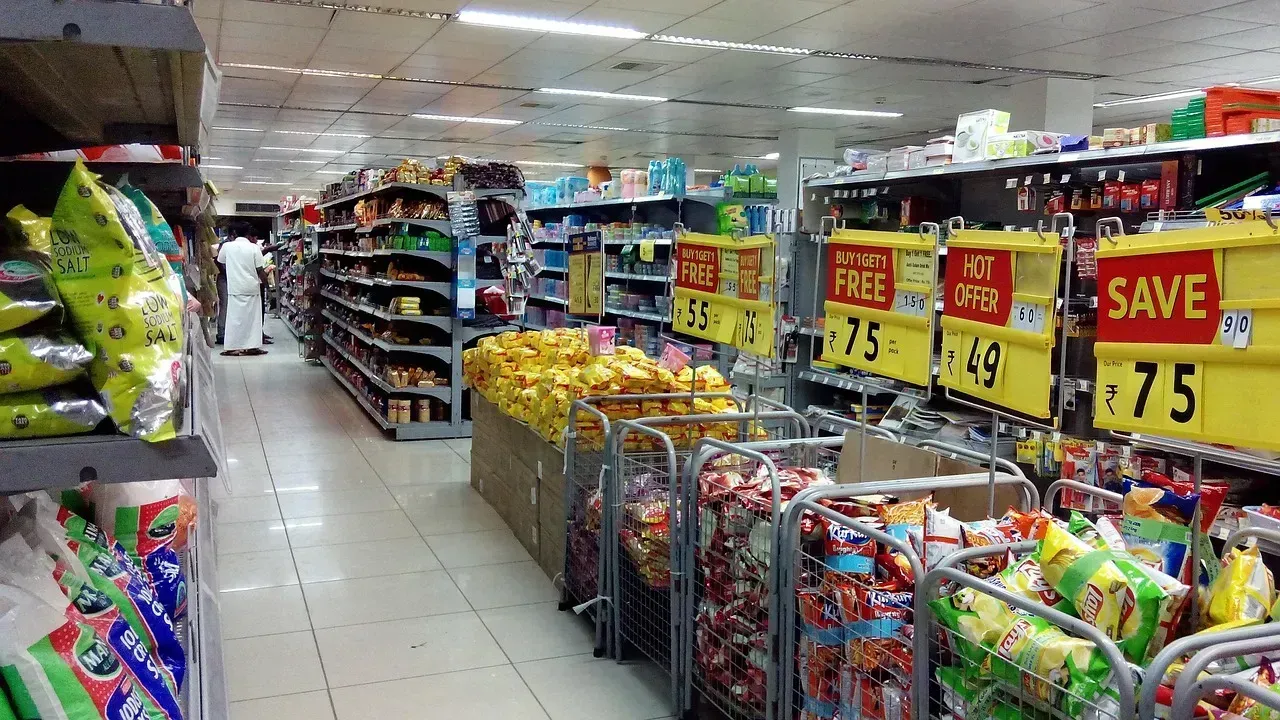
Multibuy offers make us think that it's cheaper to buy products as a group rather than as individuals. But whilst you might save money per item, you're still actually spending more, buying three when you'd otherwise just buy one. Sometimes these offers exist simply to make you buy more than you need or intend. Nearly four in ten customers automatically assume multibuys are cheaper and never even check the price per unit, according to research cited by Listonic. That unchecked assumption is exactly what stores are banking on.
The New York Times found that we are more likely to buy more of an item if there's a higher quantity involved in the offer. Trials saw shoppers in different stores offered the same items at the same price, but under different "deals." Astonishingly, the offer of "10 for $10" was the most popular, whilst "1 for $1" was the least popular, showing people are prepared to buy ten times more than necessary just because of how a number is framed. The math is the same. The psychology is completely different.
10. Charm Pricing Messes With Your Logic
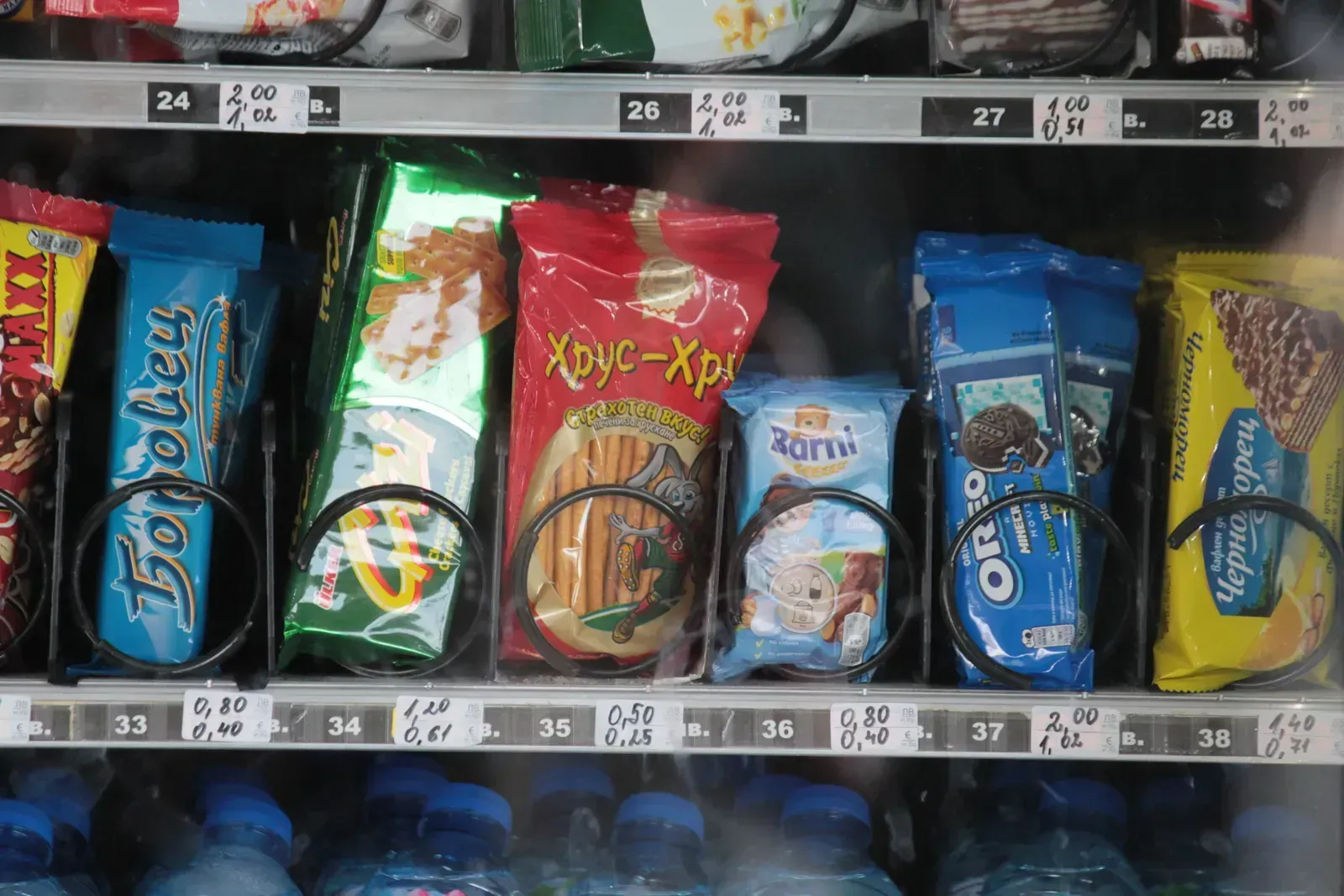
It's standard practice for the supermarket to use the "left-digit effect" when putting a value on a product. This is the psychological concept behind pricing strategies that end in .99 instead of a full dollar. Consumers tend to process prices from left to right, and the first digit they see has a greater impact on their perception of the price than the remaining digits. By setting a price at $1.99 instead of $2.00, the left-digit effect makes the price appear significantly lower in the consumer's mind, even though the difference is just one cent.
This tactic is known as "charm pricing" and creates the perception of a better deal. It sounds almost too simple to work. Surely we all know that $1.99 is basically two dollars? Yet decades of retail data prove overwhelmingly that it changes purchasing behavior. Our brains, it turns out, are still pretty easy to fool with a single cent.
11. Layout Rearrangements Are Designed to Confuse You
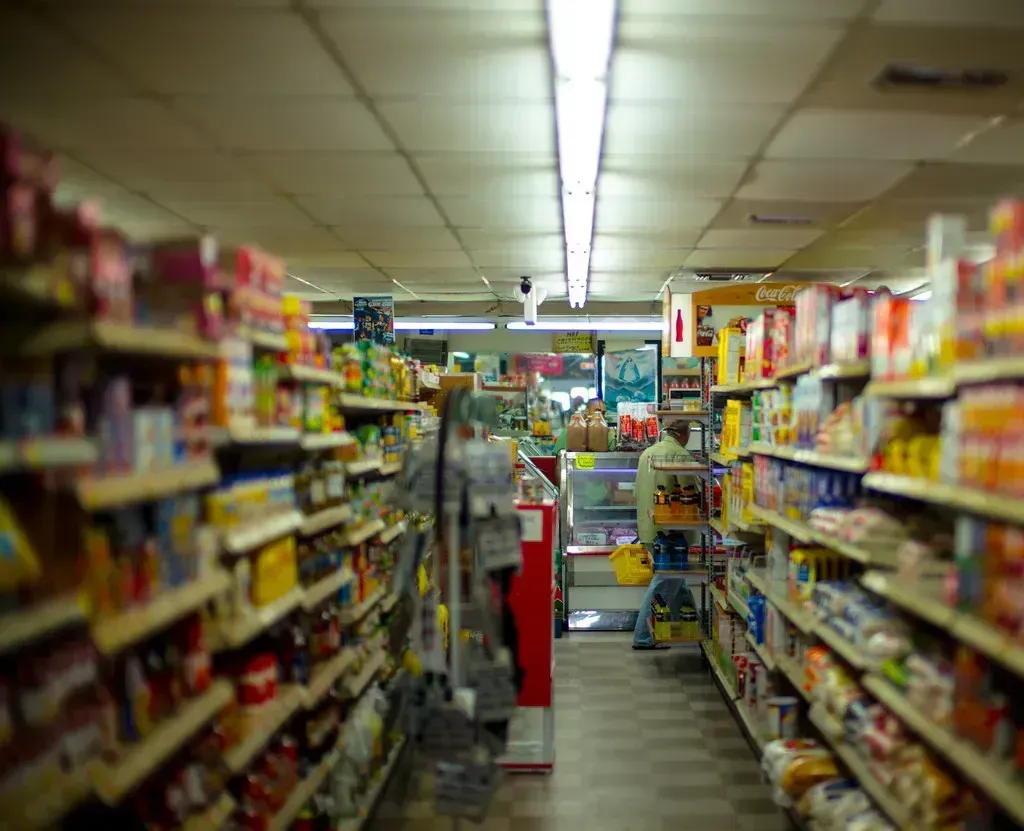
Supermarkets relocate their products around the store to make sure their customers get lost. As they struggle to find what they came in to buy, customers can't help but scan the freshly redesigned shelves. You think the store just updated its layout for convenience. In reality, your confusion is the entire point of the exercise. Wandering is spending.
The hidden reason why supermarkets pay students for regular inventories is to collect the data needed to change the layout of their stores. Those periodic night-shift inventory workers aren't just counting stock. They're gathering intelligence that feeds directly into the next store rearrangement. It's a sophisticated loop of data collection and behavioral manipulation that most shoppers never even suspect.
12. The Checkout Lane Is the Final Ambush
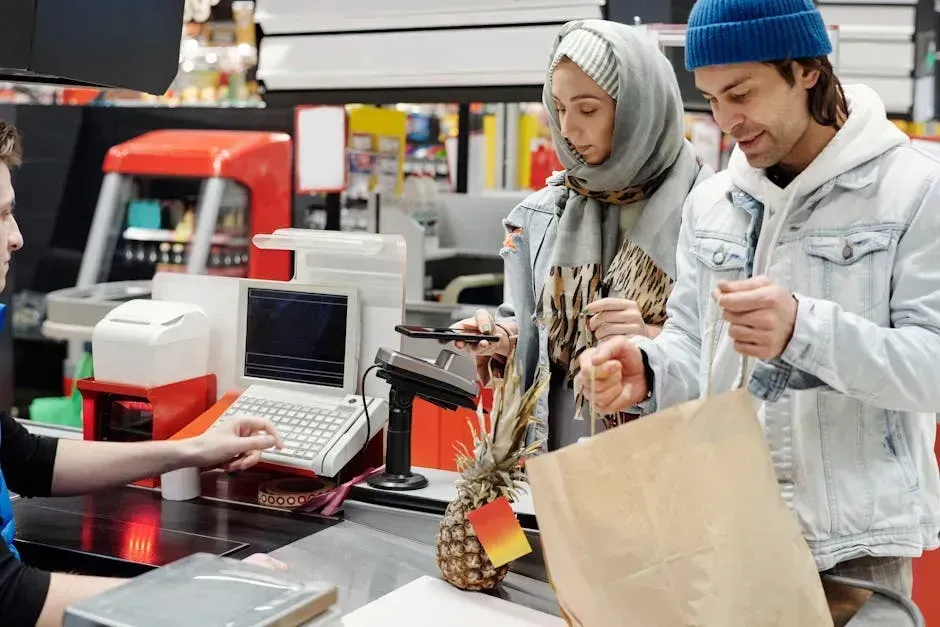
The checkout lane is the final opportunity for supermarkets to influence consumers' behavior. According to the marketing research company IRi, Americans spent $6 billion in checkout purchases alone in 2020, and over $5 billion of that was on something edible. You've made it to the finish line. You're tired, your brain is checked out, and suddenly there's a wall of candy bars, energy drinks, and magazines right where you're forced to stand still and wait.
The average consumer spends an estimated $282 per month on impulse buys in 2024, for an annual total of $3,381. Also in 2024, the average consumer made an estimated 9.75 impulse buys per month, averaging $28.90 each. A substantial chunk of that spending happens in those last few feet before the exit. Impulse buying accounts for up to 62% of grocery sales revenue, and up to 80% in some product categories. The checkout lane is, quite literally, the most profitable stretch of floor in the entire store.
The grocery store is one of the most meticulously engineered retail environments ever designed. Every sensory detail, every shelf position, every pricing number is the result of deep behavioral research aimed at one single goal: getting you to spend more than you planned. Knowing these tactics doesn't make you immune to them, but awareness is the first and most powerful step toward pushing back. Next time you grab a cart and walk through those automatic doors, ask yourself: who's really doing the shopping here, you or the store?
What do you think? Have you ever caught yourself falling for one of these tricks without realizing it? Share your experience in the comments.




Leave a Reply