
Something is shifting at America's drive-thru windows. The lines are shorter, the receipts are smaller, and the orders are changing. After years of explosive growth, the fast-food industry hit a wall between 2024 and 2025, with consumers pulling back on spending and rethinking what they actually want to eat on a busy weekday. Once the star of 2020 pandemic dining, the drive-thru is facing a steady traffic decline, and data from Revenue Management Solutions shows drive-thru visits are down between 5% and 8% year-over-year in 2025. That's not a blip. That's a trend - and it's showing up clearly in what people are no longer ordering.
1. Classic Beef Burgers
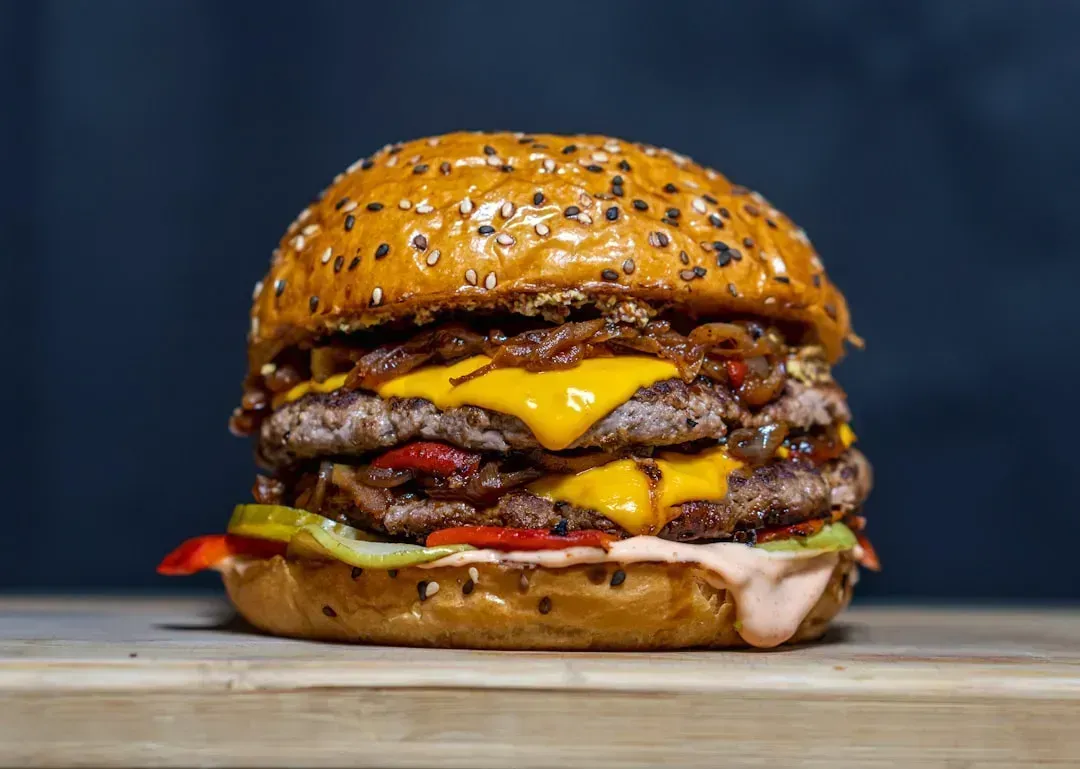
The beef burger has long been America's fast-food staple. It still generates enormous revenue, but its cultural and commercial dominance is softening. When asked which types of cuisines they would decrease spending on, the greatest share of respondents in a McKinsey survey said burgers - 57% - followed by American food at 51%. That's a striking signal from a McKinsey & Company consumer report filed in early 2026, covering data gathered through mid-2025. The classic beef burger, it turns out, is the item Americans are most openly willing to cut.
The classic fast-food burger is on the decline, with many consumers leaning toward healthier alternatives, including plant-based burgers, instead of the traditional greasy, fried options. Pricing is a real factor here too. Rising menu prices - as high as $12 for a burger at some chains - have made fast food feel like a luxury for some consumers, pushing them to cook at home or seek cheaper alternatives. When the basic burger starts to feel indulgent in the wrong way, people start reconsidering their order.
2. Fast-Food Salads
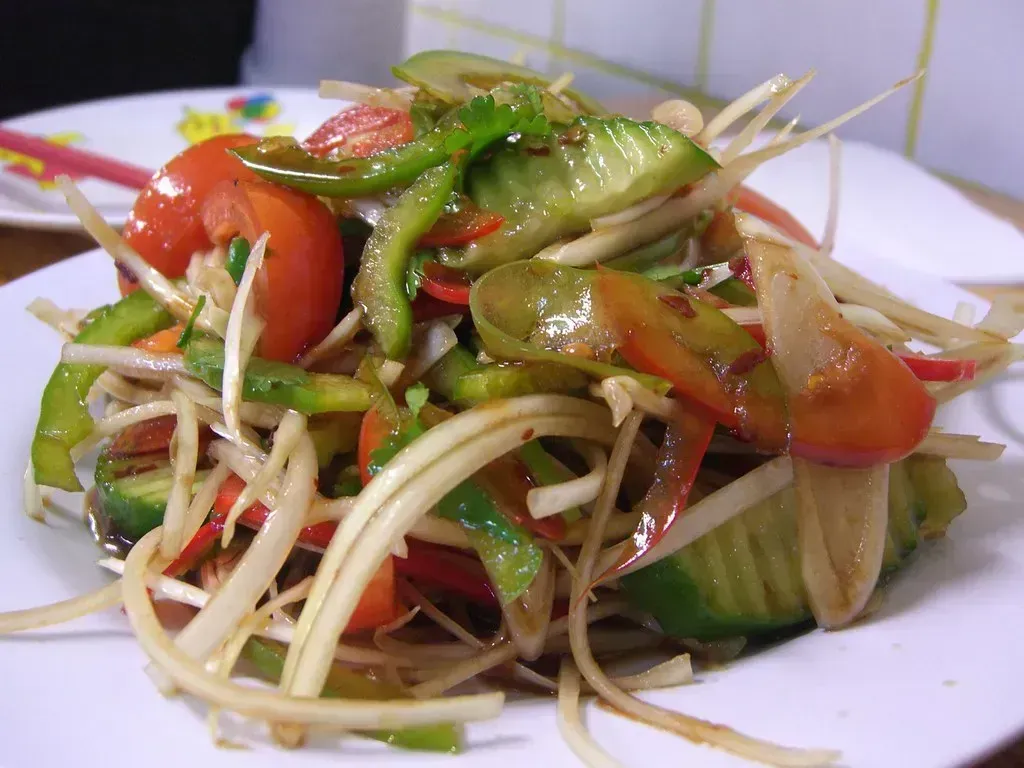
The salad was supposed to be fast food's health-conscious future. Chains added them with fanfare, positioned them as proof that quick-service dining could be both convenient and nutritious. Then, quietly, they started disappearing. McDonald's USA President Joe Erlinger confirmed at the Wall Street Journal's Global Food Forum that salads would not be reintroduced to the menu nationwide, citing a lack of consumer demand. It's a revealing admission from the world's biggest fast-food chain.
McDonald's confirmed that salads, which were removed from the menu during the 2020 pandemic, will not be reintroduced because customers aren't showing a demand for them. The reality is that fast-food salads were caught in an awkward middle ground - not cheap enough to justify for price-sensitive customers, not fresh or exciting enough to satisfy those genuinely seeking healthy food. According to a 2025 McKinsey & Company consumer report analysis, poor quality and small portions are the top factors keeping people away from fast food restaurants. The fast-food salad, with its packaged dressing and wilted lettuce, rarely delivered on either front.
3. Plant-Based Burgers

Few fast-food stories have been quite as dramatic as the rise and fall of the plant-based burger. Around 2019 and 2020, it felt inevitable - every chain was going to serve an Impossible or Beyond Meat patty, and consumers were going to love them. That's not how it played out. Instead of igniting demand, the McPlant fizzled. According to internal reports cited by Reuters, some restaurants were selling as few as three burgers per day. McDonald's eventually walked away from the concept in the U.S. entirely.
After expanding to 600 locations in San Francisco and Dallas, McPlant sales dropped from 500 burgers per week to 20 burgers a day, according to analyst Peter Saleh. The reasons are layered. A 2024 NielsenIQ report showed that 52% of US consumers are actively trying to avoid highly processed foods, even if plant-based. So even among health-oriented customers, the ultra-processed nature of these products became a liability rather than a selling point, and mainstream fast-food consumers simply never warmed to them.
4. Large Sodas and Sugary Fountain Drinks
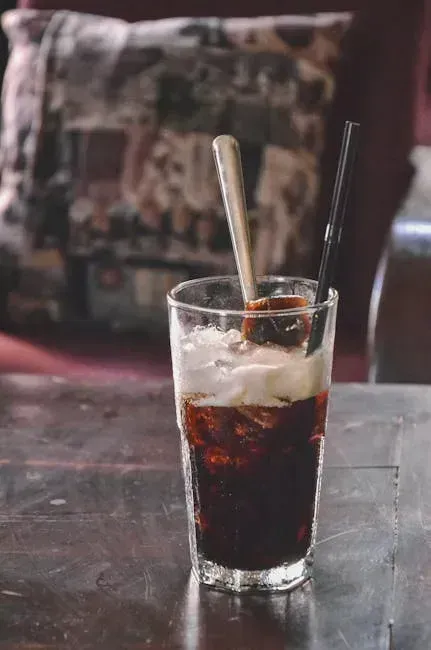
The fountain drink was once an automatic add-on. You ordered a combo, you got the soda, you barely thought about it. That automatic reflex is weakening considerably. A large soda from a fast-food restaurant contains about 86 grams of sugar - more than double the American Heart Association's recommended limit of 38 grams for men. Awareness of those numbers has grown considerably, and it's translating directly into ordering behavior. More consumers are swapping out the large Coke for water or skipping the drink entirely.
In 2025, people care more about what they're eating and drinking. A study shows that roughly half of Americans are actively trying to eat healthier, and fast-food chains are coming out with healthier alternatives to respond. The decline in sugary drink orders has been significant enough that chains are now actively expanding their beverage programs, leaning into lemonade, iced tea, and customizable drink concepts to fill the revenue gap. Grocery prices rising only 1.1% compared to 4.1% for restaurant meals have also incentivized consumers to brew their own drinks at home.
5. Supersized and Upsized Meals
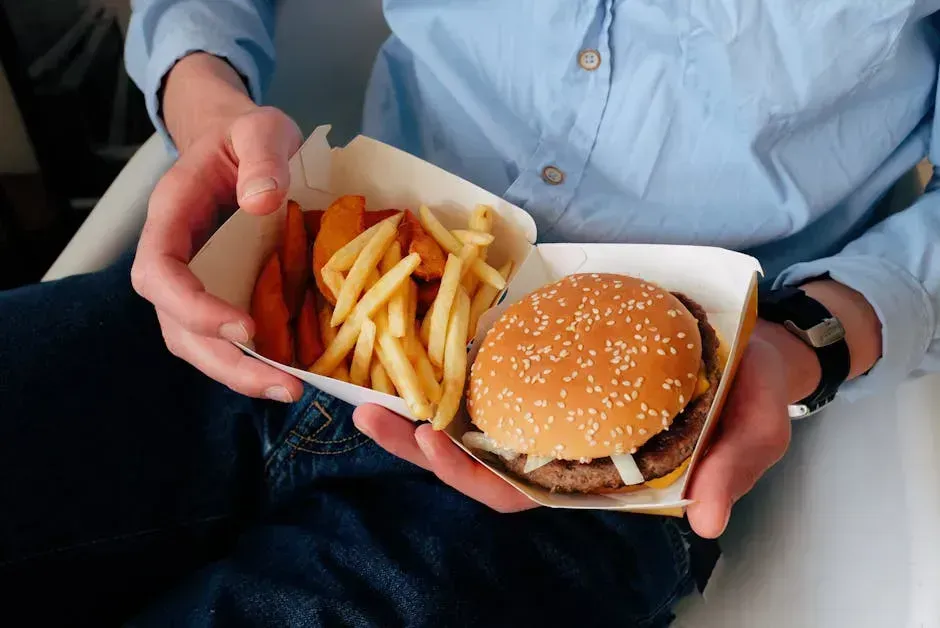
The upsell used to be easy. "Would you like to make that a large?" was a question that worked. Today, it's hitting more resistance. Americans nationwide cut back on their restaurant visits during 2024, leading to intense competition for a smaller pool of customers. And within that smaller pool, average ticket sizes are under pressure. Consumers who are watching their budgets aren't just visiting less - they're also ordering less when they do go through the drive-thru.
An RMS Q1 consumer survey found that 40% of American diners said they're spending less of their disposable income at restaurants, with one in four U.S. consumers shopping at grocery stores instead, citing better value. The supersize era - already once killed officially by McDonald's in 2004 - is being quietly buried again by consumer behavior in 2024 and 2025. From noticeably smaller portions and higher prices to falling customer service standards, slippages have become increasingly apparent to customers at their best-loved fast food joints. When consumers feel like they're getting less for more money, the upsell becomes the first thing they say no to.


Leave a Reply