
There's something almost comforting about knowing exactly what you're going to eat before you even open your car door. Fast food chains have turned predictability into a billion-dollar art form. Most of us don't question it. We just order.
Here's the thing, though. The people who know the most about what's actually happening to your food aren't the corporate executives designing glossy menu campaigns. The people who know the most are the employees, who work on the front lines every day and know that even the ideas that seem the best aren't necessarily great in practice. Some of what they've shared over the years is surprising. Some of it is genuinely alarming. Let's dive in.
1. Chicken Nuggets Left Sitting Under Heat Lamps
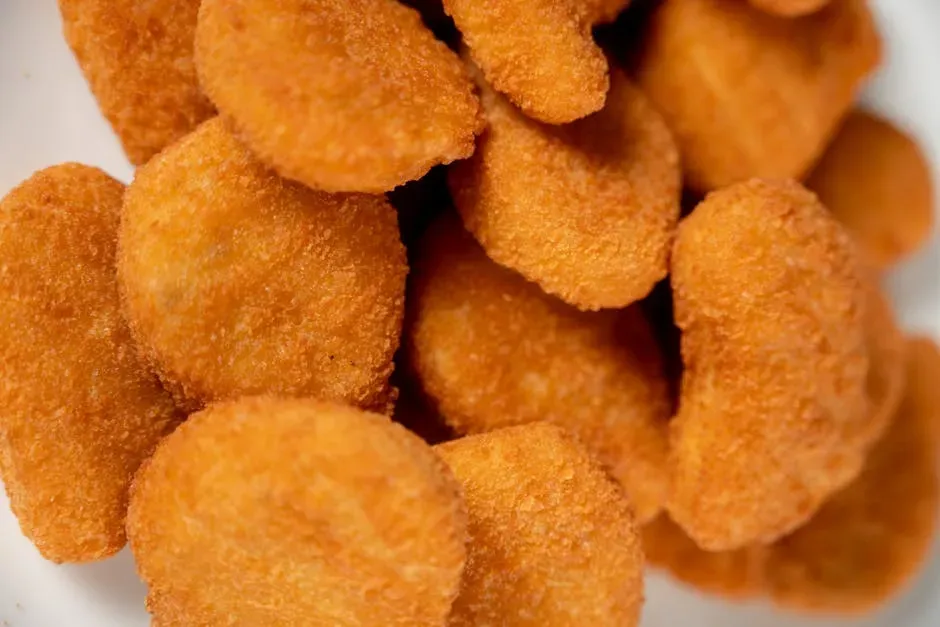
Chicken nuggets are probably the most ordered item in fast food history. Kids love them. Adults love them. Honestly, there's nothing wrong with loving them. The problem isn't what's in them - it's how long they've been sitting there before they reach you.
On a Reddit post about items fast-food employees recommend you avoid, one user notes that chicken nuggets are often just sitting in their container in the heat. There's a timer, but nine times out of ten when that timer goes off, people just reset the timer instead of making new ones. This could go on until all the nuggets are sold. That means what you're getting could have been sitting there for a very long time.
According to a study published by the American Journal of Medicine, striated muscle or actual chicken meat was not the predominant ingredient in chicken nuggets. The nuggets contained every other part of a chicken in larger amounts instead, including fat, bone, nerve, and connective tissue. Pair that with the timer-resetting trick, and you've got a sobering picture of what you're biting into.
2. Fast Food Ice

Most people order a large soda without even thinking twice about the ice. It's just ice, right? Cold, clear, harmless. I hate to be the one to tell you this, but the research on this is genuinely unsettling.
Studies in the U.S., the UK, and China have repeatedly shown high levels of potentially dangerous bacteria, including E. coli, Salmonella, Listeria, and coliform bacteria, as well as mold in restaurant ice machines. The problem, it turns out, is rarely the water itself. Most articles investigating the quality of ice produced by ice machines concluded that microbiological contamination of the ice was related to poor machine hygiene. The contamination does not appear to be related to the water, but rather to the ice-making machines in whose circuit, where correct maintenance does not take place, contamination occurs.
A 2013 to 2023 systematic review documented contamination of food ice with enteric bacteria and viruses including coliforms, E. coli, Staphylococcus aureus, Vibrio spp., and norovirus, and fungi, most often linked to inadequate ice-machine sanitation and handling. Workers who have handled food or other contaminated surfaces sometimes scoop ice with bare hands, making matters significantly worse.
3. Fast Food Seafood Items
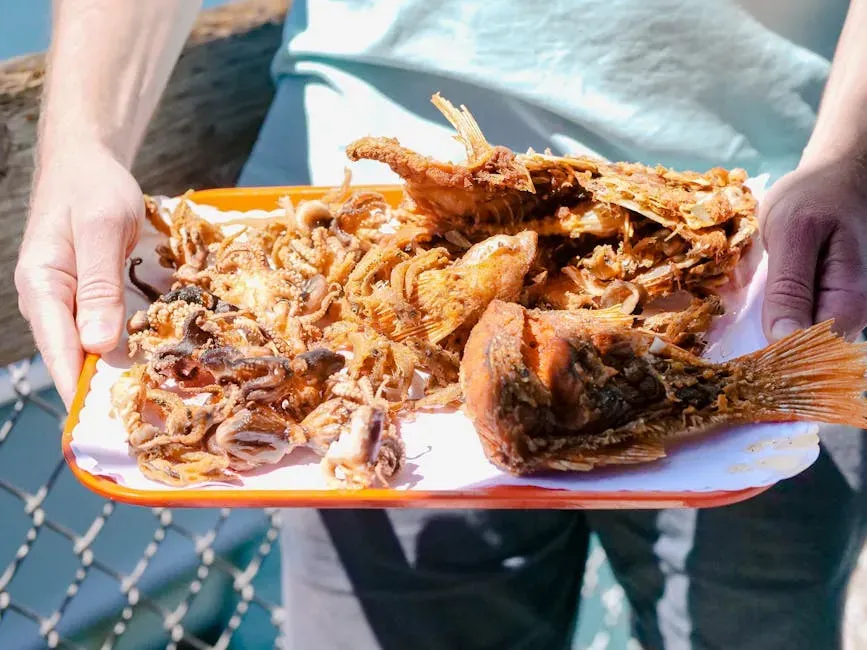
Fast food chains are a place for burgers, fries, and maybe a chicken sandwich if you're feeling adventurous. Seafood at a fast food joint is, I think, a genuinely risky move. Workers across chains have been vocal about this one for years.
While ordering fish or other seafood may be a healthy option at a regular restaurant, it isn't in fast-food joints. Workers who have worked at places like Panera and McDonald's strongly advise against ordering anything advertised as seafood, saying there's no way it's fresh, and even if you're aware of that, it has also been sitting around for a while.
Workers at McDonald's locations have pointed out that the Filet-O-Fish is one of the unhealthiest things on their menu. Fish is a highly perishable protein. When it's not moving off the shelf quickly enough, the freshness window narrows dramatically, and fast food chains are rarely known for high seafood turnover.
4. Milkshakes

A milkshake from your favorite drive-through is one of life's small joys. But the machine making it tells a very different story. Milkshake machines are notoriously difficult to clean, and the science behind what grows inside them is stomach-turning.
One documented case of hospital-acquired listeriosis was linked to milkshakes produced in a commercial-grade shake freezer machine. That machine was found to be contaminated with a strain of Listeria monocytogenes epidemiologically and molecularly linked to a contaminated pasteurized dairy-based ice cream product at the same hospital, despite repeated cleaning and sanitizing. If repeated cleaning couldn't solve the problem in a hospital setting, what's happening inside fast food machines that get far less attention?
In the nine years since the first major listeriosis outbreak linked to ice cream in 2014, there have been four additional listeriosis outbreaks linked to ice cream products. These outbreaks resulted in 46 illnesses, 41 hospitalizations, and four deaths. The milkshake machine issue is not theoretical. It has real, documented consequences.
5. Fast Food Soups
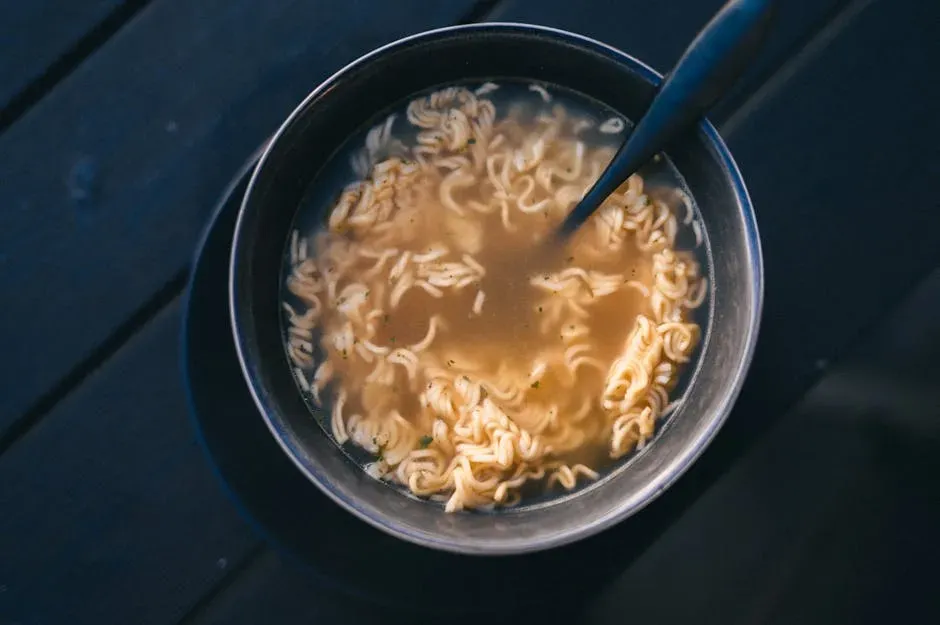
Soup at a fast food restaurant often feels like the sensible, warming choice. Especially in winter. It sounds comforting. Wholesome, even. Workers, however, tell a very different story about what goes into the pot.
Workers have warned that soups are typically prepped in large batches, then cooled rapidly, but the batches are too large to cool effectively and sit at temperatures ripe for bacteria growth. That's a very valid food safety concern. Others say that soup is the place where some product goes to die. Think of leftovers, food that's too badly cooked to be served on its own, and into the soup it goes.
Others have raised issues with soups that come frozen, reheated in a bag. Heating food inside plastic packaging at high temperatures raises the real concern of plastic leaching directly into your food. Given what we know about microplastics in fast food generally, this particular warning takes on extra weight.
6. Items From the Pre-Made Tuna or Cold Salad Category
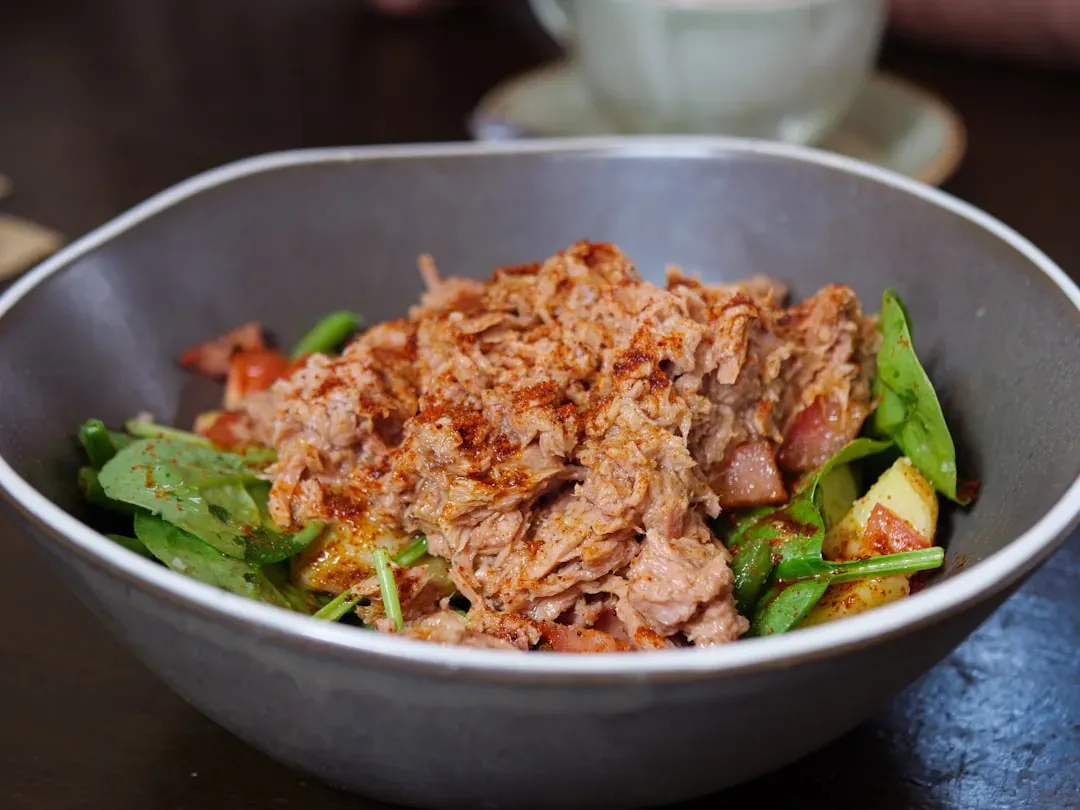
This one might be less surprising, but it's still deeply worth knowing. Pre-made cold salads, tuna mixes, and similar grab-and-go type dishes are among the items workers most consistently flag as problematic. The issue is entirely about preparation timing.
Workers recommend avoiding tuna fish salad or anything similar that can be prepared ahead of time. One worker described a scenario where tuna was prepared just once a week at the restaurant where she worked. That means your portion could be almost seven days old. Think about that the next time it looks a little gray.
Cold foods sitting in that temperature danger zone between 40 and 140 degrees Fahrenheit create ideal conditions for bacterial growth. The biggest food safety threats identified in 2024 and beyond stem from Listeria, Salmonella and E. coli - the exact pathogens that thrive in improperly stored cold deli-style foods. Workers who see this daily know which items carry the highest risk.
7. Fountain Sodas and Slushie Machines
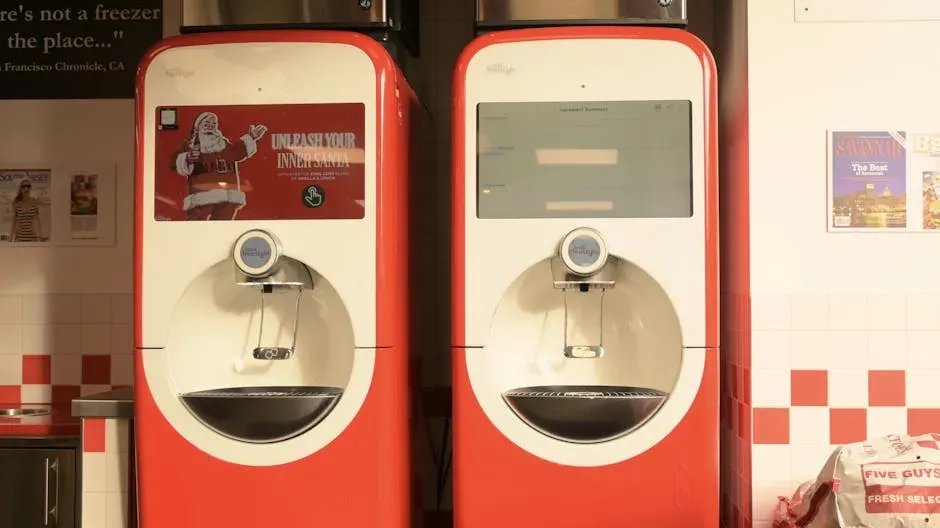
Ordering a soda from a fast food fountain feels as routine as breathing. You probably don't think about the machine dispensing it. That, unfortunately, is kind of the point. Out of sight, out of mind, and rarely cleaned.
Workers point out that slushie and Icee-type machines are a particular concern, with some calling out Sonic specifically. Part of the problem is that these machines are very, very hard to clean, and that seems like a massive oversight. The same hygiene issues that plague ice machines apply here, often amplified by the sugar and syrup that coats internal components and provides even better conditions for mold and bacterial growth.
The average large soda packs around 300 calories, mainly from added sugar, which can quickly consume a significant chunk of your daily calorie intake. According to a 2024 study, high consumption of ultra-processed foods and beverages is associated with a higher incidence of high blood pressure compared with eating fewer or unprocessed foods. So even when the machine is clean, what's coming out of it isn't doing you any favors.
8. Garnishes and Pickles
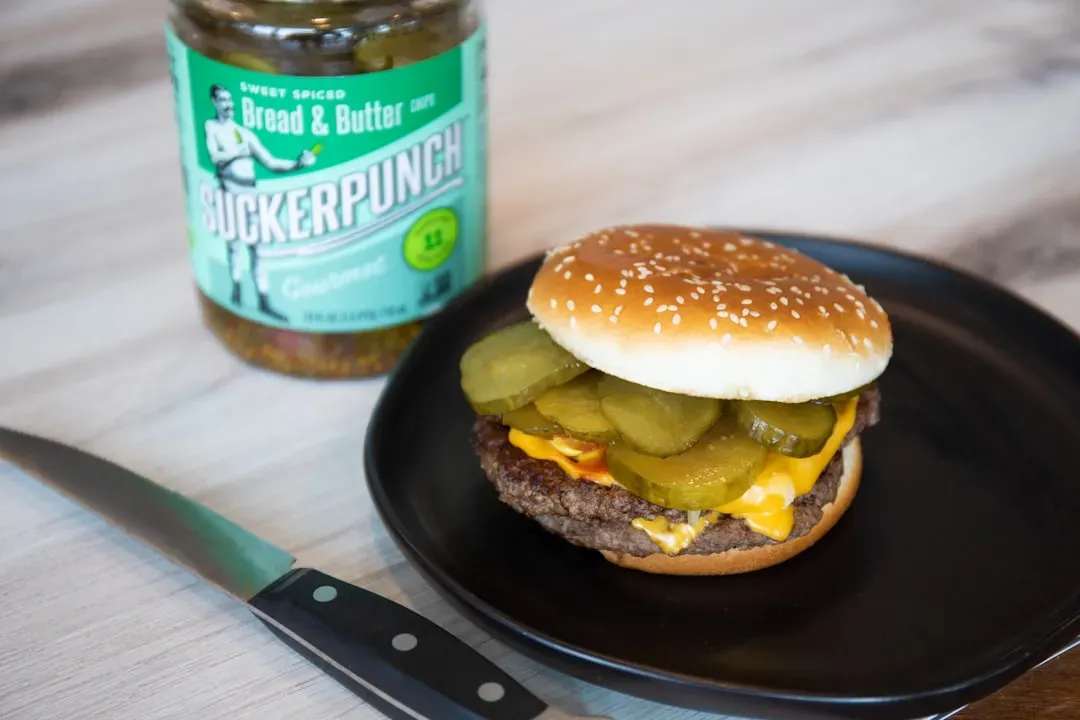
Garnishes are one of those fast food elements that most people accept without thinking. The lemon wedge on your fish sandwich, the pickles on your burger, the little sprig of parsley. They feel like finishing touches. Workers, though, have consistently warned that these items are treated very differently from the rest of your food.
One worker who worked at a Florida-based fast-food restaurant advises never eating any garnishes or pickles, explaining that the place she worked at would wash them and reuse them if you did not eat them. Staff were also instructed to pull uneaten cups of coleslaw off of plates and re-serve them. That's a specific, named practice. Not a rumor.
Reusing garnishes creates serious cross-contamination risk, especially when those items have already been on another customer's tray or plate. Critical food safety violations include things like handling ready-to-eat food with bare hands or unwashed hands, undercooked meat, improper food holding temperatures, and sick employees preparing food. Reusing garnishes fits neatly into that category of practices that can make you genuinely ill.
9. Fast Food Items Containing Microplastic-Prone Packaging
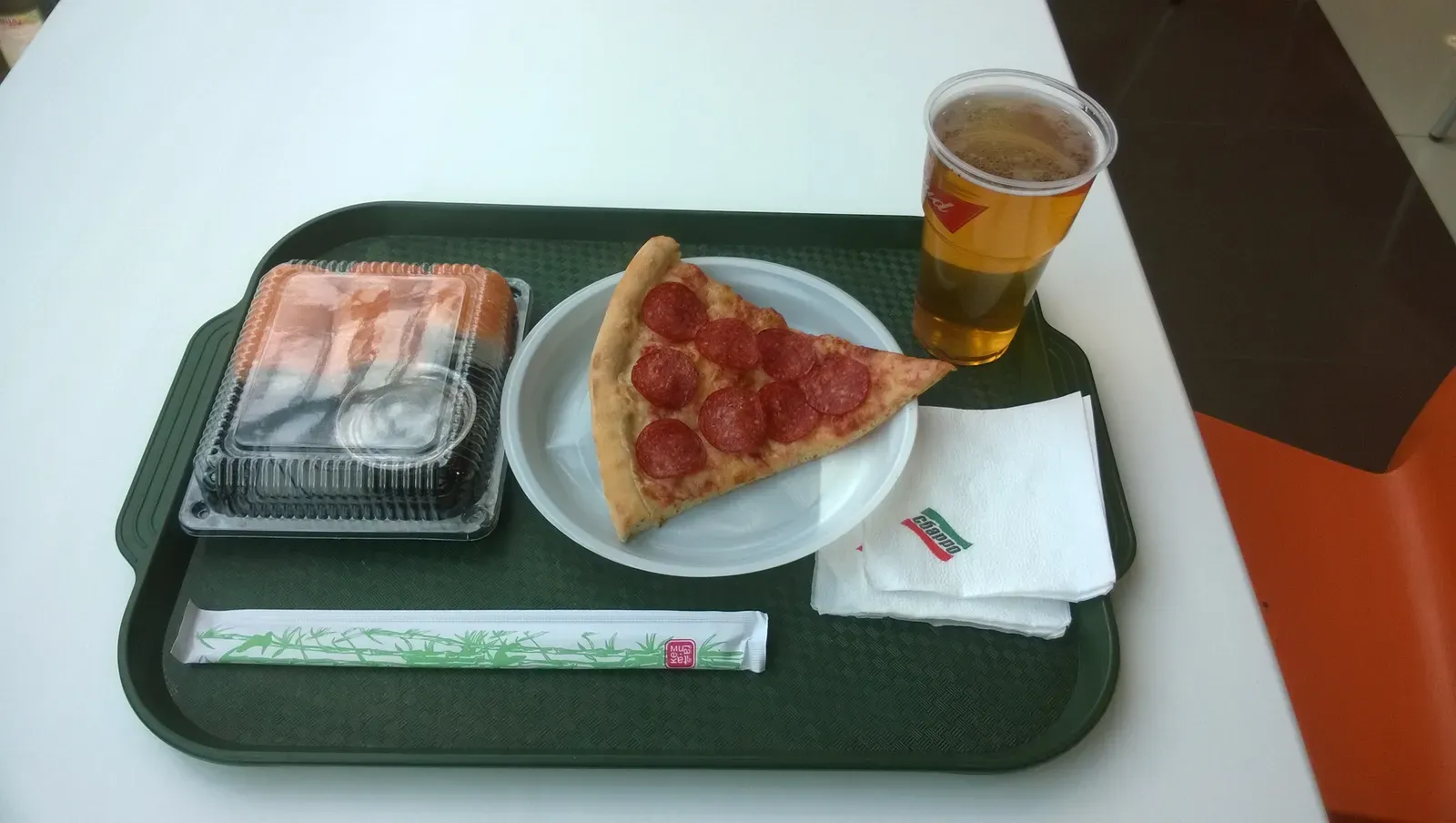
This one is newer, and honestly a bit harder to avoid entirely, but workers and food safety researchers are increasingly vocal about it. The issue isn't just what's in your food. It's what's leaching into it from the packaging and processing equipment around it.
A Consumer Reports investigation published in early 2024 found detectable levels of plastic in fast food items across multiple chains, suggesting that microplastics have infiltrated the industry at nearly every level. A 2021 study found that fast food meals contained 35 percent more phthalates than home-cooked meals, with cheeseburgers and chicken nuggets among the worst offenders. The presence of these chemicals in food has been linked to lower testosterone levels and developmental issues in children, and research also suggests that exposure to phthalates increases the risk of obesity and diabetes.
Unlike microplastics, which mostly come from packaging, phthalates leach into food from plastic food-processing equipment. The more processed the food, the higher the contamination risk. Workers in high-volume kitchens deal with industrial plastic conveyor belts, gloves, and storage bins constantly. The Dietary Guidelines for Americans 2025 to 2030 now explicitly warns that overconsumption of ultra-processed foods is contributing to a health emergency. The more wrapped, boxed, and machine-produced an item is, the more that warning applies directly to your tray.
The Bigger Picture
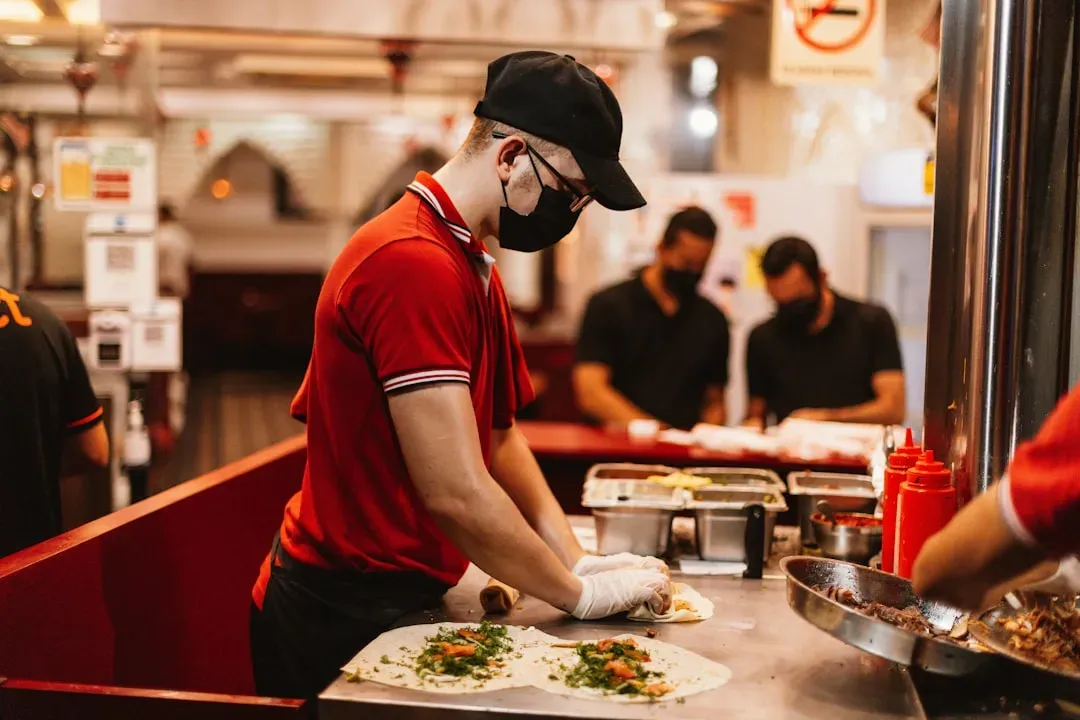
Here's the real takeaway from all of this: fast food workers are not your enemies. Many of them are trying to give you the best version of what's available under incredibly high-pressure conditions. Some items aren't as popular as corporate expected, and tend to sit around all day. Maybe restaurants are required to install machines that are impossible to clean or break all the time, or there are logistical issues with getting food out in the required time frame. Maybe some locations take shortcuts that make an otherwise perfectly fine idea into something less appetizing.
The system itself creates the problem. More people in the United States got sick from contaminated food outbreaks in 2024 than the year before, and nearly 1,400 people became ill from food they ate in 2024 that was later recalled. That's not a trivial number. It's a signal worth taking seriously.
None of this means you need to swear off fast food forever. But knowing what workers actually warn each other about - and what the research consistently backs up - can genuinely change how you order. Sometimes the smartest thing you can do at the drive-through is simply ask for your food fresh, skip the ice, and think twice before reaching for the "safe" seafood option. What's your go-to fast food order - and does any of this change it?

Leave a Reply