
There is something almost irresistible about a pineapple. That bold, spiky silhouette. That unmistakable golden colour. That sweet, tangy burst the moment it hits your tongue. Most people reach for a slice without thinking twice about what is actually going on inside that peculiar fruit. Honestly, pineapple is far more interesting than it gets credit for.
From ancient rainforests in South America to the shelves of your local supermarket, this tropical wonder has a story that stretches back thousands of years. Its vivid yellow color is no accident, and its health benefits go way deeper than you might expect. So let's dive in.
A Fruit Born in the Jungle: The Remarkable Origin of Pineapple
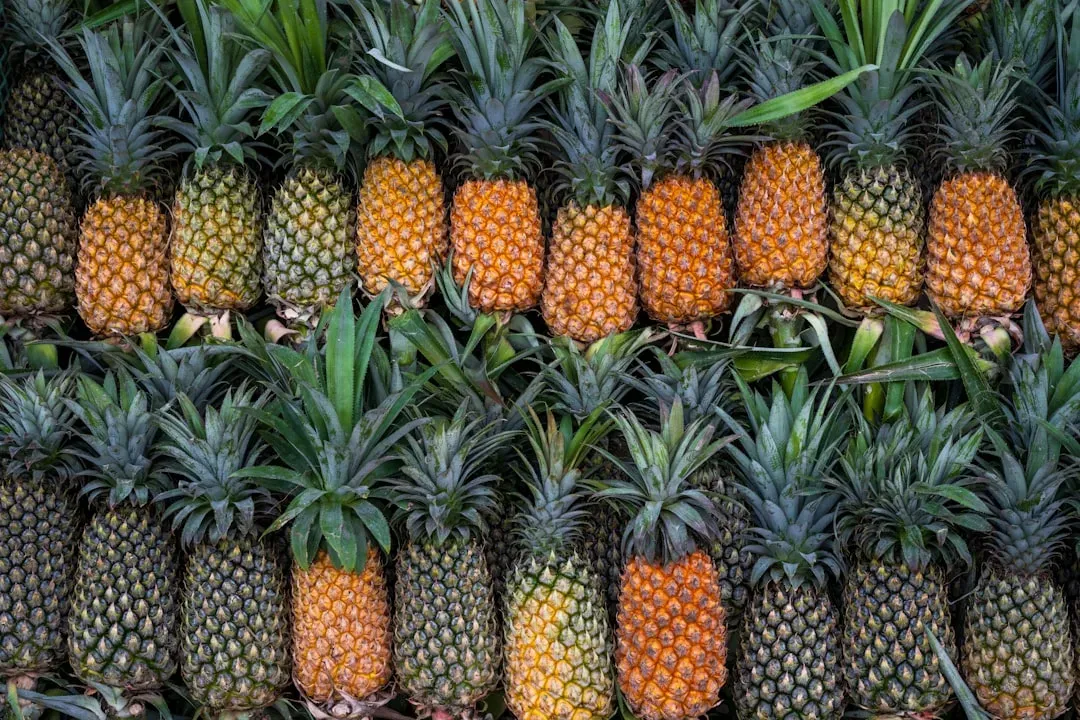
The pineapple is indigenous to tropical South America, where it was domesticated by Native American peoples long before the Columbian Exchange. Think about that for a moment. This was not some random discovery. Indigenous communities were cultivating and enjoying pineapples for centuries before European explorers ever set foot on the continent.
Archaeological evidence of use is found as far back as 1200 to 800 BC in Peru and 200 BC to 700 AD in Mexico, where it was cultivated by the Mayas and the Aztecs. That is ancient by any measure. In 1493, Christopher Columbus himself first encountered the pineapple on his voyage back home, purportedly on the island of Guadeloupe. Together with his crew of Spaniards, they coined the strange fruit "piña" - or pinecone - because of its strange and spiky ovoid shape.
The introduction of the pineapple plant to Europe in the 17th century made it a significant cultural icon of luxury. People went absolutely wild for it. A single pineapple was worth thousands of pounds and often the same one would be paraded from event to event, dinner party to dinner party until it eventually went rotten. So when you casually toss one into your shopping cart today, remember: you are holding what was once the ultimate status symbol of the European elite.
The Science Behind the Golden Color: Why Pineapple Turns Yellow
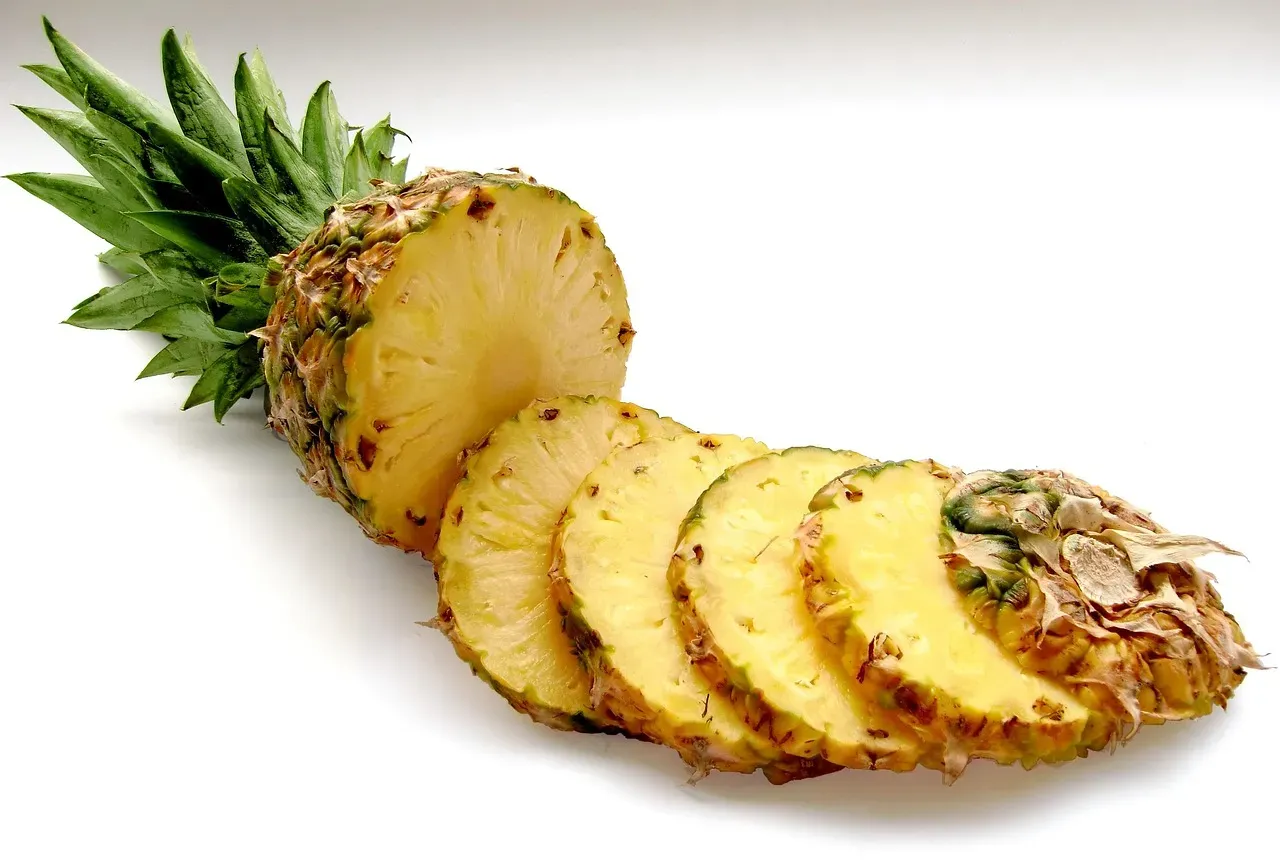
Here is the thing most people never stop to wonder about: why is a pineapple yellow? It seems obvious, but the answer is genuinely fascinating.
Based on spectrophotometer analysis, it was identified that the yellow pigment in pineapple contains carotenoid compounds, while the green pigments contain chlorophyll compounds. In other words, the same family of pigments responsible for the orange in carrots and the red in tomatoes is behind that glorious golden hue. Typical yellow pineapples have high levels of enzymes that change the pink pigment, called lycopene, into a yellow pigment, called beta carotene.
In many pineapple cultivars, during early fruit development up to two to three months after flowering, the peel color is mostly red, which is then discolored and appears yellow upon maturity. So a pineapple actually starts out reddish, and the yellowing is essentially the fruit ripening and converting its own pigments. In pineapple infructescence, the most accumulated carotenoids are lutein and beta-carotene, and the flesh carotenoid profile is similar at the qualitative level. These are the two heavy-hitters responsible for that iconic tropical glow. Nature is pretty clever that way.
A Nutritional Powerhouse Hidden Inside Spiky Armor
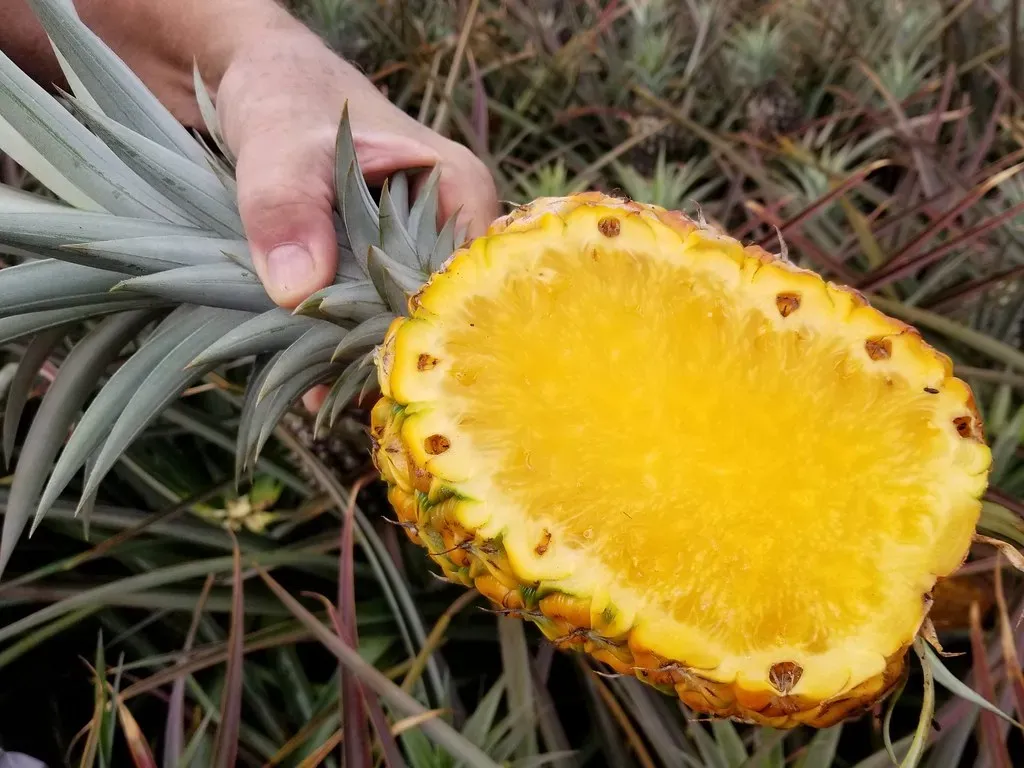
Let's be real, pineapple looks almost too aggressive to be healthy. But slice past that armored exterior, and you find one of the most nutrient-dense fruits on the planet.
A one-cup serving of pineapple, at 165 grams, offers just 75 calories without any cholesterol, sodium or fat. For something that tastes like candy, that is remarkable. One cup has more than 88 percent of your daily value of cell-protecting, collagen-making vitamin C. Oranges tend to get all the vitamin C glory, but pineapple deserves a bigger share of that spotlight.
The mineral manganese plays an essential role in the way your body metabolizes food, clots blood, and keeps your bones healthy. One cup of pineapple has more than half of the manganese you need every day. Pineapple also gives you a healthy dose of several B vitamins, including thiamin, niacin, B6 and folate, and these nutrients help your body process energy from the food you eat. It is not just a snack. It is practically a multivitamin wrapped in tropical flavour.
Bromelain: The Enzyme That Makes Pineapple Truly Special
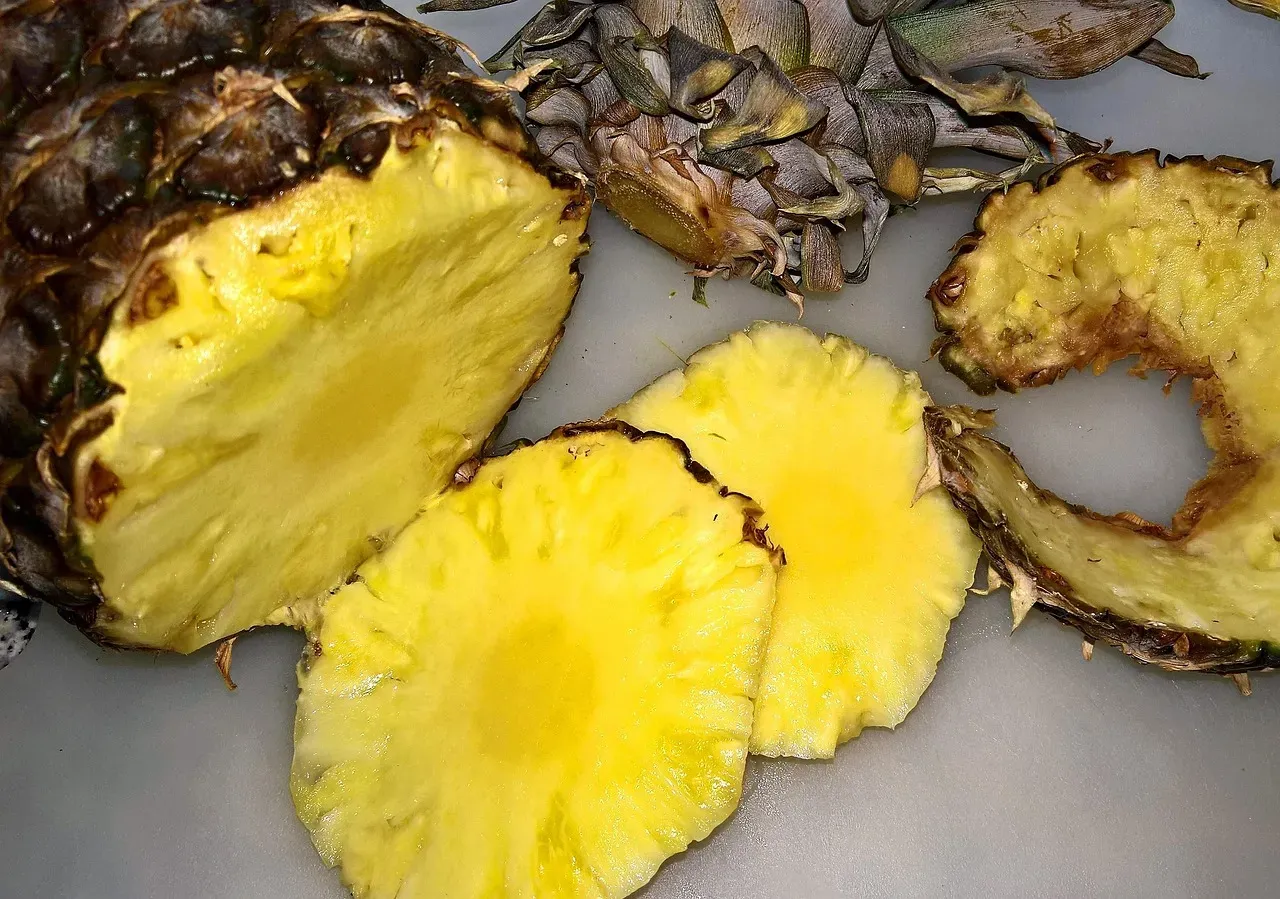
If there is one thing that sets pineapple apart from almost every other fruit on Earth, it is bromelain. I think this is where pineapple's real story gets exciting.
Pineapples are the only known food source of bromelain, a combination of enzymes that digest protein. That is why pineapple works as a meat tenderizer: the bromelain breaks down the protein and softens the meat. In your body, bromelain makes it easier for you to digest food and absorb it. That tingling sensation you feel on your tongue when you eat fresh pineapple? That is bromelain literally beginning to break down the proteins in your mouth. Strange, but totally harmless.
Bromelain is a proteolytic substance with multiple beneficial effects for human health, such as anti-inflammatory, immunomodulatory, antioxidant and anticarcinogenic properties, traditionally used in many countries for its potential therapeutic value. Bromelain has anti-inflammatory and pain-relieving properties, which helps when you have an infection like sinusitis or an injury like a sprain or burn, and it also offsets the joint pain of osteoarthritis. It is hard to say for sure exactly how much bromelain from a single serving translates into clinical effect, but the science behind it is genuinely promising.
Pineapple and Cancer Research: What We Actually Know

This is where things get both exciting and worth approaching with a little caution. The connection between pineapple, bromelain and cancer is one of the most actively researched areas in food science right now.
Bromelain, a sulphhydryl proteolytic enzyme derived from pineapple stems, has garnered considerable attention for its diverse therapeutic properties, exhibiting promising anti-cancer and anti-inflammatory effects. In oncology, bromelain has been shown to induce apoptosis, inhibit cell proliferation, and modulate key signalling pathways involved in tumour progression. A 2023 review of research published in Frontiers in Oncology suggests that pineapple's bromelain has anticancer effects against several types of cancer, including breast, liver, colorectal, gastrointestinal, lung, and pancreatic cancer.
Pineapple flesh is an excellent dietary source of bromelain and a very good source of manganese and vitamin C, and pineapple and pineapple extract have been reported to have antioxidant, anti-inflammatory, and antithrombotic properties. Bromelain, a complex mixture of proteolytic enzymes, has been reported to have proapoptotic, anti-invasive and anti-metastatic properties. Still, it is important to be clear: most of this research is preclinical or based on animal studies. Eating pineapple is not a cancer cure, but the science does suggest it may play a protective role as part of a healthy diet.
Antioxidants, Immunity, and Why Your Body Loves Pineapple
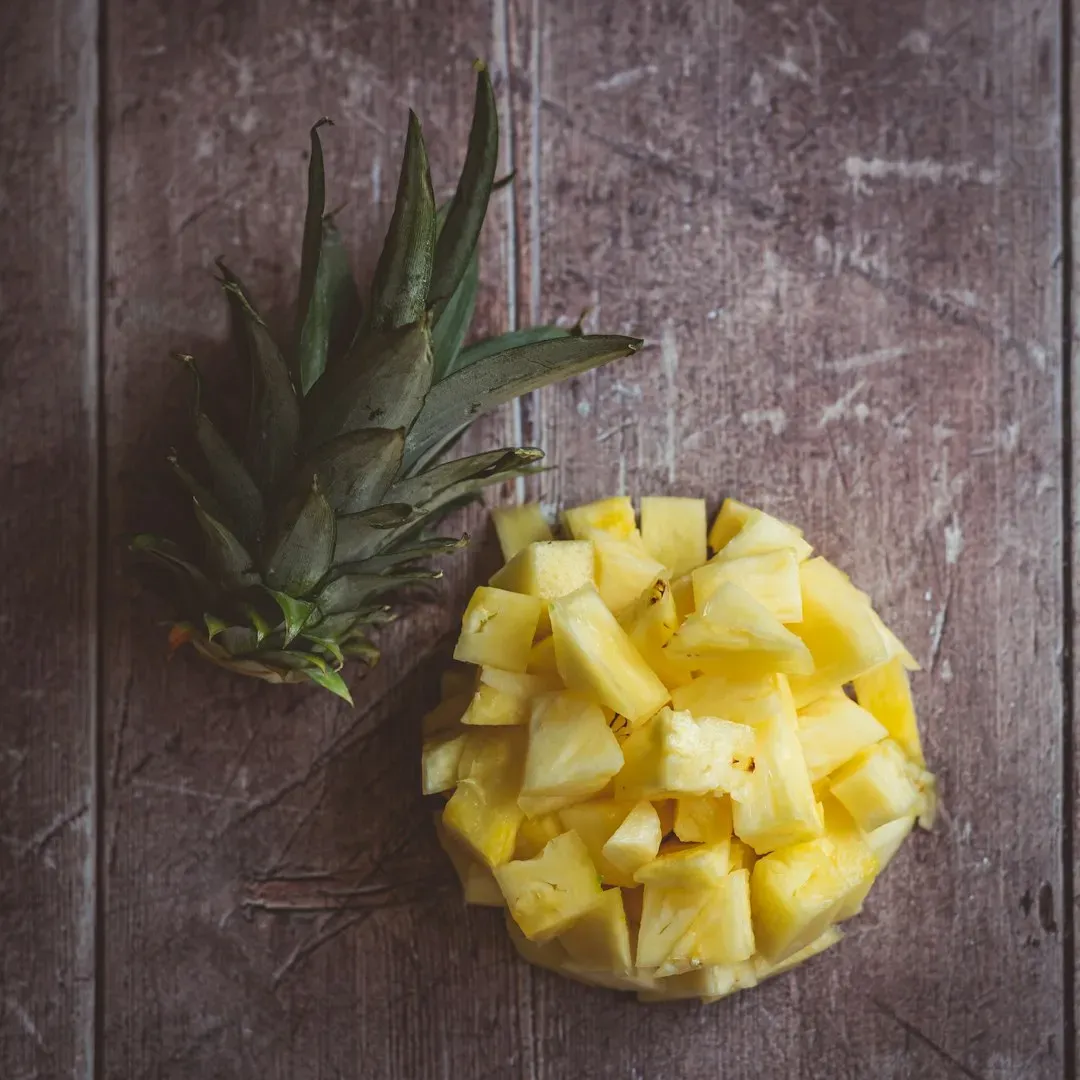
Beyond bromelain, pineapple packs a serious antioxidant punch that benefits your whole body in ways that are easy to overlook.
Pineapples are not only rich in nutrients, but they also contain antioxidants, molecules that help your body ward off oxidative stress, which is caused by an abundance of free radicals. Pineapples are especially rich in antioxidants called flavonoids and phenolic compounds. Think of oxidative stress like rust on metal, slowly corroding your cells from the inside. Antioxidants are essentially your body's rust-prevention system.
Pineapple has been proven to have various health benefits including anti-inflammatory, antioxidant activity, monitoring nervous system function, and healing bowel movement. These tropical fruits are low in calories and high in water content, which means they can be a part of a weight-loss diet when consumed in moderation. There is also a fun biological surprise worth knowing: a pineapple is not a single fruit, but a cluster of berries fused together. Every segment you see on that bumpy exterior is, technically, its own berry. So when you eat a pineapple, you are eating dozens of tiny fruits at once. What would you have guessed?
Conclusion: The Golden Fruit Deserves Its Crown
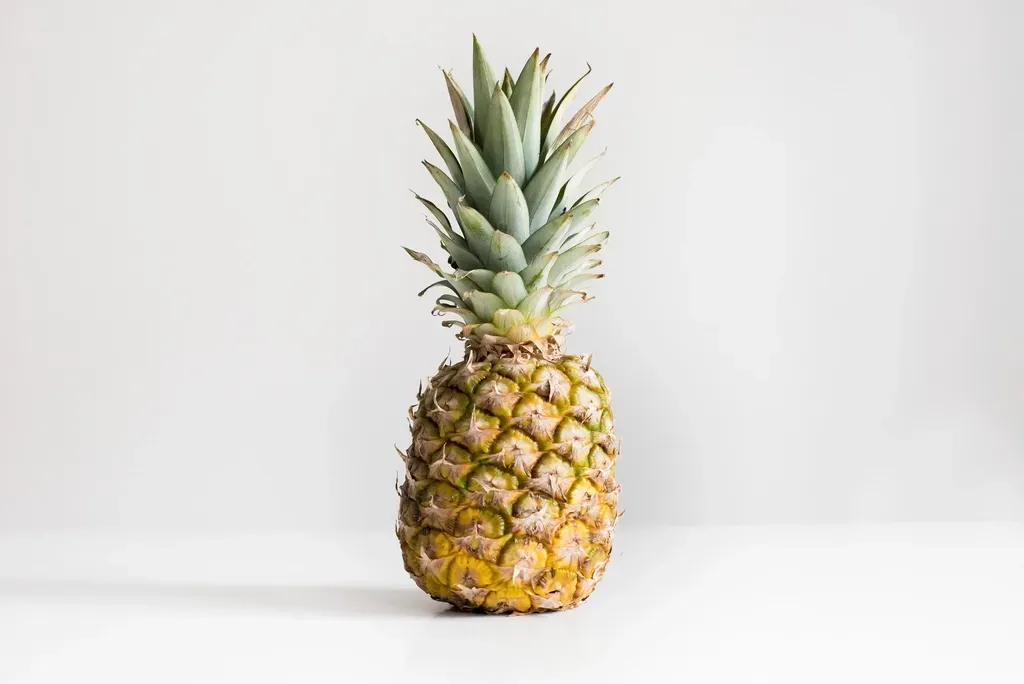
Pineapple is one of those foods that manages to be simultaneously delicious, visually striking and genuinely good for you. Its yellow color is the result of a fascinating biological process involving carotenoids and enzymes working together during ripening. Its health profile, driven by vitamin C, manganese, B vitamins and the unique enzyme bromelain, is hard to match in the fruit world.
The research on bromelain's anti-inflammatory and potential anticancer properties is growing every year, and while it would be an overstatement to call pineapple a superfood miracle, it is very fair to say that it earns its place in any healthy diet. From ancient Amazonian jungles to modern food science labs, this spiky golden fruit has never stopped surprising us.
So the next time you slice into a pineapple, take a second to appreciate just how extraordinary that ordinary-looking fruit really is. What other foods in your kitchen have a story this good? Tell us in the comments.



Leave a Reply