
Not all nuts are created equal. While they all bring something to the table, the gap between the least and most nutritious options is wider than most people realize. Researchers have spent decades studying how regular nut consumption affects everything from heart disease risk and brain aging to blood sugar and gut bacteria. The science is now clear enough to rank them - and a few of the results might genuinely surprise you.
6. Macadamia Nuts - Delicious, but Nutritionally Lean

Macadamia nuts are often seen as a luxurious snack, but when it comes to health, they sit at the bottom of most serious rankings. According to dietary profile analyses, macadamias are the highest in total fat among popular nuts, with roughly 76 grams of fat per 100-gram serving. While most of this is heart-healthy monounsaturated fat, the sheer calorie density - about 718 calories per 100 grams - makes portion control challenging for most people. That richness is exactly what makes them taste so good, but it also means they offer less nutritional return per calorie compared to other nuts.
Macadamias are lower in protein compared to other nuts, with only about 7.9 grams per 100 grams. They also contain fewer vitamins and minerals like magnesium and vitamin E. The FDA has approved a qualified health claim linking a 1.5-ounce serving of macadamia nuts to a reduced risk of coronary heart disease, according to 2023 research from Advances in Nutrition. A 2023 study published in the Journal of Nutritional Science also showed that cholesterol levels went down in people eating macadamias over just an eight-week period. Macadamias are rich in beneficial monounsaturated fats and contain flavonoids and phytonutrients that can help support heart health and tamp down inflammation. So they're far from harmful - they just don't compete at the top of the nutrition ladder.
5. Brazil Nuts - The Selenium Double-Edged Sword

Selenium is a nutrient the body needs to stay healthy. The thyroid gland needs it to produce hormones and function properly, and it is also needed for reproduction, to make DNA, and to help protect cells and resist infection. Brazil nuts are the single richest food source of selenium on the planet, making them nutritionally unique. Most of Brazil nuts' health benefits come from their high selenium content. They contain more selenium than any other food, with a one-ounce serving providing nearly 1,000% of the recommended daily value.
The problem is that this extraordinary concentration is also a genuine risk. Brazil nuts contain very high amounts of selenium - 68 to 91 mcg per nut - and can cause you to go over the upper limit if you eat too many. Eating too many Brazil nuts may lead to selenium toxicity. Just one Brazil nut contains around 96 micrograms of selenium, almost twice the daily requirement. Doctors advise eating no more than five Brazil nuts a day to avoid potential health risks like selenium toxicity, a condition linked to breathing problems, heart issues, and kidney failure. A small 2024 study looked at the potential anti-inflammatory effects of Brazil nuts in women with overweight or obesity, finding that selenium blood concentrations were higher and levels of inflammatory markers such as C-reactive protein were lower in the group that consumed 8 g of Brazil nuts per day. Treat them as an occasional selenium boost, not a daily staple.
4. Cashews - Creamy, Mineral-Rich, and Surprisingly Good for Iron

Cashews are packed with essential minerals like zinc, copper, magnesium, and manganese, which are key for energy production, immune support, and bone health. Roughly 82% of their fat is unsaturated fat, the majority being heart-healthy monounsaturated fats similar to those found in olive oil. They're one of the creamier, more versatile nuts in the lineup, and that texture comes from a genuinely solid fat profile. Cashews have more magnesium than almonds, and most of the unsaturated fat in cashews is oleic acid - the same fat that's found in heart-healthy olive oil.
Like other nuts with healthy fats, fiber, and antioxidants, cashews support heart health, blood sugar levels, and anti-inflammatory effects. But they stand out when it comes to one nutrient: iron. One-third of Americans need to get more iron in their diet, according to 2024 research published in JAMA Network Open, and cashew nuts come with about 2 mg per serving - around 11% of the daily value for women and 40% for men. That makes cashews particularly valuable for people following plant-based diets, where iron deficiency is more common. They are slightly higher in carbohydrates compared to most other nuts, which is worth keeping in mind if you are tracking blood sugar closely.
3. Almonds - The Everyday Overachiever

When compared ounce for ounce, almonds are the nut highest in protein, fiber, calcium, vitamin E, riboflavin, and niacin - the best source of six of the thirteen nutrients for which there are daily values - while also being among the lowest in calories. These nuts are especially rich in vitamin E, a fat-soluble nutrient that functions as an antioxidant to protect cells against oxidative damage. Their high vitamin E content is one of their most notable qualities - nearly 45% of the daily value for vitamin E can be found in just one ounce of almonds. For a relatively cheap and widely available nut, the nutritional resume is genuinely impressive.
Research published in the Journal of the American College of Nutrition showed that increasing almond intake helped improve insulin sensitivity and reduced cholesterol in adults with prediabetes. Almonds offer nutrient-dense benefits, particularly for heart health, weight management, and antioxidant protection. They contain among the highest amounts of fiber among tree nuts, supporting metabolic, cardiovascular, gut, and overall health by helping with digestion, blood sugar control, and microbiome support. Almonds are also a good source of vitamin E. A dose of 42–50 grams per day has shown the most favorable effects. They're the nut you can realistically eat every single day without worrying about the selenium ceiling or the calorie density of other options.
2. Pistachios - The Protein-Packed, Eye-Protecting Powerhouse
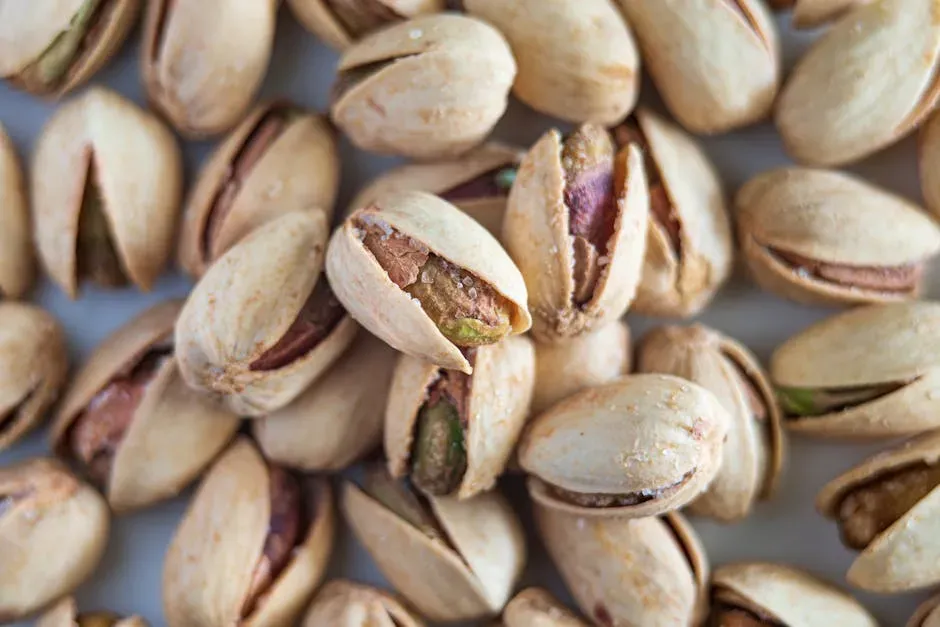
Pistachios are among the highest in protein, lowest in fat, and lowest in calories compared to every other nut. Compared with other nuts, pistachios have a lower fat content, and they have an essential amino acid ratio higher than most other commonly consumed nuts including almonds, walnuts, pecans, and hazelnuts - plus they are richer in fiber. That combination of high protein, strong amino acid profile, and relatively low fat makes them a rare find in the nut world. Among nuts, pistachios have the highest levels of potassium, vitamin K, phytosterols, and vitamin B6.
In addition to heart-healthy fats, pistachios have lutein, a nutrient that supports eye health. A 2025 study published in The Journal of Nutrition found that eating pistachios strengthens a part of the eye that protects the retina and reduces the risk of age-related macular degeneration, a leading cause of vision loss in older adults. Research suggests that eating pistachios may help promote blood sugar regulation. A 2020 review of six studies concluded that pistachios could significantly reduce fasting blood sugar and improve insulin resistance in people with type 2 diabetes, prediabetes, or metabolic syndrome. A 2024 study also found that eating 57 g of pistachios after dinner may be a good nighttime snack for people with prediabetes. The depth and breadth of evidence behind pistachios is hard to argue with.
1. Walnuts - The Most Comprehensively Studied Nut in the World

Walnuts are a great source of alpha-linolenic acid, an omega-3 fatty acid that is important for reducing inflammation - and they are the only nut significantly high in these omega-3 fatty acids. That distinction alone sets them apart from every other nut on this list. Walnuts have greater antioxidant activity than any other common nut. This activity comes from vitamin E, melatonin, and plant compounds called polyphenols, which are found in particularly large amounts in the papery skin of walnuts. A 2024 review of research published in Foods and Humanity calls walnuts a "functional food" based on 23 years of study findings, with associated health benefits including the ability to lower LDL cholesterol and reduce the risk of heart disease.
A meta-analysis of randomized controlled trials published in 2024, based on research through March 2024, found that adding walnuts to the diet significantly lowered total cholesterol levels and LDL cholesterol levels. The brain benefits are equally compelling. Studies have shown that the antioxidants and anti-inflammatory polyphenols found in walnuts may improve brain function and slow mental decline that occurs with aging, including memory and the ability to think. Research also shows walnuts can improve gut health - in a clinical trial, adults who ate walnuts every day had healthier gut bacteria. When the totality of the science is considered - heart health, brain health, gut health, antioxidant capacity, and anti-inflammatory power - walnuts sit at the top of the rankings with more evidence behind them than any other nut.




Leave a Reply