
Diabetes is a chronic disease that affects how the body turns food into energy, and today roughly 1 in 8 Americans lives with the condition. For millions of people managing diabetes worldwide, the word "carbohydrate" has become almost synonymous with danger. Yet that reputation is not entirely fair. Carbohydrates are an important macronutrient for people with diabetes because they have the most direct effect on blood glucose levels - but cutting them out entirely is not necessarily the solution. The American Diabetes Association recommends that, regardless of carbohydrate quantity, the focus should be on high-quality, nutrient-dense carbohydrate sources that are high in fiber and minimally processed. Here are six carbohydrates that diabetics can genuinely eat with confidence.
1. Legumes - Beans, Lentils & Chickpeas
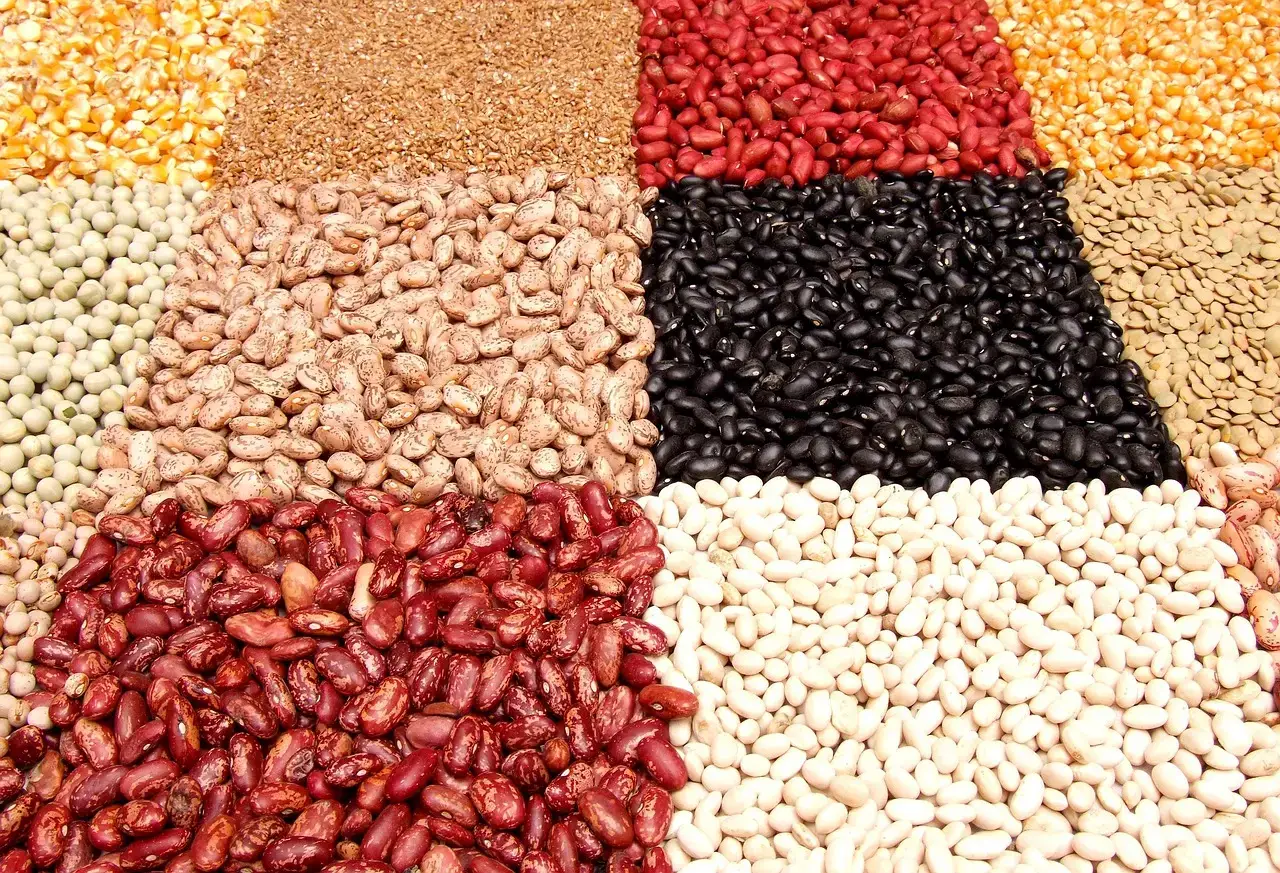
Legumes - including chickpeas, lentils, beans, peas, and dried pulses - are unique foods with a nutrient-rich profile comprising iron, zinc, potassium, magnesium, niacin, and dietary fiber. Notably, they are also considered low-glycemic index (GI) foods, effective at reducing the postprandial glucose and insulin response compared to other carbohydrate-containing foods such as rice or potatoes. This makes them exceptionally well-suited for people managing blood sugar on a daily basis.
Regular legume consumption may play a considerable role in reducing the risks associated with type 2 diabetes. Improvements in glycemic control were consistently observed among legume interventions for individuals with type 2 diabetes, with multiple studies showing reductions in fasting blood glucose, HbA1c, and postprandial glucose levels. Lentils in particular are high in complex carbohydrates, which attenuate postprandial blood glucose response, and epidemiological studies have demonstrated an inverse relationship between the consumption of lentils and other pulses and the risk for type 2 diabetes.
2. Whole Grain Oats

Oatmeal can be a good option for people with diabetes. It has a low glycemic index score, and the soluble fiber and beneficial compounds in oats may help people manage markers of diabetes. Not all oats are the same, however. Steel-cut oats carry a GI between 42 and 52, making them the least processed and best for blood sugar control. Rolled oats score between 55 and 58 and are still a solid choice. Instant oats, on the other hand, score between 79 and 83 and can lead to quicker blood sugar spikes.
For decades, scientific studies have established the health benefits of oats in lowering glycemic response, reducing blood cholesterol levels, balancing gut microbiota, and regulating blood pressure. Oats contain specific types of fibers called beta-glucans, and a 2021 systematic review and meta-analysis found that adding oat beta-glucans helped reduce the blood glucose and insulin responses after eating carbohydrate-containing meals among people both with and without diabetes. Old-fashioned or steel-cut oats are a great whole grain option instead of sugary cereals, and they can be prepared creatively as overnight oats or baked oat bars.
3. Non-Starchy Vegetables
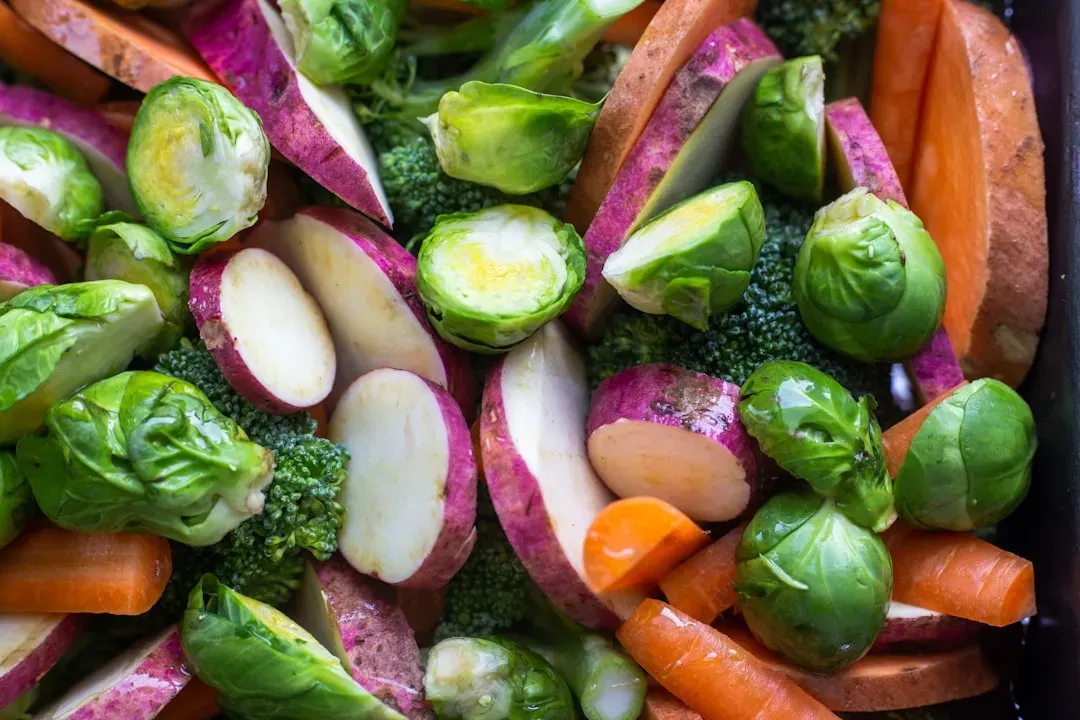
Non-starchy vegetables like lettuce, cucumbers, broccoli, tomatoes, and green beans have a lot of fiber and very little carbohydrate, which results in a smaller impact on blood glucose. They are the one carbohydrate category where "more is almost always better" for diabetics. According to the Diabetes Plate, non-starchy vegetables should make up half of every meal. They are packed with vitamins and minerals such as vitamins A, C, K, and folate; iron; calcium; and potassium, and are low in calories and carbohydrates. Dark leafy vegetables like spinach, collards, and kale are especially beneficial added to salads, soups, and stews.
Non-starchy vegetables like spinach, broccoli, and cauliflower are essential components of a diabetes-friendly diet. These vegetables are low in calories and carbohydrates, making them a great choice for blood sugar control. Their high fiber content contributes to a feeling of fullness, helping to maintain a healthy weight and better blood sugar management. Furthermore, non-starchy vegetables are a powerhouse of essential vitamins and minerals, and they provide antioxidants that can help protect cells from damage caused by elevated blood sugar.
4. Berries and Whole Fruit
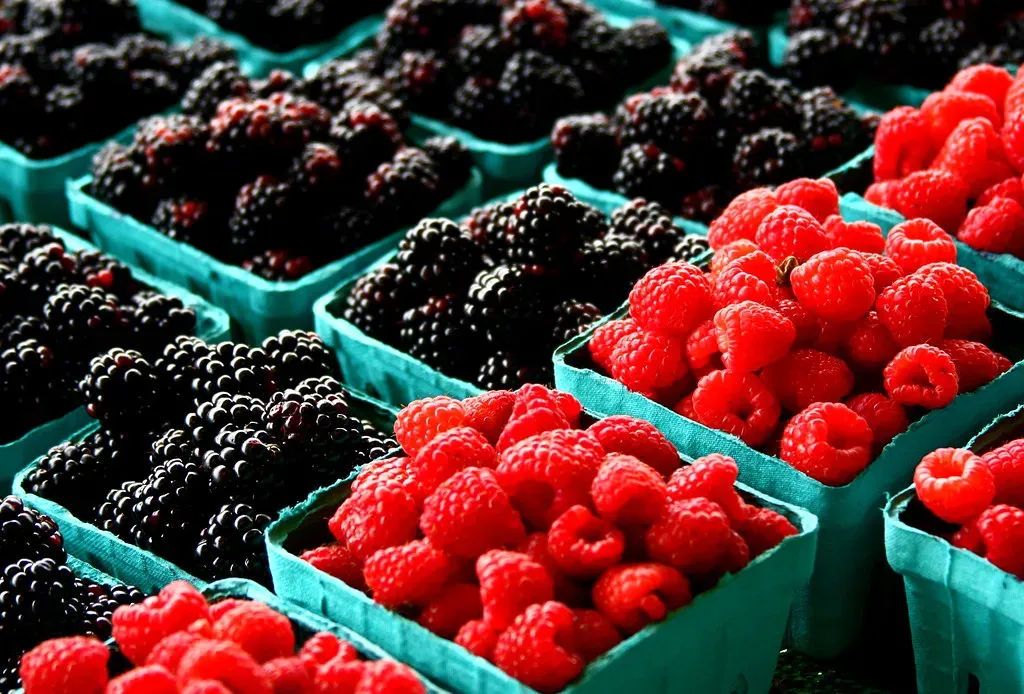
Berries are a great option for a diabetes meal plan, packed with antioxidants, vitamins C and K, manganese, potassium, and fiber. They are naturally sweet and can satisfy a craving for something sweet without added sugar. Berries like blueberries, strawberries, and raspberries are relatively low in sugar compared to many other fruits, and they are packed with antioxidants. These antioxidants are beneficial for those with diabetes because they help protect cells from oxidative stress, which is often elevated in people with uncontrolled blood sugar levels.
Fruit absolutely can be part of a balanced diet for someone with diabetes. A systematic review and meta-analysis of observational studies published in Nutrition Reviews found that people with diabetes who ate more fruit were less likely to die from cardiovascular disease and all other causes. For the most fiber benefit, it is best to eat whole fruits rather than drinking fruit juice. Examples of low-glycemic fruits include berries, some citrus fruits like grapefruits, and apples, and it is best to pair fruit with protein to prevent blood-sugar spikes.
5. Quinoa and Other Whole Grains
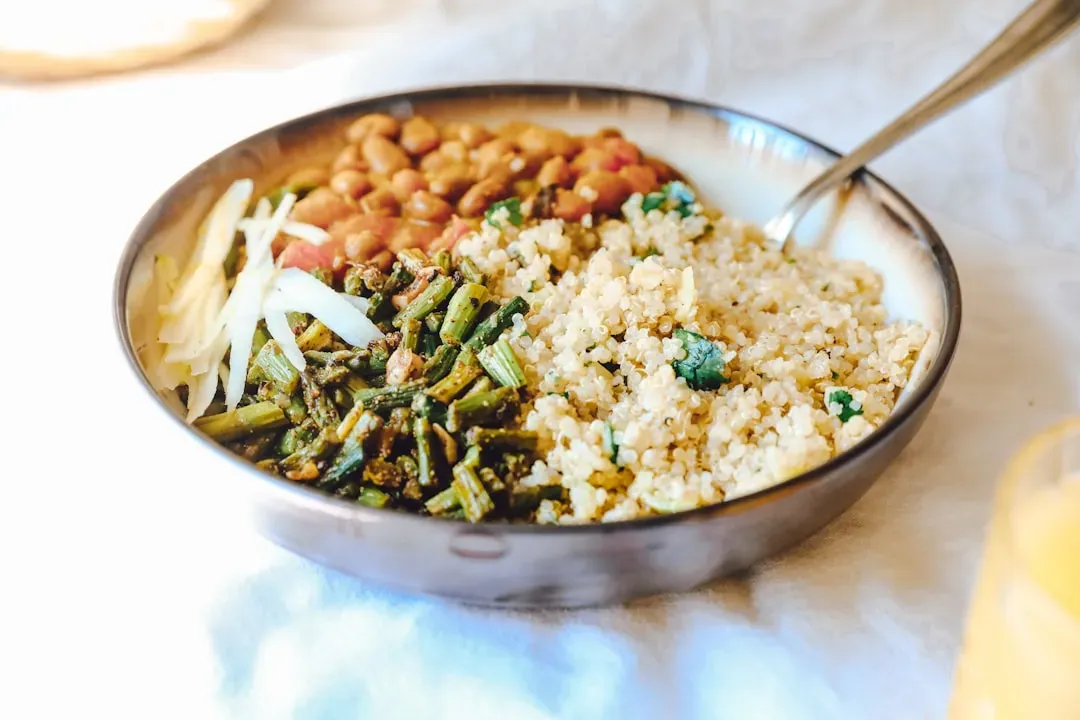
Compared to refined grains, whole grains like quinoa can boost fiber intake and help stabilize blood sugar levels. Research suggests that eating whole grains improves several measures of metabolic health, including insulin sensitivity and blood glucose. Whole grains that can be included in a diabetic diet include brown rice, quinoa, barley, and whole wheat. These grains have a lower glycemic index than refined grains, facilitating better blood sugar regulation.
A high intake of whole grains is associated with a decreased risk of developing diabetes, whereas diets abundant in refined grains - such as white flour products and white rice - are associated with an increased risk. Whole grains are rich in vitamins and minerals like B vitamins, magnesium, iron, and manganese, and are a great source of fiber. When shopping, look for products that have the word "whole" as the first ingredient. Some excellent examples of whole grains include whole oats, quinoa, barley, farro, and whole wheat.
6. Sweet Potatoes

Starchy vegetables, including sweet potatoes, are among the examples of complex carbohydrates that offer the most nutrition with the least impact on blood sugar. Sweet potatoes rank considerably better than regular white potatoes for people with diabetes. Many factors can affect a food's glycemic index, including processing. Grains or starchy foods that have been milled and refined have a higher glycemic index than minimally processed options. This is why eating foods in their whole form - like sweet potato rather than highly processed potato products - tends to be healthier for blood sugar control.
Complex carbohydrates like sweet potatoes increase blood sugar more slowly because they contain fiber and other complex starches that take longer for the body to digest. Choose these carbs to get the most nutrition with the least impact on blood sugar. Some evidence suggests that dietary fiber from whole foods like sweet potatoes helps lower your risk of heart disease and stroke, and fiber may also protect against type 2 diabetes and obesity. Pairing a moderate serving of sweet potato with a source of protein or healthy fat slows the glucose release even further, making this a genuinely smart carbohydrate choice for diabetics.




Leave a Reply