
Most people walk into a restaurant thinking the only way to score a complimentary treat is by celebrating a birthday or complaining loudly enough to trigger manager mode. Honestly, that could not be further from the truth. There is a whole invisible game being played on the restaurant floor every single night, and most diners have no idea they are even in it.
The front-of-house team is watching. Not in a creepy way, but in the way that a good host, a seasoned server, or an attentive manager notices the guests who make the entire experience feel worth showing up to work for. Those people get rewarded. Quietly. Often without even realizing it. So let's get into it.
1. You Actually Make a Reservation and Show Up on Time
Here is something that might surprise you: the simple act of booking a table and arriving when you said you would is, in today's dining landscape, genuinely remarkable. Year over year, restaurant reservations are up by roughly a fifth, which proves that guests still want the security of a confirmed table. Yet no-shows and late arrivals remain one of the biggest daily headaches for front-of-house teams everywhere.
Millennials, for instance, list the ease of making a reservation as a top priority, while Gen X guests particularly value the rapport they develop with front-of-house team members. When you follow through on a booking, you are already signaling to the host that you respect the operation. That signal travels fast, often before you even sit down.
Each visit gives the restaurant an opportunity to build a richer and more actionable guest profile, and it is the most personal hospitality that makes guests feel special and wins restaurants repeat business. The host remembers the guest who always shows up at 7:30 sharp. Think of it like being a reliable neighbor. People go out of their way for reliable neighbors.
2. You Greet the Host Like an Actual Human Being

I know it sounds crazy, but the number of people who walk up to the host stand without making eye contact, speak directly to their phone, or bark "table for two" like they are placing an Amazon order is staggering. Hospitality is a two-way street. When it comes to restaurants, hospitality has always meant the art and science of crafting a warm, welcoming, and positive experience for guests. To guests, the best hospitality feels almost magical. They don't see all the planning and effort it takes. They only know they feel great and that feeling brings them back.
A simple smile, a "good evening, how are you tonight?" directed at the person holding the seating chart changes the entire energy of that interaction. Front-of-house staff are trained to read the room the moment a guest walks in. The front-of-house team delivers service to guests, so their training can make or break the customer experience the restaurant becomes known for. Warmth is genuinely contagious, and the hosts who feel it from you will often advocate for you to the server even before you reach your table.
3. You Mention a Special Occasion Without Demanding Special Treatment
There is a big difference between walking in and announcing a birthday like you expect a parade, and quietly mentioning it the way you might tell a friend. The first approach puts staff on the defensive. The second one melts them. Among Gen Z diners, roughly a third want personalized surprises like free desserts for birthdays. The key word there is "surprise." Surprises only happen when you are not demanding them.
Personalization goes beyond simply remembering a customer's name; it is about tailoring the entire dining experience to individual preferences, past behaviors, and specific needs. This sophisticated approach uses data and attentive staff to make each guest feel uniquely seen and valued. As one of the most powerful retention strategies, personalization fosters a deep emotional connection, turning a transactional meal into a memorable, relationship-building event.
Staff are actually empowered with the knowledge and autonomy to make decisions that enhance guest satisfaction, such as offering a complimentary dessert to celebrate a special occasion. They are trained to recognize and respond to individual customer preferences. When you mention an anniversary or a promotion casually, with zero entitlement, you are giving the team a gift, which is something to celebrate. They love having a reason to create a moment.
4. You Engage Genuinely With the Menu
Asking real questions about the food, showing genuine curiosity about a dish, or asking the server what their personal favorite is, these behaviors light up a hospitality professional like few other things do. It is the culinary equivalent of asking a proud parent about their kid. The complexity of hospitality makes it difficult to define exactly, but it always includes exceptional customer service, empathy for guests, and creating a comfortable and inviting atmosphere. Most restaurants are laser-focused on the food and beverage they provide, but this is only one small part of creating hospitality. For guests, it is the whole experience that matters more than any single aspect.
Let's be real: a guest who asks "what's the story behind the tasting menu?" or "what makes your pastry chef most proud right now?" is essentially handing the server an invitation to go above and beyond. Americans are craving unique, memorable experiences more than ever. OpenTable data shows a notable increase in experience dining year-over-year, with a significant portion of people saying they will seek out experiential dining more frequently. Tasting menus remain the most sought-after dining experience, followed closely by dinner-and-show combinations and bottomless brunch. The server who hears that you love an experimental dessert concept will often find a way to let the kitchen shine for you.
5. You Handle a Service Mistake With Grace
Something goes wrong. Your order takes longer than expected. The wrong dish arrives. It happens in every restaurant on the planet, every single night. How you respond to that moment is one of the clearest behavioral signals a host or server will ever see. Not every dining experience will go perfectly, and how guests handle complaints can make all the difference. Listening and offering a sincere response matters. Whether it is replacing a dish or offering a complimentary dessert, showing that you care about a guest's satisfaction can turn a negative experience into a positive one.
No service is flawless. What matters is how teams respond. A sincere apology, a comped dessert, or a follow-up from the manager are small actions that rebuild trust. Here is the flip side of that equation: when the guest responds with patience and genuine understanding rather than irritation, the team almost universally wants to do something kind in return. It is a reflex rooted in human decency, not policy. The guest who says "no worries, these things happen" after a kitchen error walks away with a dessert and a story worth telling.
6. You Are a Recognized Returning Guest
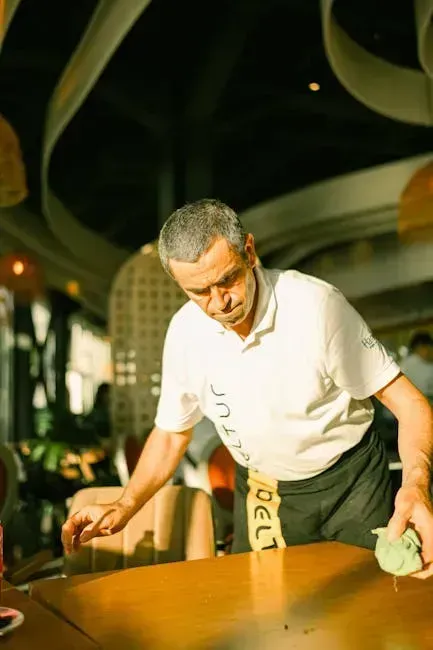
Restaurants are businesses facing real pressure. About half of restaurant operators say that bringing back repeat customers was a significant challenge in the recent cycle. So when you walk through the door for the fifth or tenth time, you are not just a diner. You are a lifeline. The loyalty of returning guests is something the front-of-house team genuinely notices, appreciates, and wants to reward.
While great food gets customers in the door, it is the quality of the interaction that builds emotional connections and turns first-time visitors into lifelong advocates. Staff remember the regulars who are kind, who ask about the new menu items, who tip consistently and treat bussers with the same courtesy as the sommelier. When guests feel understood and treated well, they are more likely to become loyal repeaters. This in the long run leads to increased revenue streams. The complimentary dessert sent to your table after your seventh visit is not an accident. It is a quiet thank-you note from the kitchen.
7. You Tip Fairly and Treat the Entire Team With Respect
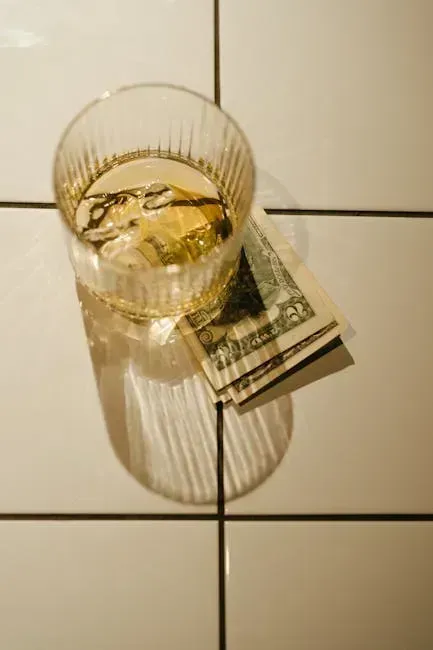
It is hard to say for sure whether the host is always watching the tip line, but word travels in a restaurant. The culture of front-of-house teams is deeply communal, and how a guest treats every single person at the table, from the water runner to the sommelier, does not go unnoticed. About two thirds of full-service restaurant diners always leave a tip when dining. Those who consistently fall into that generous, respectful category earn a quiet reputation.
Empowering staff with the autonomy to solve customer problems on the spot without needing a manager's approval matters deeply. A server who can immediately offer a complimentary dessert to amend a kitchen error creates a far better impression than one who has to delay the resolution. That same autonomy gets used for positive reasons too. A staff member who has been treated warmly throughout an evening, and who watches a guest tip fairly across the board, will often use that discretion to send something sweet to the table as a parting gesture.
Tipping behavior is a vital way for waiting staff to enhance their wages, and for managers to monitor guest satisfaction. Beyond the monetary dimension, treating the entire team with equal dignity, the busser refilling your water, the runner delivering your appetizer, communicates a character that restaurant professionals recognize and remember. At the heart of every successful trend adaptation is the timeless goal of making guests feel valued and eager to return. That goal runs both ways. Guests who make the team feel valued tend to find the experience running in their favor, one free crème brûlée at a time.
The Real Secret Behind the Free Dessert
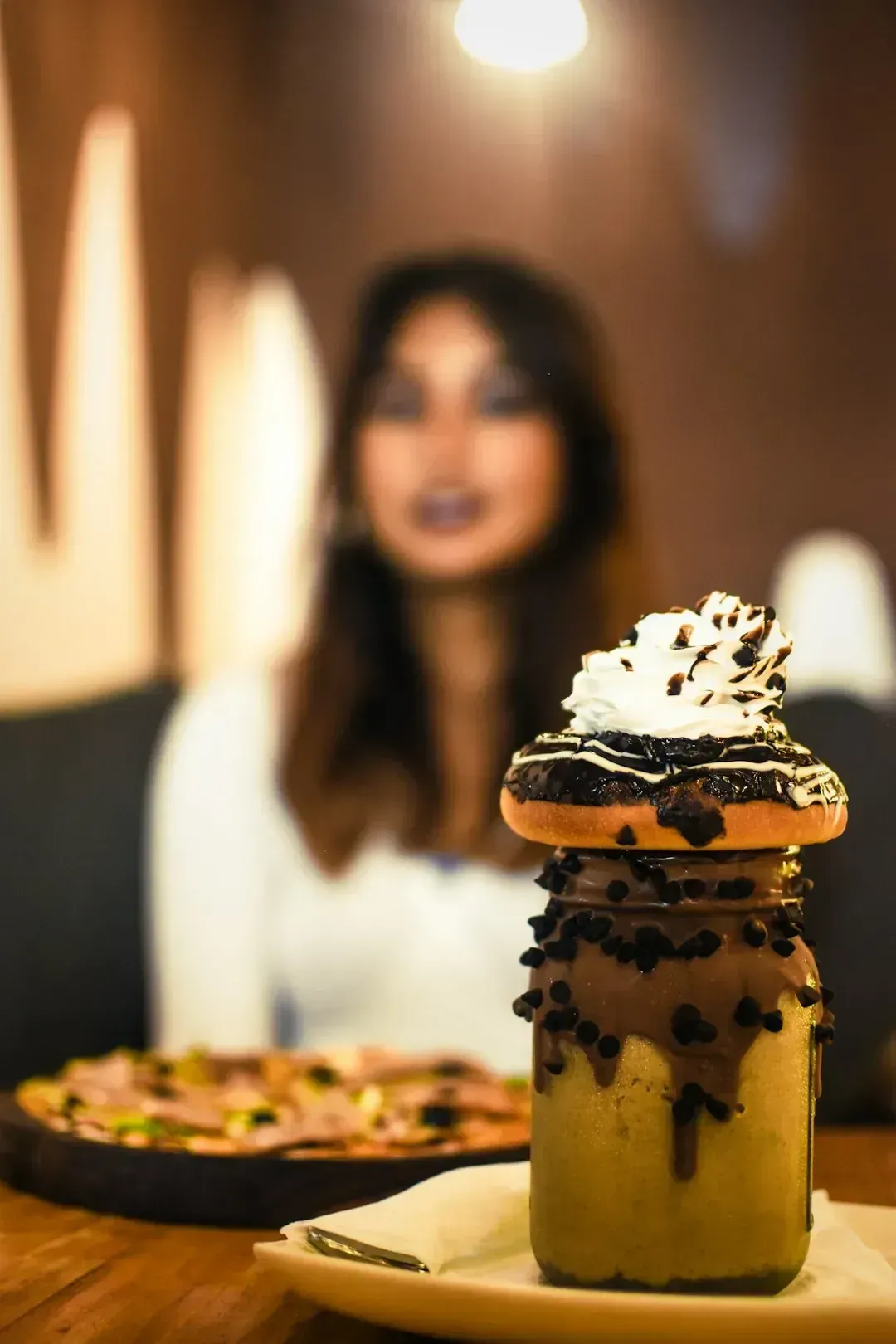
None of these seven behaviors require manipulation or performance. They are all just expressions of basic human decency, the kind of conduct that, honestly, we should all aspire to in any social setting. The free dessert is less a reward and more a mirror: it reflects back the energy you brought through the door.
Exceptional customer service is the art of consistently exceeding diner expectations to create memorable, positive experiences. The best restaurant moments, the ones you still talk about years later, almost never happen because a guest demanded them. They happen because a guest made the entire team feel like what they do matters. The dessert just happens to come with a spoon.
Next time you walk into your favorite spot, ask yourself honestly: am I the kind of guest I would want to serve? That single question might be the most valuable reservation tip you will ever read.




Leave a Reply