
Most people walk into a restaurant thinking about what they want to eat. Fair enough. That's the whole point. But there is an entire world unfolding behind that kitchen door that diners rarely think about, and a lot of the chaos back there is sparked by habits at the table that seem completely harmless from the front of the house.
I spent years on the floor of a busy restaurant. The kind of place where Friday nights feel like a controlled disaster. And after all those shifts, one thing became crystal clear: the friction between a smooth service and a completely broken one often traces back to small, repeatable behaviors from guests. Some of these will surprise you. A few might sting. Let's dive in.
1. Unleashing a Mountain of Menu Modifications
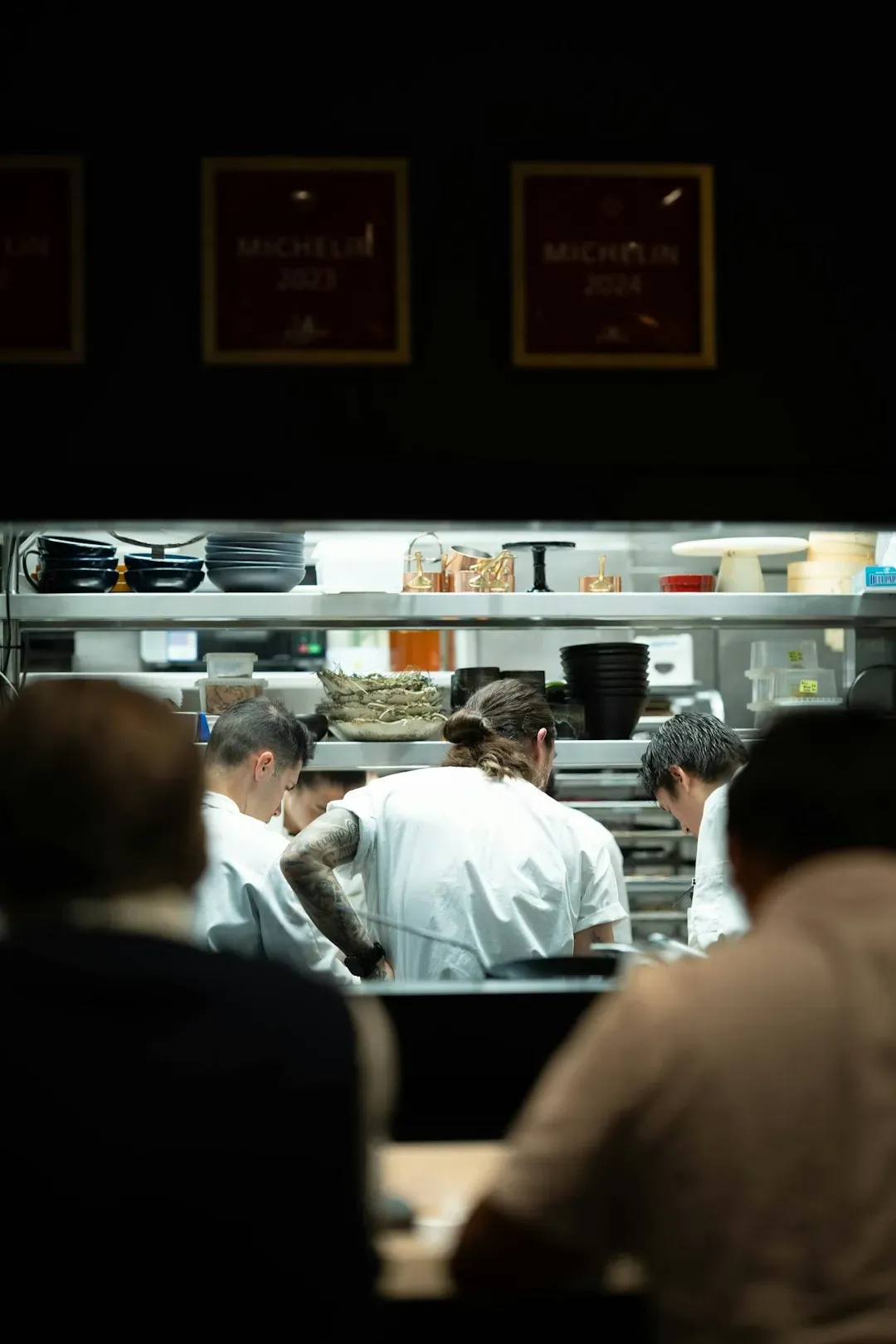
Here is the thing nobody warns you about when you sit down to order: asking for too many menu modifications has become one of the biggest things servers want you to stop doing, largely because they are going to catch flack from the kitchen staff for it. The kitchen is engineered to work like a machine, with each station preparing specific components in a precise sequence.
Tables that order pasta with different sauce, different protein, and different vegetables are not just being picky. The kitchen is set up for specific dishes, and every modification creates friction in a system designed for efficiency. Think of it like a conveyor belt at a factory. Someone swapping out every single part mid-assembly does not just slow their own order. It throws off the entire line.
Some modifications are genuinely necessary because allergies are real. But when guests reconstruct every dish, they are guaranteeing kitchen chaos and errors. The server knows they will be blamed when the custom creation does not match the diner's imagination. Honest tip: trust the menu a little more.
2. Flagging the Server When You Are Not Actually Ready
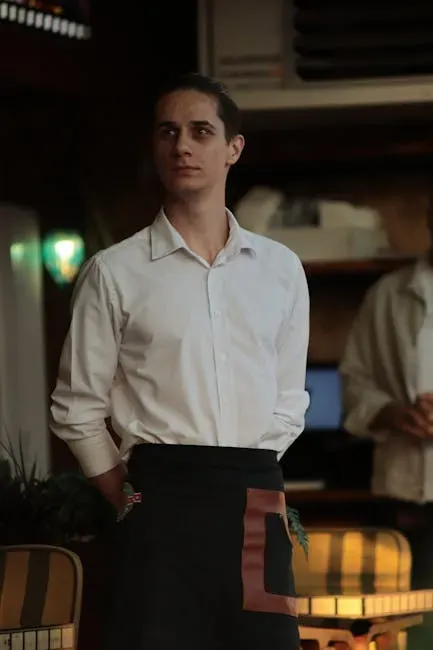
Calling a server over and then saying "we need a few more minutes" slows down their rhythm. During busy hours, timing matters. Taking a few extra moments before signaling you are ready helps them move efficiently between tables, and it keeps service flowing for everyone.
The scenario plays out constantly: the server pulls out their pad and the guest cracks open the menu for the first time, asking about every ingredient while the server stands there shifting weight between feet. Other tables need drinks, food is getting cold in the kitchen, but the server is trapped. This forces servers into an impossible choice: seem rude by walking away or lose money by becoming a personal menu narrator.
3. Ignoring the Greeting Entirely
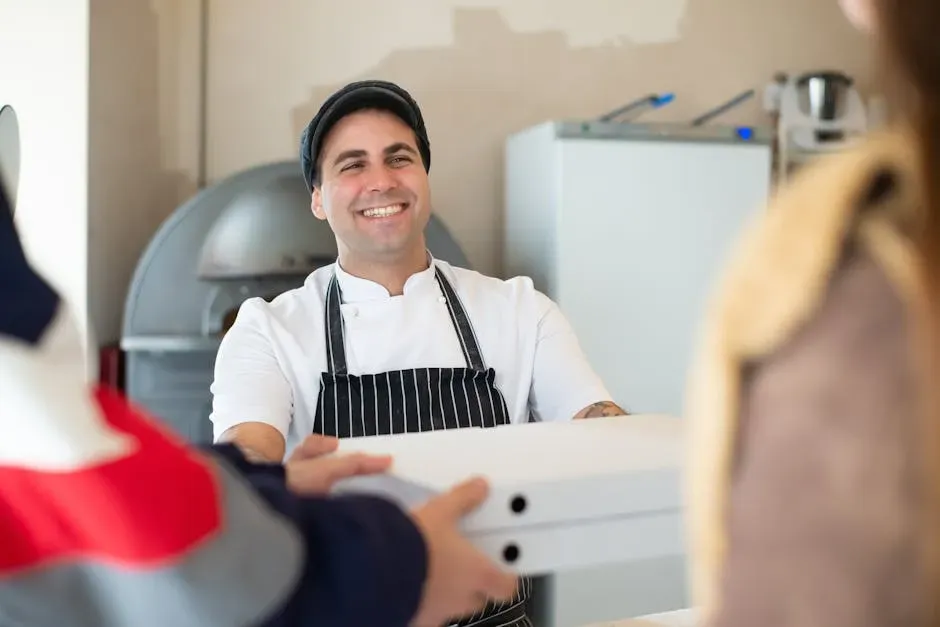
When a server greets a table and is met with silence or no eye contact, it can feel dismissive. Even a quick acknowledgment or nod shows basic courtesy. It sounds almost too small to mention, but consider this: servers are also coordinating with kitchen staff, and the vibe at the table affects how they communicate orders and urgency.
Not acknowledging a greeting or request from the server can feel dismissive, and a simple "thank you" shows respect and helps the interaction go smoothly. Honestly, the kitchen notices too. When a server comes back rattled or deflated from a cold table, that energy travels through the pass. It is one of those invisible ripple effects nobody thinks about.
4. Ordering While Glued to a Phone Screen

Taking calls or scrolling through a phone while ordering can come off as disrespectful. Giving waitstaff your attention, even briefly, helps set a positive tone. The practical damage here is real, not just emotional. When a diner is distracted, servers mishear preferences, special requests get garbled, and a wrong ticket ends up in the kitchen.
It plays out like this: server approaches, guest is scrolling. They ask about drinks, the guest holds up a finger. Food arrives, the guest is on a call. The server has been made to feel like an inconvenience to the guest's real life. This divided attention creates mistakes. Everyone misses things, and the meal drags as service seems worse, but the problem started with that glowing screen.
5. Requesting Split Checks After the Meal Is Over
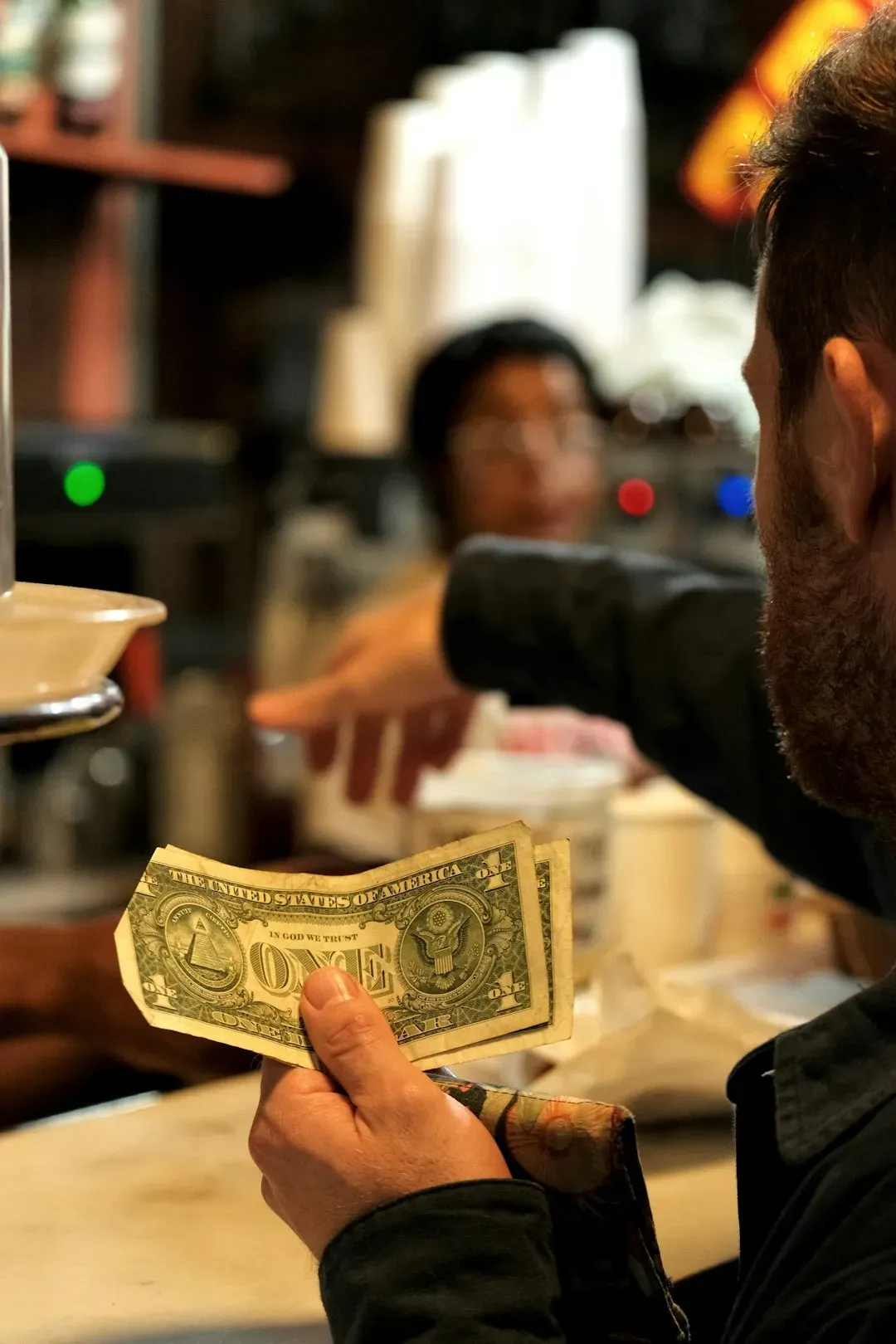
From a server's perspective, asking for split checks at the end is a logistical nightmare. Modern point-of-sale systems can split checks, but doing it after everything has been rung up together, especially for a large group with shared appetizers and bottles of wine, requires the server to essentially re-enter the entire transaction.
If diners do choose separate checks, telling the server at the start of the meal, not the end, is the way to go. That way they can make note of everyone's individual orders. The kitchen is directly impacted here too, because the server pulling away for twenty minutes of payment chaos during peak service means no one is running plates, checking back with tables, or communicating ticket updates. Some servers spend twenty minutes sorting out payment for a table while their other customers wonder if they have been forgotten. Servers are not just standing at a computer playing with numbers. They are managing multiple tables, coordinating with the kitchen, and trying to provide good service to everyone.
6. Walking In Right Before Closing Time
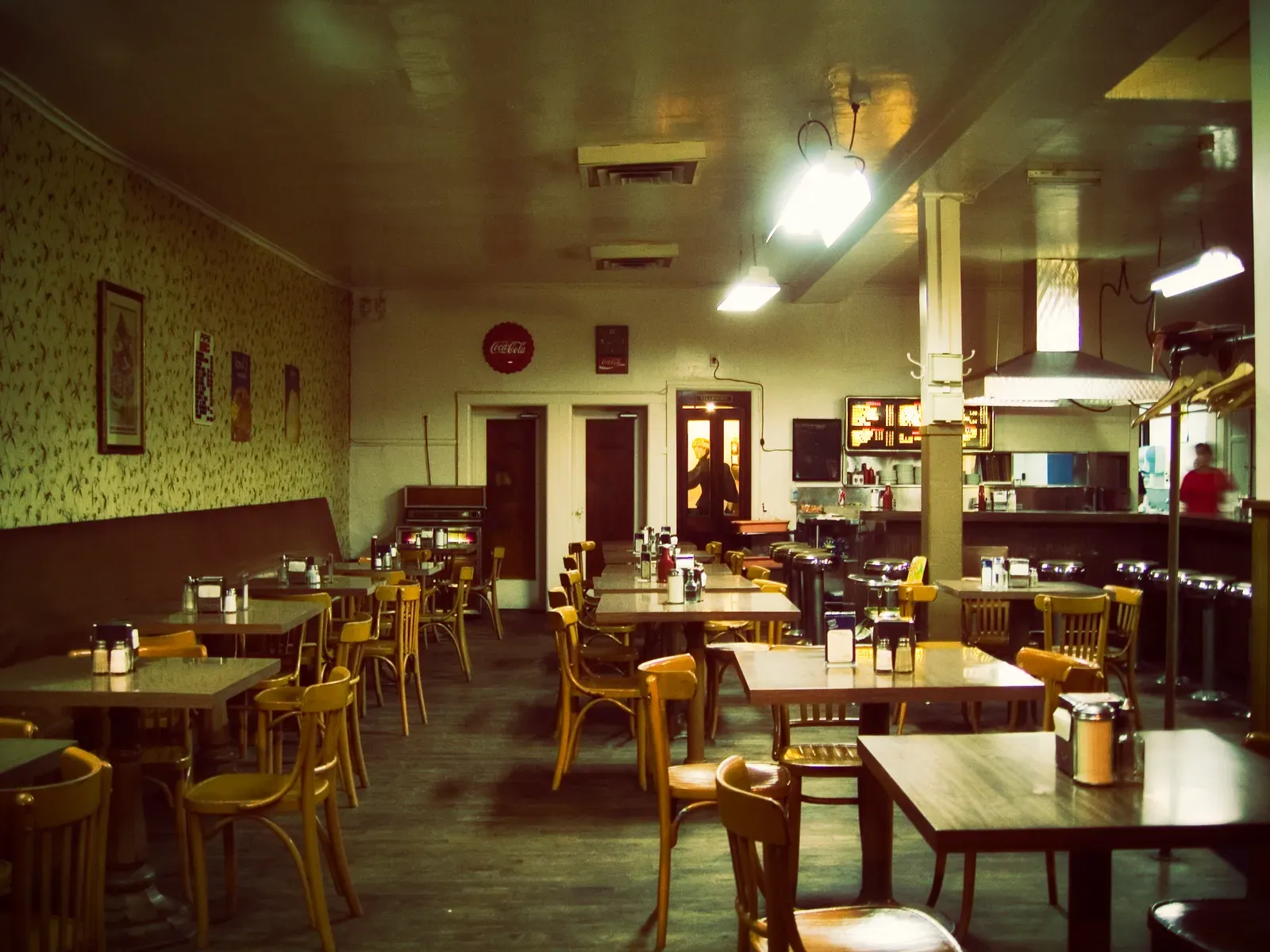
Walking in just minutes before closing often means staff must stay late to serve you. Even if the doors are technically open, the kitchen and servers may already be wrapping up, and calling ahead or arriving earlier shows awareness of their schedule. This is not about being unwelcome. It is about understanding what closing time actually means in a commercial kitchen.
Breaking down the restaurant is the most taxing part of the whole night, especially for the kitchen. Think about how messy your own kitchen looks after making dinner for four, and then multiply that by fifty. In restaurants, breakdown starts hours before close, with staff shutting down stations, cleaning equipment, and prepping for the next day. The back of house gradually works through those tasks all evening depending on how busy the service is. A late arrival unravels all of that.
7. Redirecting Kitchen Frustration Directly at the Server
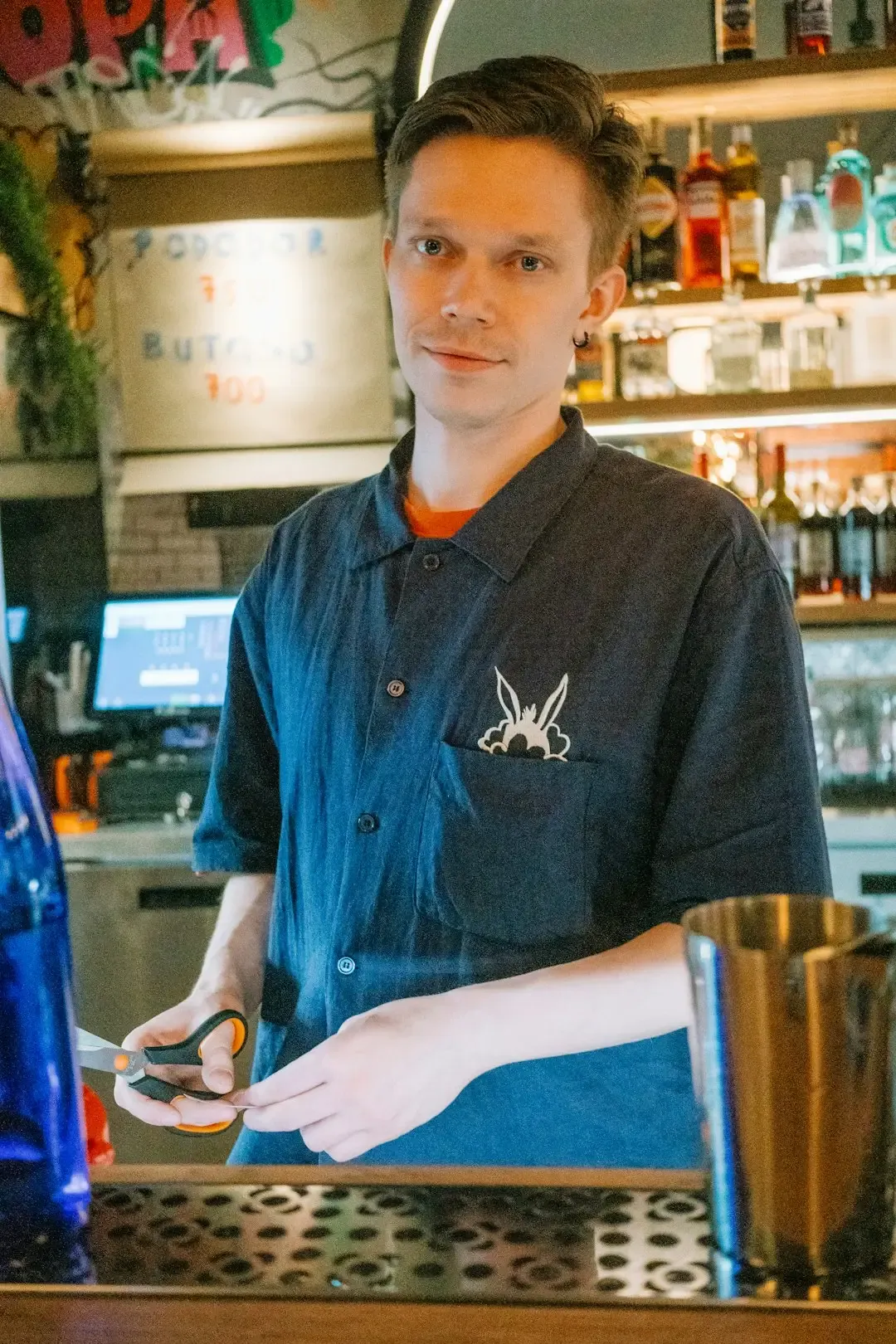
If food arrives incorrectly or not as expected, the server likely did not cook it. Politely explaining the issue allows them to fix it, and directing frustration at them rarely helps. Clear communication usually leads to a quicker resolution.
Let's be real. The server is the messenger, not the chef. Waitstaff do not prepare the food, so blaming them for issues with dishes can feel deeply unfair, and politely asking them to address the concern with the kitchen is the much more effective path. Any delay and all qualms become the server's problem by design, even though their job description does not include prepping, cooking, or plating food. Yet some customers put all their effort into making servers feel like it does.
8. Camping at the Table Long After Finishing
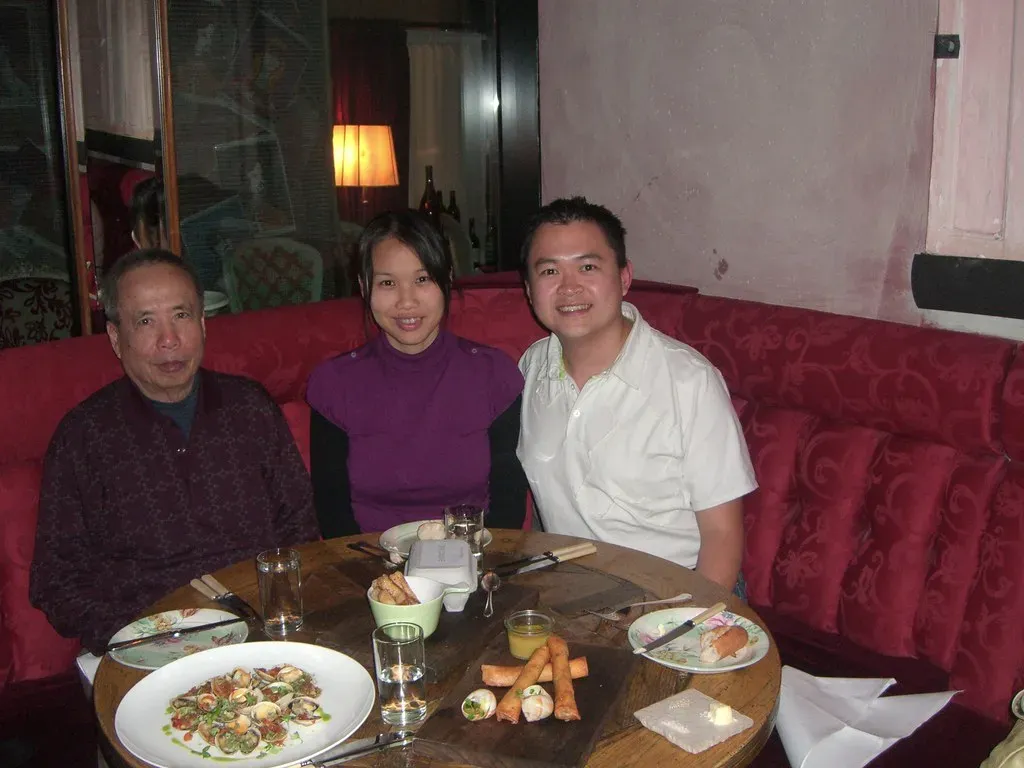
Staying at the table long after finishing eating, or what staff call "camping," limits the server's ability to seat new guests. If the restaurant is busy, moving to a different area to continue a conversation is a considerate option. This behavior has a direct monetary impact, and it trickles back into kitchen morale too.
Servers work on tips, and tables are their real estate. When diners camp out after finishing a meal, they are literally costing servers money. That table could seat new customers who would tip on their meals. Here is what servers know that diners often do not: their income depends on table turnover. Sitting for hours after finishing, especially during peak hours, costs the server real money. They cannot seat new customers, which means fewer tips and less earnings for the night.
9. Making Last-Minute Changes After the Order Is Already In
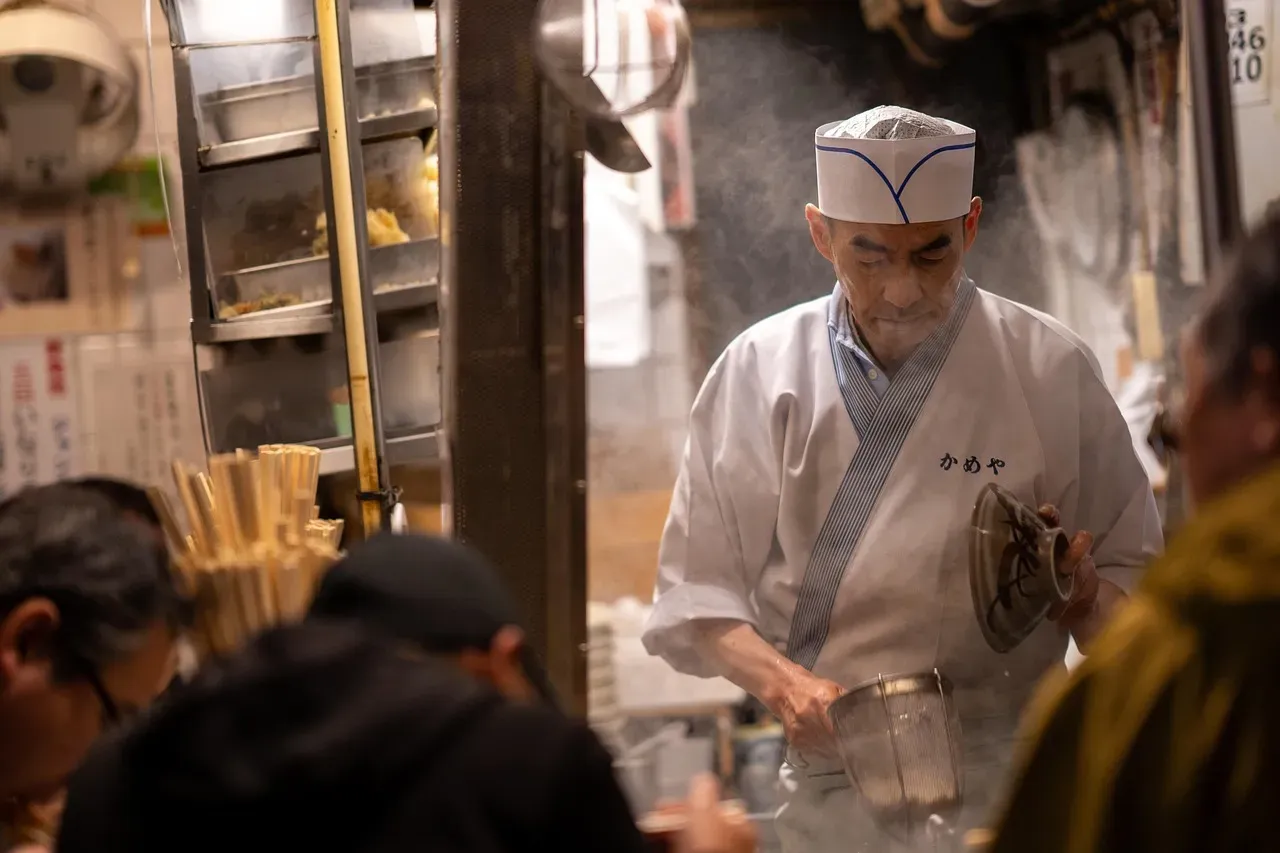
Modifying a meal after it has been sent to the kitchen creates real confusion and increases the chance of delays or mistakes. Taking a moment to decide before ordering keeps things simpler, and clear, steady communication helps everyone involved. This is one of those habits that seems small from the table but ignites genuine frustration behind the line.
Imagine you are already mid-prep on a dish, knife in hand, and a ticket modification suddenly changes the sauce, the protein, or the garnish. That ticket essentially becomes a new order in disguise. Overworked kitchen staff may already be struggling to deliver consistent quality across dishes. Tossing a last-minute change into a kitchen running near capacity is the culinary equivalent of pulling the emergency brake on a moving train.
10. Staggering Party Arrivals Without Warning
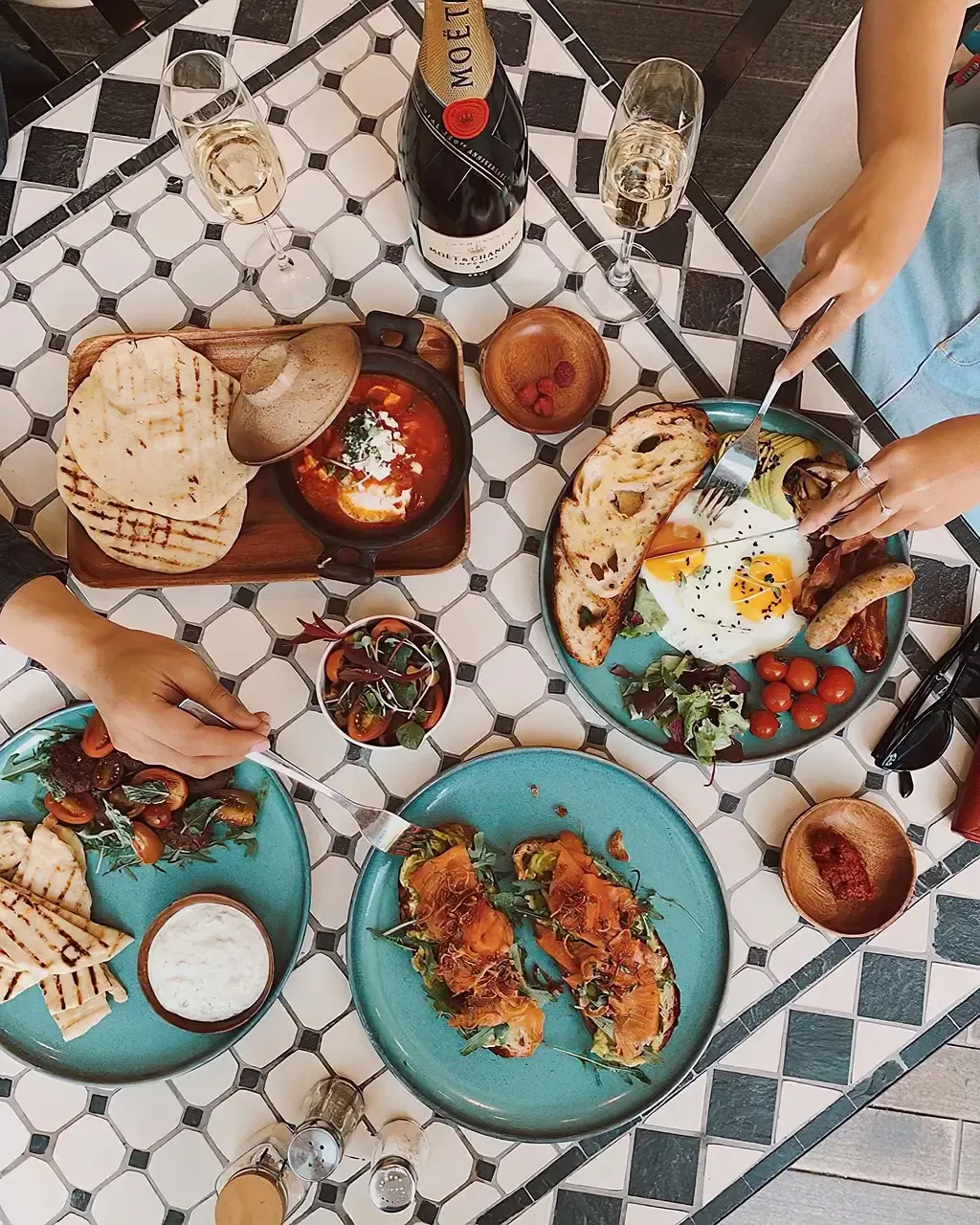
Servers are planning their service flow, timing orders, and managing kitchen tickets based on party size. Every change means recalculating everything. When half a party orders immediately and the other half arrives twenty minutes later expecting fresh, simultaneous food, the kitchen has an almost impossible balancing act on its hands.
The domino effect is real. The kitchen fires dishes at specific times based on what the server communicates. Surprise additions mean someone's entrée comes out while another person is still waiting on an appetizer, or worse, food has to be held under a lamp while the server scrambles to manage the new arrivals. The simple solution: wait until everyone arrives, or at the very least give the server a heads up about the actual party size from the start.
11. Making Excessive Noise or Snap Signals to Get Attention
Snapping fingers or waving arms aggressively can feel disrespectful and dismissive of the effort servers put into managing their responsibilities. Servers are trained to observe their tables regularly, even if they cannot immediately approach. This behavior also disrupts the entire floor dynamic, not just one interaction.
Servers are not ignoring anyone; they are probably juggling six other tables, dealing with a kitchen crisis, or helping a colleague who is drowning in the weeds. Servers are hyperaware of their tables and know when someone needs something before the diner even realizes it themselves. Give them thirty seconds to finish what they are doing, and they will be right there. Trust the process a little.
12. Leaving Behind an Excessive Mess
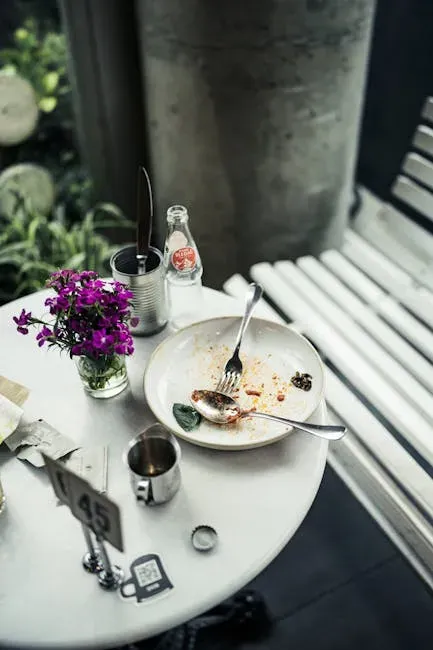
Accidents happen during meals, especially with large groups or families. However, intentionally leaving excessive messes, scattered food, or trash across the table and floor makes cleanup significantly harder for staff. Servers must reset tables quickly so new guests can be seated, and excessive mess requires additional time and effort, which may delay service for other diners waiting.
Keeping items reasonably organized and placing trash together helps staff clear the table more efficiently. This small act of consideration supports smoother restaurant operations and shows respect for the people maintaining the space. Consider this: a faster table reset means faster seating for the next group, which directly benefits the entire restaurant's flow, kitchen included.
13. Sitting Somewhere You Were Not Seated
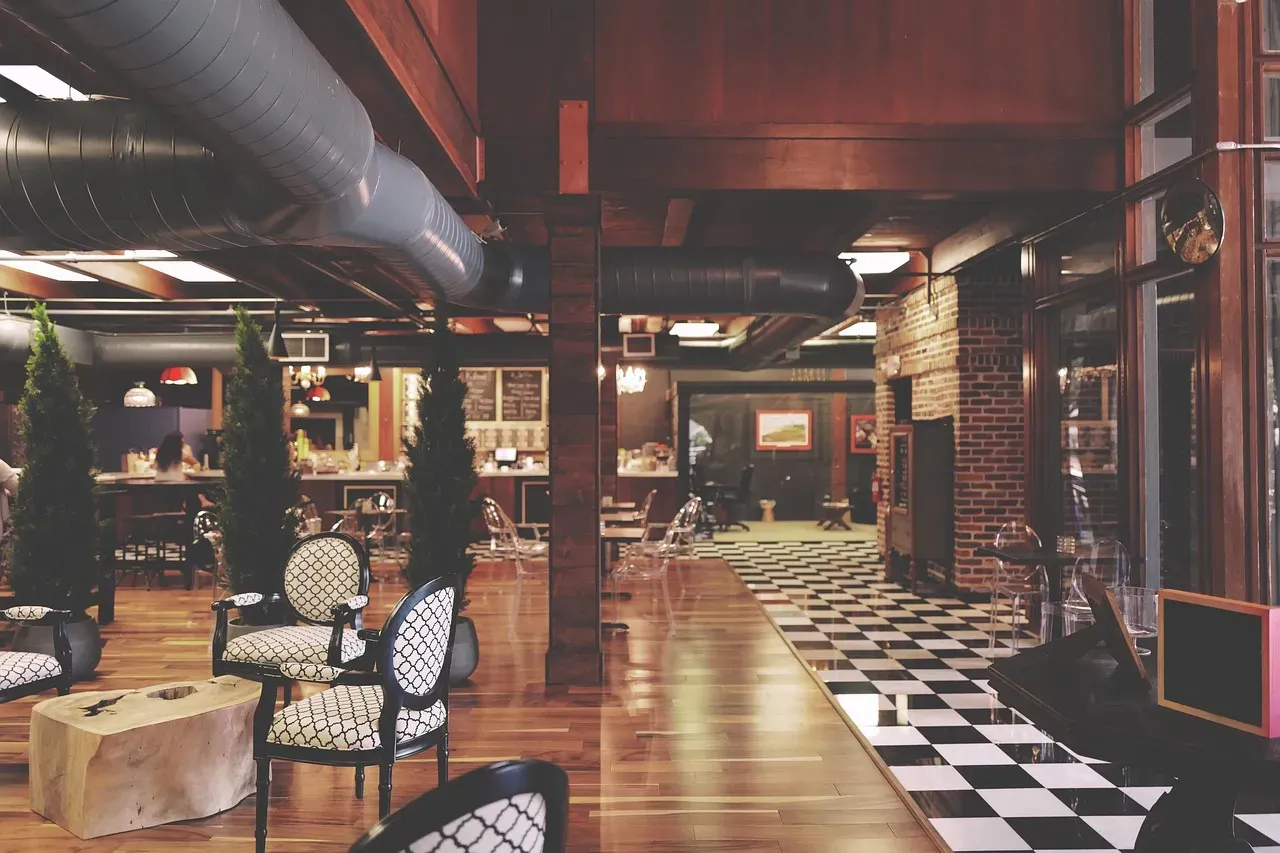
When people take it upon themselves not only to seat themselves but to push tables together and shuffle chairs around, staff have to step in and intervene. There are many reasons not to rearrange the dining room, one being liability. If anything happens, even something as minor as stubbing a toe, the restaurant could be on the hook for the accident.
Switching seats once you have been assigned a table can disrupt the restaurant's flow. Seating arrangements often follow a system, and if you prefer a different table, it is worth asking before settling in. It helps staff keep things organized. Behind the scenes, kitchen stations are often partially assigned by table section. Rogue seat changes can confuse runners and create miscommunications about which orders belong where.
14. Keeping Servers Trapped in Long Conversations
Servers have things to do, and monopolizing their time will not make food arrive any sooner. In fact, it is more likely to slow things down. Every second counts in the kitchen and on the floor. The time servers spend standing around waiting for an indecisive diner is just time wasted.
Servers working busy brunch shifts have described being kept trapped in conversations about everything from their personal life to detailed explanations of cooking methods they honestly did not know. Meanwhile, other tables were growing increasingly frustrated. The tips for the day reflected that annoyance, even though the real issue was one overly chatty table. Extended conversations pull the server away from the kitchen coordination that keeps everyone's food on track.
15. Tipping Based on Issues Beyond the Server's Control
Penalizing servers for issues beyond their control, such as kitchen errors or slow service due to a busy night, can feel deeply unfair. Servers work hard to provide a good experience and prefer constructive feedback over financial punishment. It is worth remembering that kitchen delays, ingredient issues, or a slammed service are not decisions the server makes.
Tip-out is the restaurant practice where servers or bartenders share a portion of their collected tips with other staff members who contribute to the dining experience, which can include bussers, food runners, and sometimes even kitchen staff depending on local regulations. This means a reduced tip does not just affect the server. It often ripples backward through the entire team, including the kitchen workers who plated your food. Contributing factors to ongoing staff shortages in the restaurant industry include relatively low worker pay, high stress, and competition for workers. Tipping fairly is, in many ways, part of the broader ecosystem that keeps a restaurant functioning at all.
Leave a Reply