
There's something deeply satisfying about biting into a hot dog at a ballgame or pulling a warm slice of apple pie out of the oven. These foods feel quintessentially American, as familiar as a pickup truck or a Fourth of July firework. Most of us never stop to ask where they actually came from, or what strange, complicated, and sometimes shocking histories they carry.
Honestly, the stories behind some of America's most iconic foods are far more interesting than the foods themselves. Some were invented by accident. Some were never American to begin with. Some changed the world in ways nobody expected. Let's dive in.
1. Apple Pie Is Not American - At All
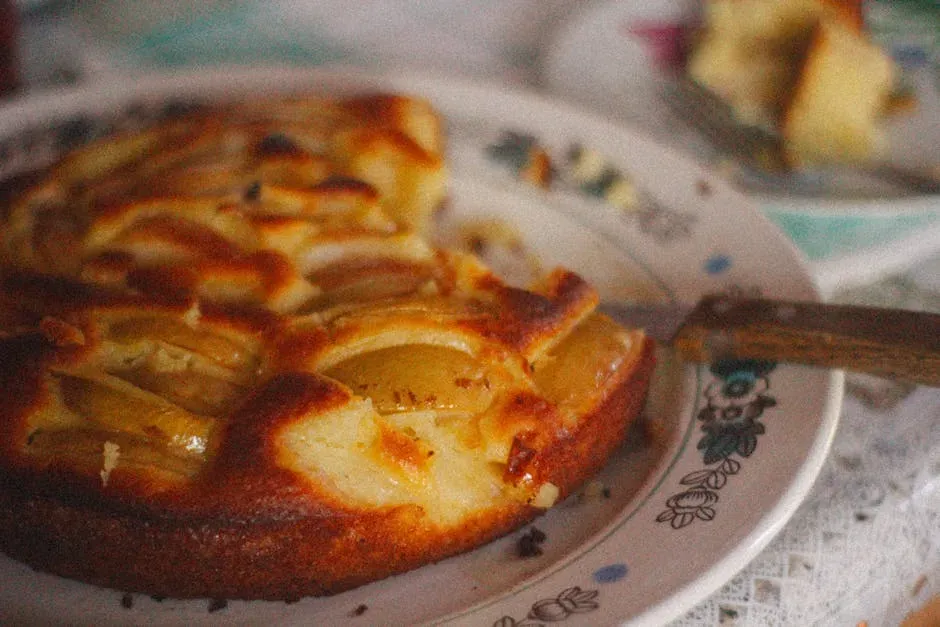
Here's the thing that trips people up every single time. Even though it's America's go-to dessert, apple pie actually hails from England, dating back to the 14th century when early cookbooks included recipes for spiced apples wrapped in pastry. The phrase "as American as apple pie" is one of the most successful pieces of national mythology ever invented.
Interestingly enough, apples are native to Asia, and apples had been in Europe for centuries before they arrived in the United States. Other than tiny, sour fruits like the crabapple, America didn't have a sweet, juicy apple until the Puritans brought over seeds.
The apple pie itself was believed to have been brought over by Dutch or British immigrants, and it was quickly accepted as part of American cuisine. Apple pie was associated with patriotism during World War II, when the idea of fighting "for mom and apple pie" spread as a sort of slogan among American soldiers. That wartime slogan is likely where the whole myth took off. The pie belonged to Europe. The pride belonged to America.
2. The Hamburger's Origins Are Deeply Disputed
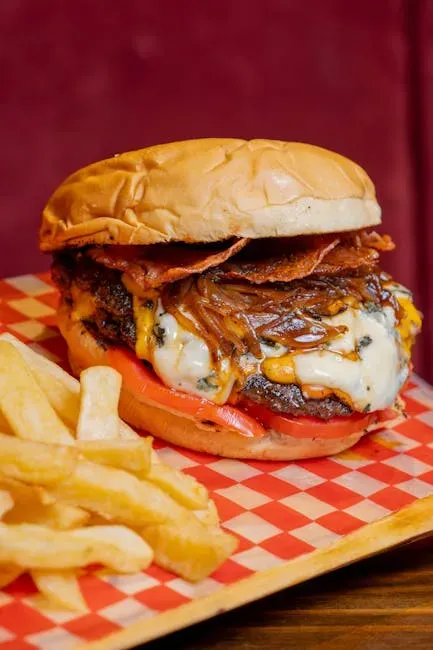
Few foods have been fought over as ferociously as the hamburger. Ground beef has been a popular food since long before the 13 colonies were established. Its origins trace back to the 13th century, when Mongols put raw beef under their saddles to tenderize it before eating it raw. A more modern, cooked iteration of the hamburger showed up in Germany when Russians brought their beef to Hamburg.
In the late 1870s, the "Hamburg steak" was offered in fancy restaurants in the US. A decade later, a couple of restaurants put the steak between two slices of bread to create a hamburger. The small town of Seymour, Wisconsin, is among several American towns that claim to have created the first modern hamburger in the United States. In Seymour, a man named Charlie Nagreen tried to sell meatballs at a local fair in 1885.
White Castle became the first burger chain restaurant in Kansas in 1921 after owners Walter Anderson and Edgar Ingram created a special bun for the burger in 1916. The first burger with cheese appeared on an O'Dell's Diner menu in Los Angeles in 1928, and in 1935 the word "cheeseburger" was coined by Denver's Humpty Dumpty Drive-In. So nobody owns the burger. Everybody does.
3. The Hot Dog Has Ancient Roman Roots
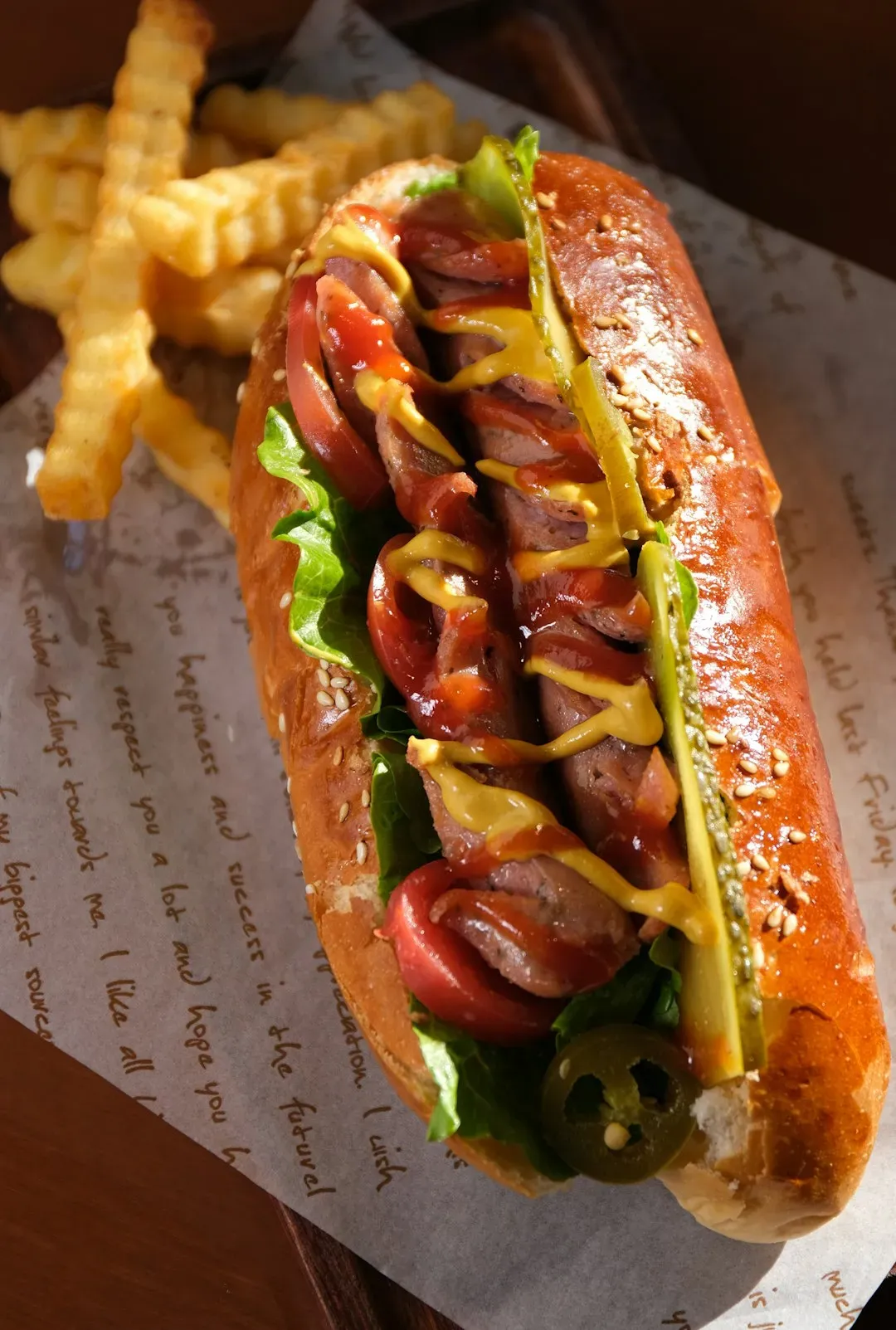
Hot dogs evolved from sausages, which were first invented by the Romans. A cook for the Roman emperor Nero decided to stuff pig intestines with ground meats and spices after discovering that an empty pig's intestine had puffed up when the pig was roasted. Truly, the hot dog's origin story is far stranger than anyone at a baseball game ever imagines.
The Germans took this idea and ran with it, creating many types of sausage. The "frankfurter," or the modern hot dog, is thought to have originated in 1484 in the town of Frankfurt. Hot dogs didn't come to America until the 1860s, when a German immigrant began selling them off a cart in New York's Bowery.
Nathan Handwerker worked at a hot dog stand on Coney Island until he saved enough money to open his own stand. He was so successful that his brand, "Nathan's Famous," drove competitors - including his former boss - out of business and became one of the most recognizable hot dog brands in the U.S. The National Hot Dog and Sausage Council estimates that Americans eat about seven billion of these sausages during a summer.
4. Mac and Cheese Was a Luxury Dish for the Elite
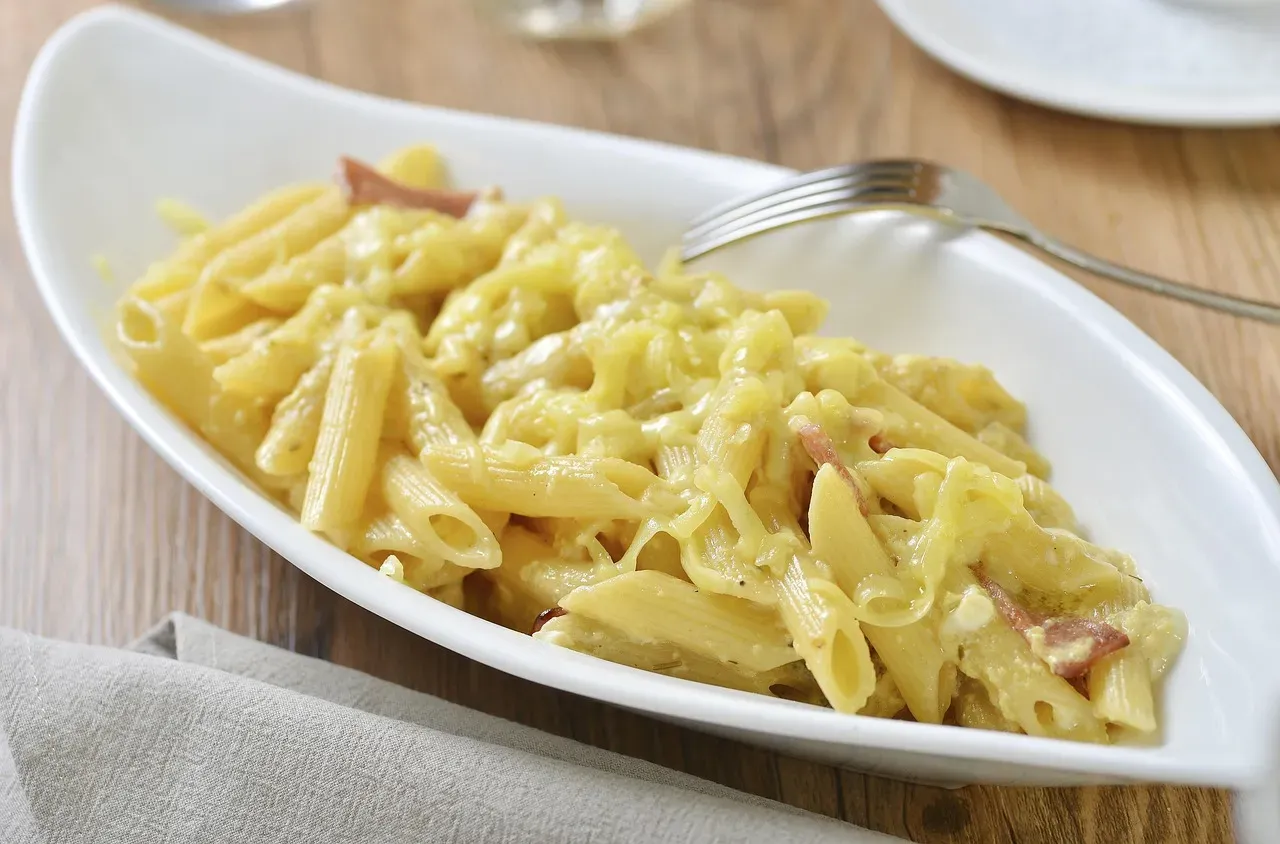
Most people think of mac and cheese as the humblest of comfort foods, something you throw together when nothing else is in the cupboard. The history, though, is surprisingly grand. The first known recipe of mac and cheese comes from a 14th century Italian cookbook, Liber de Coquina, which features a cheese and pasta casserole made from slicing lasagna into pieces, tossing it in boiling water, and then layering it with cheese and melted butter.
One theory is that James Hemings brought the recipe to the United States after discovering it in France, prompted by Thomas Jefferson who was interested in extruded pasta. In 1802, Jefferson served "a pie called macaroni" at a state dinner. Jefferson's obsession was no small thing. In 1807, Jefferson purchased 80 pounds of Parmesan cheese and 60 pounds of Naples-based macaroni. His last grocery order, placed five months before his death in 1826, included "Maccaroni 112 ¾ lb."
The introduction of boxed mac and cheese by companies like Kraft in 1937 changed the game, making the dish a convenient and quick meal. Priced affordably at 19 cents per box, which could feed a family of four, the product was an instant success. Today, every three months, over a third of the US population consumes mac and cheese. In that same window of time, over half of American children will eat it.
5. The Chocolate Chip Cookie Was Deliberately Invented, Not a Happy Accident
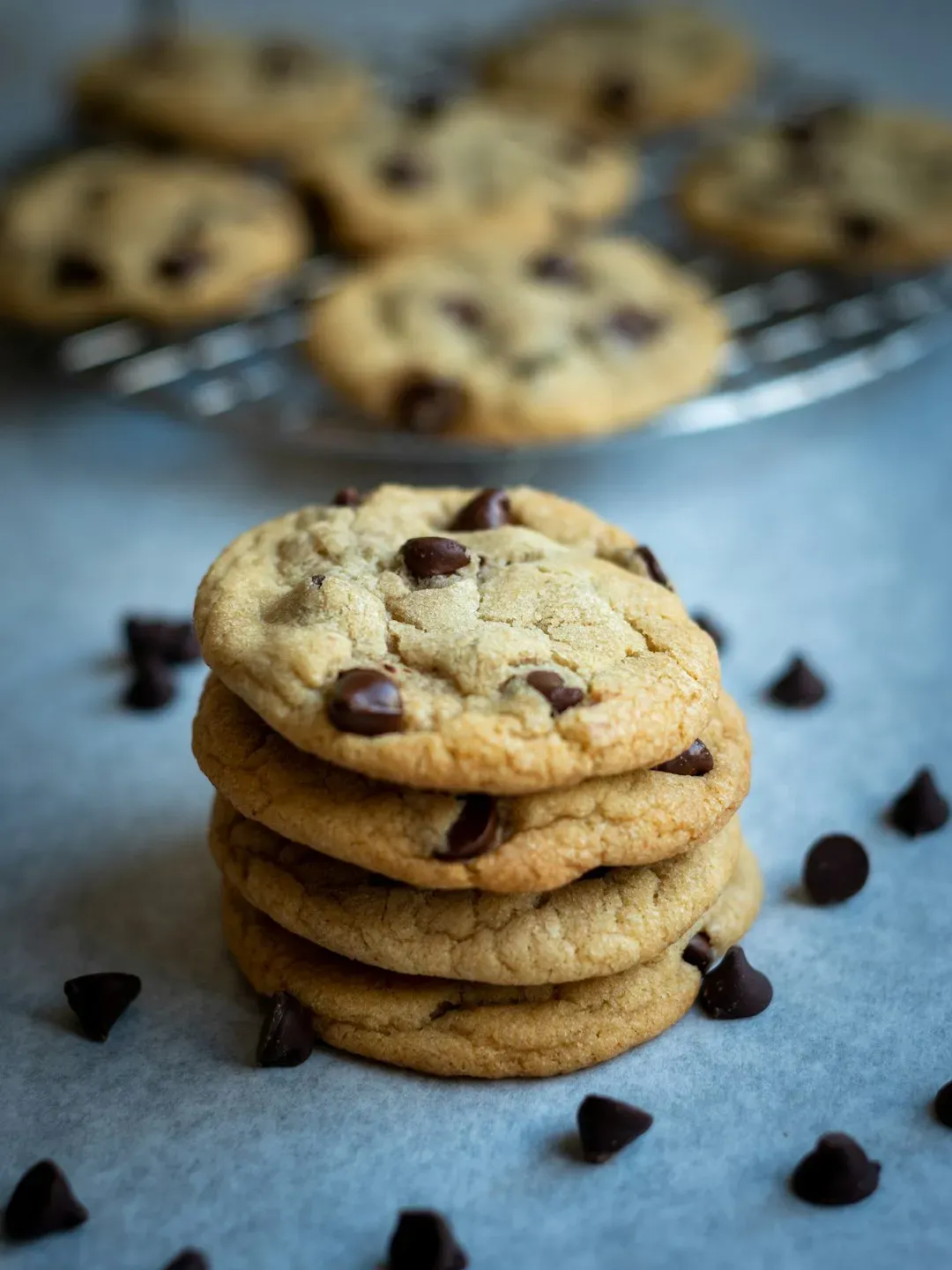
Almost everyone has heard the story: a baker running out of ingredients accidentally drops chocolate into her dough and creates a legend. It's a great story. It's also probably not true. Ruth Graves Wakefield pioneered the first chocolate chip cookie recipe, an invention many people incorrectly assume was a mistake.
Ruth Wakefield was no amateur baker running out of ingredients. In fact, she had a degree in household arts and had built the Toll House's reputation for outstanding desserts. Ruth Wakefield did not publish her recipe for the chocolate chip cookie until 1938. The cookie was originally called the "Chocolate Crunch Cookie" and later the "Toll House Chocolate Crunch Cookie."
After the chocolate chip cookie gained fame, Wakefield contacted Nestlé and they created a deal: Wakefield would give the company rights to the recipe and the Toll House name for one U.S. dollar and a lifetime supply of Nestlé chocolate. Americans consume over 7 billion chocolate chip cookies annually. All of that from one woman's deliberate kitchen experiment in Massachusetts.
6. Pizza in America Predates Most People's Grandparents
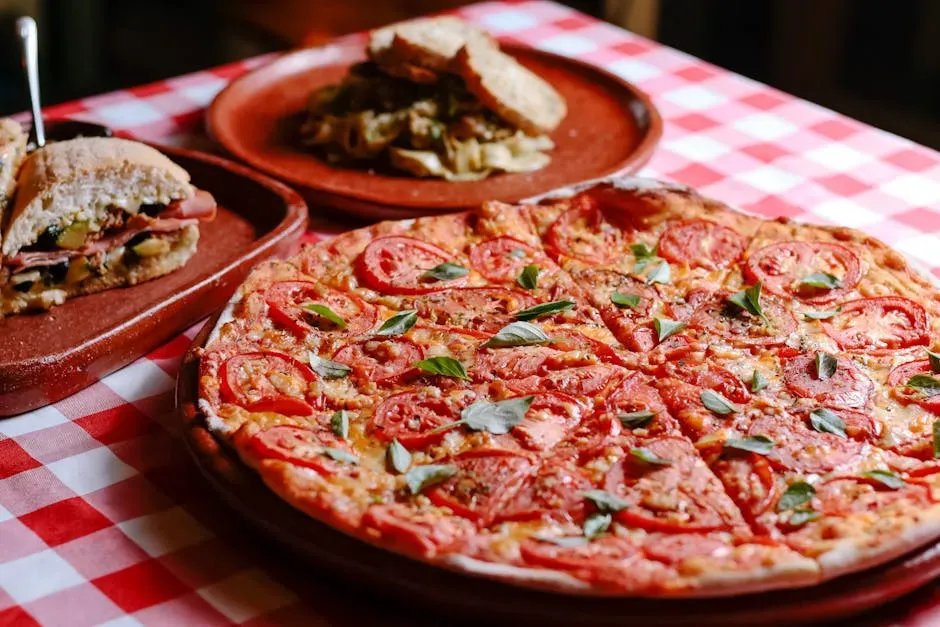
Pizza feels modern, fast, and distinctly American in its excess. Yet its arrival in the U.S. is older than many realize. Italians probably brought pizza to the United States in the second half of the nineteenth century. In 1905, Gennaro Lombardi reportedly opened the first pizza store in New York City.
Pizza is America's favourite food, preferred over steak, tacos, pasta, and burgers. In fact, as a country, roughly 350 slices are consumed every second. Think about that for a moment. Every single second. It's an almost absurd number.
Chicago Deep-Dish Pizza, known for its thick crust and layers of cheese and toppings, became a Windy City favorite and a genuinely American reinvention of an Italian original. The U.S. didn't just import pizza. It mutated it, multiplied it, and made it its own cultural export all over again.
7. The Philly Cheesesteak Was Born From One Man in 1930
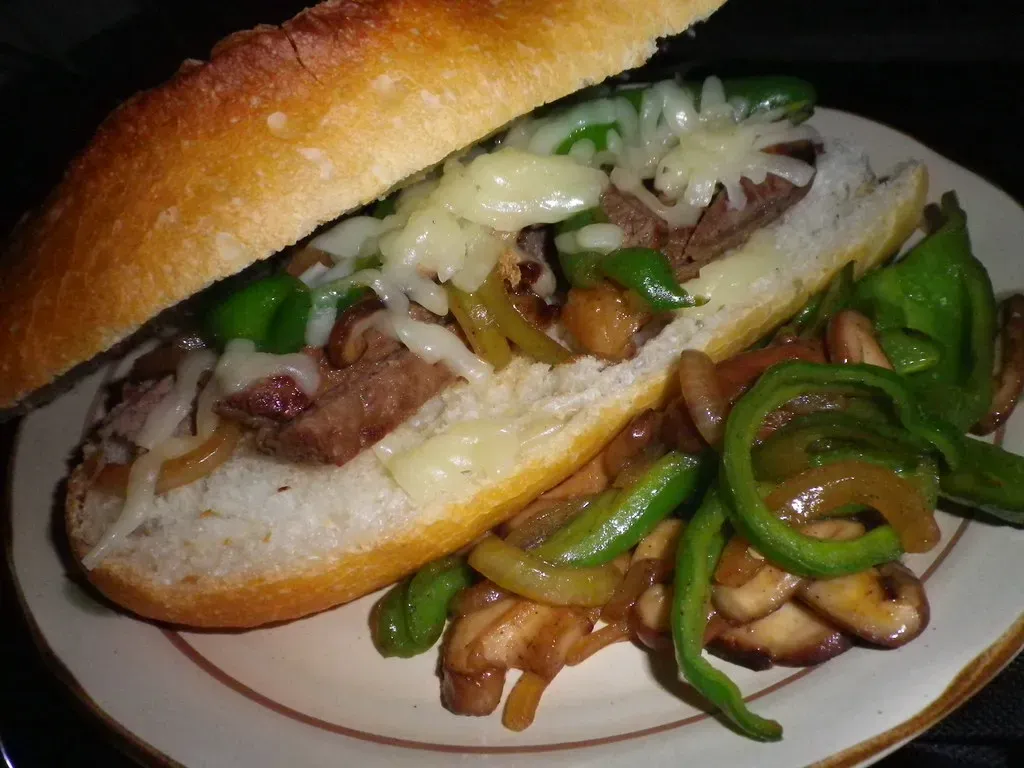
Unlike many American foods whose origins are murky and disputed across continents, the Philly cheesesteak has a remarkably clear and traceable beginning. Native to Philadelphia, cheesesteaks are a staple of the city. Philly cheesesteaks come from Pat Olivieri, who invented the sandwich back in 1930 at his South Philly restaurant, Pat's King of Steaks.
What's striking is how a single person, in a single city, in a single decade, could create something that now defines an entire metropolitan identity. The sandwich went from one cart to a cultural institution in under a generation. Pat Olivieri, a hot dog vendor by trade, reportedly tried grilling some beef scraps on his cart one day, and a passing taxi driver asked to buy one. The rest built itself.
Today, the Philly cheesesteak is a deeply regional food that becomes almost a point of civic pride. Ask anyone from Philadelphia about the "correct" cheese for the sandwich and you'll get an argument that rivals anything in politics.
8. Ranch Dressing Was Invented by a Plumber in Alaska
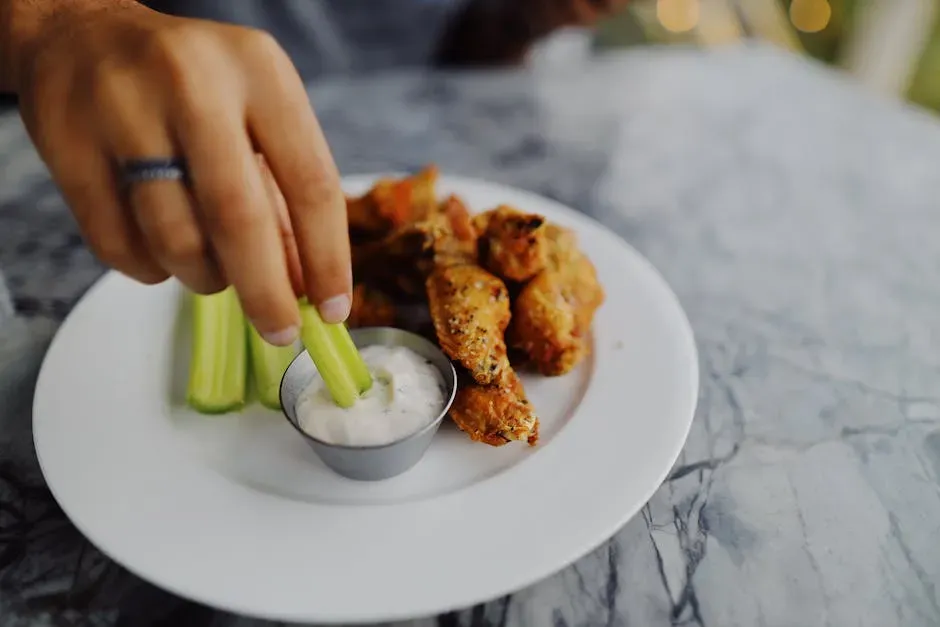
This one genuinely surprises people. The most popular salad dressing in America wasn't developed in a test kitchen by food scientists. While working in Alaska in the early 1950s, plumber Steve Henson created a salad dressing to serve to his crews. After retiring in his 30s, Henson bought the Sweetwater Ranch in Southern California in 1956 and began serving the dressing concoction in its kitchen. Henson got the dressing's moniker from the new name for his new homestead: Hidden Valley Ranch.
It's hard to say for sure exactly when ranch crossed the line from regional novelty to national obsession, but its trajectory was remarkable. A plumber's camp recipe became a bottled product, became a dipping sauce, became a flavor applied to chips, pizza, and seemingly everything else in the American snack aisle.
Let's be real. Ranch dressing on a pizza would horrify a chef in Naples. Here, it's a staple. That gap tells you everything about how America transforms food from other traditions into something entirely its own.
9. Pound Cake Got Its Name From Its Ingredients, Not Its Weight
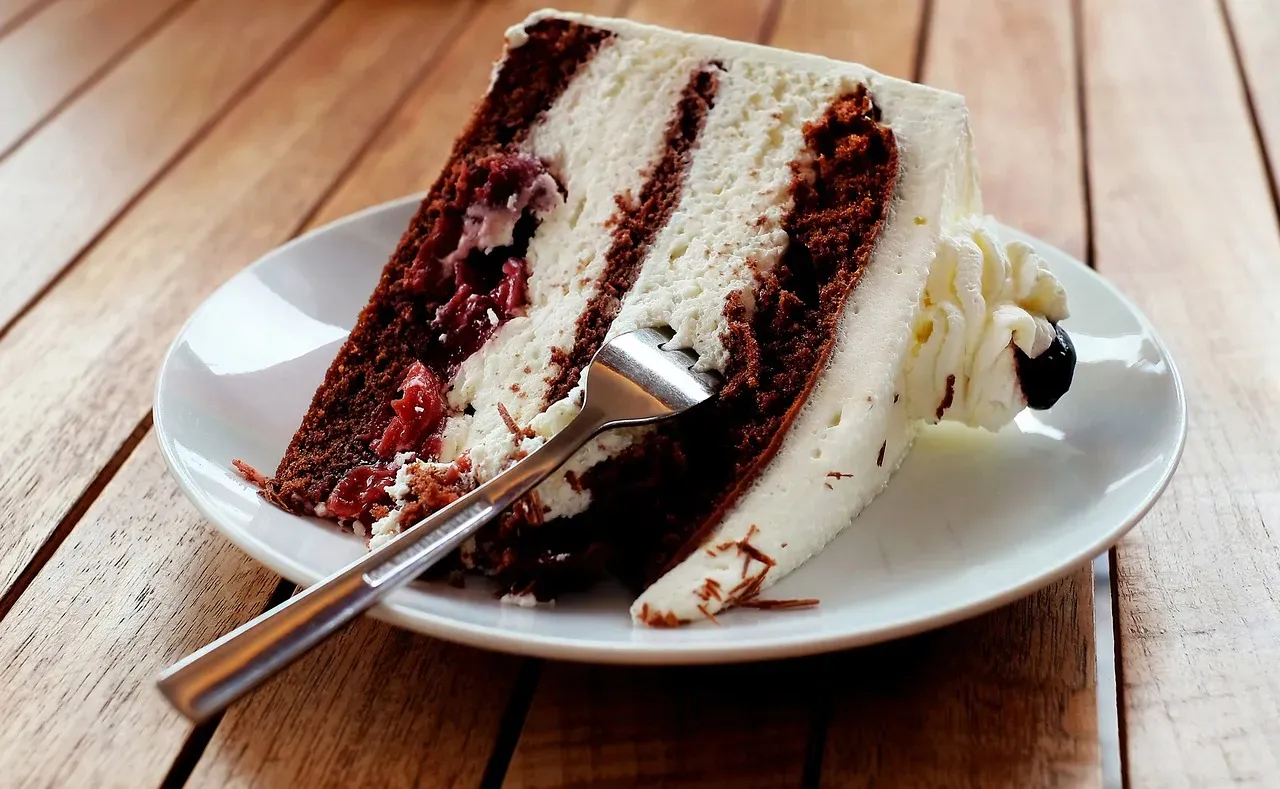
Pound cake is not called pound cake because it weighs a pound. It was given its name because the recipe originally contained a pound of each ingredient: flour, eggs, butter, and sugar. This would create a sweet bake twice the size of modern pans, so contemporary recipes usually call for far more reasonable quantities.
The original pound cake was essentially a formula, not a recipe, designed in an era when most home bakers couldn't read or didn't own cookbooks. The ratio was the instruction. Think of it like a mnemonic device baked in butter.
Over generations, American bakers adapted the proportions, added vanilla, lemon zest, and cream cheese, and the cake evolved far beyond its simple origins. It became Southern comfort food, it became a church potluck staple, and it became one of those foods people associate with grandmothers in ways that feel almost spiritual.
10. The Corn Dog's Inventor Filed a Patent in 1926
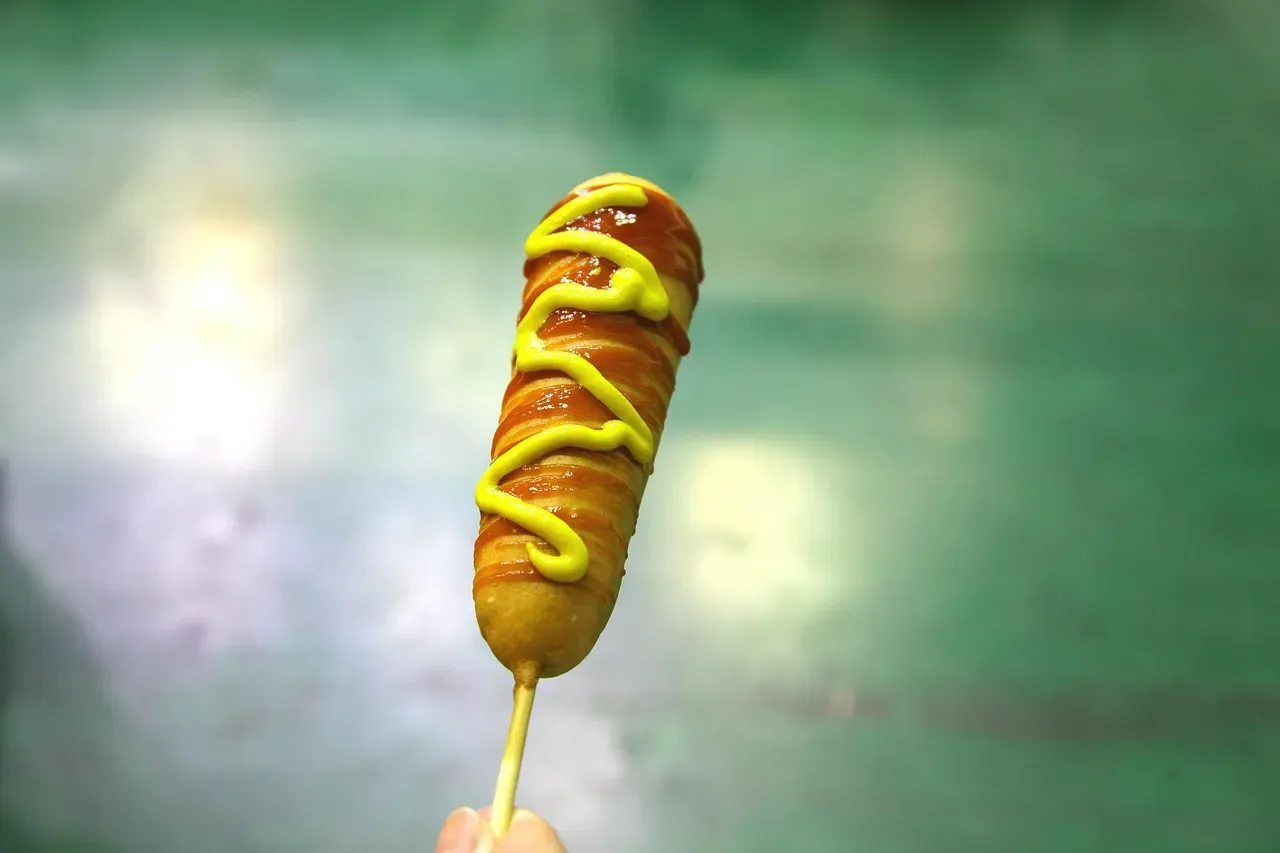
The corn dog feels like pure American invention, a hot dog on a stick in a golden fried batter, sold at state fairs and carnivals. The inventor of the corn dog is hotly debated, with folks across America claiming to have invented it in the 1920s, 1930s, and 1940s. The earliest verified mention is actually in a patent filed in 1926 by Stanley Jenkins of Buffalo, New York, for a "Combined Dipping, Cooking, and Article Holding Apparatus," which mentions "wieners" as the very first item that tastes great when deep fried on a stick.
Some foods that originated in America stayed regional, while some spread throughout the nation, and some spread throughout the world. The corn dog managed to do all three. It stayed a fairground classic in the U.S. while simultaneously becoming street food in South Korea, where corn dogs took on an entirely different form with rice batter, cheese fillings, and toppings like sugar and french fries.
The idea that a 1926 patent for a dipping apparatus essentially birthed a global street food trend is the kind of small historical detail that makes food history so endlessly fascinating. One patent. One strange contraption. A worldwide snack.




Leave a Reply