
Restaurant menus are living documents. What fills seats one year can quietly gather dust the next, and the people watching this evolution most closely are the chefs themselves. What dazzles diners one year can quietly fade into irrelevance the next, and chefs across the country are watching it happen in real time - with a Menu Matters survey of consumers revealing that the overriding need for 2025 was simply "just give me something new." That hunger for novelty is real, and it's brutal for dishes that once ruled the zeitgeist. According to Menu Matters president Maeve Webster, roughly four in ten consumers are hopeful and more optimistic heading into 2025, and they are actively looking for more newness on menus. The result is a dining landscape in flux, where beloved staples are losing their grip one table at a time.
1. The Plant-Based Burger
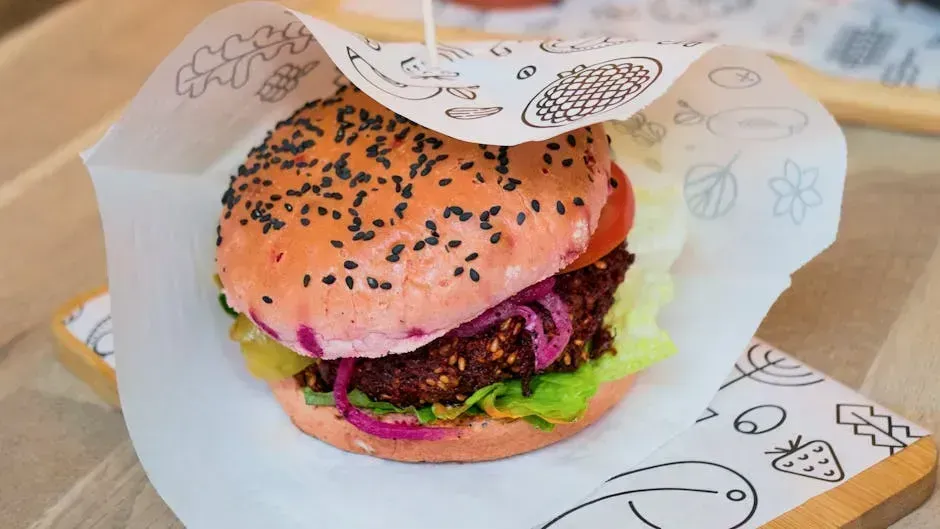
Few dishes captured the restaurant world's imagination quite like the plant-based burger - for a few years, it felt unstoppable. Brands like Beyond Meat and Impossible Foods promised a revolution, and major chains from McDonald's to Dunkin' Donuts ran with the concept eagerly. McDonald's, Dunkin' Donuts, and Panda Express all made headlines when they introduced plant-based meat options, but those menu items did not last. The initial excitement turned out to be driven by curiosity, not loyalty, and repeat customers proved harder to win than anyone anticipated.
In calendar year 2024, SPINS data analyzed by the Good Food Institute and the Plant Based Foods Association shows that US retail sales of most plant-based categories were down against a backdrop of rising sales for conventional meat and seafood, with sales of plant-based meat and seafood specifically dropping 7% to $1.2 billion in 2024, and unit sales falling an even steeper 11%. In the US foodservice sector, which experienced moderate overall growth last year, sales in the plant-based proteins category fell 5% in 2024. Funding for startups making plant-based meat, dairy, and eggs also plummeted by 64% in 2024, dropping from $854 million to just $309 million. That's not a correction - that's a retreat.
2. Avocado Toast
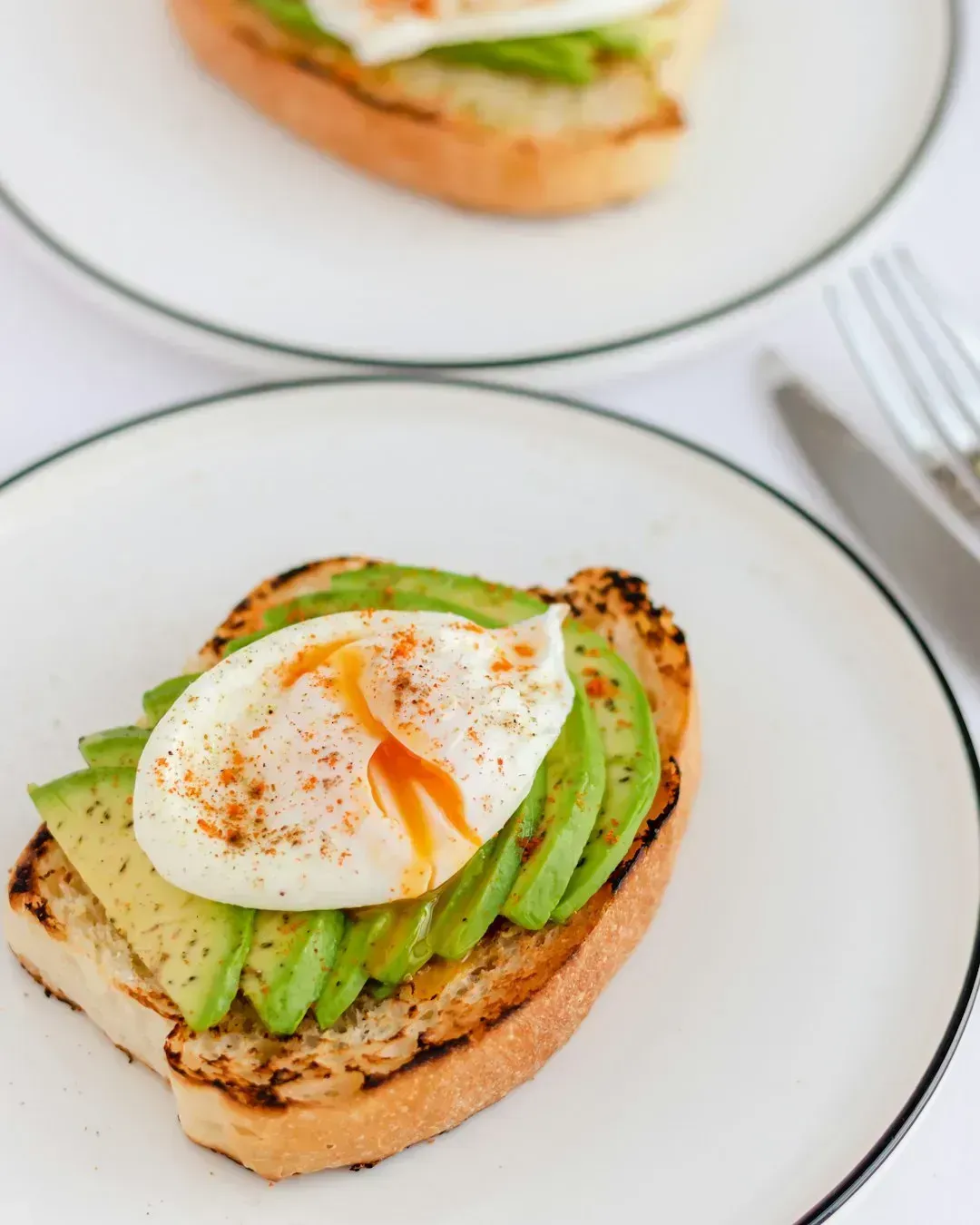
Avocado toast had one of the most remarkable runs in modern food culture, going from health-café curiosity to restaurant staple to cultural punchline in under a decade - and now, even chefs are questioning its staying power. The dish became synonymous with a certain kind of millennial brunch aesthetic, showing up on menus at everything from corner cafes to upscale bistros. Sean Thompson, executive chef at Porter House, summed it up bluntly: "Avocado toast. Look, I have no problem with it, but the fact that it's been considered a trend for years still baffles me." That sentiment is increasingly shared across the industry.
The popularity of avocado toast is also part of a wider trend being challenged, as restaurants and diners seek out alternative toast toppings to the environmentally problematic avocado, with chefs showing that other ingredients needn't be boring. Beans, seasonal vegetables, and fermented spreads are steadily stepping into the spotlight as more interesting, more sustainable replacements. Diner frustration is growing, with some openly complaining about paying high prices for what amounts to assembling the dish themselves, with no indication on the menu that it was "deconstructed." The value perception simply no longer matches the price tag.
3. Multi-Course Tasting Menus

The elaborate tasting menu was once a restaurant rite of passage, a way for chefs to showcase technical prowess across a dozen or more courses. Diners saved up, planned months in advance, and surrendered entire evenings to the experience. According to the US Consumer Price Index, "food away from home" rose about 6 percent from January 2024 to September 2025, driven by rising labor, rent, and ingredient costs. That inflation has made lengthy, expensive tasting menus a much harder sell for the average diner.
Inflation has reshaped consumer dining habits broadly, with guests still wanting to eat out but in more rational, budget-conscious ways - and a sixteen-course dinner costing several hundred dollars per person is a harder sell when grocery bills feel punishing. Restaurant categories that are typically higher end, such as New American (down 46%), Teppanyaki (down 40%), and Modern European (down 36%), have declined as consumers grapple with rising prices even as inflation cools. After sharp price hikes in 2025, the trend is reversing in 2026, with more affordable concepts and menus attracting wider audiences and even fine dining chefs exploring more accessible offers.
4. The Kale Salad

For years, kale was the poster vegetable of the health-conscious restaurant movement, showing up in salads, smoothies, sides, and grain bowls with relentless enthusiasm - and now it signals menu fatigue more than culinary creativity. It was a genuine phenomenon at its peak. Packed with valuable vitamins, minerals and nutritional benefits, kale was classified as a superfood, and its healthfulness and versatility soon made it a star of the salad bar, branching out into smoothies, stir-fries, soups, flatbreads, grain bowls, and even breakfast items. The problem is that ubiquity became its undoing.
Industry consulting firm Menu Matters vice president Mike Kostyo specifically called out kale salads as an example of dishes that have become too ubiquitous, advising operators to "get away from the single ingredient or dish that's everywhere" and to "have it in your toolbox but don't throw it on everything." According to insight gathered by booking platform Resy, today's diners have "discerning palates" and look for "quality, transparency and uniqueness" in their meals - and a predictable kale salad dressed in lemon vinaigrette checks none of those boxes anymore. Restaurants and home cooks are moving beyond the traditional kale and arugula and exploring hyper-local, lesser-known microgreens as the next stage of greens evolution.
5. Deconstructed Dishes
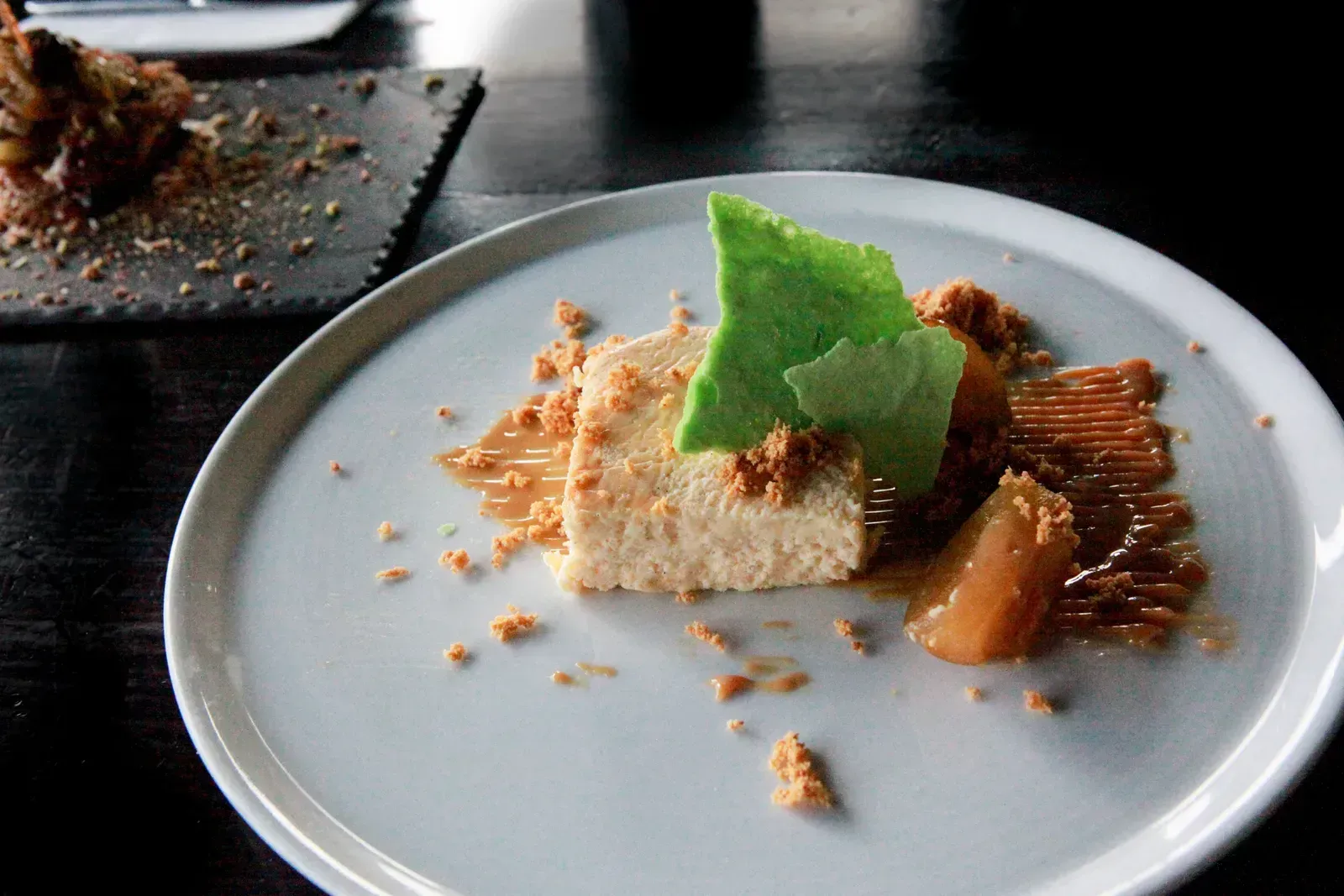
For the better part of a decade, "deconstructed" was one of the most powerful words on a restaurant menu. Deconstructed cheesecake, deconstructed lasagna, deconstructed tacos - chefs leaned into the format as a way to signal creativity and modernist sensibility. Diners initially found it clever, even exciting. In Menu Matters' survey of consumers, the one overriding need state for 2025 was "just give me something new," with consumers looking to the food industry to wake them up, bring them together, and show them "something unique and even a little mind blowing." Deconstructed dishes, by contrast, now feel like a tired exercise.
Diners are still showing up to restaurants, but when they do, they're trading down - whether at a full-service or limited-service restaurant. Paying premium prices for a dish that's been taken apart and scattered across a plate feels like a poor return on that investment. Diners are looking for menu items that are hard to make at home, as well as higher quality proteins and global ingredients they can't purchase in a grocery store - and "it's that 'wow' factor that restaurants can deliver," according to industry experts. A bowl of separated components that could have been assembled at home simply doesn't deliver that wow anymore.
6. Luxury Ingredient-Stacked Dishes
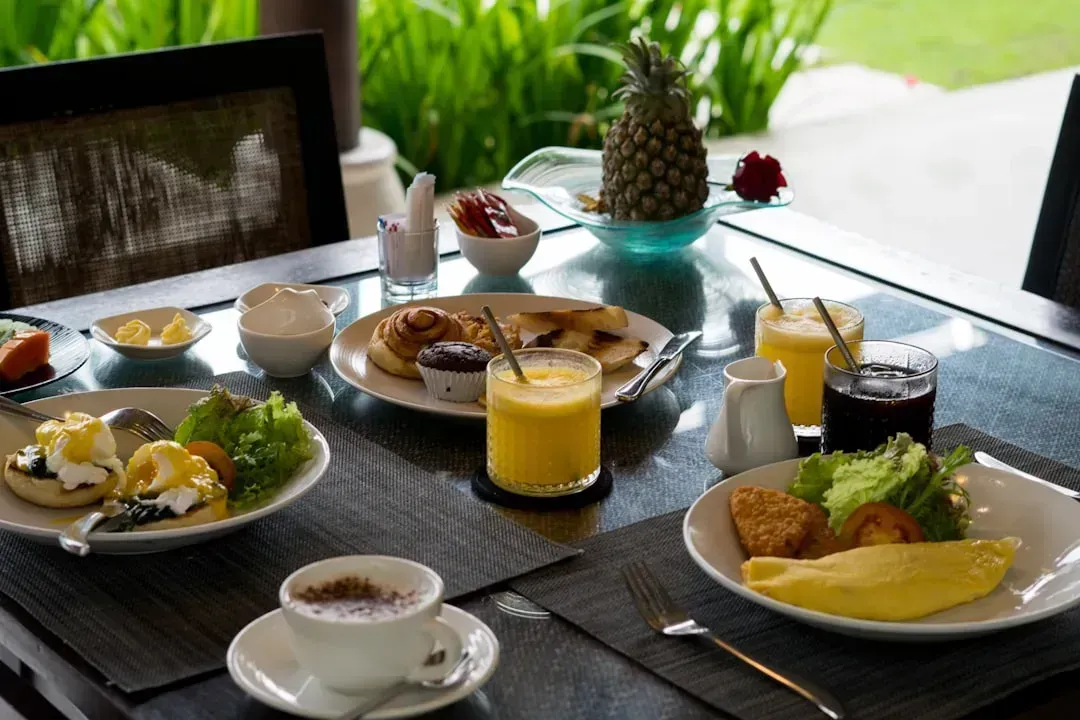
Stacking multiple luxury ingredients - caviar, wagyu beef, uni, truffle - onto a single dish became a shorthand for prestige dining during the 2010s and early 2020s. The more expensive the ingredients, the more viral the plate. Restaurants leaned into the formula because it worked, at least for a while. According to Datassential, 72% of consumers say they are curious to try new foods, flavors and dishes, but what's new has shifted considerably away from ingredient pileups toward genuine culinary storytelling and thoughtful sourcing.
Turbulent trade policies could raise food costs when many diners are already tightening their discretionary spending, forcing operators to get creative to keep sales healthy. Charging a diner $90 for a dish where every element screams "expensive" is a strategy that's running out of runway. Gen X and baby boomers showed the sharpest pullback in dining and food delivery spending, with low- and middle-income households in these groups cutting back most across quick-service, sit-down, and delivery categories. As discretionary budgets tighten across demographics, dishes built entirely around conspicuous luxury are quietly disappearing from the menus of even the most ambitious restaurants.



Leave a Reply