
You've probably walked through a grocery store a hundred times thinking you had a pretty good handle on what's healthy and what's not. The obvious offenders, the chips, the candy bars, seem easy enough to avoid. The real problem is what's hiding in plain sight on the shelves between them. Some of the most health-damaging foods in 2026 look completely innocent, and many wear a "healthy" label to boot.
Nutrition experts say that the conversation around harmful grocery staples is actively shifting in 2026. While added sugar still matters, certain everyday items may be even more problematic due to how they quietly drive inflammation, disrupt blood sugar, and mislead shoppers with "healthy" branding. Here are the four items raising the most serious concerns right now. Be surprised by what made the list.
1. Ultra-Processed Packaged Snacks and Convenience Foods
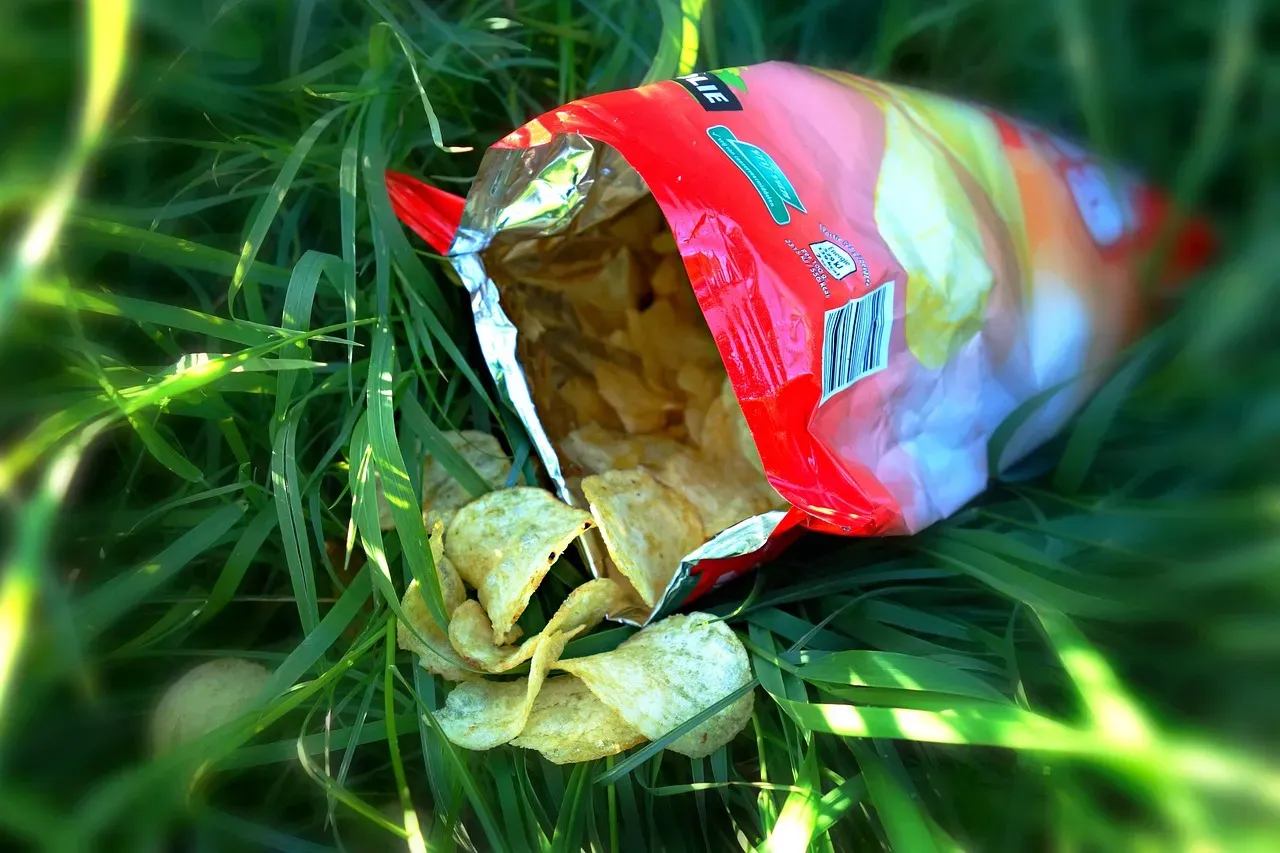
Frozen pizza, ready-to-eat meals, instant noodles, and many store-bought breads fall into the category of "ultraprocessed foods," and new CDC data shows that roughly half of the calories adults consumed daily came from ultraprocessed foods between 2021 and 2023. That's a staggering proportion of the daily diet, and it's not just a little concerning.
A 2024 review of 45 meta-analyses, covering nearly 10 million study participants, found "convincing" evidence that a diet high in ultra-processed foods increases the risk of death from cardiovascular disease by roughly half, and the risk of anxiety by nearly half. The same review found "highly suggestive" evidence that greater consumption increases the risk of obesity by more than half, Type 2 diabetes by roughly two-fifths, and depression by about one-fifth.
Using national health data, scientists found that adults with the highest intake of these foods had a nearly fifty percent higher risk of heart attack or stroke, and the results held even after accounting for age, smoking, and income. Honestly, those numbers are hard to brush off. In July 2025, the FDA and USDA announced a joint effort to establish a federally recognized uniform definition for ultra-processed foods, marking a significant step toward increasing transparency for consumers.
The new Dietary Guidelines for Americans 2025 to 2030, published by HHS and USDA, notably include sweeping advice to avoid "highly processed" foods as a category, a first of its kind recommendation. The message from the top is becoming very clear: these foods are no longer just a nutrition footnote.
2. Processed Meats (Hot Dogs, Bacon, Deli Slices)
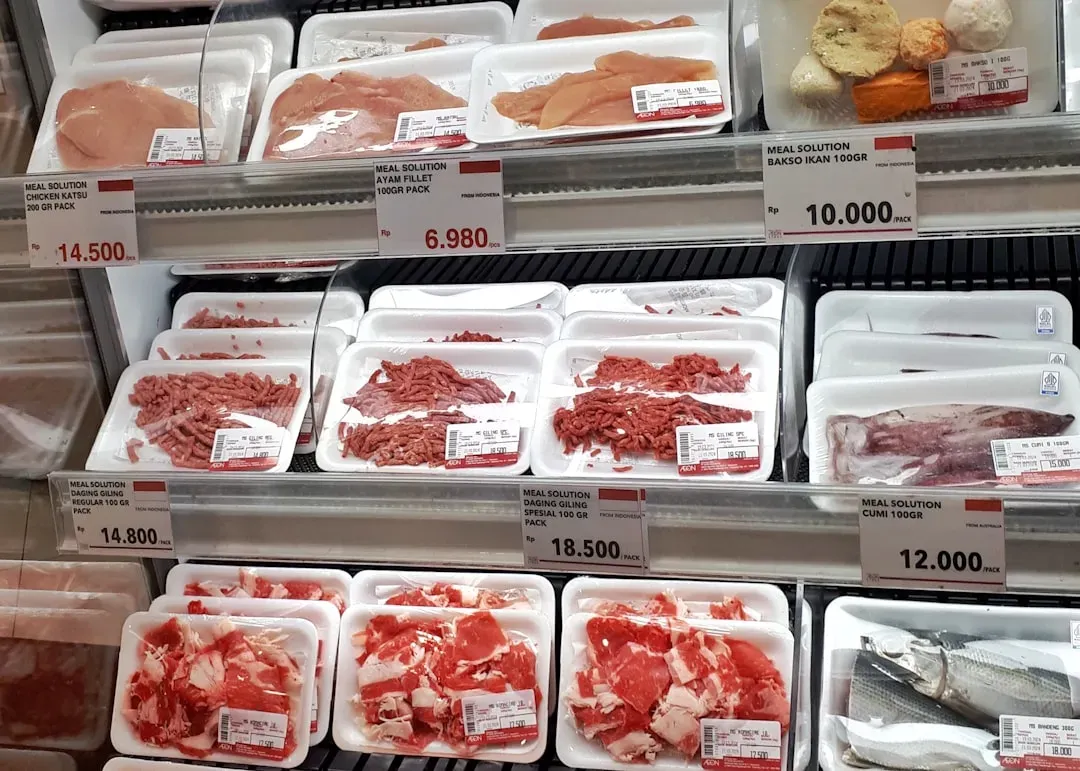
Let's be real. Nobody wants to hear that their Saturday morning bacon is on a cancer warning list. Unfortunately, the science has been building on this one for years and only getting louder.
The World Health Organization has classified processed meats as a cancer-causing food, placing them in the Group 1 carcinogen category. Just 50 grams a day, roughly six slices of bacon or one hot dog, has been linked to an 18 percent higher risk of developing colorectal cancer. That may not seem like much, but over time, it adds up.
According to the most recent estimates by the Global Burden of Disease Project, about 34,000 cancer deaths per year worldwide are attributable to diets high in processed meat. The scale of that number is genuinely sobering. There are several cancer-causing compounds found in processed meats, including N-nitroso compounds in cured meats, and heterocyclic aromatic amines formed when meat is cooked at high temperatures. These compounds damage the DNA in the cells lining our colon, which can lead to the development of cancer cells and over time the growth of large tumors.
Processed meat contains high amounts of saturated fat, salt, and chemical additives, and eating processed meat regularly can lead to weight gain and can put you at increased risk for cancer. Even items labeled "nitrate-free" may still contain natural preservatives. Compounds found in processed meat that increase cancer risk also result in chronic inflammation, which contributes to the development of heart disease, and salt used as a common preservative increases the risk of high blood pressure.
3. Flavored Yogurts with Added Sugar or Artificial Sweeteners

Here's the thing: yogurt has one of the strongest "health halo" reputations in the entire grocery store. Parents put it in kids' lunchboxes. Athletes eat it after workouts. It feels like a responsible choice. But not all yogurts are remotely close to the same thing.
Yogurt is often marketed as a gut-friendly, protein-packed food, but many flavored varieties contain surprisingly high amounts of added sugar, which can spike blood sugar levels and contribute to chronic inflammation when consumed regularly. That fruit-on-the-bottom container you've been reaching for might have more in common with dessert than you'd expect.
Recent research has painted a concerning picture of artificial sugar substitutes used in "diet" yogurt varieties too. A 2025 study published in Frontiers in Microbiology found that synthetic sweeteners, such as sucralose, significantly reduced microbial diversity and enriched pathogenic bacterial families. So whether the yogurt is sweetened with real sugar or artificial alternatives, there's reason to pause. Concerns extend to gut health, where certain artificial sweeteners like saccharin have been linked to inflammatory bowel diseases, gut microbiota disruption, increased intestinal permeability, and dysbiosis, leading to metabolic disturbances such as impaired glucose tolerance and insulin resistance.
A lot of the non-nutritive sweeteners people are consuming are coming from foods that you might think of as healthy. Two prime examples are flavored yogurts and sports drinks. The swap to plain Greek yogurt with fresh fruit, while admittedly less exciting, remains one of the most straightforward dietary upgrades a person can make in 2026.
4. Bottled Salad Dressings with Refined Oils and Emulsifiers

Salad. The single most guilt-free meal option most people reach for. It seems almost unfair that what gets drizzled on top could be quietly undermining the whole point. But that's exactly what researchers and dietitians are flagging right now.
Salads may seem like a nutritional win, but experts say bottled dressings can quickly turn them into an inflammatory meal. Many store-bought dressings contain added sugars, refined oils, and excess sodium, all of which can counteract the benefits of the vegetables themselves. Think of it like washing a clean car with dirty water.
Emulsifiers keep processed foods together, blending oil and water in products like salad dressings. Yet these molecules strip the gut's protective mucus layer, eroding the body's natural defense against harmful bacteria. That's a significant biological effect from something most people never think twice about. These additives have a substantial biological impact. A 2025 preprint study shows that dietary emulsifiers such as polysorbate-80 can kill intestinal cells and disrupt lipid metabolism, possibly promoting inflammatory diseases.
Chronic inflammation has been linked to weight gain, insulin resistance, heart disease, and hormonal imbalances, making refined oils and emulsifier-heavy products a major concern for long-term health. The fix here is genuinely simple: olive oil, lemon juice, and a pinch of salt. No label needed. No hidden ingredients. Just real food, which is honestly what the latest dietary guidelines are pointing back to anyway.
None of this means that every bite of processed food is an emergency or that you need to throw out your entire pantry today. What it does mean is that label awareness in 2026 matters more than ever. The foods generating the most health concern right now are not the obviously bad ones. They're the ones that look reasonable, taste convenient, and have been sitting in shopping carts for decades without much question. What do you think about it? Tell us in the comments.



Leave a Reply